
Castles · Central Scotland
Doune Castle
In or near Deanston.
Doune Castle — castle in Stirling, Scotland, UK.

Wikimedia Commons contributors — see linked file page for photographer and licence licence
.jpg)
Plan your visit
- Typical visit
- 1.5 h–3 h
- Nearest railway station
- Dunblane · 5.2 km
- Family-friendly
- Limited wheelchair access
Getting there & planning your visit
To visit Doune Castle, the nearest railway station is Dunblane, located 5.2 km away. The postcode for sat-nav is FK16 6EA. Accessibility is limited for wheelchair users.
About
Doune Castle is a castle in the United Kingdom — fortified architecture from the medieval, Tudor, or Victorian-revival period. Records date its origin to 1400. Heritage designation: scheduled monument. Wikidata describes it as: "castle in Stirling, Scotland, UK". Coordinates: 56.1852°, -4.0503°.
Photo gallery
Heritage listing
Doune Castle is a medieval stronghold near the village of Doune, in the Stirling council area of central Scotland and the historic county of Perthshire. The castle is sited on a wooded bend where the Ardoch Burn flows into the River Teith. It lies 8 miles (13 kilometres) northwest of Stirling, where the Teith flows into the River Forth. Upstream, 8 miles (13 kilometres) further northwest, the town of Callander lies at the edge of the Trossachs, on the fringe of the Scottish Highlands. Recent research has shown that Doune Castle was originally built in the 13th century, then probably damaged in the Scottish Wars of Independence, before being rebuilt in its present form in the late 14th century by Robert Stewart, Duke of Albany (c.
From Historic Environment Scotland under OGL v3.
From Historic Environment Scotland
Get an overview of Doune Castle in the Central and West region, including its life as home of Regent Albany, and find out what to see at Doune Castle. Contact us today for more information.
Read more on the official property page.
From the Wikipedia article
Doune Castle is a medieval stronghold near the village of Doune, in the Stirling council area of central Scotland and the historic county of Perthshire. The castle is sited on a wooded bend where the Ardoch Burn flows into the River Teith. It lies 8 miles (13 kilometres) northwest of Stirling, where the Teith flows into the River Forth. Upstream, 8 miles (13 kilometres) further northwest, the town of Callander lies at the edge of the Trossachs, on the fringe of the Scottish Highlands. Recent research has shown that Doune Castle was originally built in the 13th century, then probably damaged in the Scottish Wars of Independence, before being rebuilt in its present form in the late 14th century by Robert Stewart, Duke of Albany (c. 1340–1420), the son of Robert II of Scotland, and Regent of Scotland from 1388 until his death. Duke Robert's stronghold has survived relatively unchanged and complete, and the whole castle was traditionally thought of as the result of a single period of construction at this time. The castle passed to the crown in 1425, when Albany's son was executed, and was used as a royal hunting lodge and dower house. In the later 16th century, Doune became the property of the Earls of Moray. The castle saw military action during the Wars of the Three Kingdoms and Glencairn's rising in the mid-17th century, and during the Jacobite risings of the late 17th century and 18th century. By 1800 the castle was ruined, but restoration works were carried out in the 1880s, prior to its passing into state care in the 20th century. It is now maintained by Historic Environment Scotland. Due to the status of its builder, Doune reflected the then current ideas of what a royal castle building should be. It was planned as a courtyard with ranges of buildings on each side, although only the northern and north-western buildings were completed. These comprise a large tower house over the entrance, containing the rooms of the Lord and his family, and a separate tower…
Excerpt from Wikipedia under CC BY-SA 4.0. See the source article linked in Sources below.
Background
History
]] The site at the confluence of the Ardoch Burn and the River Teith had been fortified by the Romans in the 1st century AD, although no remains are visible above ground. The earliest identifiable work in the castle dates from the thirteenth century,
Description
Doune occupies a strategic site, close to the geographical centre of Scotland, and only 5 mi from Stirling Castle, the "crossroads of Scotland". There are no openings within the lower part of the castle's walls, excepting the entrance and the postern, or side gate, to the west, although there are relatively large windows on the upper storeys. Windows in the south wall suggest that further buildings were intended within the courtyard, but were never built. The stonework is of coursed sandstone rubble, with dressings in lighter Ballengeich stone.
Sourced from Wikipedia under CC BY-SA 4.0.
- Coordinates
- 56.1852, -4.0503
- District
- Stirling
- Postcode
- FK16 6EA
- Parliamentary constituency
- Stirling and Strathallan
- Phone
- 01786841742
- Established
- 1400
- Nearest railway station
- Dunblane — 5.2 km
- Official site
- douneanddeanston.com
Sources
- wikidata: Q1252715 (CC0)
- wikipedia: Doune Castle (CC BY-SA 4.0)
- commons: Scotland-2016-Aerial-Doune Castle (and Castle keeper's cottage).jpg (CC BY-SA 4.0)
- fsq: 4bed506f9868a593fa2b5d46 (Apache-2.0)
Featured in this guide
Other places nearby

Bridge of Ardoch
Historic bridges · 0.3 km

St Fillian And Alphonsus R.C. Church, Main Street, Doune
Historic churches · 0.4 km

Ardoch Burn
Castles · 0.5 km

Kilmadock Parish Church, Main Street, Doune
Historic churches · 0.5 km

Cross House, The Cross, Doune
Historic houses · 0.5 km

St Madoc's Episcopal Church, George Street, Doune
Historic churches · 0.5 km

Doune
Villages · 0.6 km

Doune War Memorial
Memorials & monuments · 0.6 km

Cairnryan, Bank Street, Doune
Historic houses · 0.6 km

Bridge of Teith
Historic bridges · 0.7 km

Doune railway station
Historic houses · 0.8 km

Ashmill Caravan Site
Caravan parks · 1.0 km
Nearby
📷 5Historic bridges · Central Scotland
Bridge of Ardoch
Bridge of Ardoch — category A listed building-listed bridge in scotland-central, United Kingdom.
📷 5Historic churches · Central Scotland
St Fillian And Alphonsus R.C. Church, Main Street, Doune
St Fillian And Alphonsus R.C. Church, Main Street, Doune — category C listed building-listed church in scotland-central, United Kingdom.
📷 4📷 5Historic churches · Central Scotland
Kilmadock Parish Church, Main Street, Doune
Kilmadock Parish Church, Main Street, Doune — category B listed building-listed church in scotland-central, United Kingdom.
📷 3Historic houses · Central Scotland
Cross House, The Cross, Doune
Cross House, The Cross, Doune — house in Doune, Stirling, Scotland, UK.
📷 5Historic churches · Central Scotland
St Madoc's Episcopal Church, George Street, Doune
St Madoc's Episcopal Church, George Street, Doune — category B listed building-listed church in scotland-central, United Kingdom.
Where to eat & stay near Doune Castle
Places to stay
📷 5Caravan parks · Central Scotland
Ashmill Caravan Site
Ashmill Caravan Site — a caravan park in scotland central.
 📷 5
📷 5Campsites · Central Scotland
Blair Drummond Caravan Park
Blair Drummond Caravan Park — a campsite in scotland central.
 📷 6
📷 6Hotels · Central Scotland
DoubleTree by Hilton Hotel Dunblane Hydro
DoubleTree by Hilton Hotel Dunblane Hydro — a hotel in scotland central. 4-star. Brand: DoubleTree.
 📷 5
📷 5Hotels · Central Scotland
Stirling Court Hotel
Stirling Court Hotel — a hotel in scotland central.
 📷 5
📷 5Hostels · Central Scotland
Stirling Youth Hostel
Stirling Youth Hostel — a hostel in scotland central.
 📷 5
📷 5Campsites · Central Scotland
Keltie Bridge
Keltie Bridge — a campsite in scotland central.
Places to eat & drink
 📷 6
📷 6Historic pubs · Central Scotland
Westerton Arms, 34 Henderson Street, Bridge of Allan
Westerton Arms, 34 Henderson Street, Bridge of Allan in Scotland Central, United Kingdom.
 📷 6
📷 6Historic pubs · Central Scotland
The Gothenburg
The Gothenburg in Scotland Islands, United Kingdom.
 📷 7
📷 7Historic pubs · Central Scotland
Johnstone Arms Hotel, 48 Stirling Street, Alva
Johnstone Arms Hotel, 48 Stirling Street, Alva in Scotland Central, United Kingdom.
 📷 5
📷 5Historic pubs · Central Scotland
Dennyloanhead
Dennyloanhead in Scotland Islands, United Kingdom.
 📷 7
📷 7Historic pubs · Central Scotland
Ye Olde House Inn, 25-26 Forth Street, Kincardine On Forth
Ye Olde House Inn, 25-26 Forth Street, Kincardine On Forth in Scotland Central, United Kingdom.
Other castles from this era
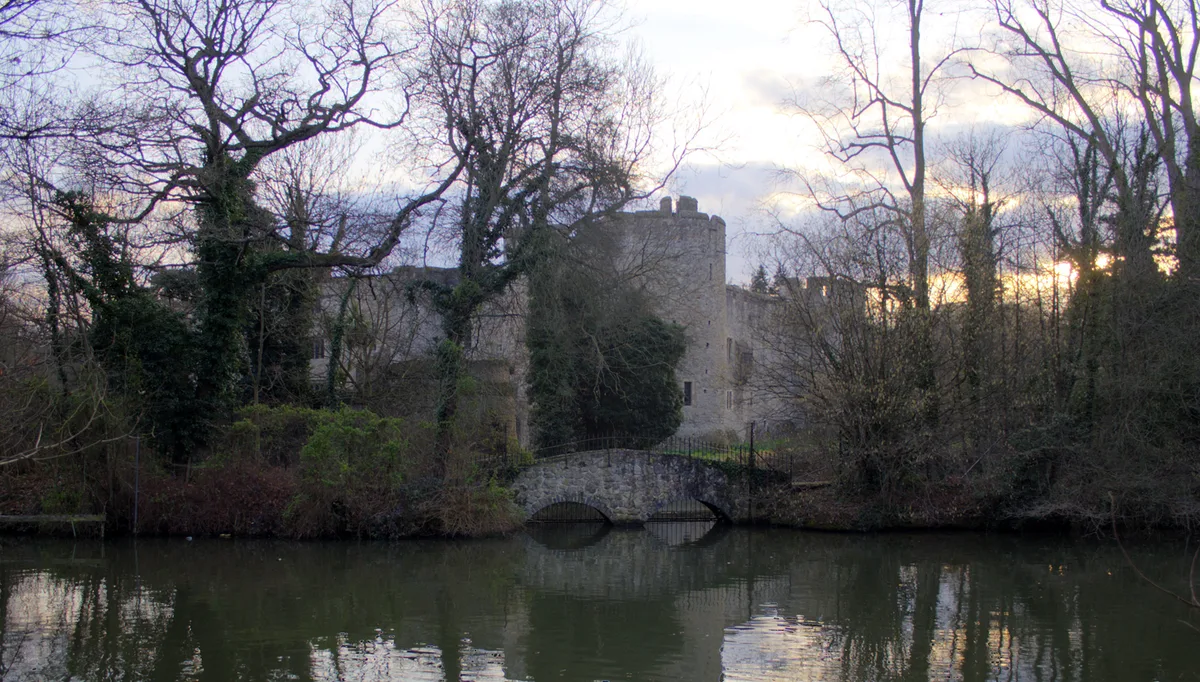 📷 5
📷 5Castles · South East England
Allington Castle
Allington Castle — stone-built moated castle in Allington, England.
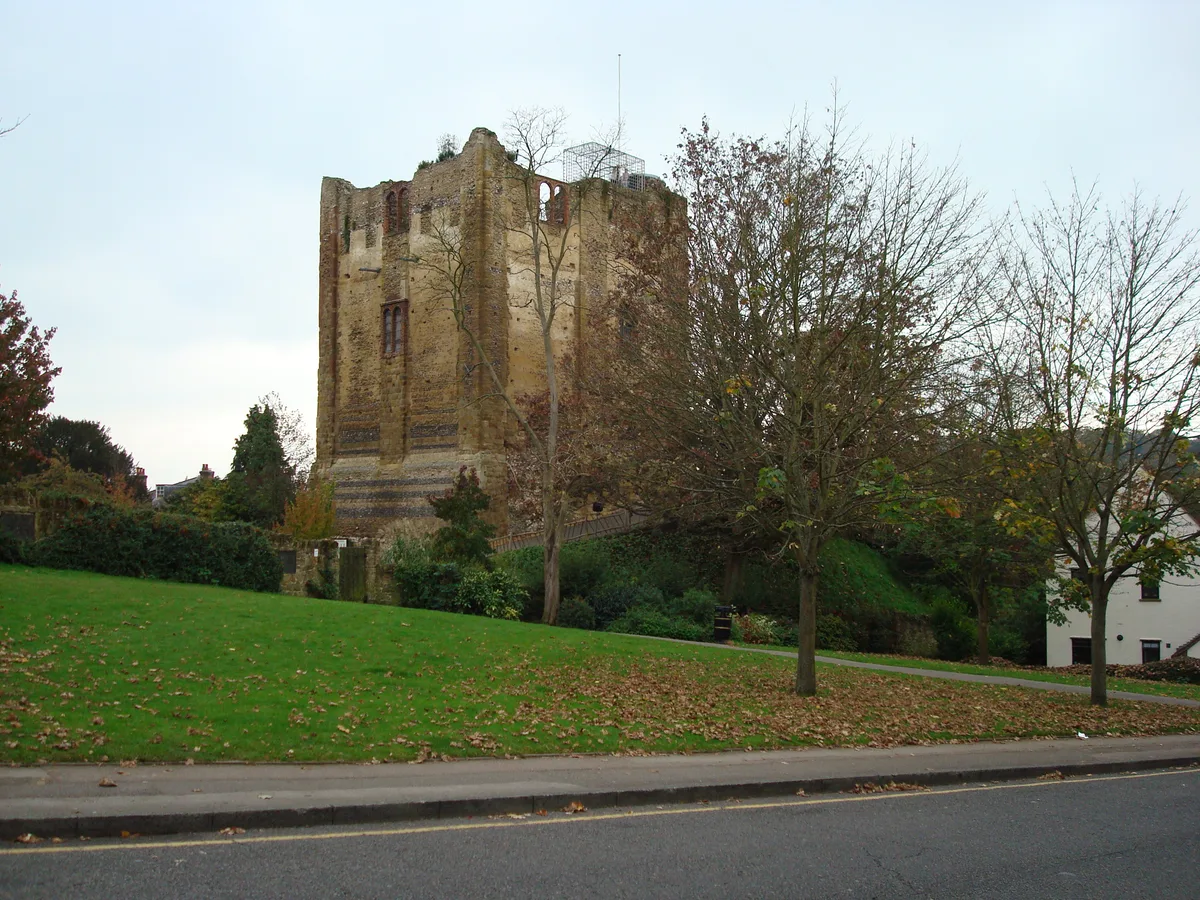 📷 5
📷 5Castles · South East England
Guildford Castle
Guildford Castle — castle in Guildford, Surrey, England, UK.
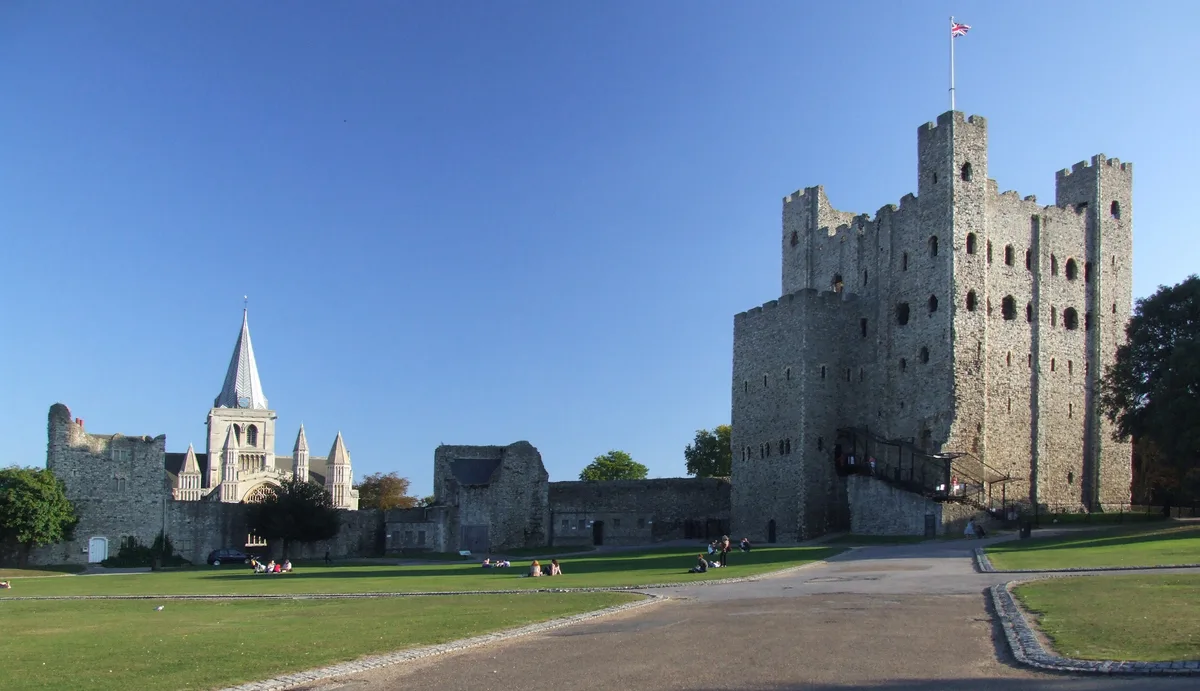 📷 5
📷 5Castles · South East England
Rochester Castle
Rochester Castle — castle in Rochester, Kent, South East England.
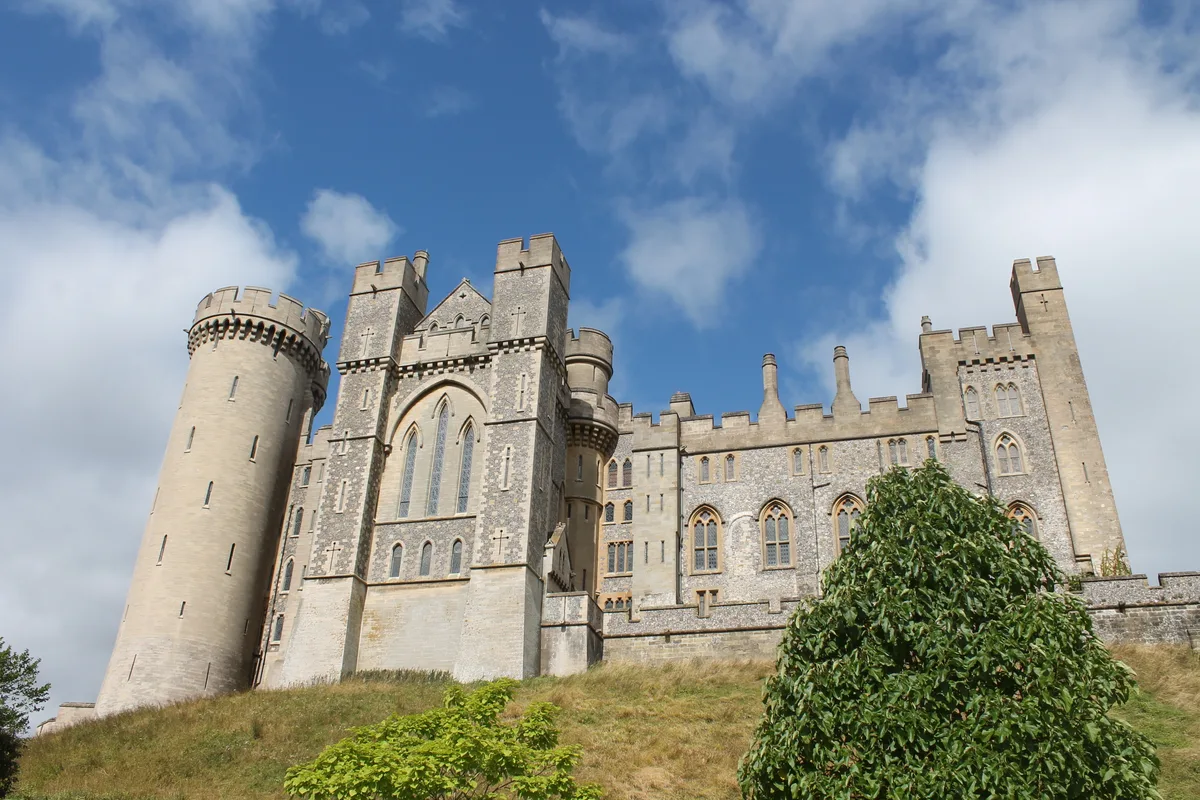 📷 5
📷 5Castles · South East England
Arundel Castle
Arundel Castle — castle in West Sussex, England, UK.
More castles in this region
 📷 3
📷 3 📷 5
📷 5 📷 4
📷 4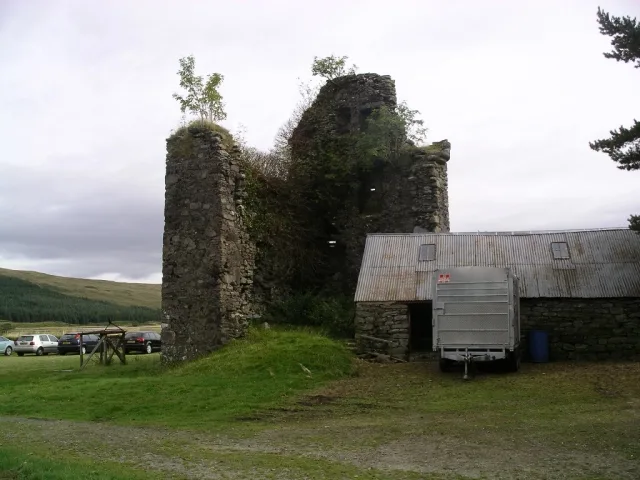 📷 3
📷 3Castles · Central Scotland
Achallader Castle
Achallader Castle — castle in Argyll and Bute, Scotland, UK.
Frequently asked questions
- Where is Doune Castle?
- Doune Castle is in central Scotland, United Kingdom (postcode FK16 6EA).
- What is Doune Castle?
- Doune Castle — castle in Stirling, Scotland, UK.
- How do I get to Doune Castle?
- The nearest railway station is Dunblane, about 5.2 km away. The nearest town is Deanston. Drivers can use postcode FK16 6EA.
- When was Doune Castle built?
- Built or established in 1400.
- Who owns Doune Castle?
- Doune Castle is owned by Historic Environment Scotland.
- Is Doune Castle a listed building?
- Doune Castle is officially recognised as scheduled monument listed.
- Does Doune Castle charge admission?
- Doune Castle typically charges admission. Check the official site for current ticket prices and opening hours.
- How do I get to Doune Castle?
- The nearest railway station is Dunblane, about 5.2 km away. Drivers can navigate to postcode FK16 6EA.