
Public art & sculpture · London
Dinosaur
In or near Shortlands.
Dinosaur — a public art in england-london, United Kingdom.

Glyn Baker — CC BY-SA 2.0 via Wikimedia Commons licence

Plan your visit
- Typical visit
- 1 h–2 h
- Nearest railway station
- Birkbeck · 0.4 km
- Free entry
- Dog-friendly
Getting there & planning your visit
To visit the Dinosaur public art installation in Bromley, London, you can take a train to Birkbeck station, which is 0.4 km away. The postcode for navigation is SE20 7RF, and entry is free. The site is accessible for visitors.
About
Dinosaur is a public art located in england-london, United Kingdom. Sourced from OpenStreetMap (ODbL licence); see local listings for visitor information, opening hours and admission details.
Photo gallery
See it from the streetimagery from 2019
Imagery © Mapillary contributors, CC BY-SA 4.0
From the Wikipedia article
Dinosaurs are a diverse group of reptiles of the clade Dinosauria. They existed through most of the Mesozoic era, first appearing early in the Triassic period. They became the dominant terrestrial vertebrates after the Triassic–Jurassic extinction event 201.3 mya and their dominance continued throughout the Jurassic and Cretaceous periods. The fossil record shows that birds are feathered dinosaurs, having evolved from earlier theropods during the Late Jurassic epoch, and are the only dinosaur lineage known to have survived the Cretaceous–Paleogene extinction event approximately 66 mya. Dinosaurs can therefore be divided into avian dinosaurs—birds—and the extinct non-avian dinosaurs, which are all dinosaurs other than birds. Dinosaurs are varied from taxonomic, morphological and ecological standpoints. Birds, at over 11,000 living species, are among the most diverse groups of vertebrates. Using fossil evidence, paleontologists have identified over 900 distinct genera and more than 1,000 different species of non-avian dinosaurs. Dinosaurs are represented on every continent by both extant species (birds) and fossil remains. Through most of the 20th century, before birds were recognized as dinosaurs, most of the scientific community believed dinosaurs to have been sluggish and cold-blooded. Most research conducted since the 1970s, however, has indicated that dinosaurs were active animals with elevated metabolisms and numerous adaptations for social interaction. Some were herbivorous, others carnivorous. Evidence suggests that all dinosaurs were egg-laying, and that nest-building was a trait shared by many dinosaurs, both avian and non-avian. While dinosaurs were ancestrally bipedal, many extinct groups included quadrupedal species, and some were able to shift between these stances. Elaborate display structures such as horns or crests are common to all dinosaur groups, and some extinct groups developed skeletal modifications such as bony armor and spines. While the dinosaurs' modern-day surviving avian lineage (birds) are generally small due to the constraints of flight, many non-avian dinosaurs were large-bodied—the largest sauropod dinosaurs are estimated to have reached lengths of 39.7 meters (130 feet) and heights of 18 m (59 ft) and were the largest land animals of all time. The first dinosaur fossils were recognized in the early 19th century, with the name "dinosaur" (meaning "terrible lizard") being coined by Sir Richard Owen in 1842 to refer to these "great fossil lizards". Since then, mounted fossil dinosaur skeletons have been major attractions at museums worldwide, and dinosaurs have become an enduring part of popular culture. The large sizes of some dinosaurs, as well as their seemingly monstrous and fantastic nature, have ensured their regular appearance in best-selling books and films, such as the Jurassic Park franchise. Persistent public enthusiasm for the animals has resulted in significant funding for dinosaur science, and new discoveries are regularly covered by the media.
Excerpt from Wikipedia under CC BY-SA 4.0. See the source article linked in Sources below.
Background
History
(large), Eoraptor (small) and a Plateosaurus skull, from the Triassic]] Dinosaurs diverged from their archosaur ancestors during the Middle to Late Triassic epochs, roughly 20 million years after the devastating Permian–Triassic extinction event wiped out an estimated 96% of all marine species and 70% of terrestrial vertebrate species approximately 252 million years ago. The Ischigualasto Formation (radiometrically dated at 231–230 million years old) has produced the early saurischian Eoraptor, originally considered a member of the Herrerasauridae but now considered to be an early sauropodomorph, along with the herrerasaurids Herrerasaurus and Sanjuansaurus, and the sauropodomorphs…
Sourced from Wikipedia under CC BY-SA 4.0.
- Coordinates
- 51.4072, -0.0562
- District
- Bromley
- Parish
- Bromley, unparished area
- Postcode
- SE20 7RF
- Parliamentary constituency
- Beckenham and Penge
- Nearest railway station
- Birkbeck — 0.4 km
Sources
- osm: node/6329832098 (ODbL)
- wikipedia: Dinosaur (CC BY-SA 4.0)
Other places nearby
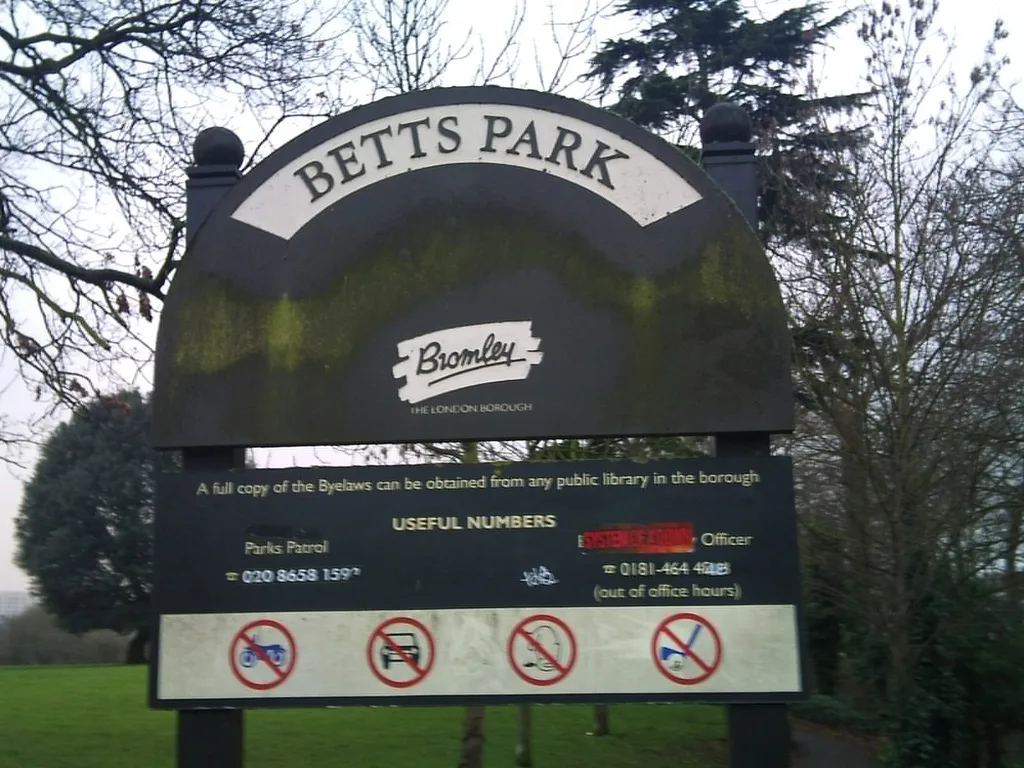
Betts Park
Country parks · 0.6 km

Beckenham Crematorium
Cemeteries · 0.6 km
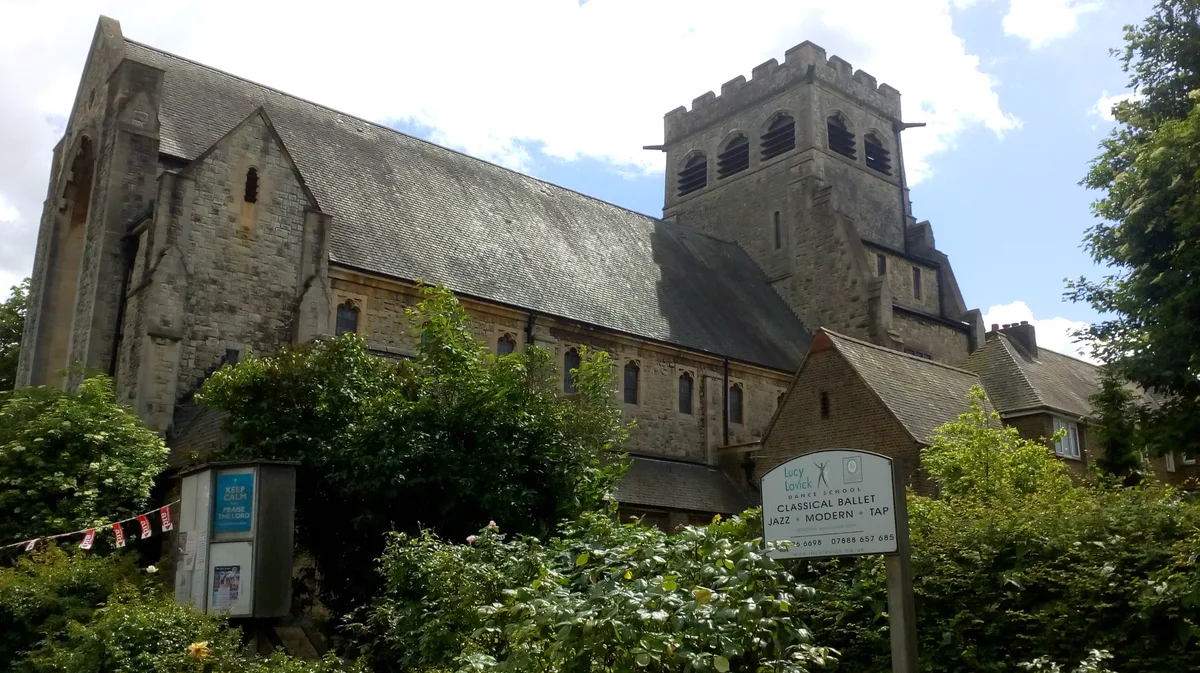
Congregational Church
Historic churches · 0.7 km

Croydon Canal
Canals · 0.7 km

45-53
Hostels · 1.0 km

Penge Millennium Rock
Memorials & monuments · 1.0 km

Penge Empire
Open-air theatres · 1.0 km

Penge War Memorial
Memorials & monuments · 1.0 km

Principle War Memorial
Memorials & monuments · 1.0 km

The White House
Historic houses · 1.0 km
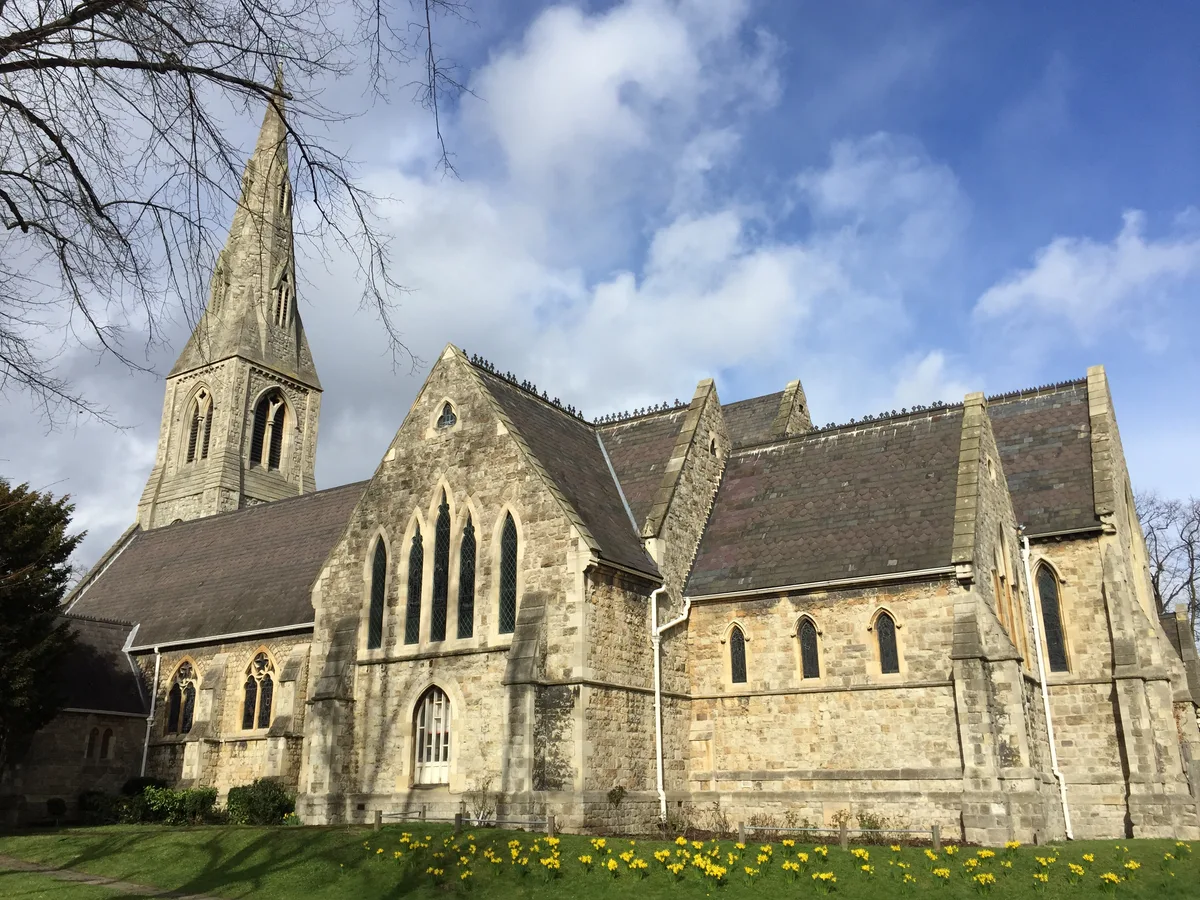
Church of St John the Evangelist
Historic churches · 1.0 km

Anerley
Chapels · 1.1 km
Nearby
📷 5Country parks · London
Betts Park
Betts Park — public park in Penge, London Borough of Bromley, in London, England.
📷 5Cemeteries · London
Beckenham Crematorium
Beckenham Crematorium is a cemetery in the United Kingdom.
📷 5📷 5📷 5📷 5Memorials & monuments · London
Penge Millennium Rock
Penge Millennium Rock — a memorial in england-london, United Kingdom.
Where to eat & stay near Dinosaur
Places to stay
📷 5 📷 5
📷 5 📷 5
📷 5Campsites · London
South London Scout Centre
South London Scout Centre — a campsite in england london.
 📷 7
📷 7Hotels · London
Hampton by Hilton London Croydon
Hampton by Hilton London Croydon — a hotel in england london. 3.5-star. Brand: Hampton.
 📷 7
📷 7Hotels · London
Holiday Inn Express London-Croydon
Holiday Inn Express London-Croydon — a hotel in england london. 3-star. Brand: Holiday Inn Express.
 📷 5
📷 5Hostels · London
Hootananny Brixton
Hootananny Brixton — a hostel in england london.
Places to eat & drink
 📷 5
📷 5 📷 5
📷 5 📷 5
📷 5 📷 5
📷 5Historic pubs · London
The Partridge
The Partridge in England London, United Kingdom.
 📷 5
📷 5Historic pubs · London
The Crown and Greyhound
The Crown and Greyhound in England London, United Kingdom.
 📷 5
📷 5More places in this region
 📷 5
📷 5 📷 5
📷 5Public art & sculpture · London
A Conversation with Oscar Wilde
A Conversation with Oscar Wilde — Public artwork (sculpture).
 📷 5
📷 5Public art & sculpture · London
A Sculpture for Mary Wollstonecraft
A Sculpture for Mary Wollstonecraft — Public artwork (sculpture) by Maggi Hambling.
 📷 5
📷 5Public art & sculpture · London
A Slice of Reality
A Slice of Reality — Public artwork (installation) by Richard Wilson.
Frequently asked questions
- Where is Dinosaur?
- Dinosaur is in London, United Kingdom (postcode SE20 7RF), in the parish of Bromley, unparished area.
- What is Dinosaur?
- Dinosaur — a public art in england-london, United Kingdom.
- How do I get to Dinosaur?
- The nearest railway station is Birkbeck, about 0.4 km away. The nearest town is Shortlands. Drivers can use postcode SE20 7RF.
- Is Dinosaur free to visit?
- Yes, Dinosaur is free to enter.
- How do I get to Dinosaur?
- The nearest railway station is Birkbeck, about 0.4 km away. Drivers can navigate to postcode SE20 7RF.