
Parks · London
Crystal Palace Dinosaurs
In or near Shortlands.
Crystal Palace Dinosaurs — 1854 sculpture series in Crystal Palace Park, London, United Kingdom.

Wikimedia Commons contributors — see linked file page for photographer and licence licence

Plan your visit
- Typical visit
- 1 h–2 h
- Nearest railway station
- Crystal Palace · 0.3 km
- Free entry
- Family-friendly
- Dog-friendly
Getting there & planning your visit
To visit the Crystal Palace Dinosaurs, the nearest railway station is Crystal Palace, located 0.3 km away. Entry to the park is free, and the postcode for sat-nav is SE20 8DP.
About
Crystal Palace Dinosaurs is a public park in the United Kingdom. Records date its origin to 1852. Heritage designation: Grade I listed building. Part of list of public art in Bromley. Wikidata describes it as: "1854 sculpture series in Crystal Palace Park, London, United Kingdom". Coordinates: 51.4175°, -0.0672°.
Photo gallery
See it from the streetimagery from 2019
Imagery © Mapillary contributors, CC BY-SA 4.0
Official information
Crystal Palace Park is known for its Victorian dinosaur diorama and features various statues, including a memorial to Guy the gorilla. Guy was a beloved resident of the London Zoo, known for his gentle nature and playful demeanor, and his statue is located near the boating lake in the park.
From the Wikipedia article
The Crystal Palace Dinosaurs are a series of sculptures of dinosaurs and other extinct animals in the London borough of Bromley's Crystal Palace Park. Commissioned in 1852 to accompany the Crystal Palace after its move from the Great Exhibition in Hyde Park, they were unveiled in 1854 as the first dinosaur sculptures in the world. The models, inaccurate by modern standards, were designed and sculpted by Benjamin Waterhouse Hawkins under the scientific direction of Sir Richard Owen, representing the latest scientific knowledge at the time. The models, also known as the Geological Court or Dinosaur Court, were classed as Grade II listed buildings from 1973, extensively restored in 2002, and upgraded to Grade I listed in 2007. The models represent 15 genera of extinct animals, only three of which are true dinosaurs. They are from a wide range of geological ages, and include true dinosaurs, ichthyosaurs, and plesiosaurs mainly from the Mesozoic era, and some mammals from the more recent Cenozoic era. The models are notable for representing inaccuracies of early palaeontology, the result of improperly reconstructed fossils and the state of science in the 19th century; the Iguanodon and Megalosaurus models are particularly erroneous.
Excerpt from Wikipedia under CC BY-SA 4.0. See the source article linked in Sources below.
Background
History
Following the closure of the Great Exhibition in October 1851, Joseph Paxton's Crystal Palace was bought and moved to Penge Place atop Sydenham Hill, South London, by the newly formed Crystal Palace Company. The grounds that surrounded it were then extensively renovated and turned into a public park with ornamental gardens, replicas of statues and two new man-made lakes. As part of this renovation, Benjamin Waterhouse Hawkins was commissioned to build the first-ever life-sized models of extinct animals. He had originally planned to just re-create extinct mammals before deciding on building dinosaurs as well, which he did with advice from Sir Richard Owen, a celebrated anatomist and…
Description
Fifteen genera of extinct animals, not all dinosaurs, are represented in the park. At least three other genera (Dinornis, a mastodon, and Glyptodon) were planned, and Hawkins began to build at least the mastodon before the Crystal Palace Company cut his funding in 1855. An inaccurate map of the time shows planned locations of the Dinornis and mastodon.
Sourced from Wikipedia under CC BY-SA 4.0.
- Coordinates
- 51.4175, -0.0672
- District
- Bromley
- Parish
- Bromley, unparished area
- Postcode
- SE20 8DP
- Parliamentary constituency
- Beckenham and Penge
- Established
- 1852
- Nearest railway station
- Crystal Palace — 0.3 km
Sources
- wikidata: Q3428134 (CC0)
- wikipedia: Crystal Palace Dinosaurs (CC BY-SA 4.0)
- commons: Mantellodon in Crystal Palace Park.jpg (CC BY-SA 4.0)
Other places nearby

Hylaeosaurus
Public art & sculpture · 0.0 km
Pterosaurs
Public art & sculpture · 0.0 km

Megalosaurus
Public art & sculpture · 0.0 km
Iguanodon
Public art & sculpture · 0.0 km

Teleosaurus
Public art & sculpture · 0.0 km
Mosasaur
Public art & sculpture · 0.0 km

Ichthyosaur
Public art & sculpture · 0.0 km
Plesiosaur
Public art & sculpture · 0.0 km

Anoplotherium
Public art & sculpture · 0.0 km

Dicynodon
Public art & sculpture · 0.1 km
Palaeotherium
Public art & sculpture · 0.1 km

Labyrinthodon
Public art & sculpture · 0.1 km
Nearby
📷 5Public art & sculpture · London
Hylaeosaurus
Hylaeosaurus — a public art in england-london, United Kingdom.
📷 5Public art & sculpture · London
Pterosaurs
Pterosaurs — a public art in england-london, United Kingdom.
📷 5Public art & sculpture · London
Megalosaurus
Megalosaurus — a public art in england-london, United Kingdom.
📷 5Public art & sculpture · London
Iguanodon
Iguanodon — a public art in england-london, United Kingdom.
📷 5Public art & sculpture · London
Teleosaurus
Teleosaurus — a public art in england-london, United Kingdom.
📷 5Public art & sculpture · London
Mosasaur
Mosasaur — a public art in england-london, United Kingdom.
Where to eat & stay near Crystal Palace Dinosaurs
Places to stay
 📷 5
📷 5 📷 5
📷 5 📷 5
📷 5Campsites · London
South London Scout Centre
South London Scout Centre — a campsite in england london.
 📷 7
📷 7Hotels · London
Hampton by Hilton London Croydon
Hampton by Hilton London Croydon — a hotel in england london. 3.5-star. Brand: Hampton.
 📷 5
📷 5Hostels · London
Hootananny Brixton
Hootananny Brixton — a hostel in england london.
 📷 7
📷 7Hotels · London
Holiday Inn Express London-Croydon
Holiday Inn Express London-Croydon — a hotel in england london. 3-star. Brand: Holiday Inn Express.
Places to eat & drink
 📷 5
📷 5 📷 5
📷 5 📷 5
📷 5 📷 5
📷 5Historic pubs · London
The Crown and Greyhound
The Crown and Greyhound in England London, United Kingdom.
 📷 5
📷 5 📷 7
📷 7Other parks from this era
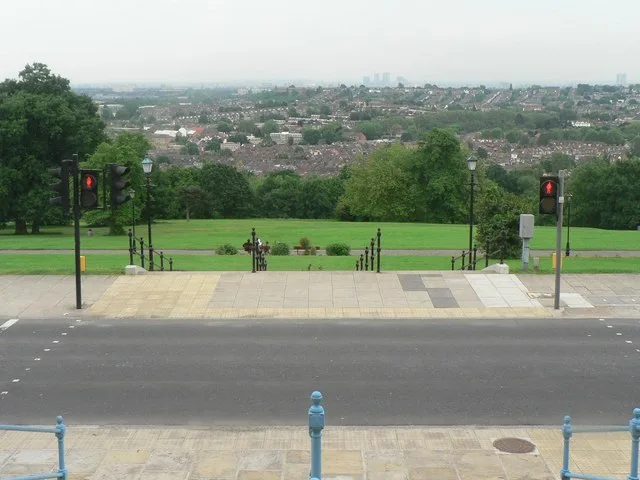 Flagship📷 10
Parks · London
Alexandra Park
Alexandra Park — park in the London Borough of Haringey.
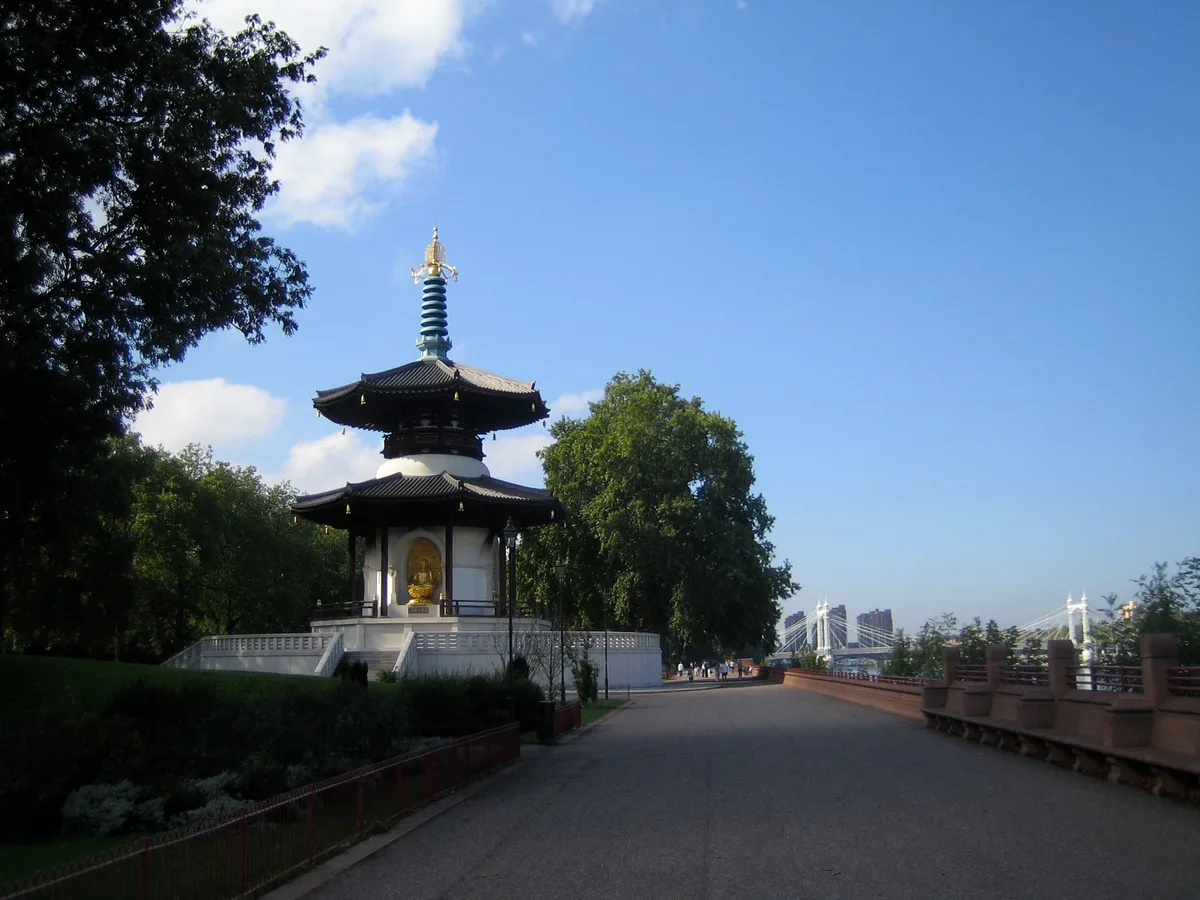 Flagship📷 10
Parks · London
Battersea Park
Battersea Park — park in the Borough of Wandsworth, London, England, UK.
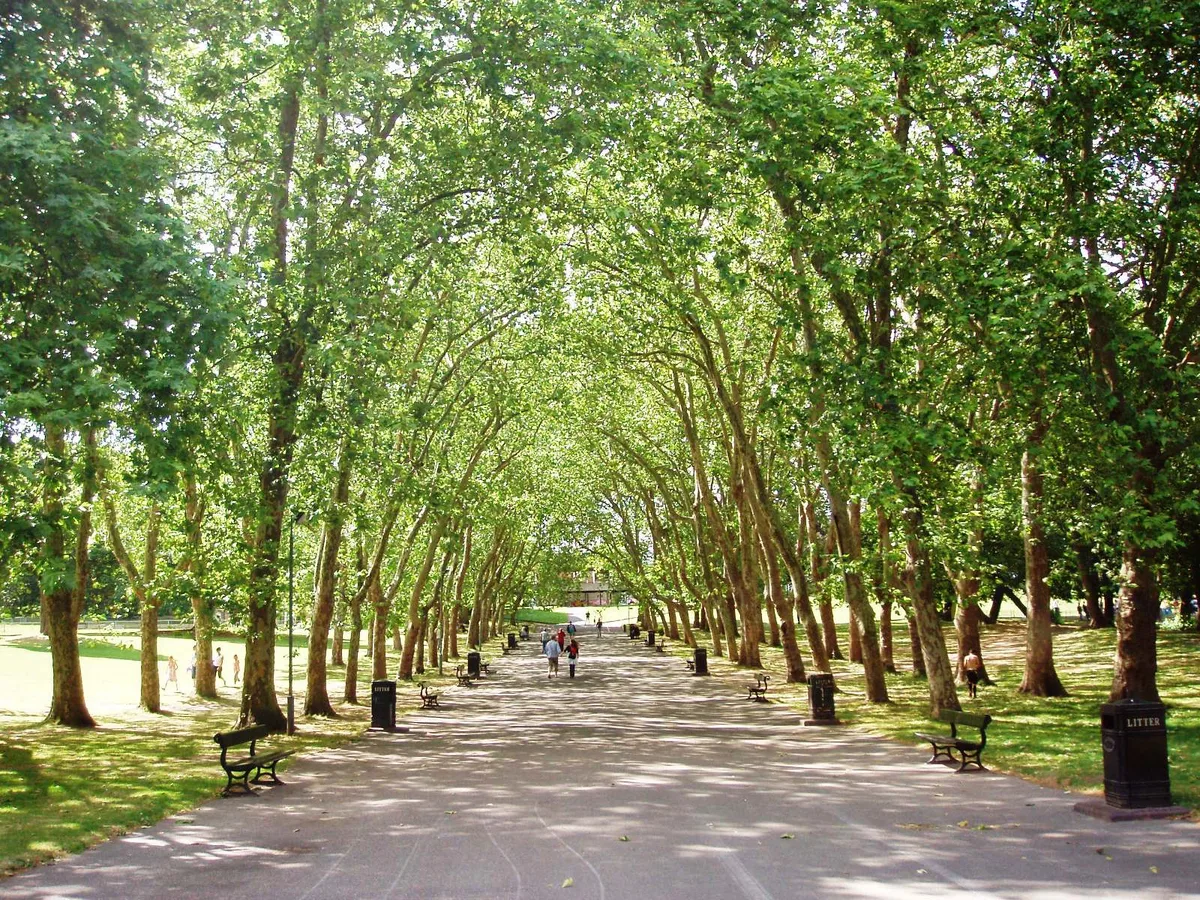 Flagship📷 10
Parks · London
Crystal Palace Park
Crystal Palace Park — Victorian pleasure ground in Crystal Palace, Bromley, London.
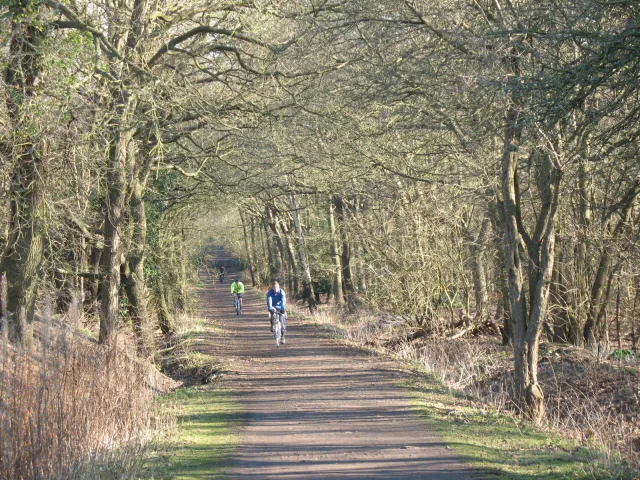 Flagship📷 10
Parks · London
Wimbledon Common
Wimbledon Common — open space in Wimbledon, south-west London.
More parks in this region
 Flagship📷 10
 📷 10
📷 10 Flagship📷 10
Parks · London
Addiscombe Railway Park
Addiscombe Railway Park — park in London Borough of Croydon, United Kingdom.
 Flagship📷 10
Parks · London
Ashburton Park
Ashburton Park — park in the United Kingdom.
Frequently asked questions
- Where is Crystal Palace Dinosaurs?
- Crystal Palace Dinosaurs is in London, United Kingdom (postcode SE20 8DP), in the parish of Bromley, unparished area.
- What is Crystal Palace Dinosaurs?
- Crystal Palace Dinosaurs — 1854 sculpture series in Crystal Palace Park, London, United Kingdom.
- How do I get to Crystal Palace Dinosaurs?
- The nearest railway station is Crystal Palace, about 0.3 km away. The nearest town is Shortlands. Drivers can use postcode SE20 8DP.
- When was Crystal Palace Dinosaurs built?
- Built or established in 1852.
- Is Crystal Palace Dinosaurs a listed building?
- Crystal Palace Dinosaurs is officially recognised as Grade I listed building listed.
- Is Crystal Palace Dinosaurs free to visit?
- Yes, Crystal Palace Dinosaurs is free to enter.
- How do I get to Crystal Palace Dinosaurs?
- The nearest railway station is Crystal Palace, about 0.3 km away. Drivers can navigate to postcode SE20 8DP.