
Parks · London
Crystal Palace Park
In or near Shortlands.
Crystal Palace Park — Victorian pleasure ground in Crystal Palace, Bromley, London.

Wikimedia Commons contributors — see linked file page for photographer and licence licence

Plan your visit
- Typical visit
- 1 h–2 h
- Nearest railway station
- Crystal Palace · 0.3 km
- Free entry
- Family-friendly
- Dog-friendly
Getting there & planning your visit
To visit Crystal Palace Park, the nearest railway station is Crystal Palace, which is 0.3 km away. Entry to the park is free.
About
Crystal Palace Park is a public park in the United Kingdom. Records date its origin to 1854. It covers approximately 78 km². Heritage designation: Heritage at Risk register. Wikidata describes it as: "Victorian pleasure ground in Crystal Palace, Bromley, London". Coordinates: 51.4203°, -0.0705°.
Photo gallery
See it from the streetimagery from 2020
Imagery © Mapillary contributors, CC BY-SA 4.0
Summary from the official site
Crystal Palace Park is one of South London's largest historic green spaces, offering a variety of attractions for visitors. Guests can explore dinosaur sculptures, enjoy a skatepark, and navigate a maze, making it a vibrant destination for outdoor activities.
Read more on the official property page.
From the Wikipedia article
Crystal Palace Park is a large Victorian park in south-east London, Grade II* listed on the Register of Historic Parks and Gardens. It was laid out in the 1850s as a pleasure ground, centred around the re-location of The Crystal Palace – the largest glass building of the time – from central London to this area on the border of Kent and Surrey; the suburb that grew around the park is known by the same name. The Palace had been relocated from Hyde Park after the 1851 Great Exhibition and rebuilt with some modifications and enlargements to form the centrepiece of the park, before being destroyed by fire in 1936. The park features full-scale models of dinosaurs in a landscape, a maze, lakes, and a concert bowl. After the relocation of the Palace, sports facilities were built in the park, including a cricket ground which became the home of the Crystal Palace Cricket Club in 1857. Kent County Cricket Club played a county match at the ground against Nottinghamshire in 1864. The London County Cricket Club also played matches at the cricket ground from 1900 to 1908, when they folded, but the ground continued to stage a number of other first-class cricket matches. The site contains the National Sports Centre, previously a football stadium that hosted the FA Cup Final from 1895 to 1914, as well as Crystal Palace F.C.'s home matches from 1905, until the club was forced to relocate during the First World War. The park is situated halfway along the Norwood Ridge at one of its highest points. This ridge offers views northward to central London, eastward to the Queen Elizabeth II Bridge and Greenwich, and southward to Croydon and the North Downs. The park remains a major London public park; originally maintained by the LCC and then the GLC, but with the abolition of the GLC in 1986 the park and its management were moved into the London Borough of Bromley. Since 2023, much of the park has been managed by Crystal Palace Park Trust, with the GLA continuing responsibility for the…
Excerpt from Wikipedia under CC BY-SA 4.0. See the source article linked in Sources below.
Background
History
After the 1851 Great Exhibition in Hyde Park, Sir Joseph Paxton appealed for the retention of The Crystal Palace in Hyde Park, but the government decreed that the Palace be removed. Paxton formed the Crystal Palace Company to purchase the Hyde Park Crystal Palace for £70,000, as well as a new site at the summit of Sydenham Hill on the Kent/Surrey border for the construction of an enlarged Crystal Palace which cost a total of £1.3 million. The 389-acre site consisted of woodland and the grounds of the mansion known as Penge Place owned by Paxton's friend and railway entrepreneur Leo Schuster. This land as enclosed in 1827 previously made up the northern part of Penge Common, a large area of…
Architecture
The park contains a large bust of Sir Joseph Paxton, first unveiled in 1873. It was sculpted by William F. Woodington, and was originally located looking towards the Palace building over the central pool on the Grand Central Walk. The Italian Terraces with their sculptures survive from the destroyed Crystal Palace. The Crystal Palace Dinosaurs, a group of sculptures of dinosaurs and extinct mammals complete with a 'geological' landscape, are in and around the 'tidal lake' at the southeast side of the park. A statue of Guy the Gorilla by the sculptor David Wynne was erected in Crystal Palace Park in 1961. The park contains a free maze. The maze is in diameter and occupies a total area of…
Sourced from Wikipedia under CC BY-SA 4.0.
- Coordinates
- 51.4203, -0.0705
- District
- Bromley
- Parish
- Bromley, unparished area
- Postcode
- SE19 2GA
- Parliamentary constituency
- Beckenham and Penge
- Phone
- 0208 0507120
- Established
- 1854
- Nearest railway station
- Crystal Palace — 0.3 km
- Opening
- | website = {{URL|crystalpalaceparktrust.org}}
- Official site
- www.crystalpalaceparktrust.org
Sources
- wikidata: Q15212123 (CC0)
- wikipedia: Crystal Palace Park (CC BY-SA 4.0)
- commons: Crystal Palace Park.jpg (CC BY-SA 4.0)
Featured in this guide
Other places nearby

Joseph Paxton
Memorials & monuments · 0.1 km

Children's mural
Public art & sculpture · 0.3 km

Crystal Palace railway station
Palaces · 0.3 km

Crystal Palace School
Palaces · 0.3 km

Centre of The Maze
Memorials & monuments · 0.3 km
The Maze
Natural landmarks · 0.3 km

Iguanodon
Public art & sculpture · 0.4 km

Sphinx
Public art & sculpture · 0.4 km

Plesiosaur
Public art & sculpture · 0.4 km
Hylaeosaurus
Public art & sculpture · 0.4 km

Megalosaurus
Public art & sculpture · 0.4 km
Teleosaurus
Public art & sculpture · 0.4 km
Nearby
📷 5📷 5Public art & sculpture · London
Children's mural
Children's mural — a public art in england-london, United Kingdom.
📷 5Palaces · London
Crystal Palace railway station
Crystal Palace railway station — a Grade II-listed palace in england-london, United Kingdom.
📷 5Palaces · London
Crystal Palace School
Crystal Palace School — a school heritage in england-london, United Kingdom.
📷 5Memorials & monuments · London
Centre of The Maze
Centre of The Maze — a memorial in england-london, United Kingdom.
📷 5Natural landmarks · London
The Maze
The Maze — a other in england-london, United Kingdom.
Where to eat & stay near Crystal Palace Park
Places to stay
 📷 5
📷 5 📷 5
📷 5 📷 5
📷 5Campsites · London
South London Scout Centre
South London Scout Centre — a campsite in england london.
 📷 5
📷 5Hostels · London
Hootananny Brixton
Hootananny Brixton — a hostel in england london.
 📷 7
📷 7Hotels · London
Hampton by Hilton London Croydon
Hampton by Hilton London Croydon — a hotel in england london. 3.5-star. Brand: Hampton.
 📷 7
📷 7Hotels · London
Holiday Inn Express London-Croydon
Holiday Inn Express London-Croydon — a hotel in england london. 3-star. Brand: Holiday Inn Express.
Places to eat & drink
 📷 5
📷 5 📷 5
📷 5 📷 5
📷 5Historic pubs · London
The Crown and Greyhound
The Crown and Greyhound in England London, United Kingdom.
 📷 5
📷 5 📷 5
📷 5 📷 7
📷 7Other parks from this era
 Flagship📷 10
Parks · London
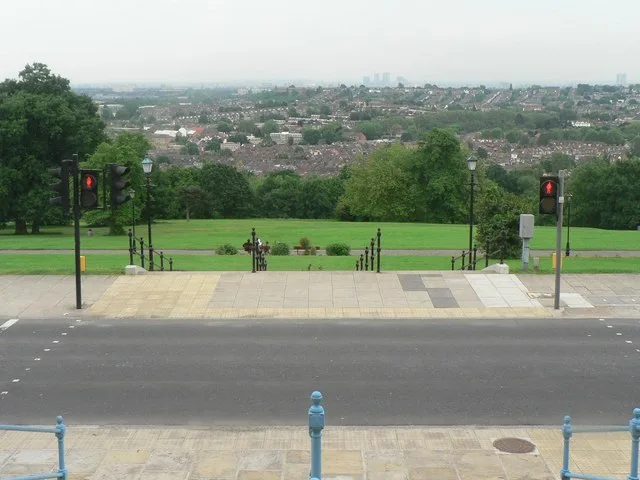
Alexandra Park
Alexandra Park — park in the London Borough of Haringey.
 Flagship📷 10
Parks · London
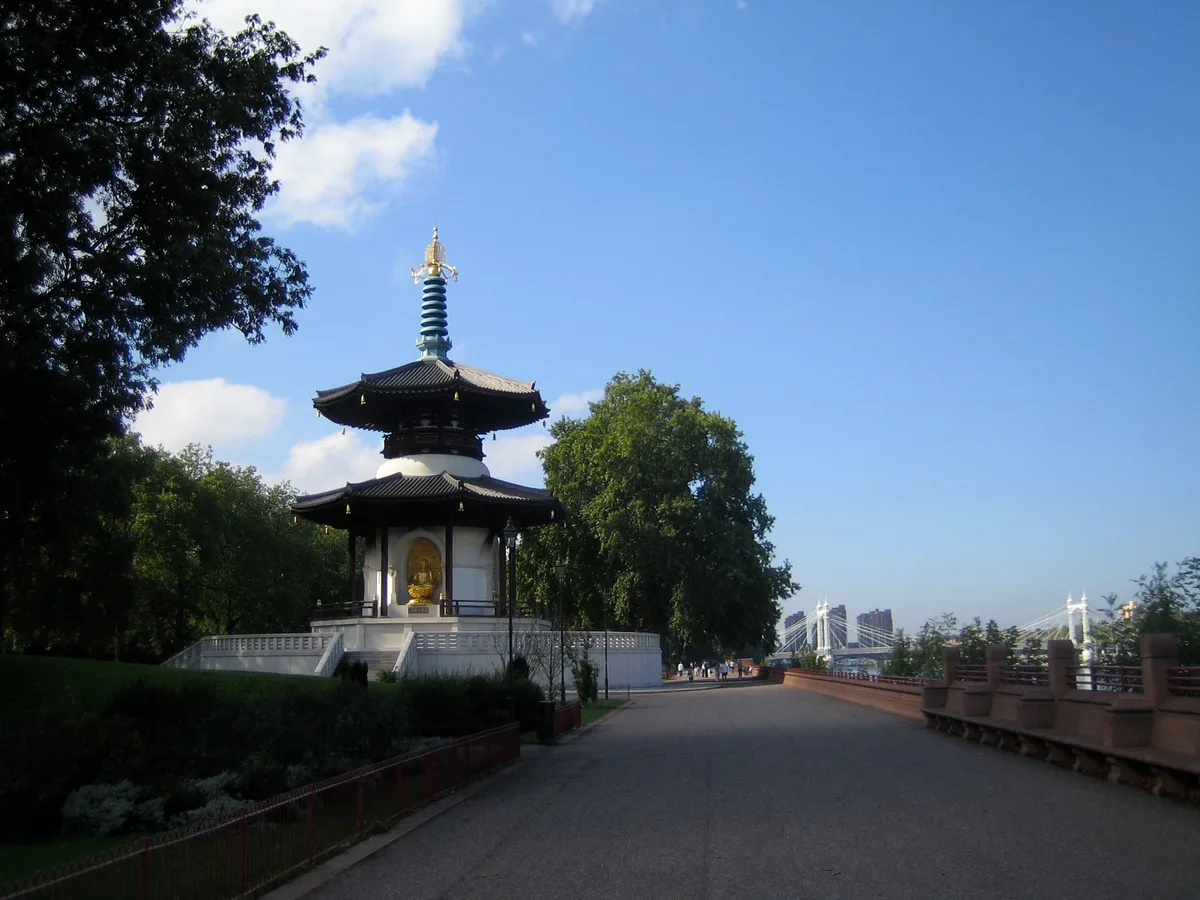
Battersea Park
Battersea Park — park in the Borough of Wandsworth, London, England, UK.
 Flagship📷 10
Parks · London
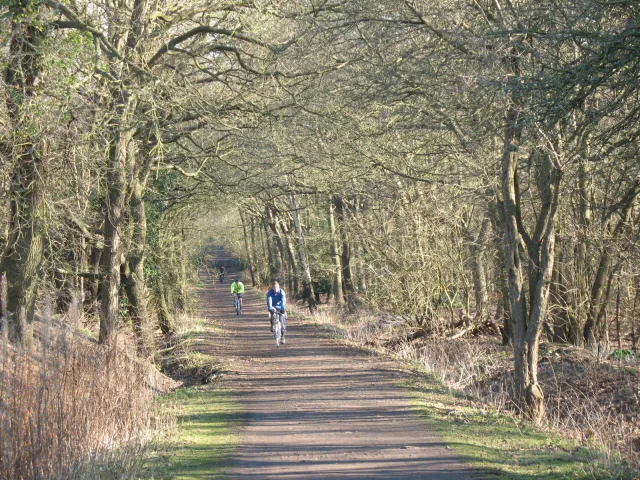
Wimbledon Common
Wimbledon Common — open space in Wimbledon, south-west London.
.jpg?width=1200) 📷 5
📷 5More parks in this region
 Flagship📷 10
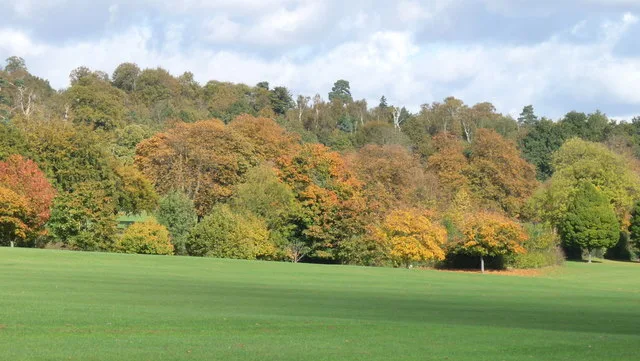 📷 10
📷 10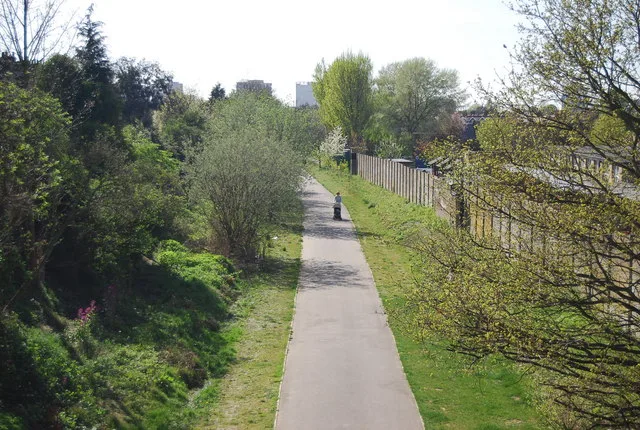 Flagship📷 10
Parks · London
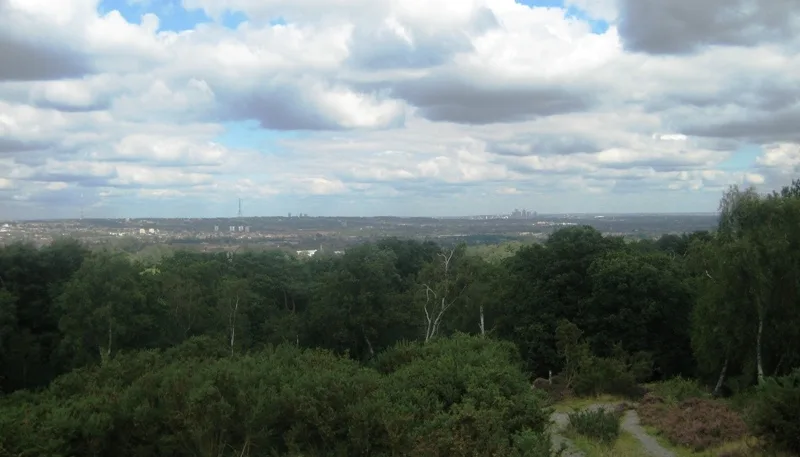
Addiscombe Railway Park
Addiscombe Railway Park — park in London Borough of Croydon, United Kingdom.
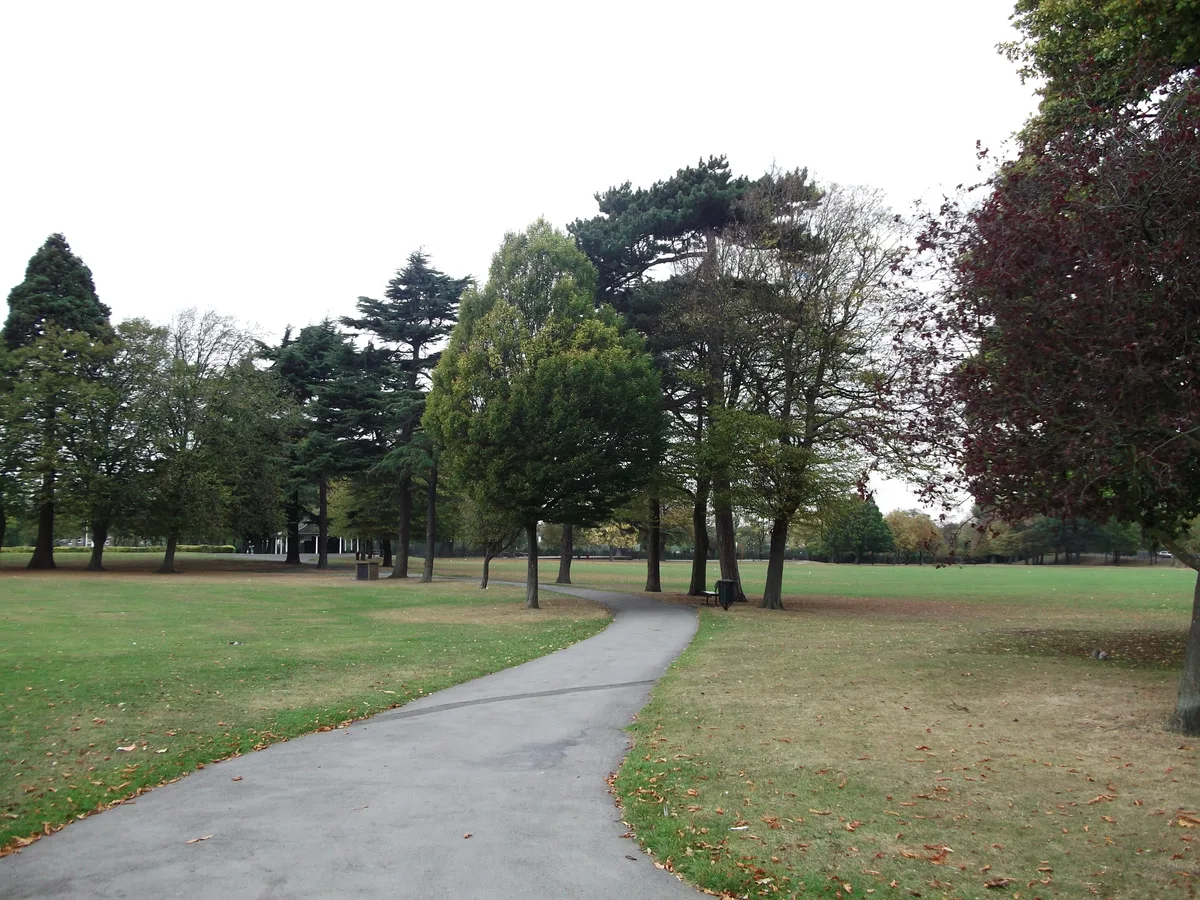 Flagship📷 10
Parks · London
Ashburton Park
Ashburton Park — park in the United Kingdom.
Frequently asked questions
- Where is Crystal Palace Park?
- Crystal Palace Park is in London, United Kingdom (postcode SE19 2GA), in the parish of Bromley, unparished area.
- What is Crystal Palace Park?
- Crystal Palace Park — Victorian pleasure ground in Crystal Palace, Bromley, London.
- How do I get to Crystal Palace Park?
- The nearest railway station is Crystal Palace, about 0.3 km away. The nearest town is Shortlands. Drivers can use postcode SE19 2GA.
- When was Crystal Palace Park built?
- Built or established in 1854.
- Who owns Crystal Palace Park?
- Crystal Palace Park is owned by London Borough of Bromley.
- Is Crystal Palace Park a listed building?
- Crystal Palace Park is officially recognised as Heritage at Risk register listed.
- Is Crystal Palace Park free to visit?
- Yes, Crystal Palace Park is free to enter.
- How do I get to Crystal Palace Park?
- The nearest railway station is Crystal Palace, about 0.3 km away. Drivers can navigate to postcode SE19 2GA.