
Stately homes · South West England
Combe Hay Manor
In or near Shoscombe.
Combe Hay Manor — Grade I listed manor house in Combe Hay, Bath and North East Somerset, England, UK.

Wikimedia Commons contributors — see linked file page for photographer and licence licence
_(geograph_4847351).jpg)
Plan your visit
- Typical visit
- 2 h–4 h
- Nearest railway station
- Oldfield Park · 4.7 km
- Family-friendly
- Limited wheelchair access
Getting there & planning your visit
To visit Combe Hay Manor, the nearest railway station is Oldfield Park, which is 4.7 km away. The postcode for sat-nav is BA2 7EH. Please note that wheelchair accessibility is limited.
About
Combe Hay Manor is a stately home in the United Kingdom. Heritage designation: Grade I listed building. Wikidata describes it as: "Grade I listed manor house in Combe Hay, Bath and North East Somerset, England, UK". Coordinates: 51.3372°, -2.3811°.
Photo gallery
Heritage listing
Combe Hay Manor in Combe Hay, Somerset, England is a manor house. It has been designated as a Grade I listed building. The house was built in two phases for Robert Smith and his son, John. The first, western, part dates from 1728 to 1730 and is believed to have been built by John Strahan of Bristol. The later eastern and southern elevations were built around 1770 to 1775 and are believed to be the work of James Wyatt or George Steuart.
From the Historic England List Entry under OGL v3.
Protected designations
- Area of Outstanding Natural Beauty: Cotswolds
Designations sourced from Natural England open data under OGL v3.
From the Wikipedia article
Combe Hay Manor in Combe Hay, Somerset, England is a manor house. It has been designated as a Grade I listed building. The house was built in two phases for Robert Smith and his son, John. The first, western, part dates from 1728 to 1730 and is believed to have been built by John Strahan of Bristol. The later eastern and southern elevations were built around 1770 to 1775 and are believed to be the work of James Wyatt or George Steuart.
Excerpt from Wikipedia under CC BY-SA 4.0. See the source article linked in Sources below.
Background
History
The manorial lands occupied by the present building were given by William the Conqueror to one of his kinsmen, Odo, Bishop of Bayeux, who was later to become Earl of Kent. They were described as consisting of eight carucates of arable land, forty acres of meadow, forty acres of pasture and sixty acres of coppice-wood. Odo plotted against King Rufus who succeeded William the Conqueror, was discovered in his treason and fled to France. The manor was confiscated and given to the Somerset family of "Hawey" or "Hay", which gave the manor its name. The manor continued in their possession for several generations before passing, during Edward I's reign, to Sir Peter Stradling on his marriage to…
Description
Combe House Manor is a Grade I listed building, having been so designated on 1 February 1956. The western part of the house was built in 1728-1730 for Robert Smith and his son John, by the architect John Strahan of Bristol. The remainder of the house was constructed between 1750 and 1755, possibly by James Wyatt or George Steuart. It is built of ashlar Bath stone with hipped slate roofs and ashlar chimney stacks. It consists of two storeys with attics, these having dormer windows, and a basement that runs the length of the house. It is a substantial house with 3:2:3 bays on the west front, three bays on the south front and seven bays on the east front. The interior has much elaborate…
Sourced from Wikipedia under CC BY-SA 4.0.
- Coordinates
- 51.3372, -2.3811
- District
- Bath and North East Somerset
- Parish
- Combe Hay
- Postcode
- BA2 7EH
- Parliamentary constituency
- Frome and East Somerset
- Established
- 1730
- Nearest railway station
- Oldfield Park — 4.7 km
Sources
- wikidata: Q5150763 (CC0)
- wikipedia: Combe Hay Manor (CC BY-SA 4.0)
- commons: Combe Hay (3) (geograph 4847351).jpg (CC BY-SA 4.0)
Other places nearby

The Wheatsheaf
Historic pubs · 0.2 km

Bridge Over Canal,25 Yards East Of Caisson House
Historic bridges · 0.8 km
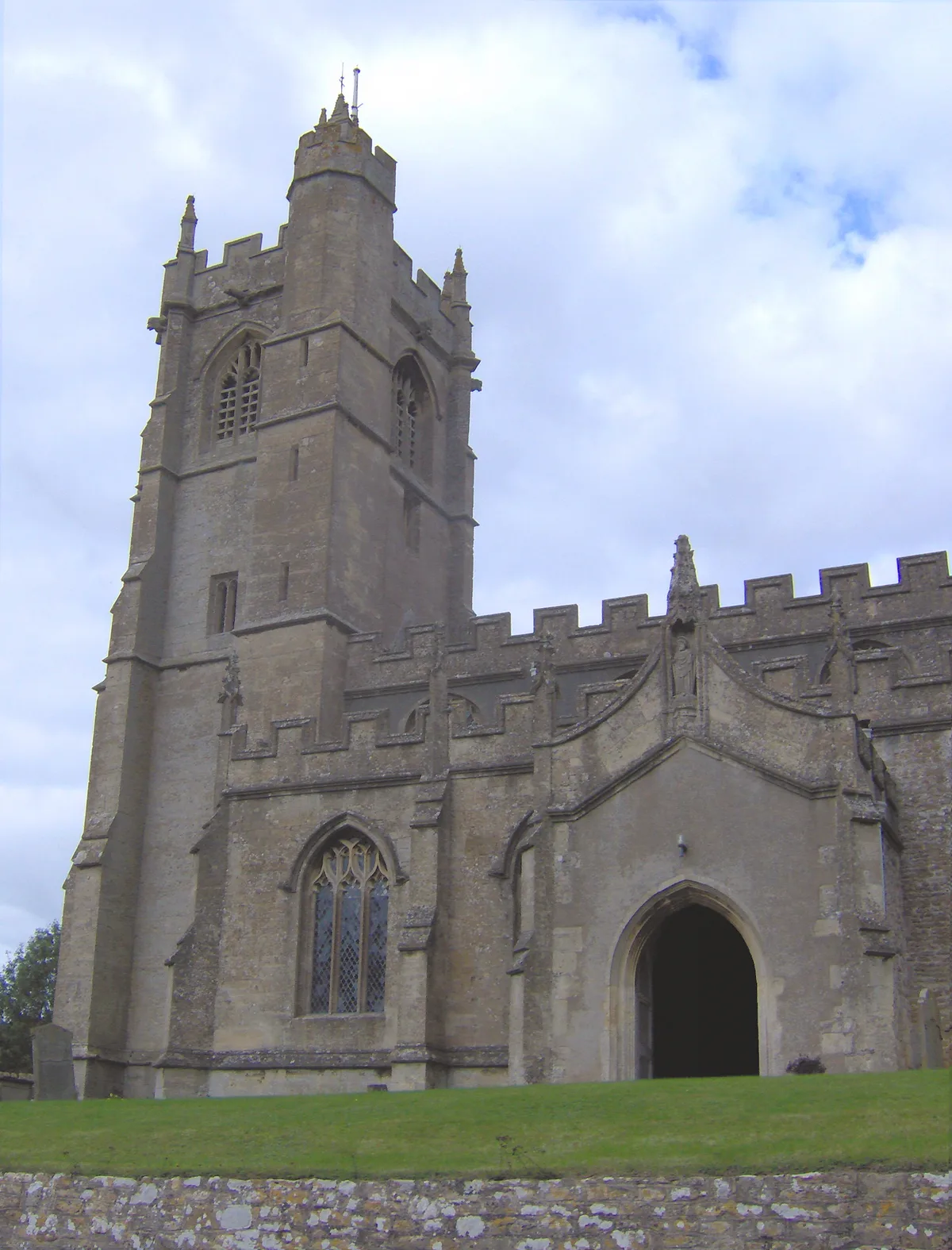
Church of St Julian, Wellow
Historic churches · 1.5 km

Fox And Badger Public House
Historic pubs · 1.7 km

South Stoke Millenium Viewpoint
Viewpoints · 1.7 km
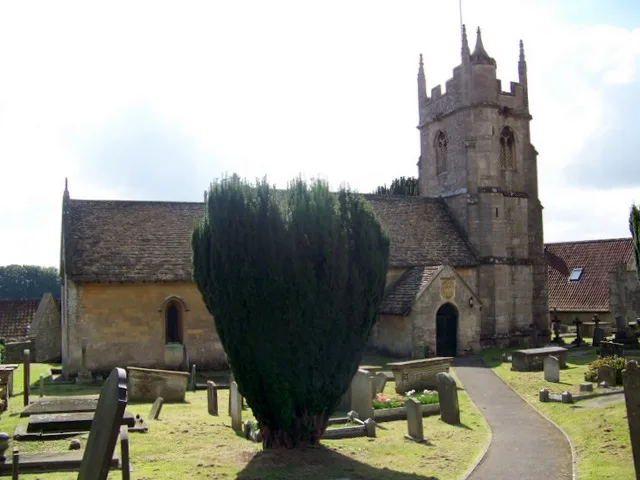
Church of St James, Southstoke
Historic churches · 1.8 km

The Packhorse
Historic pubs · 1.8 km

Somerset Coal Canal
Canals · 2.0 km
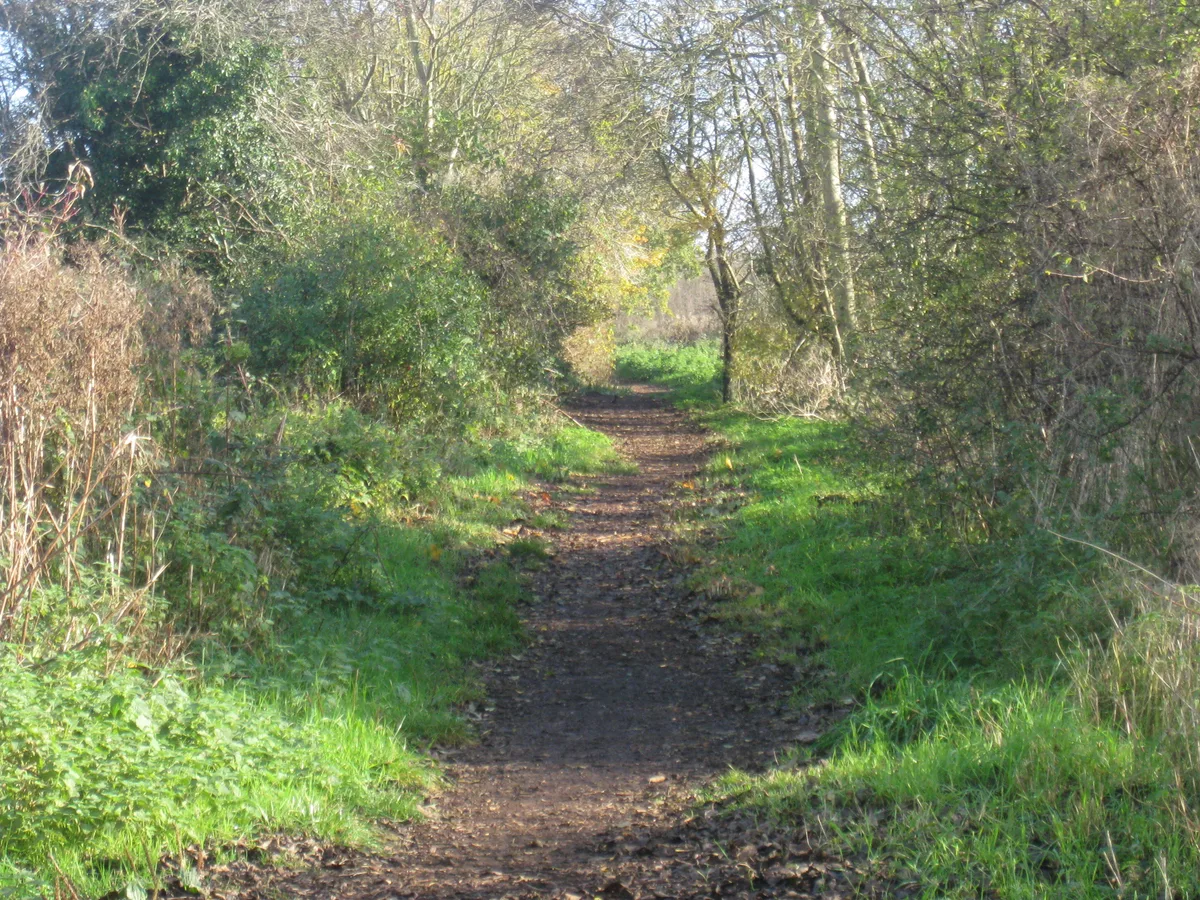
Wansdyke: section 1230yds (1120m) eastwards from Burnt House Inn
Archaeological sites · 2.0 km

Wansdyke
Archaeological sites · 2.0 km

Bridge Over Former Somersetshire Coal Canal At National Grid Reference St 7564 6058
Historic bridges · 2.2 km
Three Ways School
Natural landmarks · 2.2 km
Nearby
📷 5Historic pubs · South West England
The Wheatsheaf
The Wheatsheaf in England South West, United Kingdom.
📷 5Historic bridges · South West England
Bridge Over Canal,25 Yards East Of Caisson House
Bridge Over Canal,25 Yards East Of Caisson House — Grade II listed building-listed bridge in england-south-east, United Kingdom.
📷 5Historic churches · South West England
Church of St Julian, Wellow
Church of St Julian, Wellow — church in Wellow, Bath and North East Somerset, England, UK.
📷 7Historic pubs · South West England
Fox And Badger Public House
Fox And Badger Public House in England South West, United Kingdom.
📷 5Viewpoints · South West England
South Stoke Millenium Viewpoint
South Stoke Millenium Viewpoint is a viewpoint in the United Kingdom.
📷 5Historic churches · South West England
Church of St James, Southstoke
Church of St James, Southstoke — church in Bath and North East Somerset, England, UK.
Where to eat & stay near Combe Hay Manor
Places to stay
 📷 5
📷 5B&Bs · South West England
Bloomfield House
Bloomfield House — a bed-and-breakfast in england south east.
 📷 5
📷 5Hotels · South West England
Wentworth House
Wentworth House — a hotel in england south east.
 📷 7
📷 7B&Bs · South West England
Dorian House
Dorian House — a bed-and-breakfast in england south east.
📷 7B&Bs · South West England
Oldfields House
Oldfields House — a bed-and-breakfast in england south east.
 📷 5
📷 5Campsites · South West England
Centenary Wood Campsite
Centenary Wood Campsite — a campsite in england south east.
 📷 5
📷 5Hotels · South West England
Combe Grove Manor Hotel
Combe Grove Manor Hotel — a hotel in england south east.
Places to eat & drink
📷 5Historic pubs · South West England
The Wheatsheaf
The Wheatsheaf in England South West, United Kingdom.
📷 7Historic pubs · South West England
Fox And Badger Public House
Fox And Badger Public House in England South West, United Kingdom.
📷 5 📷 5
📷 5Historic pubs · South West England
Cross Keys Inn
Cross Keys Inn in England South West, United Kingdom.
 📷 5
📷 5Cafés · South West England
The Darling Deli Kitchen
The Darling Deli Kitchen — a café in england south east.
 📷 5
📷 5Historic pubs · South West England
Apple Tree Inn
Apple Tree Inn in England South West, United Kingdom.
More places in this region
 Flagship📷 9
Stately homes · South West England
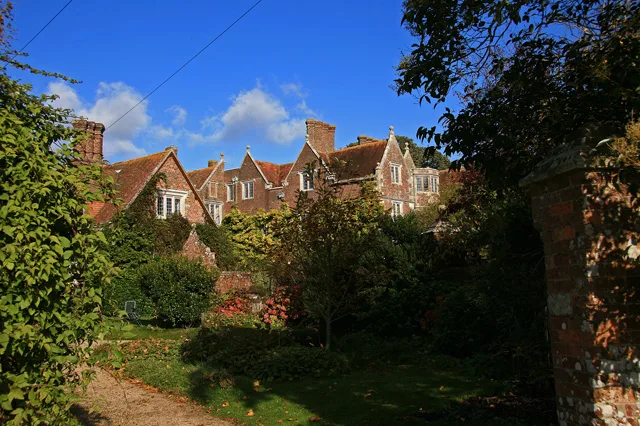
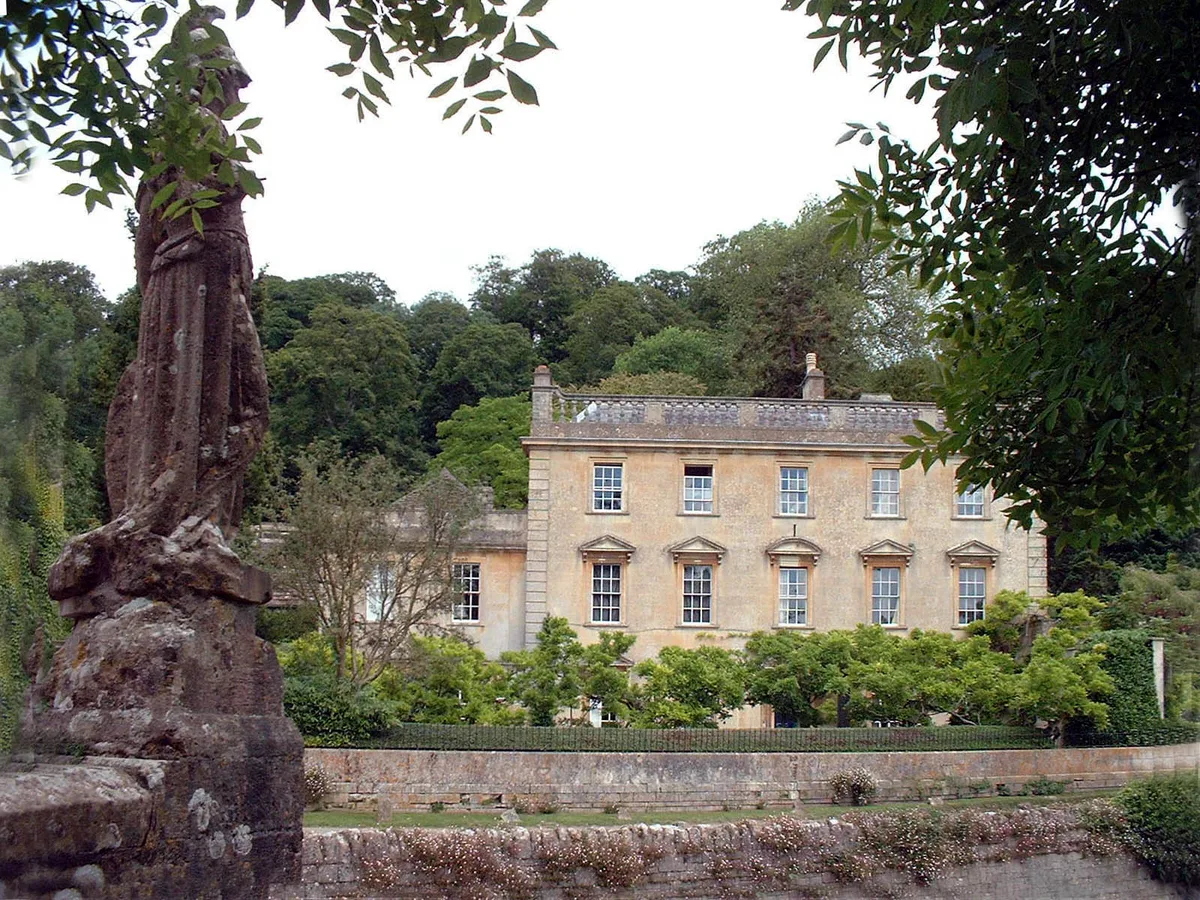
Anderson Manor
Anderson Manor — Grade I listed manor house in Anderson, Dorset, England, UK.
 Flagship📷 10
Stately homes · South West England
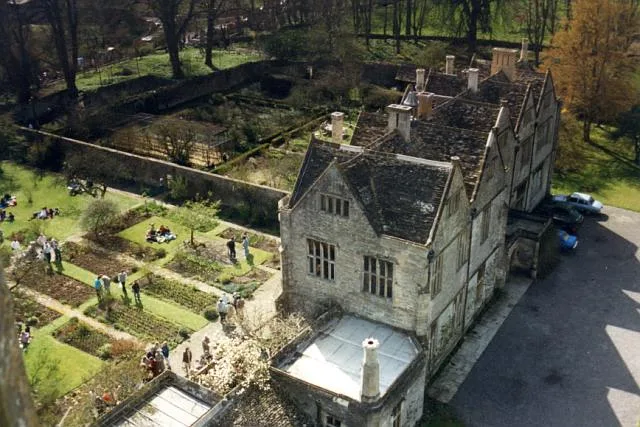
Iford Manor
Iford Manor — manor house in Somerset/Wiltshire, UK.
 Flagship📷 10
Stately homes · South West England
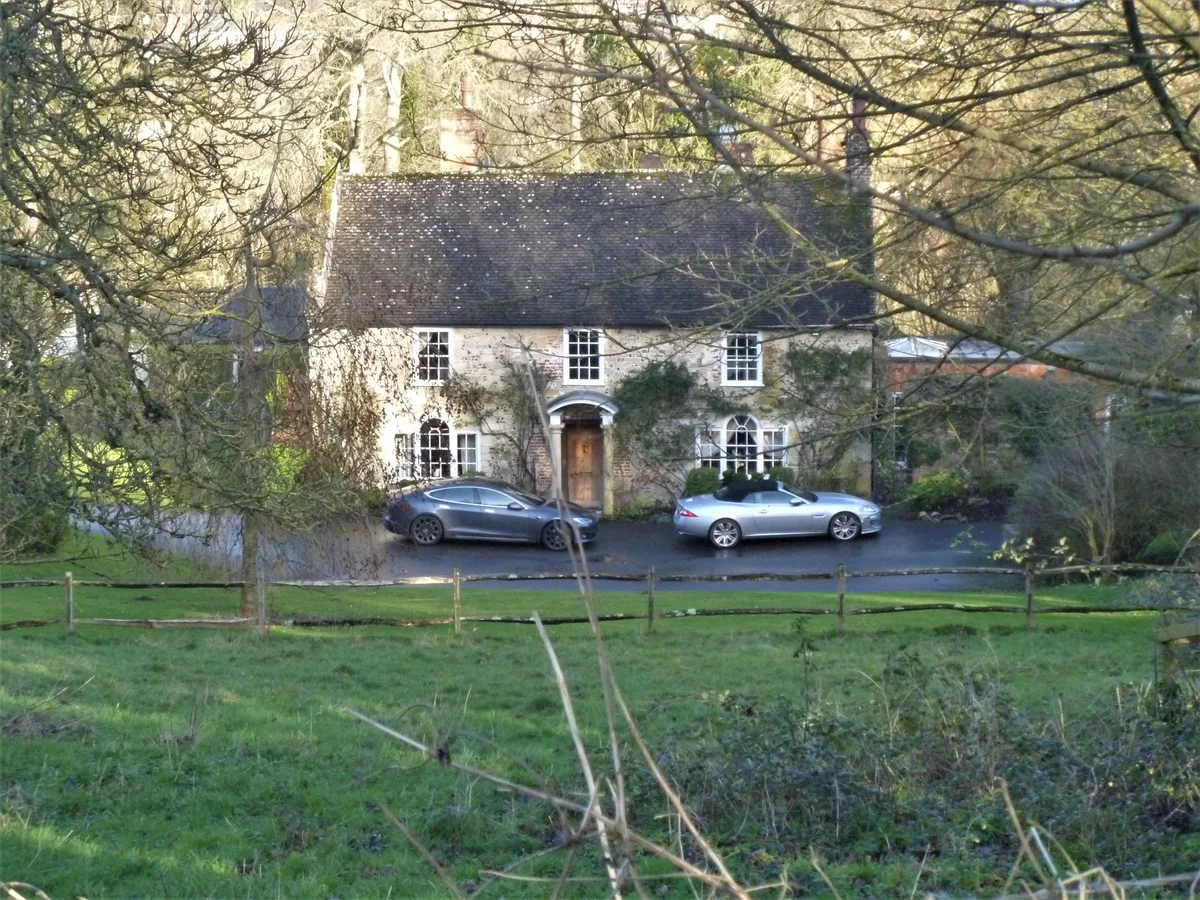
Mells Manor
Mells Manor — Grade I listed house in Mells, Somerset, England, UK.
 Flagship📷 5
Stately homes · South West England
Addestone Manor
Addestone Manor — manor house in Shrewton, Wiltshire, England, UK.
Frequently asked questions
- Where is Combe Hay Manor?
- Combe Hay Manor is in South-West England, United Kingdom (postcode BA2 7EH), in the parish of Combe Hay.
- What is Combe Hay Manor?
- Combe Hay Manor — Grade I listed manor house in Combe Hay, Bath and North East Somerset, England, UK.
- How do I get to Combe Hay Manor?
- The nearest railway station is Oldfield Park, about 4.7 km away. The nearest town is Shoscombe. Drivers can use postcode BA2 7EH.
- When was Combe Hay Manor built?
- Built or established in 1730.
- Who owns Combe Hay Manor?
- Combe Hay Manor is owned by | designation1 =Grade I Listed Building.
- Is Combe Hay Manor a listed building?
- Combe Hay Manor is officially recognised as Grade I listed building listed.
- Is Combe Hay Manor a protected site?
- Yes — Combe Hay Manor is part of the Cotswolds National Landscape (AONB).
- How do I get to Combe Hay Manor?
- The nearest railway station is Oldfield Park, about 4.7 km away. Drivers can navigate to postcode BA2 7EH.