
Castles · North West England
Clitheroe Castle
In or near Chatburn.
Clitheroe Castle — castle in Lancashire, England, UK.

Wikimedia Commons contributors — see linked file page for photographer and licence licence

Plan your visit
- Typical visit
- 1.5 h–3 h
- Nearest railway station
- Clitheroe · 0.3 km
- Paid entry
- Family-friendly
- Limited wheelchair access
Getting there & planning your visit
Clitheroe Castle is located in the Ribble Valley, Lancashire, with the postcode BB7 1BB. The nearest railway station is Clitheroe, which is 0.3 km away. Entry is paid, and wheelchair accessibility is limited.
About
Clitheroe Castle is a castle in the United Kingdom — fortified architecture from the medieval, Tudor, or Victorian-revival period. Records date its origin to 1200. It covers approximately 8 km². Heritage designation: scheduled monument. Wikidata describes it as: "castle in Lancashire, England, UK". Coordinates: 53.8709°, -2.3931°.
Photo gallery
Heritage listing
Clitheroe Castle is a ruined early medieval castle in Clitheroe in the Borough of Ribble Valley, Lancashire, England. It was the caput of the Honour of Clitheroe, a vast estate stretching along the western side of the Pennines. Its earliest history is debated but it is thought to be of Norman origin, probably built in the twelfth century. Property of the de Lacy family, the honour later merged with the earldom and then Duchy of Lancaster. Given to George Monck, 1st Duke of Albemarle in 1660, the castle site remained in private ownership until 1920, when it was sold to the people of Clitheroe to create a war memorial. Today the buildings on the site are the home of Clitheroe Castle Museum. The keep is the second smallest surviving stone-built keep in England.
From the Historic England List Entry under OGL v3.
Summary from the official site
Clitheroe Castle Museum is situated within the historic grounds of Clitheroe Castle, which has been a prominent landmark for over 800 years. The museum offers a journey through 350 million years of local history, featuring exhibits that highlight the area's unique wildlife, folklore, and significant historical events.
Read more on the official property page.
Protected designations
- Area of Outstanding Natural Beauty: Forest Of Bowland
Designations sourced from Natural England open data under OGL v3.
From the Wikipedia article
Clitheroe Castle is a ruined early medieval castle in Clitheroe in the Borough of Ribble Valley, Lancashire, England. It was the caput of the Honour of Clitheroe, a vast estate stretching along the western side of the Pennines. Its earliest history is debated but it is thought to be of Norman origin, probably built in the twelfth century. Property of the de Lacy family, the honour later merged with the earldom and then Duchy of Lancaster. Given to George Monck, 1st Duke of Albemarle in 1660, the castle site remained in private ownership until 1920, when it was sold to the people of Clitheroe to create a war memorial. Today the buildings on the site are the home of Clitheroe Castle Museum. The keep is the second smallest surviving stone-built keep in England. The castle was listed as a Scheduled Monument on 10 April 1915 (and later, under the Ancient Monuments and Archaeological Areas Act 1979 law). It was Grade I listed on 19 May 1950.
Excerpt from Wikipedia under CC BY-SA 4.0. See the source article linked in Sources below.
Background
History
After the Norman Conquest in 1066, the Anglo-Saxon hundred of Blackburnshire was part of a fief given to Roger de Poitou, and the Domesday Book of 1086 shows he had given it to Roger de Busli and Albert de Gresle. Clitheroe is not mentioned by name, and it is assumed that Blackburn had previously been the administrative centre. However some time during the reign of William Rufus, Poitou gave Blackburnshire and the Bowland area, north of the River Ribble (under Craven in the Domesday Book) to the Baron of Pontefract, Robert de Lacy. When de Poitou lost his English holdings in 1102, Henry I not only allowed de Lacy to keep these lands, but added to them with the vills of Chipping, Aighton and…
Architecture
The Historic England scheduled monument record classifies Clitheroe as an enclosure castle, the principal defence being the wall surrounding the site. It was essentially a motte-and-bailey layout, with a natural outcrop utilised as the motte. The keep is the second smallest surviving stone-built keep in England. It is thought that, as the keep was so small, other essential buildings such as the great hall may have been located on the site where the education suite now stands. A 1602 survey mentions Mr Auditor's chamber, the hall and buttery, and there would likely also have been stables and lodgings for any stationed soldiers. The southwest corner of the site next to the Steward's house was…
Description
The first-floor arrow loop on the southeast side has today widened, most likely the result of natural decay. There is an ancient local legend that the Devil once gathered rocks in an apron, and threw a boulder aimed at the castle, from a place on Pendle Hill called Apronful. However the apron broke, dropping a pile of stones and causing the shot to land near the church in Pendleton. The guidebook to the castle relates this local tale, "they always said that the hole in the side of the keep was made by Cromwell in the Civil War. It's only a story but they say that he attacked the castle and fired at it with a cannon from the top of Pendle Hill – it must have been a good cannon for the time…
Sourced from Wikipedia under CC BY-SA 4.0.
- Coordinates
- 53.8709, -2.3931
- County
- Lancashire
- District
- Ribble Valley
- Parish
- Clitheroe
- Postcode
- BB7 1BB
- Parliamentary constituency
- Pendle and Clitheroe
- Phone
- 01200424568
- Established
- 1200
- Nearest railway station
- Clitheroe — 0.3 km
- Opening
- Monday to Sunday 11am–4pm
Sources
- wikidata: Q5134437 (CC0)
- wikipedia: Clitheroe Castle (CC BY-SA 4.0)
- commons: Clitheroe Castle.JPG (CC BY-SA 4.0)
- fsq: 4b6eb819f964a520c6c72ce3 (Apache-2.0)
Other places nearby

Clitheroe War Memorial
Memorials & monuments · 0.0 km

Clitheroe Castle Museum
Museums · 0.1 km

Clitheroe
Museums · 0.1 km

Longitutde Art Gallery and Interiors
Galleries · 0.1 km

The Pinnacle
Memorials & monuments · 0.1 km

Dandy
Public art & sculpture · 0.2 km

Clitheroe Library
Historic libraries · 0.3 km

Everyman Cinema
Cinemas · 0.3 km
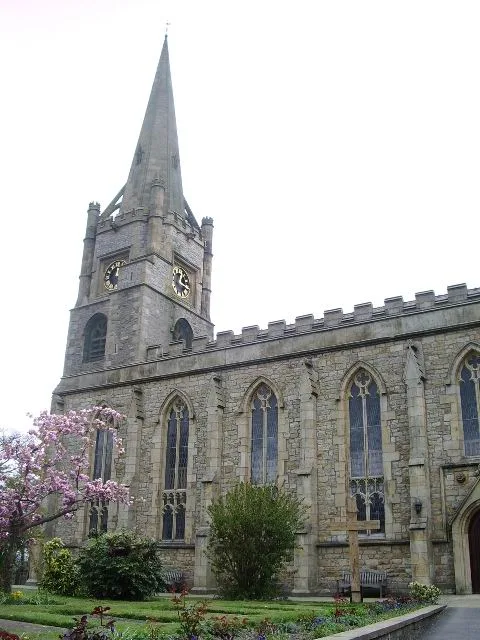
St Mary Magdalene's Church, Clitheroe
Historic churches · 0.4 km

The Grand
Theatres · 0.4 km

The Grand
Open-air theatres · 0.4 km

Stephen Bridge
Historic bridges · 1.5 km
Nearby
📷 3Memorials & monuments · North West England
Clitheroe War Memorial
Clitheroe War Memorial — Grade II listed building-listed memorial in england-north-west, United Kingdom.
📷 3Museums · North West England
Clitheroe Castle Museum
Clitheroe Castle Museum — a museum in england-north-west, United Kingdom.
📷 5Museums · North West England
Clitheroe
Clitheroe () is a town and civil parish in the Borough of Ribble Valley, Lancashire, England; it is located 34 miles (55 km) north-west of Manchester. It is near the Forest of Bowland and is often use
📷 3Galleries · North West England
Longitutde Art Gallery and Interiors
Longitutde Art Gallery and Interiors — a gallery in england-north-west, United Kingdom.
📷 3Memorials & monuments · North West England
The Pinnacle
The Pinnacle is a memorial in the United Kingdom.
📷 5Public art & sculpture · North West England
Dandy
Dandy — a public art in england-north-west, United Kingdom.
Where to eat & stay near Clitheroe Castle
Places to stay
 📷 5
📷 5Caravan parks · North West England
Clitheroe Camping and Caravanning Club Site
Clitheroe Camping and Caravanning Club Site — a caravan park in england north west.
📷 5Campsites · North West England
Clitheroe Camping & Caravanning Club
Clitheroe Camping & Caravanning Club — a campsite in england north west.
 📷 5
📷 5Campsites · North West England
Edisford Bridge Farm Camping & Caravan Site
Edisford Bridge Farm Camping & Caravan Site — a campsite in england north west.
 📷 5
📷 5Caravan parks · North West England
Cross Lane Caravan and Camping Park
Cross Lane Caravan and Camping Park — a caravan park in england north west.
 📷 5
📷 5Campsites · North West England
Wiswell Shay Farm CC Site
Wiswell Shay Farm CC Site — a campsite in england north west.
 📷 5
📷 5Places to eat & drink
 📷 5
📷 5Historic pubs · North West England
Swan with Two Necks
Swan with Two Necks in England North West, United Kingdom.
 📷 5
📷 5Restaurants · North West England
The Three Fishes
The Three Fishes — a restaurant in england north west.
 📷 5
📷 5Restaurants · North West England
The Spread Eagle
The Spread Eagle — a restaurant in england north west.
 📷 5
📷 5 📷 5
📷 5 📷 5
📷 5Other castles from this era
 📷 5
📷 5Castles · South East England
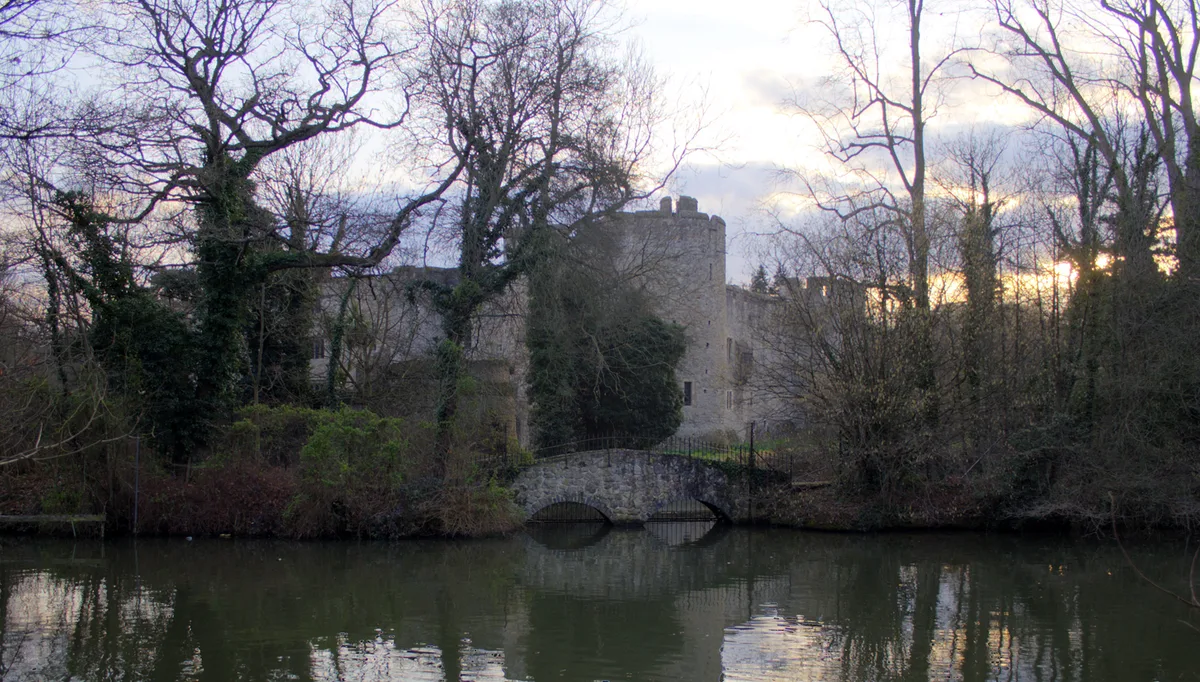
Allington Castle
Allington Castle — stone-built moated castle in Allington, England.
 📷 5
📷 5Castles · South East England
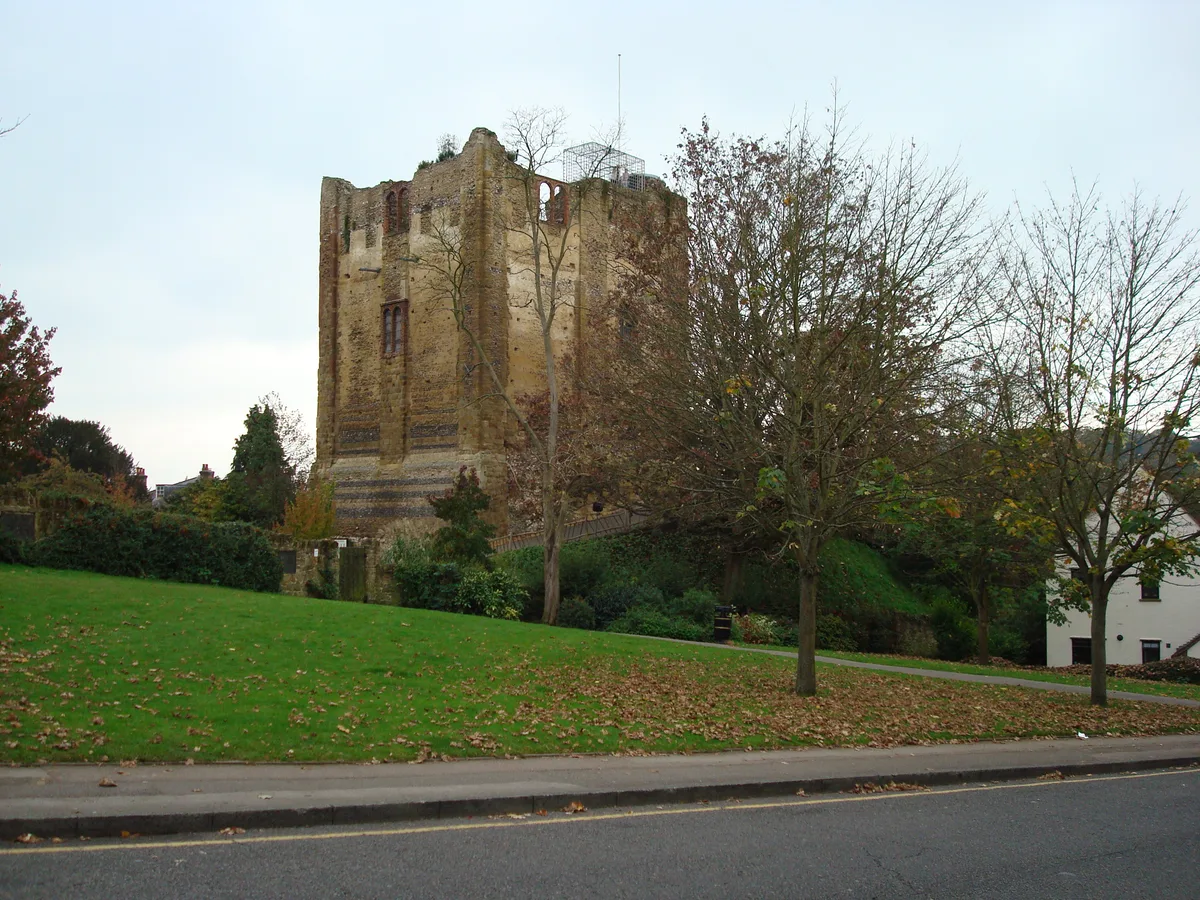
Guildford Castle
Guildford Castle — castle in Guildford, Surrey, England, UK.
 📷 5
📷 5Castles · South East England
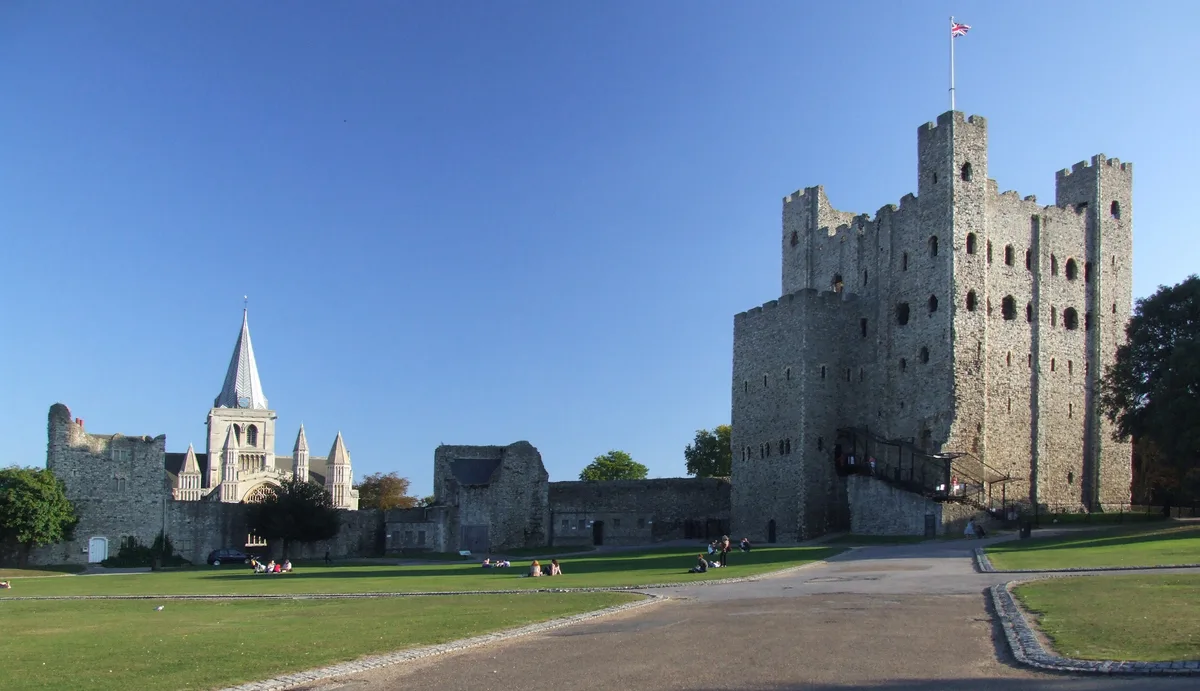
Rochester Castle
Rochester Castle — castle in Rochester, Kent, South East England.
 📷 5
📷 5Castles · South East England
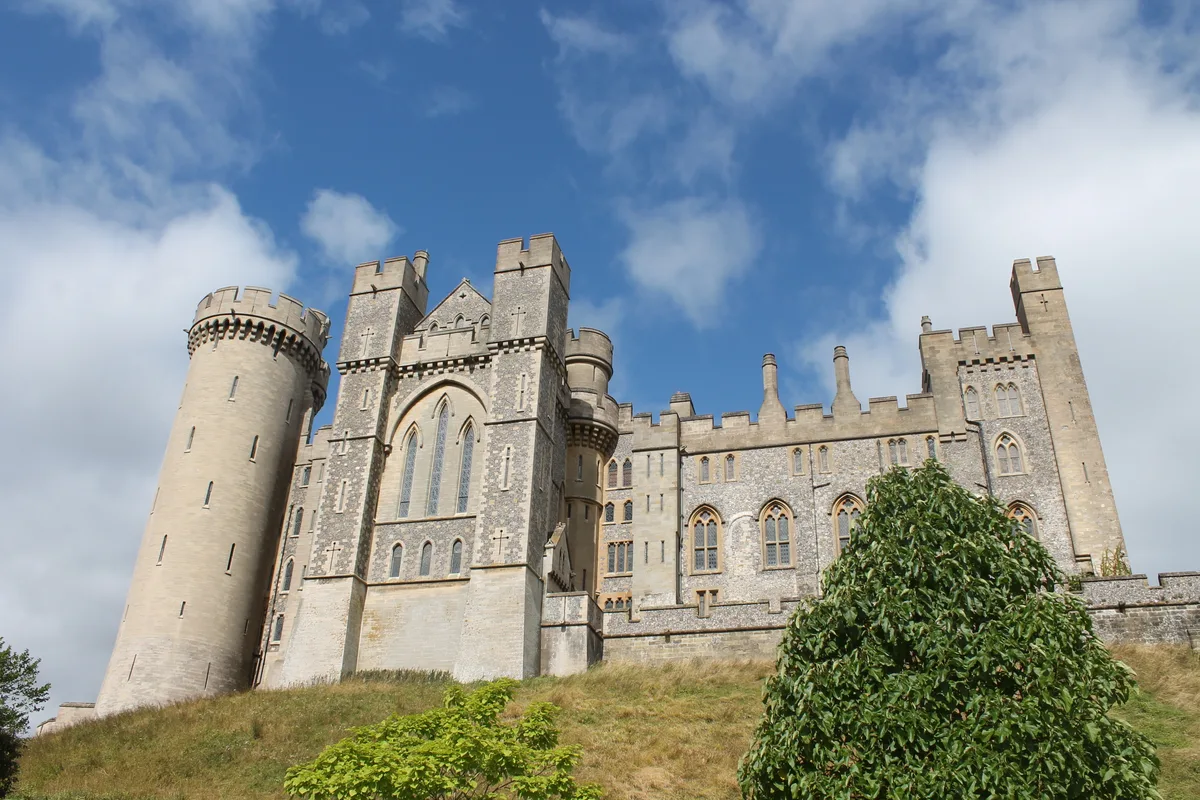
Arundel Castle
Arundel Castle — castle in West Sussex, England, UK.
More castles in this region
 📷 3
📷 3Castles · North West England
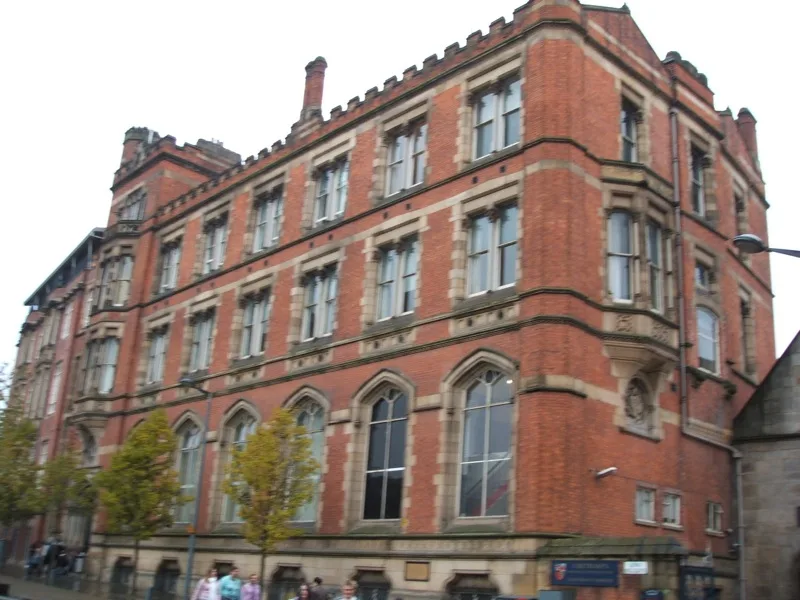
Manchester Castle
Manchester Castle — medieval fortified manor house in England.
 📷 5
📷 5Castles · North West England
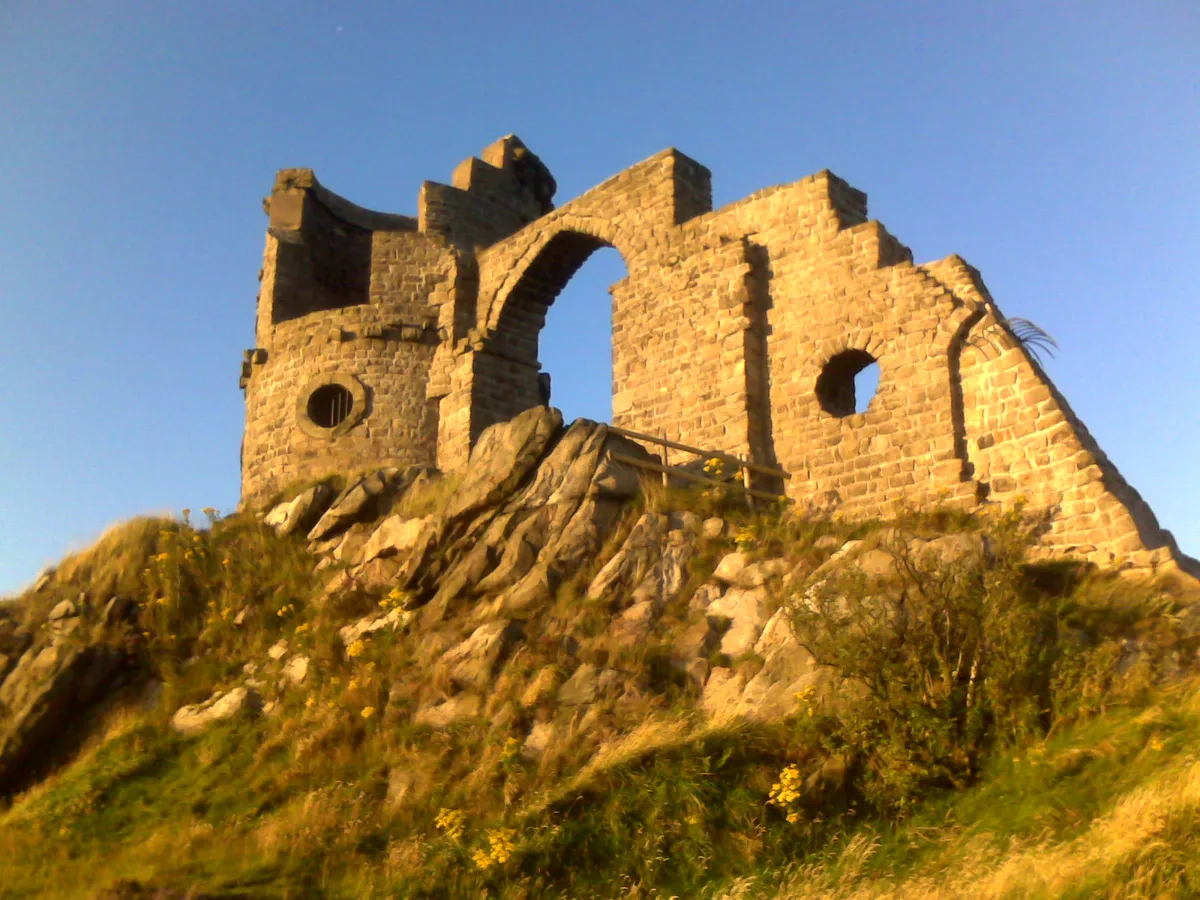
Mow Cop Castle
Mow Cop Castle — folly on the Cheshire and Staffordshire border, England, UK.
 📷 3
📷 3 📷 3
📷 3Castles · North West England
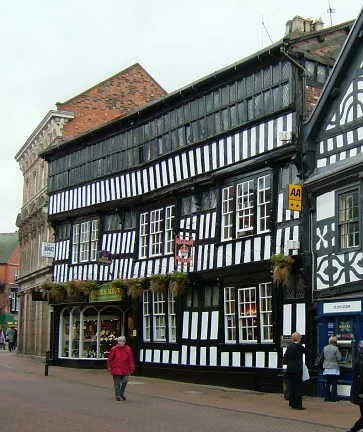
Ullerwood Castle
Ullerwood Castle — castle in Greater Manchester, England.
Frequently asked questions
- Where is Clitheroe Castle?
- Clitheroe Castle is in Lancashire, North-West England, United Kingdom (postcode BB7 1BB), in the parish of Clitheroe.
- What is Clitheroe Castle?
- Clitheroe Castle — castle in Lancashire, England, UK.
- How do I get to Clitheroe Castle?
- The nearest railway station is Clitheroe, about 0.3 km away. The nearest town is Chatburn. Drivers can use postcode BB7 1BB.
- When was Clitheroe Castle built?
- Built or established in 1200.
- Who owns Clitheroe Castle?
- Clitheroe Castle is owned by | designation1 = Scheduled Monument.
- Is Clitheroe Castle a listed building?
- Clitheroe Castle is officially recognised as scheduled monument listed.
- Is Clitheroe Castle a protected site?
- Yes — Clitheroe Castle is part of the Forest Of Bowland National Landscape (AONB).
- Does Clitheroe Castle charge admission?
- Clitheroe Castle typically charges admission. Check the official site for current ticket prices and opening hours.