
Stately homes · North West England
Clifton Hall
In or near Eamont Bridge.
Clifton Hall — manor house in Cumbria,England.

Wikimedia Commons contributors — see linked file page for photographer and licence licence

Plan your visit
- Typical visit
- 2 h–4 h
- Nearest railway station
- Penrith (North Lakes) · 3.4 km
- Free entry
- Family-friendly
- Limited wheelchair access
Getting there & planning your visit
To visit Clifton Hall, the nearest railway station is Penrith (North Lakes), located 3.4 km away. Entry is paid, and wheelchair accessibility is limited. The postcode for sat-nav is CA10 2EA.
About
Clifton Hall is a stately home in the United Kingdom. Owned by English Heritage. Managed by English Heritage. Wikidata describes it as: "manor house in Cumbria,England". Coordinates: 54.6370°, -2.7285°.
Photo gallery
From English Heritage
This 15th-century tower, sole surviving part of the manor house of the Wybergh family, was plundered by Jacobites in 1745 before the Battle of Clifton Moor, the last battle fought on English soil.
Read more on the official property page.
Protected designations
- Site of Special Scientific Interest: River Eden and Tributaries SSSI
Designations sourced from Natural England open data under OGL v3.
From the Wikipedia article
Clifton Hall was a fortified manor house in the village of Clifton, Cumbria. Dating from around 1400, it was constructed by either Elianor Engaine or her son-in-law William Wybergh, and was held by the Wybergh family until the 19th century. Initially taking the form of an "H"-plan design built around a central hall, around 1500 a three-storey stone pele tower was added, providing both additional security and acting as a status symbol for the family. At the start of the 17th century a new stone hall was added to the south of the tower. The Wyberghs were able to retain Clifton Hall, despite the challenges of the English Civil War, but the house was caught up in the Jacobite risings of 1715 and 1745. In the early 19th century most of Clifton Hall was pulled down to make way for a new farmhouse, and only the pele tower survived. In the 21st century the tower is in the care of English Heritage and operates as a tourist attraction.
Excerpt from Wikipedia under CC BY-SA 4.0. See the source article linked in Sources below.
Background
Architecture
The only surviving part of Clifton Hall is the early 16th-century tower wing of the hall, often referred to as a pele tower. Despite this label, its construction date is relatively late compared to similar fortifications, and it is less robustly designed than equivalent towers in the region. The tower measures 33 ft by 26 ft, with red sandstone walls around 3 ft thick and 37 ft high. The ground floor was originally the parlour, with a carved wooden ceiling and a fireplace, with doors leading externally and into the hall. Originally, the stairs did not reach down to the ground floor. The first floor formed the principal chamber in the tower, accessed from stairs in the hall; it had a…
Sourced from Wikipedia under CC BY-SA 4.0.
- Coordinates
- 54.6370, -2.7285
- District
- Westmorland and Furness
- Parish
- Clifton
- Postcode
- CA10 2EA
- Parliamentary constituency
- Westmorland and Lonsdale
- Nearest railway station
- Penrith (North Lakes) — 3.4 km
- Opening
- Open daylight hours.
- Official site
- www.english-heritage.org.uk
Sources
- wikidata: Q3280172 (CC0)
- wikipedia: Clifton Hall, Cumbria (CC BY-SA 4.0)
- commons: CliftonHall.jpg (CC BY-SA 4.0)
Other places nearby

Clifton Motte
Literary houses · 0.1 km

Clifton
Villages · 0.5 km

Brougham, Cumbria
Museums · 0.9 km

Lowther Holiday Park
Caravan parks · 0.9 km

Crossfells Campsite
Caravan parks · 1.1 km

Clifton Moor Skirmish 1745
Forts · 1.1 km

Lord Chancellor's Den
Historic houses · 1.2 km

Lowther Holiday Park
Campsites · 1.3 km
Brougham Hall
Castles · 1.3 km

Brougham Hall
Castles · 1.3 km

Bridge Over Road Between Brougham Hall And Chapel Of St Wilfred
Historic bridges · 1.3 km
.jpg?width=1200)
Chapel Of St Wilfred Of Brougham Chapel
Chapels · 1.3 km
Nearby
📷 5Literary houses · North West England
Clifton Motte
Clifton Motte — a literary house museum in scotland lowlands.
📷 5📷 5Museums · North West England
Brougham, Cumbria
Brougham is a small village (or more properly a collection of hamlets) and civil parish on the outskirts of Penrith in the Westmorland and Furness unitary authority area in Cumbria, England. Accordi
📷 4Caravan parks · North West England
Lowther Holiday Park
Lowther Holiday Park — a caravan park in scotland lowlands.
📷 5Caravan parks · North West England
Crossfells Campsite
Crossfells Campsite — a caravan park in scotland lowlands.
📷 3Forts · North West England
Clifton Moor Skirmish 1745
Clifton Moor Skirmish 1745 is a fort in the United Kingdom.
Where to eat & stay near Clifton Hall
Places to stay
📷 4Caravan parks · North West England
Lowther Holiday Park
Lowther Holiday Park — a caravan park in scotland lowlands.
📷 5Caravan parks · North West England
Crossfells Campsite
Crossfells Campsite — a caravan park in scotland lowlands.
📷 5Campsites · North West England
Lowther Holiday Park
Lowther Holiday Park — a campsite in scotland lowlands.
 📷 5
📷 5Caravan parks · North West England
Southwaite Green Mill
Southwaite Green Mill — a caravan park in scotland lowlands.
 📷 5
📷 5 📷 5
📷 5Hostels · North West England
Abbotsbank Supported Housing
Abbotsbank Supported Housing — a hostel in scotland lowlands.
Places to eat & drink
 📷 7
📷 7Historic pubs · North West England
Two Lions public house and integral stables
Two Lions public house and integral stables in Scotland Lowlands, United Kingdom.
 📷 6
📷 6Historic pubs · North West England
Gloucester Arms
Gloucester Arms in Scotland Lowlands, United Kingdom.
 📷 7
📷 7Cafés · North West England
Narrowbar Cafe
Narrowbar Cafe — a café in scotland lowlands.
 📷 5
📷 5Historic pubs · North West England
Horse And Farrier Inn And Stables
Horse And Farrier Inn And Stables in Scotland Lowlands, United Kingdom.
 📷 3
📷 3 📷 5
📷 5Historic pubs · North East England
1, Scattergate
1, Scattergate in England North East, United Kingdom.
More places run by English Heritage
 Flagship📷 10
Museums · London
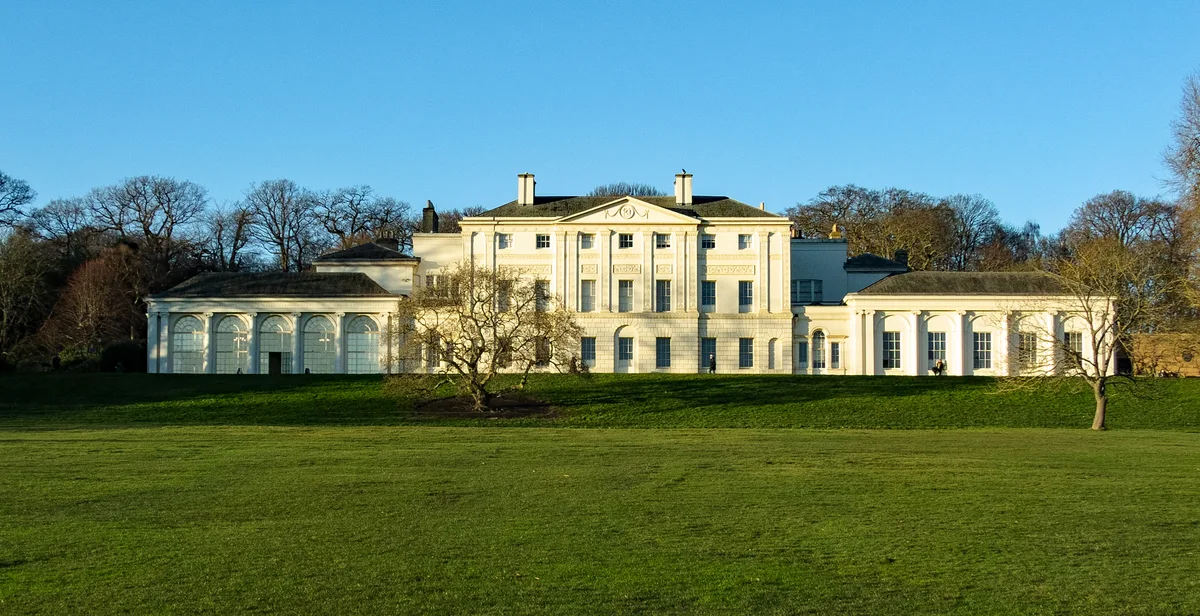
Kenwood House
Kenwood House — art museum and historic house in Hampstead, London.
 📷 5
📷 5Galleries · London
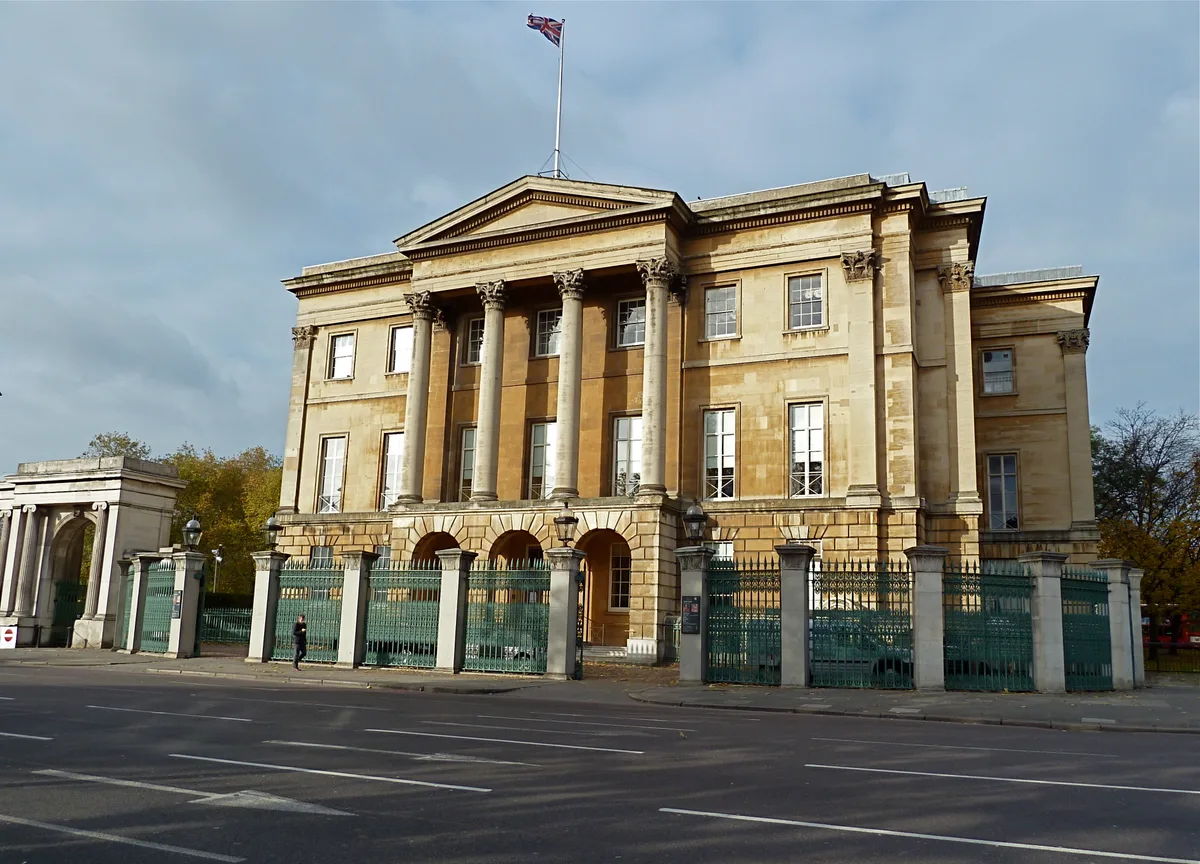
Apsley House
Apsley House — London townhouse of the Dukes of Wellington.
 📷 5
📷 5Castles · London
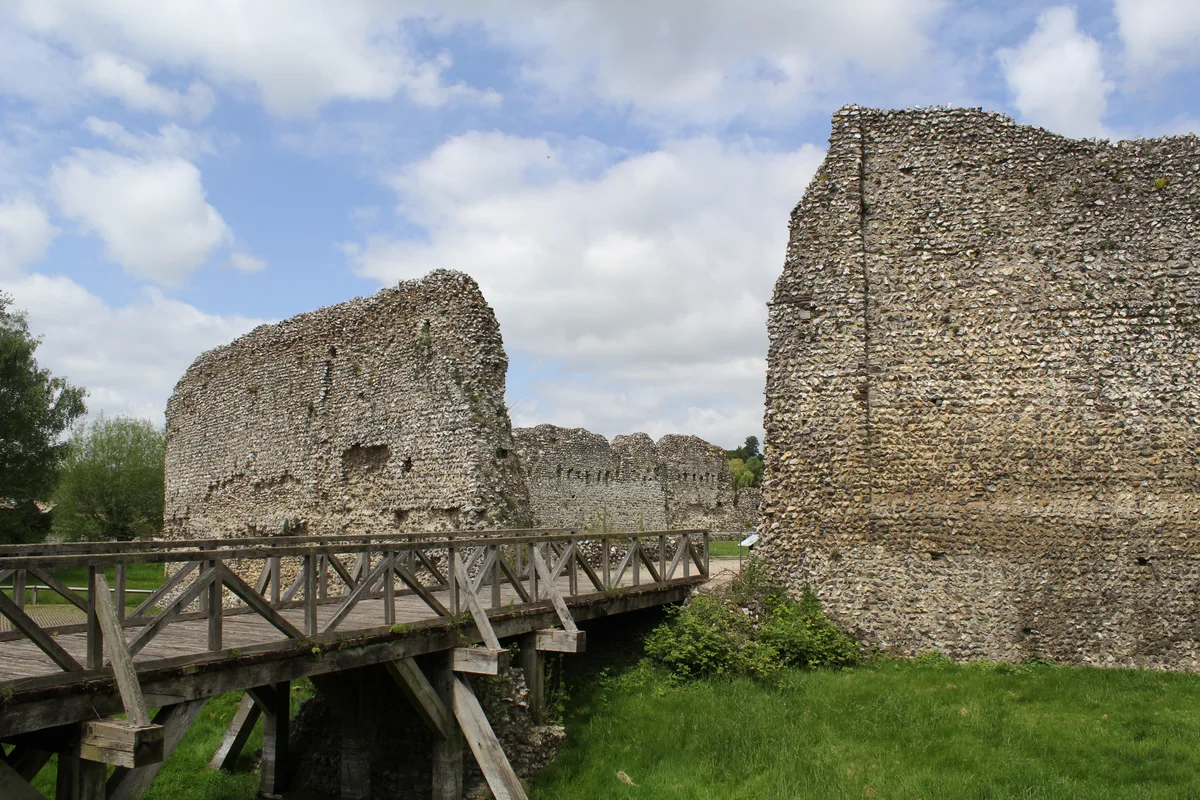
Eynsford Castle
Eynsford Castle — castle, now ruinous, in Eynsford, Kent, England, UK.
 📷 5
📷 5Museums · London
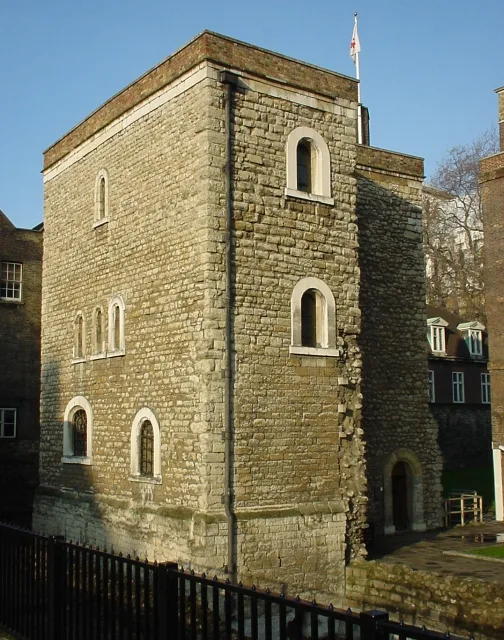
Jewel Tower
Jewel Tower — medieval tower in Westminster, London, England, UK.
More places in this region
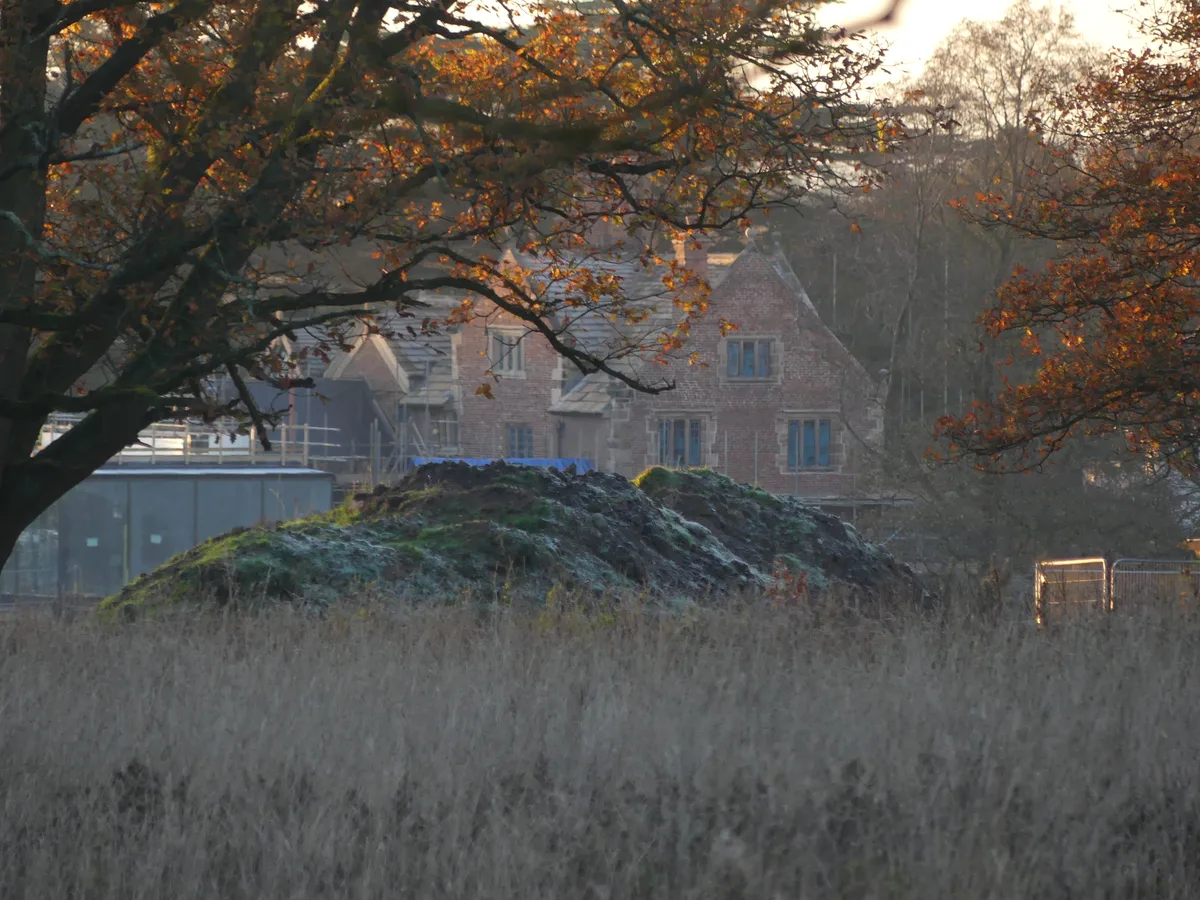 📷 3
📷 3Stately homes · North West England
Alderley Old Hall
Alderley Old Hall — manor house in Nether Alderley, Cheshire, England, UK.
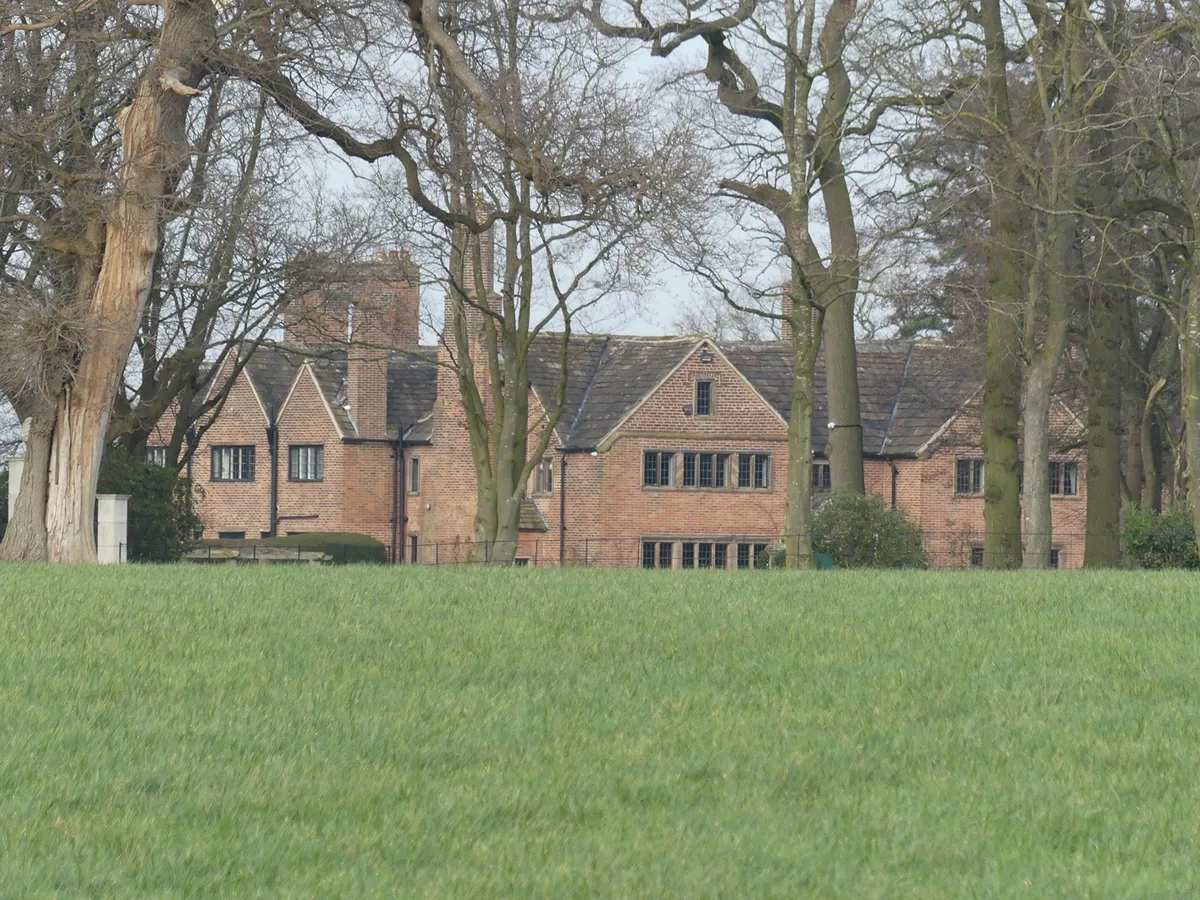 📷 3
📷 3Stately homes · North West England
Blackden Manor
Blackden Manor — Grade II listed 16th-century manor house in Goostrey, Cheshire, England, UK.
 📷 3
📷 3Stately homes · North West England
Chelford Manor House
Chelford Manor House — Grade II* listed building in Chelford, Cheshire, England, UK.
 📷 3
📷 3Stately homes · North West England
Clonterbrook House
Clonterbrook House — country house in Swettenham, Cheshire, England, UK.
Frequently asked questions
- Where is Clifton Hall?
- Clifton Hall is in North-West England, United Kingdom (postcode CA10 2EA), in the parish of Clifton.
- What is Clifton Hall?
- Clifton Hall — manor house in Cumbria,England.
- How do I get to Clifton Hall?
- The nearest railway station is Penrith (North Lakes), about 3.4 km away. The nearest town is Eamont Bridge. Drivers can use postcode CA10 2EA.
- Who runs Clifton Hall?
- Clifton Hall is operated by English Heritage.
- Is Clifton Hall a protected site?
- Yes — Clifton Hall is part of the River Eden and Tributaries SSSI Site of Special Scientific Interest.
- Is Clifton Hall free to visit?
- Yes, Clifton Hall is free to enter.
- How do I get to Clifton Hall?
- The nearest railway station is Penrith (North Lakes), about 3.4 km away. Drivers can navigate to postcode CA10 2EA.