
Historic churches · South West England
Church of St John the Baptist, Yeovil
In or near East Coker.
Church of St John the Baptist, Yeovil — church in Yeovil, Somerset, England, UK.

Wikimedia Commons contributors — see linked file page for photographer and licence licence

Plan your visit
- Typical visit
- 30 min–1 h
- Nearest railway station
- Yeovil Pen Mill · 1.4 km
- Free entry
Getting there & planning your visit
The Church of St John the Baptist in Yeovil is located at postcode BA20 1HX and is approximately 1.4 km from Yeovil Pen Mill railway station. Entry to the church is free.
About
Church of St John the Baptist, Yeovil is a historic church in the United Kingdom. Records date its origin to 1301. Heritage designation: Grade I listed building. Affiliated with Anglicanism. Wikidata describes it as: "church in Yeovil, Somerset, England, UK". Coordinates: 50.9422°, -2.6322°.
Photo gallery
See it from the streetimagery from 2021
Imagery © Mapillary contributors, CC BY-SA 4.0
Heritage listing
The Church of St John the Baptist in Yeovil, Somerset, is a Church of England parish church. The church was built between 1380 and 1405, but was renovated in the 1850s. It has been designated as a Grade I listed building. The tower, which was built around 1480, is 92 feet (28 m) high, in four stages with set-back offset corner buttresses. It is thought that the work was supervised by William Wynford, master mason of Wells Cathedral. To meet the growing size of Yeovil and the increased population, work on a second church, Holy Trinity, began on 24 June 1843, and this relieved the pressures on St John's. In 1863, shortage of space in the graveyard was alleviated by the opening of the Preston Road cemetery.
From the Historic England List Entry under OGL v3.
From the Wikipedia article
The Church of St John the Baptist in Yeovil, Somerset, is a Church of England parish church. The church was built between 1380 and 1405, but was renovated in the 1850s. It has been designated as a Grade I listed building. The tower, which was built around 1480, is 92 feet (28 m) high, in four stages with set-back offset corner buttresses. It is thought that the work was supervised by William Wynford, master mason of Wells Cathedral. To meet the growing size of Yeovil and the increased population, work on a second church, Holy Trinity, began on 24 June 1843, and this relieved the pressures on St John's. In 1863, shortage of space in the graveyard was alleviated by the opening of the Preston Road cemetery. The church is capped by openwork balustrading matching the parapets which are from the 17th century. Major reconstruction work was undertaken from 1851 to 1860. The tower has two-light late 14th century windows on all sides at bell-ringing and bell-chamber levels, the latter having fine pierced stonework grilles. There is a stair turret to the north-west corner, with a weather vane termination. Among the fourteen bells are two dating from 1728 and made by Thomas Bilbie of the Bilbie family in Chew Stoke. Another from the same date, the "Great Bell", was recast in 2013, from 4,502 pounds (2,042 kg; 321.6 st) to 4,992 lb (2,264 kg; 356.6 st). Because of the state of some of the external masonry the church has been added to the Heritage at Risk Register. Unusually, the stained glass windows include a depiction of a lone Judas Iscariot with a dark halo. Inside the church is a brass reading desk originally made in East Anglia. The parish is part of a benefice with St Andrew, Yeovil, in the Diocese of Bath and Wells. A Member of the South West Gospel Partnership, it has an evangelical character.
Excerpt from Wikipedia under CC BY-SA 4.0. See the source article linked in Sources below.
Background
Description
In 1573, the Chantry of St Mary the Virgin in the churchyard of the parish church was fitted out as a schoolroom by the parish. This developed into a charity school. In 1855, the schoolroom was demolished and replaced by a new building next to the churchyard, also called the Chantry, which had feoffees who appointed a schoolmaster. When the old schoolroom was demolished, it was estimated to date from the reign of Richard III, and some of its features, including two chimneypieces, were salvaged and built into the new Chantry, while the roof structure was copied.
Sourced from Wikipedia under CC BY-SA 4.0.
- Coordinates
- 50.9422, -2.6322
- District
- Somerset
- Parish
- Yeovil
- Postcode
- BA20 1HX
- Parliamentary constituency
- Yeovil
- Established
- 1301
- Nearest railway station
- Yeovil Pen Mill — 1.4 km
Sources
- wikidata: Q5117458 (CC0)
- wikipedia: Church of St John the Baptist, Yeovil (CC BY-SA 4.0)
- commons: Yeovilstjohns.jpg (CC BY-SA 4.0)
Other places nearby

Obelisk In The Churchyard Of St John The Baptist
Forts · 0.0 km

Yeovil
Museums · 0.1 km

Pall Tavern With Stables To Rear
Historic pubs · 0.1 km

War Memorial
Memorials & monuments · 0.1 km

The Hole In The Wall Public House
Historic pubs · 0.1 km

Odeon
Theatres · 0.1 km

Yeovil Cattle Market
Historic houses · 0.2 km

Manor Hotel
Hotels · 0.3 km

Classic Yeovil
Theatres · 0.4 km
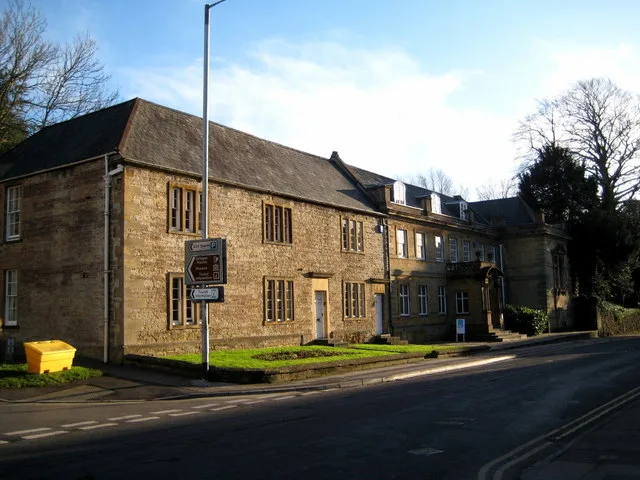
Hendford Manor
Stately homes · 0.4 km

Octagon Theatre
Theatres · 0.4 km

Cineworld
Cinemas · 0.5 km
Nearby
📷 5Forts · South West England
Obelisk In The Churchyard Of St John The Baptist
Obelisk In The Churchyard Of St John The Baptist — a martello broad in england-south-west, United Kingdom.
📷 5📷 5Historic pubs · South West England
Pall Tavern With Stables To Rear
Pall Tavern With Stables To Rear in England South West, United Kingdom.
📷 5Memorials & monuments · South West England
War Memorial
War Memorial is a memorial in the United Kingdom.
📷 7Historic pubs · South West England
The Hole In The Wall Public House
The Hole In The Wall Public House in England South West, United Kingdom.
📷 3Where to eat & stay near Church of St John the Baptist, Yeovil
Places to stay
📷 7Hotels · South West England
Manor Hotel
Manor Hotel — a hotel in england south west.
 📷 5
📷 5Hotels · South West England
Little Barwick House
Little Barwick House — a hotel in england south west.
 📷 5
📷 5 📷 7
📷 7 📷 5
📷 5Campsites · South West England
Long Hazel Park
Long Hazel Park — a campsite in england south west.
 📷 5
📷 5Caravan parks · South West England
Southfork
Southfork — a caravan park in england south west.
Places to eat & drink
📷 5Historic pubs · South West England
Pall Tavern With Stables To Rear
Pall Tavern With Stables To Rear in England South West, United Kingdom.
📷 7Historic pubs · South West England
The Hole In The Wall Public House
The Hole In The Wall Public House in England South West, United Kingdom.
 📷 7
📷 7Historic pubs · South West England
The Pen Mill Hotel
The Pen Mill Hotel in England South West, United Kingdom.
 📷 7
📷 7Historic pubs · South West England
The Royal George Public House
The Royal George Public House in England South West, United Kingdom.
 📷 5
📷 5 📷 7
📷 7Historic pubs · South West England
The White Hart Public House
The White Hart Public House in England South West, United Kingdom.
Other places from this era
 📷 5
📷 5Historic churches · London
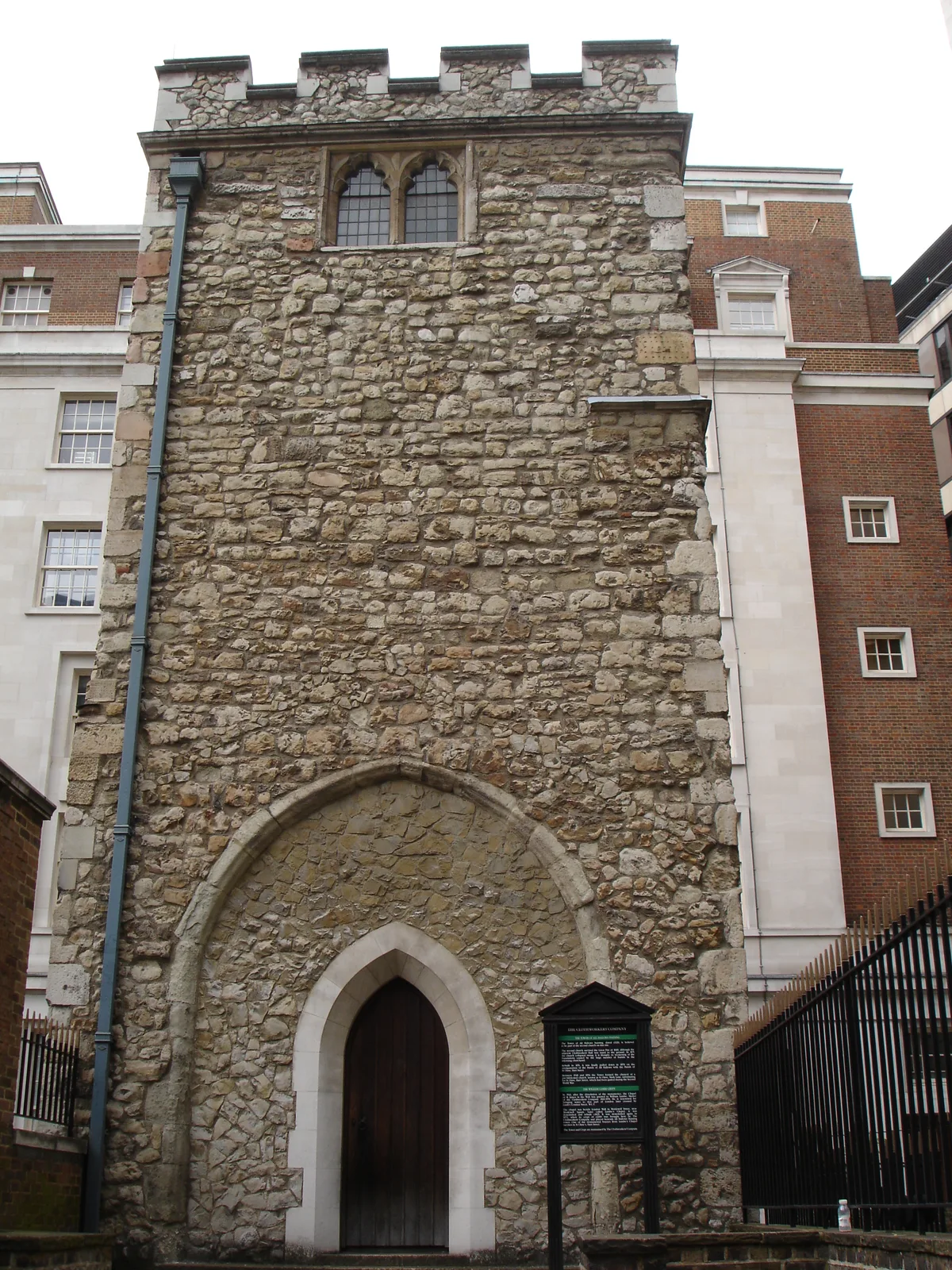
All Hallows Staining
All Hallows Staining — church in City of London, UK.
 📷 5
📷 5Historic churches · London
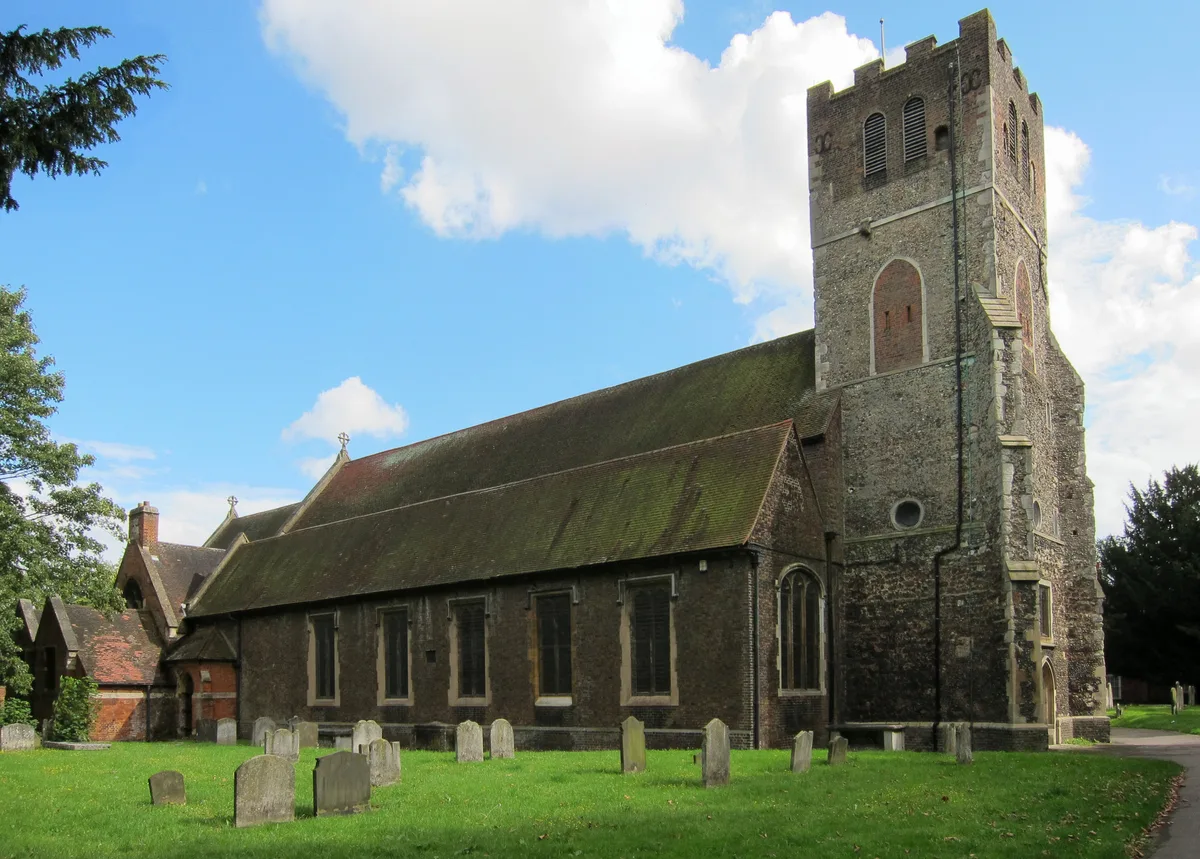
All Hallows' Church, Tottenham
All Hallows' Church, Tottenham — church in Tottenham, London.
 📷 5
📷 5Historic churches · London
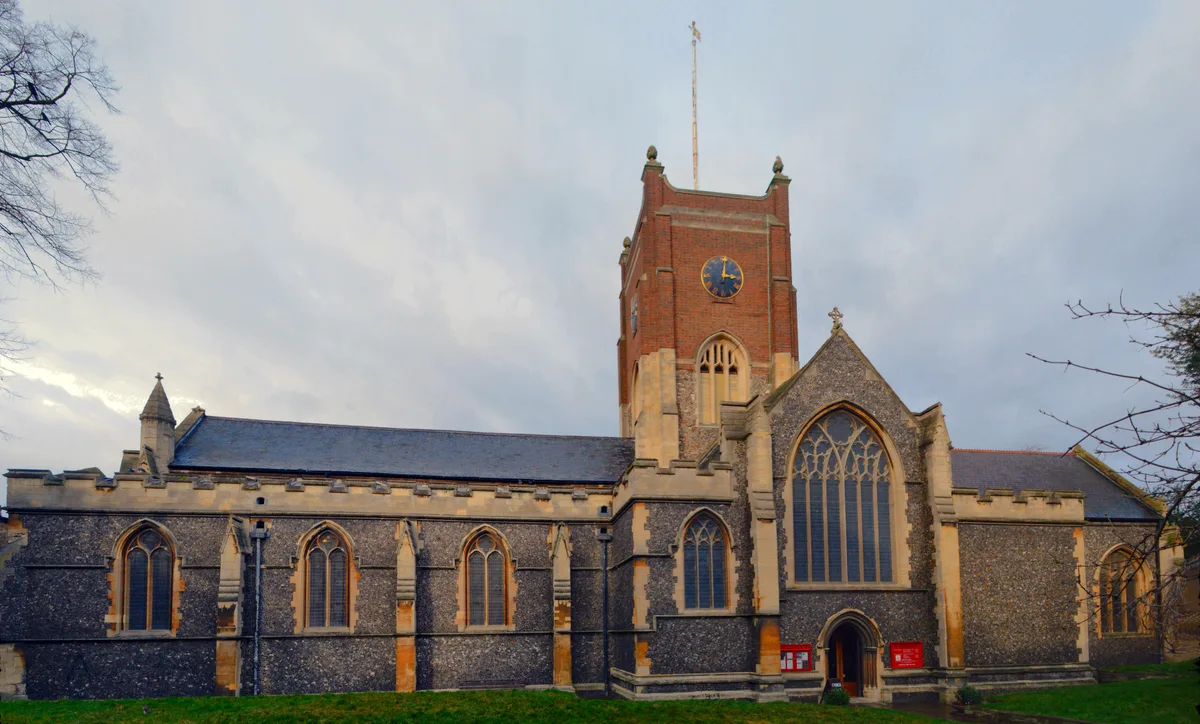
All Saints Church, Kingston upon Thames
All Saints Church, Kingston upon Thames — church in Kingston upon Thames, London.
 📷 5
📷 5Historic churches · London
All Saints' Church, Edmonton
All Saints' Church, Edmonton — church in Edmonton, London.
More places in this region
 📷 5
📷 5Historic churches · South West England
Abbey Church of St Gregory the Great, Downside Abbey
Abbey Church of St Gregory the Great, Downside Abbey — church in Stratton-on-the-Fosse, Somerset, England, UK.
 📷 5
📷 5Historic churches · South West England
All Saints Church
All Saints Church — Grade I listed church in Woolley, Somerset, England, UK.
 📷 5
📷 5Historic churches · South West England
All Saints Church, Hampreston
All Saints Church, Hampreston — church in Hampreston, Dorset, England, UK.
 📷 5
📷 5Historic churches · South West England
All Saints Church, Nether Cerne
All Saints Church, Nether Cerne — church in Nether Cerne, Dorset, England, UK.
Frequently asked questions
- Where is Church of St John the Baptist, Yeovil?
- Church of St John the Baptist, Yeovil is in South-West England, United Kingdom (postcode BA20 1HX), in the parish of Yeovil.
- What is Church of St John the Baptist, Yeovil?
- Church of St John the Baptist, Yeovil — church in Yeovil, Somerset, England, UK.
- How do I get to Church of St John the Baptist, Yeovil?
- The nearest railway station is Yeovil Pen Mill, about 1.4 km away. The nearest town is East Coker. Drivers can use postcode BA20 1HX.
- When was Church of St John the Baptist, Yeovil built?
- Built or established in 1301.
- Who owns Church of St John the Baptist, Yeovil?
- Church of St John the Baptist, Yeovil is owned by | designation1 =Grade I Listed Building.
- Is Church of St John the Baptist, Yeovil a listed building?
- Church of St John the Baptist, Yeovil is officially recognised as Grade I listed building listed.
- Is Church of St John the Baptist, Yeovil free to visit?
- Yes, Church of St John the Baptist, Yeovil is free to enter.
- How do I get to Church of St John the Baptist, Yeovil?
- The nearest railway station is Yeovil Pen Mill, about 1.4 km away. Drivers can navigate to postcode BA20 1HX.