
Natural landmarks · London
Charles II
In or near Covent Garden.
Charles II — Public artwork (statue) by Caius Gabriel Cibber.

Wikimedia Commons contributors — see linked file page for photographer and licence licence

Plan your visit
- Typical visit
- 1 h–2 h
- Nearest railway station
- Tottenham Court Road · 0.0 km
- Free entry
- Dog-friendly
Getting there & planning your visit
You can visit Charles II, located in Westminster, London, with the nearest railway station being Tottenham Court Road, just 0 km away. Entry is free. The postcode for your sat-nav is W1D 3QF.
About
Charles II is a place of interest in the United Kingdom. Records date its origin to 1681. Wikidata describes it as: "Public artwork (statue) by Caius Gabriel Cibber.". Coordinates: 51.5154°, -0.1323°.
Photo gallery
360° viewimagery from 2026
Imagery © Mapillary contributors, CC BY-SA 4.0
Official information
Soho Theatre is a prominent venue in London known for producing new theatre, comedy, and cabaret. It serves as a platform for emerging artists and offers a diverse range of performances and events for audiences.
From the Wikipedia article
The statue of Charles II is an outdoor sculpture of Charles II of England by the Danish sculptor Caius Gabriel Cibber, located near the centre of Soho Square in London. Once part of a late 17th century fountain, it was removed in the late 19th century to a private estate in Harrow before being restored to the square in the mid-20th century. It depicts the king in a standing pose on top of a low decorated pedestal. Although it has been the subject of restoration works, it is heavily eroded and in a poor condition.
Excerpt from Wikipedia under CC BY-SA 4.0. See the source article linked in Sources below.
Background
History
Soho Square was laid out in the 1670s, during the reign of Charles II, and was originally called King Square in his honour. Its layout was influenced by European baroque ideas and specifically by the French tradition of a formal place royale. At its centre was a formal garden, in the middle of which stood a fountain in a basin that was installed in 1681. The fountain was a modest imitation of Bernini's famous Fontana dei Quattro Fiumi in Rome, which Caius Cibber probably saw during his visit to the city to study sculpture in the 1660s. Each corner had statues of river gods representing the Thames, Severn, Humber and Tyne, The fountain's water, which was pumped by a windmill in nearby…
Description
in 2008]] The statue portrays Charles in a standing pose, left hand on hip, with his head turned to the right and wearing a long wig. He is shown wearing some body and thigh armour and a heavy long cloak at the back, and formerly held a baton in his right hand. The low pedestal once had an inscription on it, but this became illegible as long ago as 1815, leading to some dispute at that time about whom the statue was meant to represent. As the square was once called Monmouth Square, some people erroneously supposed the statue to represent Charles' favoured out-of-wedlock son, the Duke of Monmouth. By the 1920s it was described as "black with age". The pedestal's decorative carvings comprise…
Sourced from Wikipedia under CC BY-SA 4.0.
- Coordinates
- 51.5154, -0.1323
- District
- Westminster
- Parish
- Westminster, unparished area
- Postcode
- W1D 3QF
- Parliamentary constituency
- Cities of London and Westminster
- Phone
- +44 20 7478 0100
- Established
- 1681
- Nearest railway station
- Tottenham Court Road — 0 km
Sources
- osm: n3089750365 (ODbL)
- wikipedia: Statue of Charles II, Soho Square (CC BY-SA 4.0)
- commons: Statue of Charles II, Soho Square.jpg (CC BY-SA 4.0)
Other places nearby

Arthur Onslow
Memorials & monuments · 0.1 km

13, Soho Square W1
Gardens · 0.1 km
Manor House, 21 Soho Square
Manor houses · 0.1 km

Radha Krishna Temple
Historic churches · 0.1 km
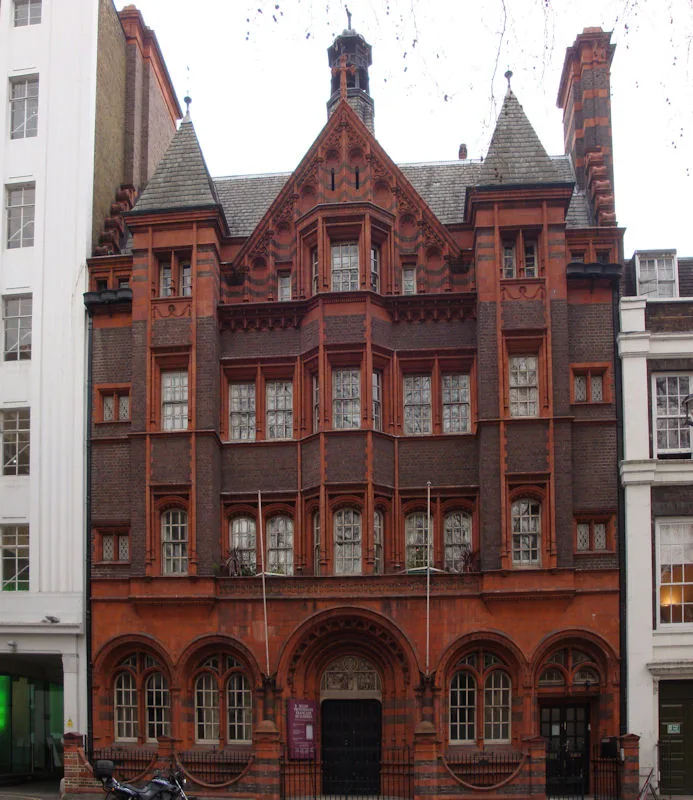
French Protestant Church of London
Historic churches · 0.1 km
Fauconberg House
Historic houses · 0.1 km

Joseph Banks & others
Memorials & monuments · 0.1 km

House of St Barnabas
Historic houses · 0.1 km

Noble Rot
Restaurants · 0.1 km

Blue Plaque: John Christopher Smith
Memorials & monuments · 0.1 km

Reflection
Public art & sculpture · 0.1 km
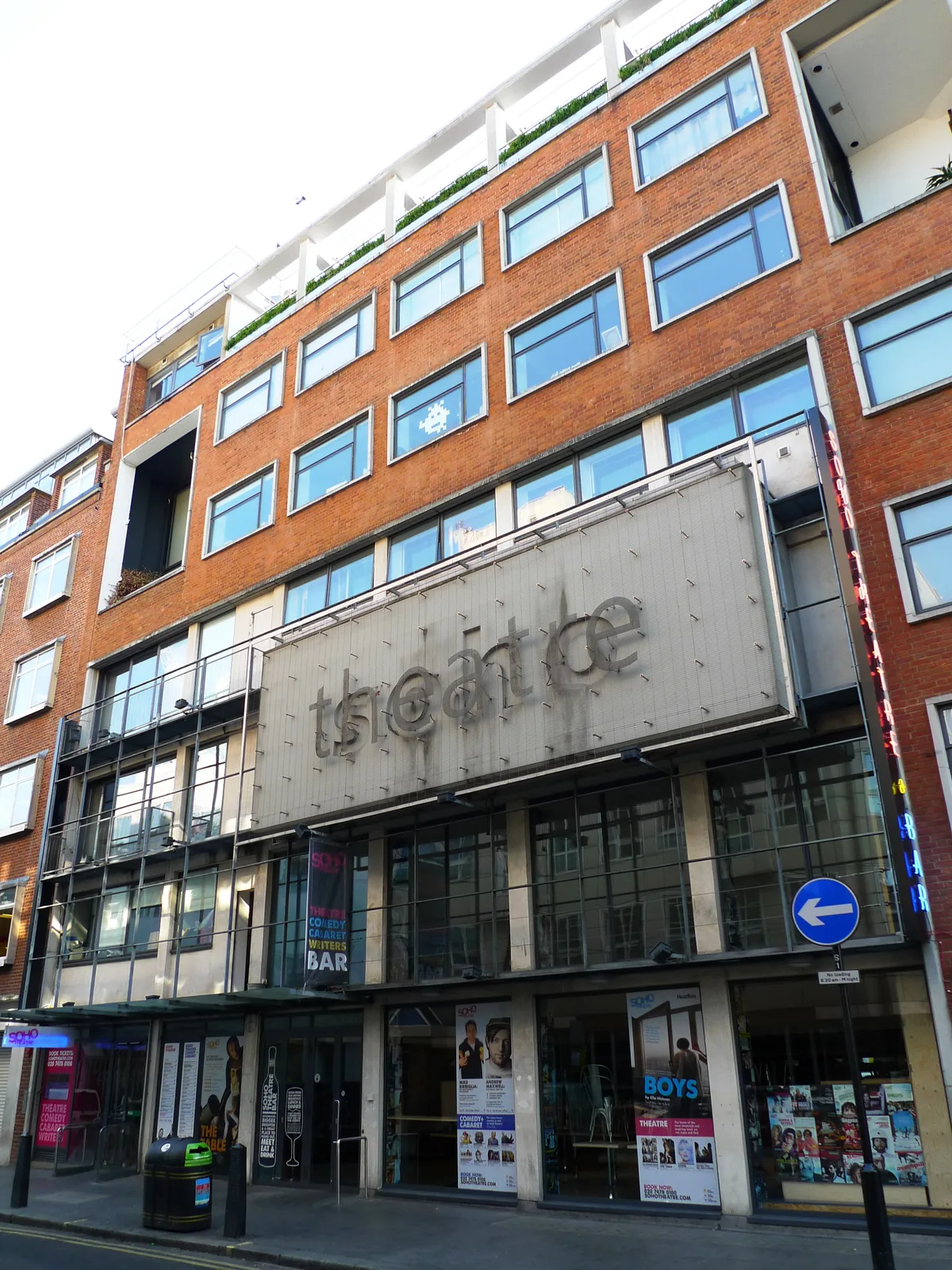
Soho Theatre
Theatres · 0.1 km
Nearby
📷 5Memorials & monuments · London
Arthur Onslow
Arthur Onslow — a memorial in england-london, United Kingdom.
📷 5Gardens · London
13, Soho Square W1
13, Soho Square W1 — a garden in england-london, United Kingdom.
📷 5Manor houses · London
Manor House, 21 Soho Square
Manor House, 21 Soho Square — a Grade II-listed manor in england-london, United Kingdom.
📷 5Historic churches · London
Radha Krishna Temple
Radha Krishna Temple — a hindu temple in england-london, United Kingdom.
📷 5Historic churches · London
French Protestant Church of London
French Protestant Church of London — church in Soho Square, London.
📷 5Historic houses · London
Fauconberg House
Fauconberg House — house in the City of Westminster, London, England.
Where to eat & stay near Charles II
Places to stay
 📷 5
📷 5 📷 5
📷 5 📷 5
📷 5 📷 5
📷 5 📷 5
📷 5 📷 5
📷 5Places to eat & drink
📷 5 📷 5
📷 5 📷 7
📷 7 📷 7
📷 7Historic pubs · London
The Flying Horse
The Flying Horse in England London, United Kingdom.
 📷 7
📷 7 📷 5
📷 5Restaurants · London
Flat Iron Tottenham Court Road
Flat Iron Tottenham Court Road — a restaurant in england london. Cuisine: steak house. Brand: Flat Iron.
More natural landmarks in this region
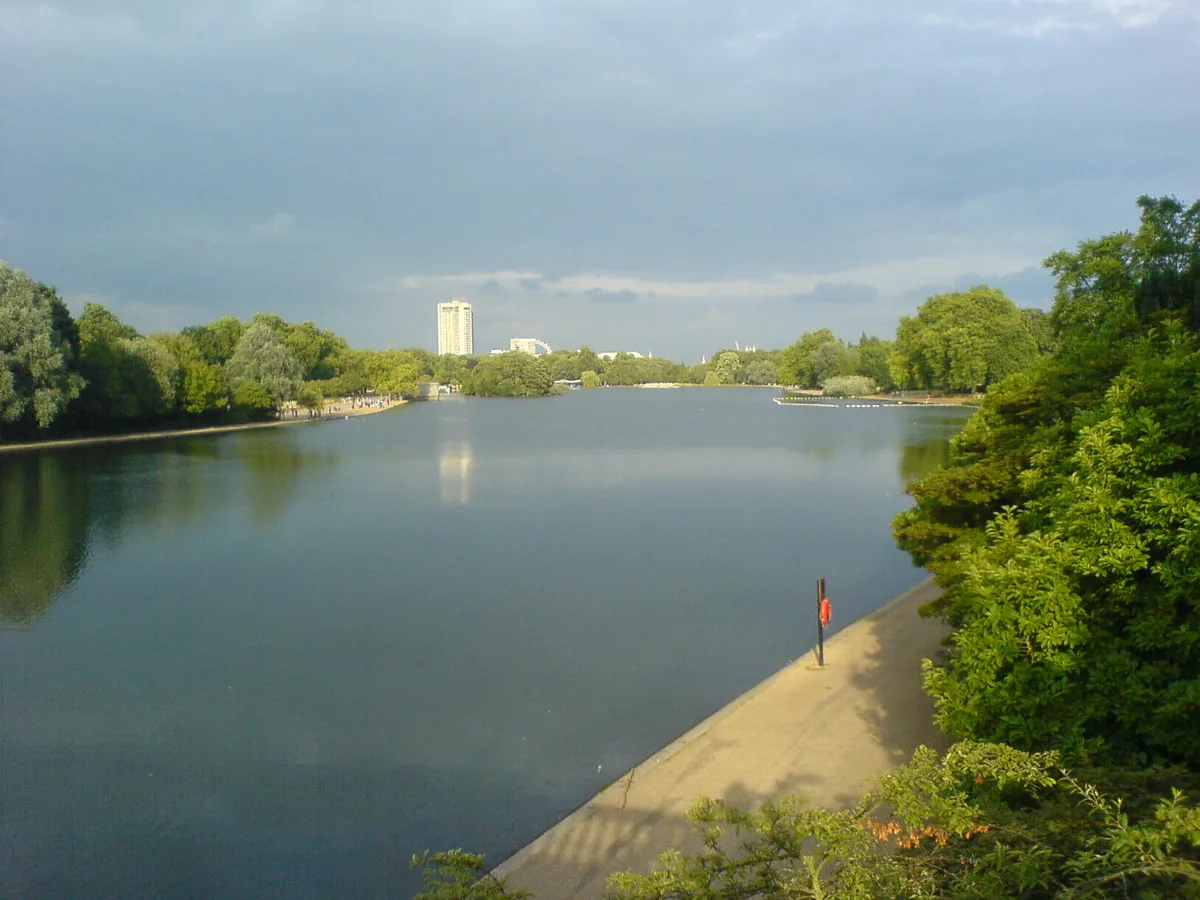 Flagship📷 10
Natural landmarks · London
Serpentine
Serpentine — lake in Hyde Park, London, United Kingdom.
 📷 5
📷 5Natural landmarks · London
Clifford the big red dog
Clifford the big red dog — Public artwork (statue).
_(cropped).JPG?width=1200) 📷 5
📷 5 📷 5
📷 5Frequently asked questions
- Where is Charles II?
- Charles II is in London, United Kingdom (postcode W1D 3QF), in the parish of Westminster, unparished area.
- What is Charles II?
- Charles II — Public artwork (statue) by Caius Gabriel Cibber.
- How do I get to Charles II?
- The nearest railway station is Tottenham Court Road, about 0.0 km away. The nearest town is Covent Garden. Drivers can use postcode W1D 3QF.
- When was Charles II built?
- Built or established in 1681.
- Is Charles II free to visit?
- Yes, Charles II is free to enter.
- How do I get to Charles II?
- The nearest railway station is Tottenham Court Road, about 0.0 km away. Drivers can navigate to postcode W1D 3QF.