
Castles · East of England
Castle Acre Castle
In or near Great Massingham.
Castle Acre Castle — Grade I listed castle in the United Kingdom.

Wikimedia Commons contributors — see linked file page for photographer and licence licence

Plan your visit
- Typical visit
- 1.5 h–3 h
- Paid entry
- Family-friendly
- Limited wheelchair access
Getting there & planning your visit
To visit Castle Acre Castle, the nearest postcode is PE32 2AY. Entry is paid, and wheelchair accessibility is limited.
About
Castle Acre Castle is a castle in the United Kingdom — fortified architecture from the medieval, Tudor, or Victorian-revival period. Records date its origin to 1140. Heritage designation: Grade I listed building. Owned by English Heritage. Managed by English Heritage. Part of Castle Acre Castle, town defences and Bailey Gate. Wikidata describes it as: "Grade I listed castle in the United Kingdom". Coordinates: 52.7031°, 0.6933°.
Photo gallery
Heritage listing
Castle Acre Castle and town walls are a set of ruined medieval defences built in the village of Castle Acre, Norfolk. The castle was built soon after the Norman Conquest by William de Warenne, the Earl of Surrey, at the intersection of the River Nar and the Peddars Way. William constructed a motte-and-bailey castle during the 1070s, protected by large earthwork ramparts, with a large country house in the centre of the motte. Soon after, a small community of Cluniac monks were given the castle's chapel in the outer bailey; under William, the second earl, the order was given land and estates to establish Castle Acre Priory alongside the castle. A deer park was created nearby for hunting.
From the Historic England List Entry under OGL v3.
Summary from the official site
Castle Acre Castle features the remains of a 12th-century priory, showcasing intricate architectural details and extensive ruins. Visitors can explore the cloister, monks' living quarters, and a recreated herb garden, along with interactive displays and audio tours.
Read more on the official property page.
Protected designations
- Site of Special Scientific Interest: River Nar SSSI
Designations sourced from Natural England open data under OGL v3.
From the Wikipedia article
Castle Acre Castle and town walls are a set of ruined medieval defences built in the village of Castle Acre, Norfolk. The castle was built soon after the Norman Conquest by William de Warenne, the Earl of Surrey, at the intersection of the River Nar and the Peddars Way. William constructed a motte-and-bailey castle during the 1070s, protected by large earthwork ramparts, with a large country house in the centre of the motte. Soon after, a small community of Cluniac monks were given the castle's chapel in the outer bailey; under William, the second earl, the order was given land and estates to establish Castle Acre Priory alongside the castle. A deer park was created nearby for hunting. After civil war broke out in England in 1135, the third earl, also called William, set about improving the defences of the castle. He began to build a tall keep on top of the motte, reinforcing the surrounding earthworks with stone walls. A planned settlement was established alongside the castle, surrounded by its own earthworks and walls, and the Peddars Way was redirected to pass by the castle, town and priory, all important symbols of the de Warennes' power in the region. Hamelin de Warenne acquired the castle through marriage and curtailed the building work on the keep around 1165, but completed the construction of three large stone gatehouses in the castle and town. One of these, the town's bailey gate, still survives intact. The de Warennes continued to hold the castle until 1347, when it was inherited by Richard Fitzalan, the Earl of Arundel. By 1397 the fortifications were in ruins and, despite restoration work by Sir Edward Coke at the start of the 17th century, the decline continued until the 20th century. In 1971, Thomas Coke, the Earl of Leicester, placed the castle into the guardianship of the state. In the 21st century, it is managed by English Heritage and open to visitors. Historic England consider the castle's huge defensive earthworks to be "among the finest…
Excerpt from Wikipedia under CC BY-SA 4.0. See the source article linked in Sources below.
Background
Architecture
Castle Acre Castle comprises three main earthworks: a motte and inner bailey to the north, an outer bailey to the south, and a barbican to the north-east. The medieval settlement of Castle Acre was linked to the western edge of the castle, and enclosed by its own circuit of earthwork defences and walls. Historic England consider the castle's huge defensive earthworks to be "among the finest surviving in England" The route into the earthwork barbican was guarded by a gateway and a bridge. The inner bailey comprises a roughly circular earthwork, up to 9.5 m high, topped by the remains of a stone curtain wall and protected by ditches, now about 3 m deep. The earthworks form a raised motte,…
Sourced from Wikipedia under CC BY-SA 4.0.
- Coordinates
- 52.7031, 0.6933
- County
- Norfolk
- District
- King's Lynn and West Norfolk
- Parish
- Castle Acre
- Postcode
- PE32 2AY
- Parliamentary constituency
- North West Norfolk
- Phone
- 01760 755394
- Established
- 1140
- Opening
- Daily 10am–5pm; last entry at 4.30pm
- Official site
- www.english-heritage.org.uk
Sources
- wikidata: Q5049976 (CC0)
- wikipedia: Castle Acre Castle and town walls (CC BY-SA 4.0)
- commons: Castle Acre - geograph.org.uk - 4477852.jpg (CC BY-SA 4.0)
Other places nearby

Castle Acre Castle and town walls
Castles · 0.0 km

Castle Acre Town Defences
Literary houses · 0.2 km

Old Red Lion
Hostels · 0.3 km

Castle Acre Bailey Gate
Castles · 0.3 km

Castle Acre Village Sign
Public art & sculpture · 0.4 km

Castle Acre and Newton War Memorial
Memorials & monuments · 0.5 km

Castle Acre
Museums · 0.5 km

Gatehouse of Castle Acre Priory
Castles · 0.7 km

Castle Acre Priory
Castles · 0.7 km

Castle Acre Priory
Archaeological sites · 0.7 km

Peddars Way Cycle Route
Mountain bike trails · 1.6 km

Peddars Way
Military museums · 2.1 km
Nearby
📷 5Castles · East of England
Castle Acre Castle and town walls
Castle Acre Castle and town walls — a other in england-east-midlands, United Kingdom.
📷 5Literary houses · East of England
Castle Acre Town Defences
Castle Acre Town Defences — a literary house museum in england east midlands.
📷 5📷 3Castles · East of England
Castle Acre Bailey Gate
Castle Acre Bailey Gate — a Grade I-listed castle in england-east-midlands, United Kingdom.
📷 3Public art & sculpture · East of England
Castle Acre Village Sign
Castle Acre Village Sign — a public art in england-east-midlands, United Kingdom.
📷 3Memorials & monuments · East of England
Castle Acre and Newton War Memorial
Castle Acre and Newton War Memorial — Grade II listed building-listed memorial in england-east-midlands, United Kingdom.
Where to eat & stay near Castle Acre Castle
Places to stay
📷 5 📷 3
📷 3Caravan parks · East of England
Little Thornes Farm
Little Thornes Farm — a caravan park in england east.
 📷 5
📷 5 📷 5
📷 5Hotels · East of England
Strattons Hotel
Strattons Hotel — a hotel in england east.
 📷 5📷 5
Caravan parks · East of England
The Old Farmhouse
The Old Farmhouse — a caravan park in england east midlands.
Places to eat & drink
 📷 5
📷 5Restaurants · East of England
Swaffham Kebab & Pizza House
Swaffham Kebab & Pizza House — a restaurant in england east.
 📷 7
📷 7 📷 5
📷 5Historic pubs · East of England
The Rampant Horse Inn
The Rampant Horse Inn in England East, United Kingdom.
 📷 5
📷 5 📷 5
📷 5 📷 5
📷 5Historic pubs · East of England
White Horse Public House And Adjoining Cottage
White Horse Public House And Adjoining Cottage in England East, United Kingdom.
More places run by English Heritage
 Flagship📷 10
Museums · London
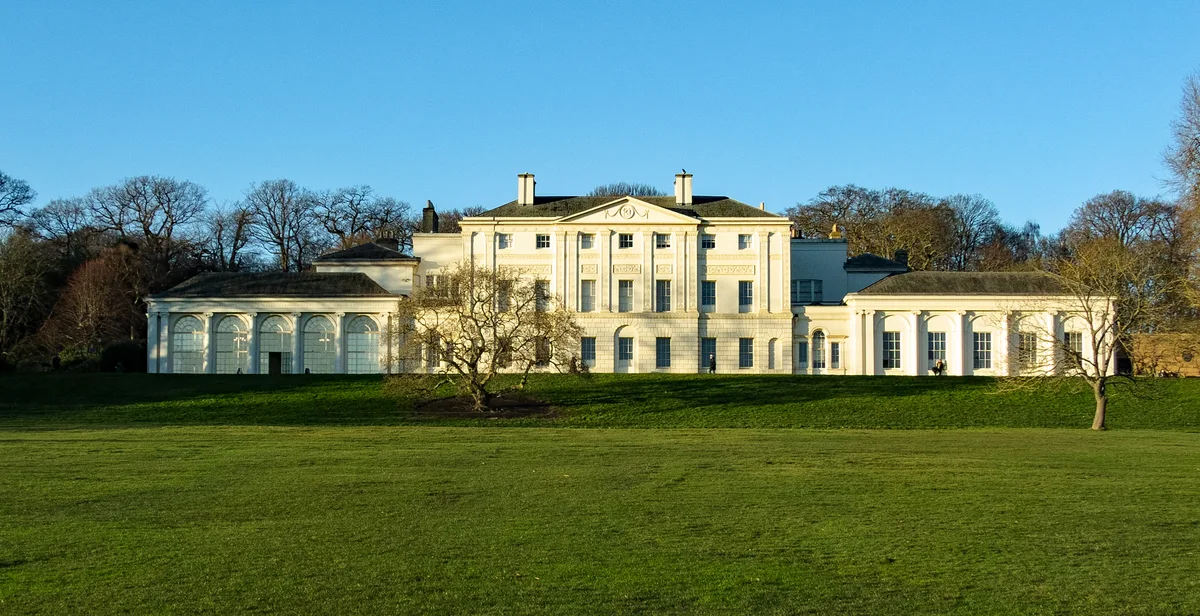
Kenwood House
Kenwood House — art museum and historic house in Hampstead, London.
 📷 5
📷 5Galleries · London
Apsley House
Apsley House — London townhouse of the Dukes of Wellington.
 📷 5
📷 5Castles · London
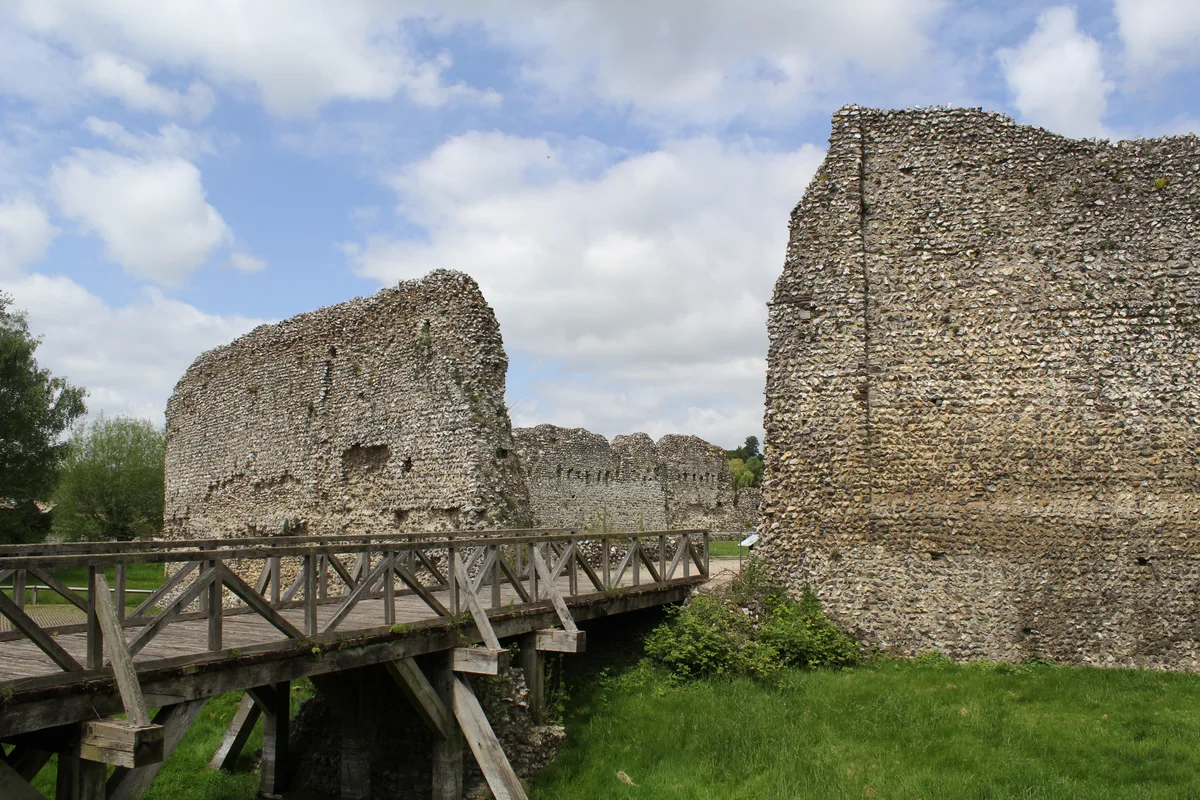
Eynsford Castle
Eynsford Castle — castle, now ruinous, in Eynsford, Kent, England, UK.
 📷 5
📷 5Museums · London
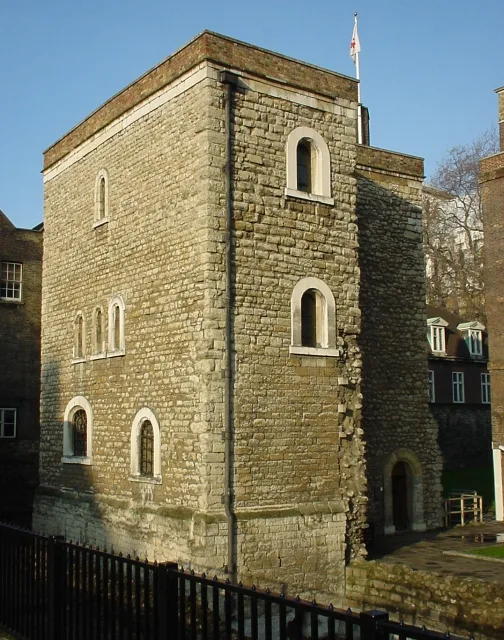
Jewel Tower
Jewel Tower — medieval tower in Westminster, London, England, UK.
Other castles from this era
 📷 5
📷 5Castles · South East England
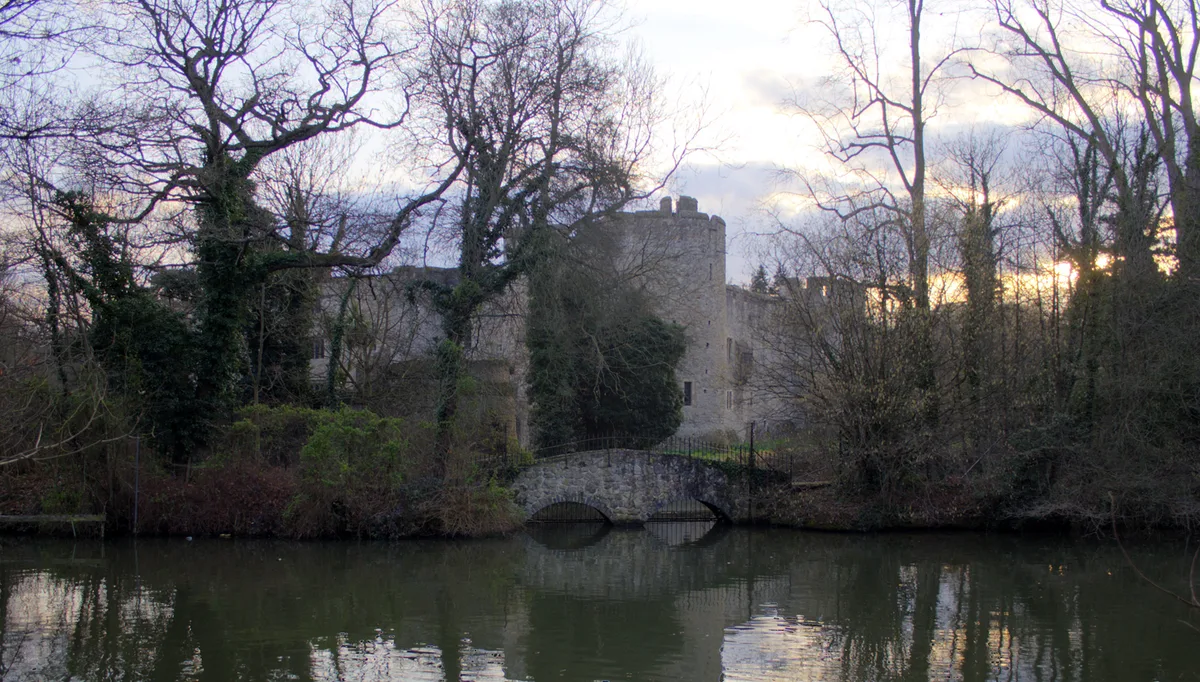
Allington Castle
Allington Castle — stone-built moated castle in Allington, England.
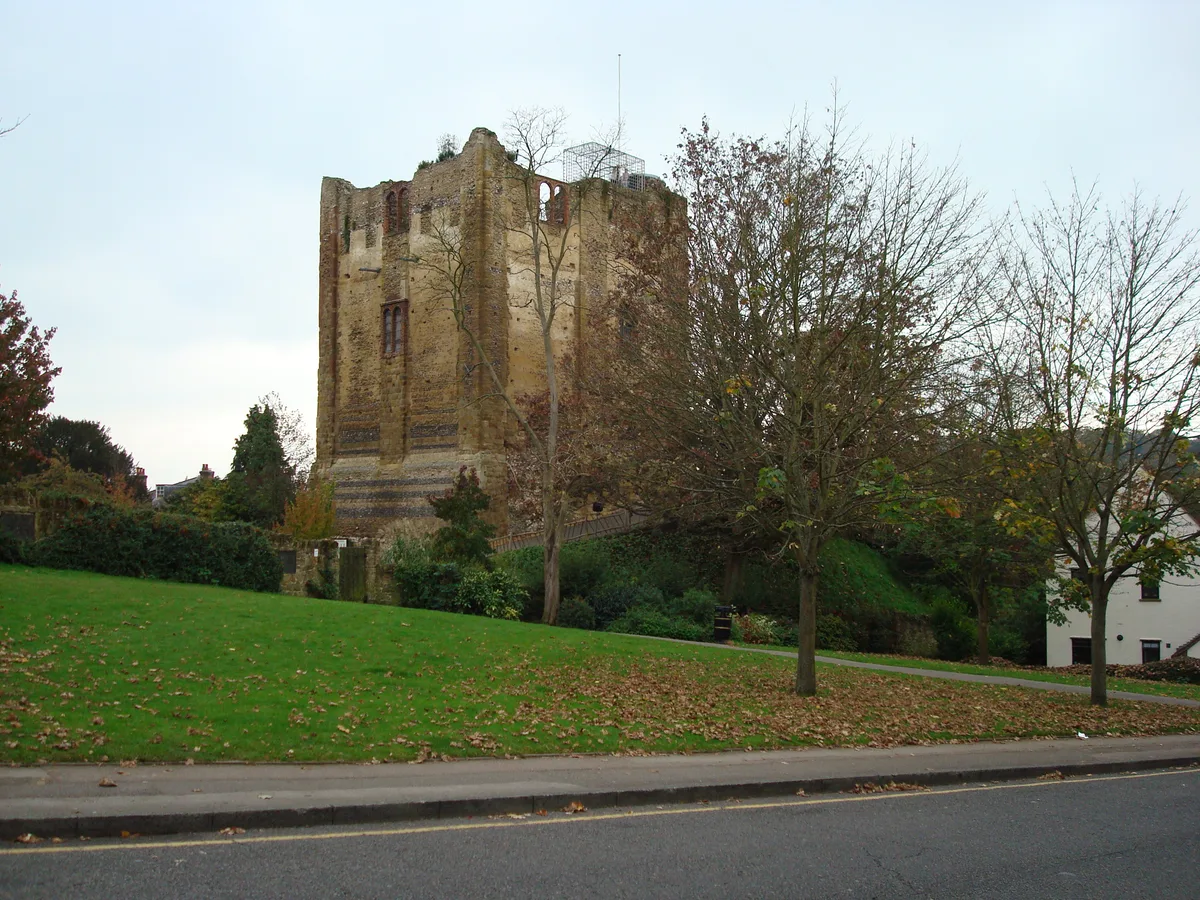 📷 5
📷 5Castles · South East England
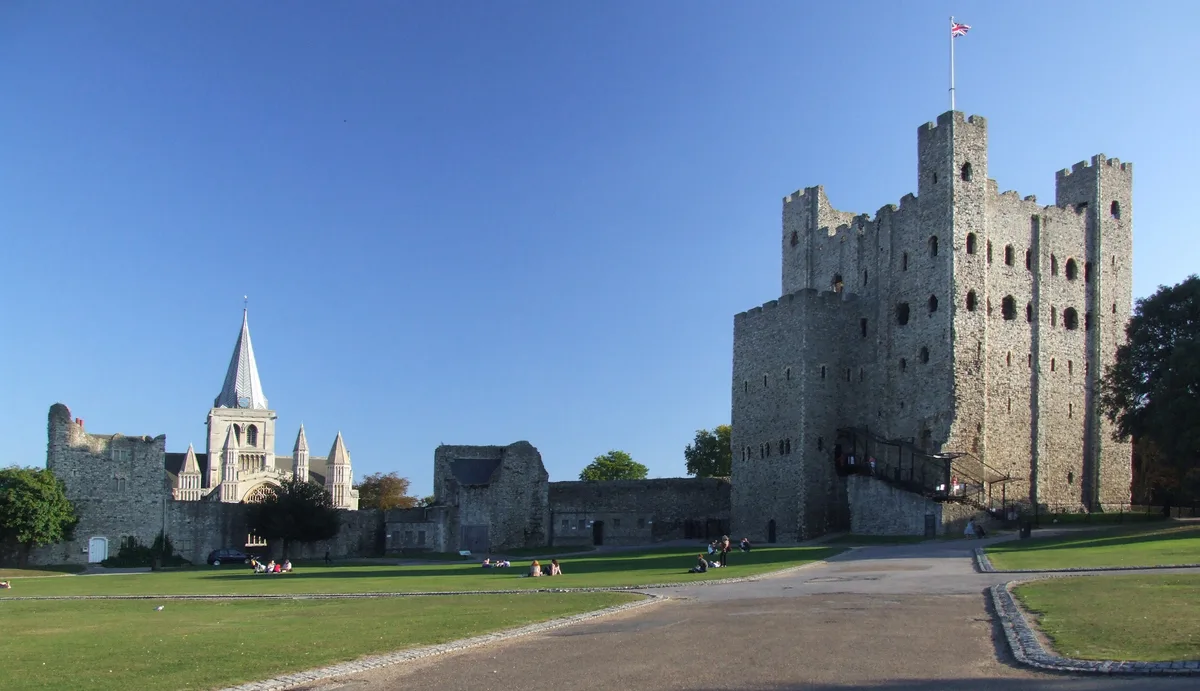
Guildford Castle
Guildford Castle — castle in Guildford, Surrey, England, UK.
 📷 5
📷 5Castles · South East England
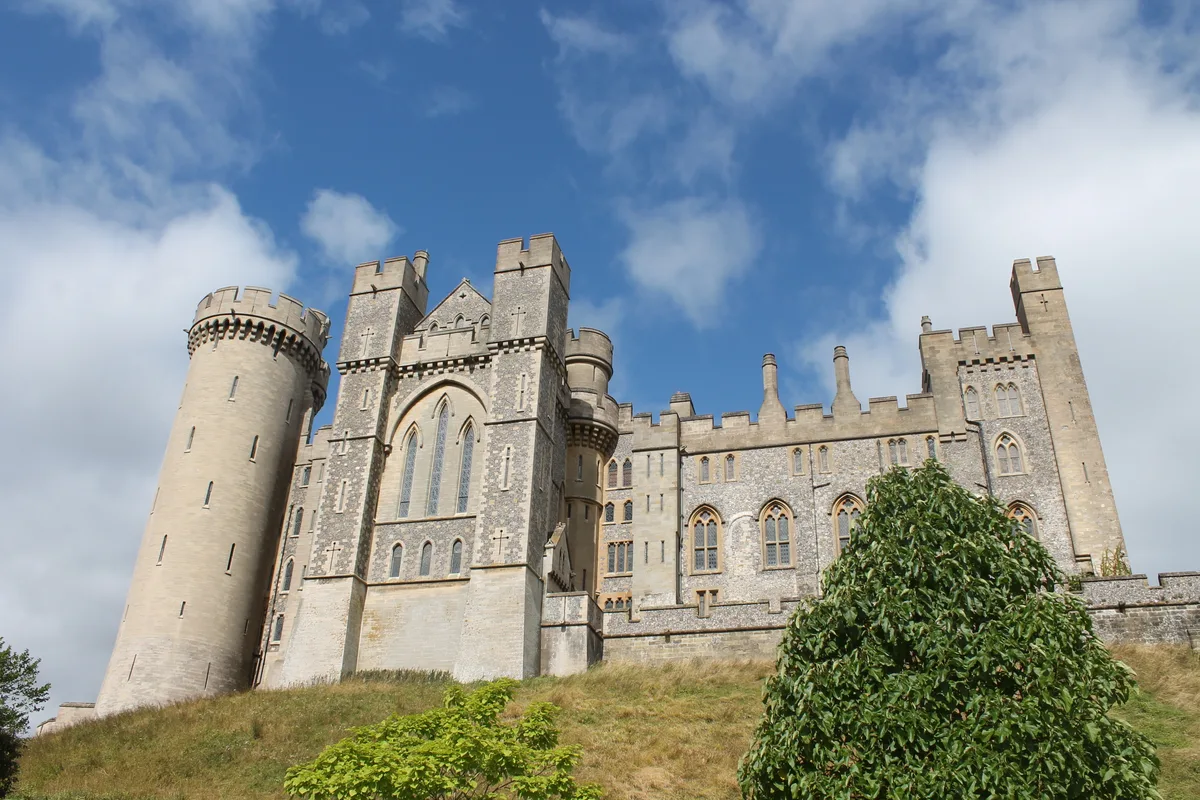
Rochester Castle
Rochester Castle — castle in Rochester, Kent, South East England.
 📷 5
📷 5Castles · South East England
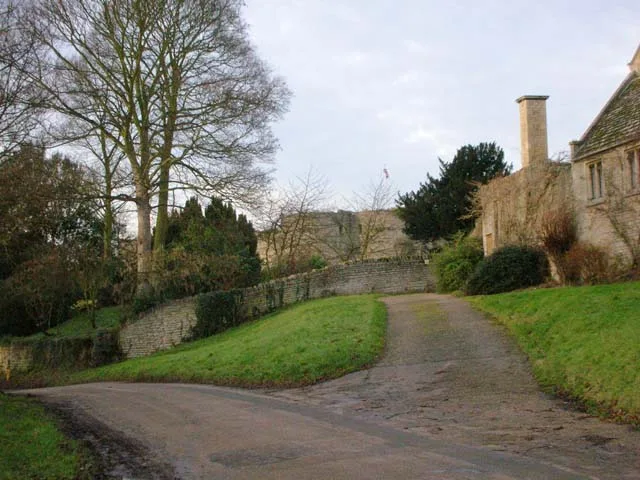
Arundel Castle
Arundel Castle — castle in West Sussex, England, UK.
More castles in this region
 📷 5
📷 5Castles · East of England
Barnwell Castle
Barnwell Castle — castle in Northamptonshire, England, UK.
 📷 5
📷 5Castles · East of England
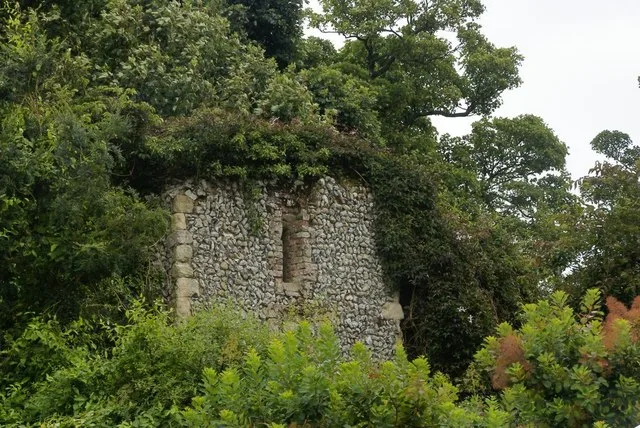
Benington Castle
Benington Castle — Grade I listed castle in East Hertfordshire, England, UK.
 📷 5
📷 5 📷 5
📷 5Castles · East of England
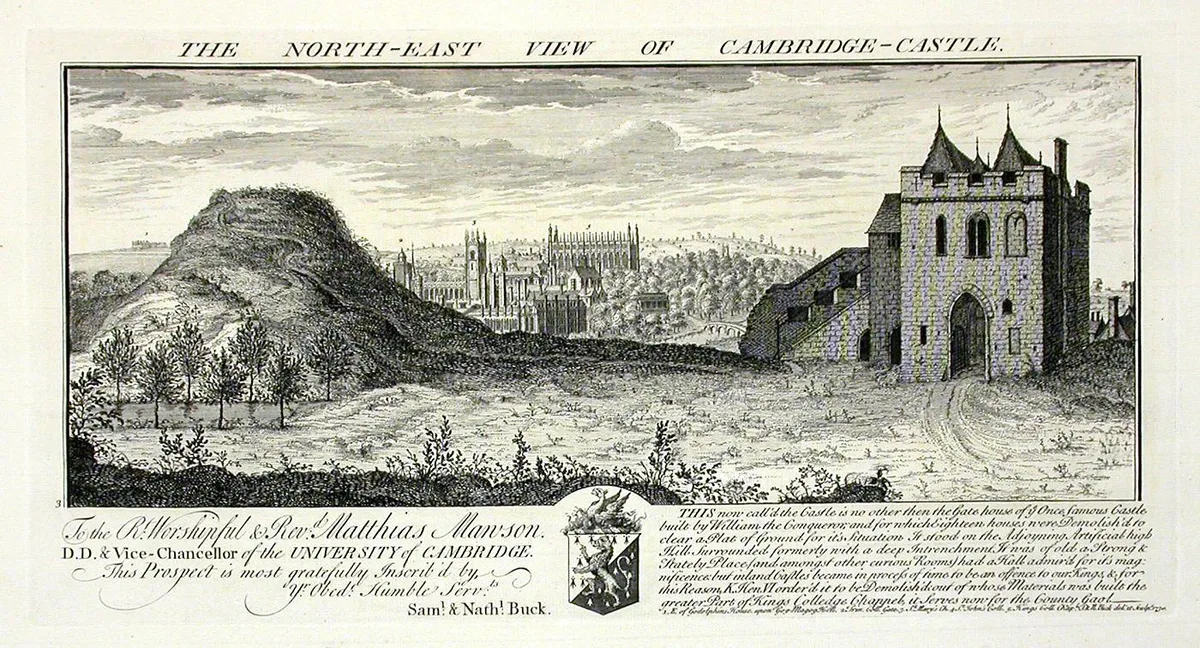
Camera Obscura
Camera Obscura is a place of interest in the United Kingdom.
Frequently asked questions
- Where is Castle Acre Castle?
- Castle Acre Castle is in Norfolk, East of England, United Kingdom (postcode PE32 2AY), in the parish of Castle Acre.
- What is Castle Acre Castle?
- Castle Acre Castle — Grade I listed castle in the United Kingdom.
- How do I get to Castle Acre Castle?
- The nearest town is Great Massingham. Drivers can use postcode PE32 2AY.
- When was Castle Acre Castle built?
- Built or established in 1140.
- Who runs Castle Acre Castle?
- Castle Acre Castle is operated by English Heritage.
- Is Castle Acre Castle a listed building?
- Castle Acre Castle is officially recognised as Grade I listed building listed.
- Is Castle Acre Castle a protected site?
- Yes — Castle Acre Castle is part of the River Nar SSSI Site of Special Scientific Interest.
- Does Castle Acre Castle charge admission?
- Castle Acre Castle typically charges admission. Check the official site for current ticket prices and opening hours.