
Stately homes · West Midlands
Burnt Norton
In or near Honeybourne.
Burnt Norton — manor house in Weston Subedge, Gloucestershire, England, UK.

Wikimedia Commons contributors — see linked file page for photographer and licence licence
.jpg)
Plan your visit
- Typical visit
- 2 h–4 h
- Nearest railway station
- Honeybourne · 4.6 km
- Family-friendly
- Limited wheelchair access
Getting there & planning your visit
To visit Burnt Norton, the nearest railway station is Honeybourne, located 4.6 km away. The postcode for sat-nav is GL55 6PR. Accessibility is limited for wheelchair users.
About
Burnt Norton is a stately home in the United Kingdom. Heritage designation: Grade II listed building. Wikidata describes it as: "manor house in Weston Subedge, Gloucestershire, England, UK". Coordinates: 52.0717°, -1.7881°.
Photo gallery
Heritage listing
Burnt Norton is a manor house in Aston-sub-Edge, near Chipping Campden, Gloucestershire, best known for being the inspiration for T. S. Eliot's poem of the same name.
From the Historic England List Entry under OGL v3.
Protected designations
- Area of Outstanding Natural Beauty: Cotswolds
Designations sourced from Natural England open data under OGL v3.
From the Wikipedia article
Burnt Norton is a manor house in Aston-sub-Edge, near Chipping Campden, Gloucestershire, best known for being the inspiration for T. S. Eliot's poem of the same name.
Excerpt from Wikipedia under CC BY-SA 4.0. See the source article linked in Sources below.
Background
History
Sir William Keyt, 3rd Baronet, Member of Parliament for Warwick between 1722 and 1735, was married to the Hon. Anne née Tracy. Keyt left his wife in London while he went to live with her maid on his Cotswold estate, where he spent much of his fortune in extending and improving his mansion. He notably added two large side extensions to it after his mistress, upon viewing the house, asked "what is a kite without wings." In time the mistress deserted him, and he began drinking heavily. One night in September 1741 he caused a fire which spread to the whole house. Unsuccessful attempts were made to rescue him and little was left of him to be buried at the church of Aston-sub-Edge. It was said he…
Visiting
The estate became known as Burnt Norton and the garden remained as an attraction. It was after visiting the garden with his friend and suspected lover Emily Hale that T. S. Eliot wrote Burnt Norton, the first of his Four Quartets. The story of Keyt and Norton House was the subject of a 2014 novel: Burnt Norton by Caroline Sandon, a pen-name of the present occupier, the Countess of Harrowby.
Sourced from Wikipedia under CC BY-SA 4.0.
- Coordinates
- 52.0717, -1.7881
- County
- Gloucestershire
- District
- Cotswold
- Parish
- Weston Subedge
- Postcode
- GL55 6PR
- Parliamentary constituency
- North Cotswolds
- Nearest railway station
- Honeybourne — 4.6 km
Sources
- wikidata: Q26465359 (CC0)
- wikipedia: Burnt Norton (house) (CC BY-SA 4.0)
- commons: Burnt Norton House (geograph 2041927).jpg (CC BY-SA 4.0)
Other places nearby

Manor House
Historic houses · 2.0 km

Cidermill Theatre
Theatres · 2.1 km

Seagrave Arms
Restaurants · 2.1 km

Dover's Hill
Viewpoints · 2.1 km

Site of Giffards Castle
Castles · 2.1 km

Dover's Hill
Mountains & hills · 2.1 km
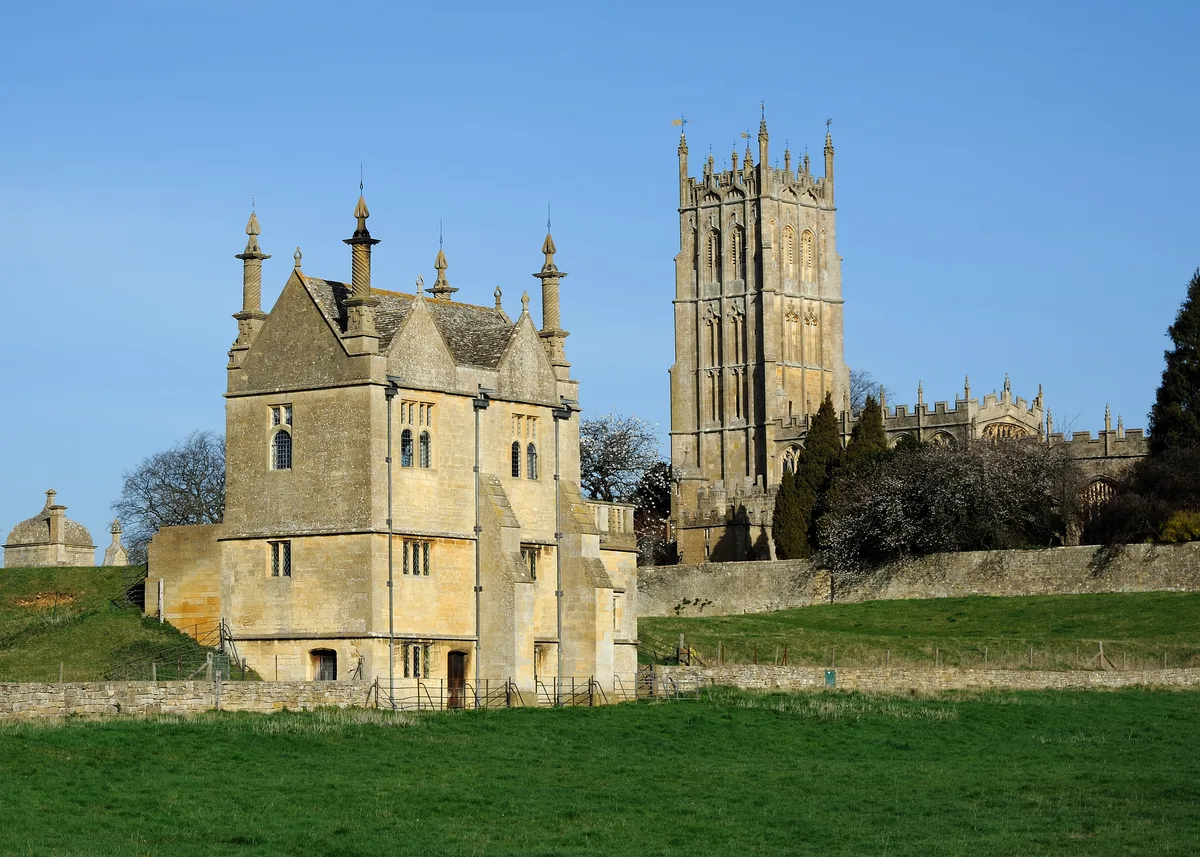
Church of St James
Historic churches · 2.2 km

Hidcote Manor Garden
Gardens · 2.3 km

Eight Bells
Hotels · 2.3 km

Chipping Campden
Castles · 2.3 km

Court Barn
Museums · 2.3 km
Carriage-splash
Archaeological sites · 2.3 km
Nearby
📷 3Historic houses · West Midlands
Manor House
Manor House — historic building in Weston Subedge, Cotswold District, Gloucestershire, England, United Kingdom.
📷 3📷 7Restaurants · West Midlands
Seagrave Arms
Seagrave Arms — a restaurant in england west midlands.
📷 5📷 3Castles · West Midlands
Site of Giffards Castle
Site of Giffards Castle — a castle in england-west-midlands, United Kingdom.
📷 5Mountains & hills · West Midlands
Dover's Hill
Dover's Hill — mountain in england west midlands. Elevation: 225 m.
Where to eat & stay near Burnt Norton
Places to stay
📷 7Hotels · West Midlands
Eight Bells
Eight Bells — a hotel in england west midlands.
 📷 5
📷 5Hotels · West Midlands
Lygon Arms Hotel
Lygon Arms Hotel — a hotel in england west midlands.
 📷 5
📷 5Hotels · West Midlands
Cotswold House Hotel & Spa
Cotswold House Hotel & Spa — a hotel in england west midlands.
 📷 7
📷 7Hotels · West Midlands
Noel Arms Hotel
Noel Arms Hotel — a hotel in england west midlands.
 📷 5
📷 5Caravan parks · West Midlands
Ranch Caravan Park
Ranch Caravan Park — a caravan park in england west midlands.
 📷 5
📷 5B&Bs · West Midlands
Olive Branch Guest House
Olive Branch Guest House — a bed-and-breakfast in england west midlands.
Places to eat & drink
📷 7Restaurants · West Midlands
Seagrave Arms
Seagrave Arms — a restaurant in england west midlands.
 📷 7
📷 7Historic pubs · West Midlands
The Volunteer Public House
The Volunteer Public House in England West Midlands, United Kingdom.
 ★ Iconic📷 4
Historic pubs · West Midlands
The Fleece Inn
The only National Trust-operated pub — a medieval longhouse in Worcestershire.
 📷 5
📷 5Historic pubs · West Midlands
Fleece Inn
Fleece Inn — Historic pub — listed building or notable heritage status.
 📷 7
📷 7Restaurants · West Midlands
Hunters Restaurant
Hunters Restaurant — a restaurant in england west midlands.
 📷 7
📷 7Restaurants · West Midlands
Russells
Russells — a restaurant in england west midlands.
More places in this region
 📷 5
📷 5Stately homes · West Midlands
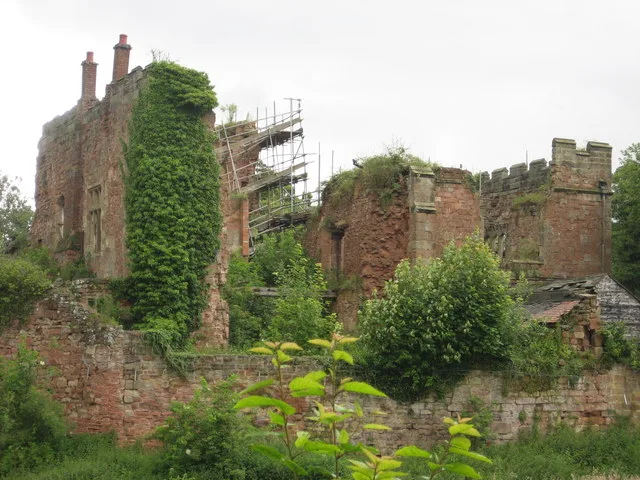
Astley Castle
Astley Castle — ruinous moated fortified 16th century manor house in North Warwickshire, England, UK.
 Flagship📷 3
Stately homes · West Midlands
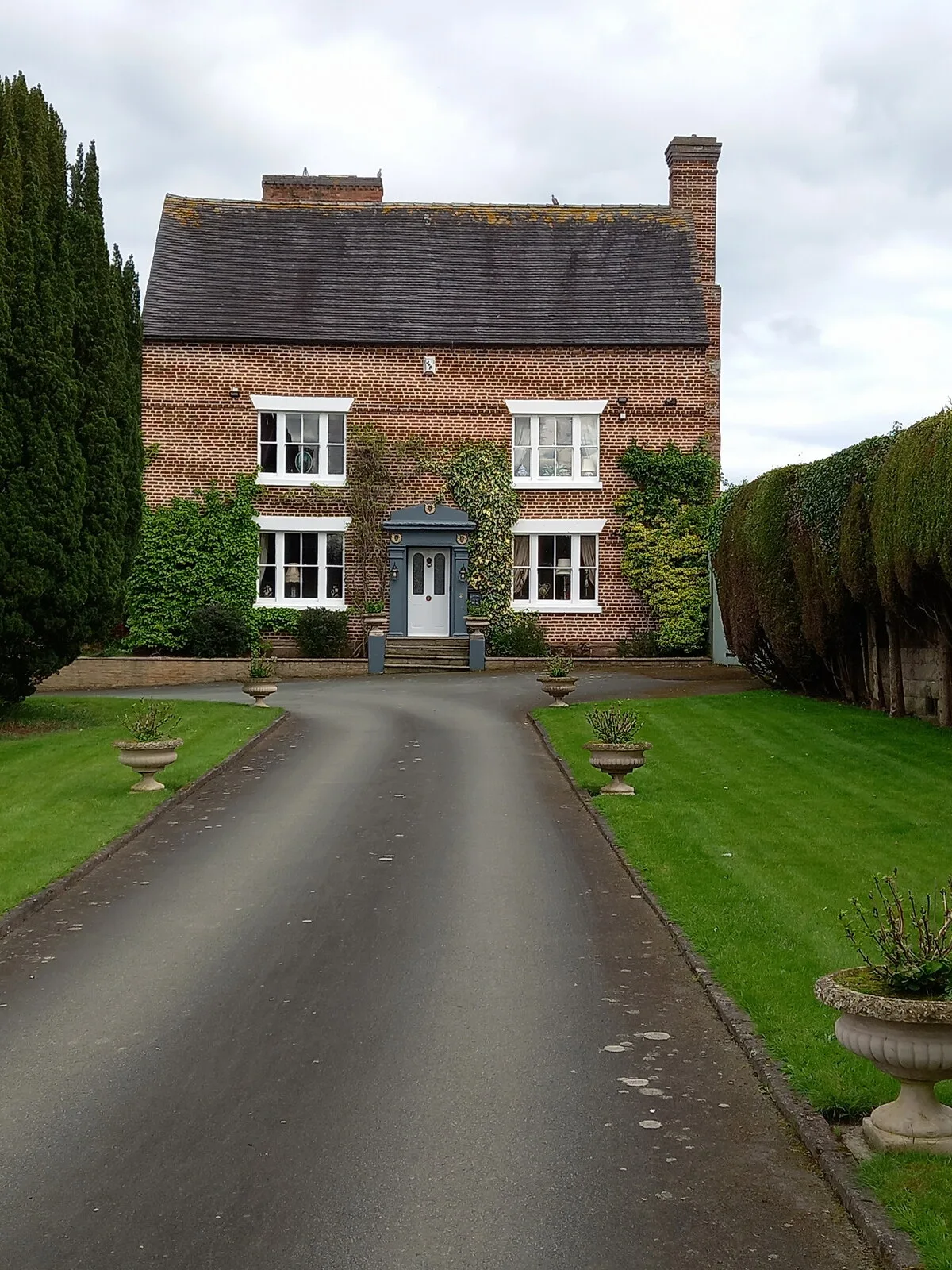
Aston Manor
Aston Manor — manor house in Chetwynd Aston and Woodcote, Telford and Wrekin, Shropshire, England, UK.
 📷 3
📷 3Stately homes · West Midlands
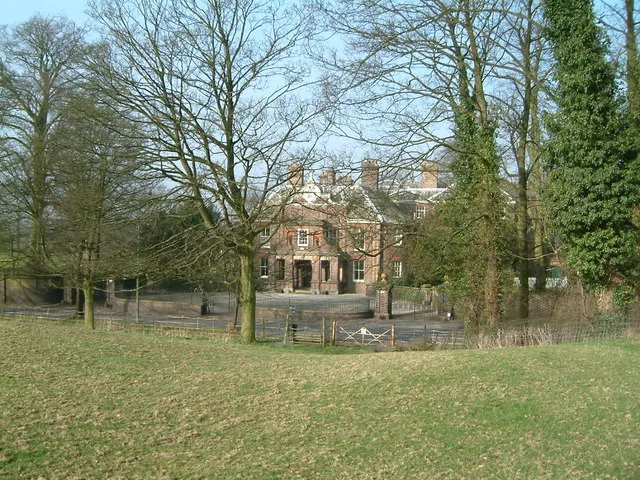
Betley Court
Betley Court — historic building in Staffordshire, England, UK.
 Flagship📷 3
Stately homes · West Midlands
Birmingham Manor House
Birmingham Manor House — moated building that formed the seat of the Lord of the Manor of Birmingham, England.
Frequently asked questions
- Where is Burnt Norton?
- Burnt Norton is in Gloucestershire, the West Midlands, United Kingdom (postcode GL55 6PR), in the parish of Weston Subedge.
- What is Burnt Norton?
- Burnt Norton — manor house in Weston Subedge, Gloucestershire, England, UK.
- How do I get to Burnt Norton?
- The nearest railway station is Honeybourne, about 4.6 km away. The nearest town is Honeybourne. Drivers can use postcode GL55 6PR.
- Who owns Burnt Norton?
- Burnt Norton is owned by | landlord =.
- Is Burnt Norton a listed building?
- Burnt Norton is officially recognised as Grade II listed building listed.
- Is Burnt Norton a protected site?
- Yes — Burnt Norton is part of the Cotswolds National Landscape (AONB).
- How do I get to Burnt Norton?
- The nearest railway station is Honeybourne, about 4.6 km away. Drivers can navigate to postcode GL55 6PR.