
Abbeys & priories · West Midlands
Buildwas Abbey
In or near Coalbrookdale.
Buildwas Abbey is a abbey in the United Kingdom.

Wikimedia Commons contributors — see linked file page for photographer and licence licence

Plan your visit
- Typical visit
- 45 min–1.5 h
- Nearest railway station
- Spring Village · 4.5 km
- Free entry
- Family-friendly
- Limited wheelchair access
Getting there & planning your visit
To visit Buildwas Abbey, the nearest railway station is Spring Village, located 4.5 km away. Entry is paid, and wheelchair accessibility is limited. The postcode for sat-nav is TF8 7BW.
About
Buildwas Abbey is an abbey, priory, or monastic site in the United Kingdom. Records date its origin to 1101. Heritage designation: scheduled monument. Owned by English Heritage. Managed by English Heritage. Coordinates: 52.6353°, -2.5312°.
Photo gallery
Heritage listing
Buildwas Abbey was a Cistercian (originally Savigniac) monastery located on the banks of the River Severn, at Buildwas in Shropshire, England - today about 2 miles (3.2 km) west of Ironbridge. Founded by the local bishop in 1135, it was sparsely endowed at the outset but enjoyed several periods of growth and increasing wealth: notably under Abbot Ranulf in the second half of the 12th century and again from the mid-13th century, when large numbers of acquisitions were made from the local landed gentry. Abbots were regularly used as agents by the Plantagenet monarchs in their attempts to subdue Ireland and Wales and the abbey acquired a daughter house in each country.
From the Historic England List Entry under OGL v3.
From English Heritage
The impressive ruins of this Cistercian abbey have an idyllic setting near the River Severn. Unaltered 12th century church and beautiful vaulted chapter house with tiled floor.
Read more on the official property page.
Protected designations
- Area of Outstanding Natural Beauty: Shropshire Hills
Designations sourced from Natural England open data under OGL v3.
From the Wikipedia article
Buildwas Abbey was a Cistercian (originally Savigniac) monastery located on the banks of the River Severn, at Buildwas in Shropshire, England - today about 2 miles (3.2 km) west of Ironbridge. Founded by the local bishop in 1135, it was sparsely endowed at the outset but enjoyed several periods of growth and increasing wealth: notably under Abbot Ranulf in the second half of the 12th century and again from the mid-13th century, when large numbers of acquisitions were made from the local landed gentry. Abbots were regularly used as agents by the Plantagenet monarchs in their attempts to subdue Ireland and Wales and the abbey acquired a daughter house in each country. It was a centre of learning, with a substantial library, and was noted for its discipline until the economic and demographic crises of the 14th century brought about decline and difficulties, exacerbated by conflict and political instability in the Welsh Marches. The abbey was suppressed in 1536 as part of the Dissolution of the Monasteries under Henry VIII. Substantial remains of the abbey church and monks' quarters remain and are in the care of English Heritage.
Excerpt from Wikipedia under CC BY-SA 4.0. See the source article linked in Sources below.
Background
History
All the known names of monks show English origins. Surnames like Boningale, Ashbourne and Bridgnorth suggest most were from Shropshire or the vicinity of the abbey's granges. Some were from landed gentry families: Abbot Henry Burnell, for example, who ruled the abbey around 1300, was brother of Philip Burnell, lord of Benthall. He gave his younger brother Hamo a paid post at the abbey and Hamo sold it back to a later abbot, John, illustrating the dangers of nepotism where local landed interests prevailed.
Architecture
There is no documentary evidence of the construction of the abbey at Buildwas, but it seems to have lagged a little behind Kirkstall Abbey, now in a Leeds suburb, which was built probably between 1152 and about 1170. Buildwas and Kirkstall are of the simplest and earliest pattern of Cistercian churches in Britain and are broadly comparable. In both cases, the builders became more adventurous as they progressed toward the west from the eastern end of the church. Both churches have a stone tower over the crossing, although this was forbidden by the General Chapter of the Cistercians in 1157. The presbytery at Buildwas was without aisles and the aisles of the nave had wooden ceilings, rather…
Description
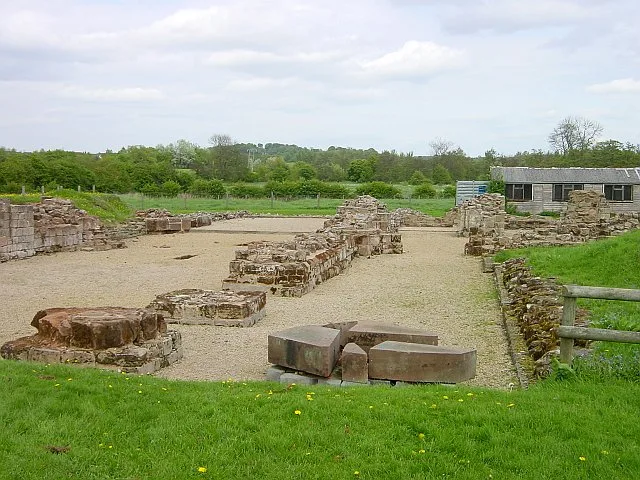
The abbey site is a short distance south of the River Severn. The drainage opportunities afforded by the river made it sensible to place the claustral buildings to the north of the church, which is roughly parallel to the river, and so fairly accurately oriented. The remains of the buildings are entirely of local sandstone: all wooden parts disappeared long ago. The remains of buildings around the infirmary court and the abbot's lodging, all on the north and east sides of the site, are not open to the public, as they are within a private residence. The remains that are open to the public, free of charge at present, are described below.
Sourced from Wikipedia under CC BY-SA 4.0.
- Coordinates
- 52.6353, -2.5312
- District
- Shropshire
- Parish
- Buildwas
- Postcode
- TF8 7BW
- Parliamentary constituency
- South Shropshire
- Established
- 1101
- Nearest railway station
- Spring Village — 4.5 km
- Opening
- Daily 10am–5pm, Apr - Oct; closed 24–26 Dec
- Official site
- www.english-heritage.org.uk
Sources
- wikidata: Q1003041 (CC0)
- wikipedia: Buildwas Abbey (CC BY-SA 4.0)
- commons: Buildwas Abbey 2.jpg (CC BY-SA 4.0)
Other places nearby

Buildwas Abbey
Cathedrals · 0.0 km

Abbey of St. Mary and St. Chad (Buildwas, England)
Archaeological sites · 0.2 km

Tick Wood
Mountains & hills · 1.2 km

Pool View Caravan Park
Caravan parks · 1.3 km

Albert Edward Bridge
Historic bridges · 2.0 km

Iron Gorge Camping
Campsites · 2.2 km

Benthall Hall
Historic houses · 2.4 km

Loamhole
Memorials & monuments · 2.5 km

Merrythought
Museums · 2.6 km

Loamhole Waterfall
Waterfalls · 2.6 km

Darby Houses
Museums · 2.6 km

The Darby Houses
Museums · 2.6 km
Nearby
📷 4Cathedrals · West Midlands
Buildwas Abbey
Buildwas Abbey is a cathedral in the United Kingdom.
📷 5Archaeological sites · West Midlands
Abbey of St. Mary and St. Chad (Buildwas, England)
Abbey of St. Mary and St. Chad (Buildwas, England) — a archaeological site in england west midlands.
📷 5📷 5Caravan parks · West Midlands
Pool View Caravan Park
Pool View Caravan Park — a caravan park in england west midlands.
📷 4Historic bridges · West Midlands
Albert Edward Bridge
Albert Edward Bridge — a Grade II-listed bridge in england-west-midlands, United Kingdom.
📷 5Campsites · West Midlands
Iron Gorge Camping
Iron Gorge Camping — a campsite in england west midlands.
Where to eat & stay near Buildwas Abbey
Places to stay
📷 5Caravan parks · West Midlands
Pool View Caravan Park
Pool View Caravan Park — a caravan park in england west midlands.
📷 5Campsites · West Midlands
Iron Gorge Camping
Iron Gorge Camping — a campsite in england west midlands.
 📷 5
📷 5 📷 5
📷 5 📷 5
📷 5 📷 5
📷 5Campsites · West Midlands
Sytche Camping and Caravan Park
Sytche Camping and Caravan Park — a campsite in england west midlands.
Places to eat & drink
 📷 7
📷 7Historic pubs · West Midlands
The Coalbrookdale Inn
The Coalbrookdale Inn in England West Midlands, United Kingdom.
 📷 5
📷 5Historic pubs · West Midlands
Crown Inn Including Outbuildings Adjoining South West
Crown Inn Including Outbuildings Adjoining South West in England West Midlands, United Kingdom.
 📷 7
📷 7Historic pubs · West Midlands
Kynnersley Arms Public House Incorporating Remains Of Mill And Furnace
Kynnersley Arms Public House Incorporating Remains Of Mill And Furnace in England West Midlands, United Kingdom.
 📷 5
📷 5Historic pubs · West Midlands
The Golden Ball Public House
The Golden Ball Public House in England West Midlands, United Kingdom.
 📷 5
📷 5Historic pubs · West Midlands
The Beacon Public House
The Beacon Public House in England West Midlands, United Kingdom.
 📷 5
📷 5Historic pubs · West Midlands
All Nations Inn
All Nations Inn in England West Midlands, United Kingdom.
More places run by English Heritage
 Flagship📷 10
Museums · London
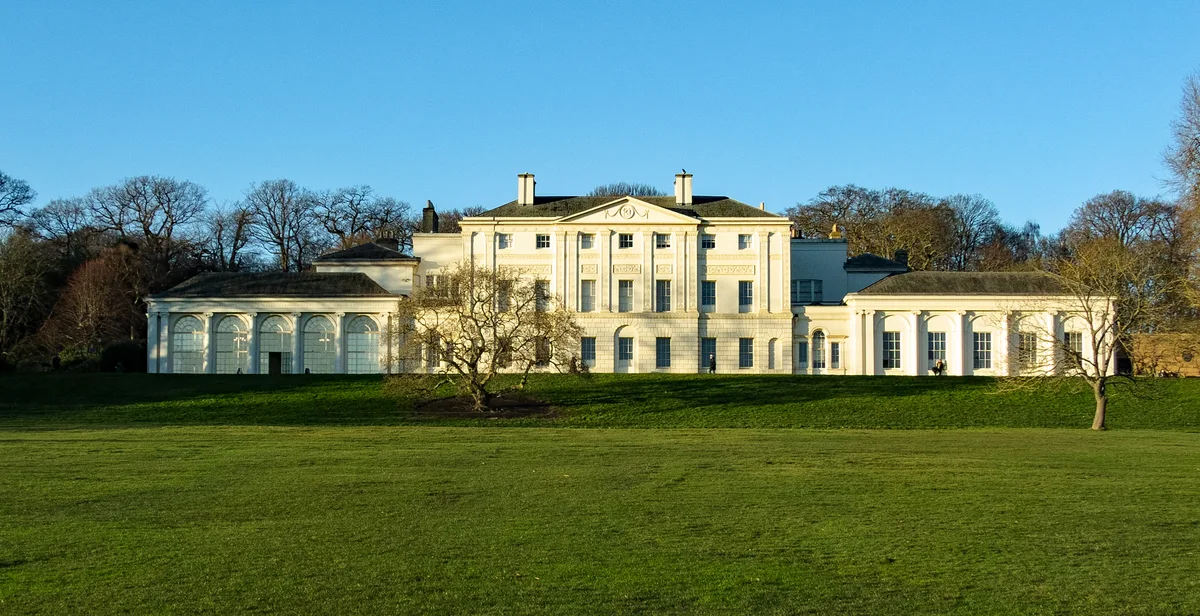
Kenwood House
Kenwood House — art museum and historic house in Hampstead, London.
 📷 5
📷 5Galleries · London
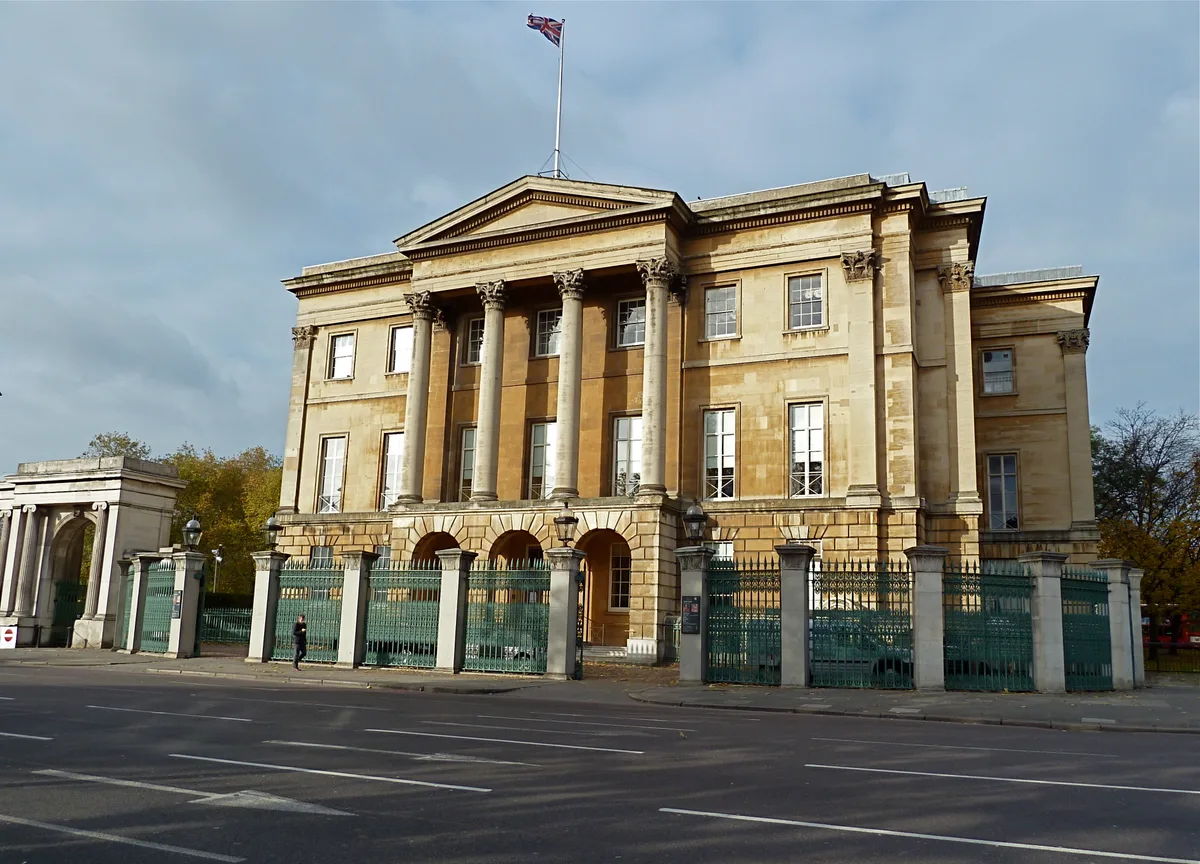
Apsley House
Apsley House — London townhouse of the Dukes of Wellington.
 📷 5
📷 5Castles · London
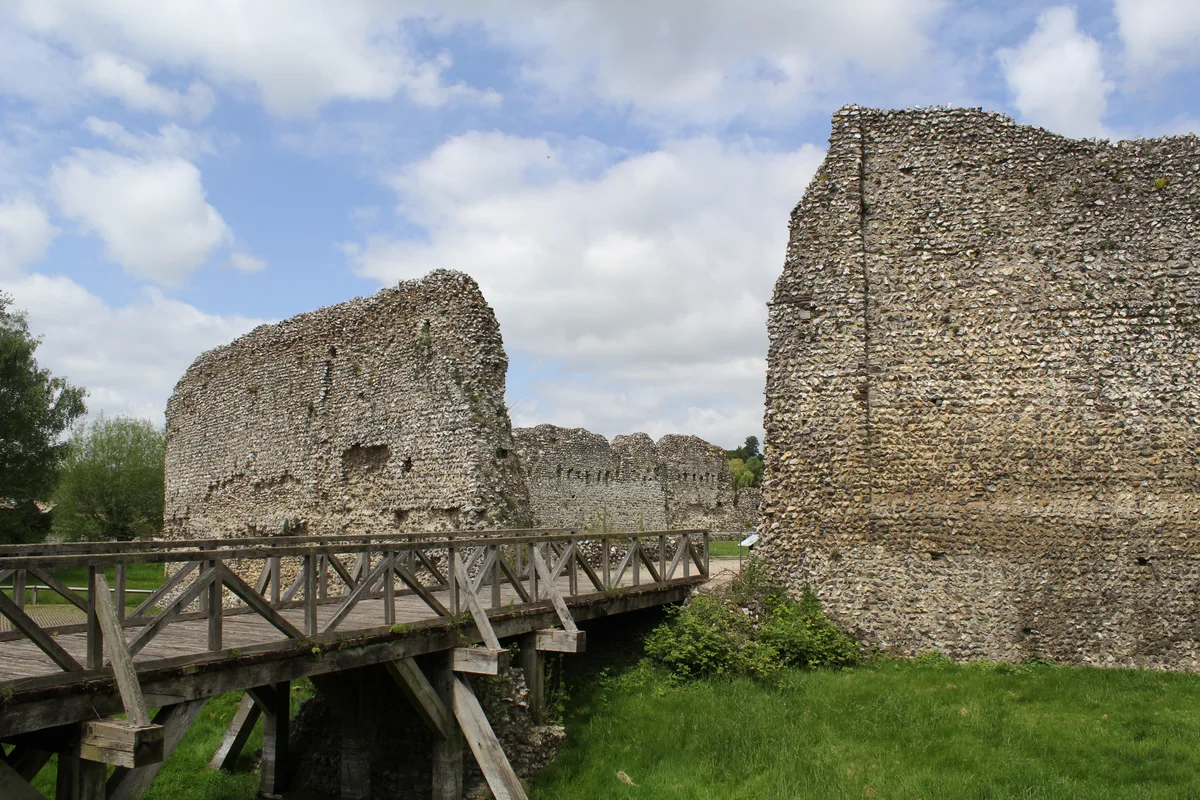
Eynsford Castle
Eynsford Castle — castle, now ruinous, in Eynsford, Kent, England, UK.
 📷 5
📷 5Museums · London
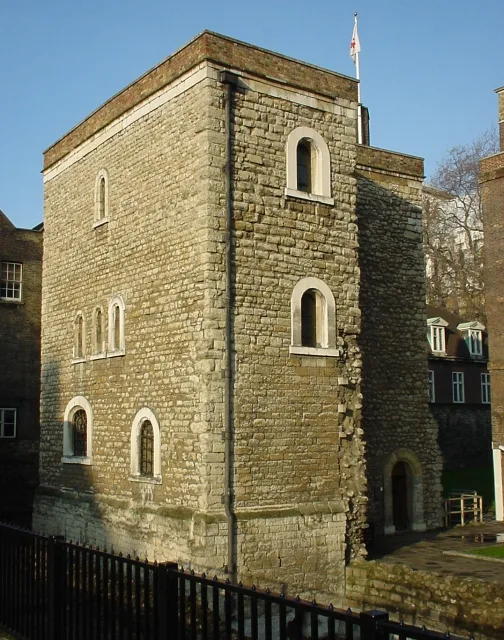
Jewel Tower
Jewel Tower — medieval tower in Westminster, London, England, UK.
Other abbeys from this era
 📷 5
📷 5 📷 5
📷 5 📷 5
📷 5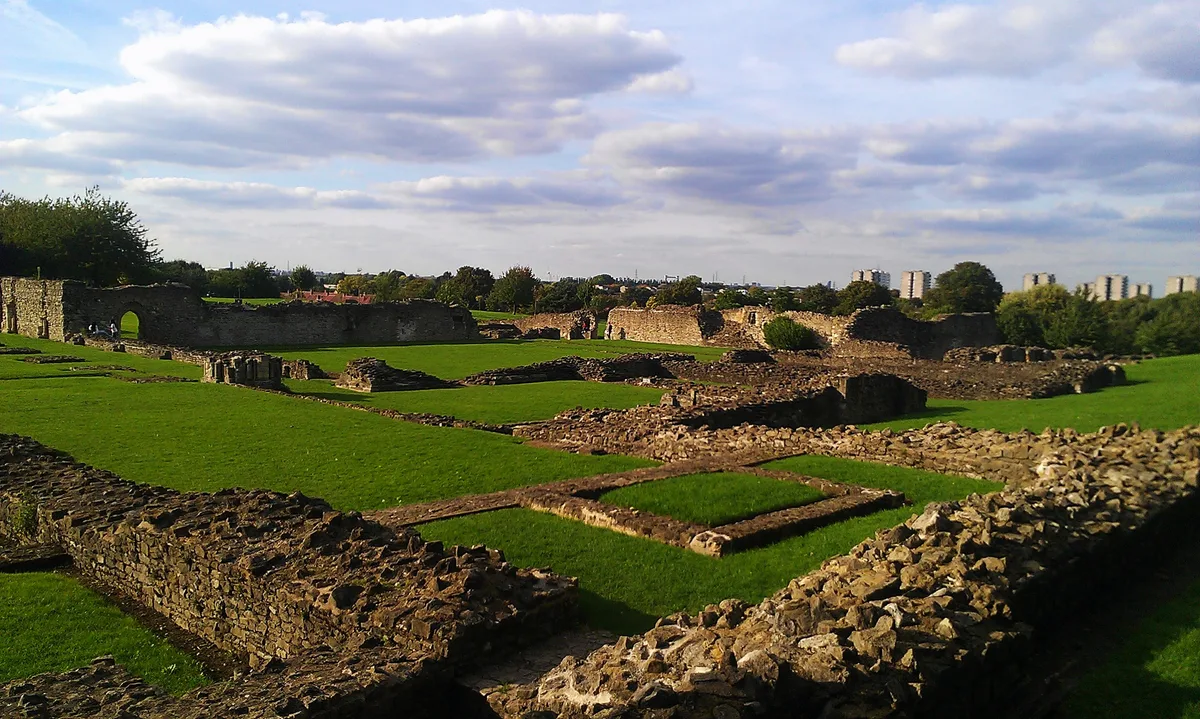 📷 5
📷 5Abbeys & priories · London
Lesnes Abbey
Lesnes Abbey — former abbey, now ruined, in Abbey Wood, London Borough of Bexley, England, UK.
More abbeys in this region
 📷 3
📷 3Abbeys & priories · West Midlands
Saint Mary's Abbey, Colwich
Saint Mary's Abbey, Colwich — former abbey in Staffordshire, England.
 ★ Iconic📷 3
Abbeys & priories · West Midlands
Alcester Abbey
Alcester Abbey — abbey in Alcester, Stratford-on-Avon, England, UK.
 ★ Iconic📷 3
Abbeys & priories · West Midlands
Bordesley Abbey
Bordesley Abbey is a abbey in the United Kingdom.
 📷 3
📷 3Abbeys & priories · West Midlands
Carmelite Monastery, Wolverhampton
Carmelite Monastery, Wolverhampton — monastery in Wolverhampton, West Midlands, England, UK.
Frequently asked questions
- Where is Buildwas Abbey?
- Buildwas Abbey is in the West Midlands, United Kingdom (postcode TF8 7BW), in the parish of Buildwas.
- What is Buildwas Abbey?
- Buildwas Abbey is a abbey in the United Kingdom.
- How do I get to Buildwas Abbey?
- The nearest railway station is Spring Village, about 4.5 km away. The nearest town is Coalbrookdale. Drivers can use postcode TF8 7BW.
- When was Buildwas Abbey built?
- Built or established in 1101.
- Who runs Buildwas Abbey?
- Buildwas Abbey is operated by English Heritage.
- Is Buildwas Abbey a listed building?
- Buildwas Abbey is officially recognised as scheduled monument listed.
- Is Buildwas Abbey a protected site?
- Yes — Buildwas Abbey is part of the Shropshire Hills National Landscape (AONB).
- Is Buildwas Abbey free to visit?
- Yes, Buildwas Abbey is free to enter.