
Museums · South East England
British Engineerium
In or near Hangleton.
British Engineerium — museum in Hove, East Sussex, UK.

Wikimedia Commons contributors — see linked file page for photographer and licence licence
%2C_The_Droveway%2C_Hove_(IoE_Code_365677).jpg)
Plan your visit
- Typical visit
- 1.5 h–3 h
- Best time of year
- Year-round
- Nearest railway station
- Aldrington · 1.0 km
- Family-friendly
- Wheelchair accessible
Getting there & planning your visit
The British Engineerium is located in Brighton and Hove, with the postcode BN3 7QA. The nearest railway station is Aldrington, which is 1 km away. The museum is wheelchair accessible.
About
British Engineerium is a museum in the United Kingdom. Heritage designation: Grade II* listed building. Wikidata describes it as: "museum in Hove, East Sussex, UK". Coordinates: 50.8442°, -0.1758°.
Photo gallery
Official information
The British Engineerium is a unique museum dedicated to the history of engineering and technology. Visitors can explore various exhibits showcasing the evolution of engineering practices and innovations over time.
From the Wikipedia article
The British Engineerium (formerly Brighton and Hove Engineerium) is an engineering and steam power museum in Hove, East Sussex. It is housed in the Goldstone Pumping Station, a set of High Victorian Gothic buildings started in 1866. The Goldstone Pumping Station supplied water to the local area for more than a century before it was converted to its present use. The site has been closed to the public since 2006, and in March 2018 the entire complex was put up for sale. At its greatest extent, between 1884 and 1952, the complex consisted of two boiler houses with condensing engines, a chimney, coal cellars, workshop, cooling pond, leat, and an underground reservoir. Situated on top of a naturally fissured chalk hollow, it provided vast quantities of water to the rapidly growing towns of Hove and its larger neighbour, the fashionable seaside resort of Brighton, for more than a century. As new sources of water were found elsewhere and more modern equipment installed to exploit them, the pumping station's importance declined, and by 1971 the Brighton Corporation Water Department had closed it and threatened the complex with demolition. An industrial archaeologist offered to restore the buildings and machinery in return for a lease from the Brighton Corporation Waterworks, and a charitable trust was formed to enable this. Expertise developed by the Engineerium's employees and volunteers was exploited across the world: they founded museums, undertook restoration projects and trained young people in engineering heritage conservation. Another enthusiast subsequently bought the complex, and as of 2026 it is closed to the public while more restoration and extension work takes place. The High Victorian Gothic buildings are a landmark in Hove, and are a good example of the 19th-century ethos that "utility definitely does not equal dullness" in industrial buildings. Polychrome brickwork, moulded dressings and facings, decorative gables and elaborate windows characterise all the…
Excerpt from Wikipedia under CC BY-SA 4.0. See the source article linked in Sources below.
Background
History
Brighton and neighbouring Hove, on the English Channel coast between the South Downs and the sea, were built on top of a vast aquifer of chalk. A regular supply of naturally pure water was always available from this natural reservoir, and in the settlements' early days many wells were sunk to exploit it. The rapid growth of Brighton in the 18th and early 19th century, followed by similar expansion in Hove, put pressure on the local authorities to provide more sources and a better supply system, though: wells became increasingly contaminated by sewage from cesspits, and some had to be blocked because they were so polluted, reducing the two towns' water supply further. it built a waterworks…
Architecture
The Engineerium has been described by Brighton historian Clifford Musgrave as an "unusually fine asset" for Brighton and Hove and by fellow historian Ken Fines "a splendid example of Victorian industrial engineering". and the 95 ft chimney to the south is also finely detailed and is a landmark in Hove. Both the buildings and the machinery inside demonstrate the widespread belief among Victorian designers and architects that every object and building, no matter how commonplace or humble, should be elaborately and expansively embellished. On the main buildings, the walls consist of bands of red, yellow and purplish-blue brick with moulded layers and coping. The ground floor has red brickwork…
Sourced from Wikipedia under CC BY-SA 4.0.
- Coordinates
- 50.8442, -0.1758
- District
- Brighton and Hove
- Parish
- Brighton and Hove, unparished area
- Postcode
- BN3 7QA
- Parliamentary constituency
- Hove and Portslade
- Established
- 1866
- Nearest railway station
- Aldrington — 1 km
- Official site
- www.britishengineerium.org
Sources
- wikidata: Q4969933 (CC0)
- wikipedia: British Engineerium (CC BY-SA 4.0)
- commons: British Engineerium (former Boiler House and Engine Room Building), The Droveway, Hove (IoE Code 365677).jpg (CC BY-SA 4.0)
Other places nearby

Hove Park Railway
Miniature railways · 0.2 km

Fingermaze
Battlefields & battle sites · 0.3 km
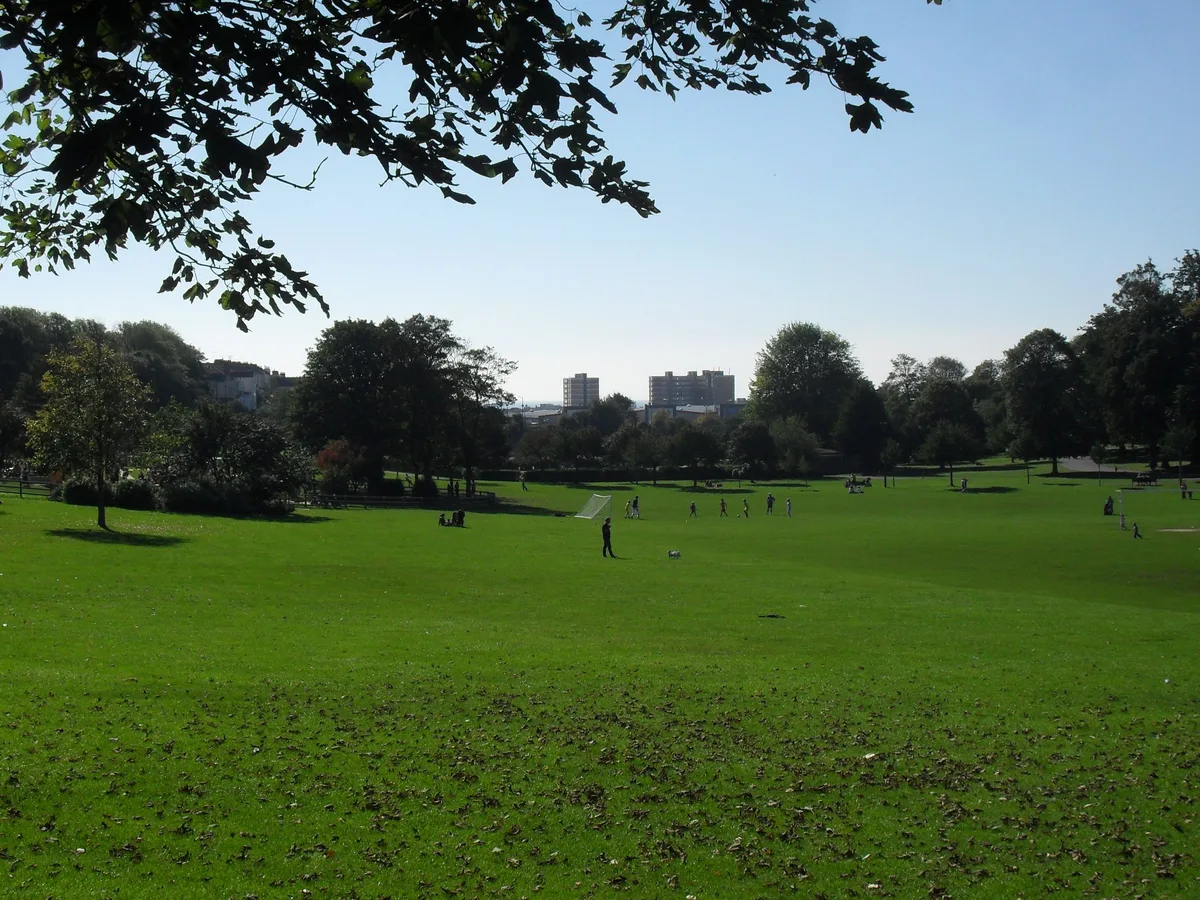
Hove Park
Parks · 0.3 km

West Blatchington
Museums · 0.4 km

Goldstone
Natural landmarks · 0.5 km

Windmill Theatre
Theatres · 0.6 km

Charlie Webb
Memorials & monuments · 0.7 km

West Blatchington Windmill
Windmills · 0.7 km
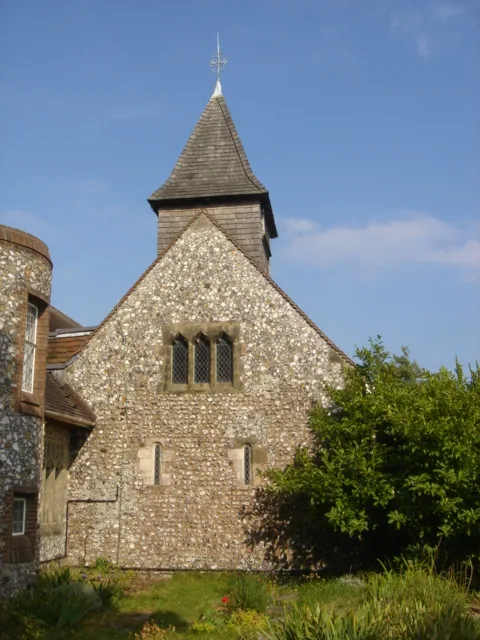
St Peter's Church, West Blatchington
Historic churches · 0.7 km
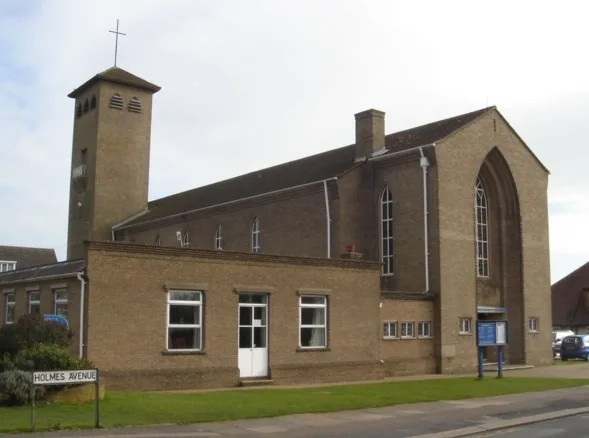
Bishop Hannington Memorial Church
Historic churches · 0.8 km

Margaret Powell
Memorials & monuments · 0.8 km

Hove
Museums · 1.0 km
Nearby
📷 5Miniature railways · South East England
Hove Park Railway
Hove Park Railway — a miniature railway in england-south-east, United Kingdom.
📷 5Battlefields & battle sites · South East England
Fingermaze
Fingermaze in England South East, United Kingdom.
📷 5Parks · South East England
Hove Park
Hove Park — park in Brighton and Hove, England.
📷 5Museums · South East England
West Blatchington
West Blatchington — a museum in england-south-east, United Kingdom.
📷 5Natural landmarks · South East England
Goldstone
Goldstone — a other in england-south-east, United Kingdom.
📷 5Theatres · South East England
Windmill Theatre
Windmill Theatre is a theatre in the United Kingdom.
Where to eat & stay near British Engineerium
Places to stay
 📷 5
📷 5Hotels · South East England
The Courtlands
The Courtlands — a hotel in england south east.
 📷 5
📷 5B&Bs · South East England
The Claremont
The Claremont — a bed-and-breakfast in england south east.
 📷 5
📷 5Hostels · South East England
Seadragons Backpackers
Seadragons Backpackers — a hostel in england south east.
 📷 5
📷 5 📷 7📷 7
Hotels · South East England
Selina Brighton
Selina Brighton — a hotel in england south east.
Places to eat & drink
.jpg?width=1200) 📷 5
📷 5Historic pubs · South East England
Hangleton Manor
Hangleton Manor — Historic pub — listed building or notable heritage status.
 📷 5
📷 5Historic pubs · South East England
Freemasons Tavern
Freemasons Tavern in England South East, United Kingdom.
 📷 7
📷 7 📷 5
📷 5Historic pubs · South East England
Kissing Coppers
Kissing Coppers — Public artwork (graffiti) by Banksy.
 📷 5
📷 5Historic pubs · South East England
The Stags Head Public House
The Stags Head Public House in England South East, United Kingdom.
 📷 5
📷 5Cafés · South East England
Cowley Club Café
Cowley Club Café — a café in england south east.
More museums in this region
 📷 5
📷 5Museums · South East England
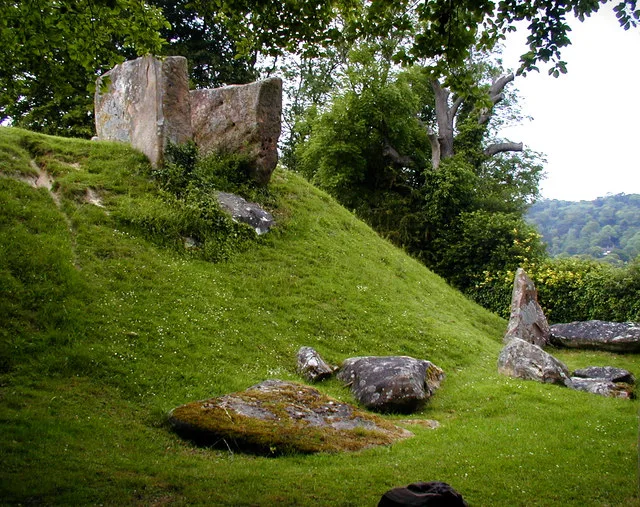
Coldrum Long Barrow
Coldrum Long Barrow — neolithic chambered long barrow near Trottiscliffe, Kent, England, UK.
 📷 5
📷 5Museums · South East England
Guildford House
Guildford House — house in Guildford, Surrey, England, UK.
 📷 5
📷 5Museums · South East England
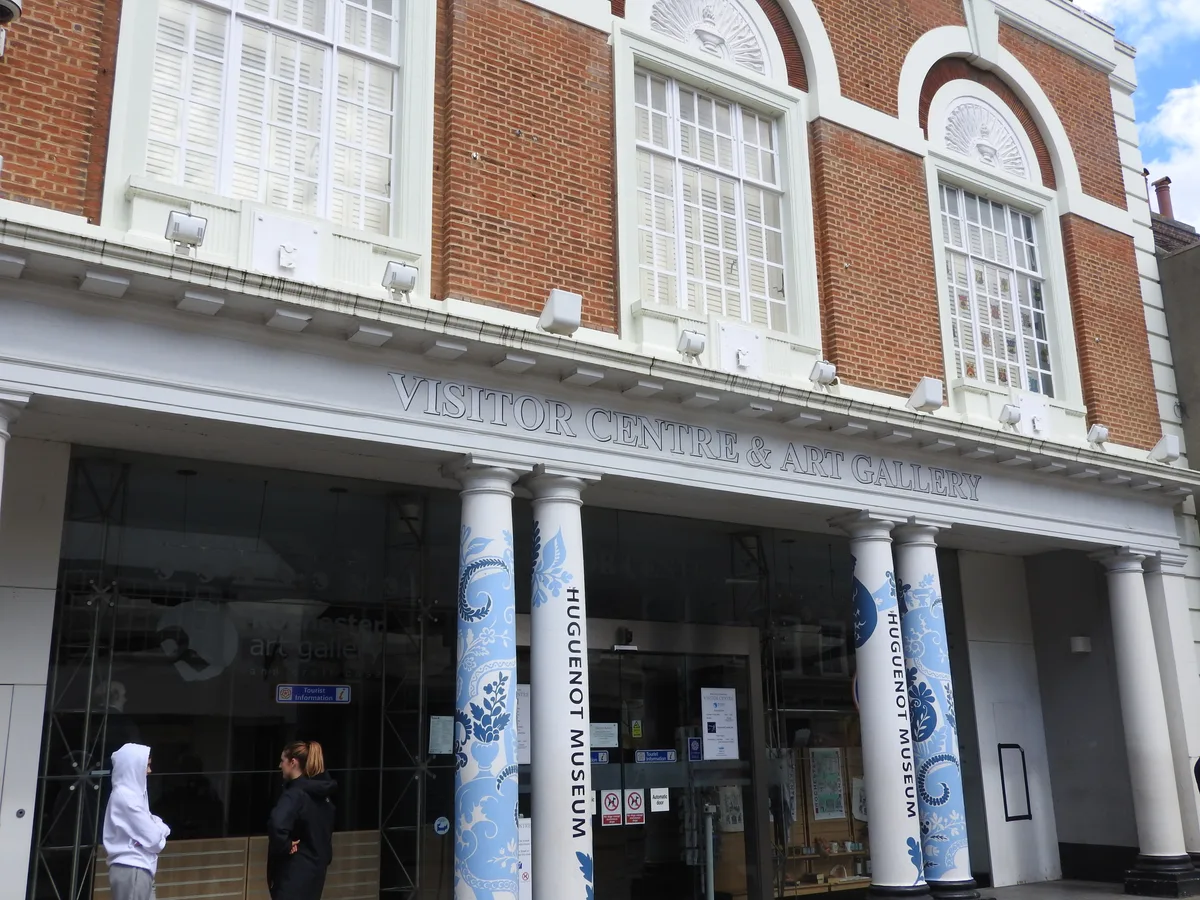
Huguenot Museum
Huguenot Museum — museum in Rochester, England, UK.
 📷 5
📷 5Museums · South East England
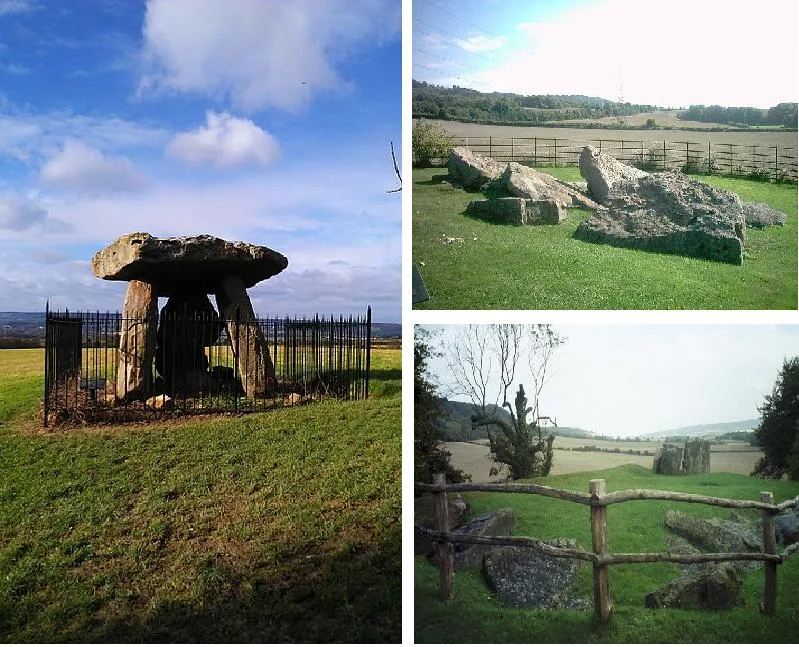
Medway megaliths
Medway megaliths — group of long barrows in Kent, England.
Frequently asked questions
- Where is British Engineerium?
- British Engineerium is in South-East England, United Kingdom (postcode BN3 7QA), in the parish of Brighton and Hove, unparished area.
- What is British Engineerium?
- British Engineerium — museum in Hove, East Sussex, UK.
- How do I get to British Engineerium?
- The nearest railway station is Aldrington, about 1.0 km away. The nearest town is Hangleton. Drivers can use postcode BN3 7QA.
- When was British Engineerium built?
- Built or established in 1866.
- Is British Engineerium a listed building?
- British Engineerium is officially recognised as Grade II* listed building listed.
- How do I get to British Engineerium?
- The nearest railway station is Aldrington, about 1.0 km away. Drivers can navigate to postcode BN3 7QA.