
Wildlife reserves · Yorkshire & the Humber
Brimham Rocks
In or near Wath.
Brimham Rocks, once known as Brimham Crags, is a 183.9-hectare (454-acre) biological Site of Special Scientific Interest (SSSI) and Geological Conservation Review (GCR) site, 8 miles (13 km) north-wes

DS Pugh — CC BY-SA 2.0 via Wikimedia Commons licence

Plan your visit
- Typical visit
- 2 h–4 h
- Best time of year
- Autumn & winter (migration & wildfowl)
- Free entry
- Family-friendly
- Dog-friendly
About
Brimham Rocks, once known as Brimham Crags, is a 183.9-hectare (454-acre) biological Site of Special Scientific Interest (SSSI) and Geological Conservation Review (GCR) site, 8 miles (13 km) north-west of Harrogate, North Yorkshire, England, on Brimham Moor in the Nidderdale Area of Outstanding Natural Beauty. The site, notified as SSSI in 1958, is an outcrop of Millstone Grit, with small areas of birch woodland and a large area of wet and dry heath. Brimham Rocks has SSSI status because of the value of its geology and the upland woodland and the acidic wet and dry heath habitats that support localised and specialised plant forms, such as chickweed wintergreen, cowberry, bog asphodel and three species of heather. The site is known for its water- and weather-eroded rocks, which were formed over 325 million years ago and have assumed fantastic shapes. In the 18th and 19th centuries, antiquarians such as Hayman Rooke wondered whether they could have been at least partly carved by druids, an idea that ran concurrently with the popularity of James Macpherson's Fragments of Ancient Poetry of 1760, and a developing interest in New-Druidism. For up to two hundred years, some stones have carried fanciful names, such as Druid's Idol, Druid's Altar and Druid's Writing Desk.
Photo gallery
Protected designations
- Site of Special Scientific Interest: Brimham Rocks SSSI
- Area of Outstanding Natural Beauty: Nidderdale
Designations sourced from Natural England open data under OGL v3.
From the Wikipedia article
Brimham Rocks, once known as Brimham Crags, is a 183.9-hectare (454-acre) biological Site of Special Scientific Interest (SSSI) and Geological Conservation Review (GCR) site, 8 miles (13 km) north-west of Harrogate, North Yorkshire, England, on Brimham Moor in the Nidderdale Area of Outstanding Natural Beauty. The site, notified as SSSI in 1958, is an outcrop of Millstone Grit, with small areas of birch woodland and a large area of wet and dry heath. Brimham Rocks has SSSI status because of the value of its geology and the upland woodland and the acidic wet and dry heath habitats that support localised and specialised plant forms, such as chickweed wintergreen, cowberry, bog asphodel and three species of heather. The site is known for its water- and weather-eroded rocks, which were formed over 325 million years ago and have assumed fantastic shapes. In the 18th and 19th centuries, antiquarians such as Hayman Rooke wondered whether they could have been at least partly carved by druids, an idea that ran concurrently with the popularity of James Macpherson's Fragments of Ancient Poetry of 1760, and a developing interest in New-Druidism. For up to two hundred years, some stones have carried fanciful names, such as Druid's Idol, Druid's Altar and Druid's Writing Desk.
Excerpt from Wikipedia under CC BY-SA 4.0. See the source article linked in Sources below.
Background
History
This is a Grade II listed building, built in 1792 for Lord Grantley, who used it as a hunting lodge and "for the accommodation of visitors," who came to see the rocks for their sublime aesthetic. The visitor's centre, now called Brimham House, used to be called The Rocks House or Rock House, and between around 1792 and 1900 it was the home of Brimham Rocks' caretakers, and run as a souvenir shop, with an adjacent wooden tea house. In 1838, Rock House provided "tea, coffee or luncheon ... lemonade, ginger beer and cigars ... hay, corn and good stabling for horses," plus the use of a telescope. From 1987 there has been a shop and information centre at the house, which has been extended for…
Architecture
Brimham Rocks is a 183.9 ha biological Site of Special Scientific Interest (SSSI) and Geological Conservation Review (GCR) site, 8 mi south of Ripon on Brimham Moor in the Nidderdale Area of Outstanding Natural Beauty in North Yorkshire. It is 1.5 mi north of Summerbridge and 3 mi east of Pateley Bridge and the River Nidd. The site is managed by the National Trust along with a visitor's centre, public facilities and a car park. Brimham Rocks is open throughout the year between around 8.30 am and dusk, but on 21 March 2020 closed due to the coronavirus outbreak in the United Kingdom. The site reopened fully in the summer of 2021, following the lifting of the UK Government measures to deal…
Sourced from Wikipedia under CC BY-SA 4.0.
- Coordinates
- 54.0808, -1.6856
- District
- North Yorkshire
- Parish
- High and Low Bishopside
- Postcode
- HG3 4DW
- Parliamentary constituency
- Skipton and Ripon
Sources
- wikipedia: Brimham Rocks (CC BY-SA 4.0)
Featured in this guide
Other places nearby

Druid's Idol
Natural landmarks · 0.2 km

Fellbeck Caravan Park
Caravan parks · 1.3 km

Smelthouses Bridge
Historic bridges · 1.6 km

Warren
Caravan parks · 2.2 km

old dam wall
Historic houses · 2.3 km

Summer Bridge
Historic bridges · 2.8 km

Whitaker's Distillery
Distilleries · 2.8 km

Metcalf's Wife's Cross
Memorials & monuments · 3.3 km

Butterton Bridge
Historic bridges · 3.5 km

Glasshouses Mill
Mills · 3.5 km

Summer Bridge
Villages · 3.6 km

Doughill Hall
Historic houses · 3.6 km
Nearby
📷 3Natural landmarks · Yorkshire & the Humber
Druid's Idol
Druid's Idol — a other in england-yorkshire, United Kingdom.
📷 5Caravan parks · Yorkshire & the Humber
Fellbeck Caravan Park
Fellbeck Caravan Park — a caravan park in england yorkshire.
📷 3Historic bridges · Yorkshire & the Humber
Smelthouses Bridge
Smelthouses Bridge is a historic bridge in the United Kingdom.
📷 5📷 3Historic houses · Yorkshire & the Humber
old dam wall
old dam wall — a historic house in england-yorkshire, United Kingdom.
📷 3Historic bridges · Yorkshire & the Humber
Summer Bridge
Summer Bridge is a historic bridge in the United Kingdom.
Where to eat & stay near Brimham Rocks
Places to stay
📷 5Caravan parks · Yorkshire & the Humber
Fellbeck Caravan Park
Fellbeck Caravan Park — a caravan park in england yorkshire.
📷 5Caravan parks · Yorkshire & the Humber
Manor House Farm Camping & caravan Park
Manor House Farm Camping & caravan Park — a caravan park in england yorkshire.
 📷 5
📷 5Caravan parks · Yorkshire & the Humber
Manor House Farm Camping & caravan Park
Manor House Farm Camping & caravan Park — a caravan park in england yorkshire.
 📷 5
📷 5 📷 5
📷 5Caravan parks · Yorkshire & the Humber
Reynard Crag Park
Reynard Crag Park — a caravan park in england yorkshire.
Places to eat & drink
 📷 5
📷 5Historic pubs · Yorkshire & the Humber
The Nelson Arms Public House And Attached Outbuilding
The Nelson Arms Public House And Attached Outbuilding in England Yorkshire, United Kingdom.
 📷 7
📷 7Historic pubs · Yorkshire & the Humber
Lamb And Flag Public House
Lamb And Flag Public House in England Yorkshire, United Kingdom.
 📷 5
📷 5Cafés · Yorkshire & the Humber
Lula's Café
Lula's Café — a café in england yorkshire.
 📷 5
📷 5Historic pubs · Yorkshire & the Humber
The Unicorn Hotel
The Unicorn Hotel in England Yorkshire, United Kingdom.
 📷 7
📷 7 📷 7
📷 7Historic pubs · Yorkshire & the Humber
Ye Hornblower Tavern
Ye Hornblower Tavern in England Yorkshire, United Kingdom.
More places in this region
 📷 3
📷 3Wildlife reserves · Yorkshire & the Humber
Eastwood Nature Reserve
Eastwood Nature Reserve is a wildlife reserve in the United Kingdom.
 📷 3
📷 3Wildlife reserves · Yorkshire & the Humber
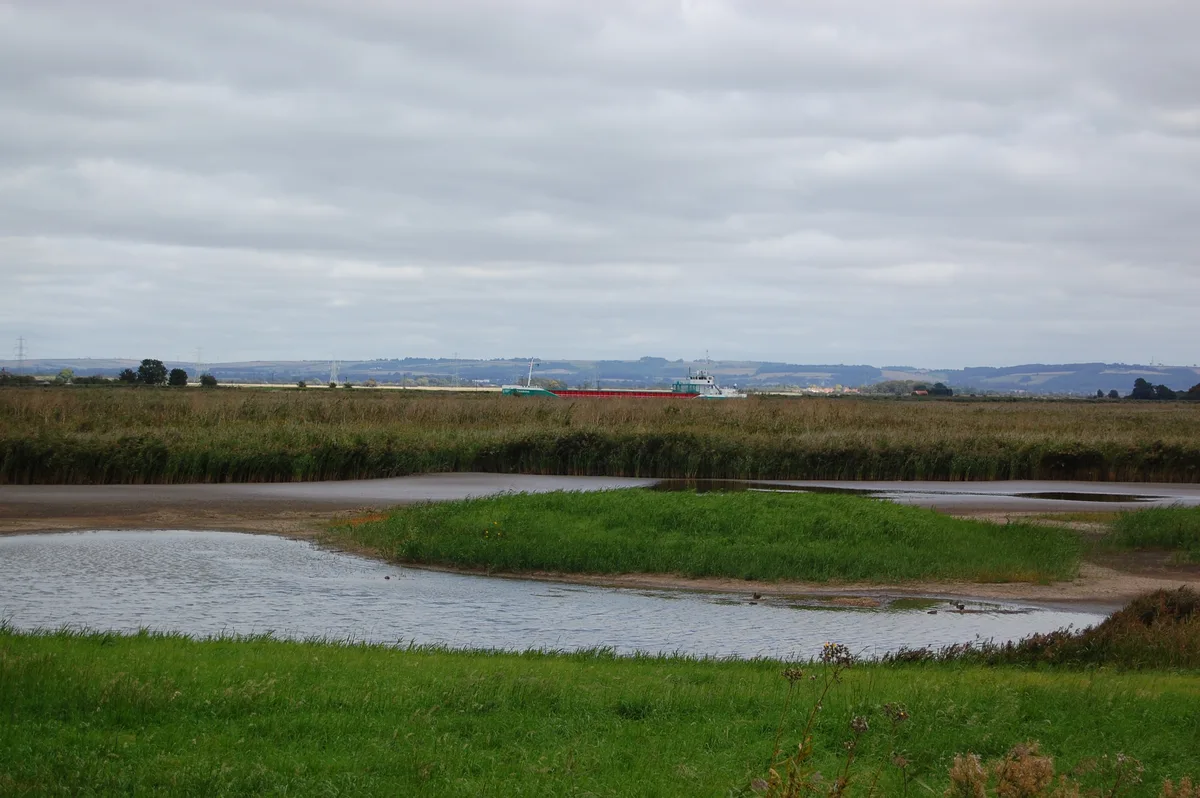
Blacktoft Sands RSPB reserve
Blacktoft Sands RSPB reserve — RSPB nature reserve in England.
 Flagship📷 3
Wildlife reserves · Yorkshire & the Humber
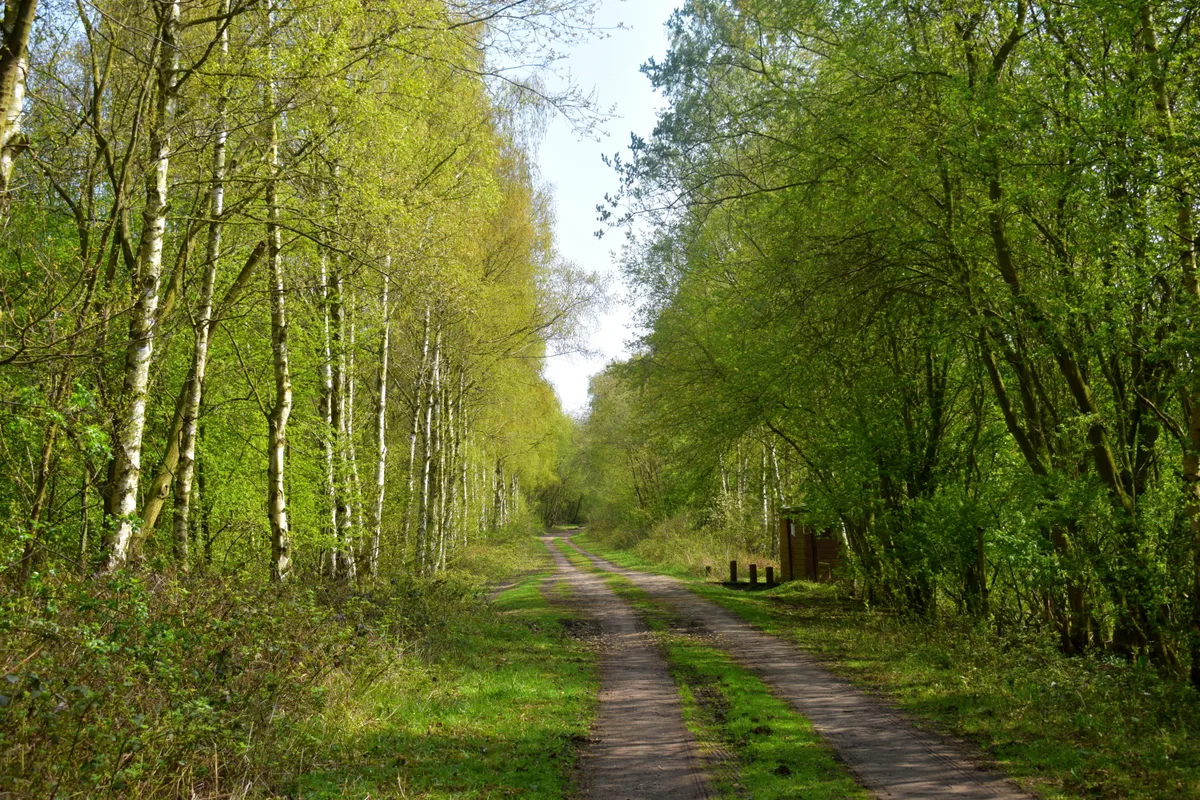
Thorpe Marsh Nature Reserve
Thorpe Marsh Nature Reserve — Nature reserve in South Yorkshire.
 📷 5
📷 5Wildlife reserves · Yorkshire & the Humber
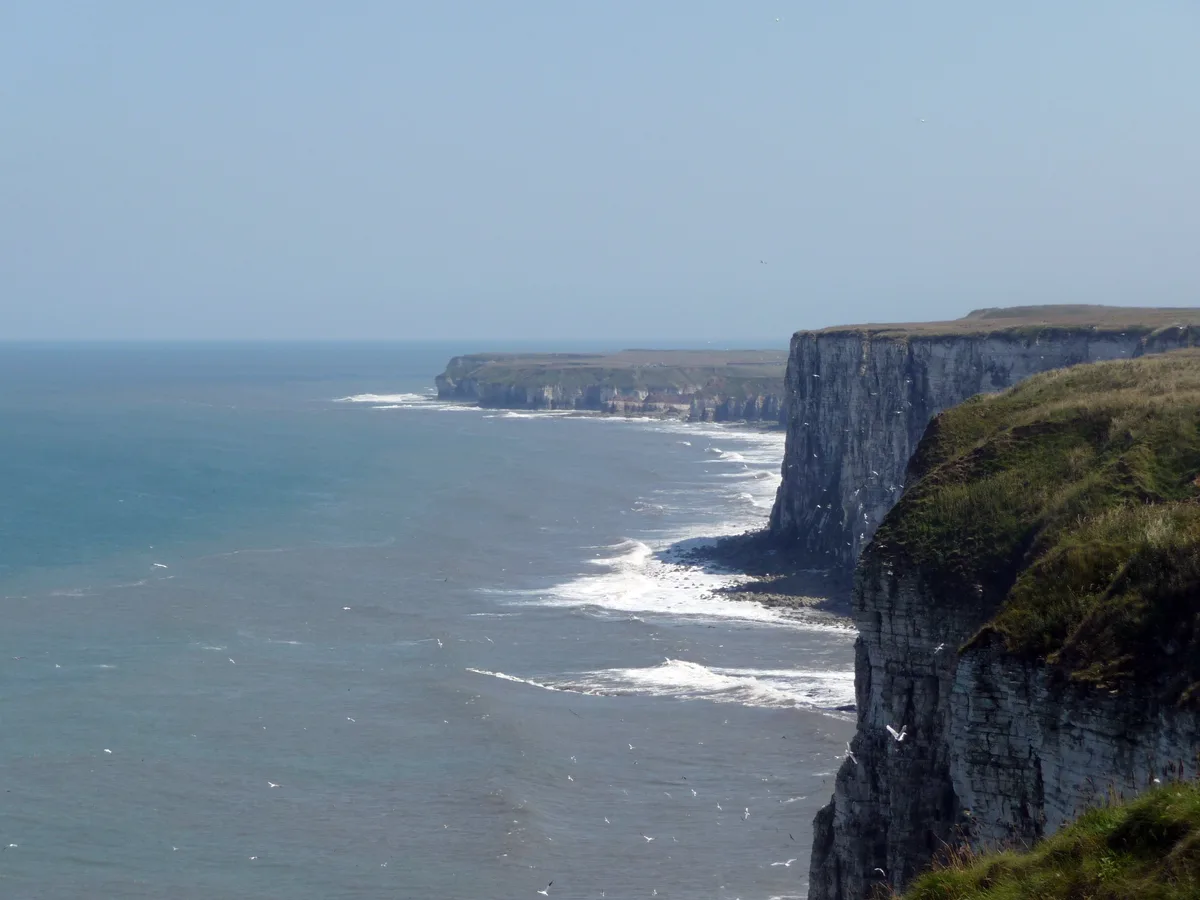
Bempton Cliffs RSPB reserve
Bempton Cliffs RSPB reserve — RSPB nature reserve in the United Kingdom.
Frequently asked questions
- Where is Brimham Rocks?
- Brimham Rocks is in Yorkshire, United Kingdom (postcode HG3 4DW), in the parish of High and Low Bishopside.
- What is Brimham Rocks?
- Brimham Rocks, once known as Brimham Crags, is a 183.9-hectare (454-acre) biological Site of Special Scientific Interest (SSSI) and Geological Conservation Review (GCR) site, 8 miles (13 km) north-wes
- How do I get to Brimham Rocks?
- The nearest town is Wath. Drivers can use postcode HG3 4DW.
- Is Brimham Rocks a protected site?
- Yes — Brimham Rocks is part of the Brimham Rocks SSSI Site of Special Scientific Interest and the Nidderdale National Landscape (AONB).
- Is Brimham Rocks free to visit?
- Yes, Brimham Rocks is free to enter.
- How do I get to Brimham Rocks?
- Drivers can navigate to postcode HG3 4DW. It sits within the Skipton and Ripon parliamentary constituency.
- Are dogs allowed at Brimham Rocks?
- Most wildlife reserves allow dogs on lead only, with restrictions during ground-nesting bird season (March-July). Check signage at the reserve.