
Historic houses · South West England
Boringdon Hall
In or near Brixton.
Boringdon Hall — Grade I listed hotel in Plymouth, Devon, England, UK.

Wikimedia Commons contributors — see linked file page for photographer and licence licence

Plan your visit
- Typical visit
- 1 h–2 h
- Nearest railway station
- Plym Bridge · 1.8 km
- Family-friendly
- Limited wheelchair access
Getting there & planning your visit
To visit Boringdon Hall, the nearest railway station is Plym Bridge, located 1.8 km away. The postcode for sat-nav is PL7 4DP. Accessibility is limited for wheelchair users.
About
Boringdon Hall is a historic house in the United Kingdom — typically a country seat, manor, or town house with notable architecture or history. Heritage designation: Grade I listed building. Wikidata describes it as: "Grade I listed hotel in Plymouth, Devon, England, UK". Coordinates: 50.4016°, -4.0568°.
Photo gallery
Protected designations
- Area of Outstanding Natural Beauty: South Devon
Designations sourced from Natural England open data under OGL v3.
From the Wikipedia article
Boringdon Hall is a 16th-century Grade I listed manor house, which is now a 5 star hotel with flagship Gaia spa - and MICHELIN starred Àclèaf restaurant in the parish of Colebrook, about two miles north of Plympton, Devon.
Excerpt from Wikipedia under CC BY-SA 4.0. See the source article linked in Sources below.
Background
History
In about 956 the Saxon King Edgar (959 75) granted the royal manors of Boringdon and Wembury to Plympton Priory of St Peter. Following the Dissolution of the Monasteries King Henry VIII granted Boringdon to Thomas Wriothesley, 1st Earl of Southampton. In 1549 Wriothesley sold the manor to Richard Mayhew (or "Mayhowe" etc.), gentleman, of Tavistock, Devon. In 1582 Richard Mayhew's granddaughter Frances Mayhew, daughter and heiress of Jeronemy Mayhew, became the wife of John Parker (1563–1610) of North Molton in North Devon. Boringdon remained in the ownership of the Parker family, later Barons Boringdon and Earls of Morley, until the 20th century. John Parker and his wife the Mayhew heiress…
Description
The oldest parts of the present house were said by John Britton (1771–1857) to have been built about the middle of the 14th century. Britton believed the main entrance porch, consisting of a semicircular arch with Norman-style cable mouldings, to be of ancient date, brought from some neighbouring church, or even Plympton Castle. Due to subsequent alterations the building is difficult to date accurately, and Nikolaus Pevsner states it to be "irritating for the historian" as it incorporates a multitude of imported period features and materials, giving it "a superficially convincing instant patina". The house was described by Polwhele in the 18th century as "ruinous". In about 1800 the whole…
Sourced from Wikipedia under CC BY-SA 4.0.
- Coordinates
- 50.4016, -4.0568
- District
- Plymouth
- Parish
- Plymouth, unparished area
- Postcode
- PL7 4DP
- Parliamentary constituency
- South West Devon
- Phone
- +44 1752 344455
- Nearest railway station
- Plym Bridge — 1.8 km
Sources
- wikidata: Q4945152 (CC0)
- wikipedia: Boringdon Hall (CC BY-SA 4.0)
- commons: BoringdonHallDevonSouthFront.jpg (CC BY-SA 4.0)
- osm: w1456526058 (ODbL)
Other places nearby

Boringdon Arch
Follies · 1.1 km

Plympton
Villages · 1.2 km
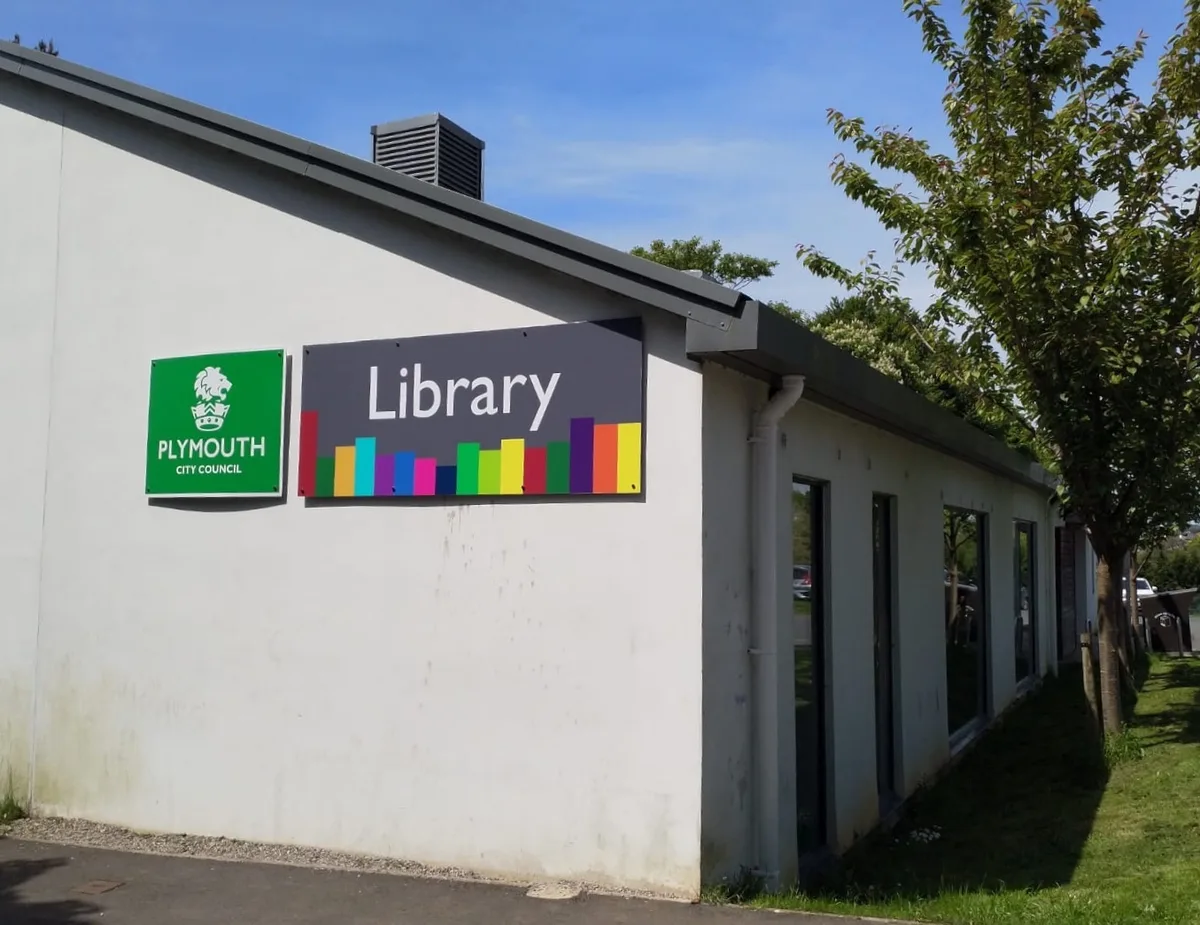
Plympton Library
Historic libraries · 1.5 km

Tower House And Attached Wall And Gate Piers (Remains Of Priory)
Memorials & monuments · 1.6 km

Railway bridge supports
Historic bridges · 1.7 km

Plympton
Castles · 1.8 km

Plym Bridge
Historic bridges · 1.8 km

Boringdon Camp
Vineyards · 1.9 km

Cann Quarry Canal
Canals · 2.0 km

Plym Valley Railway
Museums · 2.0 km

Plympton War Memorial
Memorials & monuments · 2.0 km

Plympton Castle
Literary houses · 2.0 km
Nearby
📷 5📷 5📷 5Historic libraries · South West England
Plympton Library
Plympton Library — public library in Plymouth, UK.
📷 3Memorials & monuments · South West England
Tower House And Attached Wall And Gate Piers (Remains Of Priory)
Tower House And Attached Wall And Gate Piers (Remains Of Priory) — Grade II listed building-listed memorial in england-south-west, United Kingdom.
📷 3Historic bridges · South West England
Railway bridge supports
Railway bridge supports — a bridge in england-south-west, United Kingdom.
📷 5Where to eat & stay near Boringdon Hall
Places to stay
 📷 5
📷 5Campsites · South West England
Riverside
Riverside — a campsite in england south west.
 📷 5
📷 5Caravan parks · South West England
Riverside Caravan Park
Riverside Caravan Park — a caravan park in england south west.
 📷 5
📷 5 📷 5
📷 5Campsites · South West England
Smithaleigh Caravan And Camping Park
Smithaleigh Caravan And Camping Park — a campsite in england south west.
 📷 5
📷 5Campsites · South West England
Brixton Camping and Caravan Park
Brixton Camping and Caravan Park — a campsite in england south west.
 📷 5
📷 5Hotels · South West England
Kitley House Hotel
Kitley House Hotel — a hotel in england south west.
Places to eat & drink
 📷 7
📷 7Historic pubs · South West England
St Elizabeth's House
St Elizabeth's House in England South West, United Kingdom.
 📷 5
📷 5Restaurants · South West England
Toby Carvery
Toby Carvery — a restaurant in england south west. Cuisine: british. Brand: Toby Carvery.
 📷 5
📷 5Restaurants · South West England
Miller & Carter
Miller & Carter — a restaurant in england south west. Cuisine: steak. Brand: Miller & Carter.
 📷 5
📷 5 📷 5
📷 5Historic pubs · South West England
Minerva Inn (Number 31)
Minerva Inn (Number 31) in England South West, United Kingdom.
 📷 7
📷 7More historic houses in this region
 📷 5
📷 5Historic houses · South West England
1 South Parade
1 South Parade — Grade I listed house in Bath, Somerset, England, UK.
_(geograph_6440799).jpg?width=1200) 📷 5
📷 5Historic houses · South West England
1-4 Lansdowne Grove, Morris Lane
1-4 Lansdowne Grove, Morris Lane — houses in Devizes, Wiltshire, England, UK.
 📷 5
📷 5Historic houses · South West England
2 North Parade
2 North Parade — building in Bath, UK; part of Abbey Hotel.
 📷 5
📷 5Historic houses · South West England
2, South Place, Lacock Road
2, South Place, Lacock Road — house in Corsham, Wiltshire, England, UK.
Frequently asked questions
- Where is Boringdon Hall?
- Boringdon Hall is in South-West England, United Kingdom (postcode PL7 4DP), in the parish of Plymouth, unparished area.
- What is Boringdon Hall?
- Boringdon Hall — Grade I listed hotel in Plymouth, Devon, England, UK.
- How do I get to Boringdon Hall?
- The nearest railway station is Plym Bridge, about 1.8 km away. The nearest town is Brixton. Drivers can use postcode PL7 4DP.
- Is Boringdon Hall a listed building?
- Boringdon Hall is officially recognised as Grade I listed building listed.
- Is Boringdon Hall a protected site?
- Yes — Boringdon Hall is part of the South Devon National Landscape (AONB).
- How do I get to Boringdon Hall?
- The nearest railway station is Plym Bridge, about 1.8 km away. Drivers can navigate to postcode PL7 4DP.