
Lighthouses · Central Scotland
Barns Ness Lighthouse
In or near West Barns.
Barns Ness Lighthouse — lighthouse in Dunbar, Scotland.

Wikimedia Commons contributors — see linked file page for photographer and licence licence

Plan your visit
- Typical visit
- 30 min–1 h
- Nearest railway station
- Dunbar · 4.4 km
- Free entry
- Family-friendly
- Dog-friendly
Getting there & planning your visit
To visit Barns Ness Lighthouse, the nearest railway station is Dunbar, located 4.4 km away. The postcode for sat-nav is EH42 1QP, and entry to the lighthouse is free.
About
Barns Ness Lighthouse is a working or historic lighthouse on the United Kingdom coast. Records date its origin to 1899. Heritage designation: category B listed building. Wikidata describes it as: "lighthouse in Dunbar, Scotland". Coordinates: 55.9873°, -2.4453°.
Photo gallery
Heritage listing
Barns Ness Lighthouse is 3.1 miles (5 km) from Dunbar and was constructed by the engineers and brothers David A. Stevenson and Charles Alexander Stevenson, cousins of the novelist Robert Louis Stevenson, between 1899 and 1901. Taking approximately 2½ years to construct, it was constructed from stone quarried from Craigree (near Cramond) and Barnton. In 1976 it was described as a tall tower, slightly tapered with a circular section having a circular lantern which has triangular panes and a domed roof. The keepers' cottages were, as is typical, one floored, flat roofed buildings which were coated with harling but had their quoins exposed. The lintel above the door to the lighthouse is dated 1901. Within the compound of the lighthouse there was also a sundial and a flagpole.
From Historic Environment Scotland under OGL v3.
From the Wikipedia article
Barns Ness Lighthouse is 3.1 miles (5 km) from Dunbar and was constructed by the engineers and brothers David A. Stevenson and Charles Alexander Stevenson, cousins of the novelist Robert Louis Stevenson, between 1899 and 1901. Taking approximately 2½ years to construct, it was constructed from stone quarried from Craigree (near Cramond) and Barnton. In 1976 it was described as a tall tower, slightly tapered with a circular section having a circular lantern which has triangular panes and a domed roof. The keepers' cottages were, as is typical, one floored, flat roofed buildings which were coated with harling but had their quoins exposed. The lintel above the door to the lighthouse is dated 1901. Within the compound of the lighthouse there was also a sundial and a flagpole. The stone proved resilient during the Second World War, when the lighthouse was machine-gunned yet sustained no damage. The lighthouse was staffed by two lighthouse-keepers until 1966 when it was electrified, with a backup generator and emergency battery (used if the generator failed). It remained semi-automated, requiring only a single keeper, until 1986, when it was completely automated. The power of the sealed beam light system was up to 1,300,000 candlepower. In early 2005, the UK and Ireland lighthouse authorities issued a consultation regarding a review of lighthouses, and it was decided that the Barns Ness Lighthouse was no longer needed. It was deactivated in October 2005. It was put up for sale in 2006.
Excerpt from Wikipedia under CC BY-SA 4.0. See the source article linked in Sources below.
- Coordinates
- 55.9873, -2.4453
- District
- East Lothian
- Postcode
- EH42 1QP
- Parliamentary constituency
- Lothian East
- Established
- 1899
- Nearest railway station
- Dunbar — 4.4 km
Sources
- wikidata: Q4861875 (CC0)
- wikipedia: Barns Ness Lighthouse (CC BY-SA 4.0)
- commons: Barns Ness lighthouse - geograph.org.uk - 1761800.jpg (CC BY-SA 4.0)
Featured in these 2 guides
Other places nearby

Whitesands
Beaches · 1.2 km

Edinburgh St Giles Boys Club War Memorial
Memorials & monuments · 2.2 km

Broxmouth
Vineyards · 2.2 km

Skateraw Airfield Memorial
Memorials & monuments · 2.4 km

Dunbar Camping and Caravanning Club Site
Caravan parks · 2.4 km

Broxmouth Park Observatory, Sloebigging
Memorials & monuments · 2.4 km

Skateraw Harbour
Marinas · 2.4 km

Battle of Dunbar Memorial
Memorials & monuments · 2.5 km

Easter Pinkerton
Vineyards · 2.7 km

Skateraw
Villages · 2.9 km

settlement 110m N of Little Pinkerton
Vineyards · 2.9 km

Pinkerton Hill
Vineyards · 3.0 km
Nearby
📷 3📷 3Memorials & monuments · Central Scotland
Edinburgh St Giles Boys Club War Memorial
Edinburgh St Giles Boys Club War Memorial — a memorial in scotland-central, United Kingdom.
📷 5Vineyards · Central Scotland
Broxmouth
Broxmouth — a UK vineyard in scotland central, producing English or Welsh wine from cool-climate grape varieties.
📷 3Memorials & monuments · Central Scotland
Skateraw Airfield Memorial
Skateraw Airfield Memorial — a memorial in scotland-central, United Kingdom.
📷 5Caravan parks · Central Scotland
Dunbar Camping and Caravanning Club Site
Dunbar Camping and Caravanning Club Site — a caravan park in scotland central.
📷 5Memorials & monuments · Central Scotland
Broxmouth Park Observatory, Sloebigging
Broxmouth Park Observatory, Sloebigging — category C listed building-listed memorial in scotland-central, United Kingdom.
Where to eat & stay near Barns Ness Lighthouse
Places to stay
📷 5Caravan parks · Central Scotland
Dunbar Camping and Caravanning Club Site
Dunbar Camping and Caravanning Club Site — a caravan park in scotland central.
 📷 5
📷 5Caravan parks · Central Scotland
Thurston Manor Caravan Park
Thurston Manor Caravan Park — a caravan park in scotland central.
 📷 5
📷 5Hostels · Central Scotland
The Dolphin Inn
The Dolphin Inn — a hostel in scotland central.
📷 5Hostels · Central Scotland
The Dolphin Inn
The Dolphin Inn — a hostel in scotland central.
 📷 5
📷 5Caravan parks · Central Scotland
Belhaven Bay Caravan Site
Belhaven Bay Caravan Site — a caravan park in scotland central.
 📷 5
📷 5Caravan parks · Central Scotland
Chesterfield Caravan Park
Chesterfield Caravan Park — a caravan park in scotland central.
Places to eat & drink
 📷 5
📷 5Historic pubs · Central Scotland
The Crown & Kitchen
The Crown & Kitchen in Scotland Central, United Kingdom.
 📷 5
📷 5Historic pubs · Central Scotland
Gardner's Arms Public House, Market Street, Haddington
Gardner's Arms Public House, Market Street, Haddington in Scotland Central, United Kingdom.
 📷 7
📷 7Historic pubs · Central Scotland
The Royal Bar, 15 Market Square, Duns
The Royal Bar, 15 Market Square, Duns in Scotland Central, United Kingdom.
Other lighthouses from this era
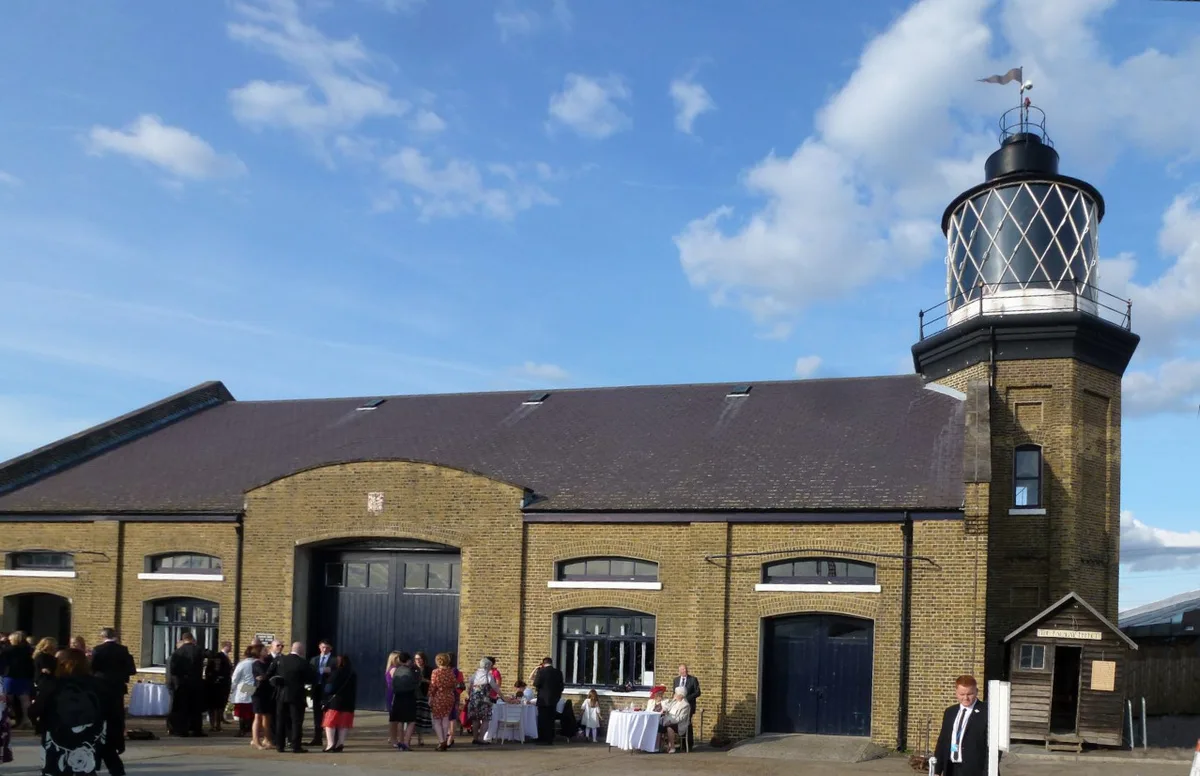 📷 5
📷 5Lighthouses · London
Trinity Buoy Wharf Lighthouse and Chain Locker Block
Trinity Buoy Wharf Lighthouse and Chain Locker Block — lighthouse and historic building in Tower Hamlets, Greater London, England, England.
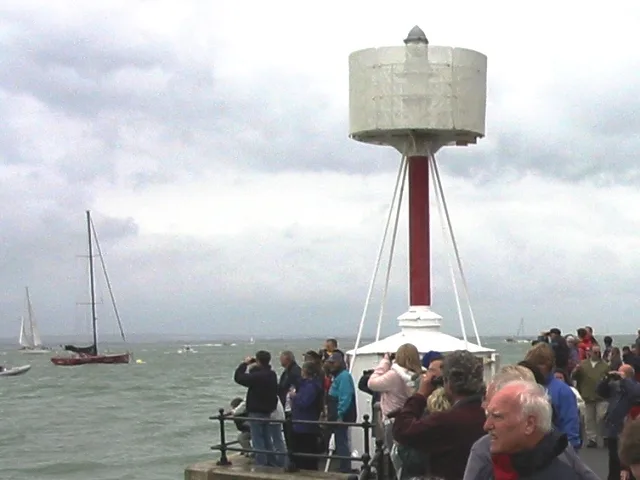 📷 5
📷 5Lighthouses · South East England
Egypt Point light
Egypt Point light — lighthouse in Isle of Wight, England.
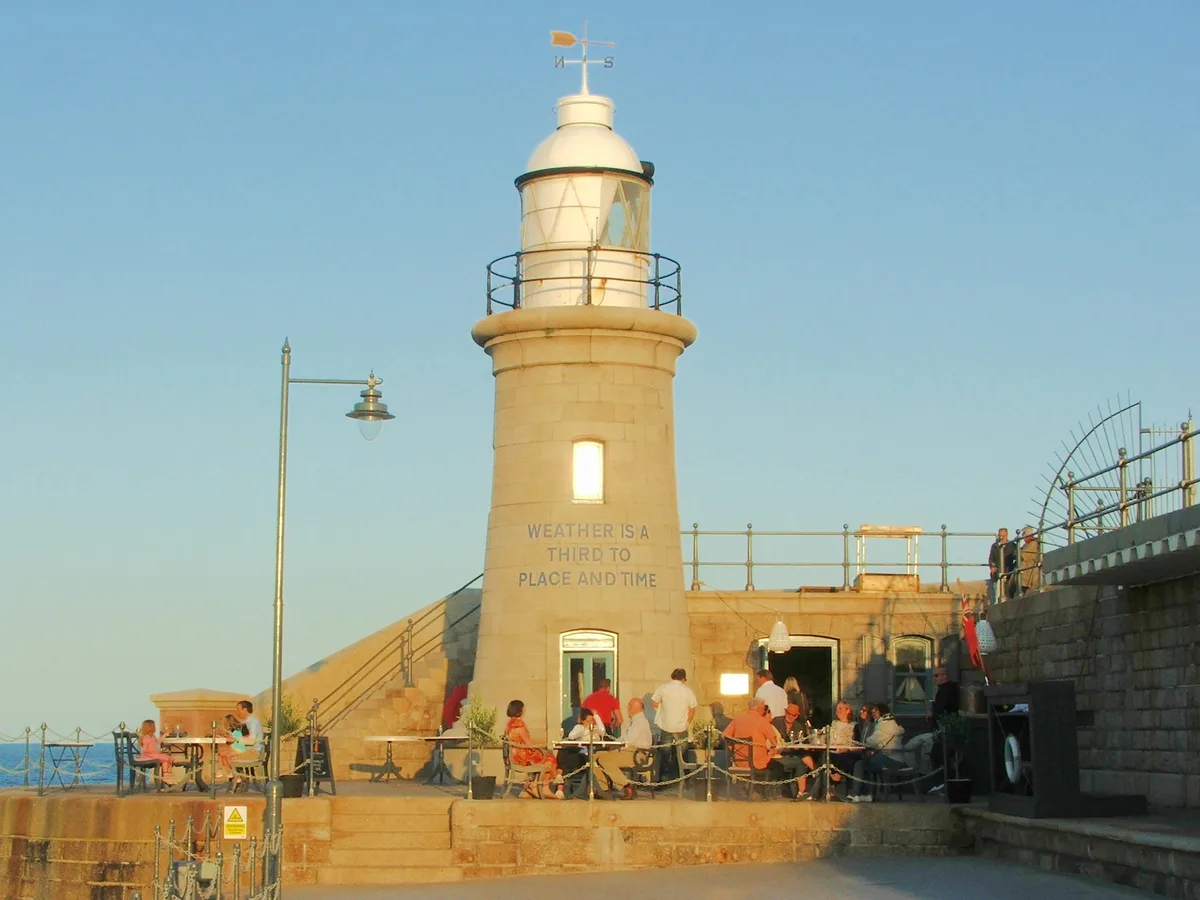 📷 5
📷 5Lighthouses · South East England
Folkestone Lighthouse
Folkestone Lighthouse — lighthouse in Folkestone, Shepway, Kent, England, UK.
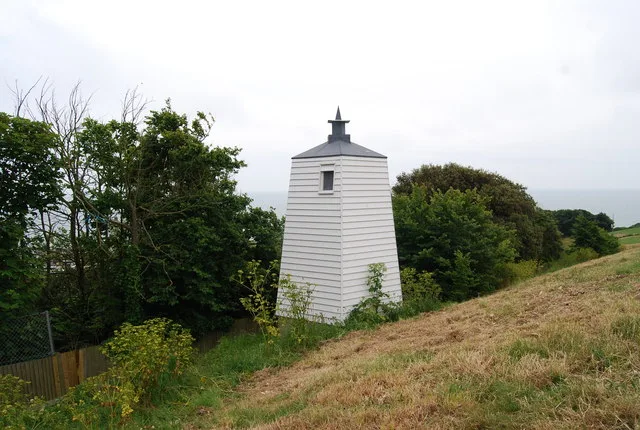 📷 5
📷 5Lighthouses · South East England
Hastings Lighthouse
Hastings Lighthouse — lighthouse in Hastings, East Sussex, England, UK.
More lighthouses in this region
 📷 3
📷 3Lighthouses · Central Scotland
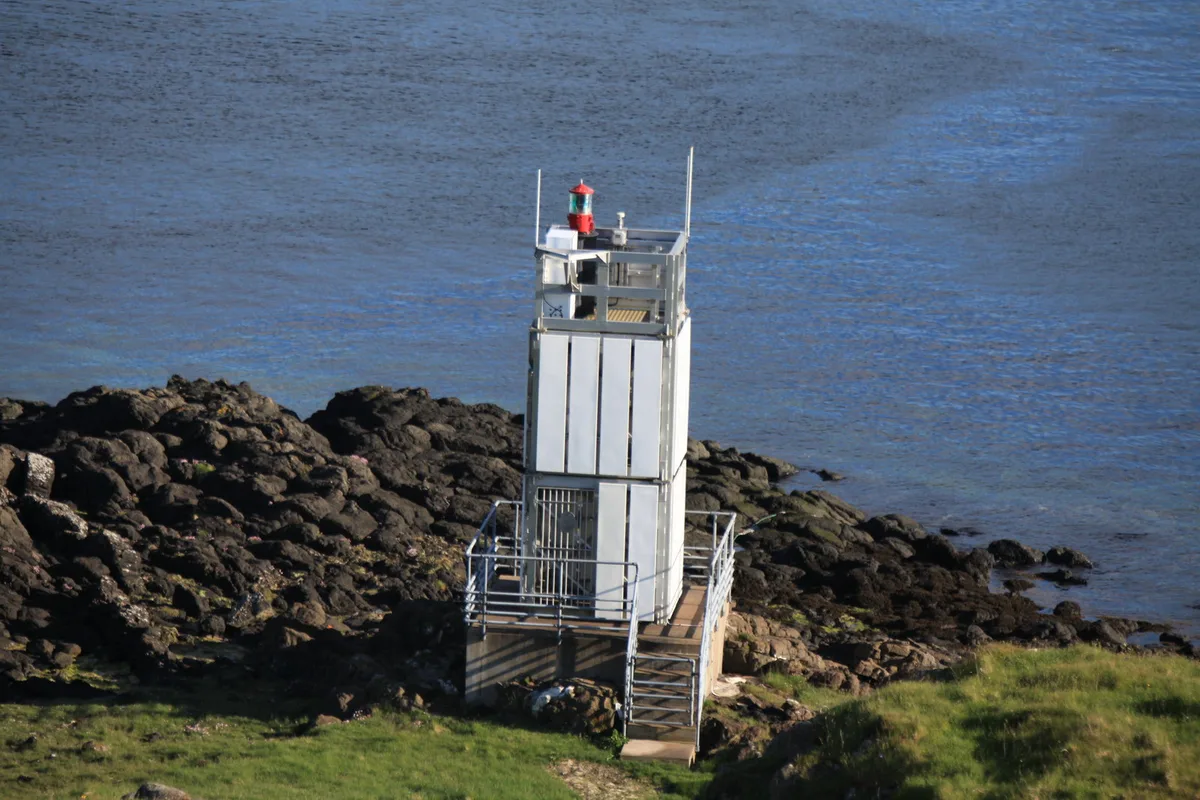
Ardtornish Point Lighthouse
Ardtornish Point Lighthouse — lighthouse in Ardtornish, Scotland.
 📷 3
📷 3Lighthouses · Central Scotland
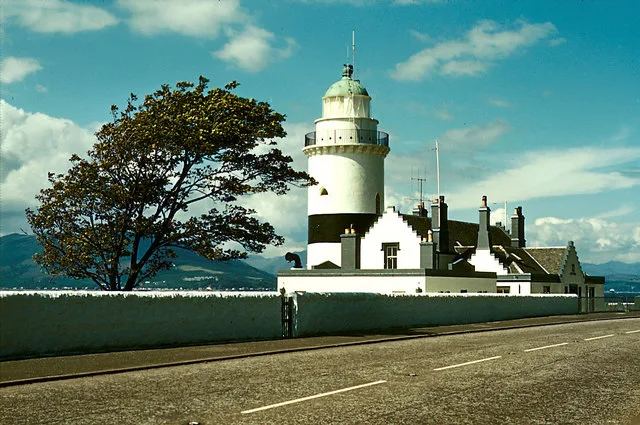
Cloch Lighthouse
Cloch Lighthouse — lighthouse on Cloch Point, Inverclyde, Scotland, UK.
 📷 3
📷 3Lighthouses · Central Scotland
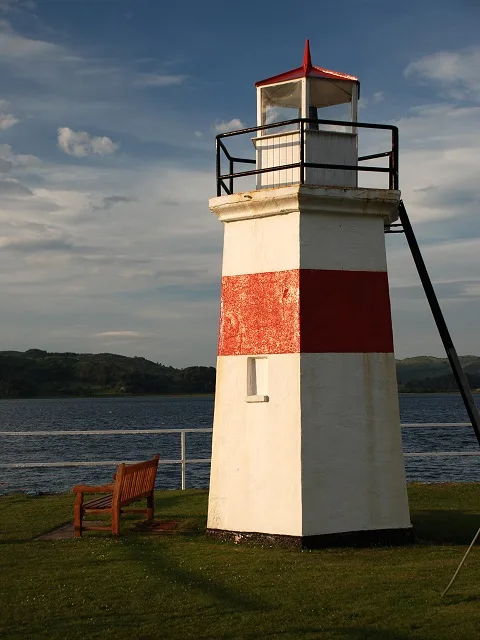
Crinan Lighthouse
Crinan Lighthouse — lighthouse in Argyll and Bute, Scotland, UK.
 📷 3
📷 3Lighthouses · Central Scotland
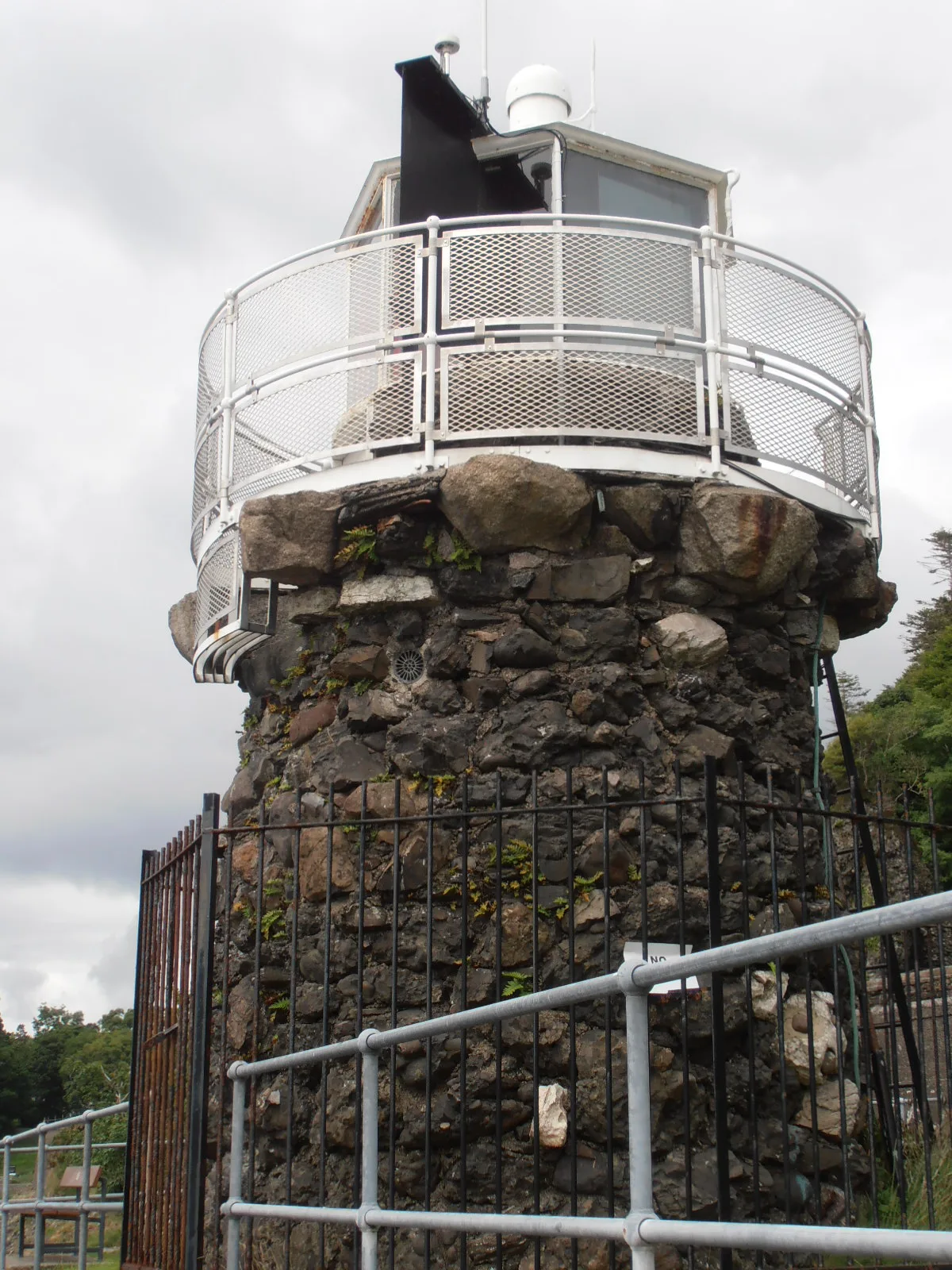
Dunollie Lighthouse
Dunollie Lighthouse — lighthouse at Dunollie, Oban, Argyll and Bute, Scotland, UK.
Frequently asked questions
- Where is Barns Ness Lighthouse?
- Barns Ness Lighthouse is in central Scotland, United Kingdom (postcode EH42 1QP).
- What is Barns Ness Lighthouse?
- Barns Ness Lighthouse — lighthouse in Dunbar, Scotland.
- How do I get to Barns Ness Lighthouse?
- The nearest railway station is Dunbar, about 4.4 km away. The nearest town is West Barns. Drivers can use postcode EH42 1QP.
- When was Barns Ness Lighthouse built?
- Built or established in 1899.
- Is Barns Ness Lighthouse a listed building?
- Barns Ness Lighthouse is officially recognised as category B listed building listed.
- Is Barns Ness Lighthouse free to visit?
- Yes, Barns Ness Lighthouse is free to enter.
- How do I get to Barns Ness Lighthouse?
- The nearest railway station is Dunbar, about 4.4 km away. Drivers can navigate to postcode EH42 1QP.