
Wildlife reserves · East Midlands
Barnack Hills & Holes National Nature Reserve
In or near Thornhaugh.
Barnack Hills & Holes National Nature Reserve is a wildlife reserve in the United Kingdom.

Wikimedia Commons contributors — see linked file page for photographer and licence licence

Plan your visit
- Typical visit
- 2 h–4 h
- Best time of year
- Autumn & winter (migration & wildfowl)
- Nearest railway station
- Stamford · 5.0 km
- Free entry
- Dog-friendly
Getting there & planning your visit
To visit Barnack Hills & Holes National Nature Reserve, the nearest railway station is Stamford, located 5 km away. The postcode for sat-nav is PE9 3EL. Entry to the reserve is free.
About
Barnack Hills & Holes National Nature Reserve is a wildlife reserve in the United Kingdom. Managed by Natural England. Coordinates: 52.6276°, -0.4132°.
Photo gallery
Protected designations
- Site of Special Scientific Interest: Barnack Hills & Holes SSSI
- National Nature Reserve: BARNACK HILLS AND HOLES
Designations sourced from Natural England open data under OGL v3.
From the Wikipedia article
Barnack Hills & Holes is a 23.3-hectare (58-acre) biological Site of Special Scientific Interest in Barnack in Cambridgeshire. It is also a national nature reserve. It is a Nature Conservation Review site, Grade I. In 2002 it was designated as a Special Area of Conservation, to protect the orchid-rich grassland as part of the Natura 2000 network of sites throughout the European Union. Arising from the rubble of a medieval quarry, the Hills and Holes is one of Britain’s most important wildlife sites. Covering an area of just 50 acres (22 ha), the grassy slopes are home to a profusion of wild flowers. This type of meadowland is now all too rare; half of the surviving limestone grassland in Cambridgeshire is found here. In 2002 it was designated as a Special Area of Conservation, to protect the orchid-rich grassland as part of the Natura 2000 network of sites throughout the European Union. The hummocky landscape was created by quarrying for limestone. Barnack stone, was a valuable building stone first exploited by the Romans over 1,500 years ago. Stone from Barnack was used to build Peterborough and Ely Cathedrals. By the year 1500 however, all the useful stone had been removed and the bare heaps of limestone rubble gradually became covered by the rich carpet of wild flowers that can be seen today. The limestone was originally formed in Jurassic times. It is made from the remains of billions of tiny sea-creatures which lived in a warm shallow sea that covered the area 150 million years ago. Barnack’s rich flora supports a wide variety of wildlife, especially insects, and a number of nationally scarce species are found. Limestone grasslands are traditionally grazed with sheep and at Barnack, grazing is carried out in autumn by up to 300 sheep. These remove the summer growth and build-up of leaves, stalks and grass tussocks that would otherwise die back to form a dead layer, or litter, on the ground. Without grazing, the build-up of coarse grasses and litter would…
Excerpt from Wikipedia under CC BY-SA 4.0. See the source article linked in Sources below.
- Coordinates
- 52.6276, -0.4132
- District
- Peterborough
- Parish
- Barnack
- Postcode
- PE9 3EL
- Parliamentary constituency
- North West Cambridgeshire
- Nearest railway station
- Stamford — 5 km
Sources
- wikidata: Q4861383 (CC0)
- wikipedia: Barnack Hills & Holes National Nature Reserve (CC BY-SA 4.0)
- commons: HillsAndHoles.jpg (CC BY-SA 4.0)
Other places nearby

Walcot Hall
Historic houses · 0.5 km

Barnack War Memorial
Memorials & monuments · 0.6 km
Barnack Village Sign
Memorials & monuments · 0.7 km

Mill House East Of Barnack Windmill
Windmills · 0.7 km

Barnack Windmill
Windmills · 0.7 km

St John the Baptist's Church, Barnack
Historic churches · 0.7 km
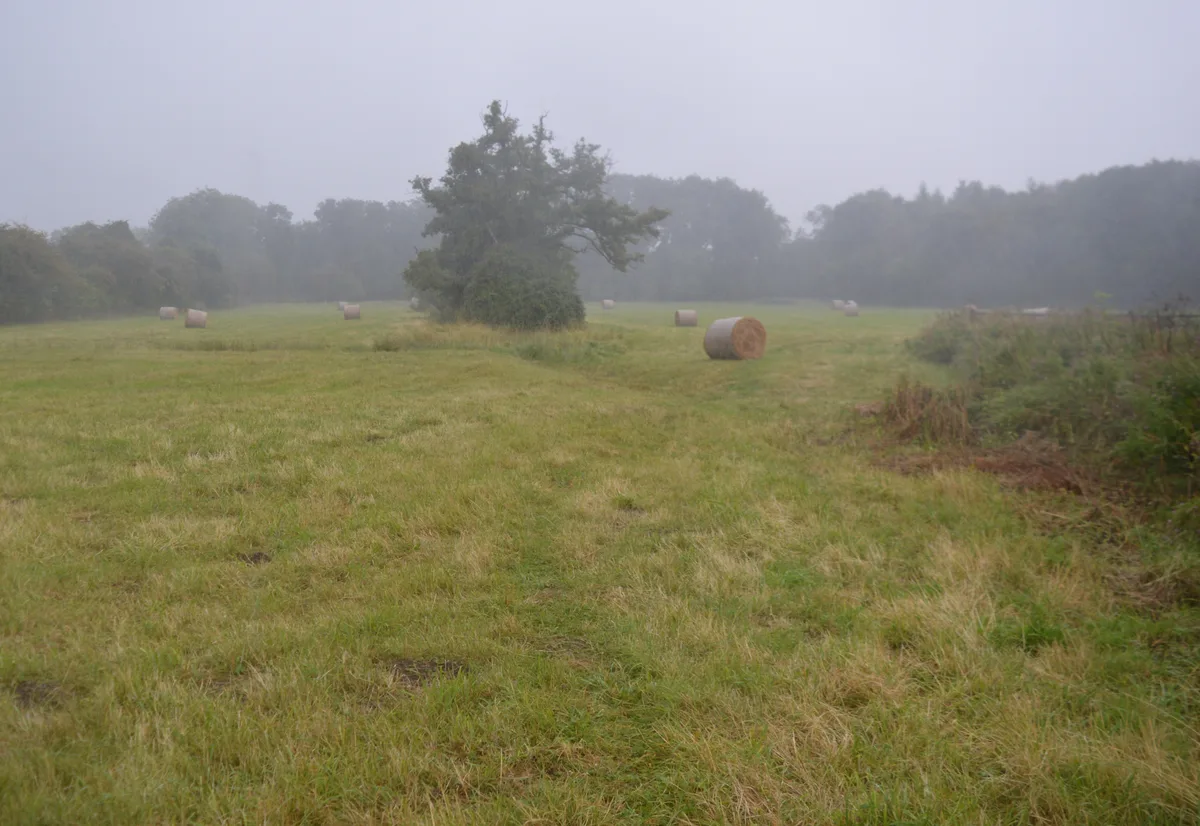
Southorpe Meadow
Wildlife reserves · 1.6 km

Barnack Water Mill
Watermills · 1.6 km

Ye Olde White Hart
Historic pubs · 1.9 km

Bainton Buttercross
Memorials & monuments · 2.4 km

Settlement site E of Uffington and Barnack Station
Vineyards · 2.5 km
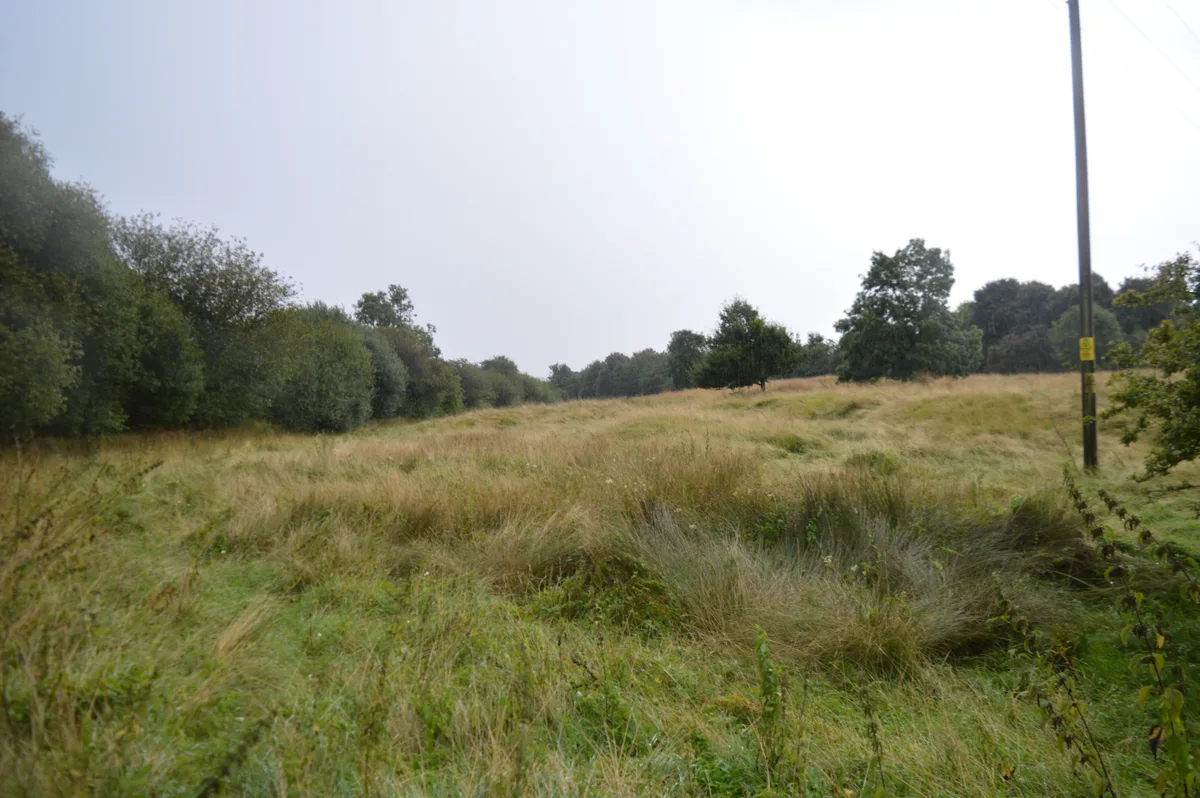
Southorpe Paddock
Wildlife reserves · 2.6 km
Nearby
Flagship📷 5Historic houses · East Midlands
Walcot Hall
Walcot Hall — a Grade I-listed historic house in england-london, United Kingdom.
📷 5Memorials & monuments · East Midlands
Barnack War Memorial
Barnack War Memorial — Grade II listed building-listed memorial in england-london, United Kingdom.
📷 5Memorials & monuments · East Midlands
Barnack Village Sign
Barnack Village Sign — a memorial in england-london, United Kingdom.
📷 5Windmills · East Midlands
Mill House East Of Barnack Windmill
Mill House East Of Barnack Windmill — Grade II listed building-listed windmill in england-london, United Kingdom.
📷 5Windmills · East Midlands
Barnack Windmill
Barnack Windmill — Grade II listed building-listed windmill in england-london, United Kingdom.
Flagship📷 5Historic churches · East Midlands
St John the Baptist's Church, Barnack
St John the Baptist's Church, Barnack — a Grade I-listed church in england-london, United Kingdom.
Where to eat & stay near Barnack Hills & Holes National Nature Reserve
Places to stay
 📷 5
📷 5Campsites · East of England
Sacrewell Farm
Sacrewell Farm — a campsite in england london.
 📷 5
📷 5Hotels · East Midlands
George Hotel, Stamford
The George Hotel is a hotel and former coaching inn on the route of the Great North Road in St Martin's, Stamford, Lincolnshire, England. The hotel itself and numbers 68 and 69 St Martin's, which has
 📷 6
📷 6 📷 5
📷 5 📷 5
📷 5Hotels · East of England
The Haycock Hotel
The Haycock Hotel — a hotel in england london.
 📷 5
📷 5Places to eat & drink
📷 5Historic pubs · East of England
Ye Olde White Hart
Ye Olde White Hart in England East, United Kingdom.
 📷 5
📷 5Historic pubs · East of England
Blue Bell Public House
Blue Bell Public House in England East, United Kingdom.
 📷 7
📷 7 📷 5
📷 5Historic pubs · East Midlands
The Beehive Public House
The Beehive Public House in England East, United Kingdom.
 📷 5
📷 5Historic pubs · East Midlands
The O'Briens Arms Public House
The O'Briens Arms Public House in England East, United Kingdom.
 📷 5
📷 5More places run by Natural England
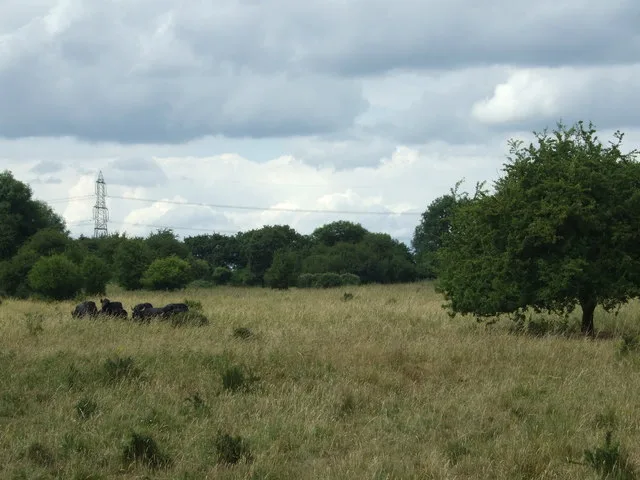 Flagship📷 10
Wildlife reserves · East Midlands
Castor Hanglands National Nature Reserve
Castor Hanglands National Nature Reserve — nature reserve in Cambridgeshire.
 📷 3
📷 3Wildlife reserves · North West England
Risley, Holcroft and Chat Moss National Nature Reserve
Risley, Holcroft and Chat Moss National Nature Reserve — nature reserve in Cheshire and Greater Manchester, England.
More places in this region
 📷 5
📷 5Wildlife reserves · East Midlands
Deeping Lakes Nature Reserve
Deeping Lakes Nature Reserve — Nature reserve in Lincolnshire.
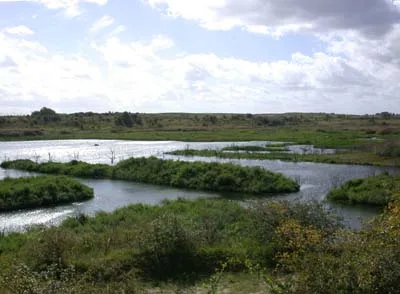 📷 5
📷 5Wildlife reserves · East Midlands
Dogsthorpe Star Pit
Dogsthorpe Star Pit — nature reserve in the United Kingdom.
📷 5Wildlife reserves · East Midlands
Southorpe Meadow
Southorpe Meadow — nature reserve in the United Kingdom.
📷 5Wildlife reserves · East Midlands
Southorpe Paddock
Southorpe Paddock — nature reserve in the United Kingdom.
Frequently asked questions
- Where is Barnack Hills & Holes National Nature Reserve?
- Barnack Hills & Holes National Nature Reserve is in the East Midlands, United Kingdom (postcode PE9 3EL), in the parish of Barnack.
- What is Barnack Hills & Holes National Nature Reserve?
- Barnack Hills & Holes National Nature Reserve is a wildlife reserve in the United Kingdom.
- How do I get to Barnack Hills & Holes National Nature Reserve?
- The nearest railway station is Stamford, about 5.0 km away. The nearest town is Thornhaugh. Drivers can use postcode PE9 3EL.
- Who runs Barnack Hills & Holes National Nature Reserve?
- Barnack Hills & Holes National Nature Reserve is operated by Natural England.
- Is Barnack Hills & Holes National Nature Reserve a protected site?
- Yes — Barnack Hills & Holes National Nature Reserve is part of the Barnack Hills & Holes SSSI Site of Special Scientific Interest and the BARNACK HILLS AND HOLES National Nature Reserve.
- Is Barnack Hills & Holes National Nature Reserve free to visit?
- Yes, Barnack Hills & Holes National Nature Reserve is free to enter.
- How do I get to Barnack Hills & Holes National Nature Reserve?
- The nearest railway station is Stamford, about 5.0 km away. Drivers can navigate to postcode PE9 3EL.
- Are dogs allowed at Barnack Hills & Holes National Nature Reserve?
- Most wildlife reserves allow dogs on lead only, with restrictions during ground-nesting bird season (March-July). Check signage at the reserve.