
Castles · South East England
Yarmouth Castle
In or near Brook.
Yarmouth Castle — English artillery fort.

Wikimedia Commons contributors — see linked file page for photographer and licence licence

Plan your visit
- Typical visit
- 1.5 h–3 h
- Nearest railway station
- Lymington Pier · 6.0 km
- Paid entry
- Family-friendly
- Limited wheelchair access
Getting there & planning your visit
To visit Yarmouth Castle, the nearest railway station is Lymington Pier, which is 6 km away. Entry is paid, and wheelchair accessibility is limited. The postcode for sat-nav is PO41 0PE.
About
Yarmouth Castle is a castle in the United Kingdom — fortified architecture from the medieval, Tudor, or Victorian-revival period. Records date its origin to 1547. Heritage designation: scheduled monument. Owned by English Heritage. Managed by English Heritage. Part of Device Forts. Wikidata describes it as: "English artillery fort". Coordinates: 50.7066°, -1.5001°.
Photo gallery
Heritage listing
Yarmouth Castle is an artillery fort built by Henry VIII in 1547 to protect Yarmouth Harbour on the Isle of Wight from the threat of French attack. Just under 100 feet (30 m) across, the square castle was initially equipped with 15 artillery guns and a garrison of 20 men. It featured an Italianate "arrow-head" bastion on its landward side; this was very different in style from the earlier circular bastions used in the Device Forts built by Henry and was the first of its kind to be constructed in England. During the 16th and 17th centuries the castle continued to be maintained and modified; the seaward half of the castle was turned into a solid gun platform and additional accommodation was built for the fort's gunners.
From the Historic England List Entry under OGL v3.
Summary from the official site
Yarmouth Castle is a historic fortification located in a charming seaside town, originally built to protect the Yarmouth harbour. Visitors can explore the castle's atmospheric rooms, learn about its history, and enjoy exhibitions related to shipwrecks in the surrounding waters. The site also offers picturesque views over the Solent, making it a great spot for picnics.
Read more on the official property page.
Protected designations
- Site of Special Scientific Interest: Hurst Castle and Lymington River Estuary SSSI
- Site of Special Scientific Interest: Yar Estuary SSSI
- Area of Outstanding Natural Beauty: Isle Of Wight
- Ramsar wetland: Solent & Southampton Water
Designations sourced from Natural England open data under OGL v3.
From the Wikipedia article
Yarmouth Castle is an artillery fort built by Henry VIII in 1547 to protect Yarmouth Harbour on the Isle of Wight from the threat of French attack. Just under 100 feet (30 m) across, the square castle was initially equipped with 15 artillery guns and a garrison of 20 men. It featured an Italianate "arrow-head" bastion on its landward side; this was very different in style from the earlier circular bastions used in the Device Forts built by Henry and was the first of its kind to be constructed in England. During the 16th and 17th centuries the castle continued to be maintained and modified; the seaward half of the castle was turned into a solid gun platform and additional accommodation was built for the fort's gunners. A bulwark was built on the east side of the castle and an additional gun battery was placed on the town's quay, just to the west. For most of the English Civil War of the 1640s it was held by Parliament; following the Restoration, it was refortified by Charles II in the 1670s. The fortification remained in use through the 18th and 19th centuries, albeit with a smaller garrison and fewer guns, until in 1885 these were finally withdrawn. After a short period as a coast guard signalling post, the castle was brought back into military use during the First and Second World Wars. In the 21st century, the heritage organisation English Heritage operates the castle as a tourist attraction.
Excerpt from Wikipedia under CC BY-SA 4.0. See the source article linked in Sources below.
Background
Architecture
Yarmouth Castle is a square fortification, nearly 100 ft across, with an arrow-head bastion protecting the landward side. The north and west walls face the sea, protected by angular buttresses, and a 10 m wide moat originally protected the south and east side, although this has since been filled in. The castle's 16th-century bulwark, which originally covered the area to the west of Pier Street and the north of Quay Street, and its quay battery have also been destroyed. The walls of the castle are mainly built from ashlar stone, with some red brick used on the south side. When first built the interior of the castle formed a sequence of buildings around a courtyard, but the southern half of…
Sourced from Wikipedia under CC BY-SA 4.0.
- Coordinates
- 50.7066, -1.5001
- District
- Isle of Wight
- Parish
- Yarmouth
- Postcode
- PO41 0PE
- Parliamentary constituency
- Isle of Wight West
- Phone
- 01983 760444
- Established
- 1547
- Nearest railway station
- Lymington Pier — 6 km
- Opening
- Daily 10am–5pm
- Official site
- www.english-heritage.org.uk
Sources
- wikidata: Q8049393 (CC0)
- wikipedia: Yarmouth Castle (CC BY-SA 4.0)
- commons: Yarmouth Castle.JPG (CC BY-SA 4.0)
Other places nearby

The George Hotel
Hotels · 0.0 km

Yarmouth Pier
Piers · 0.1 km

Bugle Coaching Inn
Hotels · 0.1 km

The Earth Museum
Galleries · 0.1 km

Yarmouth Town Hall
Museums · 0.1 km

Jireh Guest House
Cafés · 0.1 km

War Memorial in Churchyard of Parish Church of St James
Memorials & monuments · 0.1 km
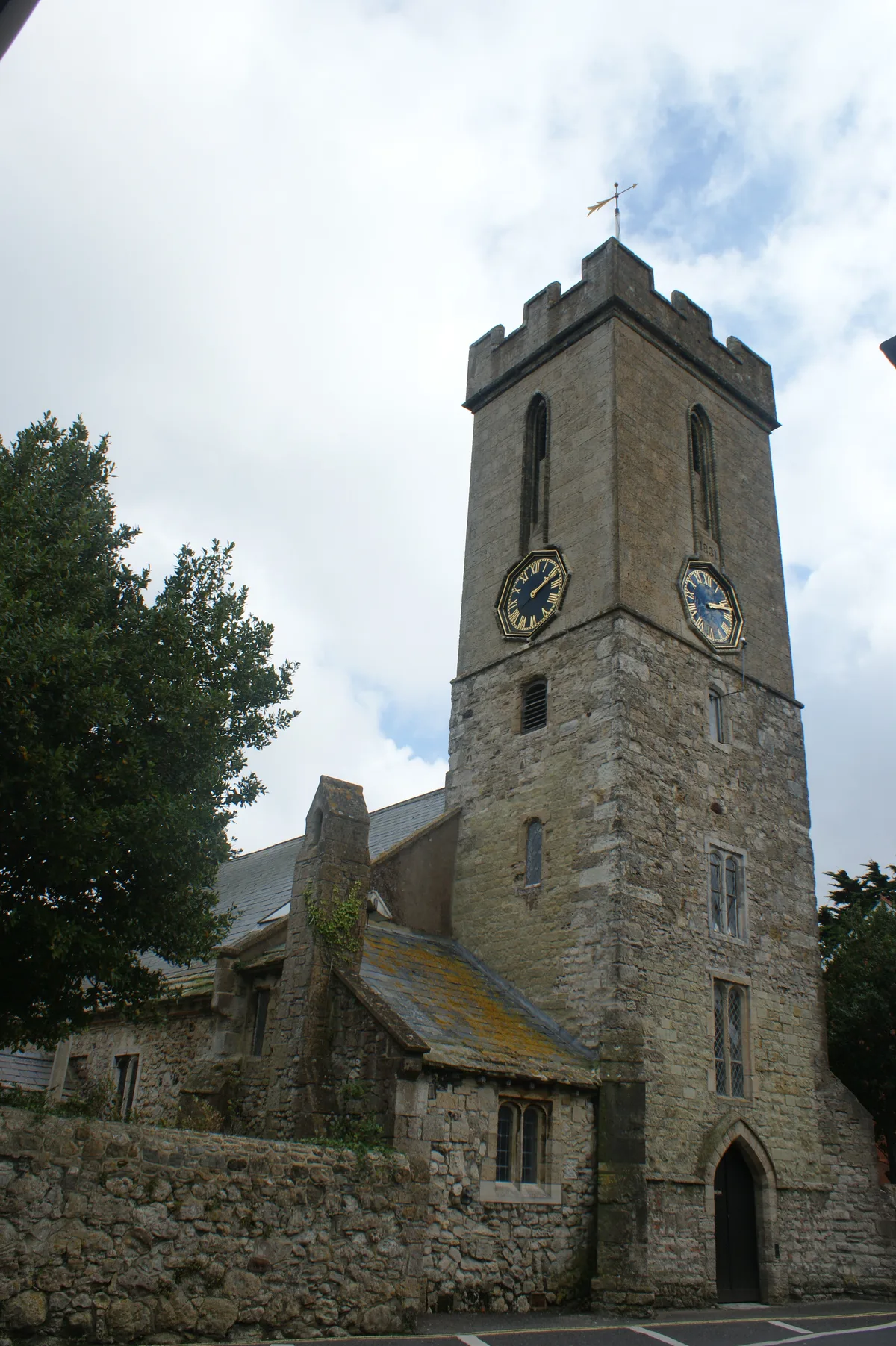
St. James' Church, Yarmouth
Historic churches · 0.1 km

Yarmouth Port
Marinas · 0.2 km
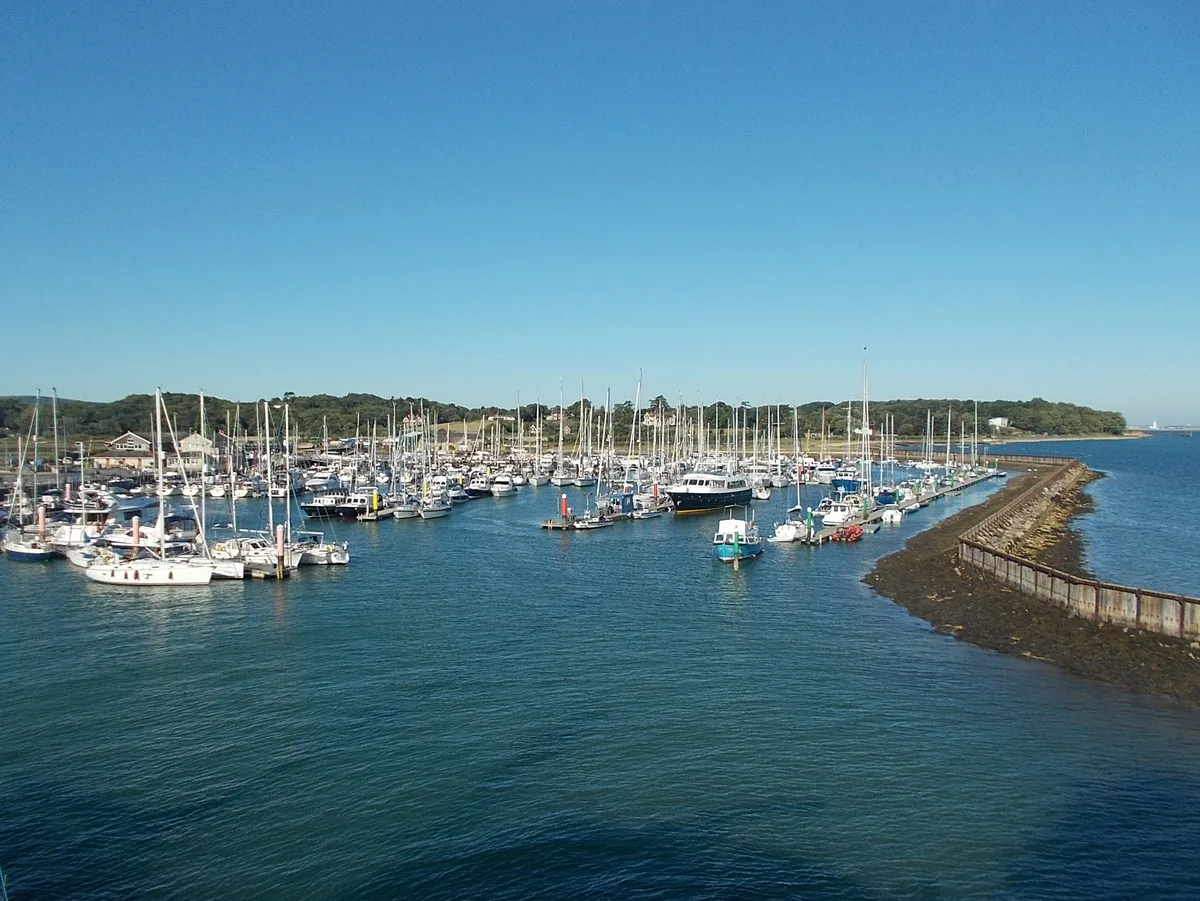
Yarmouth Harbour
Harbours & ports · 0.3 km

Norton Grange
Hotels · 0.9 km

Reptilarium
Zoos & aquariums · 1.5 km
Nearby
📷 7Hotels · South East England
The George Hotel
The George Hotel — a hotel in england south east.
📷 5Piers · South East England
Yarmouth Pier
Yarmouth Pier — Grade II listed building-listed pier in england-south-east, United Kingdom.
📷 5Hotels · South East England
Bugle Coaching Inn
Bugle Coaching Inn — a hotel in england south east.
📷 5Galleries · South East England
The Earth Museum
The Earth Museum — a gallery in england-south-east, United Kingdom.
📷 5Museums · South East England
Yarmouth Town Hall
Yarmouth Town Hall — a museum in england-south-east, United Kingdom.
📷 7Where to eat & stay near Yarmouth Castle
Places to stay
📷 7Hotels · South East England
The George Hotel
The George Hotel — a hotel in england south east.
📷 5Hotels · South East England
Bugle Coaching Inn
Bugle Coaching Inn — a hotel in england south east.
📷 7 📷 5
📷 5Campsites · South East England
Heathfield Farm Camp Site
Heathfield Farm Camp Site — a campsite in england south east.
 📷 3
📷 3Campsites · South East England
Lucketts Camp Site
Lucketts Camp Site — a campsite in england south east.
📷 3Caravan parks · South East England
Lucketts Caravan Site
Lucketts Caravan Site — a caravan park in england south east.
Places to eat & drink
📷 7 📷 7
📷 7 📷 7
📷 7 📷 5
📷 5Historic pubs · South East England
The Beach House
The Beach House in England South East, United Kingdom.
 📷 7
📷 7Historic pubs · South East England
Walhampton Arms, formerly farm building range at Home Farm
Walhampton Arms, formerly farm building range at Home Farm in England South East, United Kingdom.
 📷 7
📷 7Historic pubs · South East England
The Hobler Public House
The Hobler Public House in England South East, United Kingdom.
More places run by English Heritage
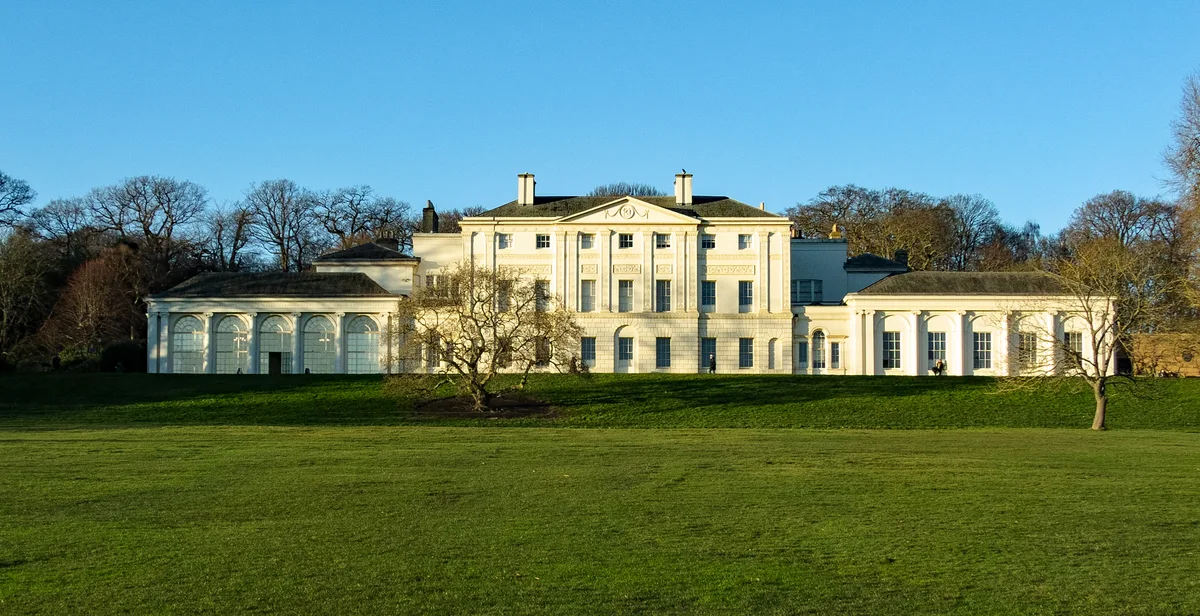 Flagship📷 10
Museums · London
Kenwood House
Kenwood House — art museum and historic house in Hampstead, London.
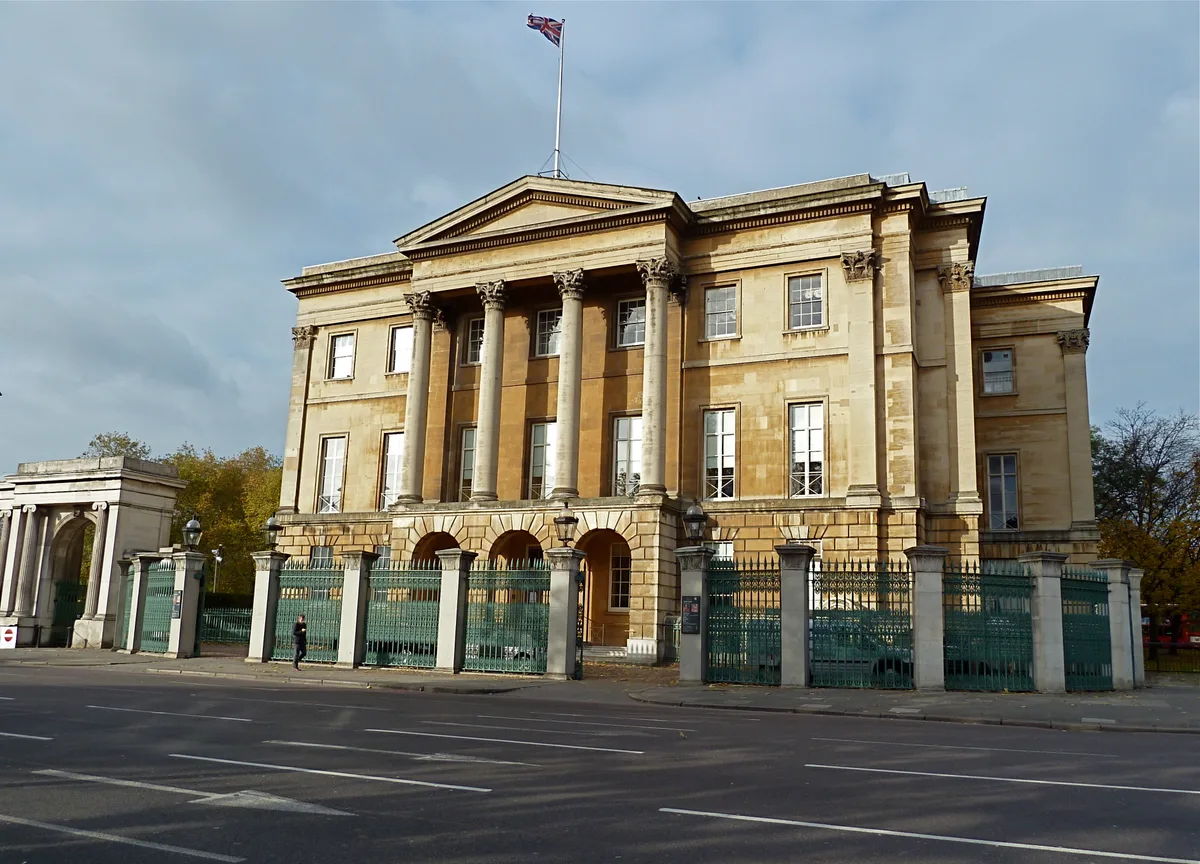 📷 5
📷 5Galleries · London
Apsley House
Apsley House — London townhouse of the Dukes of Wellington.
 📷 5
📷 5Castles · London
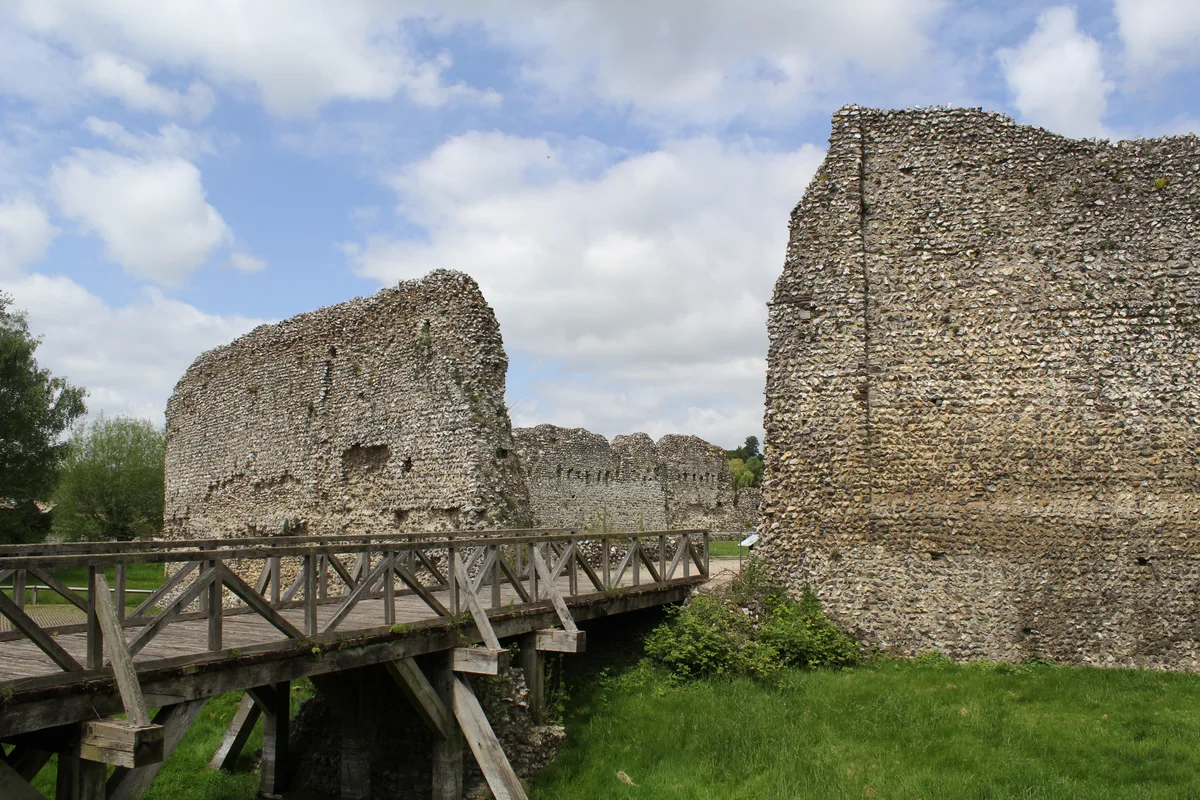
Eynsford Castle
Eynsford Castle — castle, now ruinous, in Eynsford, Kent, England, UK.
 📷 5
📷 5Museums · London
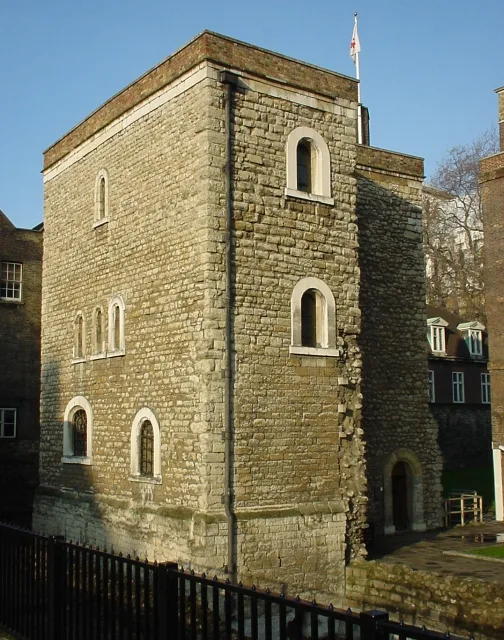
Jewel Tower
Jewel Tower — medieval tower in Westminster, London, England, UK.
Other castles from this era
 📷 5
📷 5Castles · South East England
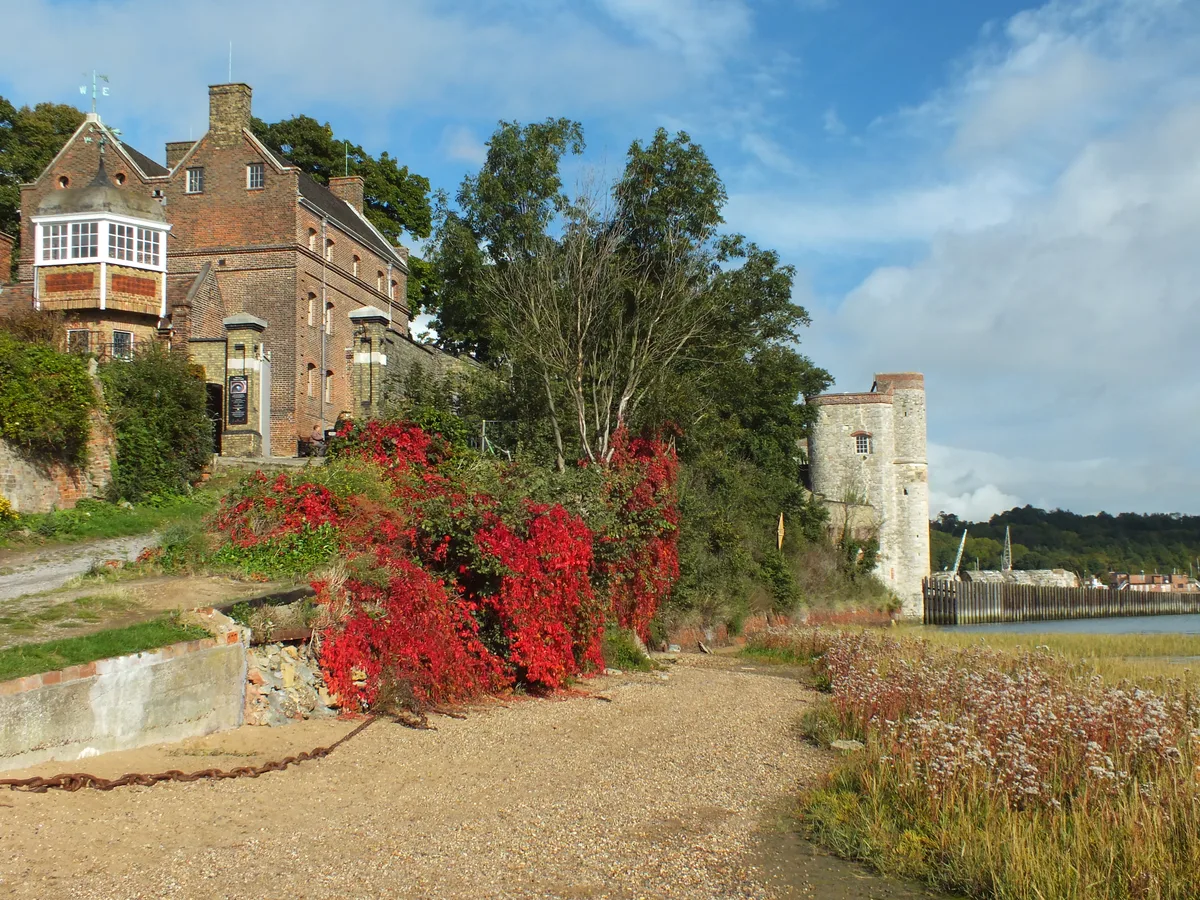
Upnor Castle
Upnor Castle — fort located on the River Medway in Kent.
 📷 5
📷 5Castles · South East England
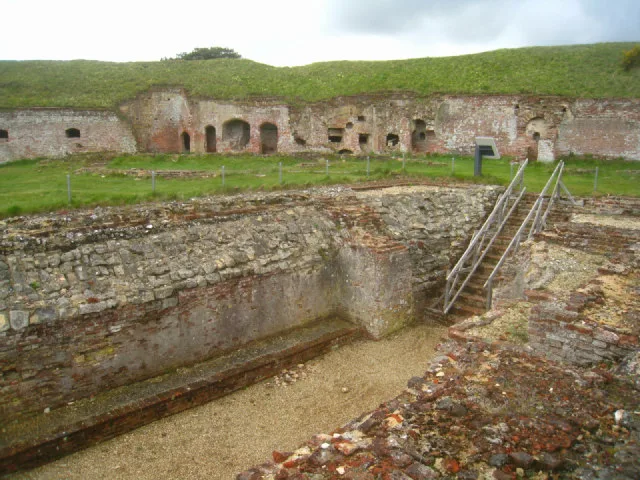
Basing House
Basing House — Tudor palace and castle in Old Basing, United Kingdom.
 📷 5
📷 5Castles · South East England
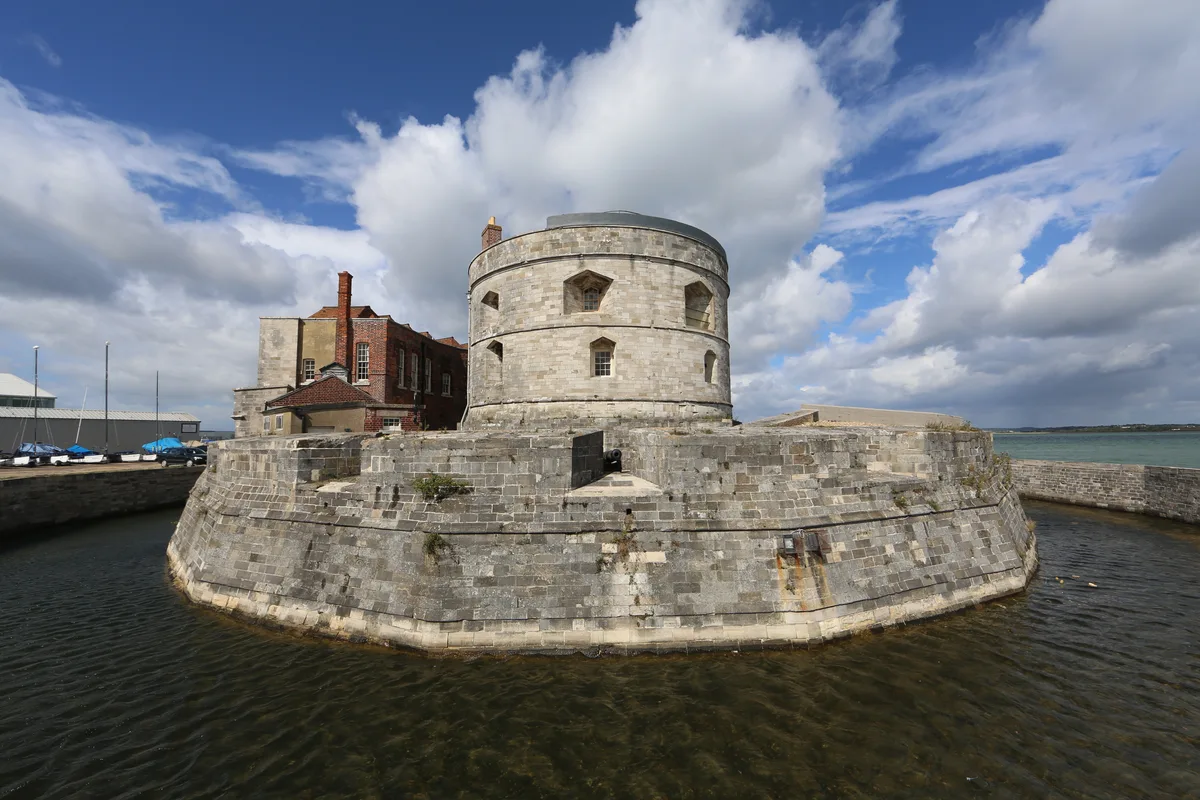
Calshot Castle
Calshot Castle — artillery fort on the Calshot Spit, Hampshire, England, UK.
 📷 5
📷 5Castles · South East England
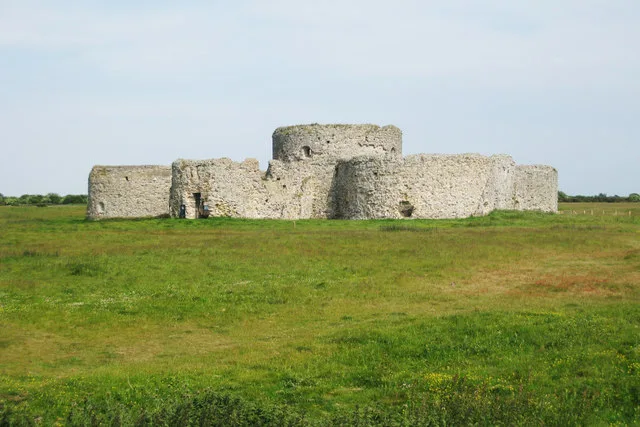
Camber Castle
Camber Castle — 16th-century English fort.
More castles in this region
 📷 5
📷 5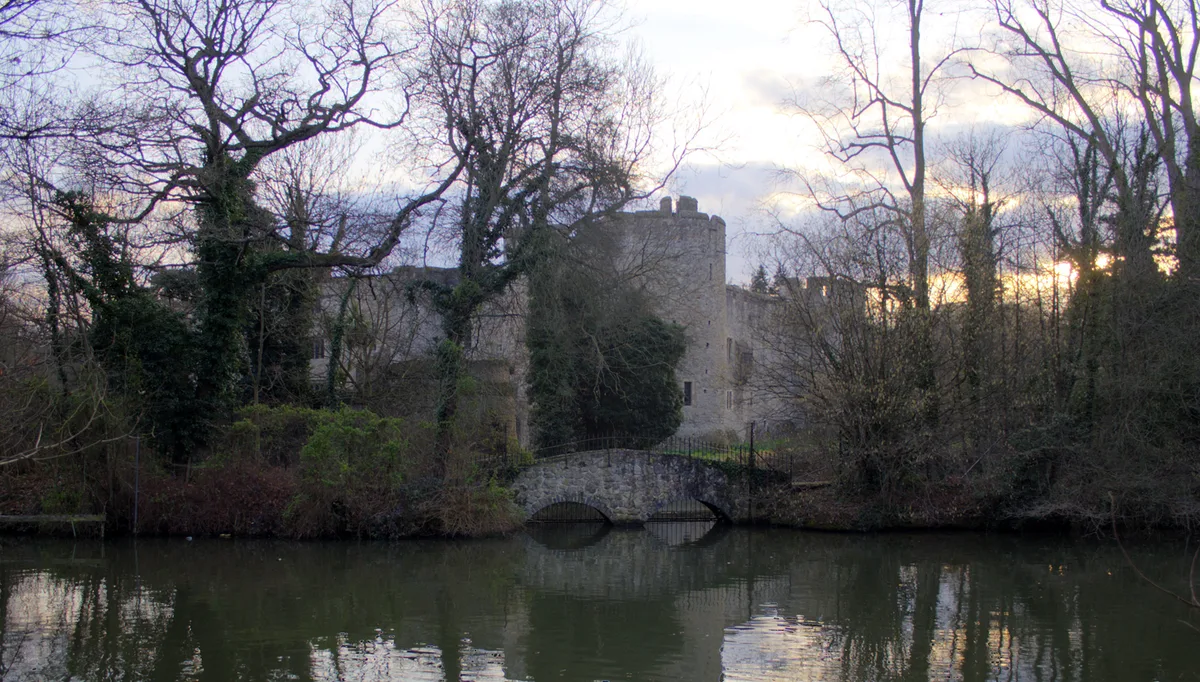 📷 5
📷 5Castles · South East England
Allington Castle
Allington Castle — stone-built moated castle in Allington, England.
 📷 5
📷 5Castles · South East England
Betchworth Castle
Betchworth Castle — castle in Brockham, Mole Valley, Surrey, England, UK.
 📷 5
📷 5Castles · South East England
Bletchingley Castle
Bletchingley Castle — castle in Surrey, England, UK.
Frequently asked questions
- Where is Yarmouth Castle?
- Yarmouth Castle is in South-East England, United Kingdom (postcode PO41 0PE), in the parish of Yarmouth.
- What is Yarmouth Castle?
- Yarmouth Castle — English artillery fort.
- How do I get to Yarmouth Castle?
- The nearest railway station is Lymington Pier, about 6.0 km away. The nearest town is Brook. Drivers can use postcode PO41 0PE.
- When was Yarmouth Castle built?
- Built or established in 1547.
- Who runs Yarmouth Castle?
- Yarmouth Castle is operated by English Heritage.
- Is Yarmouth Castle a listed building?
- Yarmouth Castle is officially recognised as scheduled monument listed.
- Is Yarmouth Castle a protected site?
- Yes — Yarmouth Castle is part of the Hurst Castle and Lymington River Estuary SSSI Site of Special Scientific Interest and the Yar Estuary SSSI Site of Special Scientific Interest.
- Does Yarmouth Castle charge admission?
- Yarmouth Castle typically charges admission. Check the official site for current ticket prices and opening hours.