
Historic houses · North West England
Woolton Hall
In or near Roby.
Woolton Hall — Grade I listed building in Liverpool, United Kingdom.

Wikimedia Commons contributors — see linked file page for photographer and licence licence

Plan your visit
- Typical visit
- 1 h–2 h
- Nearest railway station
- Hunts Cross · 1.4 km
- Family-friendly
- Limited wheelchair access
Getting there & planning your visit
Woolton Hall is located in Liverpool, with the postcode L25 7TN. The nearest railway station is Hunts Cross, which is 1.4 km away. Entry is paid, and wheelchair accessibility is limited.
About
Woolton Hall is a historic house in the United Kingdom — typically a country seat, manor, or town house with notable architecture or history. Heritage designation: Grade I listed building. Wikidata describes it as: "Grade I listed building in Liverpool, United Kingdom". Coordinates: 53.3718°, -2.8649°.
Photo gallery
Protected designations
- Site of Special Scientific Interest: Mersey Estuary SSSI
Designations sourced from Natural England open data under OGL v3.
From the Wikipedia article
Woolton Hall is a ruined country house located in Woolton, a suburb of Liverpool, England. The earliest parts of the house date to approximately the seventeenth century, but the majority dates from the early eighteenth century and from a remodelling undertaken between 1774 and 1780 by the architect Robert Adam. The north wing of the hall was commissioned for Richard Molyneux, later fifth viscount Molyneux. The east wing dates from the seventeenth century or earlier and was extensively remodelled by Adam for the then owner, Nicholas Ashton. The porte-cochère in front of the east wing replaced a small porch and dates from c. 1865, as does the apsidal bay window of the north wing. Internally, the ground floor of the north wing contained a suite of rooms with early eighteenth century bolection panelling, and the east wing rooms were decorated with Adam plasterwork. During the 20th century the hall went through a number of uses, eventually becoming a school in the 1950s, and later being abandoned with plans for its demolition. A campaign against its destruction was successful and the hall was made a Grade I listed building in 1982. Despite this, it continued to deteriorate and was declared at "immediate risk" by Historic England in 2021. Outbuildings were set alight in 2019, and in August 2025 the hall was gutted in another fire.
Excerpt from Wikipedia under CC BY-SA 4.0. See the source article linked in Sources below.
Background
History
It is unknown who owned the land on which Woolton Hall now stands during the Middle Ages, but its owners during the Tudor period, the Brettarghs of Little Woolton, may have acquired it from a family named de Woolton. From the Brettarghs it passed to the Broughton family, and was in 1704 sold to Richard Molyneux, later fifth viscount Molyneux. Molyneux's widow died at Woolton Hall in 1766 and the house was soon after sold to a Mr Booth, who in 1772 sold it to Nicholas Ashton, a former High Sheriff of Lancashire. Shortly afterwards, Ashton commissioned the noted architect Robert Adam to remodel and expand the building. The hall remained in the Ashton family until 1865, when Nicholas' grandson…
Architecture
The ground floor of the north wing originally contained three principal rooms; a salon in the eastern three bays, the tapestry room in the centre, and the drawing room in the western three bays. The bay between the salon and tapestry room contained lobbies and a staircase. The rooms were approximately 5.2m high and originally had coved ceilings which made them higher still. The tapestry room and were combined into one room before World War Two. All three rooms were decorated with eighteenth century bolection oak panelling with classical pilasters. The salon was at the junction of the north and east wings, and the wall between it and the rest of the east wing was a surviving fragment of the…
Sourced from Wikipedia under CC BY-SA 4.0.
- Coordinates
- 53.3718, -2.8649
- District
- Liverpool
- Parish
- Liverpool, unparished area
- Postcode
- L25 7TN
- Parliamentary constituency
- Liverpool Garston
- Established
- 1704
- Nearest railway station
- Hunts Cross — 1.4 km
Sources
- wikidata: Q8033960 (CC0)
- wikipedia: Woolton Hall (CC BY-SA 4.0)
- commons: Woolton Hall.jpg (CC BY-SA 4.0)
Other places nearby
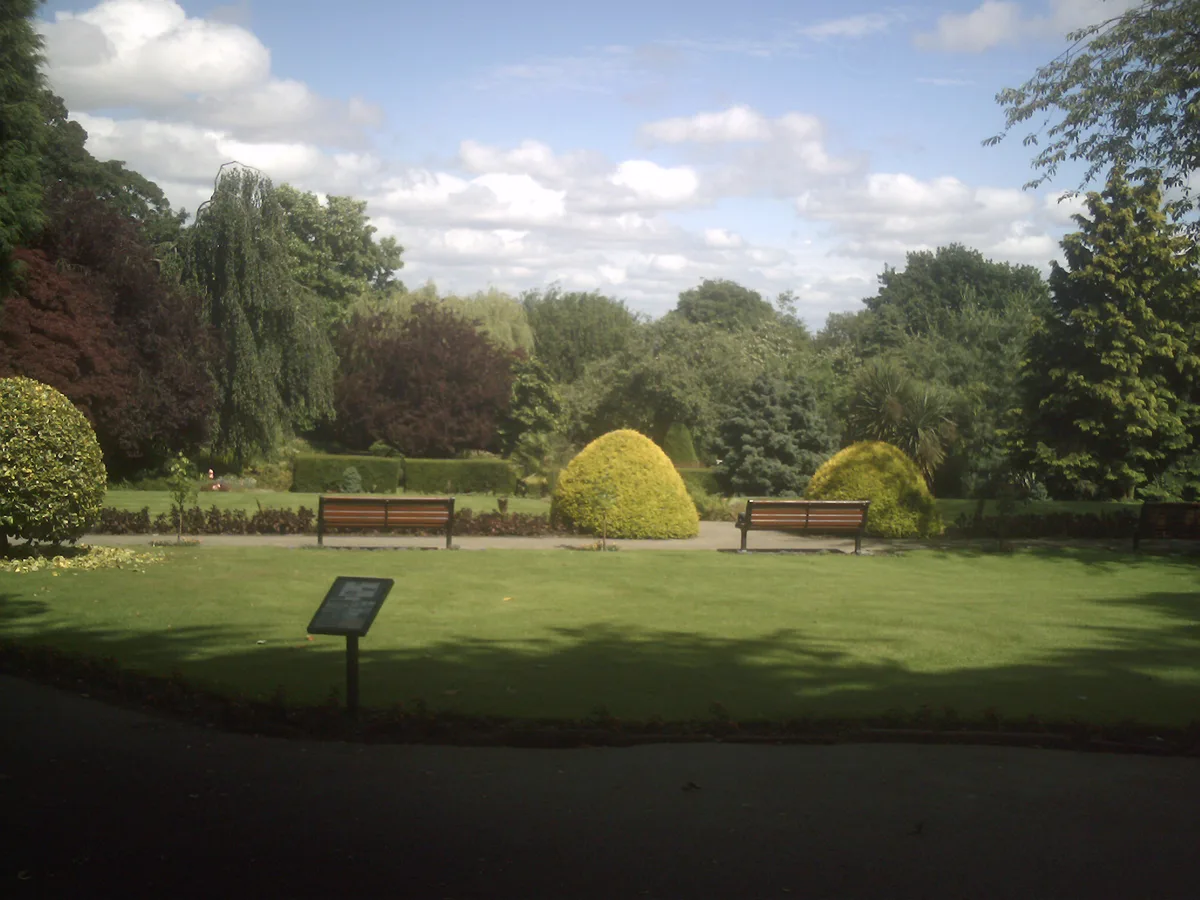
Woolton Wood and Camp Hill
Parks · 0.4 km

Woolton Woods and Camp Hill
Other places · 0.4 km

Woolton Picture House
Theatres · 0.4 km
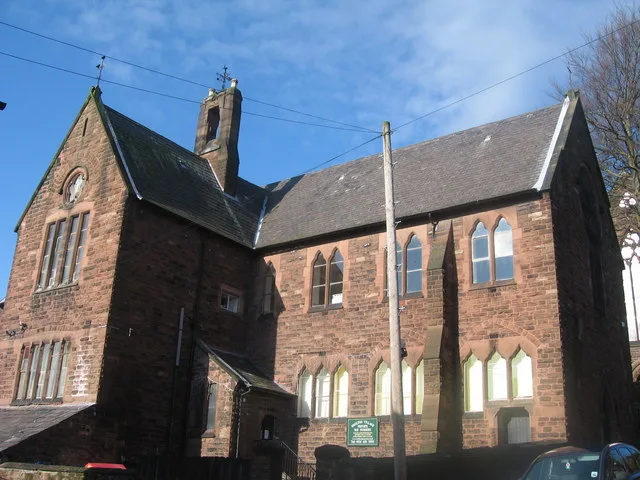
St Mary's Church, Woolton
Historic churches · 0.5 km
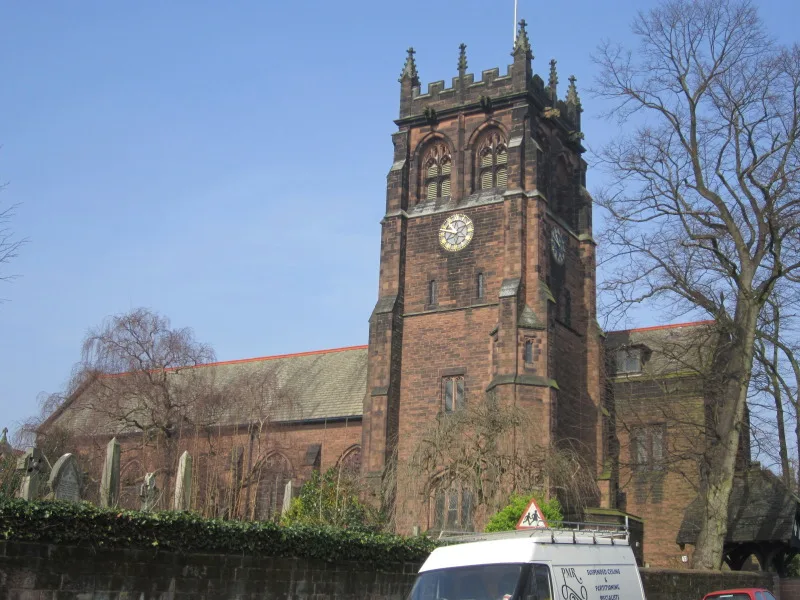
St. Peter's Church
Historic churches · 0.6 km

Reynolds Park
Parks · 0.9 km

Allerton Tower Park
Parks · 0.9 km

Woolton Hill
Mountains & hills · 1.1 km
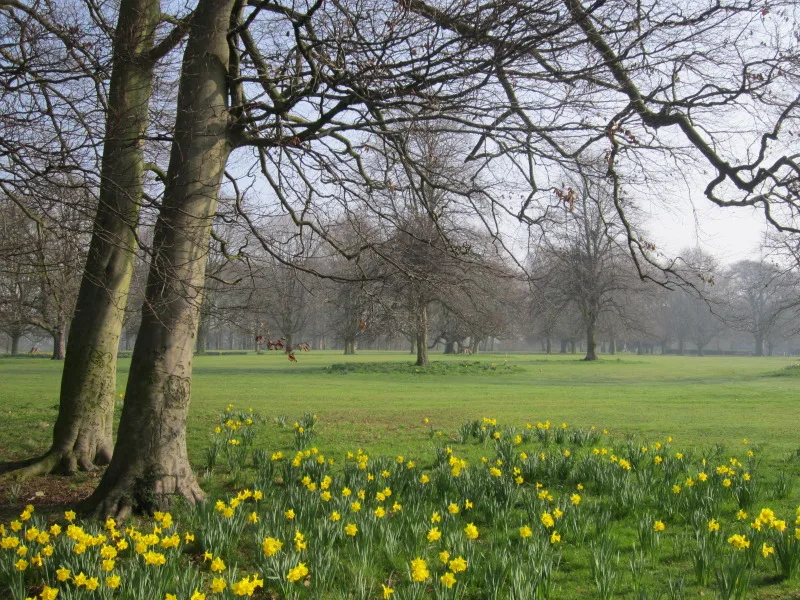
Clarkes Gardens
Parks · 1.1 km
Woolton Hill
Mountains & hills · 1.1 km

Mendips, Menlove Avenue
Museums · 1.2 km
John Lennon's Childhood Home
Natural landmarks · 1.2 km
Nearby
📷 4Parks · North West England
Woolton Wood and Camp Hill
Woolton Wood and Camp Hill — public park in Liverpool.
📷 5Other places · North West England
Woolton Woods and Camp Hill
Woolton Woods and Camp Hill — a other in wales-north, United Kingdom.
📷 4Theatres · North West England
Woolton Picture House
Woolton Picture House in Wales North, United Kingdom.
📷 3Historic churches · North West England
St Mary's Church, Woolton
St Mary's Church, Woolton — church in Liverpool, Merseyside, England, UK.
📷 5Historic churches · North West England
St. Peter's Church
St. Peter's Church — church in Woolton, Liverpool, Merseyside, England, UK.
📷 3Where to eat & stay near Woolton Hall
Places to stay
 📷 5
📷 5Hotels · North West England
Hampton by Hilton Liverpool/John Lennon Airport
Hampton by Hilton Liverpool/John Lennon Airport — a hotel in wales north. 3-star. Brand: Hampton.
 📷 5
📷 5 📷 5
📷 5Campsites · North West England
Sunny Side Naturist Camp
Sunny Side Naturist Camp — a campsite in wales north.
 📷 5
📷 5 📷 5
📷 5Hotels · North West England
Hope Street Hotel
Hope Street Hotel — a hotel in wales north.
 📷 5
📷 5Hostels · North West England
International Inn
International Inn — a hostel in wales north.
Places to eat & drink
 📷 5
📷 5Historic pubs · North West England
Allerton Hall
Allerton Hall in Wales North, United Kingdom.
 📷 5
📷 5Historic pubs · North West England
Boundary Public House
Boundary Public House in Wales North, United Kingdom.
 📷 7
📷 7Historic pubs · North West England
Royal Park Hotel, Toxteth
Royal Park Hotel, Toxteth in Wales North, United Kingdom.
 📷 5
📷 5Historic pubs · North West England
The Hare And Hounds Public House
The Hare And Hounds Public House in Wales North, United Kingdom.
 📷 5
📷 5Historic pubs · North West England
Eastham Ferry Hotel
Eastham Ferry Hotel in Wales North, United Kingdom.
 📷 5
📷 5Historic pubs · North West England
Philharmonic Dining Rooms
Philharmonic Dining Rooms in Wales North, United Kingdom.
More historic houses in this region
 📷 3
📷 3Historic houses · North West England
116 Hospital Street, Nantwich
116 Hospital Street, Nantwich — substantial townhouse in Nantwich, Cheshire, England, UK.
 📷 3
📷 3Historic houses · North West England
140–142 Hospital Street, Nantwich
140–142 Hospital Street, Nantwich — grade II listed building in Nantwich, Cheshire East, Cheshire, England, UK.
 📷 3
📷 3Historic houses · North West England
46 High Street, Nantwich
46 High Street, Nantwich — house in Nantwich, Cheshire, England, UK.
 📷 3
📷 3Historic houses · North West England
64, St Ann's Road
64, St Ann's Road — Grade II* listed house in Middlewich, Cheshire East, England, UK.
Frequently asked questions
- Where is Woolton Hall?
- Woolton Hall is in North-West England, United Kingdom (postcode L25 7TN), in the parish of Liverpool, unparished area.
- What is Woolton Hall?
- Woolton Hall — Grade I listed building in Liverpool, United Kingdom.
- How do I get to Woolton Hall?
- The nearest railway station is Hunts Cross, about 1.4 km away. The nearest town is Roby. Drivers can use postcode L25 7TN.
- When was Woolton Hall built?
- Built or established in 1704.
- Is Woolton Hall a listed building?
- Woolton Hall is officially recognised as Grade I listed building listed.
- Is Woolton Hall a protected site?
- Yes — Woolton Hall is part of the Mersey Estuary SSSI Site of Special Scientific Interest.
- How do I get to Woolton Hall?
- The nearest railway station is Hunts Cross, about 1.4 km away. Drivers can navigate to postcode L25 7TN.