
Public art & sculpture · Yorkshire & the Humber
Willow Deer
In or near Lothersdale.
Willow Deer — a public art in england-north-west, United Kingdom.

don cload — CC BY-SA 2.0 via Wikimedia Commons licence

Plan your visit
- Typical visit
- 1 h–2 h
- Nearest railway station
- Embsay · 1.2 km
- Free entry
- Dog-friendly
Getting there & planning your visit
To visit Willow Deer, the nearest railway station is Embsay, located 1.2 km away. The postcode for navigation is BD23 6XA, and entry is free.
About
Willow Deer is a public art located in england-north-west, United Kingdom. Sourced from OpenStreetMap (ODbL licence); see local listings for visitor information, opening hours and admission details.
Photo gallery
Official information
The Mackintosh Tearooms, designed by Charles Rennie Mackintosh, is a historic venue in Glasgow that offers a unique interior and a variety of spaces. Visitors can enjoy hot drinks, cakes, and an interactive exhibition that showcases the building's history and significance. The tearooms also host family-friendly activities and workshops throughout the year.
Protected designations
- Site of Special Scientific Interest: West Nidderdale, Barden and Blubberhouses Moors SSSI
Designations sourced from Natural England open data under OGL v3.
From the Wikipedia article
The Willow Tearooms are tearooms at 217 Sauchiehall Street, Glasgow, Scotland, designed by internationally renowned architect Charles Rennie Mackintosh, which opened for business in October 1903. They quickly gained enormous popularity, and are the most famous of the many Glasgow tearooms that opened in the late 19th and early 20th century. The building was fully restored, largely to Mackintosh's original designs, between 2014 and 2018. It re-opened as working tearooms in July 2018 and traded under the name "Mackintosh at The Willow" until February 2026 when it was renamed again to "The Mackintosh Tearooms". The name was changed following a 2017 trademark dispute with the former operator of 'The Willow Tearooms'. That name brand is now used at tearoom premises in Buchanan Street, Glasgow and, since 2024 at a venue in Princes St, Edinburgh. The name was additionally used at the Watt Brothers Department Store in Sauchiehall Street, Glasgow between 2016 and its closure in 2019. The Tearooms at 217 Sauchiehall Street first opened in 1903 and are the only surviving tearooms designed by Mackintosh for local entrepreneur and patron Miss Catherine Cranston. Over the years and through various changes of ownership and use, the building had deteriorated until it was purchased in 2014 by The Willow Tea Rooms Trust in order to prevent the forced sale of the building, closure of the Tearooms and loss of its contents to collectors. The Tearooms are now owned by the National Trust for Scotland.
Excerpt from Wikipedia under CC BY-SA 4.0. See the source article linked in Sources below.
Background
History
Early in his career, in 1896, Mackintosh met Catherine Cranston (widely known as Kate Cranston or simply Miss Cranston), an entrepreneurial local businesswoman who was the daughter of a Glasgow tea merchant and a strong believer in temperance. The temperance movement was becoming increasingly popular in Glasgow at the turn of the century and Miss Cranston had conceived the idea of a series of "art tearooms", venues where people could meet to relax and enjoy non-alcoholic refreshments in a variety of different "rooms" within the same building. This proved to be the start of a long working relationship between Miss Cranston and Mackintosh. Between 1896 and 1917, he designed and re-styled…
Description
Mackintosh was engaged to design the wall murals of Miss Cranston's new Buchanan Street tearooms in 1896. The tearooms had been designed and built by George Washington Browne of Edinburgh, with interiors and furnishings being designed by George Walton. Mackintosh designed stencilled friezes depicting opposing pairs of elongated female figures surrounded by roses for the ladies' tearoom, the luncheon room and the smokers' gallery. In 1898, his next commission for the existing Argyle Street tearooms saw the design roles reversed, with Mackintosh designing the furniture and interiors, and Walton designing the wall murals. This was to see the first appearance of Mackintosh's trademark…
Sourced from Wikipedia under CC BY-SA 4.0.
- Coordinates
- 53.9712, -2.0085
- District
- North Yorkshire
- Parish
- Skipton
- Postcode
- BD23 6XA
- Parliamentary constituency
- Skipton and Ripon
- Established
- 1903
- Nearest railway station
- Embsay — 1.2 km
- Official site
- www.mackintoshatthewillow.com
Sources
- osm: node/11362228169 (ODbL)
- wikipedia: Willow Tearooms (CC BY-SA 4.0)
Other places nearby
Willow Horse
Public art & sculpture · 0.0 km

Skipton Wood
Archaeological sites · 0.5 km

Jodie's Kingfisher Bench
Public art & sculpture · 0.6 km
Willow Archer
Public art & sculpture · 0.7 km
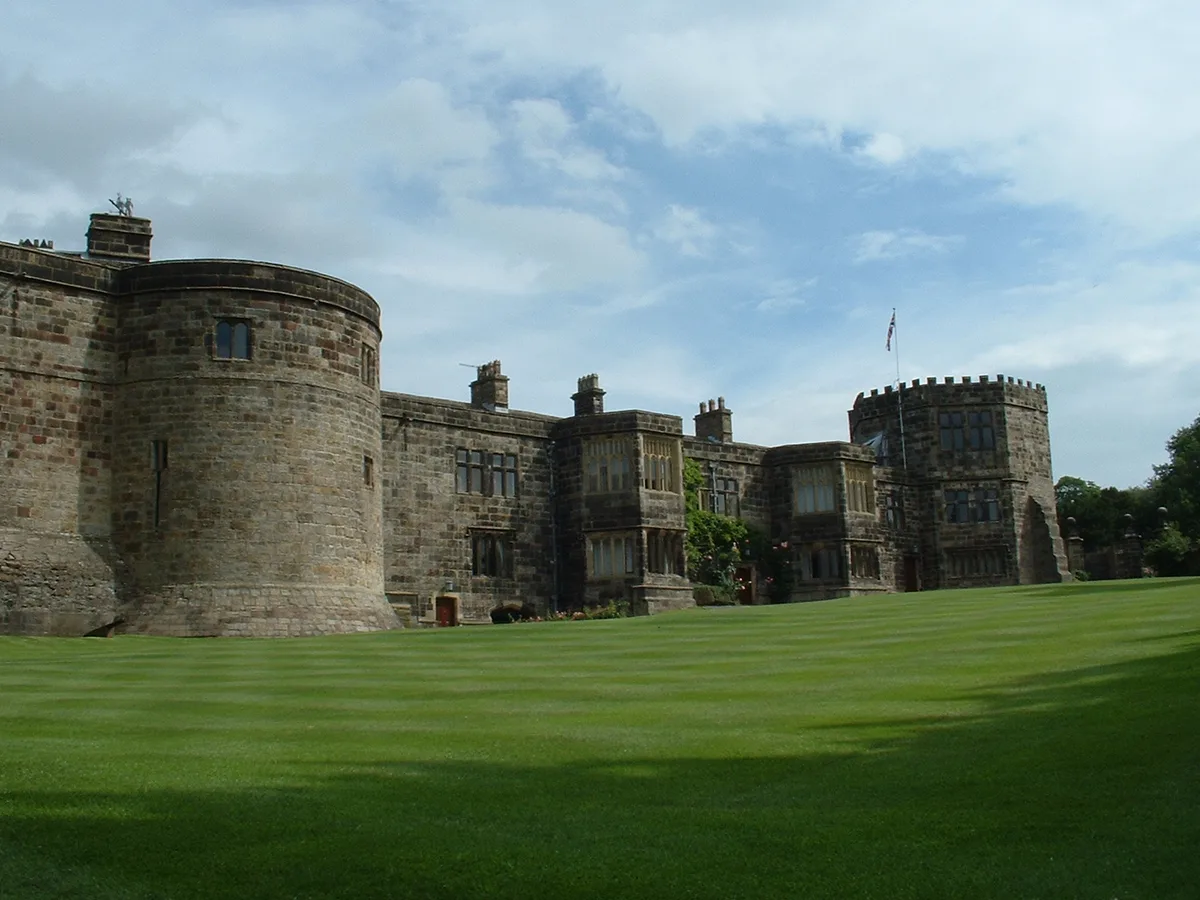
Skipton Castle
Castles · 0.9 km

Tarn Moor Bridge
Historic bridges · 0.9 km

Former Chapel At Skipton Castle
Chapels · 1.0 km
.jpg?width=1200)
The Chapel
Chapels · 1.0 km

High Corn Mill
Watermills · 1.0 km
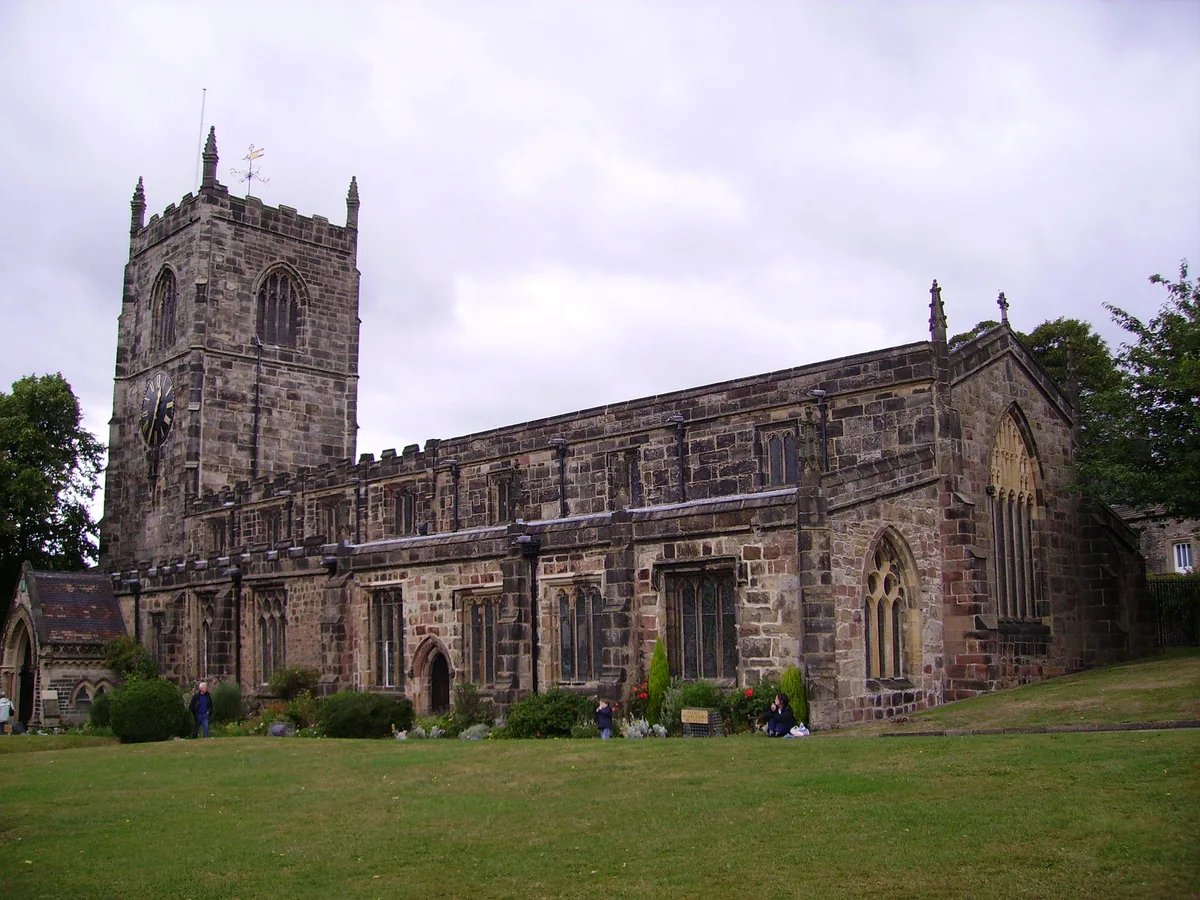
Holy Trinity Church
Historic churches · 1.0 km

Bridge Over Springs Canal
Historic bridges · 1.0 km

Eller Beck Bridge
Historic bridges · 1.0 km
Nearby
📷 3Public art & sculpture · Yorkshire & the Humber
Willow Horse
Willow Horse — a public art in england-north-west, United Kingdom.
📷 5Archaeological sites · Yorkshire & the Humber
Skipton Wood
Skipton Wood — Woodland in North Yorkshire, England.
📷 3Public art & sculpture · Yorkshire & the Humber
Jodie's Kingfisher Bench
Jodie's Kingfisher Bench — a public art in england-north-west, United Kingdom.
📷 3Public art & sculpture · Yorkshire & the Humber
Willow Archer
Willow Archer — a public art in england-north-west, United Kingdom.
📷 5Castles · Yorkshire & the Humber
Skipton Castle
Skipton Castle — Grade I listed historic house museum in Skipton, North Yorkshire, England, UK.
📷 3Historic bridges · Yorkshire & the Humber
Tarn Moor Bridge
Tarn Moor Bridge — Grade II listed building-listed bridge in england-north-west, United Kingdom.
Where to eat & stay near Willow Deer
Places to stay
 📷 5
📷 5Caravan parks · Yorkshire & the Humber
Tarn House Leisure Park and Country Inn
Tarn House Leisure Park and Country Inn — a caravan park in england north west.
 📷 5
📷 5Campsites · Yorkshire & the Humber
Draugton Heights
Draugton Heights — a campsite in england yorkshire.
 📷 5
📷 5Caravan parks · Yorkshire & the Humber
Cononley caravan park
Cononley caravan park — a caravan park in england north west.
 📷 5
📷 5Caravan parks · Yorkshire & the Humber
Lower Heights Farm
Lower Heights Farm — a caravan park in england yorkshire.
 📷 5
📷 5Caravan parks · Yorkshire & the Humber
Eshton Road Caravan Park
Eshton Road Caravan Park — a caravan park in england north west.
 📷 5
📷 5Campsites · Yorkshire & the Humber
Eshton Road Caravan Site
Eshton Road Caravan Site — a campsite in england north west.
Places to eat & drink
 📷 5
📷 5Historic pubs · Yorkshire & the Humber
The Rustic Shop And Former Stable Buildings To Rear Of The Red Lion Public House
The Rustic Shop And Former Stable Buildings To Rear Of The Red Lion Public House in England North West, United Kingdom.
 📷 6
📷 6Historic pubs · Yorkshire & the Humber
Royal Shepherd Public House
Royal Shepherd Public House in England North West, United Kingdom.
 📷 5
📷 5Historic pubs · Yorkshire & the Humber
The Devonshire
The Devonshire in England North West, United Kingdom.
 📷 5
📷 5Historic pubs · Yorkshire & the Humber
Elm Tree Inn
Elm Tree Inn in England Yorkshire, United Kingdom.
 📷 7
📷 7Cafés · Yorkshire & the Humber
The Dalesman Cafe, Tea Room and Sweet Emporium
The Dalesman Cafe, Tea Room and Sweet Emporium — a café in england north west.
 📷 5
📷 5Restaurants · Yorkshire & the Humber
The Angel Inn
The Angel Inn — a restaurant in england north west.
More places in this region
 📷 3
📷 3Public art & sculpture · Yorkshire & the Humber
Hazel Grove War Memorial
Hazel Grove War Memorial — a public art in england-west-midlands, United Kingdom.
 📷 3
📷 3Public art & sculpture · Yorkshire & the Humber
3 stones
3 stones — a public art in england-west-midlands, United Kingdom.
 📷 3
📷 3Public art & sculpture · Yorkshire & the Humber
Statue of L.S. Lowry
Statue of L.S. Lowry — a public art in england-west-midlands, United Kingdom.
 📷 3
📷 3Public art & sculpture · Yorkshire & the Humber
The Bee with no name
The Bee with no name — a public art in england-west-midlands, United Kingdom.
Frequently asked questions
- Where is Willow Deer?
- Willow Deer is in Yorkshire, United Kingdom (postcode BD23 6XA), in the parish of Skipton.
- What is Willow Deer?
- Willow Deer — a public art in england-north-west, United Kingdom.
- How do I get to Willow Deer?
- The nearest railway station is Embsay, about 1.2 km away. The nearest town is Lothersdale. Drivers can use postcode BD23 6XA.
- When was Willow Deer built?
- Built or established in 1903.
- Who owns Willow Deer?
- Willow Deer is owned by National Trust for Scotland.
- Is Willow Deer a protected site?
- Yes — Willow Deer is part of the West Nidderdale, Barden and Blubberhouses Moors SSSI Site of Special Scientific Interest.
- Is Willow Deer free to visit?
- Yes, Willow Deer is free to enter.
- How do I get to Willow Deer?
- The nearest railway station is Embsay, about 1.2 km away. Drivers can navigate to postcode BD23 6XA.