
Abbeys & priories · North West England
Vale Royal Abbey
In or near Moulton.
Vale Royal Abbey — former Cistercian Abbey and country house in Cheshire, England, UK.

Wikimedia Commons contributors — see linked file page for photographer and licence licence

Plan your visit
- Typical visit
- 45 min–1.5 h
- Nearest railway station
- Hartford · 2.0 km
- Family-friendly
- Limited wheelchair access
Getting there & planning your visit
To visit Vale Royal Abbey, the nearest railway station is Hartford, located 2 km away. The postcode for sat-nav is CW8 2BA. Accessibility is limited for wheelchair users.
About
Vale Royal Abbey is an abbey, priory, or monastic site in the United Kingdom. Records date its origin to 1281. Heritage designation: scheduled monument. Wikidata describes it as: "former Cistercian Abbey and country house in Cheshire, England, UK". Coordinates: 53.2247°, -2.5426°.
Photo gallery
Heritage listing
Vale Royal Abbey is a former medieval abbey and later country house in Whitegate, England. The precise location and boundaries of the abbey are difficult to determine in today's landscape. The original building was founded c. 1270 by the Lord Edward, later Edward I, for Cistercian monks. Edward had supposedly taken a vow during a rough sea crossing in the 1260s. Civil wars and political upheaval delayed the build until 1272, the year he inherited the throne. The original site at Darnhall was unsatisfactory, so was moved a few miles north to the Delamere Forest. Edward intended the structure to be on a grand scale—had it been completed it would have been the largest Cistercian monastery in the country—but his ambitions were frustrated by recurring financial difficulties.
From the Historic England List Entry under OGL v3.
Summary from the official site
Vale Royal Abbey is a historic venue in Cheshire, originally founded in the 13th century and beautifully restored. It offers a unique setting for weddings and various celebrations, blending architectural beauty with a tranquil atmosphere.
Read more on the official property page.
From the Wikipedia article
Vale Royal Abbey is a former medieval abbey and later country house in Whitegate, England. The precise location and boundaries of the abbey are difficult to determine in today's landscape. The original building was founded c. 1270 by the Lord Edward, later Edward I, for Cistercian monks. Edward had supposedly taken a vow during a rough sea crossing in the 1260s. Civil wars and political upheaval delayed the build until 1272, the year he inherited the throne. The original site at Darnhall was unsatisfactory, so was moved a few miles north to the Delamere Forest. Edward intended the structure to be on a grand scale—had it been completed it would have been the largest Cistercian monastery in the country—but his ambitions were frustrated by recurring financial difficulties. Early during construction, England became involved in war with Wales. As the treasury was thus in need of resources, Vale Royal lost all of its grants, skilled masons and builders. When work resumed in the late 13th century, the building was considerably smaller than originally planned. The project encountered other problems. The abbey was mismanaged and poor relations with the local population sparked outbreaks of violence on a number of occasions. In one such episode in 1336, the abbot was killed by a mob. Internal discipline was also frequently bad; in the 14th century the monks were often accused of serious crimes including rape, and the abbots were seen as protecting them. The abbey was devastated at least twice: in the early 1300s a fire destroyed the entire monastic grange, and in 1359—soon after building work had recommenced under the patronage of Edward the Black Prince—a great storm caused the collapse of the massive nave. Vale Royal was closed in 1538 by Henry VIII during his dissolution of the monasteries campaign, although not without controversy. In the course of the proceedings, the abbot was accused of treason and murder, and he in turn accused the King's men of fraudulently forging…
Excerpt from Wikipedia under CC BY-SA 4.0. See the source article linked in Sources below.
Background
History
Vale Royal Abbey was originally founded in Darnhall by the Lord Edward, the future Edward I, before his accession to the throne. He was supposedly caught in rough weather crossing the English Channel in the early 1260s, during which, the abbey's own chronicler later wrote, the King's son and his entourage feared for their lives. Edward pleaded with the Virgin Mary to intercede, and vowed to found an abbey in her name if they were saved. According to the chronicle, the sea calmed almost immediately and the ships returned safely to England. When the last man had stepped ashore, the chronicler continues, the storm resumed more violently than ever and Edward's ship was destroyed in the harbour.…
Architecture
During an excavation in 1958, the site of the abbey—at the time, heavily wooded and similar to its medieval appearance—was described as: Edward had grand ambitions for Vale Royal, as an important abbey, surpassing all the other houses of its order in Britain in scale and beauty. It was further intended to be symbolic of the wealth and power of the English monarchy and his own piety and greatness. He intended the abbey to be more grandiose than his grandfather King John's abbey at Beaulieu, and as a project, it was comparable to his father's Westminster Abbey. Henry, for example, had planned to be buried at Westminster, and Edward may have had similar plans for himself at Vale Royal. Vale…
Sourced from Wikipedia under CC BY-SA 4.0.
- Coordinates
- 53.2247, -2.5426
- District
- Cheshire West and Chester
- Parish
- Whitegate and Marton
- Postcode
- CW8 2BA
- Parliamentary constituency
- Mid Cheshire
- Phone
- +44 1606 301291
- Established
- 1281
- Nearest railway station
- Hartford — 2 km
- Official site
- www.vra.co.uk
Sources
- wikidata: Q1623747 (CC0)
- wikipedia: Vale Royal Abbey (CC BY-SA 4.0)
- commons: Vale-Royal-Abbey-Douglas.jpg (CC BY-SA 4.0)
Other places nearby

Vale Royal Abbey
Cathedrals · 0.0 km
Nun's grave
Memorials & monuments · 0.1 km

Small Lock, lock gates and swing bridge, Vale Royal Locks
Historic bridges · 0.5 km
Lock, lock gates and swing-bridge, forming Large Lock, Vale Royal
Historic bridges · 0.5 km

Vale Royal Railway Viaduct
Historic bridges · 0.8 km

Whitegate
Villages · 1.0 km

Whitegate, Cheshire
Parks · 1.1 km
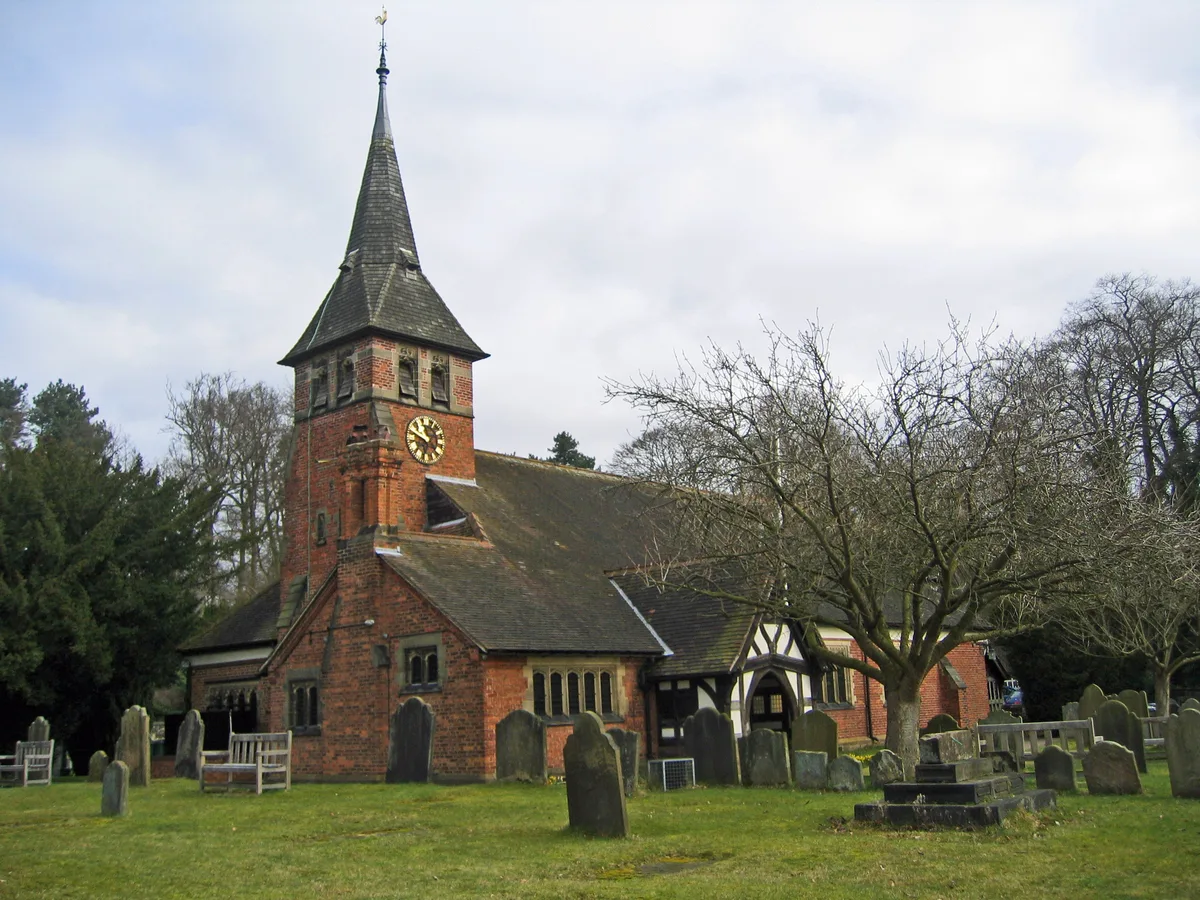
St Mary's Church, Whitegate
Historic churches · 1.1 km

Hartford Picnic Area
Natural landmarks · 1.5 km

Vale Royal River Park
Caravan parks · 1.6 km

Hartford Bridge
Historic bridges · 1.7 km
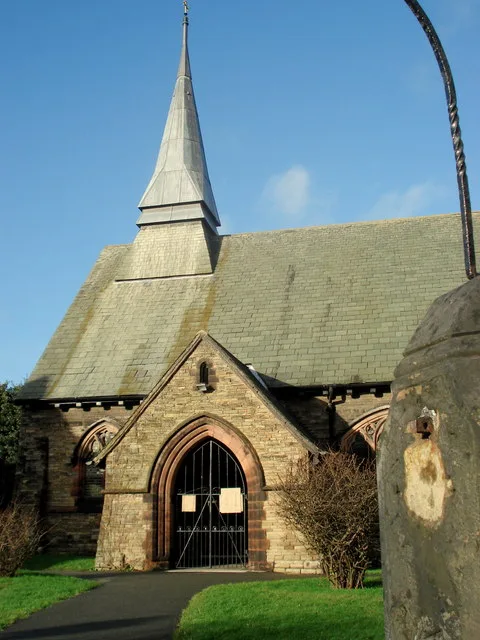
St Stephen's Church, Moulton
Historic churches · 1.7 km
Nearby
📷 5Cathedrals · North West England
Vale Royal Abbey
Vale Royal Abbey is a cathedral in the United Kingdom.
📷 3Memorials & monuments · North West England
Nun's grave
Nun's grave — a memorial in england-west-midlands, United Kingdom.
📷 3Historic bridges · North West England
Small Lock, lock gates and swing bridge, Vale Royal Locks
Small Lock, lock gates and swing bridge, Vale Royal Locks — Grade II listed building-listed bridge in england-west-midlands, United Kingdom.
📷 3Historic bridges · North West England
Lock, lock gates and swing-bridge, forming Large Lock, Vale Royal
Lock, lock gates and swing-bridge, forming Large Lock, Vale Royal — Grade II listed building-listed bridge in england-west-midlands, United Kingdom.
📷 3Historic bridges · North West England
Vale Royal Railway Viaduct
Vale Royal Railway Viaduct is a historic bridge in the United Kingdom.
📷 5Where to eat & stay near Vale Royal Abbey
Places to stay
📷 5Caravan parks · North West England
Vale Royal River Park
Vale Royal River Park — a caravan park in england west midlands.
 📷 5
📷 5Caravan parks · North West England
Lamb Cottage Caravan Park
Lamb Cottage Caravan Park — a caravan park in england west midlands.
 📷 5
📷 5 📷 5
📷 5 📷 5
📷 5Caravan parks · North West England
Daleford Manor Caravan Park
Daleford Manor Caravan Park — a caravan park in england west midlands.
 📷 5
📷 5Caravan parks · North West England
Blakemere Touring Caravan Park
Blakemere Touring Caravan Park — a caravan park in wales north.
Places to eat & drink
 📷 5
📷 5Historic pubs · North West England
George and Dragon, Great Budworth
George and Dragon, Great Budworth in England North West, United Kingdom.
 📷 5
📷 5 📷 5
📷 5Historic pubs · North West England
Bear's Paw Hotel, Frodsham
Bear's Paw Hotel, Frodsham in Wales North, United Kingdom.
 📷 3
📷 3Historic pubs · North West England
Tricorn
Tricorn — Historic pub — listed building or notable heritage status.
 📷 5
📷 5Historic pubs · North West England
Old Hall Hotel, Sandbach
Old Hall Hotel, Sandbach in England North West, United Kingdom.
 📷 5
📷 5Historic pubs · North West England
The Commercial Hotel
The Commercial Hotel in England North West, United Kingdom.
Other abbeys from this era
 📷 5
📷 5 📷 5
📷 5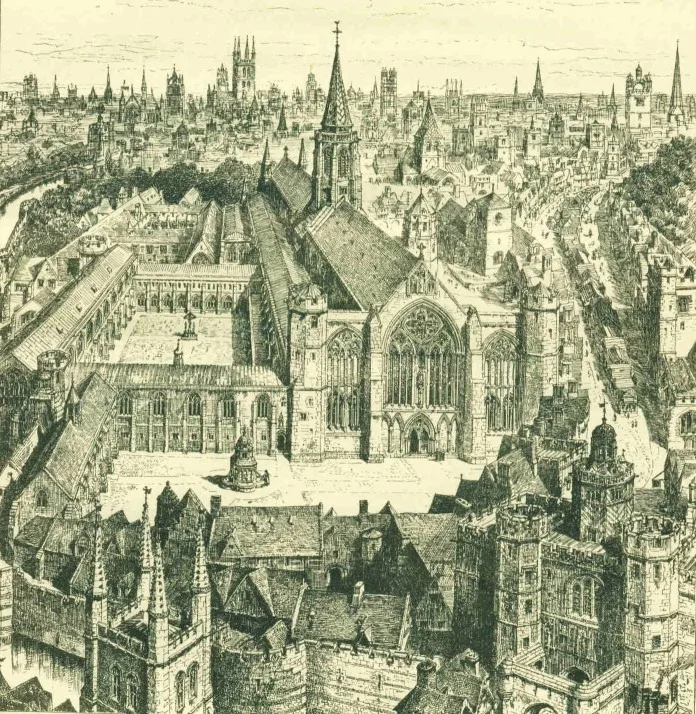 📷 5
📷 5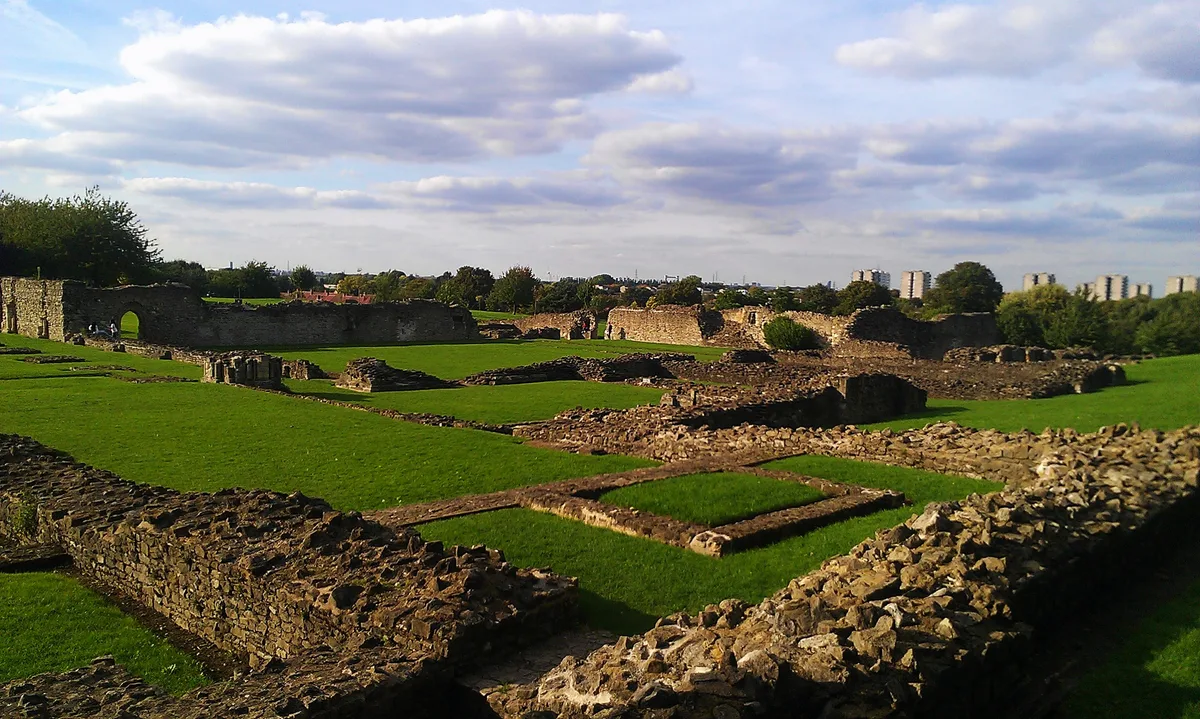 📷 5
📷 5Abbeys & priories · London
Lesnes Abbey
Lesnes Abbey — former abbey, now ruined, in Abbey Wood, London Borough of Bexley, England, UK.
More abbeys in this region
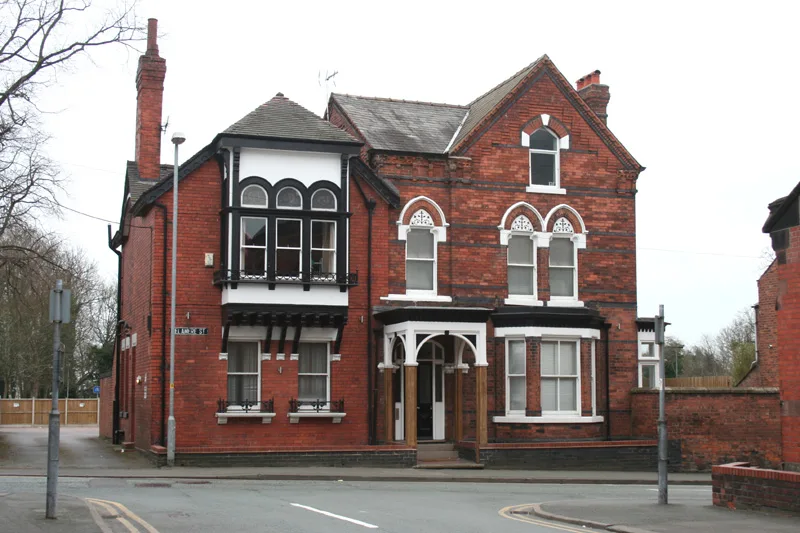 ★ Iconic📷 3
Abbeys & priories · North West England
47, Delamere Street
47, Delamere Street — Grade II listed house in Crewe, Cheshire East, Cheshire, CW1.
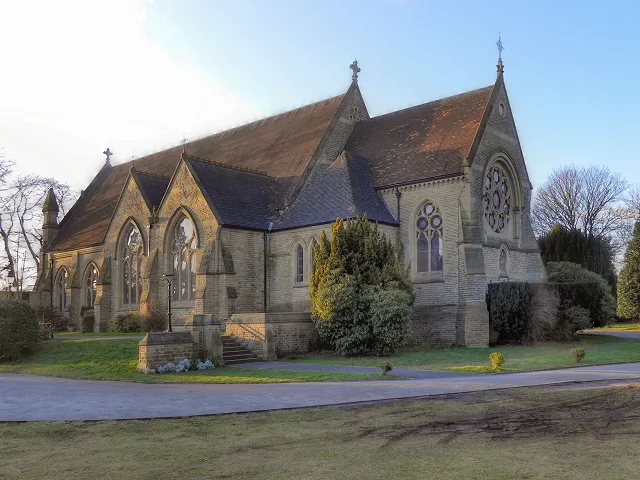 📷 3
📷 3Abbeys & priories · North West England
Church of St John the Divine, Brooklands
Church of St John the Divine, Brooklands — church in Trafford, Greater Manchester, England, UK.
 📷 5
📷 5Abbeys & priories · North West England
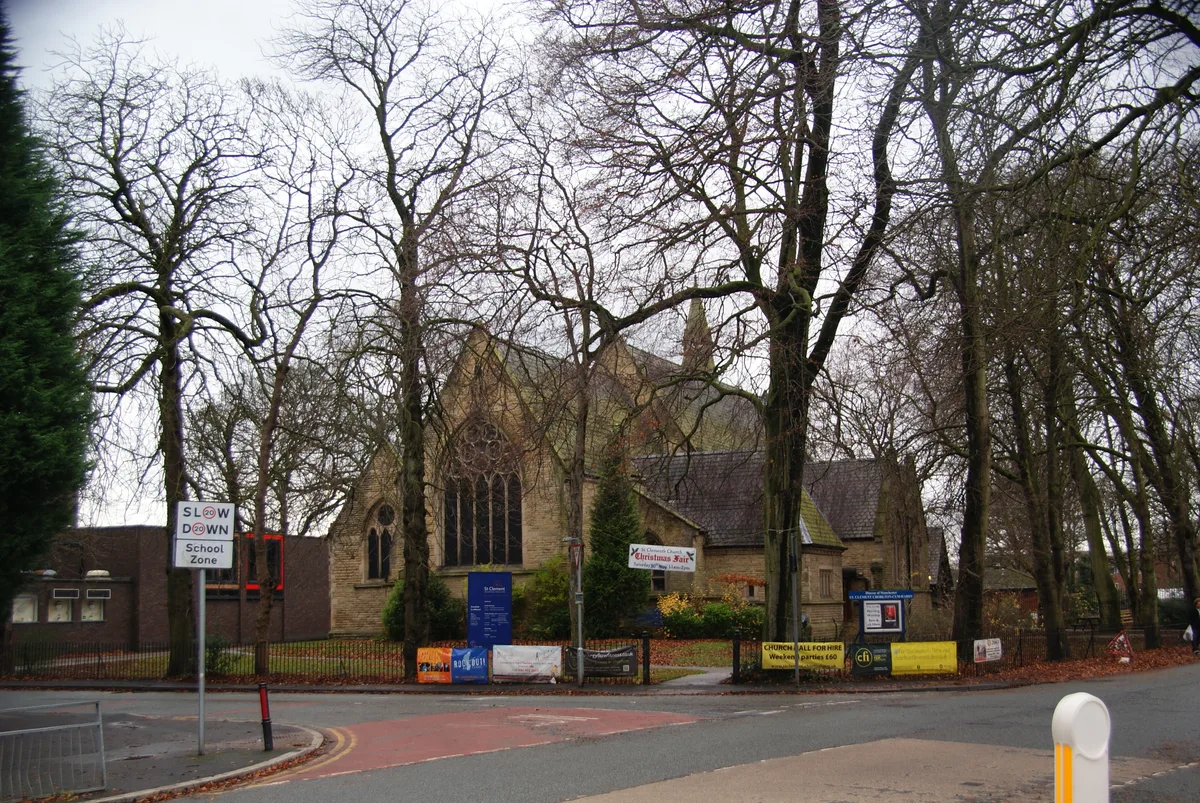
St Clement's Church
St Clement's Church — church in Chorlton-cum-Hardy, Manchester, England.
 📷 3
📷 3Abbeys & priories · North West England
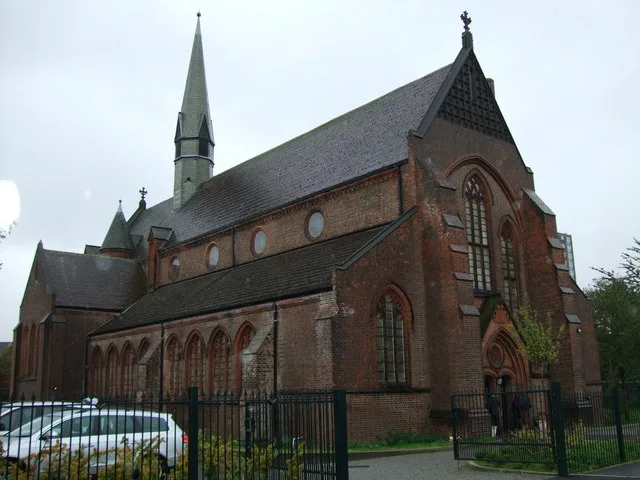
St Clement's Church, Ordsall
St Clement's Church, Ordsall — grade II listed church in Salford, Greater Manchester, England, UK.
Frequently asked questions
- Where is Vale Royal Abbey?
- Vale Royal Abbey is in North-West England, United Kingdom (postcode CW8 2BA), in the parish of Whitegate and Marton.
- What is Vale Royal Abbey?
- Vale Royal Abbey — former Cistercian Abbey and country house in Cheshire, England, UK.
- How do I get to Vale Royal Abbey?
- The nearest railway station is Hartford, about 2.0 km away. The nearest town is Moulton. Drivers can use postcode CW8 2BA.
- When was Vale Royal Abbey built?
- Built or established in 1281.
- Is Vale Royal Abbey a listed building?
- Vale Royal Abbey is officially recognised as scheduled monument listed.
- How do I get to Vale Royal Abbey?
- The nearest railway station is Hartford, about 2.0 km away. Drivers can navigate to postcode CW8 2BA.