
Historic churches · South East England
Trinity Congregational Church
In or near South Stoke.
Trinity Congregational Church — Grade II listed building-listed church in england-south-east, United Kingdom.

Basher Eyre — CC BY-SA 2.0 via Wikimedia Commons licence

Plan your visit
- Typical visit
- 30 min–1 h
- Nearest railway station
- Arundel · 0.9 km
- Free entry
- Family-friendly
Getting there & planning your visit
To visit Trinity Congregational Church, the nearest railway station is Arundel, located 0.9 km away. The postcode for navigation is BN18 9DG, and entry to the church is free.
About
Trinity Congregational Church is a Grade II listed building-listed church in england-south-east, United Kingdom, registered on the National Heritage List for England (NHLE entry 1277924). Listed status protects buildings and structures of special architectural or historic interest. See the linked Wikipedia article for further details.
Photo gallery
Heritage listing
Trinity Congregational Church, later known as Union Chapel, is a former place of worship for Congregationalists and Independent Christians in Arundel, an ancient town in the Arun district of West Sussex, England. Protestant Nonconformism has always been strong in the town, and the chapel's founding congregation emerged in the 1780s. After worshipping elsewhere in the town, they founded the present building in the 1830s and remained for many years. Former pastors included the poet George MacDonald. Robert Abraham's distinctive neo-Norman/Romanesque Revival building was converted into a market in the 1980s and has been renamed Nineveh House.
From the Historic England List Entry under OGL v3.
Official information
Duff Gallery is a small independent art gallery that showcases ceramics and other artworks. It primarily opens during the Arundel Gallery Trail and offers private viewings by appointment.
From the Wikipedia article
Trinity Congregational Church, later known as Union Chapel, is a former place of worship for Congregationalists and Independent Christians in Arundel, an ancient town in the Arun district of West Sussex, England. Protestant Nonconformism has always been strong in the town, and the chapel's founding congregation emerged in the 1780s. After worshipping elsewhere in the town, they founded the present building in the 1830s and remained for many years. Former pastors included the poet George MacDonald. Robert Abraham's distinctive neo-Norman/Romanesque Revival building was converted into a market in the 1980s and has been renamed Nineveh House. The church is a Grade II Listed building.
Excerpt from Wikipedia under CC BY-SA 4.0. See the source article linked in Sources below.
Background
History
Protestant Nonconformism—Christian worship which stood apart from both the Established Anglican Church and Roman Catholicism—was successful and influential in Sussex from the 17th century. Although East Sussex had greater numbers of Nonconformists and more chapels, some parts of West Sussex were hotbeds of Protestant dissent. Among these was the ancient hilltop town of Arundel, on the River Arun inland from the English Channel coast. Several groups founded congregations there in the 17th century, including Presbyterians, Quakers and Baptists. A period of decline for Nonconformist worship was reversed in the late 18th century, and a group of Independent Christians (who advocated…
Architecture
Robert Abraham's design represents a "brief appearance" of the Romanesque Revival style in the architectural history of Nonconformist chapels in Sussex. and notes its similarity to the "gloomy" town hall and council offices of 1836 by Abrahams. The façade is of knapped flint with galletting and stone quoins, dressings, buttresses and string-courses. The side walls have red and grey brickwork and knapped flint. The stone used for the window and door surrounds, string-courses and buttresses was quarried at nearby Pulborough. Inside, the original gallery on the north wall (surrounding the entrance) survives, but those on the west and east sides have been removed. There was originally a garden…
Sourced from Wikipedia under CC BY-SA 4.0.
- Coordinates
- 50.8539, -0.5555
- County
- West Sussex
- District
- Arun
- Parish
- Arundel
- Postcode
- BN18 9DG
- Parliamentary constituency
- Arundel and South Downs
- Established
- 1780
- Nearest railway station
- Arundel — 0.9 km
- Opening
- Seasonal
Sources
- wikidata: Q7842716 (CC0)
- wikipedia: Trinity Congregational Church, Arundel (CC BY-SA 4.0)
Other places nearby

Duff Gallery
Galleries · 0.0 km

Arundel Museum
Museums · 0.1 km

61 High Street
Historic houses · 0.1 km

Stenton House
Historic houses · 0.1 km

Arundel War Memorial
Memorials & monuments · 0.1 km
Arundel
Museums · 0.1 km

28 High Street
Historic houses · 0.1 km

Ralph Ellis
Memorials & monuments · 0.2 km

George MacDonald
Memorials & monuments · 0.2 km

Arundel Priory Playhouse
Theatres · 0.2 km

Priory Playhouse
Open-air theatres · 0.2 km

Arundel Museum & Heritage Centre
Museums · 0.3 km
Nearby
📷 5Galleries · South East England
Duff Gallery
Duff Gallery — a gallery in england-south-east, United Kingdom.
📷 5Museums · South East England
Arundel Museum
Arundel Museum is a local museum in the town of Arundel, West Sussex, just inland from the south coast of England. Arundel Museum is run by the Arundel Museum Society, a registered charity. The museum
📷 5Historic houses · South East England
61 High Street
61 High Street — house in Arundel, West Sussex, England, UK.
📷 5Historic houses · South East England
Stenton House
Stenton House — house in Arundel, Arun, West Sussex, England, UK.
📷 5Memorials & monuments · South East England
Arundel War Memorial
Arundel War Memorial — Grade II listed building-listed memorial in england-south-east, United Kingdom.
📷 5Museums · South East England
Arundel
Arundel ( ARR-ən-dəl or locally AHN-dəl) is a market town and civil parish in the Arun District of the South Downs, West Sussex, England. The much-conserved town has a medieval castle and Roman Catho
Where to eat & stay near Trinity Congregational Church
Places to stay
 📷 5
📷 5Campsites · South East England
Maynards Caravan & Camping Park
Maynards Caravan & Camping Park — a campsite in england south east.
 📷 5
📷 5Hostels · South East England
Sussex Heritage Centre
Sussex Heritage Centre — a hostel in england south east.
 📷 5
📷 5Caravan parks · South East England
Brookside Caravan Park
Brookside Caravan Park — a caravan park in england south east.
 📷 5
📷 5Caravan parks · South East England
Littlehampton Caravan Club Site
Littlehampton Caravan Club Site — a caravan park in england south east.
 📷 5
📷 5Campsites · South East England
The Camping and Caravaning Club
The Camping and Caravaning Club — a campsite in england south east.
 📷 5
📷 5Campsites · South East England
North Stoke Farm Campsite
North Stoke Farm Campsite — a campsite in england south east.
Places to eat & drink
 📷 5
📷 5Historic pubs · South East England
The Newburgh Arms
The Newburgh Arms in England South East, United Kingdom.
 📷 5
📷 5Historic pubs · South East England
The Victory Public House
The Victory Public House in England South East, United Kingdom.
 📷 7
📷 7Historic pubs · South East England
St Marys Gate Public House
St Marys Gate Public House in England South East, United Kingdom.
 📷 5
📷 5Historic pubs · South East England
The Black Rabbit Public House
The Black Rabbit Public House in England South East, United Kingdom.
📷 5Historic pubs · South East England
The 6 Bells Public House
The 6 Bells Public House in England South East, United Kingdom.
 📷 5
📷 5Historic pubs · South East England
Locomotive Public House
Locomotive Public House in England South East, United Kingdom.
More places in this region
 📷 5
📷 5Historic churches · South East England
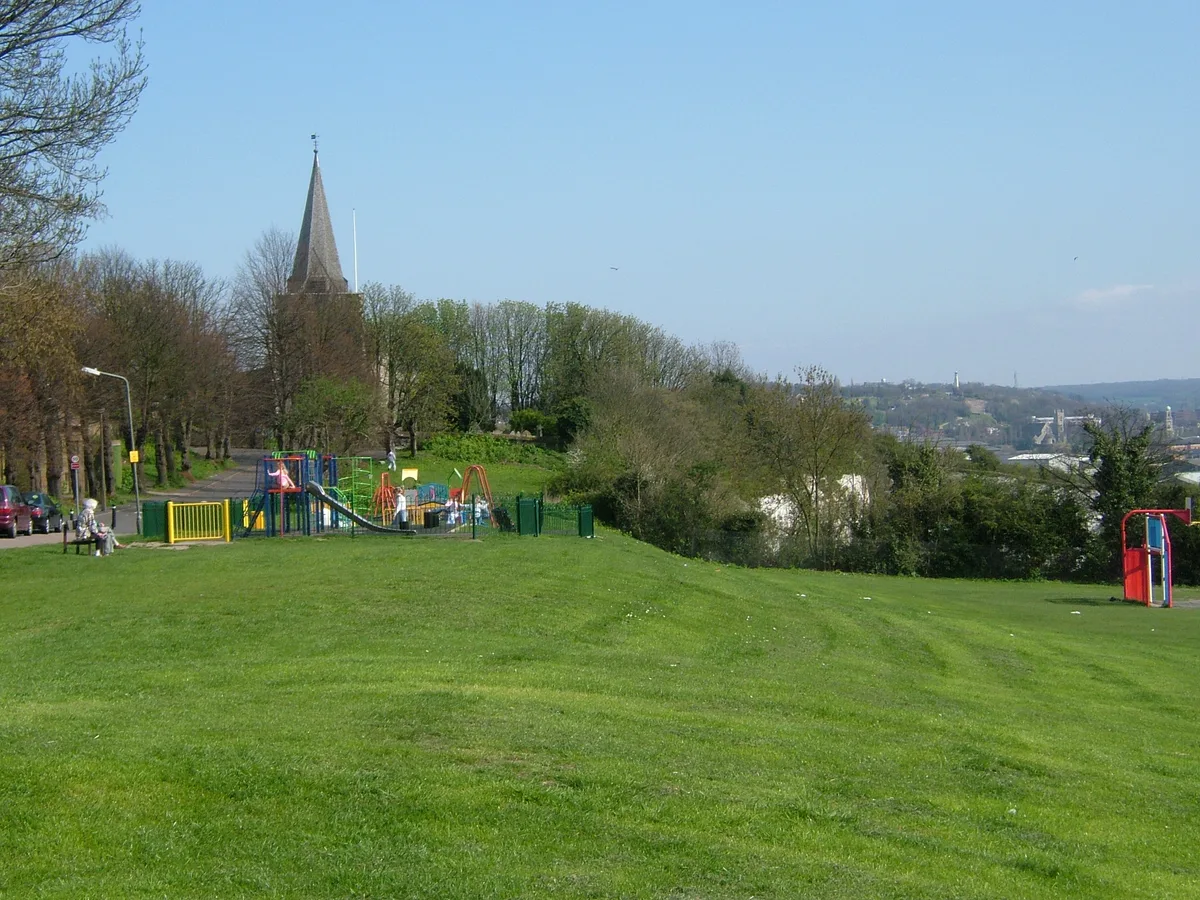
All Saints Church, Frindsbury
All Saints Church, Frindsbury — church in Medway, UK.
 📷 5
📷 5Historic churches · South East England
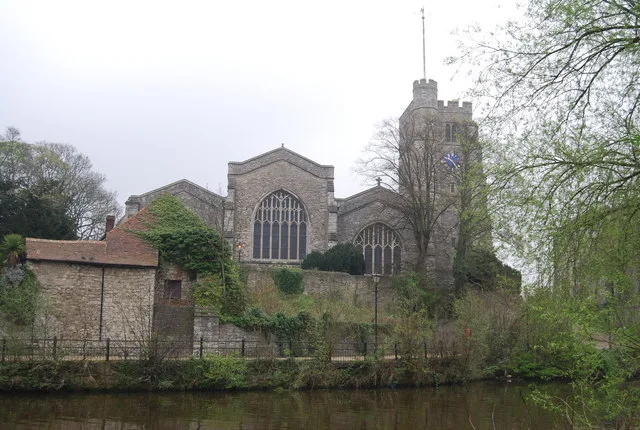
All Saints Church, Maidstone
All Saints Church, Maidstone — parish church associated with the Archbishop's Palace, Maidstone, Kent, England, UK.
 📷 5
📷 5Historic churches · South East England
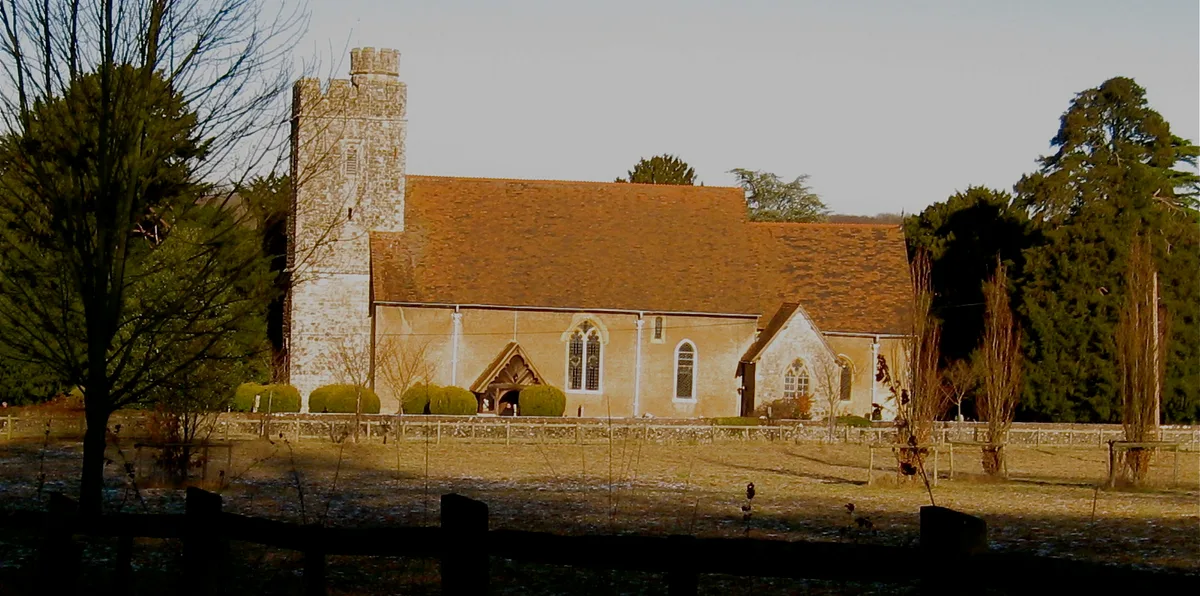
All Saints Church, West Farleigh
All Saints Church, West Farleigh — Grade I listed church in West Farleigh, Maidstone, Kent, England, UK.
 📷 5
📷 5Historic churches · South East England
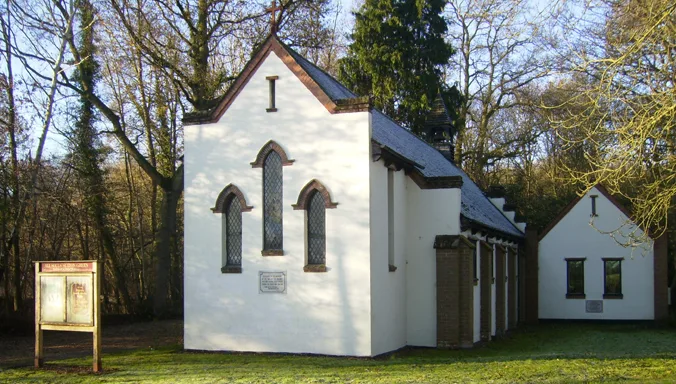
All Souls' Church, Sutton Green
All Souls' Church, Sutton Green — church in Guildford, England.
Frequently asked questions
- Where is Trinity Congregational Church?
- Trinity Congregational Church is in West Sussex, South-East England, United Kingdom (postcode BN18 9DG), in the parish of Arundel.
- What is Trinity Congregational Church?
- Trinity Congregational Church — Grade II listed building-listed church in england-south-east, United Kingdom.
- How do I get to Trinity Congregational Church?
- The nearest railway station is Arundel, about 0.9 km away. The nearest town is South Stoke. Drivers can use postcode BN18 9DG.
- When was Trinity Congregational Church built?
- Built or established in 1780. Designed by Robert Abraham.
- Is Trinity Congregational Church a listed building?
- Trinity Congregational Church is officially recognised as Grade II listed building listed.
- Is Trinity Congregational Church free to visit?
- Yes, Trinity Congregational Church is free to enter.
- How do I get to Trinity Congregational Church?
- The nearest railway station is Arundel, about 0.9 km away. Drivers can navigate to postcode BN18 9DG.