
Abbeys & priories · North West England
Tongland Abbey
In or near Twynholm.
Tongland Abbey — abbey in Dumfries and Galloway, Scotland, UK.

Wikimedia Commons contributors — see linked file page for photographer and licence licence

Plan your visit
- Typical visit
- 45 min–1.5 h
- Family-friendly
- Limited wheelchair access
Getting there & planning your visit
To visit Tongland Abbey, you can use the postcode DG6 4NA for sat-nav navigation. Entry is free, but please note that wheelchair accessibility is limited.
About
Tongland Abbey is an abbey, priory, or monastic site in the United Kingdom. Records date its origin to 1201. Heritage designation: category B listed building. Wikidata describes it as: "abbey in Dumfries and Galloway, Scotland, UK". Coordinates: 54.8631°, -4.0306°.
Photo gallery
Heritage listing
Tungland or Tongland Abbey was a Premonstratensian monastic community located in Tongland in the historical county of Kirkcudbrightshire in Dumfries and Galloway, Scotland. It was probably founded circa 1218 by Alan, Lord of Galloway, although the church of Tongland had previously been granted to Holyrood Abbey by his grandfather Uchtred in the early 1160s. Few of its early abbots are known and its history is more generally covered by a cloud of obscurity. One notable abbot (1504-1509) was the Italian alchemist John Damian, (in Italian Giovanni Damiano de Falcucci), who was, if a satirical account in two poems by William Dunbar is based in fact, may have made an attempt at human-powered flight from the walls of Stirling Castle.
From Historic Environment Scotland under OGL v3.
From the Wikipedia article
Tungland or Tongland Abbey was a Premonstratensian monastic community located in Tongland in the historical county of Kirkcudbrightshire in Dumfries and Galloway, Scotland. It was probably founded circa 1218 by Alan, Lord of Galloway, although the church of Tongland had previously been granted to Holyrood Abbey by his grandfather Uchtred in the early 1160s. Few of its early abbots are known and its history is more generally covered by a cloud of obscurity. One notable abbot (1504-1509) was the Italian alchemist John Damian, (in Italian Giovanni Damiano de Falcucci), who was, if a satirical account in two poems by William Dunbar is based in fact, may have made an attempt at human-powered flight from the walls of Stirling Castle. The fabric and discipline of the abbey had degenerated by the early sixteenth century. There is no evidence that John Damien ever resided in the abbey and he may have resigned his title in 1509 when King James IV made a petition to Rome for the title to pass to "David bishop of Galloway" with a commission to "reform the discipline and repair the ruins". This petition was repeated under King James V and Tongland was eventually granted to the bishop in 1529, and confirmed in 1541. Tongland remained a possession of the bishop until the commendatorship of William Melville (1588-1606), but afterwards reverted into the bishop's hands. The village of Tongland exists now at the site.
Excerpt from Wikipedia under CC BY-SA 4.0. See the source article linked in Sources below.
- Coordinates
- 54.8631, -4.0306
- District
- Dumfries and Galloway
- Postcode
- DG6 4NA
- Parliamentary constituency
- Dumfries and Galloway
- Established
- 1201
- Opening
- 24/7
Sources
- wikidata: Q7821110 (CC0)
- wikipedia: Tongland Abbey (CC BY-SA 4.0)
- commons: Tongland Old Parish Church.jpg (CC BY-SA 4.0)
Other places nearby

Tongland Church (ruins)
Historic houses · 0.0 km

Tongland Parish Church
Historic churches · 0.0 km

Tongland
Villages · 0.1 km

Old Bridge, Tongland
Historic bridges · 0.3 km

Carse Mote
Vineyards · 0.6 km

Carse Mote
Archaeological sites · 0.6 km

Tongland Bridge
Historic bridges · 0.8 km

Castle Hill
Vineyards · 1.0 km

Bar Hill
Mountains & hills · 1.0 km

Low Bridge of Tarff
Historic bridges · 1.3 km

March Cleugh
Vineyards · 1.4 km

Hell's Hole
Vineyards · 1.4 km
Nearby
📷 3Historic houses · North West England
Tongland Church (ruins)
Tongland Church (ruins) — a historic house in scotland-lowlands, United Kingdom.
📷 5Historic churches · North West England
Tongland Parish Church
Tongland Parish Church — category B listed building-listed church in scotland-lowlands, United Kingdom.
📷 5📷 5Historic bridges · North West England
Old Bridge, Tongland
Old Bridge, Tongland — category A listed building-listed bridge in scotland-lowlands, United Kingdom.
📷 5Vineyards · North West England
Carse Mote
Carse Mote — a UK vineyard in scotland lowlands, producing English or Welsh wine from cool-climate grape varieties.
📷 3Archaeological sites · North West England
Carse Mote
Carse Mote — a archaeological in scotland-lowlands, United Kingdom.
Where to eat & stay near Tongland Abbey
Places to stay
 📷 5
📷 5Caravan parks · North West England
Silvercraigs Caravan Park
Silvercraigs Caravan Park — a caravan park in scotland lowlands.
 📷 7
📷 7Hotels · North West England
Selkirk Arms Hotel
Selkirk Arms Hotel — a hotel in scotland lowlands.
 📷 5
📷 5Caravan parks · North West England
Seaward Caravan Park
Seaward Caravan Park — a caravan park in scotland lowlands.
 📷 5
📷 5Campsites · North West England
Solway View Holidays/Balmangan Farm
Solway View Holidays/Balmangan Farm — a campsite in scotland lowlands.
 📷 5
📷 5Campsites · North West England
Anwoth Caravan Site
Anwoth Caravan Site — a campsite in scotland lowlands.
 📷 5
📷 5Campsites · North West England
Lochside Caravan and Camping Site
Lochside Caravan and Camping Site — a campsite in scotland lowlands.
Places to eat & drink
 📷 5
📷 5Historic pubs · North West England
Masonic Arms, 19 Castle Street, Kirkcudbright
Masonic Arms, 19 Castle Street, Kirkcudbright in Scotland Lowlands, United Kingdom.
 📷 5
📷 5Historic pubs · North West England
The Old Smugglers Inn, 13 Main Street, 9, Auchencairn
The Old Smugglers Inn, 13 Main Street, 9, Auchencairn in Scotland Lowlands, United Kingdom.
 📷 7
📷 7Historic pubs · North West England
The Harbour Inn, 18, 19 South Crescent, Garlieston
The Harbour Inn, 18, 19 South Crescent, Garlieston in Scotland Lowlands, United Kingdom.
Other abbeys from this era
 📷 5
📷 5 📷 5
📷 5 📷 5
📷 5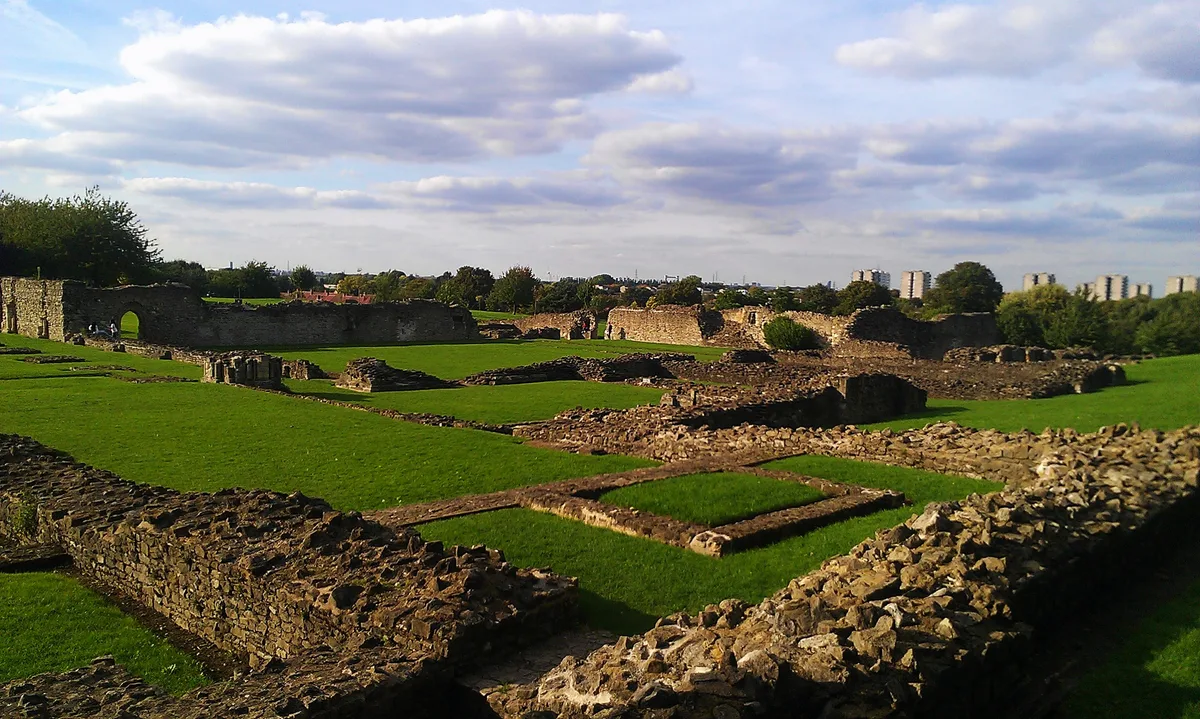 📷 5
📷 5Abbeys & priories · London
Lesnes Abbey
Lesnes Abbey — former abbey, now ruined, in Abbey Wood, London Borough of Bexley, England, UK.
More abbeys in this region
 ★ Iconic📷 3
Abbeys & priories · North West England
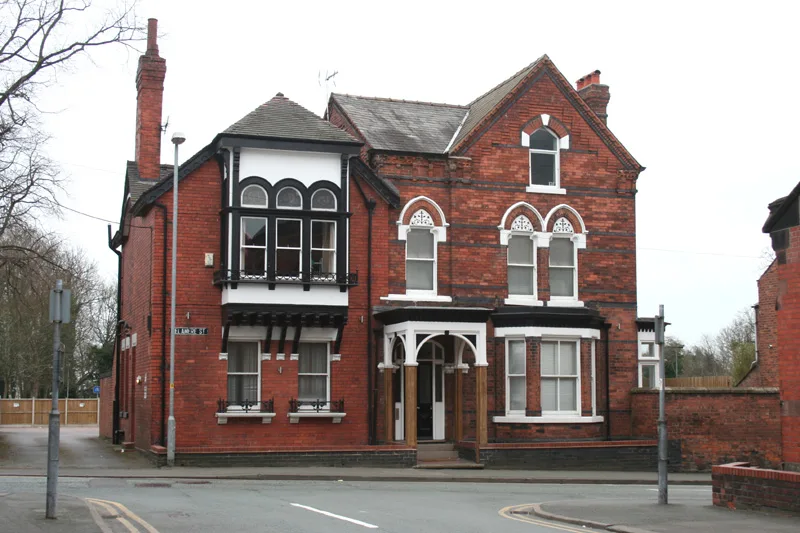
47, Delamere Street
47, Delamere Street — Grade II listed house in Crewe, Cheshire East, Cheshire, CW1.
 📷 3
📷 3Abbeys & priories · North West England
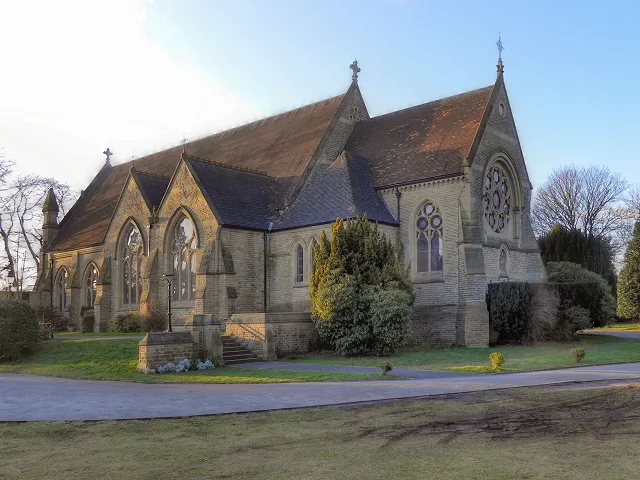
Church of St John the Divine, Brooklands
Church of St John the Divine, Brooklands — church in Trafford, Greater Manchester, England, UK.
 📷 5
📷 5Abbeys & priories · North West England
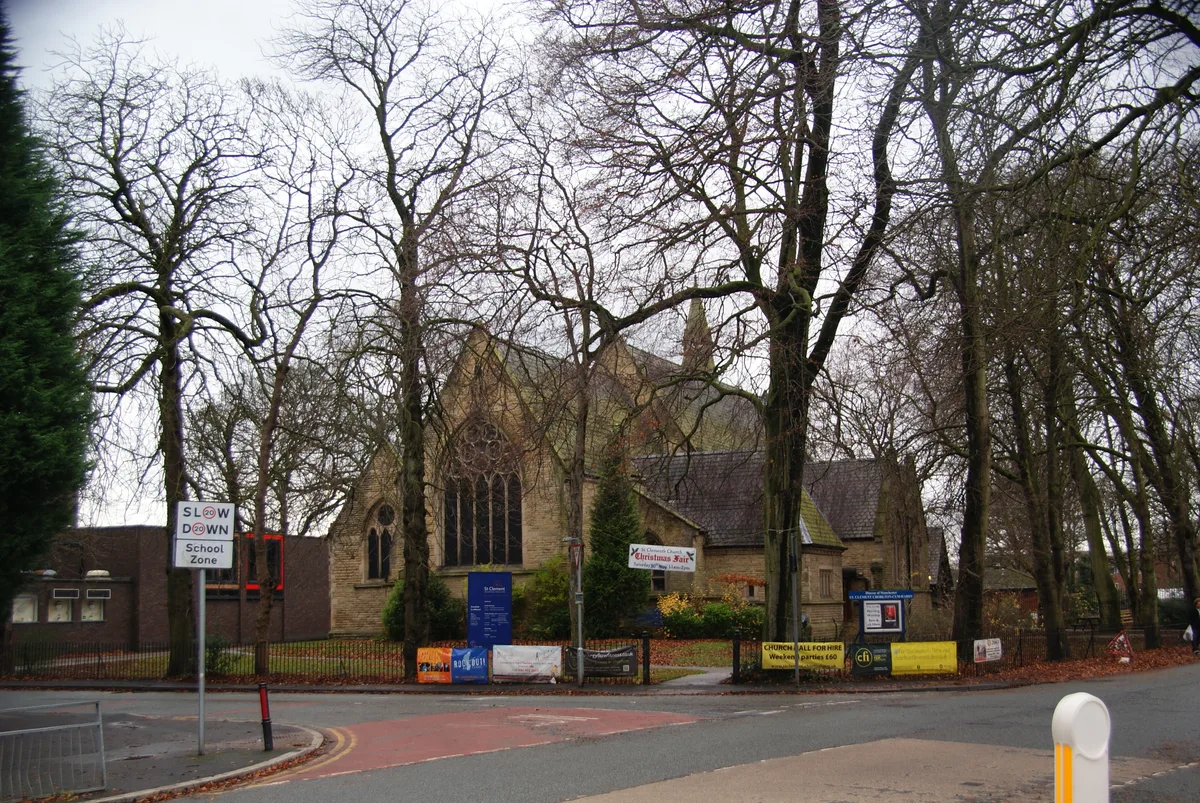
St Clement's Church
St Clement's Church — church in Chorlton-cum-Hardy, Manchester, England.
 📷 3
📷 3Abbeys & priories · North West England
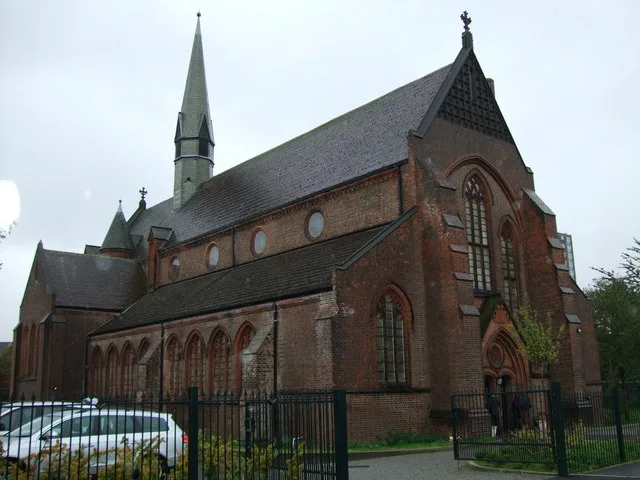
St Clement's Church, Ordsall
St Clement's Church, Ordsall — grade II listed church in Salford, Greater Manchester, England, UK.
Frequently asked questions
- Where is Tongland Abbey?
- Tongland Abbey is in North-West England, United Kingdom (postcode DG6 4NA).
- What is Tongland Abbey?
- Tongland Abbey — abbey in Dumfries and Galloway, Scotland, UK.
- How do I get to Tongland Abbey?
- The nearest town is Twynholm. Drivers can use postcode DG6 4NA.
- When was Tongland Abbey built?
- Built or established in 1201.
- Is Tongland Abbey a listed building?
- Tongland Abbey is officially recognised as category B listed building listed.
- How do I get to Tongland Abbey?
- Drivers can navigate to postcode DG6 4NA. It sits within the Dumfries and Galloway parliamentary constituency.