
Parks · Yorkshire & the Humber
Thorne and Hatfield Moors
In or near Moorends.
Thorne and Hatfield Moors — lowland raised peat bog in the UK.

Wikimedia Commons contributors — see linked file page for photographer and licence licence

Plan your visit
- Typical visit
- 1 h–2 h
- Nearest railway station
- Turf Moor Halt · 3.4 km
- Free entry
- Family-friendly
- Dog-friendly
Getting there & planning your visit
Thorne and Hatfield Moors is located in Doncaster, Yorkshire, with the postcode DN8 5RX. The nearest railway station is Turf Moor Halt, which is 3.4 km away. Entry to the park is free.
About
Thorne and Hatfield Moors is a public park in the United Kingdom. Wikidata describes it as: "lowland raised peat bog in the UK". Coordinates: 53.6300°, -0.9100°.
Photo gallery
Protected designations
- Site of Special Scientific Interest: Thorne, Crowle and Goole Moors SSSI
- National Nature Reserve: HUMBERHEAD PEATLANDS
Designations sourced from Natural England open data under OGL v3.
From the Wikipedia article
Thorne and Hatfield Moors form the largest area of lowland raised peat bog in the United Kingdom. They are situated in South Yorkshire, to the north-east and east of Doncaster near the town of Thorne, and are part of Hatfield Chase. They had been used for small-scale extraction of peat for fuel from medieval times, and probably much earlier, but commercial extraction of the peat for animal bedding began in the 1880s. The peat was cut on the moors and, once it had dried, transported to several works on 3 ft (914 mm) narrow gauge tramways, locally called trams. The wagons were pulled by horses to works at Creyke's Siding, Moorends, Medge Hall, Swinefleet and Hatfield. There was also a network of canals supplying the Moorends Works. The industry suffered a downturn between the two world wars, as working horses were replaced by lorries and peat demand dropped, but after the Second World War peat was used by the horticultural industry in increasing volumes, and harvesting expanded again. From 1947, experiments were made with locomotives on the tramways, and they soon replaced horses. A total of 23 had worked on the system by the time it was closed down. The extraction process was mechanised in the 1960s, with the introduction of machines that could cut and stack the peat turves. In 1981 mechanical loading of the turves into the trains was introduced. Surface milling of the peat was introduced in 1985, which completely stripped the surface of large areas of the moors. Some environmental bodies considered the moors to be worthless, but tireless campaigning by William Bunting after the Second World War, culminating in direct action by a group known as Bunting's Beavers in 1972, resulted in a change of policy. The nature of the moor habitat has gradually been recognised as an ecological resource. From 1971 the Lincolnshire Wildlife Trust has managed a small area of Crowle Moor for conservation, and the Nature Conservancy Council bought another small area in 1985. A major…
Excerpt from Wikipedia under CC BY-SA 4.0. See the source article linked in Sources below.
Background
History
(1662).]] The archaeology of Hatfield and Thorne is extensive and complex. The moors had been used as a source for domestic fuel, in the form of peat, since at least the thirteenth and fourteenth centuries, and probably as early as the Roman or pre-Roman periods. In the early 1800s, peat was still being formed: William Harrison reported that a short time after moving to Thorne, a rise in the surface of the moors has obscured Crowle Church, previously visible from his home. The area saw major changes in its hydrology in the 1630s, as a result of the drainage works of Cornelius Vermuyden. The River Don was routed northwards from Stainforth, passing to the west of the moors; the River Idle…
Sourced from Wikipedia under CC BY-SA 4.0.
- Coordinates
- 53.6300, -0.9100
- District
- Doncaster
- Parish
- Thorne
- Postcode
- DN8 5RX
- Parliamentary constituency
- Doncaster East and the Isle of Axholme
- Nearest railway station
- Turf Moor Halt — 3.4 km
Sources
- wikidata: Q7796385 (CC0)
- wikipedia: Thorne and Hatfield Moors (CC BY-SA 4.0)
- commons: Re-flooded peat workings - geograph.org.uk - 263549.jpg (CC BY-SA 4.0)
Other places nearby

Thorne Moor Viewing Tower
Viewpoints · 0.7 km

Moorends
Towns & cities · 2.7 km

Crowle Peatland Railway
Museums · 3.8 km

Peel Hill Motte and Bailey Castle
Castles · 3.8 km

Peel Hill motte and bailey castle, Thorne
Literary houses · 3.8 km

Thorne Peel Hill
Castles · 3.8 km

Thorne, South Yorkshire
Castles · 4.0 km

Kensington Cinema
Theatres · 4.1 km

South Yorkshire Way
Military museums · 4.4 km

Yorkshire Ring
Canals · 5.3 km

Stainforth and Keadby Canal
Canals · 5.3 km

Crowle Market Place
Farmers’ markets · 5.7 km
Nearby
📷 3Viewpoints · Yorkshire & the Humber
Thorne Moor Viewing Tower
Thorne Moor Viewing Tower is a viewpoint in the United Kingdom.
📷 5Towns & cities · Yorkshire & the Humber
Moorends
Moorends — village in South Yorkshire, England, UK.
📷 3Museums · Yorkshire & the Humber
Crowle Peatland Railway
Crowle Peatland Railway — a museum in england-yorkshire, United Kingdom.
📷 3Castles · Yorkshire & the Humber
Peel Hill Motte and Bailey Castle
Peel Hill Motte and Bailey Castle — a castle in england-yorkshire, United Kingdom.
📷 5Literary houses · Yorkshire & the Humber
Peel Hill motte and bailey castle, Thorne
Peel Hill motte and bailey castle, Thorne — a literary house museum in england yorkshire.
📷 5Where to eat & stay near Thorne and Hatfield Moors
Places to stay
 📷 5
📷 5Caravan parks · Yorkshire & the Humber
7 Lakes Country Park
7 Lakes Country Park — a caravan park in england yorkshire.
 📷 5
📷 5Campsites · Yorkshire & the Humber
Dobella Lane Farm Camping
Dobella Lane Farm Camping — a campsite in england yorkshire.
 📷 5
📷 5Campsites · Yorkshire & the Humber
Hatfield Outdoor Activity Centre
Hatfield Outdoor Activity Centre — a campsite in england yorkshire.
 📷 5
📷 5Caravan parks · Yorkshire & the Humber
Abbey Walk Mobile Home Park
Abbey Walk Mobile Home Park — a caravan park in england yorkshire.
 📷 5
📷 5Caravan parks · Yorkshire & the Humber
Whitegates Caravan Site
Whitegates Caravan Site — a caravan park in england yorkshire.
📷 5Caravan parks · Yorkshire & the Humber
Ivy Rose Court Caravan Park
Ivy Rose Court Caravan Park — a caravan park in england yorkshire.
Places to eat & drink
 📷 7
📷 7Restaurants · Yorkshire & the Humber
The Lowther Hotel
The Lowther Hotel — a restaurant in england yorkshire.
 📷 4
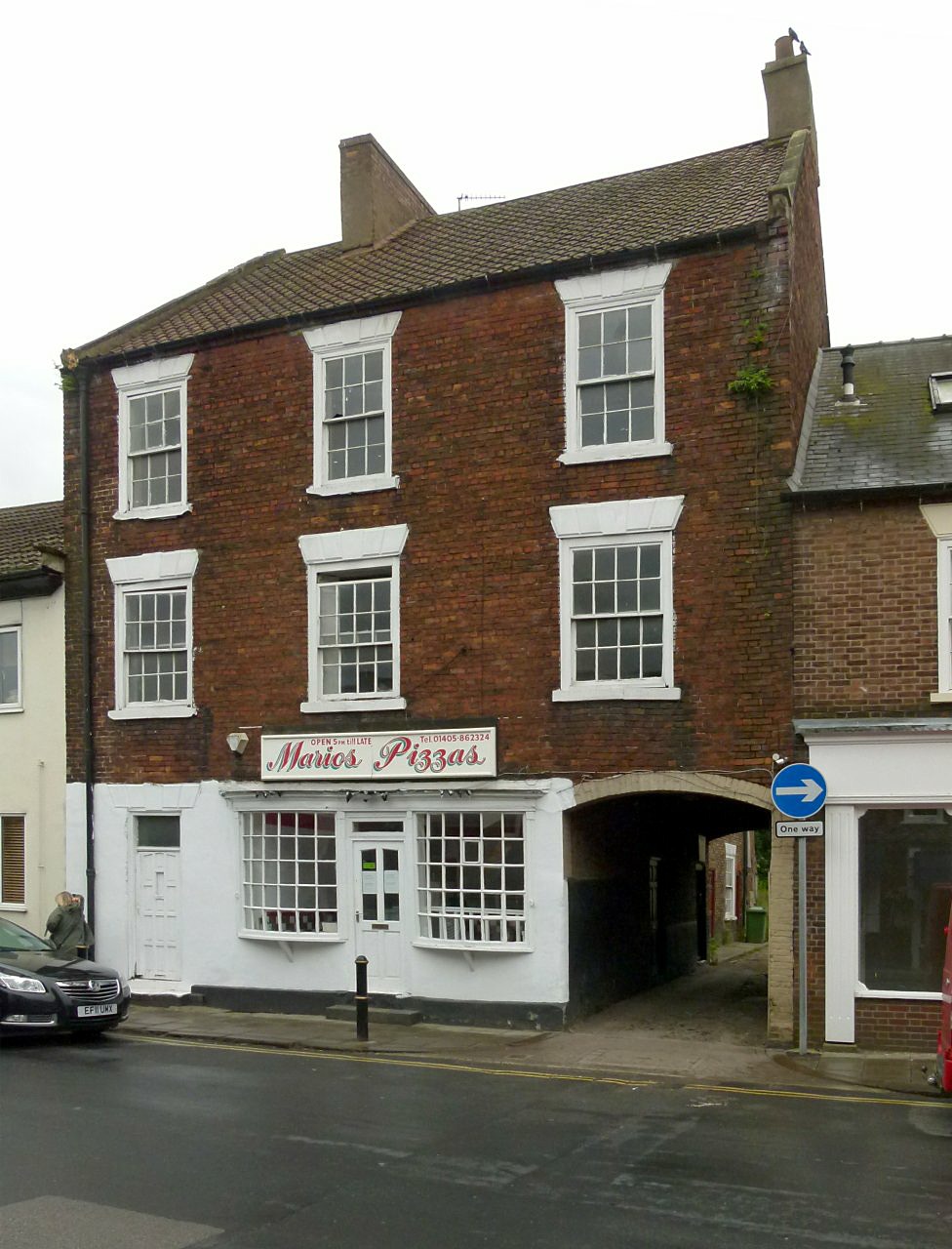
📷 4Historic pubs · Yorkshire & the Humber
The Royal
The Royal — Historic pub — listed building or notable heritage status.
 📷 7
📷 7Historic pubs · Yorkshire & the Humber
The Plough Inn
The Plough Inn in England Yorkshire, United Kingdom.
 📷 7
📷 7Historic pubs · Yorkshire & the Humber
The Berkeley
The Berkeley in England Yorkshire, United Kingdom.
 📷 7
📷 7Restaurants · East Midlands
Miller & Carter
Miller & Carter — a restaurant in england east midlands. Cuisine: steak. Brand: Miller & Carter.
 📷 5
📷 5Historic pubs · Yorkshire & the Humber
The Cross Keys
The Cross Keys in England Yorkshire, United Kingdom.
More parks in this region
 📷 3
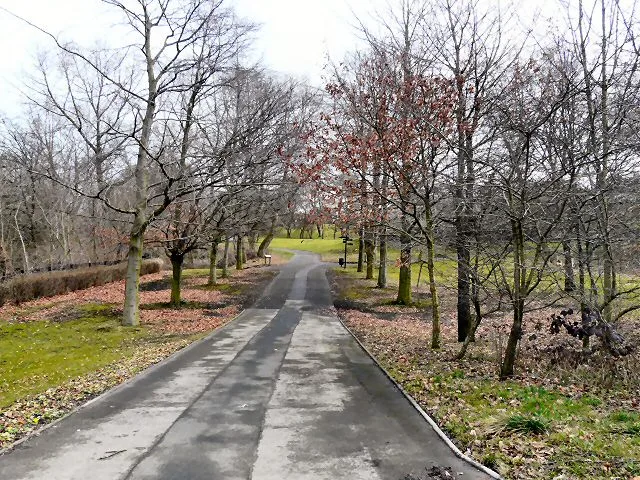
📷 3Parks · Yorkshire & the Humber
Philips Park
Philips Park — park in Clayton, Manchester, UK.
 📷 5
📷 5Parks · Yorkshire & the Humber
Egerton Park Arts College
Egerton Park Arts College — a school heritage in england-west-midlands, United Kingdom.
 📷 4
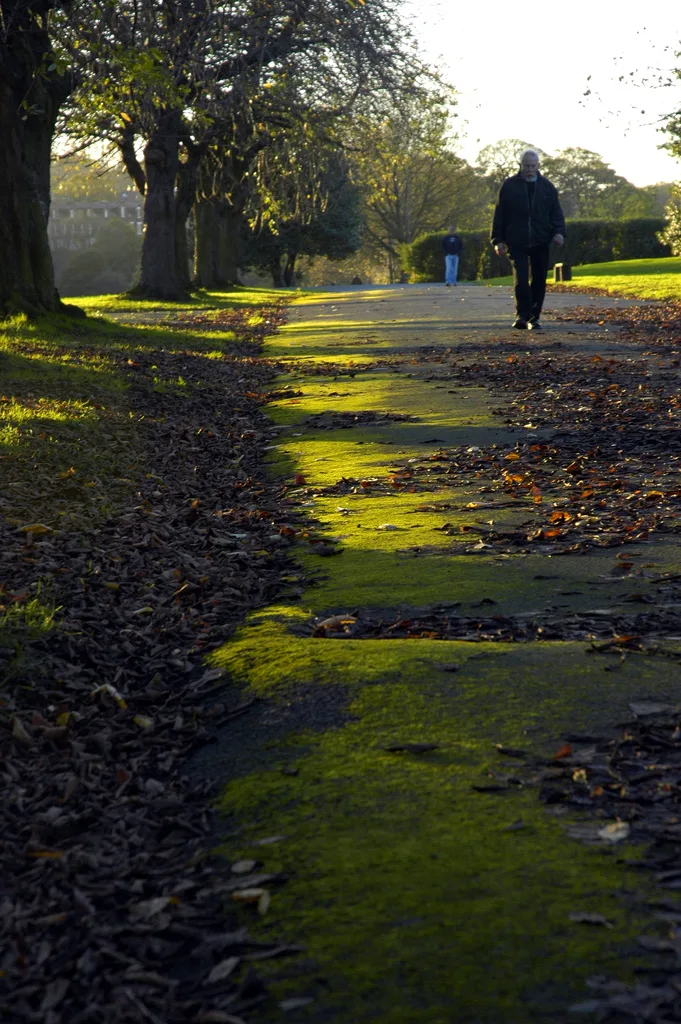
📷 4Parks · Yorkshire & the Humber
Armley Park
Armley Park is a park in the United Kingdom.
 📷 5
📷 5Parks · Yorkshire & the Humber
Lister Park
Lister Park — public park in Bradford, West Yorkshire, England, UK.
Frequently asked questions
- Where is Thorne and Hatfield Moors?
- Thorne and Hatfield Moors is in Yorkshire, United Kingdom (postcode DN8 5RX), in the parish of Thorne.
- What is Thorne and Hatfield Moors?
- Thorne and Hatfield Moors — lowland raised peat bog in the UK.
- How do I get to Thorne and Hatfield Moors?
- The nearest railway station is Turf Moor Halt, about 3.4 km away. The nearest town is Moorends. Drivers can use postcode DN8 5RX.
- Who owns Thorne and Hatfield Moors?
- Thorne and Hatfield Moors is owned by | visitation =.
- Is Thorne and Hatfield Moors a protected site?
- Yes — Thorne and Hatfield Moors is part of the Thorne, Crowle and Goole Moors SSSI Site of Special Scientific Interest and the HUMBERHEAD PEATLANDS National Nature Reserve.
- Is Thorne and Hatfield Moors free to visit?
- Yes, Thorne and Hatfield Moors is free to enter.
- How do I get to Thorne and Hatfield Moors?
- The nearest railway station is Turf Moor Halt, about 3.4 km away. Drivers can navigate to postcode DN8 5RX.