
Theatres · London
Theatre Royal, Drury Lane
In or near Covent Garden.
Theatre Royal, Drury Lane is a theatre in the United Kingdom.

Wikimedia Commons contributors — see linked file page for photographer and licence licence

Plan your visit
- Typical visit
- 2 h–3 h
- Nearest railway station
- Covent Garden · 0.3 km
- Wheelchair accessible
Getting there & planning your visit
Theatre Royal, Drury Lane is located in Westminster, London, with the postcode WC2B 5JF. The nearest railway station is Covent Garden, which is 0.3 km away. The theatre is wheelchair accessible.
About
Theatre Royal, Drury Lane is a working theatre in the United Kingdom, listed in OpenStreetMap as a public performance venue. Records date its origin to 1663. Designed by Benjamin Dean Wyatt. OpenStreetMap heritage rating: 2/5. Address: 57, Catherine Street, London, WC2B 5JF. Wheelchair accessible (per OpenStreetMap). Coordinates: 51.5130°, -0.1202°.
Photo gallery
See it from the streetimagery from 2026
Imagery © Mapillary contributors, CC BY-SA 4.0
Heritage listing
The Theatre Royal, Drury Lane, commonly known as Drury Lane, is a West End theatre and Grade I listed building in Covent Garden, London, England. The building faces Catherine Street (earlier named Bridges or Brydges Street) and backs onto Drury Lane. The present building, opened in 1812, is the most recent of four theatres that have stood at the location since 1663, making it the oldest theatre site in London still in use. According to the author Peter Thomson, for its first two centuries, Drury Lane could "reasonably have claimed to be London's leading theatre". For most of that time, it was one of a handful of patent theatres, granted monopoly rights to the production of "legitimate" drama in London (meaning spoken plays, rather than opera, dance, concerts, or plays with music).
From the Historic England List Entry under OGL v3.
From the Wikipedia article
The Theatre Royal, Drury Lane, commonly known as Drury Lane, is a West End theatre and Grade I listed building in Covent Garden, London, England. The building faces Catherine Street (earlier named Bridges or Brydges Street) and backs onto Drury Lane. The present building, opened in 1812, is the most recent of four theatres that have stood at the location since 1663, making it the oldest theatre site in London still in use. According to the author Peter Thomson, for its first two centuries, Drury Lane could "reasonably have claimed to be London's leading theatre". For most of that time, it was one of a handful of patent theatres, granted monopoly rights to the production of "legitimate" drama in London (meaning spoken plays, rather than opera, dance, concerts, or plays with music). The first theatre on the site was built at the behest of Thomas Killigrew in the early 1660s, when theatres were allowed to reopen during the English Restoration. It was initially known as "Theatre Royal in Bridges Street". The theatre's proprietors hired prominent actors who performed at the theatre on a regular basis, including Nell Gwyn and Charles Hart. In 1672, the theatre caught fire, and Killigrew built a larger theatre on the same plot, renamed the "Theatre Royal in Drury Lane", which opened in 1674. This building lasted nearly 120 years, under the leaderships of Colley Cibber, David Garrick and Richard Brinsley Sheridan, the last of whom employed Joseph Grimaldi as the theatre's resident Clown. In 1791, under Sheridan's management, the building was demolished to make way for a larger theatre which opened in 1794. This new Drury Lane survived for 15 years before burning down in 1809. The building that stands today opened in 1812. It has been the residency of well known actors including Edmund Kean, comedian Dan Leno and the musical composer and performer Ivor Novello. From the Second World War, the theatre has primarily hosted long runs of musicals, including Oklahoma!, My Fair…
Excerpt from Wikipedia under CC BY-SA 4.0. See the source article linked in Sources below.
Background
Architecture
In 1922, under the ownership of managing director Sir Alfred Butt, the theatre underwent its last major interior renovation of the 20th century. it became a four-tiered theatre able to seat just over 2,000 people. It was decorated with one of the most notable interiors produced by the specialist ornamental plasterwork company of Clark and Fenn. Composer and performer Ivor Novello, immensely popular in his time though little-remembered today, presented his musicals in Drury Lane from 1931 to 1939. The theatre was closed in 1939 because of the outbreak of the Second World War. During the war, it served as the headquarters for the Entertainments National Service Association, sustaining some…
Sourced from Wikipedia under CC BY-SA 4.0.
- Coordinates
- 51.5130, -0.1202
- District
- Westminster
- Parish
- Westminster, unparished area
- Postcode
- WC2B 5JF
- Parliamentary constituency
- Cities of London and Westminster
- Established
- 1663
- Nearest railway station
- Covent Garden — 0.3 km
- Official site
- www.theatreroyaldrurylane.co.uk
Sources
- osm: w81071485 (ODbL)
- wikipedia: Theatre Royal, Drury Lane (CC BY-SA 4.0)
- commons: The Theatre Royal, Drury Lane - geograph.org.uk - 543440.jpg (CC BY-SA 4.0)
Other places nearby

The Theatre Royal
Open-air theatres · 0.0 km

Cockpit Theatre
Open-air theatres · 0.0 km
Fortune Theatre
Open-air theatres · 0.0 km
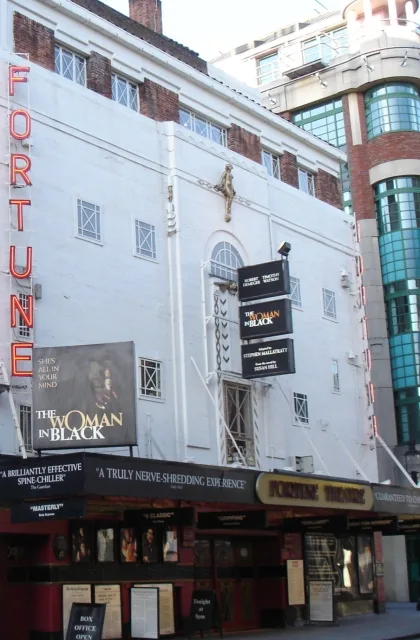
Fortune Theatre
Theatres · 0.1 km
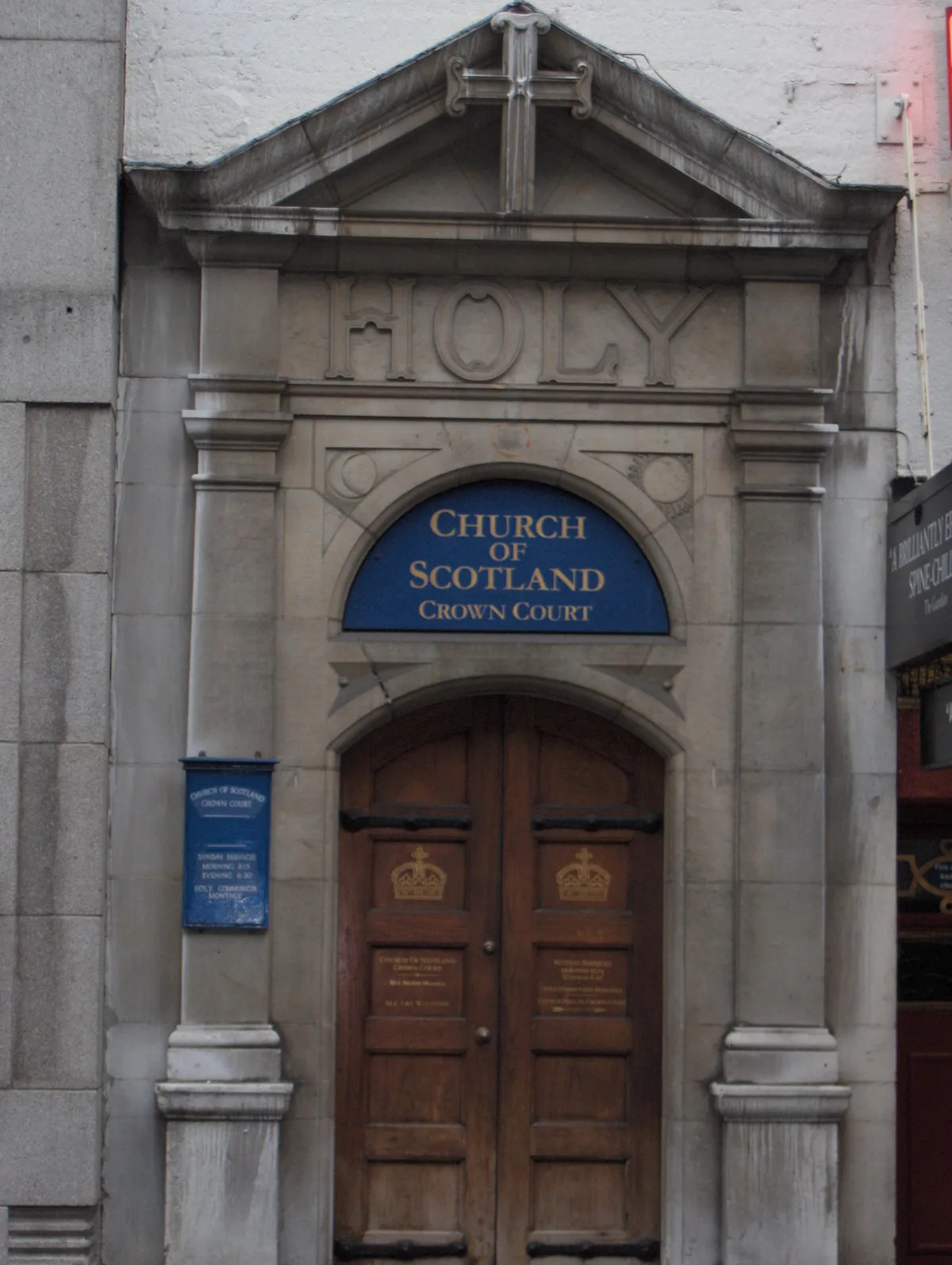
Crown Court Church
Historic churches · 0.1 km

Delamina Townhouse
Restaurants · 0.1 km
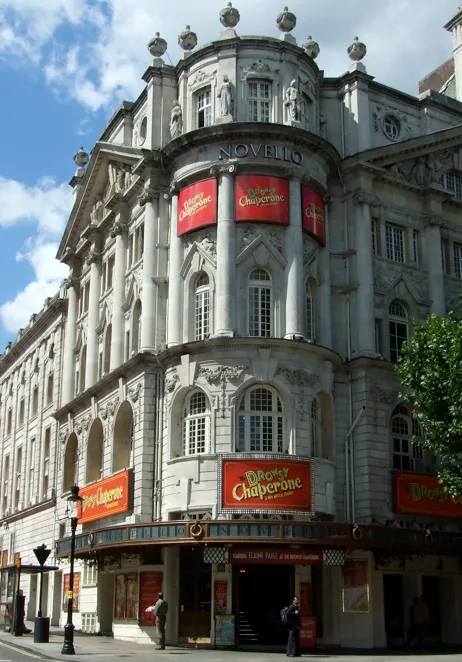
Novello
Theatres · 0.1 km

Thomas de Quincy
Memorials & monuments · 0.1 km

Sarastro Restaurant
Restaurants · 0.1 km

Duchess Theatre
Open-air theatres · 0.1 km

Novello Theatre
Open-air theatres · 0.1 km

Spyscape & Spygames
Escape rooms · 0.1 km
Nearby
📷 5Open-air theatres · London
The Theatre Royal
The Theatre Royal — a open-air theatre in england london.
📷 5📷 5Open-air theatres · London
Fortune Theatre
Fortune Theatre — a open-air theatre in england london.
📷 5Theatres · London
Fortune Theatre
Fortune Theatre is a theatre in the United Kingdom.
📷 5Historic churches · London
Crown Court Church
Crown Court Church — church building in Westminster, London, England, UK.
📷 5Restaurants · London
Delamina Townhouse
Delamina Townhouse — a restaurant in england london.
Where to eat & stay near Theatre Royal, Drury Lane
Places to stay
 📷 5📷 5
 📷 5
📷 5 📷 5
📷 5Hotels · London
Strand Palace Hotel
Strand Palace Hotel — a hotel in england london.
 📷 5
📷 5 📷 7
📷 7Places to eat & drink
📷 5Restaurants · London
Delamina Townhouse
Delamina Townhouse — a restaurant in england london.
📷 5Restaurants · London
Sarastro Restaurant
Sarastro Restaurant — a restaurant in england london.
 📷 7
📷 7Restaurants · London
Balthazar London
Balthazar London — a restaurant in england london.
 📷 5
📷 5 📷 5
📷 5 ★ Iconic📷 10
Historic pubs · London
The Lamb and Flag
Covent Garden's oldest pub — Dickens drank here, Dryden was attacked outside.
Other works by Benjamin Dean Wyatt
 📷 5
📷 5Gardens · London
Lancaster House
Lancaster House — a garden in england-london, United Kingdom.
Other theatres from this era
 📷 5
📷 5Theatres · London
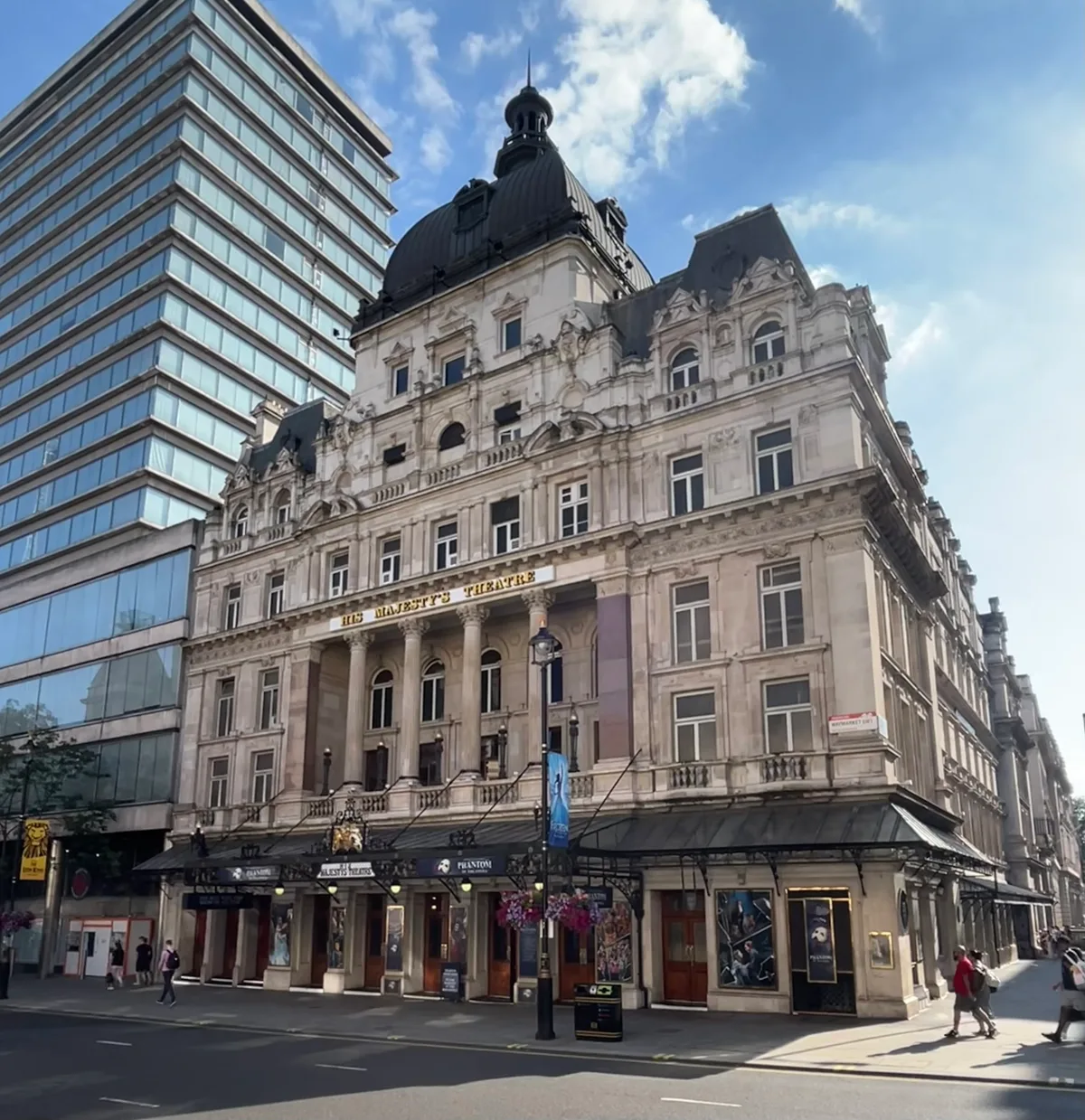
His Majesty's Theatre
His Majesty's Theatre is a theatre in the United Kingdom.
 📷 5
📷 5Theatres · London
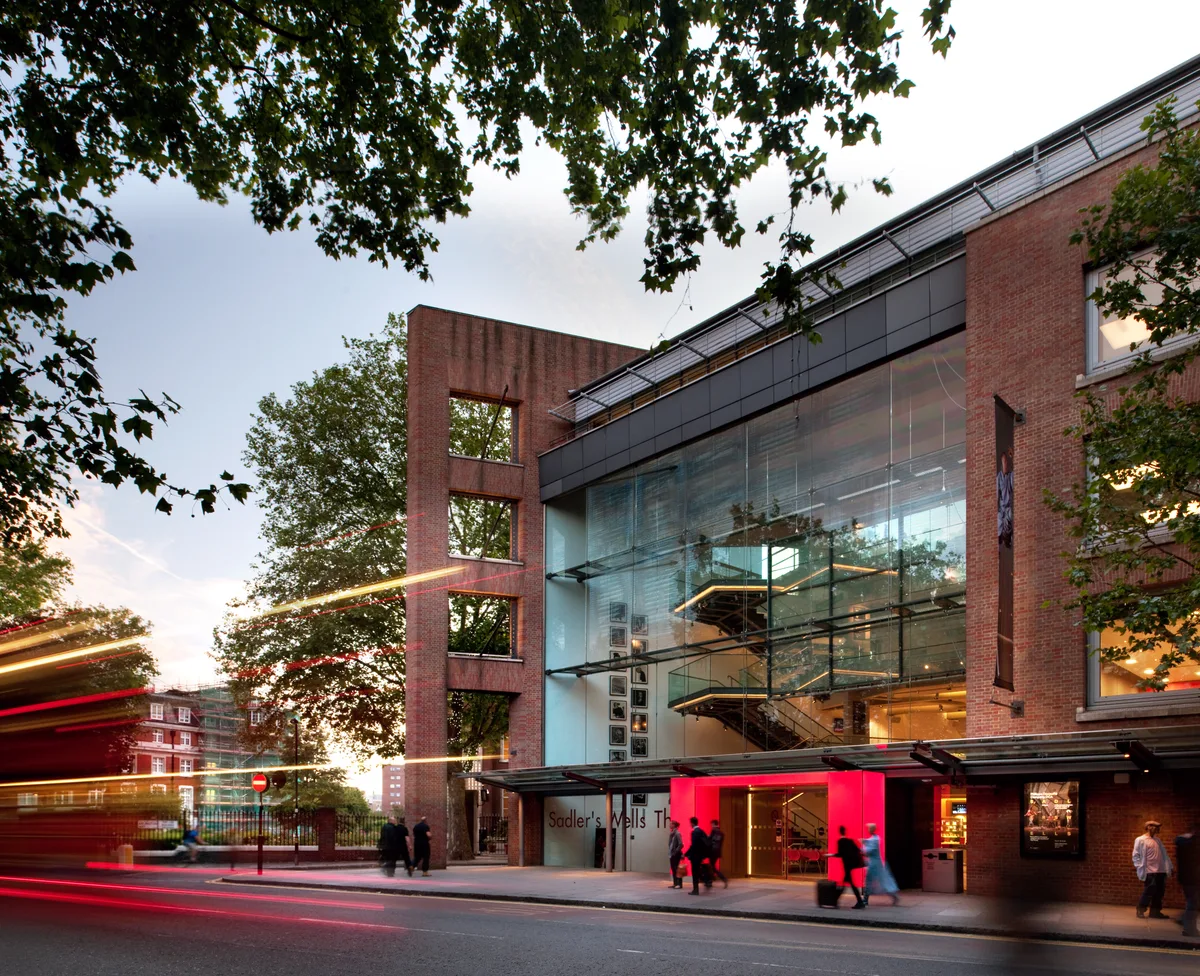
Sadler's Wells
Sadler's Wells is a theatre in the United Kingdom.
 📷 4
📷 4Theatres · South East England
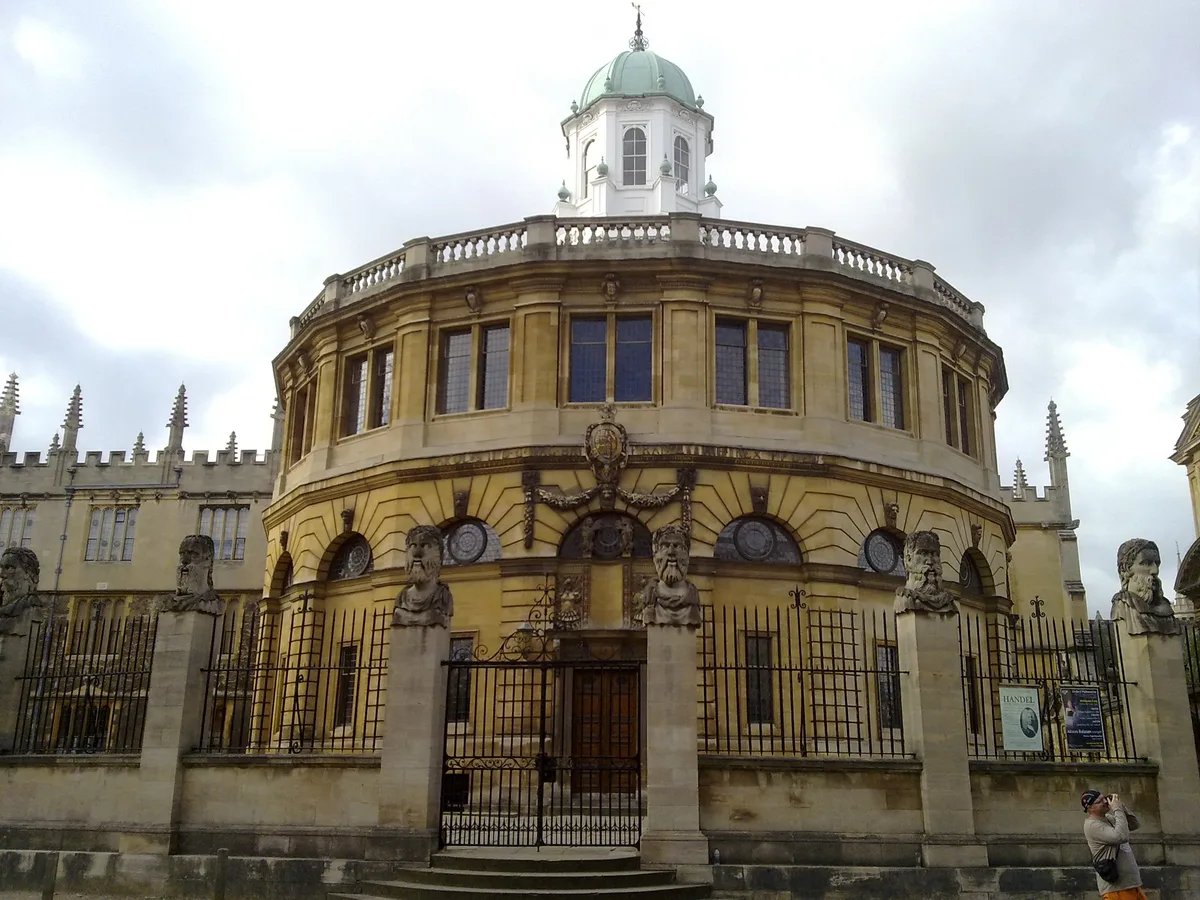
Sheldonian Theatre
Sheldonian Theatre is a theatre in the United Kingdom.
More theatres in this region
 📷 5
📷 5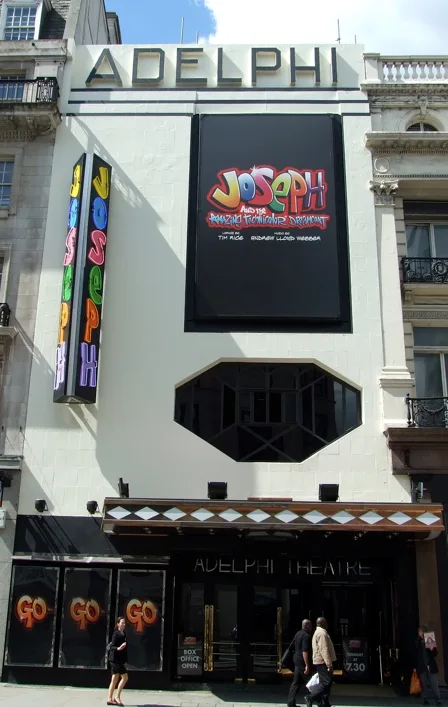 📷 5
📷 5Theatres · London
Adelphi Theatre
Adelphi Theatre is a theatre in the United Kingdom.
 📷 5
📷 5Theatres · London
Adrian Mann Theatre
Adrian Mann Theatre is a theatre in the United Kingdom.
 📷 5
📷 5Theatres · London
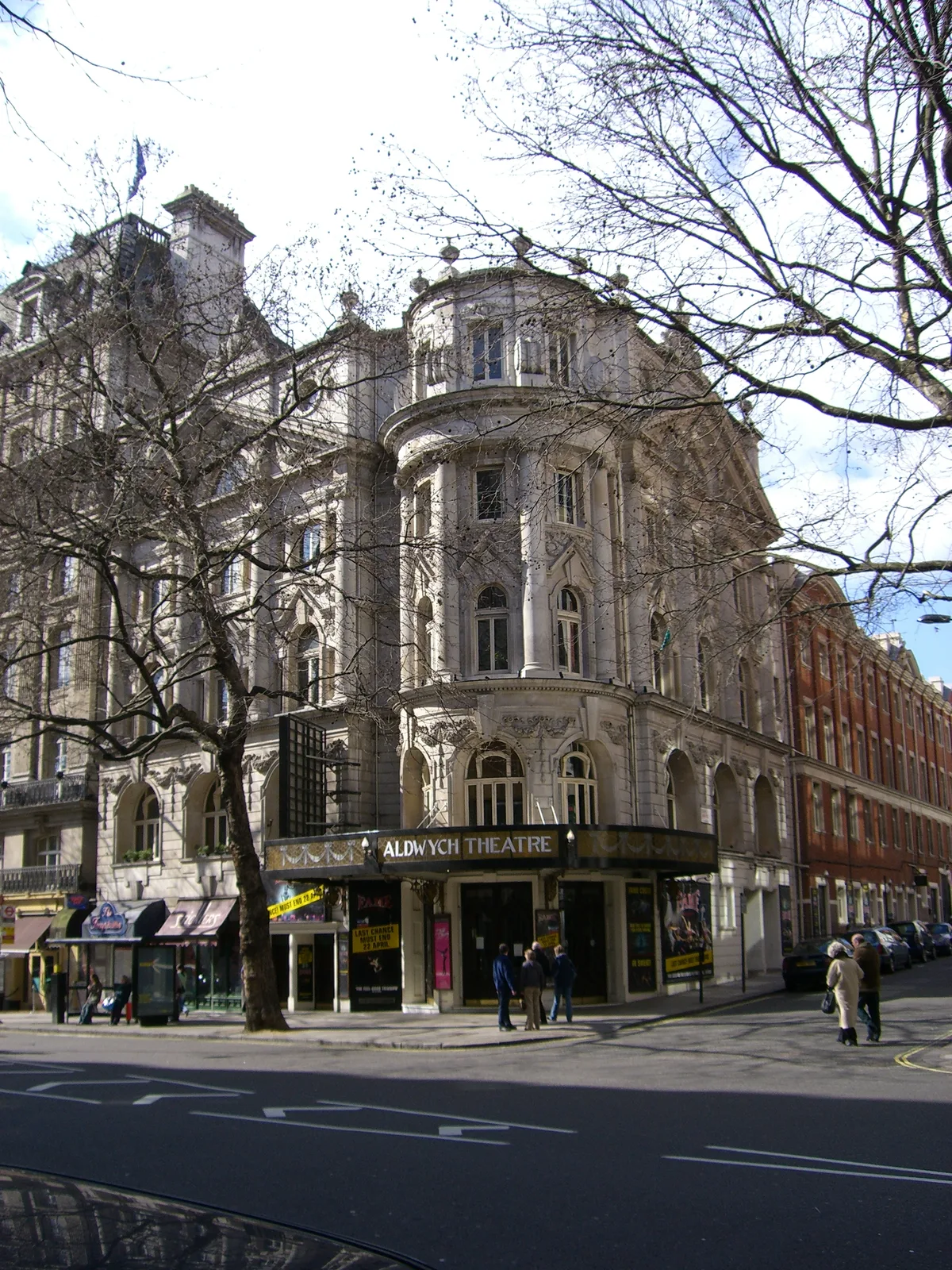
Aldwych Theatre
Aldwych Theatre is a theatre in the United Kingdom.
Frequently asked questions
- Where is Theatre Royal, Drury Lane?
- Theatre Royal, Drury Lane is in London, United Kingdom (postcode WC2B 5JF), in the parish of Westminster, unparished area.
- What is Theatre Royal, Drury Lane?
- Theatre Royal, Drury Lane is a theatre in the United Kingdom.
- How do I get to Theatre Royal, Drury Lane?
- The nearest railway station is Covent Garden, about 0.3 km away. The nearest town is Covent Garden. Drivers can use postcode WC2B 5JF.
- When was Theatre Royal, Drury Lane built?
- Built or established in 1663. Designed by Benjamin Dean Wyatt.
- Who owns Theatre Royal, Drury Lane?
- Theatre Royal, Drury Lane is owned by LW Theatres.
- Is Theatre Royal, Drury Lane a listed building?
- Theatre Royal, Drury Lane is officially recognised as Grade I listed building listed.
- How do I get to Theatre Royal, Drury Lane?
- The nearest railway station is Covent Garden, about 0.3 km away. Drivers can navigate to postcode WC2B 5JF.