
Theatres · South West England
Theatre Royal
In or near Bathford.
Theatre Royal is a theatre in the United Kingdom.

Wikimedia Commons contributors — see linked file page for photographer and licence licence

Plan your visit
- Typical visit
- 2 h–3 h
- Nearest railway station
- Bath Spa · 0.7 km
- Family-friendly
- Limited wheelchair access
Getting there & planning your visit
To visit Theatre Royal, the nearest railway station is Bath Spa, located 0.7 km away. The postcode for sat-nav is BA1 1ET. Accessibility is limited for wheelchair users.
About
Theatre Royal is a working theatre in the United Kingdom, listed in OpenStreetMap as a public performance venue. Records date its origin to 1805. Address: Sawclose, BA1 1ET. Limited wheelchair access (per OpenStreetMap). Coordinates: 51.3820°, -2.3630°.
Photo gallery
Heritage listing
The Theatre Royal in Bath, England, was built in 1805. A Grade II* listed building, it has been described by the Theatres Trust as "One of the most important surviving examples of Georgian theatre architecture". It has a capacity for an audience of around 900. The Theatre Royal was built to replace the Old Orchard Street Theatre, funded by a tontine and elaborately decorated. The architect was George Dance the Younger, with John Palmer carrying out much of the work. It opened with a performance of Shakespeare's Richard III and hosted performances by many leading actors of the time including Dorothea Jordan, William Macready and Edmund Kean. A major fire in 1862 destroyed the interior of the building and was quickly followed by a rebuilding programme by Charles J.
From the Historic England List Entry under OGL v3.
Official information
The Theatre Royal Bath is a prominent venue offering a diverse range of performances including theatre, comedy, opera, and dance. It features a main auditorium, the Ustinov Studio for smaller productions, and The Egg, which focuses on youth creativity and innovation.
Protected designations
- Site of Special Scientific Interest: Combe Down and Bathampton Down Mines SSSI
- Area of Outstanding Natural Beauty: Cotswolds
Designations sourced from Natural England open data under OGL v3.
From the Wikipedia article
The Theatre Royal in Bath, England, was built in 1805. A Grade II* listed building, it has been described by the Theatres Trust as "One of the most important surviving examples of Georgian theatre architecture". It has a capacity for an audience of around 900. The Theatre Royal was built to replace the Old Orchard Street Theatre, funded by a tontine and elaborately decorated. The architect was George Dance the Younger, with John Palmer carrying out much of the work. It opened with a performance of Shakespeare's Richard III and hosted performances by many leading actors of the time including Dorothea Jordan, William Macready and Edmund Kean. A major fire in 1862 destroyed the interior of the building and was quickly followed by a rebuilding programme by Charles J. Phipps, which included the construction of the current entrance. Further redecoration was undertaken in 1892; more extensive building work, including a new staircase and the installation of electric lighting, followed in 1902. Despite performances by casts including Sarah Bernhardt, the ballerina Anna Pavlova and Mrs. Patrick Campbell, the theatre was rarely very profitable. During World War II Donald Wolfit, Irene Vanbrugh, John Gielgud and Sybil Thorndike appeared, with shows including Noël Coward's Private Lives and Blithe Spirit, a performance by Ballet Rambert and light entertainment such as Charley's Aunt, but audiences declined. In 1979 the theatre was bought by a trust and, following public donations, it underwent refurbishment, with the rebuilding of the stage and the installation of a new taller fly tower for scenery and lighting. In 1997 a new 120-seat theatre, known as the Ustinov Studio, was opened. Further restoration work to the main auditorium was needed in 2010. In 2005 a children's theatre known as The Egg was opened. The complex also includes bars and The Garrick's Head pub.
Excerpt from Wikipedia under CC BY-SA 4.0. See the source article linked in Sources below.
Background
Architecture
The theatre, along with the neighbouring Garrick's Head public house, is a Grade II* listed building and is considered a prime example of Georgian architecture. The oldest part of the building is the former Garrick's Head on St John's Close. The three storey five bay building, with a basement, has a hipped roof with a part-balustraded parapet. Above the door is a bust of David Garrick, which was made in 1831 by Lucius Gahagan. The Beauford Square side of the building, originally designed by George Dance the Younger, is of five bays with pilasters carrying a frieze of comic and tragic muses. In 2017 the Sawclose area between the current Theatre Royal main entrance and the former Bluecoat…
Description
In 2005 another new theatre was opened behind the Theatre Royal, The Egg, which provides professional theatre productions for children and their families, alongside workshops and youth theatre productions. It includes a cafe, which is also the venue for children's and family events, and occasional teenage arts events.
Sourced from Wikipedia under CC BY-SA 4.0.
- Coordinates
- 51.3820, -2.3630
- District
- Bath and North East Somerset
- Parish
- Bath and North East Somerset, unparished area
- Postcode
- BA1 1ET
- Parliamentary constituency
- Bath
- Phone
- +44 1225 448844
- Established
- 1805
- Nearest railway station
- Bath Spa — 0.7 km
- Official site
- www.theatreroyal.org.uk
Sources
- osm: w430591535 (ODbL)
- wikipedia: Theatre Royal, Bath (CC BY-SA 4.0)
- commons: Theatre Royal, Bath.jpg (CC BY-SA 4.0)
Other places nearby

Egg Theatre
Theatres · 0.0 km

Theatre Royal, Bath
Open-air theatres · 0.0 km

Ustinov
Theatres · 0.0 km
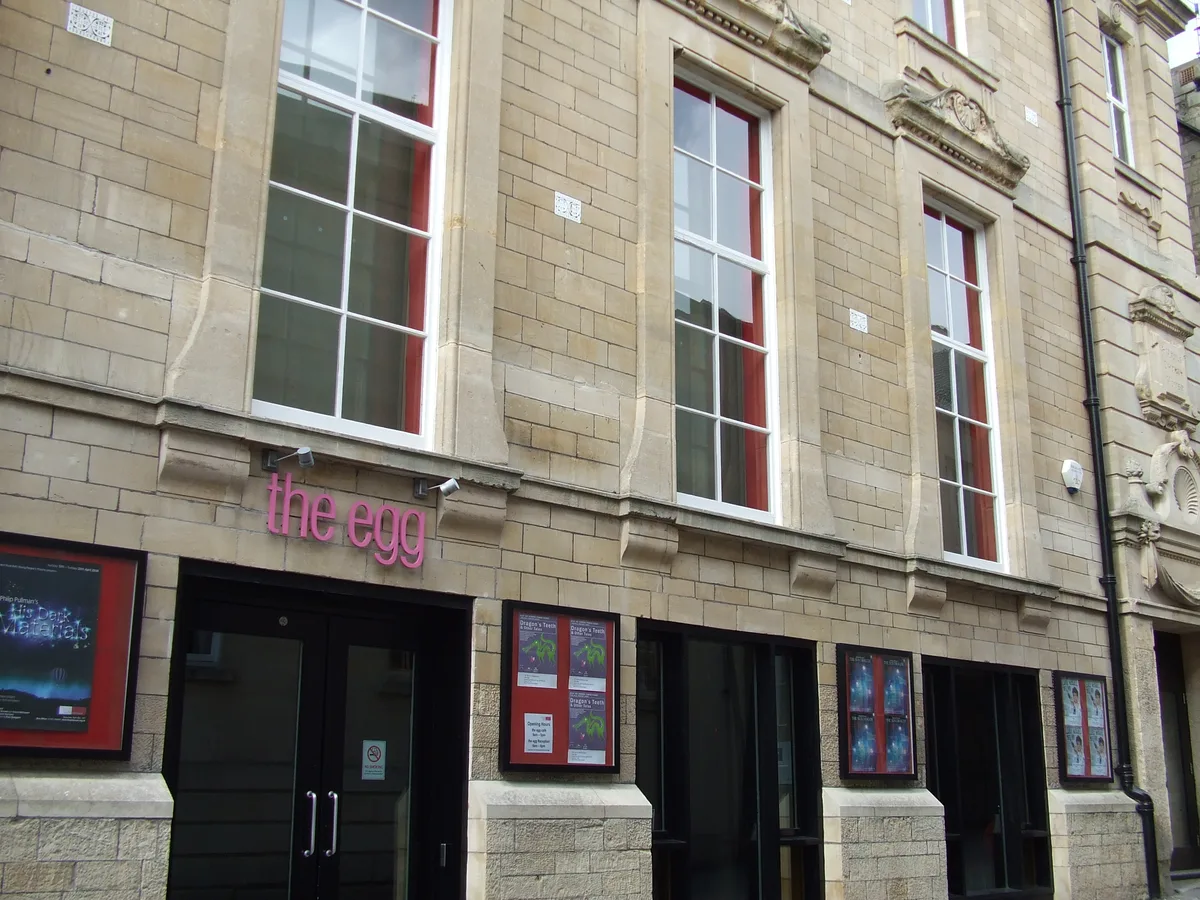
The Egg
Theatres · 0.0 km
Amarone
Restaurants · 0.0 km
Theatre Royal Fountain
Public art & sculpture · 0.0 km

Las Iguanas
Restaurants · 0.0 km
Bath Escape
Escape rooms · 0.1 km

Palace Theatre
Open-air theatres · 0.1 km

The Bath Coffee Company
Cafés · 0.1 km

Giggling Squid
Restaurants · 0.1 km
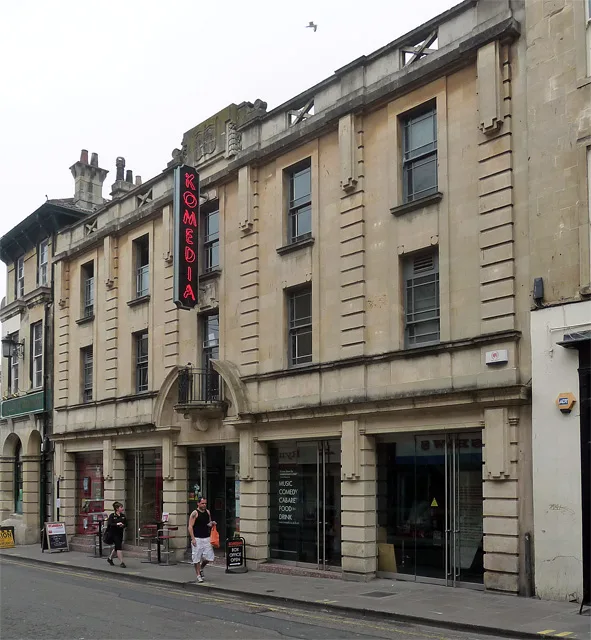
Komedia
Theatres · 0.1 km
Nearby
📷 5Theatres · South West England
Egg Theatre
Egg Theatre — a cinema heritage in england-south-east, United Kingdom.
📷 5Open-air theatres · South West England
Theatre Royal, Bath
Theatre Royal, Bath — a open-air theatre in england south east.
📷 5Theatres · South West England
Ustinov
Ustinov is a theatre in the United Kingdom.
📷 5Theatres · South West England
The Egg
The Egg is a theatre in the United Kingdom.
📷 5Restaurants · South West England
Amarone
Amarone — a restaurant in england south east.
📷 5Public art & sculpture · South West England
Theatre Royal Fountain
Theatre Royal Fountain — a public art in england-south-east, United Kingdom.
Where to eat & stay near Theatre Royal
Places to stay
 📷 5
📷 5Hotels · South West England
Haringtons Hotel
Haringtons Hotel — a hotel in england south east.
 📷 5
📷 5Hotels · South West England
Apex City of Bath Hotel
Apex City of Bath Hotel — a hotel in england south east.
 📷 5
📷 5Hotels · South West England
The Gainsborough Bath Spa
The Gainsborough Bath Spa — a hotel in england south east.
 📷 6
📷 6 📷 5
📷 5B&Bs · South West England
eight
eight — a bed-and-breakfast in england south east.
 📷 7
📷 7Hotels · South West England
DoubleTree by Hilton Bath
DoubleTree by Hilton Bath — a hotel in england south east. 4-star. Brand: DoubleTree.
Places to eat & drink
📷 5Restaurants · South West England
Amarone
Amarone — a restaurant in england south east.
📷 5Restaurants · South West England
Las Iguanas
Las Iguanas — a restaurant in england south east. Cuisine: mexican. Brand: Las Iguanas.
📷 5Cafés · South West England
The Bath Coffee Company
The Bath Coffee Company — a café in england south east.
📷 5Restaurants · South West England
Giggling Squid
Giggling Squid — a restaurant in england south east. Cuisine: thai. Brand: Giggling Squid.
 📷 5
📷 5Restaurants · South West England
The Stable
The Stable — a restaurant in england south east.
 📷 5
📷 5Restaurants · South West England
Olé Tapas
Olé Tapas — a restaurant in england south east.
Other theatres from this era
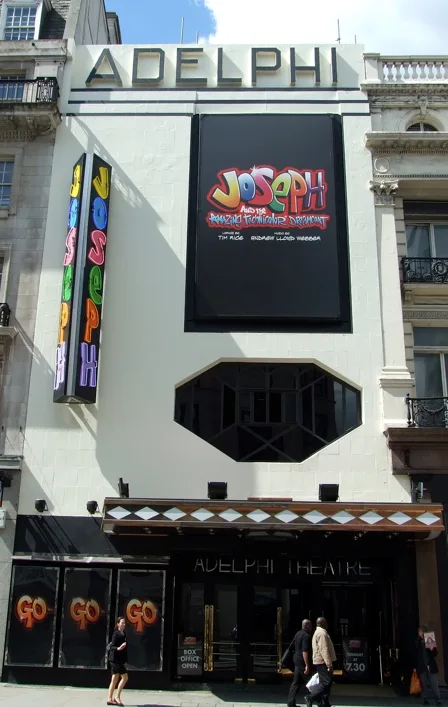 📷 5
📷 5Theatres · London
Adelphi Theatre
Adelphi Theatre is a theatre in the United Kingdom.
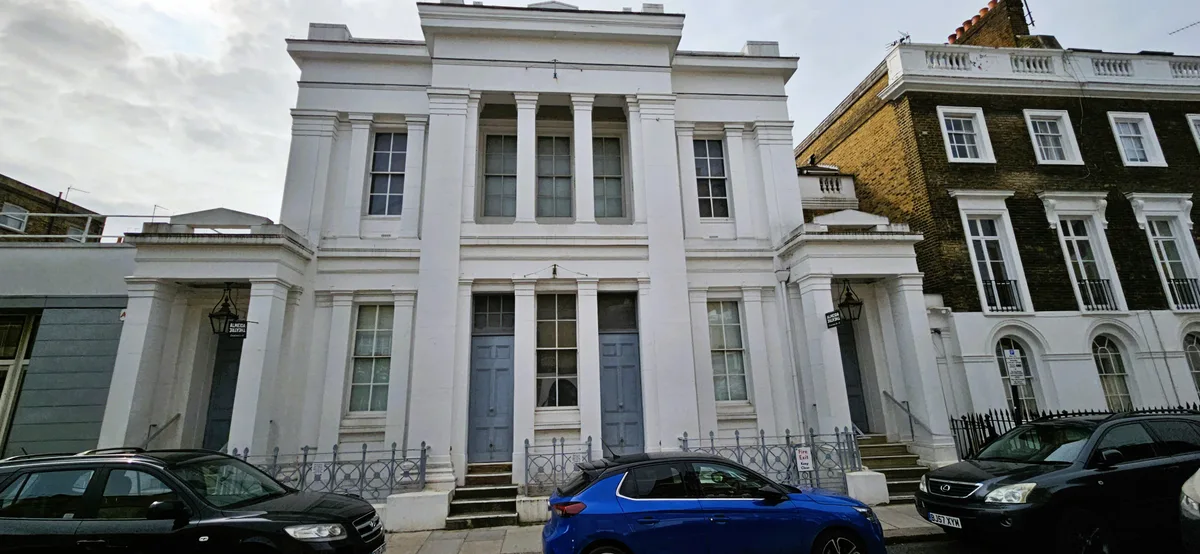 📷 5
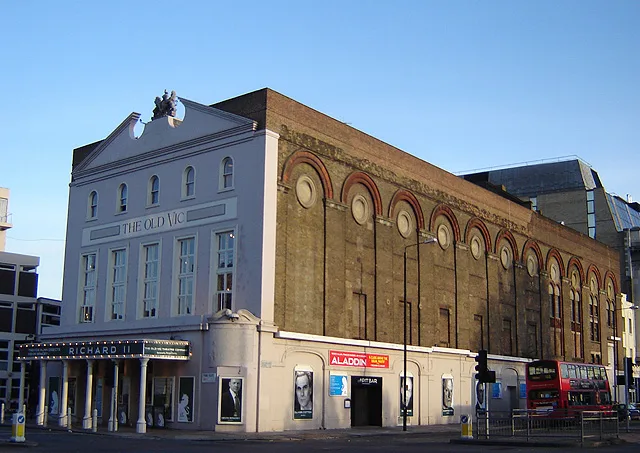
📷 5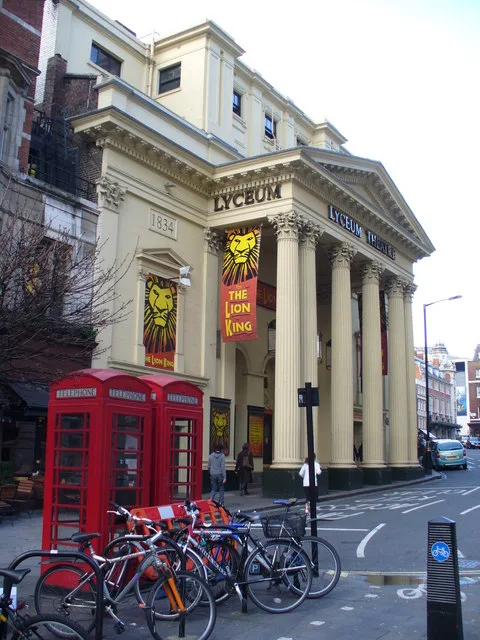 📷 5
📷 5Theatres · London
Lyceum Theatre
Lyceum Theatre is a theatre in the United Kingdom.
 📷 5
📷 5More theatres in this region
 📷 5
📷 5Theatres · South West England
Amphitheatre
Amphitheatre is a theatre in the United Kingdom.
 📷 5
📷 5 📷 5
📷 5 📷 5
📷 5Frequently asked questions
- Where is Theatre Royal?
- Theatre Royal is in South-West England, United Kingdom (postcode BA1 1ET), in the parish of Bath and North East Somerset, unparished area.
- What is Theatre Royal?
- Theatre Royal is a theatre in the United Kingdom.
- How do I get to Theatre Royal?
- The nearest railway station is Bath Spa, about 0.7 km away. The nearest town is Bathford. Drivers can use postcode BA1 1ET.
- When was Theatre Royal built?
- Built or established in 1805.
- Who owns Theatre Royal?
- Theatre Royal is owned by |capacity = 888.
- Is Theatre Royal a listed building?
- Theatre Royal is officially recognised as Grade II* listed building listed.
- Is Theatre Royal a protected site?
- Yes — Theatre Royal is part of the Combe Down and Bathampton Down Mines SSSI Site of Special Scientific Interest and the Cotswolds National Landscape (AONB).
- How do I get to Theatre Royal?
- The nearest railway station is Bath Spa, about 0.7 km away. Drivers can navigate to postcode BA1 1ET.