
Historic churches · North West England
The Hidden Gem
In or near Manchester.
The Hidden Gem — Roman Catholic diocesan shrine and parish church in Manchester, UK.

Wikimedia Commons contributors — see linked file page for photographer and licence licence

Plan your visit
- Typical visit
- 30 min–1 h
- Nearest railway station
- Salford Central · 0.7 km
- Free entry
- Family-friendly
Getting there & planning your visit
To visit The Hidden Gem, the nearest railway station is Salford Central, located 0.7 km away. Entry is free, and the postcode is M2 6LN for sat-nav directions.
About
The Hidden Gem is a historic church in the United Kingdom. Records date its origin to 1848. Designed by Matthew Ellison Hadfield. Built in the Byzantine architecture style. Heritage designation: Grade II* listed building. Affiliated with Catholicism. Address: M2 6LN. Wikidata describes it as: "Roman Catholic diocesan shrine and parish church in Manchester, UK". Coordinates: 53.4802°, -2.2465°.
Photo gallery
See it from the streetimagery from 2022
Imagery © Mapillary contributors, CC BY-SA 4.0
Heritage listing
The Hidden Gem, officially St Mary's Catholic Church, is a church on Mulberry Street, Manchester, England. The parish dates back to 1794, with devotion to St Mary, Our Lady of the Assumption, and the present church, rebuilt in 1848, is a Grade II* listed building which includes the Diocesan Shrine of Our Lady of Manchester.
From the Historic England List Entry under OGL v3.
From the Wikipedia article
The Hidden Gem, officially St Mary's Catholic Church, is a church on Mulberry Street, Manchester, England. The parish dates back to 1794, with devotion to St Mary, Our Lady of the Assumption, and the present church, rebuilt in 1848, is a Grade II* listed building which includes the Diocesan Shrine of Our Lady of Manchester.
Excerpt from Wikipedia under CC BY-SA 4.0. See the source article linked in Sources below.
Background
History
The first permanent Catholic Mass Centre to be opened in Manchester following the Reformation was dedicated to St Chad: the Rook Street chapel, which opened in 1774, serviced about 600 people coming from as far away as Bolton, Glossop and Macclesfield. In the following years, with the advent of the Industrial Revolution, many Catholic families from Ireland were attracted to the cotton industry in Manchester. This chapel remained in use until it was destroyed by fire in 1846. St Chad's then moved to its own purpose built church in Cheetham Hill. The description of the church as a 'Hidden Gem' originated in 1872 on a visit to the church by the then Bishop of Salford, Herbert Vaughan, who…
Architecture
Father Gillow died in the Manchester typhus epidemic of 1837. Any plans for a new site were put on hold, and the decision was taken to rebuild St Mary's on the existing site. Two architects were consulted, Richard Lane, the architect of Salford Town Hall and the Friends Meeting House, and Augustus Pugin. Richard Lane's design was chosen at a cost of £265 17s 0d. (Pugin had been paid £138 3s 6d). The architect chosen to oversee the work was Matthew Ellison Hadfield, who later went on to build Salford Cathedral and the new St Chad's Church, Cheetham Hill. The old St Mary's Church was entirely demolished and the new St Mary's was formally opened in October 1848. The church's design is a blend…
Sourced from Wikipedia under CC BY-SA 4.0.
- Coordinates
- 53.4802, -2.2465
- District
- Manchester
- Parish
- Manchester, unparished area
- Postcode
- M2 6LN
- Parliamentary constituency
- Manchester Central
- Established
- 1848
- Nearest railway station
- Salford Central — 0.7 km
- Official site
- hiddengem.me.uk
Sources
- wikidata: Q7739544 (CC0)
- wikipedia: The Hidden Gem (CC BY-SA 4.0)
- commons: Hidden gem manchester.jpg (CC BY-SA 4.0)
Other places nearby

Abraham Lincoln
Public art & sculpture · 0.1 km

Ernest Jones
Memorials & monuments · 0.1 km

John Bright
Public art & sculpture · 0.1 km

James Fraser
Public art & sculpture · 0.1 km

Albert Memorial
Memorials & monuments · 0.1 km

De Lacey Fine Art
Galleries · 0.1 km

William Ewart Gladstone
Public art & sculpture · 0.1 km

Whitewall Galleries
Galleries · 0.1 km

John Rylands Library
Gardens · 0.1 km

St Michael's, Manchester
Gardens · 0.2 km

Number 54 And Chop House Public House Thomas's Chop House
Historic pubs · 0.2 km
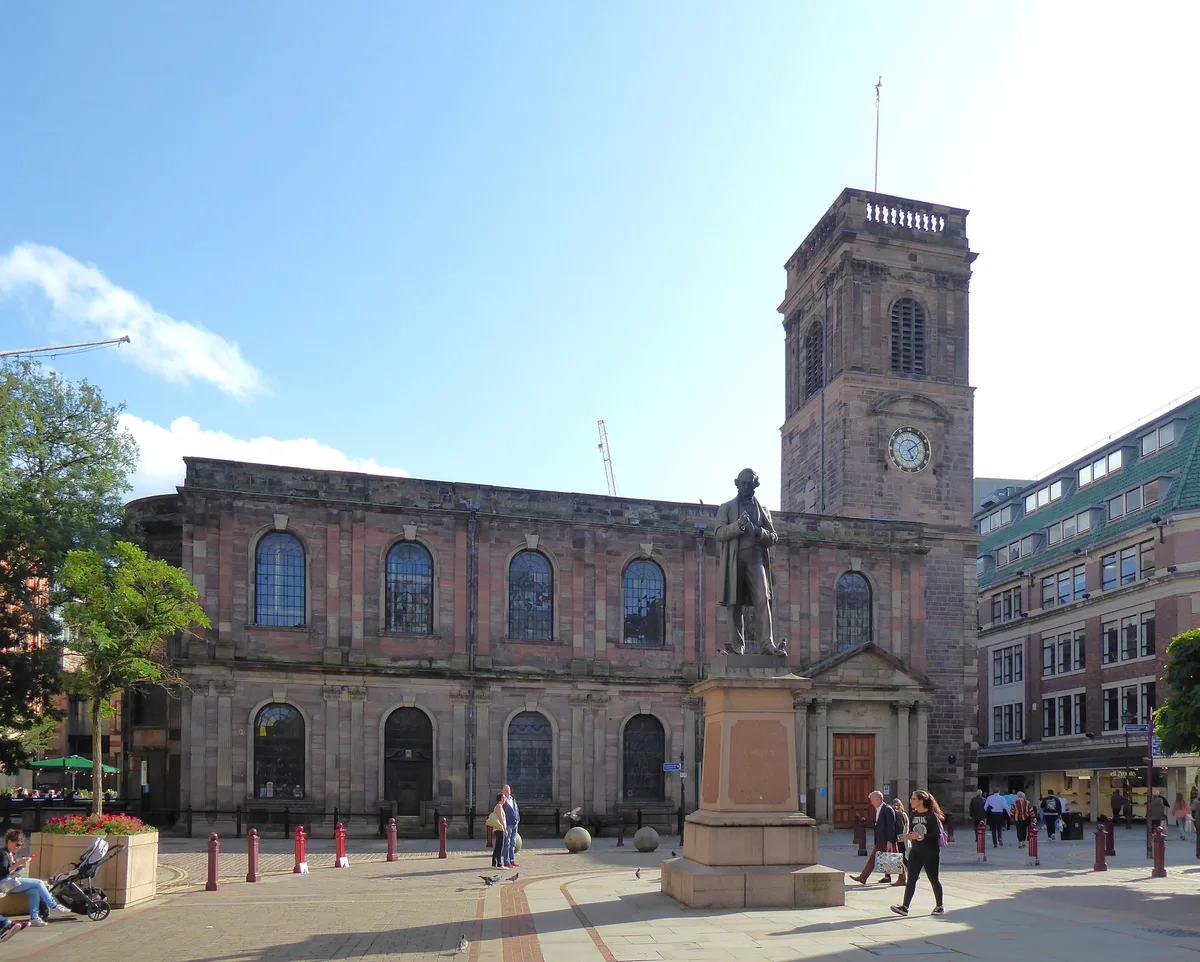
St Ann's Church, Manchester
Historic churches · 0.2 km
Nearby
📷 4Public art & sculpture · North West England
Abraham Lincoln
Abraham Lincoln — a public art in england-west-midlands, United Kingdom.
📷 4Memorials & monuments · North West England
Ernest Jones
Ernest Jones — a memorial in england-west-midlands, United Kingdom.
📷 5Public art & sculpture · North West England
John Bright
John Bright — a public art in england-west-midlands, United Kingdom.
📷 3Public art & sculpture · North West England
James Fraser
James Fraser — Public artwork (statue) by Thomas Woolner.
📷 4Memorials & monuments · North West England
Albert Memorial
Albert Memorial — Monument, dating to 1869.
📷 3Galleries · North West England
De Lacey Fine Art
De Lacey Fine Art — a gallery in england-west-midlands, United Kingdom.
Where to eat & stay near The Hidden Gem
Places to stay
 📷 5
📷 5Hotels · North West England
King Street Townhouse
King Street Townhouse — a hotel in england west midlands. 4-star. Brand: Eclectic Hotels.
 📷 7
📷 7 📷 7
📷 7Hotels · North West England
Midland Hotel
Midland Hotel — a hotel in england west midlands.
 📷 5
📷 5Hotels · North West England
The Lowry Hotel
The Lowry Hotel — a hotel in england west midlands.
 📷 5
📷 5Hotels · North West England
Great John Street Hotel
Great John Street Hotel — a hotel in england west midlands. 4-star. Brand: Eclectic Hotel Group.
 📷 7
📷 7Hotels · North West England
Maldron Hotel Manchester Cathedral Quarter
Maldron Hotel Manchester Cathedral Quarter — a hotel in england west midlands. 4-star. Brand: Maldron Hotels.
Places to eat & drink
📷 5Historic pubs · North West England
Number 54 And Chop House Public House Thomas's Chop House
Number 54 And Chop House Public House Thomas's Chop House in England North West, United Kingdom.
 📷 7
📷 7Historic pubs · North West England
Sir Ralph Abercromby
Sir Ralph Abercromby in England North West, United Kingdom.
 📷 5
📷 5Historic pubs · North West England
65-71, Princess Street
65-71, Princess Street in England North West, United Kingdom.
 📷 5
📷 5Historic pubs · North West England
The Crown Tavern
The Crown Tavern in England North West, United Kingdom.
 📷 5
📷 5Historic pubs · North West England
Nos 74-78, and No 80 (The Grey Horse Public House) and Attached Railings, Portland Street
Nos 74-78, and No 80 (The Grey Horse Public House) and Attached Railings, Portland Street in England North West, United Kingdom.
 📷 5
📷 5Historic pubs · North West England
The Old Wellington Inn
The Old Wellington Inn — Historic pub — listed building or notable heritage status.
Other works by Matthew Ellison Hadfield
 📷 5
📷 5Historic churches · Yorkshire & the Humber
St Mary's Church, Grimsby
St Mary's Church, Grimsby — a Grade II-listed church in england-yorkshire, United Kingdom.
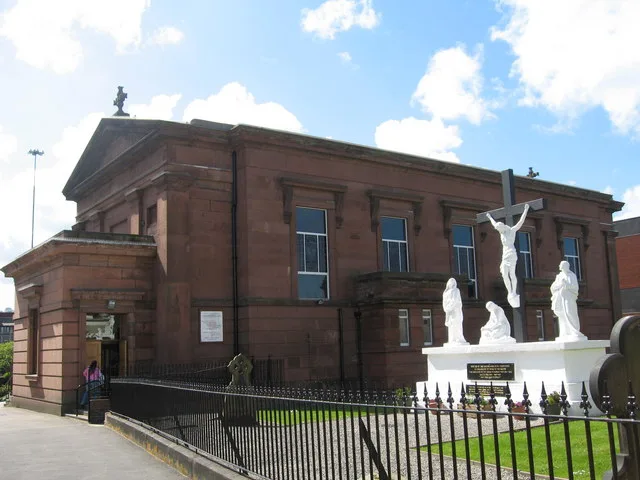 📷 3
📷 3Historic churches · North West England
St Werburgh's Church, Birkenhead
St Werburgh's Church, Birkenhead — church in Birkenhead, Merseyside, England, UK.
Other places from this era
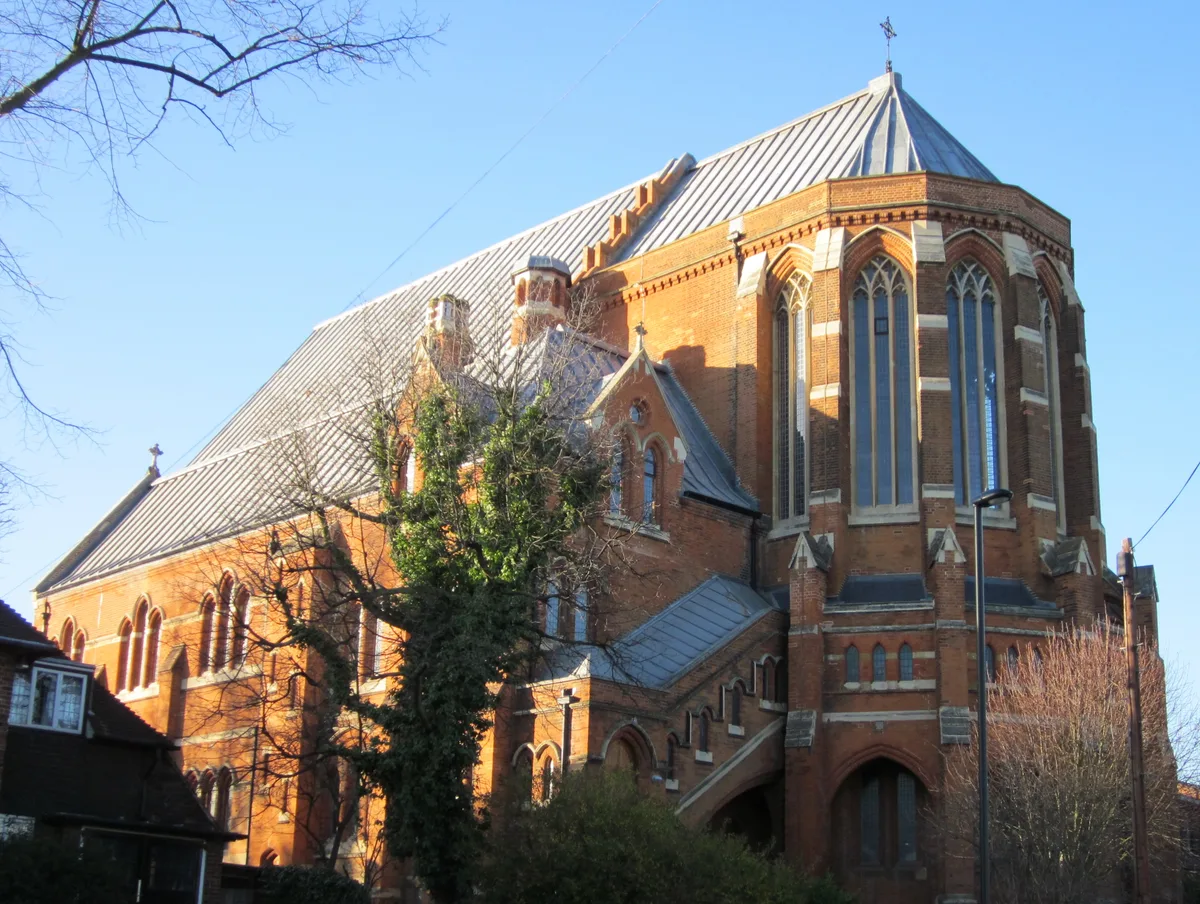 📷 5
📷 5Historic churches · London
All Saints Church, West Dulwich
All Saints Church, West Dulwich — church in West Dulwich, London.
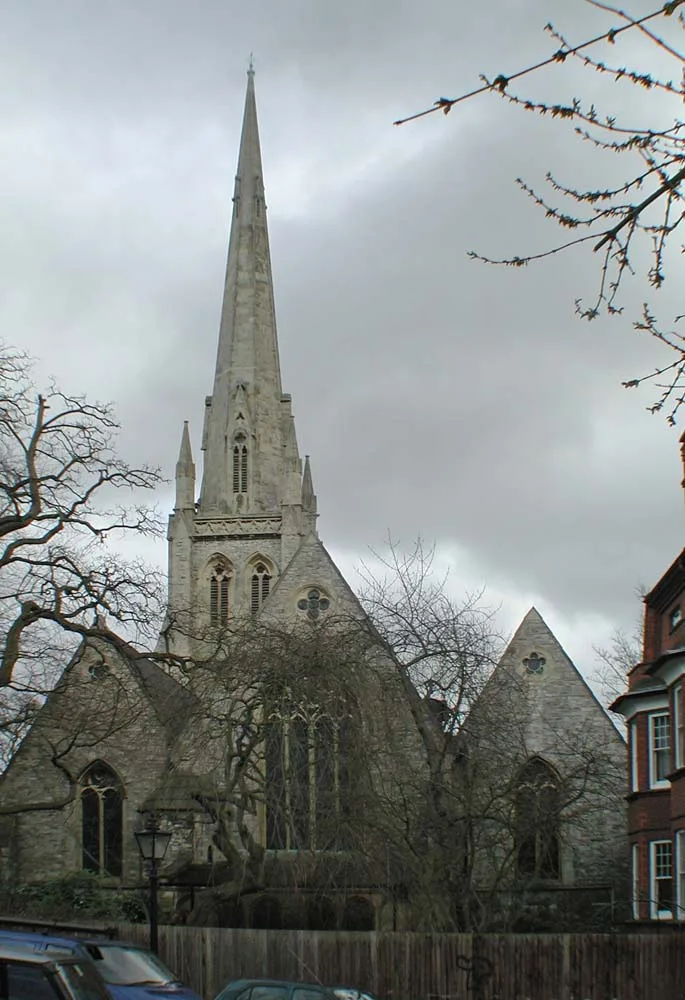 📷 5
📷 5Historic churches · London
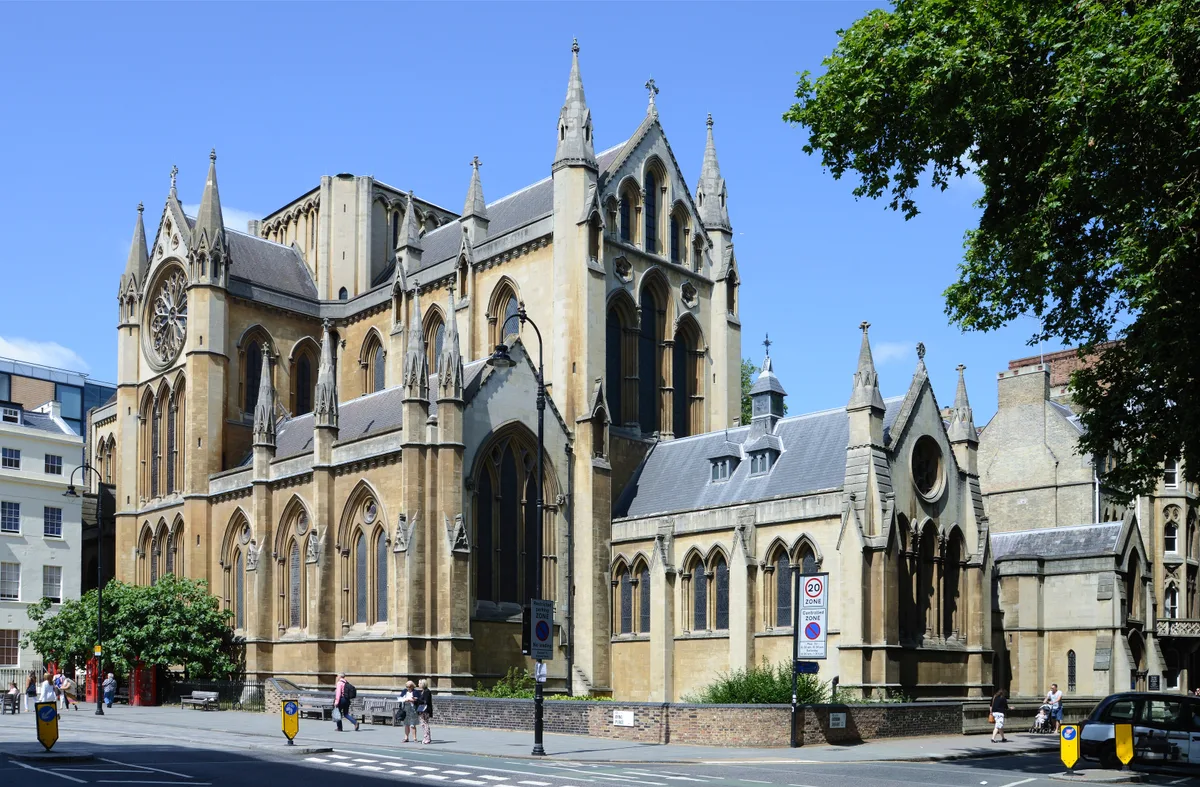
Christ Church
Christ Church — church in Hampstead, London.
 📷 5
📷 5Historic churches · London
Church of Christ the King, Bloomsbury
Church of Christ the King, Bloomsbury — church in Gordon Square, Bloomsbury, London.
 📷 5
📷 5Historic churches · London
Church of St Barnabas
Church of St Barnabas — church in Pimlico, London.
More places in this region
 📷 3
📷 3Historic churches · North West England
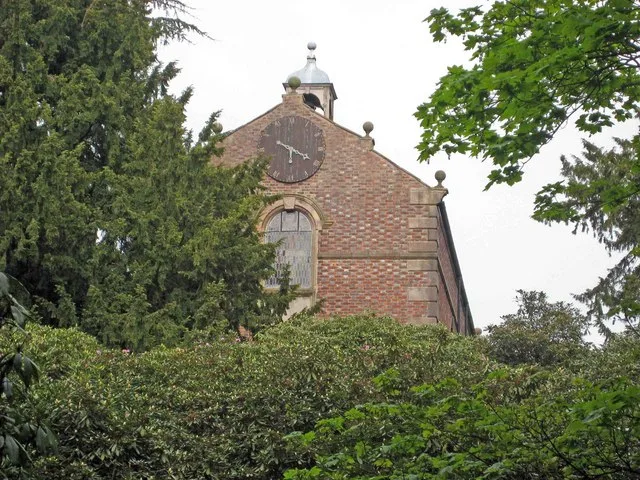
All Saints Chapel, Somerford
All Saints Chapel, Somerford — church in Cheshire East, Cheshire, England, UK.
 📷 3
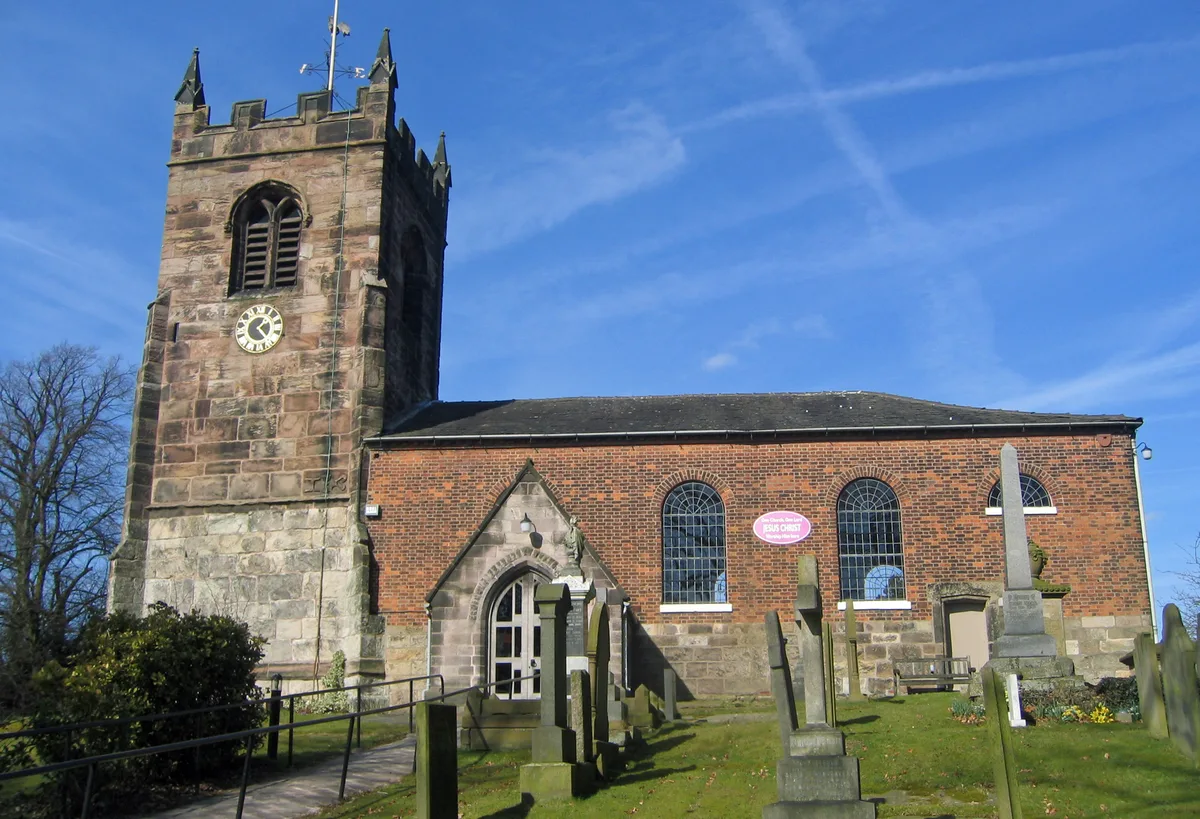
📷 3Historic churches · North West England
All Saints Church, Church Lawton
All Saints Church, Church Lawton — Grade II* listed church in Church Lawton, Cheshire East, Cheshire, England, UK.
 📷 3
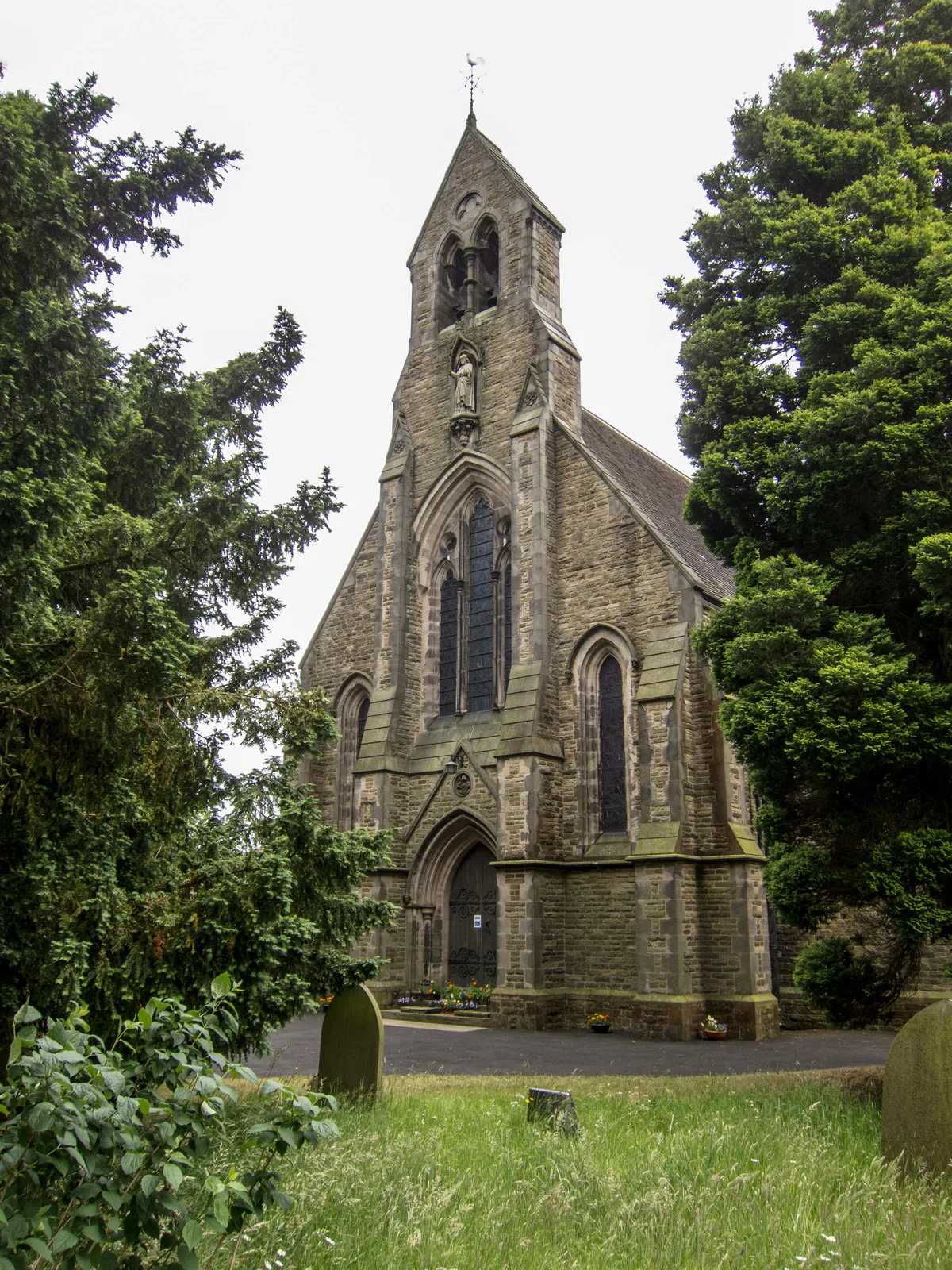
📷 3Historic churches · North West England
All Saints Church, Scholar Green
All Saints Church, Scholar Green — church in Cheshire East, Cheshire, England, UK.
 📷 3
📷 3Historic churches · North West England
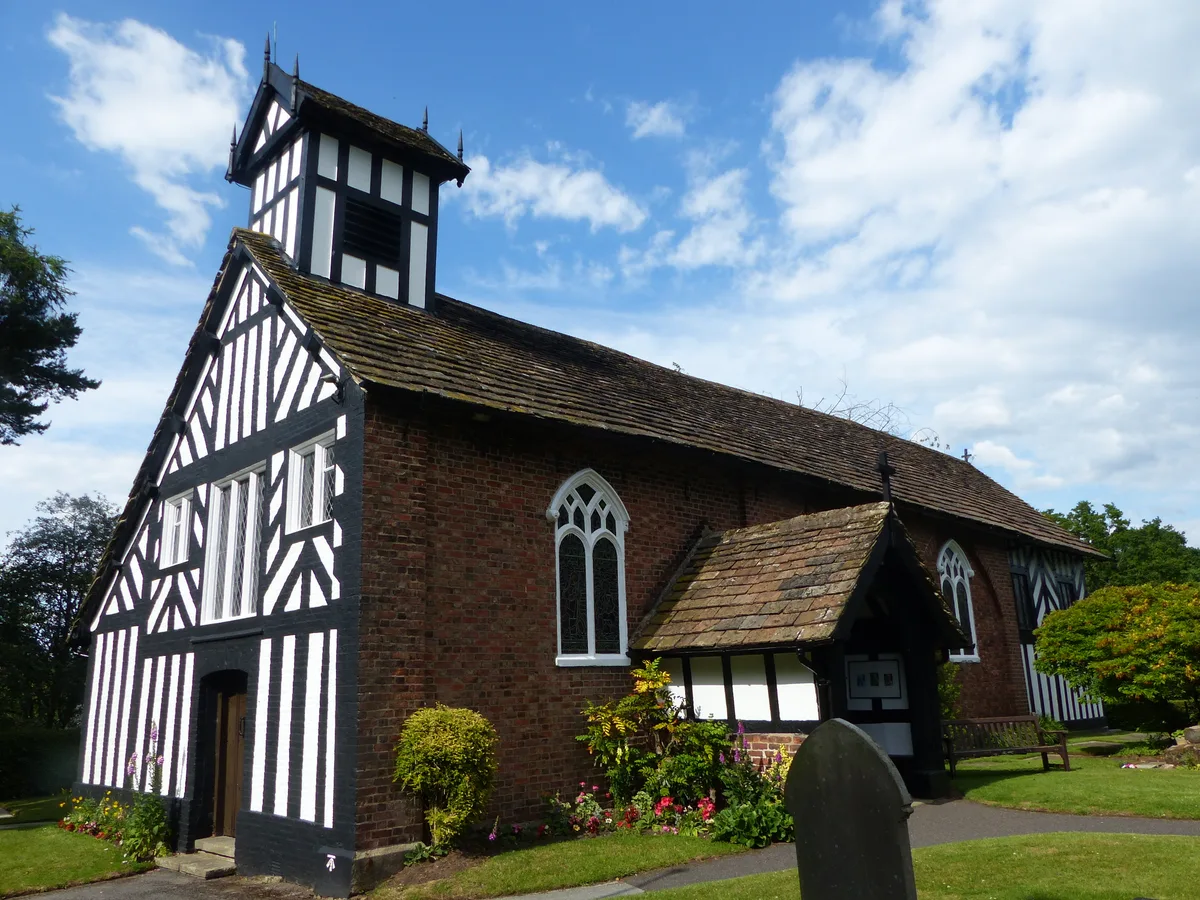
All Saints Church, Siddington
All Saints Church, Siddington — church in Cheshire East, Cheshire, England, UK.
Frequently asked questions
- Where is The Hidden Gem?
- The Hidden Gem is in North-West England, United Kingdom (postcode M2 6LN), in the parish of Manchester, unparished area.
- What is The Hidden Gem?
- The Hidden Gem — Roman Catholic diocesan shrine and parish church in Manchester, UK.
- How do I get to The Hidden Gem?
- The nearest railway station is Salford Central, about 0.7 km away. The nearest town is Manchester. Drivers can use postcode M2 6LN.
- When was The Hidden Gem built?
- Built or established in 1848. Designed by Matthew Ellison Hadfield.
- Is The Hidden Gem a listed building?
- The Hidden Gem is officially recognised as Grade II* listed building listed.
- Is The Hidden Gem free to visit?
- Yes, The Hidden Gem is free to enter.
- How do I get to The Hidden Gem?
- The nearest railway station is Salford Central, about 0.7 km away. Drivers can navigate to postcode M2 6LN.