
Forests & woodlands · South West England
The Exchange, Bristol
In or near Bristol.
The Exchange is a Grade I listed building built in 1741–43 by John Wood the Elder, on Corn Street, near the junction with Broad Street in Bristol, England. It was previously used as a corn and general

Anthony O'Neil — CC BY-SA 2.0 via Wikimedia Commons licence
_-_geograph.org.uk_-_6952529.jpg)
Plan your visit
- Typical visit
- 1 h–3 h
- Nearest railway station
- Princes Wharf · 0.8 km
- Free entry
- Family-friendly
- Dog-friendly
- Wheelchair accessible
Getting there & planning your visit
The Exchange in Bristol is located at postcode BS1 1JQ and is accessible via the nearest railway station, Princes Wharf, which is 0.8 km away. Entry is free, and the site is wheelchair accessible.
About
The Exchange is a Grade I listed building built in 1741–43 by John Wood the Elder, on Corn Street, near the junction with Broad Street in Bristol, England. It was previously used as a corn and general trade exchange but is now used as offices and it also accommodates St Nicholas Market. The Exchange underwent major building work in 1872, including roofing over the courtyard, and again in the early 1900s when the City Valuer's Department moved to the building. Since World War II the external clock tower has been removed and the roof lowered. Outside the building are four bronze tables dating from the 16th and 17th centuries, known as "nails," at which merchants carried out their business. At the front of the building is a clock showing both Greenwich Mean Time and "local time".
Photo gallery
Official information
Bristol Dry Gin is a micro distillery located in Bristol, specializing in small batch spirits including various styles of gin, vodka, and honey rum. The distillery emphasizes sustainability and environmental responsibility in its operations.
Protected designations
- Site of Special Scientific Interest: Severn Estuary SSSI
Designations sourced from Natural England open data under OGL v3.
From the Wikipedia article
The Exchange is a Grade I listed building built in 1741–43 by John Wood the Elder, on Corn Street, near the junction with Broad Street in Bristol, England. It was previously used as a corn and general trade exchange but is now used as offices and it also accommodates St Nicholas Market. The Exchange underwent major building work in 1872, including roofing over the courtyard, and again in the early 1900s when the City Valuer's Department moved to the building. Since World War II the external clock tower has been removed and the roof lowered. Outside the building are four bronze tables dating from the 16th and 17th centuries, known as "nails," at which merchants carried out their business. At the front of the building is a clock showing both Greenwich Mean Time and "local time".
Excerpt from Wikipedia under CC BY-SA 4.0. See the source article linked in Sources below.
Background
History
The Exchange was built in 1741–43 by John Wood the Elder, with carvings by Thomas Paty. Wood was also the architect of the Liverpool Exchange, which was completed in 1754 and gutted by fire in 1795. The London Exchange of Wood's day was also destroyed by fire in 1838. Bristol's Exchange is therefore unique, the only surviving 18th-century exchange building in England. At the back of the building was a two-storey range, consisting of an arcade on the ground floor and a long first-floor room. Facing All Saints Lane were two four-storey houses for business or trades persons, and on the frontage to Exchange Avenue were a further three houses. Below these various elements were cellars. Those…
Sourced from Wikipedia under CC BY-SA 4.0.
- Coordinates
- 51.4544, -2.5935
- District
- Bristol, City of
- Parish
- Bristol, City of, unparished area
- Postcode
- BS1 1JQ
- Parliamentary constituency
- Bristol Central
- Established
- 1743
- Nearest railway station
- Princes Wharf — 0.8 km
Sources
- wikipedia: The Exchange, Bristol (CC BY-SA 4.0)
Other places nearby

The Rummer
Hotels · 0.0 km

Saint Nicholas Market
Historic pubs · 0.0 km

The Rummer Lodge of Freemasons
Memorials & monuments · 0.0 km
Bristol Dry Gin
Distilleries · 0.0 km

Cafe Revival
Cafés · 0.0 km

The Bush Coaching Inn
Memorials & monuments · 0.0 km
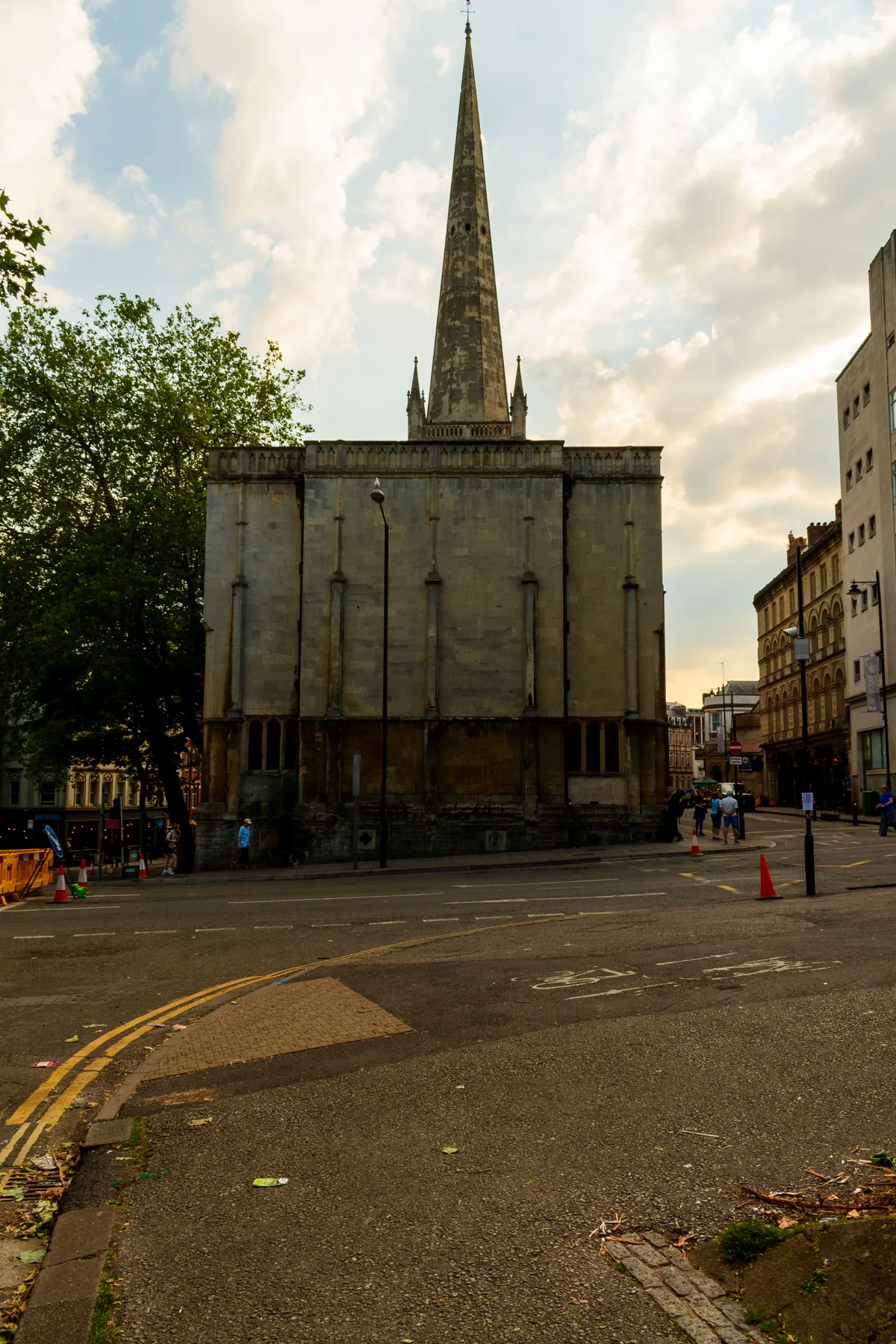
All Saints' Church, Bristol
Historic churches · 0.0 km

Brooks Guest House
B&Bs · 0.0 km

The Crown, Bristol
Historic houses · 0.1 km

Joseph Cottle
Memorials & monuments · 0.1 km

Commercial Rooms, Bristol
Gardens · 0.1 km
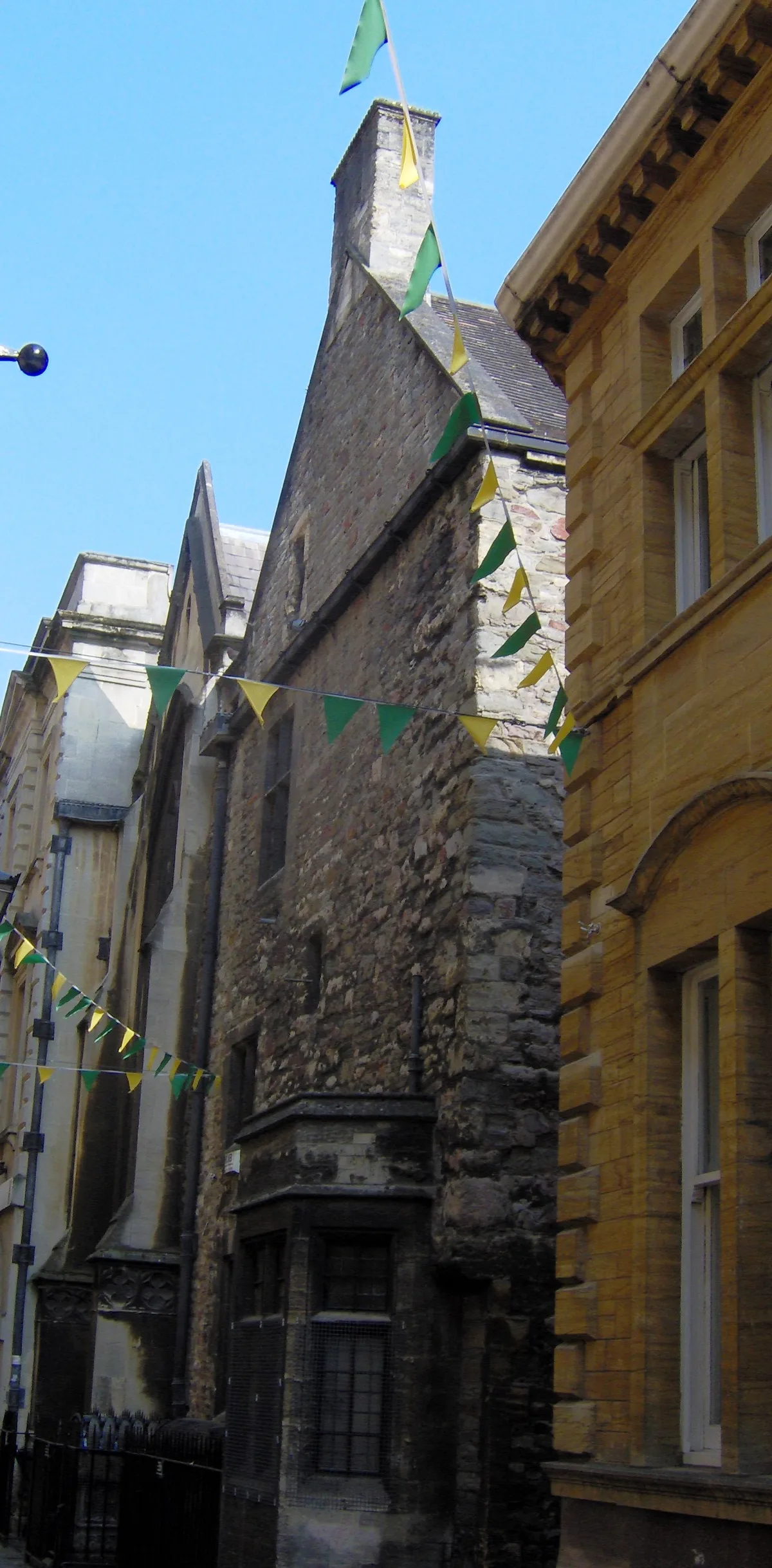
St. Nicholas Church Museum
Museums · 0.1 km
Nearby
📷 7📷 6Historic pubs · South West England
Saint Nicholas Market
Saint Nicholas Market is a place of interest in the United Kingdom.
📷 3Memorials & monuments · South West England
The Rummer Lodge of Freemasons
The Rummer Lodge of Freemasons — a memorial in england-south-west, United Kingdom.
📷 5Distilleries · South West England
Bristol Dry Gin
Bristol Dry Gin — Whisky/spirit distillery.
📷 5Cafés · South West England
Cafe Revival
Cafe Revival — a café in england south west.
📷 3Memorials & monuments · South West England
The Bush Coaching Inn
The Bush Coaching Inn — a memorial in england-south-west, United Kingdom.
Where to eat & stay near The Exchange, Bristol
Places to stay
📷 7📷 5B&Bs · South West England
Brooks Guest House
Brooks Guest House — a bed-and-breakfast in england south west.
 📷 5
📷 5Hotels · South West England
Mercure Grand Hotel
Mercure Grand Hotel — a hotel in england south west.
 📷 5
📷 5Hostels · South West England
Bristol Backpackers Youth Hostel
Bristol Backpackers Youth Hostel — a hostel in england south west.
 📷 5
📷 5 📷 5
📷 5Hotels · South West England
Radisson Hotel Blu
Radisson Hotel Blu — a hotel in england south west.
Places to eat & drink
📷 6Historic pubs · South West England
Saint Nicholas Market
Saint Nicholas Market is a place of interest in the United Kingdom.
📷 5Cafés · South West England
Cafe Revival
Cafe Revival — a café in england south west.
 📷 5
📷 5 📷 6
📷 6Restaurants · South West England
Sandwich Sandwich
Sandwich Sandwich — a restaurant in england south west.
 📷 7
📷 7Restaurants · South West England
Pata Negra
Pata Negra — a restaurant in england south west.
 📷 5
📷 5Restaurants · South West England
Chez Marcel
Chez Marcel — a restaurant in england south west.
More forests in this region
 📷 5
📷 5Forests & woodlands · South West England
Avebury Stone Circle
Avebury Stone Circle is a forest or woodland in the United Kingdom.
 📷 5
📷 5Forests & woodlands · South West England
Bowerchalke Downs SSSI
Bowerchalke Downs SSSI is a forest or woodland in the United Kingdom.
 📷 5
📷 5Forests & woodlands · South West England
Broadcroft Quarry Butterfly Reserve
Broadcroft Quarry Butterfly Reserve is a forest or woodland in the United Kingdom.
 📷 5
📷 5Forests & woodlands · South West England
Chickengrove Bottom SSSI
Chickengrove Bottom SSSI is a forest or woodland in the United Kingdom.
Frequently asked questions
- Where is The Exchange, Bristol?
- The Exchange, Bristol is in South-West England, United Kingdom (postcode BS1 1JQ), in the parish of Bristol, City of, unparished area.
- What is The Exchange, Bristol?
- The Exchange is a Grade I listed building built in 1741–43 by John Wood the Elder, on Corn Street, near the junction with Broad Street in Bristol, England. It was previously used as a corn and general
- How do I get to The Exchange, Bristol?
- The nearest railway station is Princes Wharf, about 0.8 km away. The nearest town is Bristol. Drivers can use postcode BS1 1JQ.
- When was The Exchange, Bristol built?
- Built or established in 1743.
- Is The Exchange, Bristol a protected site?
- Yes — The Exchange, Bristol is part of the Severn Estuary SSSI Site of Special Scientific Interest.
- Is The Exchange, Bristol free to visit?
- Yes, The Exchange, Bristol is free to enter.
- How do I get to The Exchange, Bristol?
- The nearest railway station is Princes Wharf, about 0.8 km away. Drivers can navigate to postcode BS1 1JQ.