
Palaces · London
The Crystal Palace
Also known as: Y Palas Grisial, An Pálás Criostail
In or near Shortlands.
The Crystal Palace — former building originally in Hyde Park, London, 1854 relocated to Bromley, South London.

Wikimedia Commons contributors — see linked file page for photographer and licence licence

Plan your visit
- Typical visit
- 2 h–3 h
- Nearest railway station
- Crystal Palace · 0.6 km
- Paid entry
- Family-friendly
- Limited wheelchair access
Getting there & planning your visit
To visit The Crystal Palace, the nearest railway station is Crystal Palace, located 0.6 km away. Admission is paid, and wheelchair accessibility is limited. The postcode for sat-nav is SE19 1LG.
About
The Crystal Palace is a palace in the United Kingdom — a residence built or used by royalty, the aristocracy, or a bishop. Records date its origin to 1851. Designed by Joseph Paxton. Built in the Victorian architecture style. Constructed primarily of wood. Wikidata describes it as: "former building originally in Hyde Park, London, 1854 relocated to Bromley, South London". Coordinates: 51.4223°, -0.0758°.
Photo gallery
From the Wikipedia article
The Crystal Palace was a cast iron and plate glass structure, originally built in Hyde Park, London, to house the Great Exhibition of 1851. The exhibition took place from 1 May to 15 October 1851, and more than 14,000 exhibitors from around the world gathered in its 990,000-square-foot (92,000 m2) exhibition space to display examples of technology developed in the Industrial Revolution. Designed by Joseph Paxton, the Great Exhibition building was 1,851 feet (564 m) long, with an interior height of 128 feet (39 m), and was three times the size of St Paul's Cathedral. The 293,000 panes of glass were manufactured by Chance Brothers. The 990,000-square-foot building with its 128-foot-high ceiling was completed in thirty-nine weeks. The Crystal Palace boasted the greatest area of glass ever seen in a building. It astonished visitors with its clear walls and ceilings that did not require interior lights. It has been suggested that the name of the building resulted from a piece penned by the playwright Douglas Jerrold, who in July 1850 wrote in the satirical magazine Punch about the forthcoming Great Exhibition, referring to a "palace of very crystal". After the exhibition, the Palace was relocated to an open area of South London known as Penge Place which had been excised from Penge Common. It was rebuilt at the top of Penge Peak next to Sydenham Hill, an affluent suburb of large villas. It stood there from June 1854 until its destruction by fire in November 1936. The nearby residential area was renamed Crystal Palace after the landmark. This included the Crystal Palace Park, which surrounds the site, home of the Crystal Palace National Sports Centre, which was previously a football stadium that hosted the FA Cup Final between 1895 and 1914. Crystal Palace F.C. were founded at the site and played at the Cup Final venue in their early years. The park still contains Benjamin Waterhouse Hawkins's Crystal Palace Dinosaurs which date back to 1854.
Excerpt from Wikipedia under CC BY-SA 4.0. See the source article linked in Sources below.
Background
Architecture
Paxton's modular, hierarchical design reflected his practical brilliance as a designer and problem-solver. It incorporated many breakthroughs, offered practical advantages that no conventional building of that era could match and, above all, it embodied the spirit of British innovation and industrial might that the Great Exhibition was intended to celebrate. The geometry of the Crystal Palace was a classic example of the concept of form following manufacturer's limitations: the shape and size of the whole building was directly based around the size of the panes of glass made by the supplier, Chance Brothers of Smethwick. These were the largest available at the time, measuring 10 in wide by…
Sourced from Wikipedia under CC BY-SA 4.0.
- Coordinates
- 51.4223, -0.0758
- District
- Southwark
- Parish
- Southwark, unparished area
- Postcode
- SE19 1LG
- Parliamentary constituency
- Dulwich and West Norwood
- Established
- 1851
- Nearest railway station
- Crystal Palace — 0.6 km
Sources
- wikidata: Q202902 (CC0)
- wikipedia: The Crystal Palace (CC BY-SA 4.0)
- commons: Crystal Palace from the northeast from Dickinson's Comprehensive Pictures of the Great Exhibition of 1851. 1854.jpg (CC BY-SA 4.0)
Other places nearby

Crystal Palace
Palaces · 0.1 km

Crystal Palace Subway
Palaces · 0.1 km
Crystal Palace Picture House
Theatres · 0.1 km

Crystal Palace School
Palaces · 0.1 km

Headless Woman
Public art & sculpture · 0.2 km

Sphinx
Public art & sculpture · 0.2 km

Leslie Howard
Memorials & monuments · 0.2 km
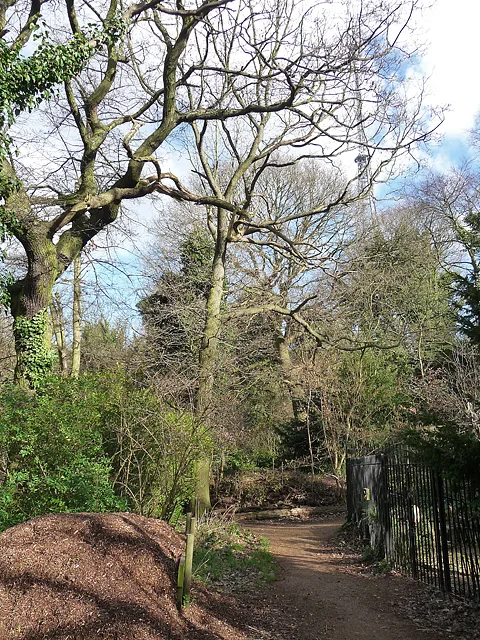
Dulwich Upper Wood
Wildlife reserves · 0.2 km

Crystal Palace Aquarium
Palaces · 0.3 km
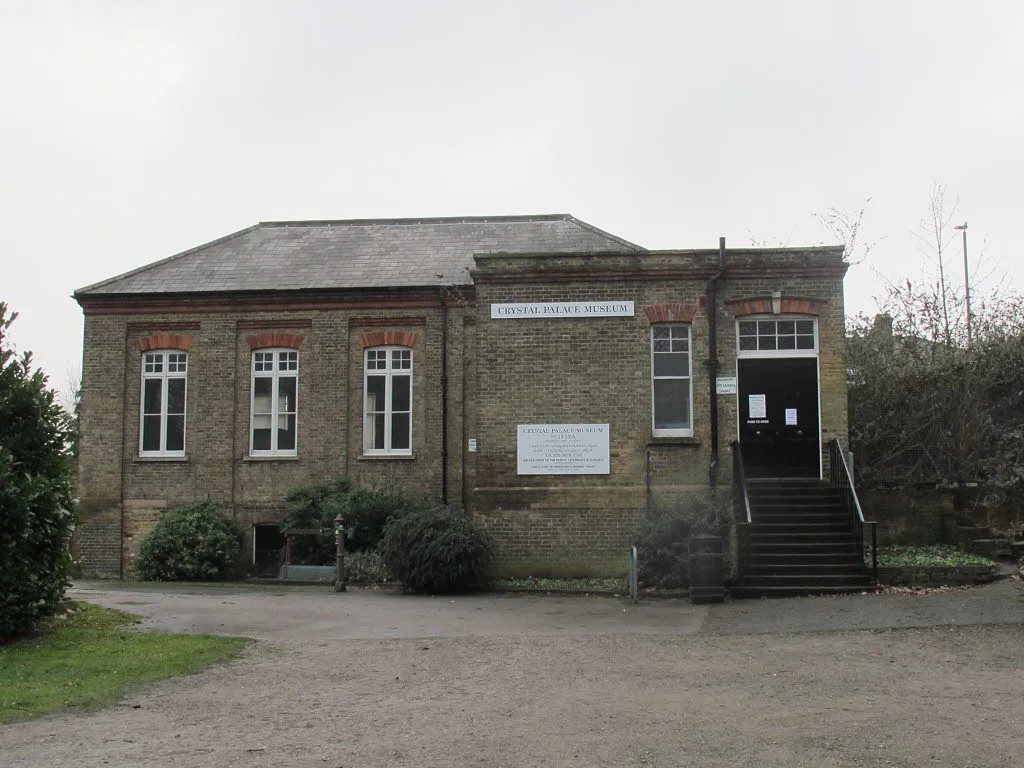
Crystal Palace Museum
Museums · 0.3 km

The Vicar's Oak
Public art & sculpture · 0.3 km

Headless Statue
Public art & sculpture · 0.3 km
Nearby
📷 5📷 5Palaces · London
Crystal Palace Subway
Crystal Palace Subway — a palace in england-london, United Kingdom.
📷 5Theatres · London
Crystal Palace Picture House
Crystal Palace Picture House in England London, United Kingdom.
📷 5Palaces · London
Crystal Palace School
Crystal Palace School — a school heritage in england-london, United Kingdom.
📷 5Public art & sculpture · London
Headless Woman
Headless Woman — a public art in england-london, United Kingdom.
📷 5Where to eat & stay near The Crystal Palace
Places to stay
 📷 5
📷 5 📷 5
📷 5Campsites · London
South London Scout Centre
South London Scout Centre — a campsite in england london.
 📷 5
📷 5 📷 5
📷 5Hostels · London
Hootananny Brixton
Hootananny Brixton — a hostel in england london.
 📷 7
📷 7Hotels · London
Hampton by Hilton London Croydon
Hampton by Hilton London Croydon — a hotel in england london. 3.5-star. Brand: Hampton.
 📷 7
📷 7Hotels · London
Holiday Inn Express London-Croydon
Holiday Inn Express London-Croydon — a hotel in england london. 3-star. Brand: Holiday Inn Express.
Places to eat & drink
 📷 5
📷 5 📷 5
📷 5 📷 5
📷 5Historic pubs · London
The Crown and Greyhound
The Crown and Greyhound in England London, United Kingdom.
 📷 5
📷 5 📷 7
📷 7 📷 5
📷 5Other works by Joseph Paxton
 📷 5
📷 5Public art & sculpture · East Midlands
Emperor Fountain
Emperor Fountain in England East Midlands, United Kingdom.
Other palaces from this era
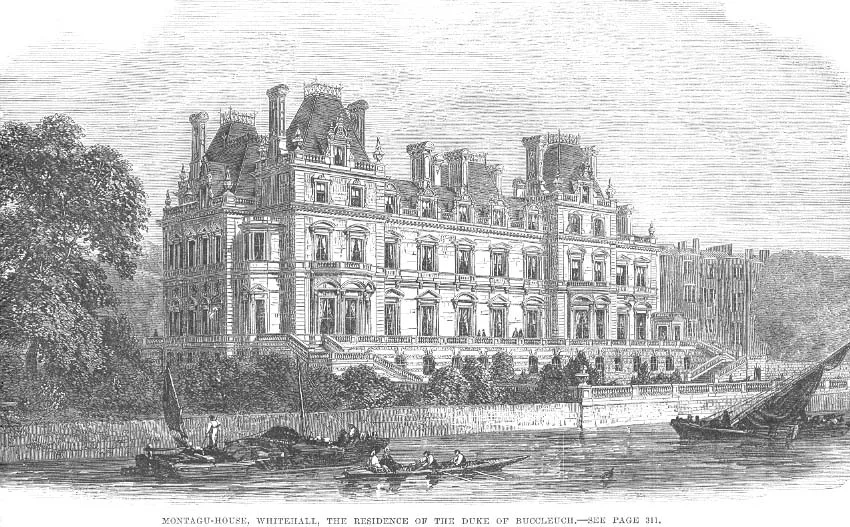 📷 5
📷 5More palaces in this region
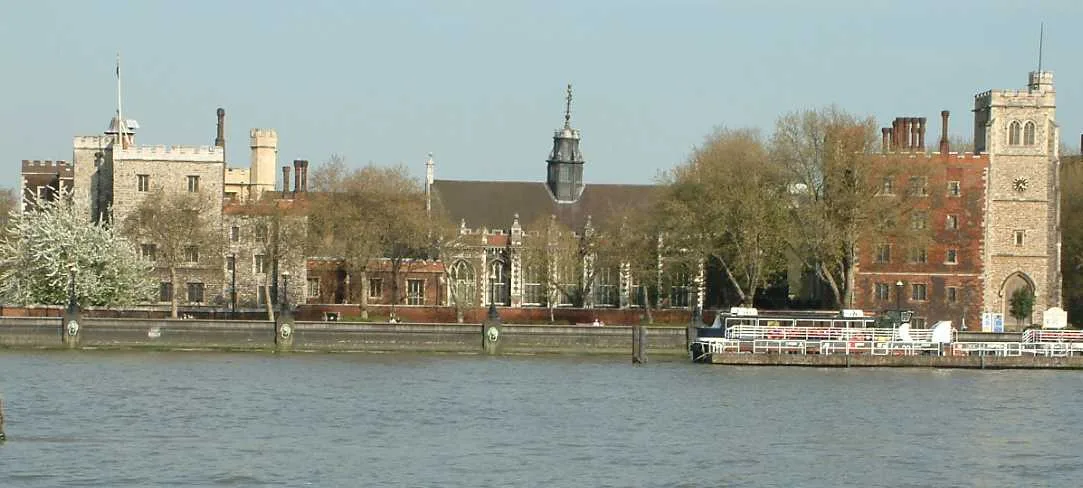 Flagship📷 10
Palaces · London
Lambeth Palace
Lambeth Palace — official London residence of the Archbishop of Canterbury.
 📷 5
📷 5Palaces · London
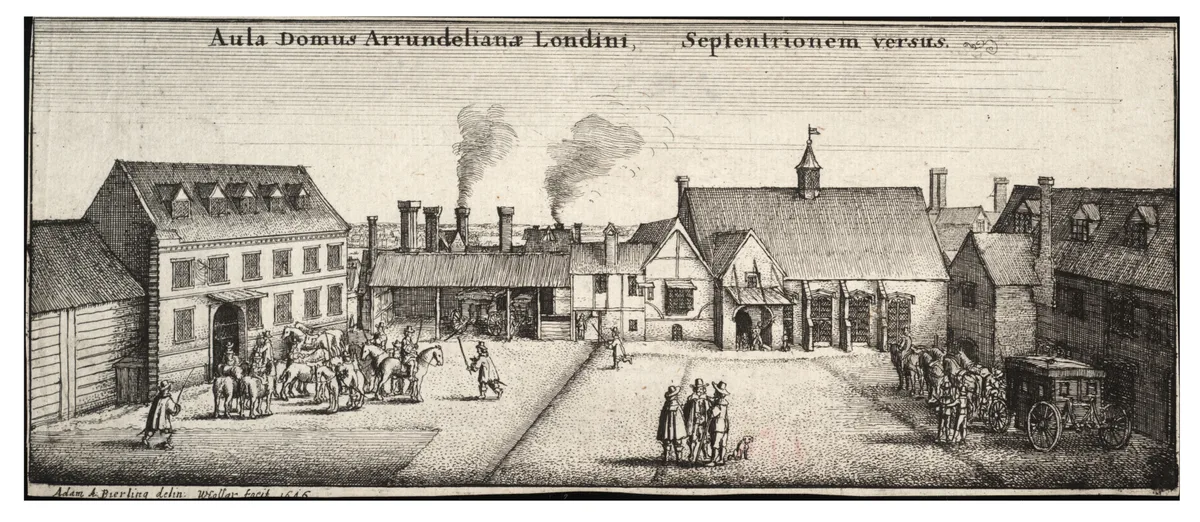
Arundel House
Arundel House — London town-house located between the Strand and the River Thames, near St Clement Danes.
 📷 5
📷 5Palaces · London
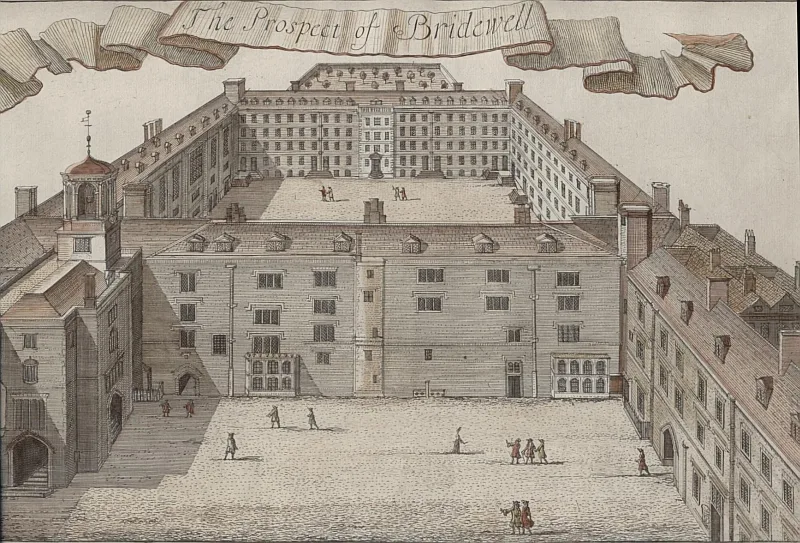
Bridewell Palace
Bridewell Palace — former palace in the City of London, England; former prison.
 ★ Iconic📷 5
Palaces · London
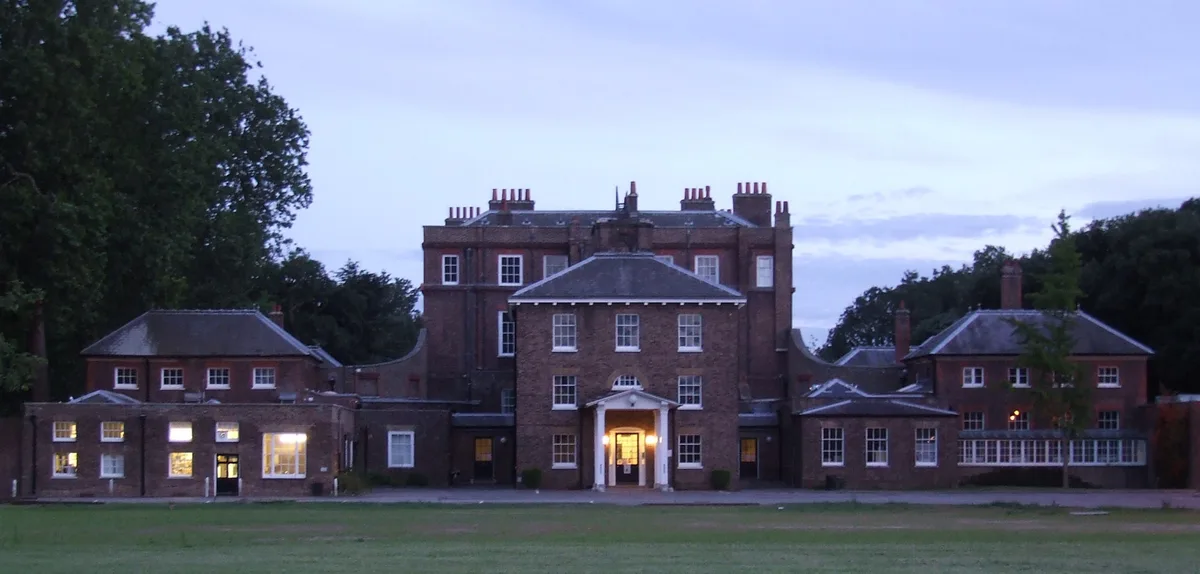
Bushy House
Bushy House — former royal residence in Teddington in South West London.
Frequently asked questions
- Where is The Crystal Palace?
- The Crystal Palace is in London, United Kingdom (postcode SE19 1LG), in the parish of Southwark, unparished area.
- What is The Crystal Palace?
- The Crystal Palace — former building originally in Hyde Park, London, 1854 relocated to Bromley, South London.
- How do I get to The Crystal Palace?
- The nearest railway station is Crystal Palace, about 0.6 km away. The nearest town is Shortlands. Drivers can use postcode SE19 1LG.
- When was The Crystal Palace built?
- Built or established in 1851. Designed by Joseph Paxton.
- Does The Crystal Palace charge admission?
- The Crystal Palace typically charges admission. Check the official site for current ticket prices and opening hours.
- How do I get to The Crystal Palace?
- The nearest railway station is Crystal Palace, about 0.6 km away. Drivers can navigate to postcode SE19 1LG.