
Abbeys & priories · London
Syon Abbey
In or near Thames Ditton.
Syon Abbey — The sole religious order to survive through the Reformation.

Wikimedia Commons licence
Plan your visit
- Typical visit
- 45 min–1.5 h
- Nearest railway station
- Syon Lane · 1.1 km
- Family-friendly
- Limited wheelchair access
Getting there & planning your visit
To visit Syon Abbey, the nearest railway station is Syon Lane, which is 1.1 km away. The postcode for sat-nav is TW8 8JG. Accessibility is limited for wheelchair users.
About
Syon Abbey is an abbey, priory, or monastic site in the United Kingdom. Records date its origin to 1401. Wikidata describes it as: "The sole religious order to survive through the Reformation". Coordinates: 51.4767°, -0.3119°.
Photo gallery
Protected designations
- Site of Special Scientific Interest: Syon Park SSSI
- Area of Outstanding Natural Beauty: Chilterns
Designations sourced from Natural England open data under OGL v3.
From the Wikipedia article
Syon Abbey , also called simply Syon, was a dual monastery of men and women of the Bridgettine Order, although it only ever had abbesses during its existence. It was founded in 1415 and stood, until its demolition in the 16th century, on the left (northern) bank of the River Thames within the parish of Isleworth, in the county of Middlesex, on or near the site of the present Georgian mansion of Syon House, today in the London Borough of Hounslow. It was named after the biblical holy "City of David which is Zion" (1 Kings 8:1), built on the eponymous Mount Zion (or Sion, Syon, etc.). At the time of the dissolution, the abbey was the wealthiest religious house in England. Syon Abbey maintained a substantial library, with a collection for the monks and another for the nuns. Religious texts were also copied and produced at Syon Abbey. One of these texts was A ryght profytable treatise, which was written by Syon librarian Thomas Betson. When Catherine of Siena's Dialogue of Divine Revelation was translated into English for the abbey, it was given a new title, The Orchard of Syon, and included a separate prologue written to the nuns.
Excerpt from Wikipedia under CC BY-SA 4.0. See the source article linked in Sources below.
Background
History
, centred on the rebuilding of Sheen Palace. Note the dotted black line denoting the boundary of Twickenham Parish, within which Syon I was situated]] Syon Abbey was built as part of King Henry V's "The King's Great Work" centred on Sheen Palace (renamed Richmond Palace in 1501). The royal manor of Sheen lay on the right (south), Surrey, bank of the River Thames, opposite the parish of Twickenham and the royal manor of Isleworth on the left, Middlesex, bank. Sheen had been a favourite residence of the last Plantagenet king Richard II (1377–1399) and his beloved wife Anne of Bohemia. When Anne died there of plague in 1394, Richard cursed the place where they had found great happiness and…
Sourced from Wikipedia under CC BY-SA 4.0.
- Coordinates
- 51.4767, -0.3119
- District
- Hounslow
- Parish
- Hounslow, unparished area
- Postcode
- TW8 8JG
- Parliamentary constituency
- Brentford and Isleworth
- Established
- 1401
- Nearest railway station
- Syon Lane — 1.1 km
Sources
- wikidata: Q7662966 (CC0)
- wikipedia: Syon Abbey (CC BY-SA 4.0)
Other places nearby

Syon House
Gardens · 0.0 km
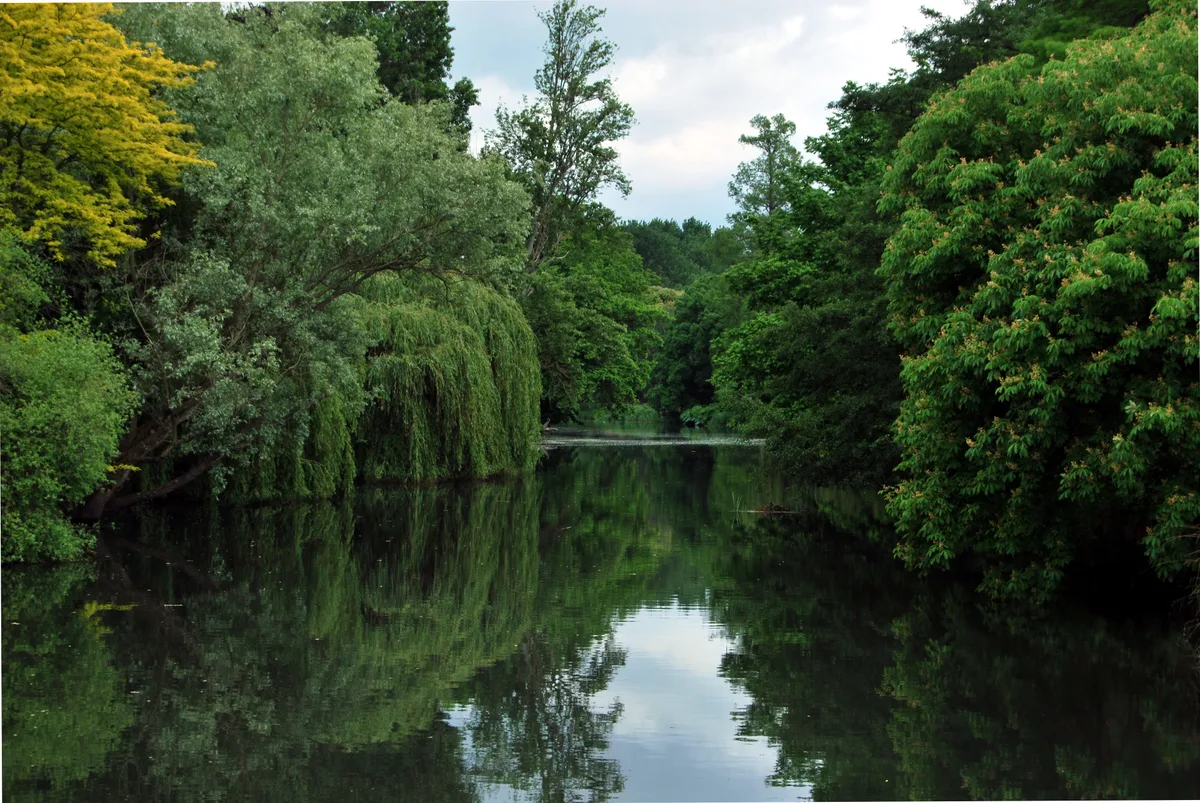
Syon Park
Parks · 0.3 km

Hilton Syon Park
Hotels · 0.4 km

Flora's Column
National landscapes (AONB) · 0.5 km

Syon Outlook
Viewpoints · 0.5 km

Ornamental Bridge In Syon Park Over Pond Near Entrance Gates
Historic bridges · 0.5 km

Stop 4 - Natural Area
Natural landmarks · 0.5 km

Big dining table with chairs
Natural landmarks · 0.6 km
Log trail & Giant badger sett
Natural landmarks · 0.6 km

Syon Park Entrance Lodges And Gates, London Road
Historic houses · 0.6 km

Three Obelisks on river bank of River Thames
Forts · 0.6 km
Coach and Horses
Historic houses · 0.6 km
Nearby
📷 5Gardens · London
Syon House
Syon House — house with park in Isleworth, west London, England, UK.
Flagship📷 10📷 5📷 5📷 5📷 5Historic bridges · London
Ornamental Bridge In Syon Park Over Pond Near Entrance Gates
Ornamental Bridge In Syon Park Over Pond Near Entrance Gates — Grade II listed building-listed bridge in england-london, United Kingdom.
Where to eat & stay near Syon Abbey
Places to stay
📷 5 📷 6
📷 6Hotels · London
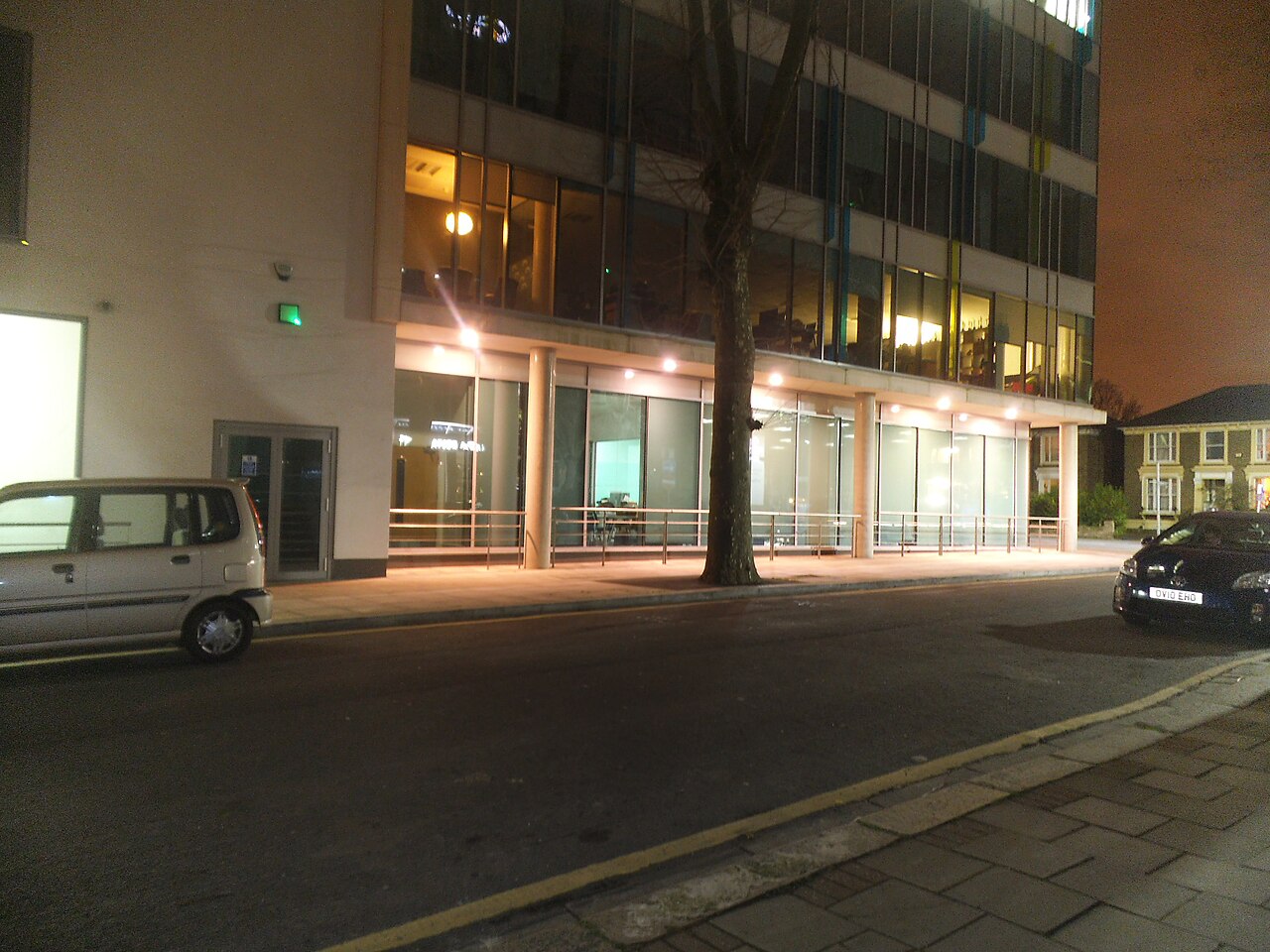
Novotel London Brentford
Novotel London Brentford — a hotel in england london.
 📷 7
📷 7 📷 5
📷 5Hotels · London
Richmond Hill Hotel
Richmond Hill Hotel — a hotel in england london.
 📷 5
📷 5 📷 7
📷 7Hotels · London
Boston Manor Hotel
Boston Manor Hotel — a hotel in england london.
Places to eat & drink
 📷 7
📷 7 📷 5
📷 5Historic pubs · London
The London Apprentice
The London Apprentice — Historic pub — listed building or notable heritage status.
 📷 7
📷 7 📷 5
📷 5 📷 7
📷 7 📷 7
📷 7Other abbeys from this era
 📷 5
📷 5 📷 5
📷 5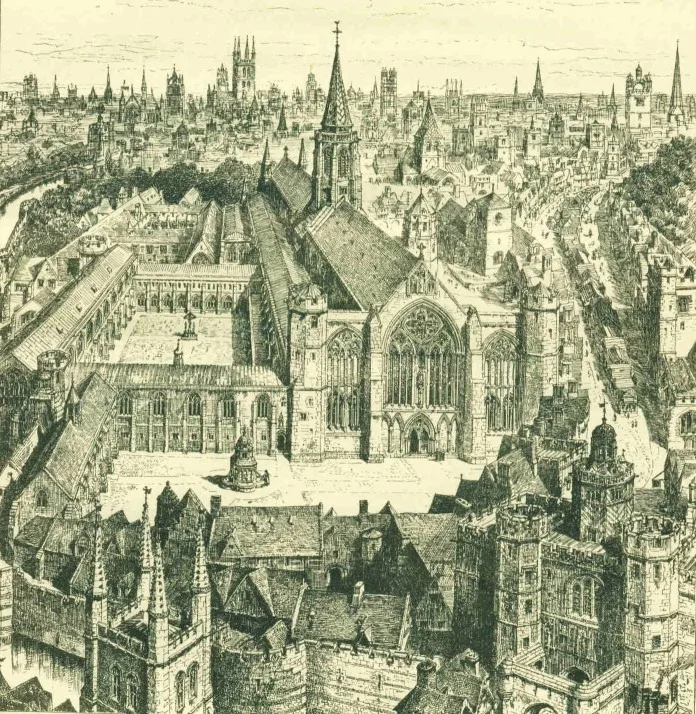 📷 5
📷 5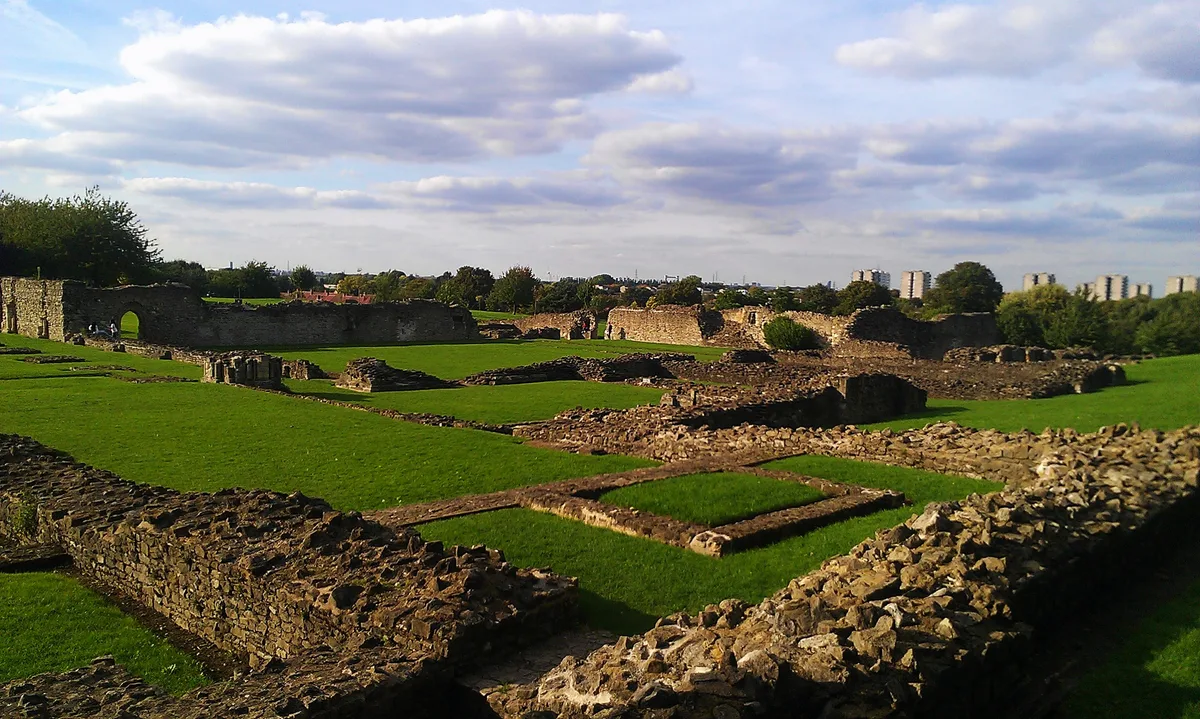 📷 5
📷 5Abbeys & priories · London
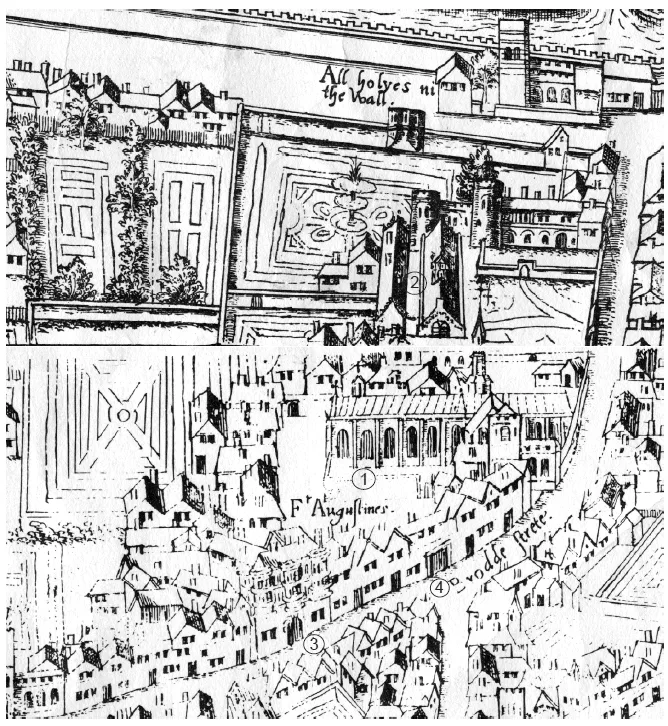
Lesnes Abbey
Lesnes Abbey — former abbey, now ruined, in Abbey Wood, London Borough of Bexley, England, UK.
More abbeys in this region
 ★ Iconic📷 5
Abbeys & priories · London
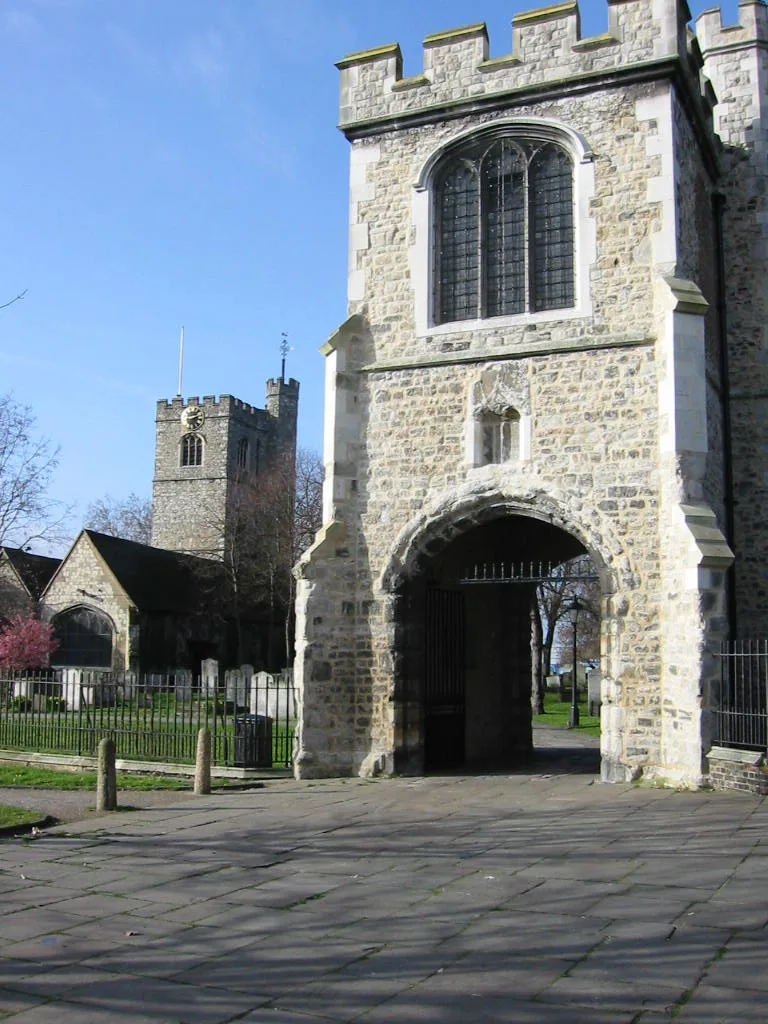
Barking Abbey
Barking Abbey — building in London, England, UK.
 📷 5
📷 5.jpg?width=1200) 📷 5
📷 5Abbeys & priories · London
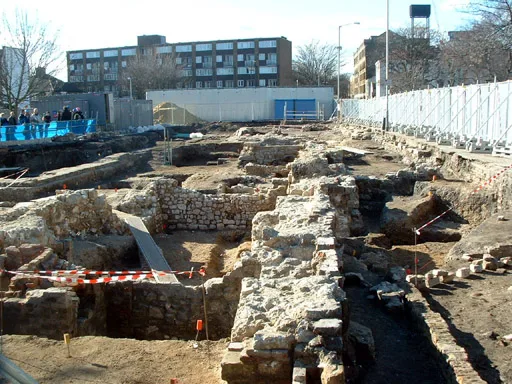
Bermondsey Farmers' Market
Bermondsey Farmers' Market is a place of interest in the United Kingdom.
 ★ Iconic📷 5
Frequently asked questions
- Where is Syon Abbey?
- Syon Abbey is in London, United Kingdom (postcode TW8 8JG), in the parish of Hounslow, unparished area.
- What is Syon Abbey?
- Syon Abbey — The sole religious order to survive through the Reformation.
- How do I get to Syon Abbey?
- The nearest railway station is Syon Lane, about 1.1 km away. The nearest town is Thames Ditton. Drivers can use postcode TW8 8JG.
- When was Syon Abbey built?
- Built or established in 1401.
- Is Syon Abbey a protected site?
- Yes — Syon Abbey is part of the Syon Park SSSI Site of Special Scientific Interest and the Chilterns National Landscape (AONB).
- How do I get to Syon Abbey?
- The nearest railway station is Syon Lane, about 1.1 km away. Drivers can navigate to postcode TW8 8JG.