
Towns & cities · Central Scotland
Strathblane
Strathblane — village in Stirling, Scotland, UK.

Wikimedia Commons contributors — see linked file page for photographer and licence licence

Plan your visit
- Typical visit
- 3 h–6 h
- Nearest railway station
- Milngavie · 5.1 km
- Free entry
- Family-friendly
- Dog-friendly
Getting there & planning your visit
To visit Strathblane, the nearest railway station is Milngavie, located 5.1 km away. Entry to the town is free. The postcode for navigation is G63 9DB.
About
Strathblane is a town, city, village or settlement in the United Kingdom. It covers approximately 17 km². Recent population estimates put it at around 1,990 people. Wikidata describes it as: "village in Stirling, Scotland, UK". Coordinates: 55.9865°, -4.3061°.
Photo gallery
From the Wikipedia article
Strathblane (Scottish Gaelic: Strath Bhlàthain, pronounced [s̪t̪ɾahˈvl̪ˠaː.ɪɲ]) is a village and parish in the registration county of Stirling, situated in the southwestern part of the Stirling council area, in central Scotland. It lies at the foothills of the Campsie Fells and the Kilpatrick Hills on the Blane Water, 12 miles (19 km) north of Glasgow, 14 miles (23 km) east-southeast of Dumbarton, and 20 miles (32 km) southwest of Stirling. Strathblane is a dormitory village for Greater Glasgow, and has a total resident population of 1,811. Historically, Strathblane was the name of a parish in Stirlingshire which comprised three villages: Edenkill, Netherton and Mugdock. Mugdock was the ancient seat of the Earls of Lennox, and to the east of Strathblane lies the town of Lennoxtown. Blanefield is a settlement contiguous with Strathblane's northwestern fringe. To the west is the volcanic plug Dumgoyne, Glengoyne Distillery and the Trossachs National Park. The West Highland Way—a long-distance trail—passes close to the village. The Gaelic name Strath Bhlàthain translates to English as "the valley of the Blane", with reference to the Blane Water, a watercourse. The Blane Water (Uisge Bhlàthain) has also been referred to as Beul-abhainn (Scottish Gaelic pronunciation: [ˈpial̪ˠa.ɪɲ]) meaning "mouth-river" after the numerous burns merging. One of its tributaries, the Ballagan Burn passes over the waterfall the Spout of Ballagan which shows 192 alternate strata of coloured shales and limestone (including pure alabaster). The Blane flows into the Endrick, which, in its turn, flows westward to Loch Lomond.
Excerpt from Wikipedia under CC BY-SA 4.0. See the source article linked in Sources below.
Background
History
Historian William Forbes Skene suggested Strathblane to have been the site of the battle between the Britons and Picts in the year 750, during which Talorgan son of Fergus, brother of Óengus I of the Picts, was slain. The Annales Cambriae and Annals of Ulster refer to the battlefield as "Mocetauc" or "Catohic" respectively, which Skene and others have suggested referred to Mugdock, a locality at the edge of Lennox, within the parish of Strathblane. A rise in population during the early 19th century was due in part to the development of a large calico printfield at Blanefield (employing 78 adults and 45 children under 14) and two bleachfields at Dumbrock (employing 67 adults and 14 children…
Sourced from Wikipedia under CC BY-SA 4.0.
- Coordinates
- 55.9865, -4.3061
- District
- Stirling
- Postcode
- G63 9DB
- Parliamentary constituency
- Stirling and Strathallan
- Population
- 1,990
- Nearest railway station
- Milngavie — 5.1 km
Sources
- wikidata: Q1010547 (CC0)
- wikipedia: Strathblane (CC BY-SA 4.0)
- commons: Strathblane Parish Church - geograph.org.uk - 925386.jpg (CC BY-SA 4.0)
Other places nearby

Parish Church and Churchyard, Strathblane Road, Strathblane
Historic churches · 0.1 km

Edmonston Mausoleum
Follies · 0.2 km

Strathblane Country House
Hotels · 1.1 km

Spout of Ballagan
Waterfalls · 1.2 km

Dunglass
Mountains & hills · 1.5 km

David Clay Shenton
Memorials & monuments · 1.6 km

Sandy Hill
Mountains & hills · 1.9 km
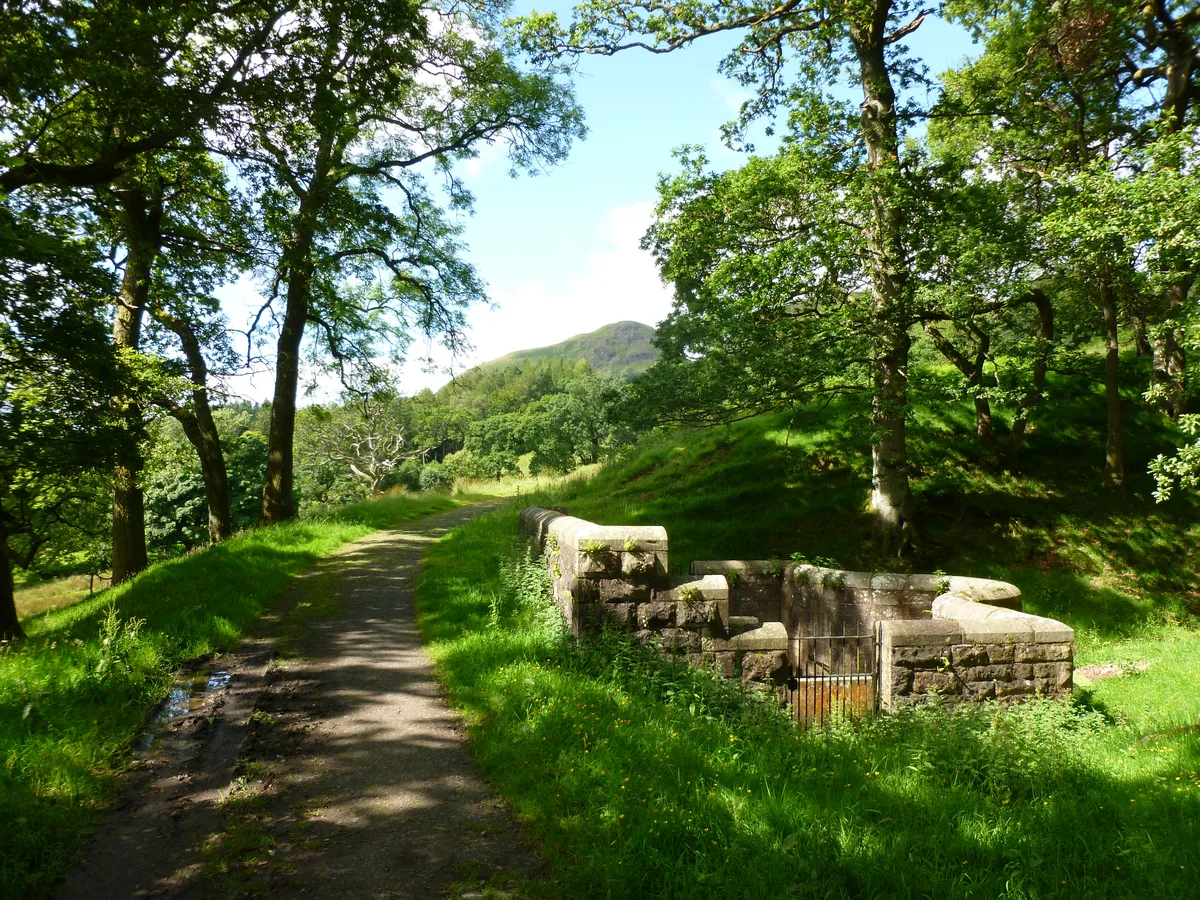
Ballewan Byewash 1 (former Glasgow Corporation Water Works)
Aqueducts · 2.1 km
Slackdhu
Mountains & hills · 2.2 km

Theatre & Conference Suite
Theatres · 2.2 km

Moot Hill
Mountains & hills · 2.2 km

Gallow Hill
Mountains & hills · 2.3 km
Strathblane is a town in central Scotland offering a variety of historical sites for visitors. You can explore Craigmaddie Castle and Mugdock Castle, both of which are notable castles in the area. The town also features the James Watt Building in Cloberfield, Milngavie, which is described as a palace.
At a glance
- Population
- 1,990
- Constituency
- Stirling and Strathallan
- Top categories near here
Things to see in Strathblane
63 attractions within 12 km — showing the 24 most editorially-significant. Full guide: things to do in Strathblane →
 📷 4
📷 4 📷 3
📷 3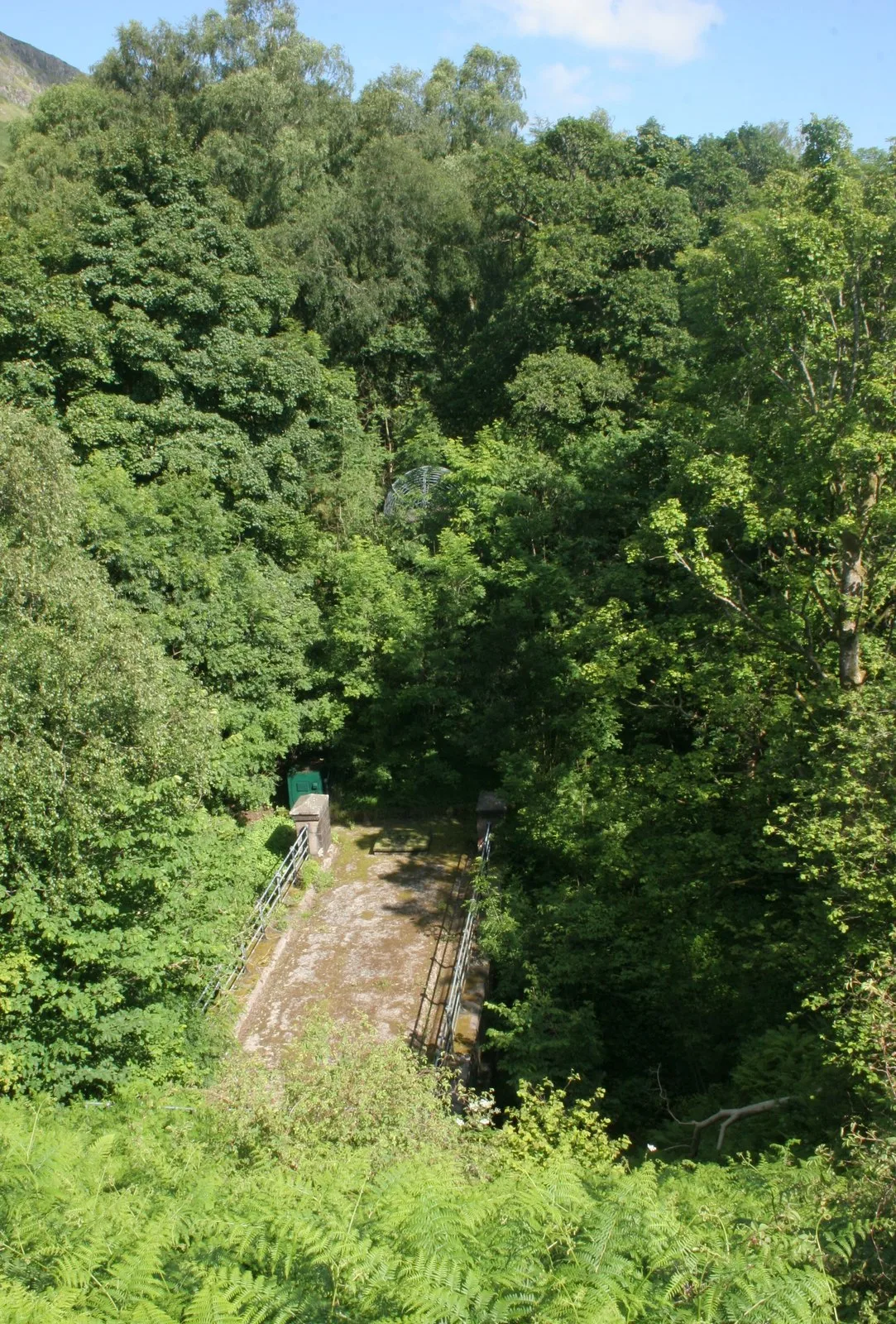 📷 3
📷 3Aqueducts · Central Scotland
Ballewan Aqueduct Bridge (Former Glasgow Corporation Water Works), Spittal Glen
Ballewan Aqueduct Bridge (Former Glasgow Corporation Water Works), Spittal Glen — aqueduct in Stirling, Scotland, UK.
📷 3Aqueducts · Central Scotland
Ballewan Byewash 1 (former Glasgow Corporation Water Works)
Ballewan Byewash 1 (former Glasgow Corporation Water Works) — architectural structure in Stirling, Scotland, UK.
 📷 3
📷 3Historic churches · Central Scotland
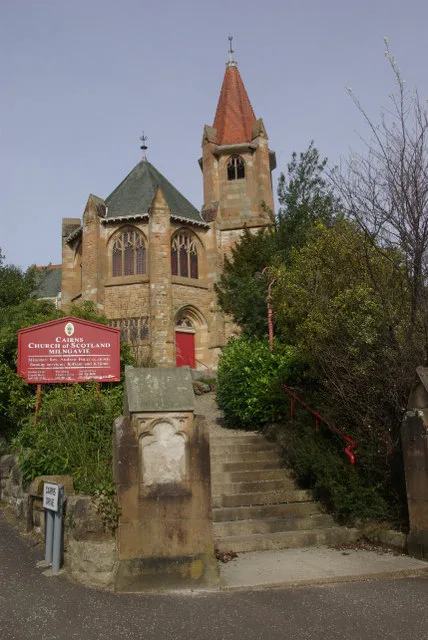
Cairns Church
Cairns Church — church building in Milngavie, East Dunbartonshire, Scotland, UK.
 📷 3
📷 3Reservoirs & lochs · Central Scotland
Craigmaddie Reservoir
Craigmaddie Reservoir — reservoir in Milngavie, East Dunbartonshire, Scotland, UK.
 📷 3
📷 3Mountains & hills · Central Scotland
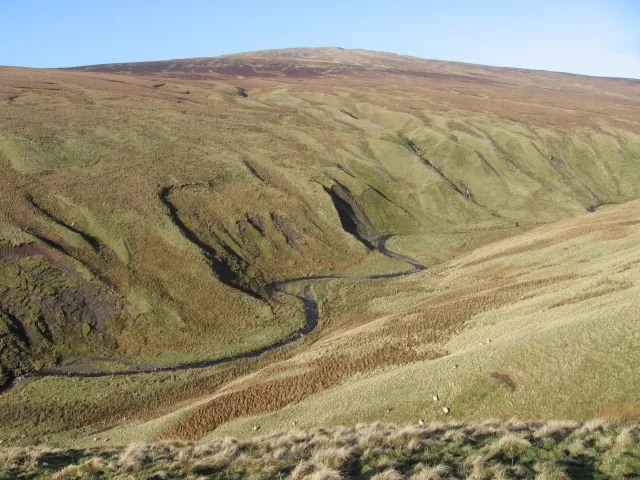
Earl's Seat
Earl's Seat — Named summit at 578 m.
📷 3Follies · Central Scotland
Edmonston Mausoleum
Edmonston Mausoleum is a folly in the United Kingdom.
 📷 5
📷 5 📷 3
📷 3Historic bridges · Central Scotland
Milngavie Branch
Milngavie Branch is a historic bridge in the United Kingdom.
 📷 3
📷 3Reservoirs & lochs · Central Scotland
Mugdock and Craigmaddie Reservoirs
Mugdock and Craigmaddie Reservoirs — reservoirs in East Dunbartonshire, Scotland, UK.
 📷 5
📷 5Castles · Central Scotland
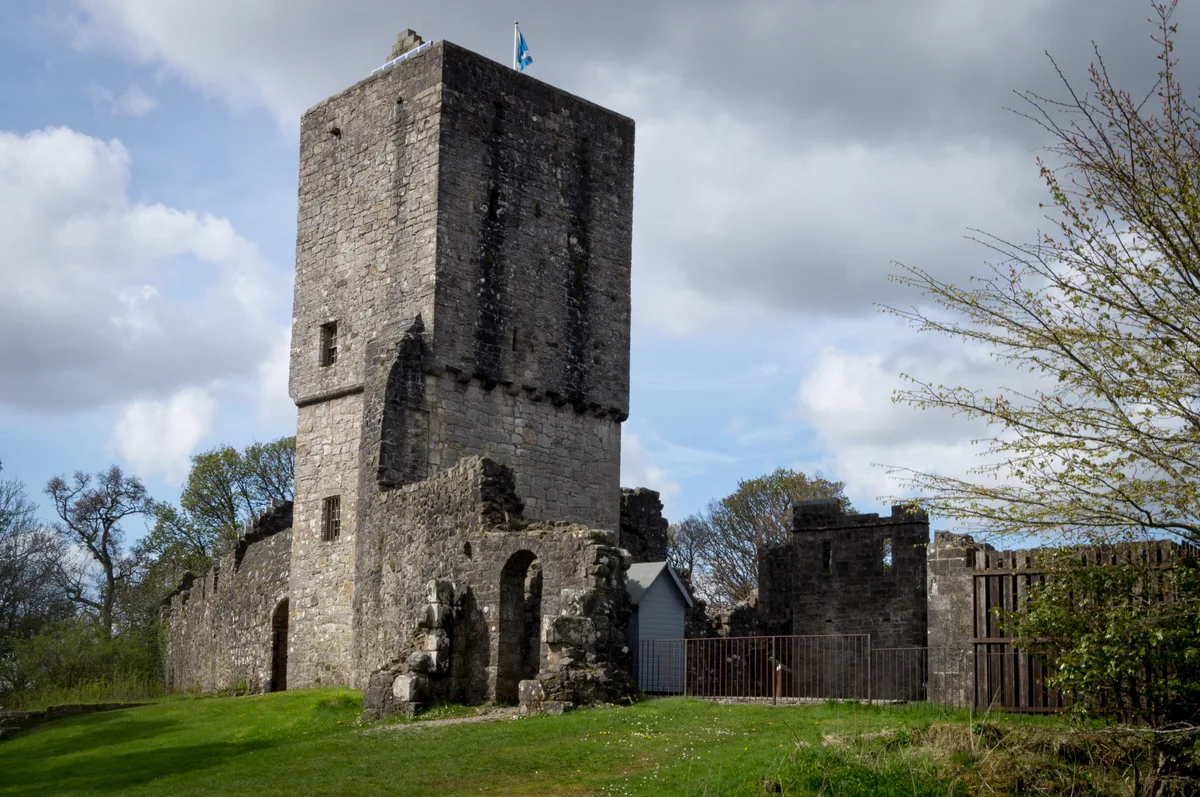
Mugdock Castle
Mugdock Castle — castle with associated chapel and house, all ruins, in Stirling, Scotland, UK.
 📷 3
📷 3Parks · Central Scotland
Mugdock Country Park
Mugdock Country Park — park in East Dunbartonshire, Scotland, UK.
 📷 3
📷 3Historic churches · Central Scotland
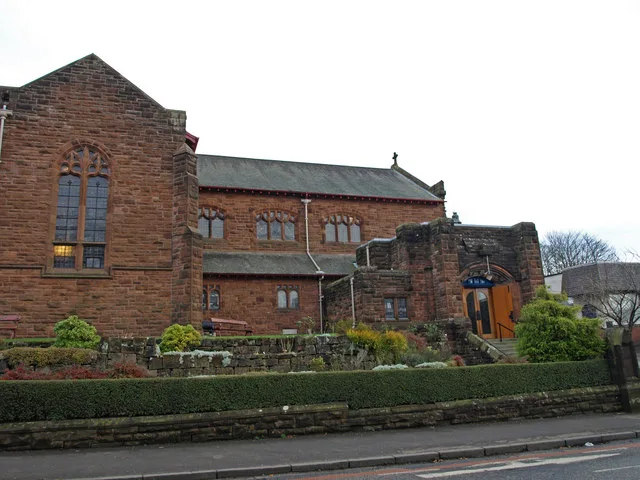
St Paul’s Church
St Paul’s Church — 1905/6 church building in Milngavie, East Dunbartonshire, Scotland, UK.
📷 3Theatres · Central Scotland
Theatre & Conference Suite
Theatre & Conference Suite is a theatre in the United Kingdom.
 📷 3
📷 3Theatres · Central Scotland
Douglas Picture House
Douglas Picture House in Scotland Central, United Kingdom.
 📷 3
📷 3Natural landmarks · Central Scotland
Auld Wive's Lifts
Auld Wive's Lifts — a other in scotland-central, United Kingdom.
 📷 3
📷 3Castles · Central Scotland
Craigend Castle
Craigend Castle — a castle in scotland-central, United Kingdom.
 📷 3
📷 3Mountains & hills · Central Scotland
Lillie Art Gallery
Lillie Art Gallery — a mountain in scotland-central, United Kingdom.
 📷 3
📷 3Galleries · Central Scotland
Gordon Wilson Art
Gordon Wilson Art — a gallery in scotland-central, United Kingdom.
📷 3Galleries · Central Scotland
The Lillie Art Gallery
The Lillie Art Gallery — a gallery in scotland-central, United Kingdom.
 📷 3
📷 3Castles · Central Scotland
Duntreath Castle
Duntreath Castle — a castle in scotland-central, United Kingdom.
 📷 3
📷 3Memorials & monuments · Central Scotland
James Gale Memorial
James Gale Memorial — a memorial in scotland-central, United Kingdom.
 📷 3
📷 3Memorials & monuments · Central Scotland
Craigallian Fire Memorial
Craigallian Fire Memorial — a memorial in scotland-central, United Kingdom.
Nearby
📷 5Historic churches · Central Scotland
Parish Church and Churchyard, Strathblane Road, Strathblane
Parish Church and Churchyard, Strathblane Road, Strathblane — category B listed building-listed church in scotland-central, United Kingdom.
📷 3Follies · Central Scotland
Edmonston Mausoleum
Edmonston Mausoleum is a folly in the United Kingdom.
📷 5Hotels · Central Scotland
Strathblane Country House
Strathblane Country House — a hotel in scotland central.
📷 5📷 5📷 3Memorials & monuments · Central Scotland
David Clay Shenton
David Clay Shenton — a memorial in scotland-central, United Kingdom.
Where to eat & stay near Strathblane
Places to stay
📷 5Hotels · Central Scotland
Strathblane Country House
Strathblane Country House — a hotel in scotland central.
 📷 5
📷 5Campsites · Central Scotland
Craigmaddie Glamping
Craigmaddie Glamping — a campsite in scotland central.
 📷 5
📷 5Campsites · Central Scotland
Auchengillan Outdoor Centre
Auchengillan Outdoor Centre — a campsite in scotland central.
 📷 5
📷 5Caravan parks · Central Scotland
Campsie Glen Holiday Park
Campsie Glen Holiday Park — a caravan park in scotland central.
 📷 5
📷 5Campsites · Central Scotland
Drymen Camping
Drymen Camping — a campsite in scotland central.
 📷 7
📷 7Hotels · Central Scotland
One Devonshire Gardens
One Devonshire Gardens — a hotel in scotland central.
Places to eat & drink
 📷 5
📷 5Historic pubs · Central Scotland
Hubbard Tea Rooms, 508, 510, 512 Great Western Road, Glasgow
Hubbard Tea Rooms, 508, 510, 512 Great Western Road, Glasgow in Scotland Central, United Kingdom.
 📷 7
📷 7Historic pubs · Central Scotland
Wheatsheaf Public House, 1-3 Canal Street, Renfrew
Wheatsheaf Public House, 1-3 Canal Street, Renfrew in Scotland Central, United Kingdom.
 📷 5
📷 5Historic pubs · Central Scotland
Public House, 401, 403, 405, 407, 409 Sauchiehall Street, Glasgow
Public House, 401, 403, 405, 407, 409 Sauchiehall Street, Glasgow in Scotland Central, United Kingdom.
 📷 5
📷 5Cafés · Central Scotland
Willow Tearooms
The Willow Tearooms are tearooms at 217 Sauchiehall Street, Glasgow, Scotland, designed by internationally renowned architect Charles Rennie Mackintosh, which opened for business in October 1903. They
 📷 5
📷 5Historic pubs · Central Scotland
The Buttery, 646, 650, 652, 654 Argyle Street, Glasgow
The Buttery, 646, 650, 652, 654 Argyle Street, Glasgow in Scotland Central, United Kingdom.
 📷 5
📷 5Historic pubs · Central Scotland
Horse Shoe Bar, 17-21 Drury Street, Glasgow
Horse Shoe Bar, 17-21 Drury Street, Glasgow in Scotland Central, United Kingdom.
More towns in this region
 📷 4
📷 4 📷 3
📷 3Towns & cities · Central Scotland
Achahoish
Achahoish — village in Argyll and Bute, Scotland, UK.
 📷 5
📷 5 📷 5
📷 5Towns & cities · Central Scotland
Ardentinny
Ardentinny — village in Argyll and Bute, Scotland, UK.
Frequently asked questions
- Where is Strathblane?
- Strathblane is in central Scotland, United Kingdom (postcode G63 9DB).
- What is Strathblane?
- Strathblane — village in Stirling, Scotland, UK.
- How do I get to Strathblane?
- The nearest railway station is Milngavie, about 5.1 km away. Drivers can use postcode G63 9DB.
- Is Strathblane free to visit?
- Yes, Strathblane is free to enter.
- How do I get to Strathblane?
- The nearest railway station is Milngavie, about 5.1 km away. Drivers can navigate to postcode G63 9DB.