
Castles · West Midlands
Stokesay Castle
Also known as: Castell Stokesay
In or near Onibury.
Stokesay Castle — Grade I listed historic house museum in Shropshire, England, UK.

Wikimedia Commons contributors — see linked file page for photographer and licence licence

Plan your visit
- Typical visit
- 1.5 h–3 h
- Nearest railway station
- Craven Arms · 1.4 km
- Paid entry
- Family-friendly
- Limited wheelchair access
Getting there & planning your visit
Stokesay Castle is located in Shropshire, with the nearest railway station being Craven Arms, which is 1.4 km away. Entry to the castle is paid, and wheelchair accessibility is limited. The postcode for sat-nav is SY7 9AH.
About
Stokesay Castle is a castle in the United Kingdom — fortified architecture from the medieval, Tudor, or Victorian-revival period. Records date its origin to 1285. Heritage designation: scheduled monument. Owned by English Heritage. Managed by English Heritage. Wikidata describes it as: "Grade I listed historic house museum in Shropshire, England, UK". Coordinates: 52.4303°, -2.8313°.
Photo gallery
Heritage listing
Stokesay Castle is one of the finest surviving fortified manor houses in England, and situated at Stokesay in Shropshire. It was largely built in its present form in the late 13th century by Laurence of Ludlow, on the earlier castle (some of which still survives) founded by its original owners the de Lacy family, from whom it passed to their de Verdun heirs, who retained feudal overlordship of Stokesay until at least 1317. Laurence 'of' Ludlow was one of the leading wool merchants in England, who intended it to form a secure private house and generate income as a commercial estate. Laurence's descendants continued to own the castle until the 16th century, when it passed through various private owners.
From the Historic England List Entry under OGL v3.
From English Heritage
Stokesay Castle, in Shropshire, is England’s finest – and most picturesque – medieval fortified manor house.
Read more on the official property page.
Protected designations
- Site of Special Scientific Interest: River Teme SSSI
- Area of Outstanding Natural Beauty: Shropshire Hills
Designations sourced from Natural England open data under OGL v3.
From the Wikipedia article
Stokesay Castle is one of the finest surviving fortified manor houses in England, and situated at Stokesay in Shropshire. It was largely built in its present form in the late 13th century by Laurence of Ludlow, on the earlier castle (some of which still survives) founded by its original owners the de Lacy family, from whom it passed to their de Verdun heirs, who retained feudal overlordship of Stokesay until at least 1317. Laurence 'of' Ludlow was one of the leading wool merchants in England, who intended it to form a secure private house and generate income as a commercial estate. Laurence's descendants continued to own the castle until the 16th century, when it passed through various private owners. By the time of the outbreak of the First English Civil War in 1642, Stokesay was owned by William Craven, 1st Earl of Craven (1608–1697), a supporter of King Charles I. After the Royalist war effort collapsed in 1645, Parliamentary forces besieged the castle in June and quickly forced its garrison to surrender. Parliament ordered the property to be slighted, but only minor damage was done to the walls, allowing Stokesay to continue to be used as a house by the Baldwyn family until the end of the 17th century. In the 18th century the Baldwyns rented the castle out for a range of agricultural and manufacturing purposes. It fell into disrepair, and the antiquarian John Britton noted during his visit in 1813 that it had been "abandoned to neglect, and rapidly advancing to ruin". Restoration work was carried out in the 1830s and 1850s by William Craven, the second Earl of Craven. In 1869 the Craven estate, then heavily in debt, was sold to the wealthy industrialist John Derby Allcroft who paid for another round of extensive restoration during the 1870s. Both of these owners attempted to limit any alterations to the existing buildings during their conservation work, which was unusual for this period. The castle became a popular location for tourists and artists, and was…
Excerpt from Wikipedia under CC BY-SA 4.0. See the source article linked in Sources below.
Background
Architecture
Stokesay Castle was built on a patch of slightly rising ground in the basin of the River Onny. It took the form of a solar block and hall attached to a northern and southern tower; this combination of hall and tower existed elsewhere in England in the 13th century, particularly in northern England. A crenellated curtain wall, destroyed in the 17th century, enclosed a courtyard, with a gatehouse—probably originally constructed from stone, rebuilt in timber and plaster around 1640—controlling the entrance. The wall would have reached 34 ft high measured from the base of the moat. The courtyard, around 150 ft by 125 ft, contained additional buildings during the castle's history, probably…
Sourced from Wikipedia under CC BY-SA 4.0.
- Coordinates
- 52.4303, -2.8313
- District
- Shropshire
- Parish
- Craven Arms
- Postcode
- SY7 9AH
- Parliamentary constituency
- South Shropshire
- Phone
- 01588 672544
- Established
- 1285
- Nearest railway station
- Craven Arms — 1.4 km
- Opening
- Daily 10am–5pm; last entry at 4.30pm
- Official site
- www.english-heritage.org.uk
Sources
- wikidata: Q7618555 (CC0)
- wikipedia: Stokesay Castle (CC BY-SA 4.0)
- commons: Exterior of Stokesay Castle, 2006.jpg (CC BY-SA 4.0)
Other places nearby

Church of St John the Baptist, Stokesay
Castles · 0.0 km

Craven Arms War Memorial
Memorials & monuments · 0.1 km

Stokesay
Historic houses · 0.1 km

Tree Tunnel
Public art & sculpture · 0.6 km

Craven Arms Stone
Memorials & monuments · 0.7 km
Mammoth Tusks
Public art & sculpture · 0.7 km

Shropshire Hills Discovery Centre
Science centres · 0.8 km

Norton Camp
Mountains & hills · 0.9 km

Sheep Tree
Public art & sculpture · 1.1 km
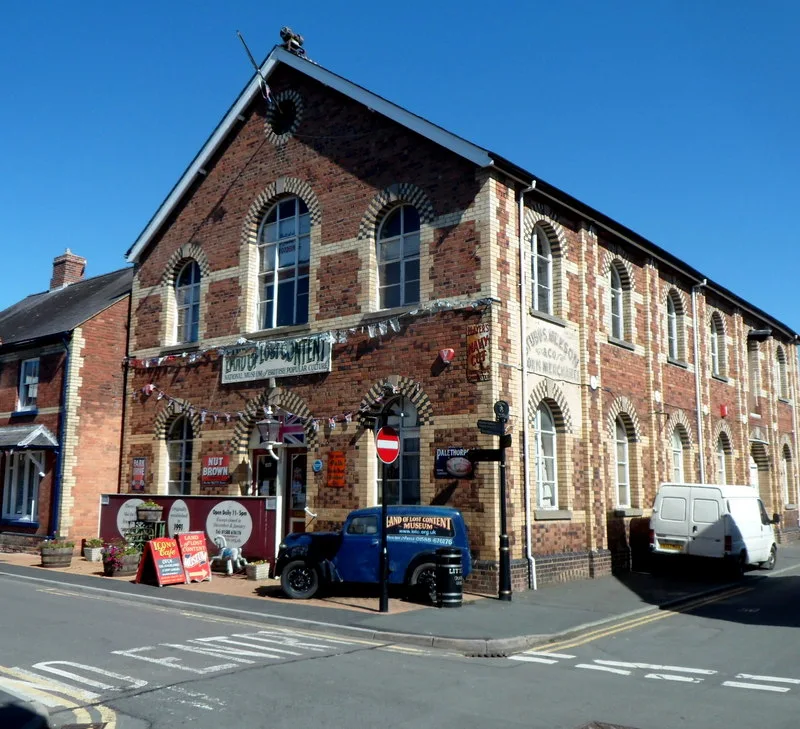
Land of Lost Content
Museums · 1.1 km

Craven Arms
Castles · 1.1 km
Norton Camp: a large multivallate hillfort
Vineyards · 1.2 km
Nearby
📷 4Castles · West Midlands
Church of St John the Baptist, Stokesay
Church of St John the Baptist, Stokesay in Wales Mid, United Kingdom.
📷 3Memorials & monuments · West Midlands
Craven Arms War Memorial
Craven Arms War Memorial — Grade II listed building-listed memorial in wales-mid, United Kingdom.
📷 4📷 4Public art & sculpture · West Midlands
Tree Tunnel
Tree Tunnel — a public art in wales-mid, United Kingdom.
📷 3Memorials & monuments · West Midlands
Craven Arms Stone
Craven Arms Stone — a memorial in wales-mid, United Kingdom.
📷 3Public art & sculpture · West Midlands
Mammoth Tusks
Mammoth Tusks — a public art in wales-mid, United Kingdom.
Where to eat & stay near Stokesay Castle
Places to stay
 📷 5
📷 5Campsites · West Midlands
Greenway Touring Park for Adults
Greenway Touring Park for Adults — a campsite in wales mid.
 📷 5
📷 5Campsites · West Midlands
Elsich Barn Campsite
Elsich Barn Campsite — a campsite in wales mid.
 📷 5
📷 5 📷 5
📷 5Campsites · West Midlands
Hamperley Camping
Hamperley Camping — a campsite in wales mid.
 📷 5
📷 5Campsites · West Midlands
Church Stretton Camp & Fish
Church Stretton Camp & Fish — a campsite in wales mid.
 📷 5
📷 5Campsites · West Midlands
Church Stretton Camp & Fish
Church Stretton Camp & Fish — a campsite in wales mid.
Places to eat & drink
 📷 4
📷 4 📷 7
📷 7Historic pubs · West Midlands
Clive Arms Public House
Clive Arms Public House in England West Midlands, United Kingdom.
 📷 5
📷 5 📷 5
📷 5 📷 7
📷 7Historic pubs · West Midlands
Swan Inn Public House
Swan Inn Public House in England West Midlands, United Kingdom.
 📷 7
📷 7Historic pubs · West Midlands
Crown Inn Public House
Crown Inn Public House in England West Midlands, United Kingdom.
More places run by English Heritage
 Flagship📷 10
Museums · London
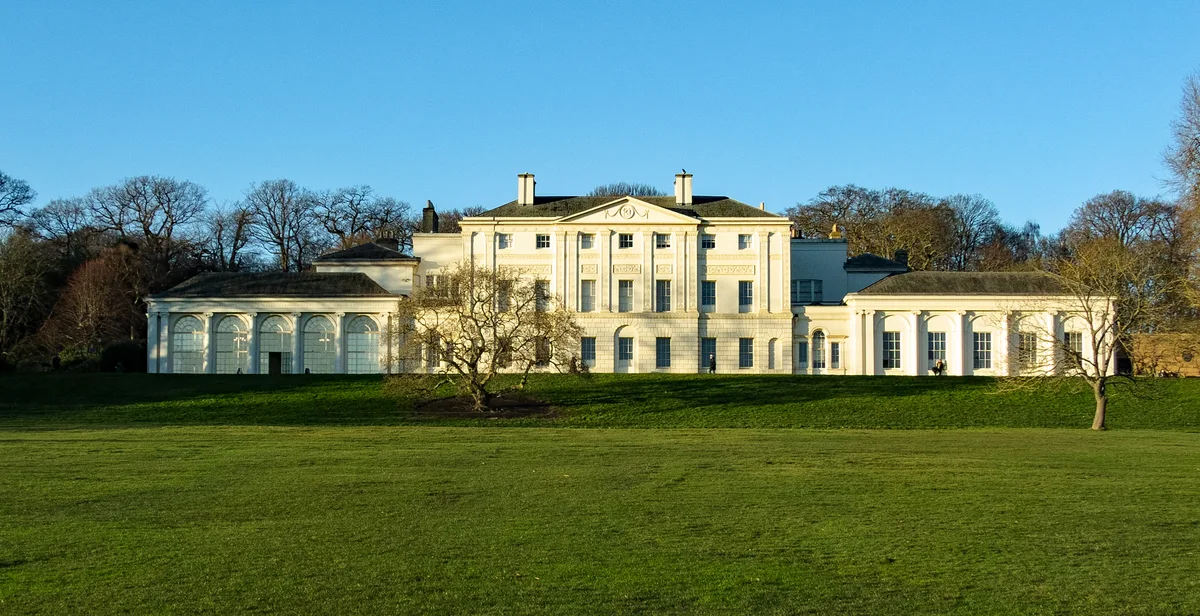
Kenwood House
Kenwood House — art museum and historic house in Hampstead, London.
 📷 5
📷 5Galleries · London
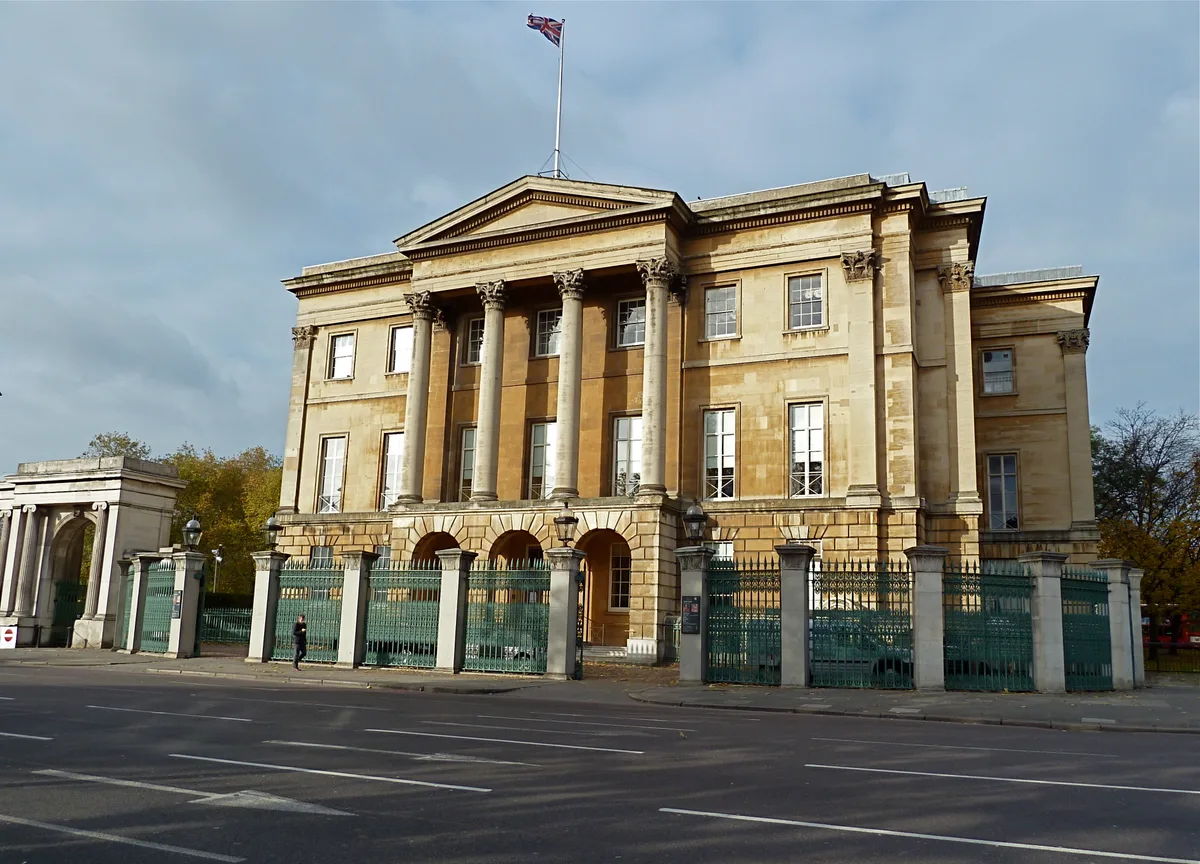
Apsley House
Apsley House — London townhouse of the Dukes of Wellington.
 📷 5
📷 5Castles · London
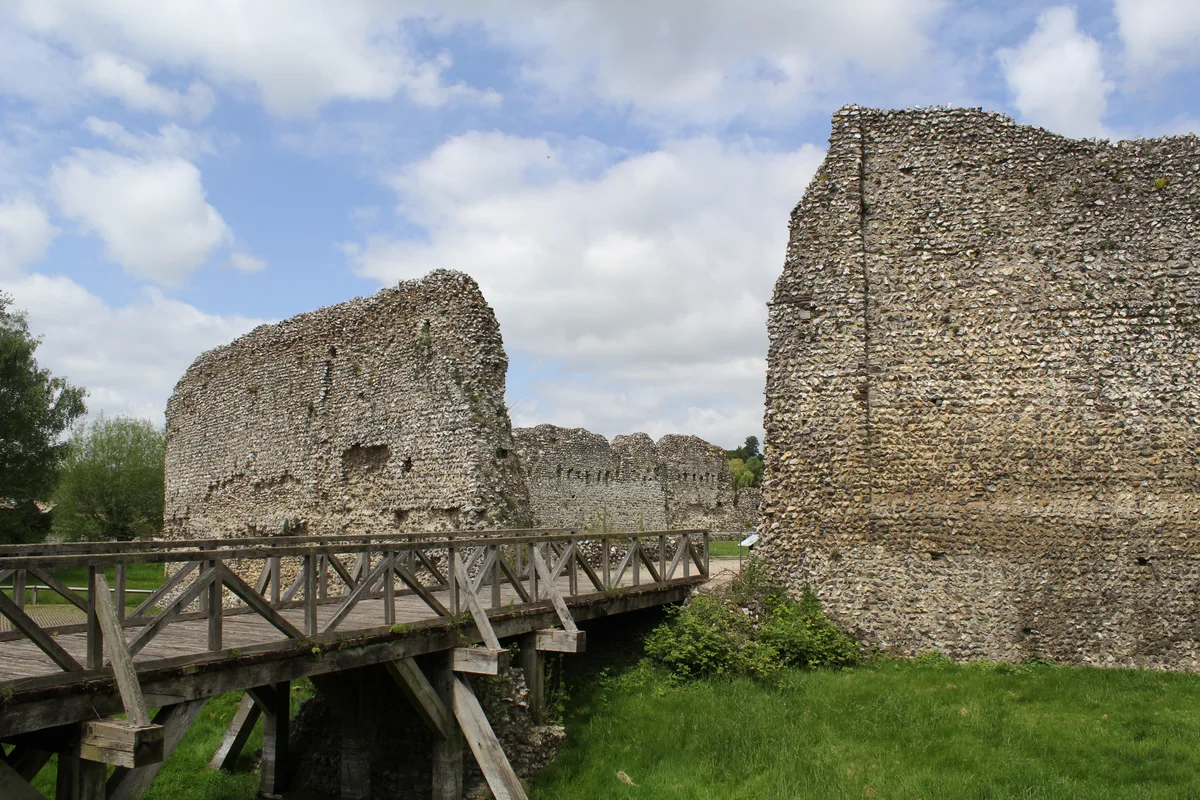
Eynsford Castle
Eynsford Castle — castle, now ruinous, in Eynsford, Kent, England, UK.
 📷 5
📷 5Museums · London
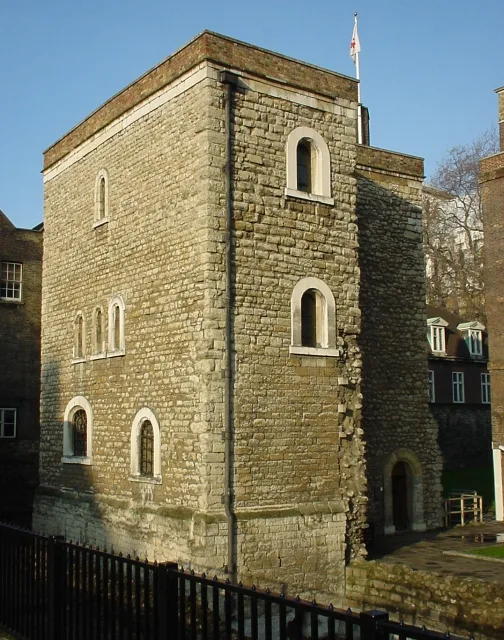
Jewel Tower
Jewel Tower — medieval tower in Westminster, London, England, UK.
Other castles from this era
 📷 5
📷 5Castles · South East England
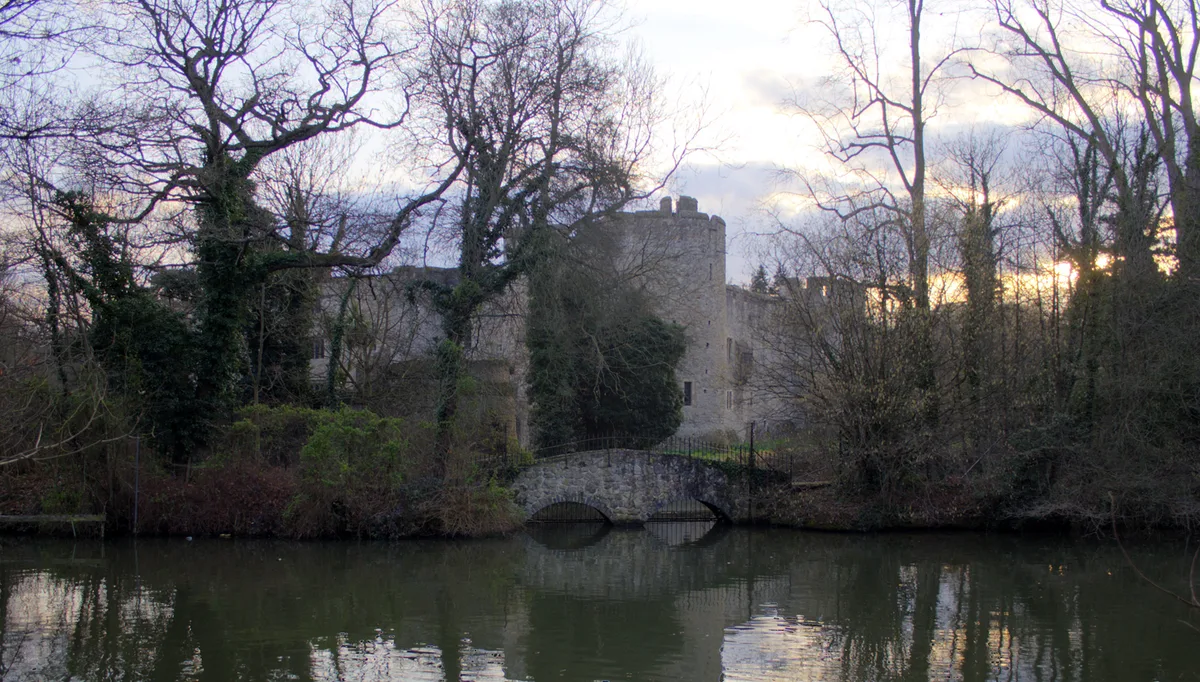
Allington Castle
Allington Castle — stone-built moated castle in Allington, England.
 📷 5
📷 5Castles · South East England
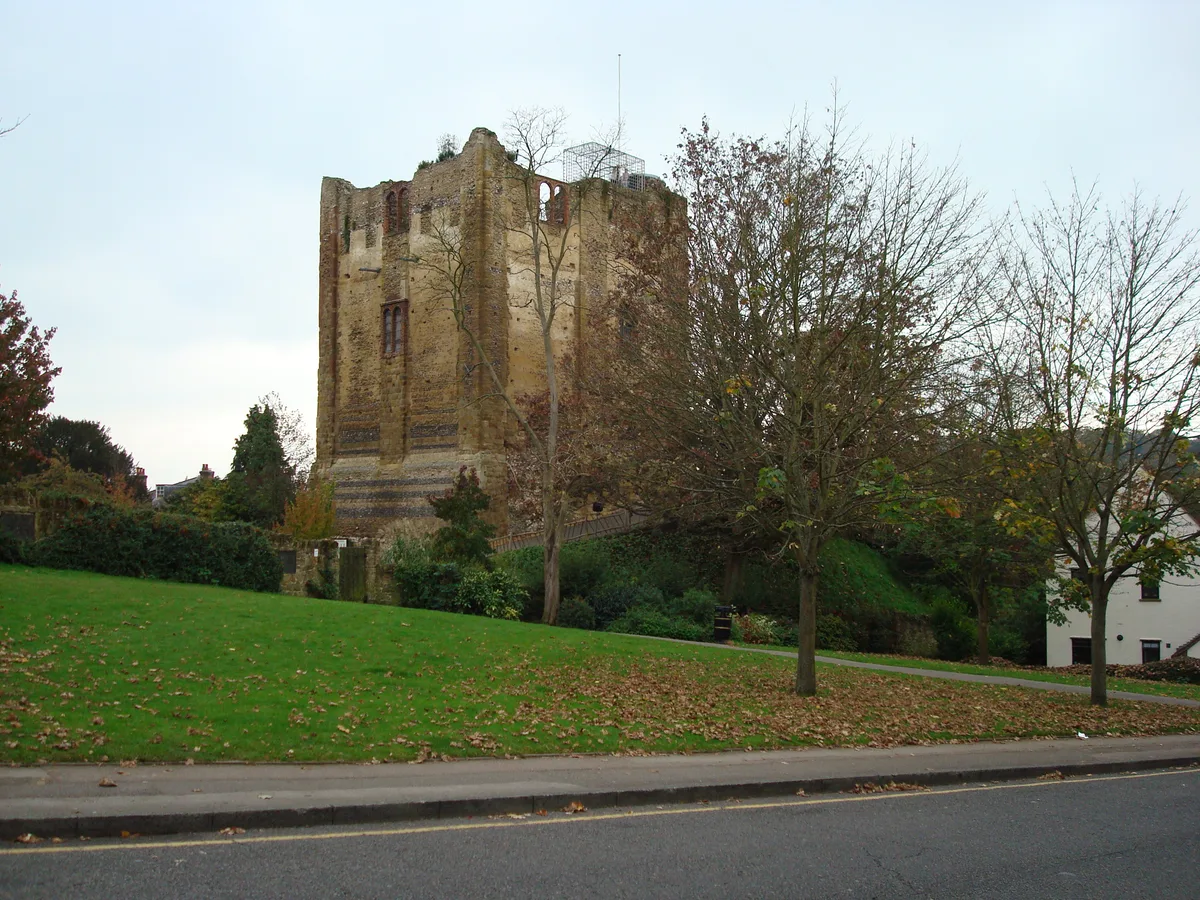
Guildford Castle
Guildford Castle — castle in Guildford, Surrey, England, UK.
 📷 5
📷 5Castles · South East England
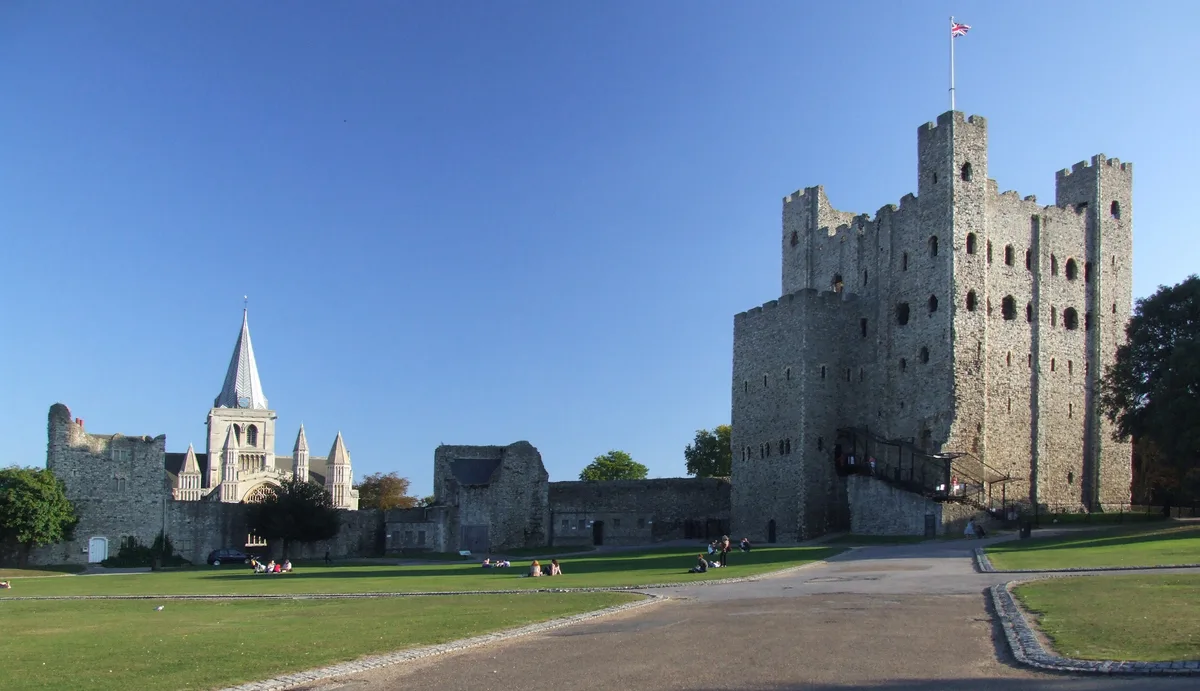
Rochester Castle
Rochester Castle — castle in Rochester, Kent, South East England.
 📷 5
📷 5Castles · South East England
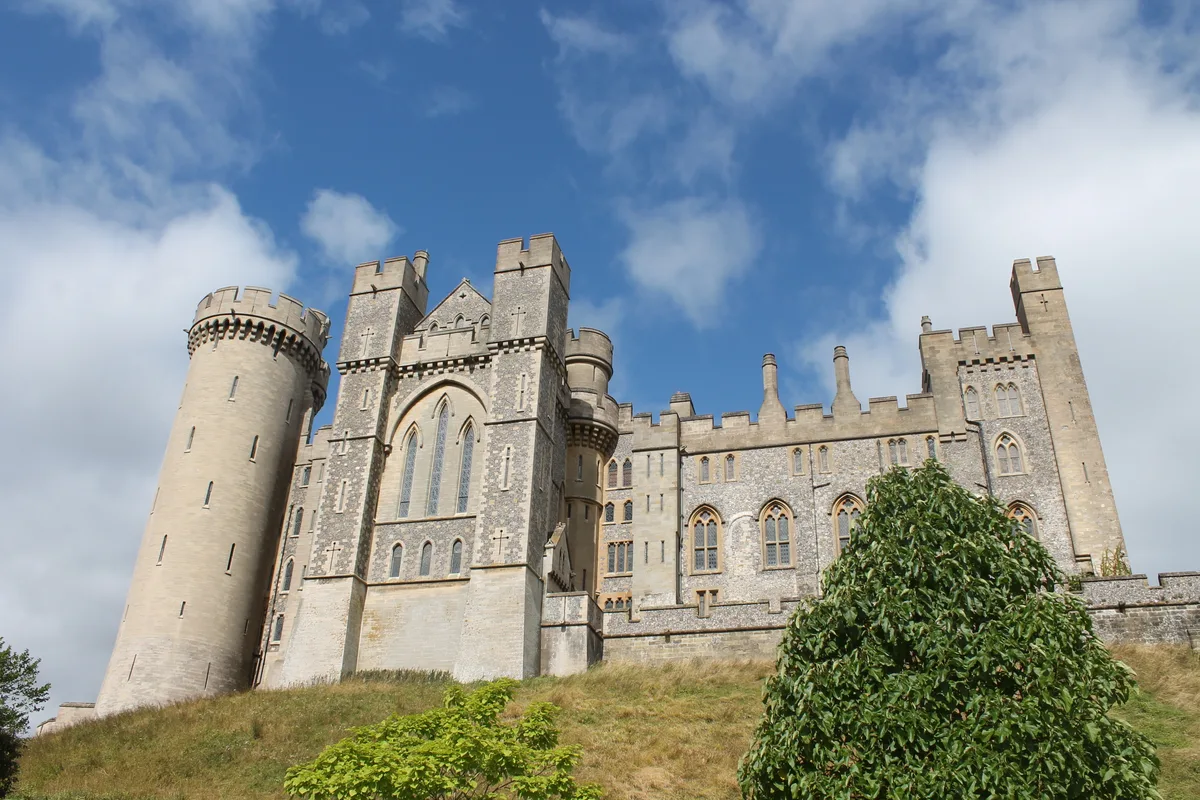
Arundel Castle
Arundel Castle — castle in West Sussex, England, UK.
More castles in this region
 📷 3
📷 3 📷 3
📷 3Castles · West Midlands
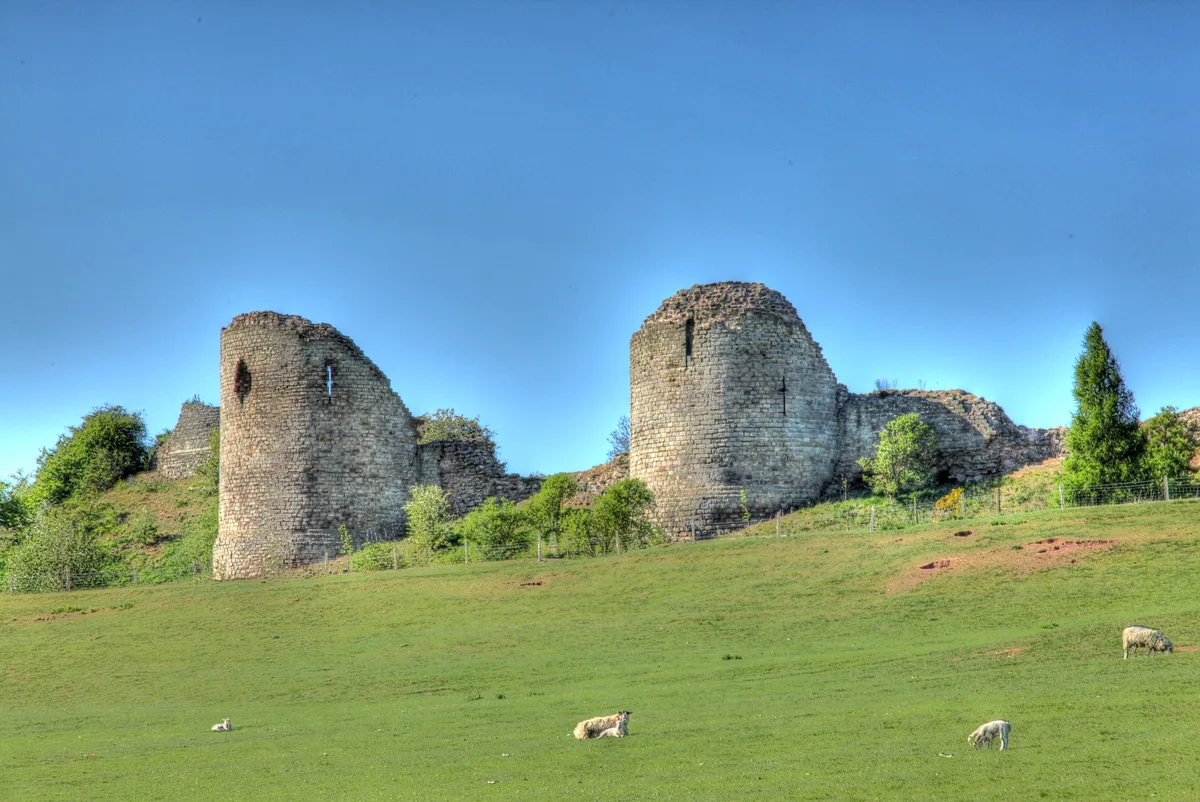
Hoar Cross Hall
Hoar Cross Hall — a castle in england-east-midlands, United Kingdom.
 📷 3
📷 3Castles · West Midlands
Chartley Castle, Chartley Old Hall and associated water control systems including garden remains
Chartley Castle, Chartley Old Hall and associated water control systems including garden remains — scheduled monument-listed castle in england-east-midlands, United Kingdom.
 📷 5
📷 5Frequently asked questions
- Where is Stokesay Castle?
- Stokesay Castle is in the West Midlands, United Kingdom (postcode SY7 9AH), in the parish of Craven Arms.
- What is Stokesay Castle?
- Stokesay Castle — Grade I listed historic house museum in Shropshire, England, UK.
- How do I get to Stokesay Castle?
- The nearest railway station is Craven Arms, about 1.4 km away. The nearest town is Onibury. Drivers can use postcode SY7 9AH.
- When was Stokesay Castle built?
- Built or established in 1285.
- Who runs Stokesay Castle?
- Stokesay Castle is operated by English Heritage.
- Is Stokesay Castle a listed building?
- Stokesay Castle is officially recognised as scheduled monument listed.
- Is Stokesay Castle a protected site?
- Yes — Stokesay Castle is part of the River Teme SSSI Site of Special Scientific Interest and the Shropshire Hills National Landscape (AONB).
- Does Stokesay Castle charge admission?
- Stokesay Castle typically charges admission. Check the official site for current ticket prices and opening hours.