
Historic churches · Scottish Highlands
St Mary's Collegiate Church, Cullen
In or near Portknockie.
St Mary's Collegiate Church, Cullen — category A listed building-listed church in scotland-highlands, United Kingdom.

Anne Burgess — CC BY-SA 2.0 via Wikimedia Commons licence

Plan your visit
- Typical visit
- 30 min–1 h
- Free entry
Getting there & planning your visit
St Mary's Collegiate Church is located in Cullen, Moray, with the postcode AB56 4XW. Entry to the church is free.
About
St Mary's Collegiate Church, Cullen is a category A listed building-listed church in scotland-highlands, United Kingdom, registered on the Historic Environment Scotland register (entry LB2218). Listed status protects buildings and structures of special architectural or historic interest. See the linked Wikipedia article for further details.
Photo gallery
Heritage listing
Cullen Old Church (also known as Cullen Auld Kirk) is the parish church for Cullen and Deskford, in Moray. It was originally a part of the Roman Catholic Church, but has been a part of the Church of Scotland since the Scottish Reformation. John R. Hume describes Cullen Old Church as a fine example of late Scots Gothic architecture, and it was designated a Category A listed building in 1972. It is still an active place of worship. First mentioned in records dating from 1236 that document its elevation to a parish church, it was further elevated to collegiate status in 1543, and underwent a series of extensions, improvements and renovations in the centuries that followed. It is known for being the burial place of the internal organs of Queen Elizabeth de Burgh.
From Historic Environment Scotland under OGL v3.
Official information
St Mary's Collegiate Church, also known as Cullen Auld Kirk, is a historic church located in Cullen, Moray, Scotland. Visitors can explore its beautiful architecture and stained glass windows, as well as participate in various church services throughout the month.
From the Wikipedia article
Cullen Old Church (also known as Cullen Auld Kirk) is the parish church for Cullen and Deskford, in Moray. It was originally a part of the Roman Catholic Church, but has been a part of the Church of Scotland since the Scottish Reformation. John R. Hume describes Cullen Old Church as a fine example of late Scots Gothic architecture, and it was designated a Category A listed building in 1972. It is still an active place of worship. First mentioned in records dating from 1236 that document its elevation to a parish church, it was further elevated to collegiate status in 1543, and underwent a series of extensions, improvements and renovations in the centuries that followed. It is known for being the burial place of the internal organs of Queen Elizabeth de Burgh. After Elizabeth died at Cullen Castle in 1327, her body was taken to Dunfermline for interment, but the organs, which were removed as part of the embalming process, were buried at the church. Her husband, King Robert the Bruce, subsequently established a chaplaincy at the church to offer prayers for her soul.
Excerpt from Wikipedia under CC BY-SA 4.0. See the source article linked in Sources below.
Background
History
The current building looks superficially like an ordinary eighteenth- or nineteenth-century parish church, but it actually has a much longer and more complex history. The first surviving record of the church is a successful petition of 1236 requesting that it be elevated from a chapel of the parish of Fordyce to a parish church. In 1327, Queen Elizabeth de Burgh, second wife of Robert the Bruce, died at Cullen Castle, a royal residence; her entrails were removed as part of the embalming process, and were buried in the church grounds, prior to her body being sent south to Dunfermline for interment. The King founded a chaplaincy at the church, dedicated to St Mary the Virgin, patron saint of…
Architecture
The interior has a cruciform layout, with a narrow nave, and aisles to north and south. A gallery runs above the west end of the nave, and curves round into the north aisle. There are wooden pews throughout, which were installed in the later 19th century. The walls would have been plastered originally, but this was removed in 1967 to allow repointing of the interior walls. The ceiling retains its original plasterwork with polygonal profiling. Against the south wall, the Seafield Loft, a substantial two-storey gallery, dominates the nave. Its panelled front bears heraldic designs and foliage; it is supported by Corinthian columns at either end, and accessed by a flight of stairs at its east…
Description
and gable window]] Cullen Old Church, also known as Cullen Auld Kirk), sits within a high-walled churchyard, amongst many ornately carved tombs and memorial slabs. It is a simple, cross-plan church, rubble-built with sandstone and granite ashlar detailing for windows, corner stones and tracery. At the apex of the west gable there is an 18th-century bellcote, its south gable has four tall lancet windows, and there is a point-headed window, featuring intersecting tracery, in the gable at the east end of the nave. Rectangular heraldic plaques celebrate the Ogilvy and Gordon families, in honour of the founder of the college and his wife. John R. Hume, former Chief Inspector of Historic…
Sourced from Wikipedia under CC BY-SA 4.0.
- Coordinates
- 57.6844, -2.8279
- District
- Moray
- Postcode
- AB56 4XW
- Parliamentary constituency
- Aberdeenshire North and Moray East
- Established
- 1236
- Official site
- www.cullen-deskford-church.org.uk
Sources
- wikidata: Q17571534 (CC0)
- wikipedia: Cullen Old Church (CC BY-SA 4.0)
Other places nearby
Sep2006.jpg?width=1200)
Cullen House
Historic houses · 0.1 km
Estate Bridge, Cullen House
Historic bridges · 0.2 km

Claypots Bridge
Historic bridges · 0.4 km

Iron Bridge, Cullen House
Historic bridges · 0.7 km

Castle Hill
Archaeological sites · 0.7 km

Cullen Castle
Castles · 0.7 km

Castle Hill
Viewpoints · 0.7 km

Road Bridge, Seatown, Cullen
Historic bridges · 0.9 km

Methodist Church, Seatown, Cullen
Historic churches · 0.9 km

Cullen
Villages · 0.9 km

The Ice Cream Shop
Natural landmarks · 0.9 km

Temple of Pomona
Natural landmarks · 0.9 km
Nearby
📷 3Historic houses · Scottish Highlands
Cullen House
Cullen House — house in Moray, Scotland, UK.
📷 5Historic bridges · Scottish Highlands
Estate Bridge, Cullen House
Estate Bridge, Cullen House — category A listed building-listed bridge in scotland-highlands, United Kingdom.
📷 5Historic bridges · Scottish Highlands
Claypots Bridge
Claypots Bridge — category B listed building-listed bridge in scotland-highlands, United Kingdom.
📷 5Historic bridges · Scottish Highlands
Iron Bridge, Cullen House
Iron Bridge, Cullen House — category B listed building-listed bridge in scotland-highlands, United Kingdom.
📷 5Archaeological sites · Scottish Highlands
Castle Hill
Castle Hill — archaeological in scotland highlands. Operated by Historic Environment Scotland.
📷 5Castles · Scottish Highlands
Cullen Castle
Cullen Castle was a royal castle about 0.5 miles (0.8 km) west of Cullen, Moray, Scotland, west of the burn of Deskford and south of Seatown. The remains have been designated a scheduled monument, acc
Where to eat & stay near St Mary's Collegiate Church, Cullen
Places to stay
 📷 7
📷 7Hotels · Scottish Highlands
Cullen Bay Hotel
Cullen Bay Hotel — a hotel in scotland highlands.
 📷 5
📷 5Campsites · Scottish Highlands
Cullen Bay Caravan Park
Cullen Bay Caravan Park — a campsite in scotland highlands.
 📷 5
📷 5Campsites · Scottish Highlands
Sandend Caravan Park
Sandend Caravan Park — a campsite in scotland highlands.
 📷 5
📷 5Caravan parks · Scottish Highlands
Findochty Caravan Park
Findochty Caravan Park — a caravan park in scotland highlands.
 📷 5
📷 5Caravan parks · Scottish Highlands
Strathlene Holiday Park
Strathlene Holiday Park — a caravan park in scotland highlands.
 📷 5
📷 5Campsites · Scottish Highlands
Greencraig Pods, Caravan & Camping
Greencraig Pods, Caravan & Camping — a campsite in scotland highlands.
Places to eat & drink
 📷 5
📷 5Historic pubs · Scottish Highlands
Seafield Arms Hotel, 84, 86 Mid Street, Keith
Seafield Arms Hotel, 84, 86 Mid Street, Keith in Scotland Highlands, United Kingdom.
 📷 7
📷 7Historic pubs · Scottish Highlands
Railway Inn, 96 North Castle Street, Banff
Railway Inn, 96 North Castle Street, Banff in Scotland Highlands, United Kingdom.
 📷 7
📷 7Historic pubs · Scottish Highlands
The Market Arms, 5 High Shore, Banff
The Market Arms, 5 High Shore, Banff in Scotland Highlands, United Kingdom.
 📷 5
📷 5Historic pubs · Scottish Highlands
Forbes Arms Hotel, Milltown of Rothiemay
Forbes Arms Hotel, Milltown of Rothiemay in Scotland Highlands, United Kingdom.
More places in this region
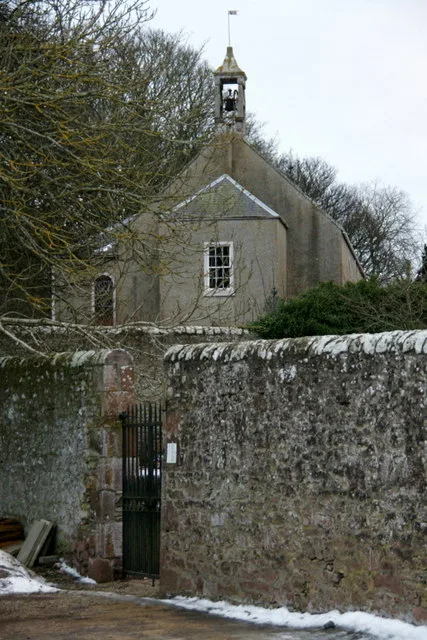 📷 3
📷 3Historic churches · Scottish Highlands
Airlie Parish Kirk
Airlie Parish Kirk — church in Angus, Scotland, UK.
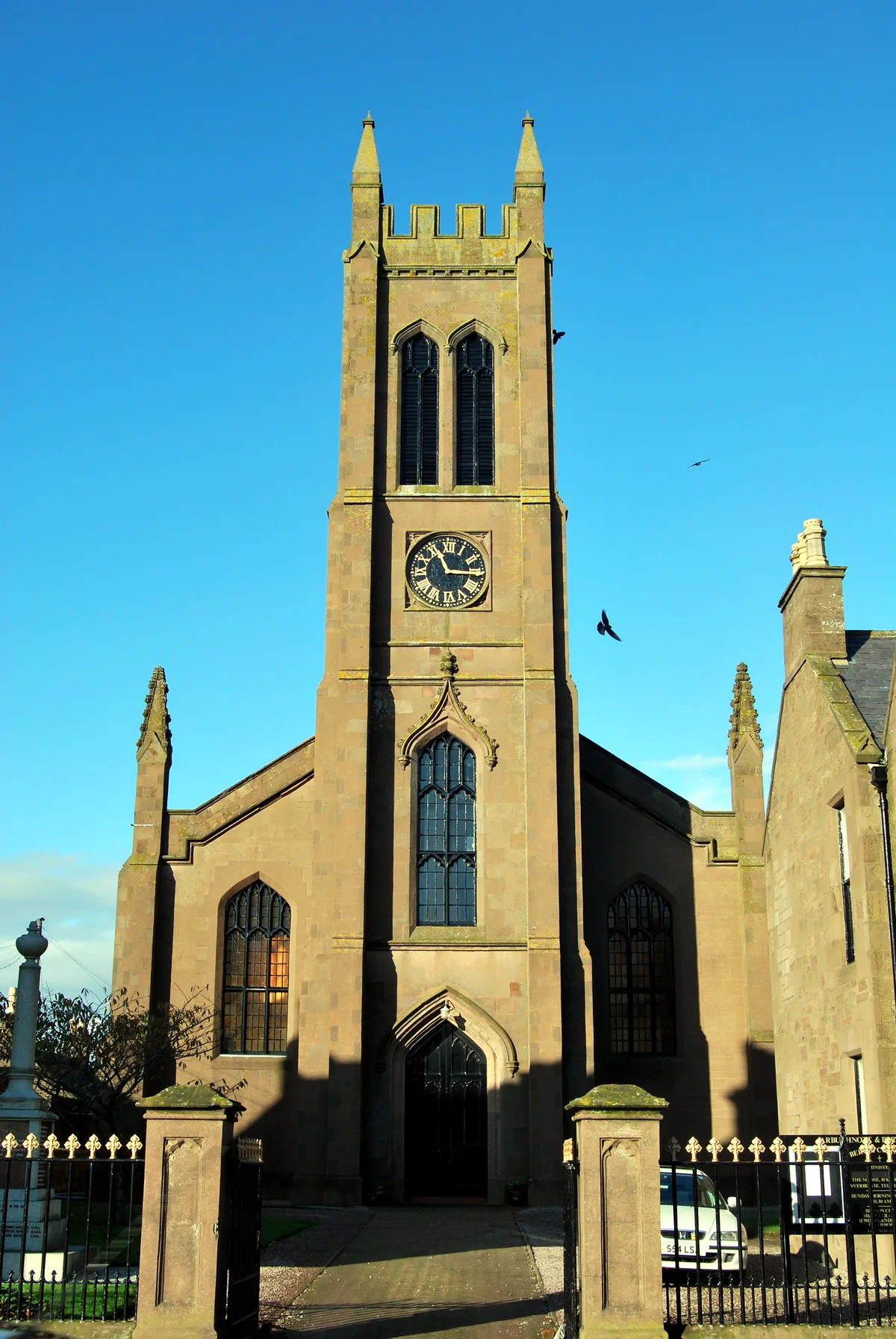 📷 3
📷 3Historic churches · Scottish Highlands
Arbuthnott, Bervie & Kinneff Parish Church
Arbuthnott, Bervie & Kinneff Parish Church — church in Aberdeenshire, Scotland, UK.
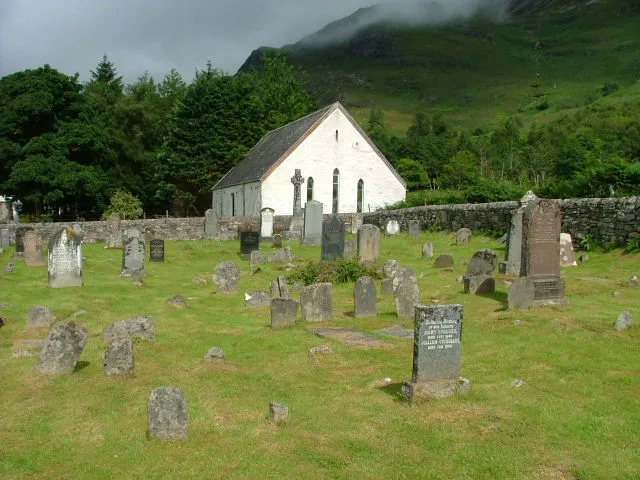 📷 3
📷 3Historic churches · Scottish Highlands
Arnisdale Free Church
Arnisdale Free Church — church in Highland, Scotland, UK.
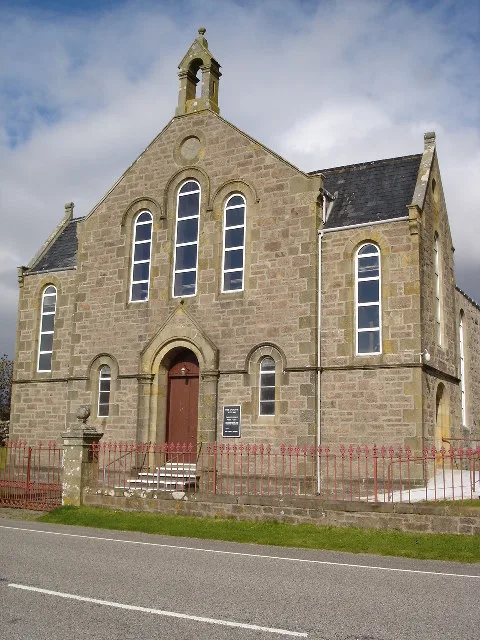 📷 3
📷 3Historic churches · Scottish Highlands
Aultbea Free Church
Aultbea Free Church — church in Aultbea, UK.
Frequently asked questions
- Where is St Mary's Collegiate Church, Cullen?
- St Mary's Collegiate Church, Cullen is in the Scottish Highlands, United Kingdom (postcode AB56 4XW).
- What is St Mary's Collegiate Church, Cullen?
- St Mary's Collegiate Church, Cullen — category A listed building-listed church in scotland-highlands, United Kingdom.
- How do I get to St Mary's Collegiate Church, Cullen?
- The nearest town is Portknockie. Drivers can use postcode AB56 4XW.
- When was St Mary's Collegiate Church, Cullen built?
- Built or established in 1236.
- Is St Mary's Collegiate Church, Cullen a listed building?
- St Mary's Collegiate Church, Cullen is officially recognised as category A listed building listed.
- Is St Mary's Collegiate Church, Cullen free to visit?
- Yes, St Mary's Collegiate Church, Cullen is free to enter.
- How do I get to St Mary's Collegiate Church, Cullen?
- Drivers can navigate to postcode AB56 4XW. It sits within the Aberdeenshire North and Moray East parliamentary constituency.