
Historic churches · South West England
St Mary's Church, Henbury
In or near Easter Compton.
St Mary's Church, Henbury — church in the United Kingdom.

Wikimedia Commons contributors — see linked file page for photographer and licence licence

Plan your visit
- Typical visit
- 30 min–1 h
- Nearest railway station
- Sea Mills · 3.3 km
- Free entry
Getting there & planning your visit
St Mary's Church in Henbury is located in Bristol, City of, with the postcode BS10 7QF. The nearest railway station is Sea Mills, which is approximately 3.3 km away. Entry to the church is free.
About
St Mary's Church, Henbury is a historic church in the United Kingdom. Records date its origin to 1201. Built in the English Gothic architecture style. Heritage designation: Grade II* listed building. Affiliated with Anglicanism. Wikidata describes it as: "church in the United Kingdom". Coordinates: 51.5067°, -2.6312°.
Photo gallery
Heritage listing
St Mary the Virgin (grid reference ST562788) is a Church of England parish church in Henbury, a suburb of Bristol, England. Located within an extensive churchyard visible from the nearby Blaise Castle Estate, the building has been designated by Historic England as a Grade II* listed building. The site has a history of Christian worship possibly dating to a 7th-century grant of land to the Bishop of Worcester. The core of the present building was constructed around 1200 in the transitional Late Norman to Early Gothic style, with the chancel, tower, and chapels added during the 13th and 14th centuries. For several centuries, the church functioned as a prebend of the college at Westbury-on-Trym, counting the theologian John Wycliffe among its prebendary.
From the Historic England List Entry under OGL v3.
Protected designations
- Site of Special Scientific Interest: Severn Estuary SSSI
Designations sourced from Natural England open data under OGL v3.
From the Wikipedia article
St Mary the Virgin (grid reference ST562788) is a Church of England parish church in Henbury, a suburb of Bristol, England. Located within an extensive churchyard visible from the nearby Blaise Castle Estate, the building has been designated by Historic England as a Grade II* listed building. The site has a history of Christian worship possibly dating to a 7th-century grant of land to the Bishop of Worcester. The core of the present building was constructed around 1200 in the transitional Late Norman to Early Gothic style, with the chancel, tower, and chapels added during the 13th and 14th centuries. For several centuries, the church functioned as a prebend of the college at Westbury-on-Trym, counting the theologian John Wycliffe among its prebendary. The fabric of the church was significantly altered during the 19th century through extensive restoration work carried out by the Gothic Revival architects Thomas Rickman and George Edmund Street. While retaining its medieval nave arcades and distinctive segmental doorways, the interior was refitted with new furnishings, stained glass, and a stone reredos. The churchyard is notable for its historic monuments, including the Grade II* listed grave of Scipio Africanus, an 18th-century enslaved servant, and the tomb of the Egyptologist Amelia Edwards.
Excerpt from Wikipedia under CC BY-SA 4.0. See the source article linked in Sources below.
Background
History
The ecclesiastical history of the site likely begins around AD 691–92, when King Æthelred of Mercia made a grant of land to Oftfor, Bishop of Worcester. This grant, made for the forgiveness of the King's sins and those of Queen Osthryth, included thirty cassates of land at Henbury and Aust. The early church was likely built by the Saxon Bishops of Worcester for their tenants, as Henbury Manor was a possession of the See. The earliest recorded vicar of the parish was named Alwin, who held the post in 1140. Wulfstan's successor, Bishop Samson, died at the episcopal residence in Henbury in 1112. The church was later restored to the monks of Worcester by Bishop Simon (1125–1150). When the…
Architecture
The nave arcades are composed of six arches each, dating to the Early Gothic period. The columns vary slightly; the two eastern pillars were originally rounded in the Norman style, while the western responds feature small, triply shafted capitals.
Sourced from Wikipedia under CC BY-SA 4.0.
- Coordinates
- 51.5067, -2.6312
- District
- Bristol, City of
- Parish
- Bristol, City of, unparished area
- Postcode
- BS10 7QF
- Parliamentary constituency
- Bristol North West
- Established
- 1201
- Nearest railway station
- Sea Mills — 3.3 km
- Official site
- www.stmarys-henbury.co.uk
Sources
- wikidata: Q7594349 (CC0)
- wikipedia: St Mary's Church, Henbury (CC BY-SA 4.0)
- commons: Henburychurch.jpg (CC BY-SA 4.0)
Other places nearby

Henbury War Memorial
Memorials & monuments · 0.0 km

Henbury Village Hall
Historic houses · 0.0 km
Scipio Africanus
Memorials & monuments · 0.0 km

Amelia Ann Blanford Edwards
Memorials & monuments · 0.1 km

Blaise amphitheatre
Theatres · 0.1 km

Blaise Inn Public House
Historic pubs · 0.1 km

Henbury Lodge Hotel
Hotels · 0.1 km

Blaise Castle House Museum
Museums · 0.1 km

Henbury, Bristol
Museums · 0.3 km

Blaise Castle Estate
Museums · 0.3 km

Blaise Hamlet
Castles · 0.3 km

Guard Dog
Public art & sculpture · 0.4 km
Nearby
📷 3Memorials & monuments · South West England
Henbury War Memorial
Henbury War Memorial — Grade II listed building-listed memorial in wales-south, United Kingdom.
📷 4Historic houses · South West England
Henbury Village Hall
Henbury Village Hall — a Grade II-listed historic house in wales-south, United Kingdom.
📷 4Memorials & monuments · South West England
Scipio Africanus
Scipio Africanus — a memorial in wales-south, United Kingdom.
📷 3Memorials & monuments · South West England
Amelia Ann Blanford Edwards
Amelia Ann Blanford Edwards — a memorial in wales-south, United Kingdom.
📷 3Theatres · South West England
Blaise amphitheatre
Blaise amphitheatre is a theatre in the United Kingdom.
📷 7Historic pubs · South West England
Blaise Inn Public House
Blaise Inn Public House in Wales South, United Kingdom.
Where to eat & stay near St Mary's Church, Henbury
Places to stay
📷 5 📷 7
📷 7B&Bs · South West England
Ferndale Mews
Ferndale Mews — a bed-and-breakfast in wales south.
 📷 5
📷 5Campsites · South West England
Brockmead Scout Camp Site
Brockmead Scout Camp Site — a campsite in wales south.
 📷 5
📷 5 📷 5
📷 5Campsites · South West England
The Wave Campsite
The Wave Campsite — a campsite in wales south.
 📷 5
📷 5Places to eat & drink
📷 7Historic pubs · South West England
Blaise Inn Public House
Blaise Inn Public House in Wales South, United Kingdom.
 📷 7
📷 7 📷 5
📷 5Historic pubs · South Wales
The Lamplighters Public House
The Lamplighters Public House in Wales South, United Kingdom.
 📷 5
📷 5 📷 5
📷 5Historic pubs · South West England
Clifton Down railway station
Clifton Down railway station in Wales South, United Kingdom.
 📷 5
📷 5Other places from this era
 📷 5
📷 5Historic churches · London
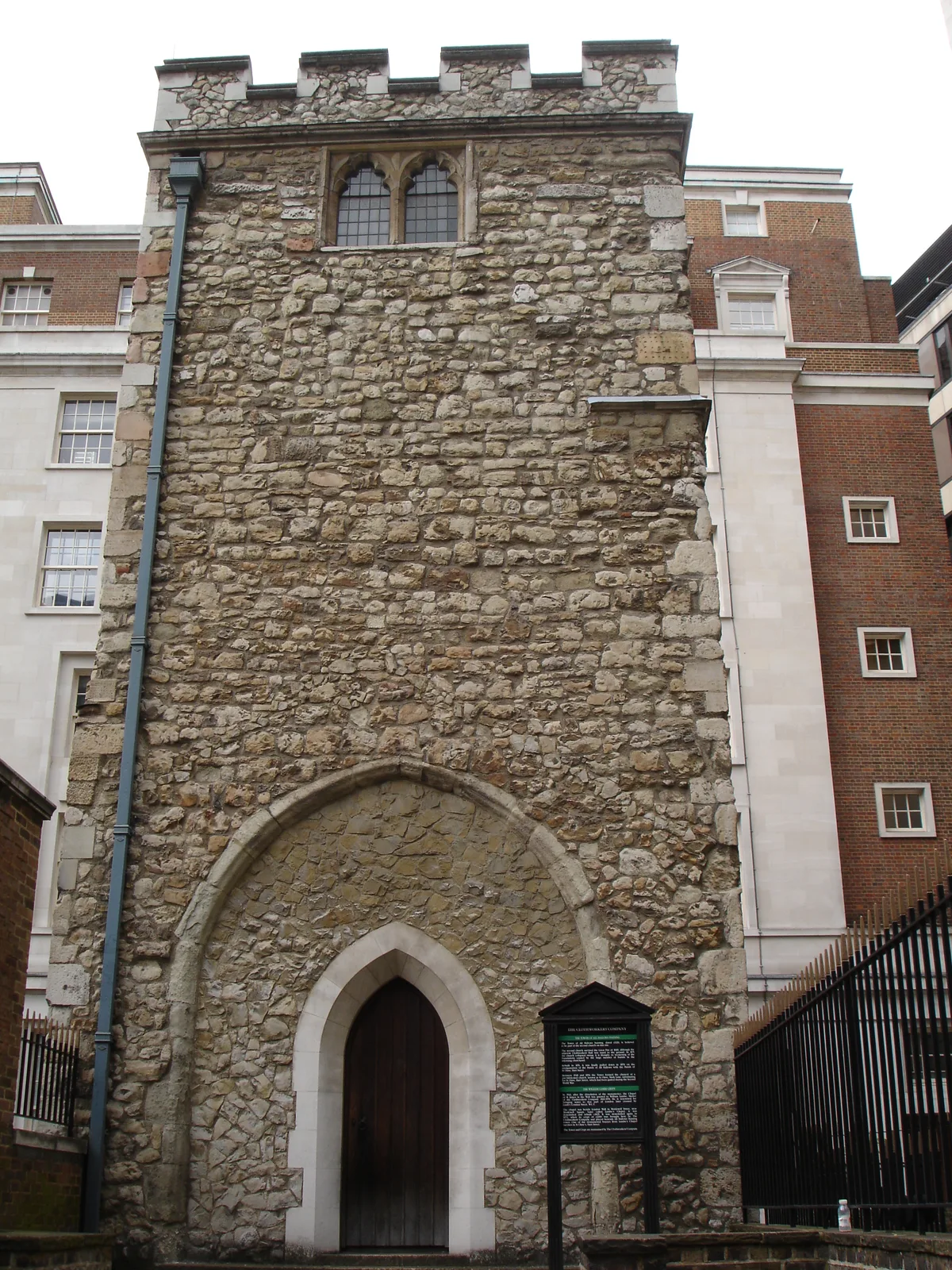
All Hallows Staining
All Hallows Staining — church in City of London, UK.
 📷 5
📷 5Historic churches · London
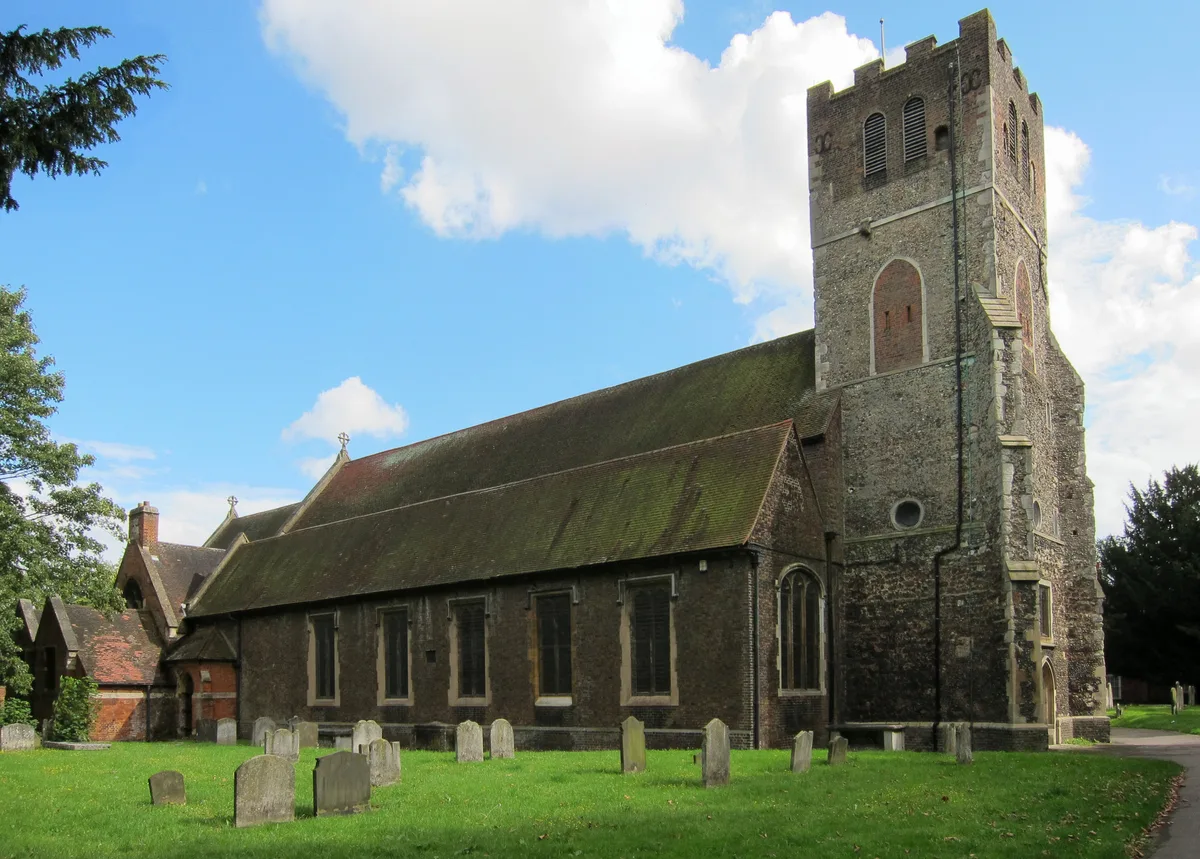
All Hallows' Church, Tottenham
All Hallows' Church, Tottenham — church in Tottenham, London.
 📷 5
📷 5Historic churches · London
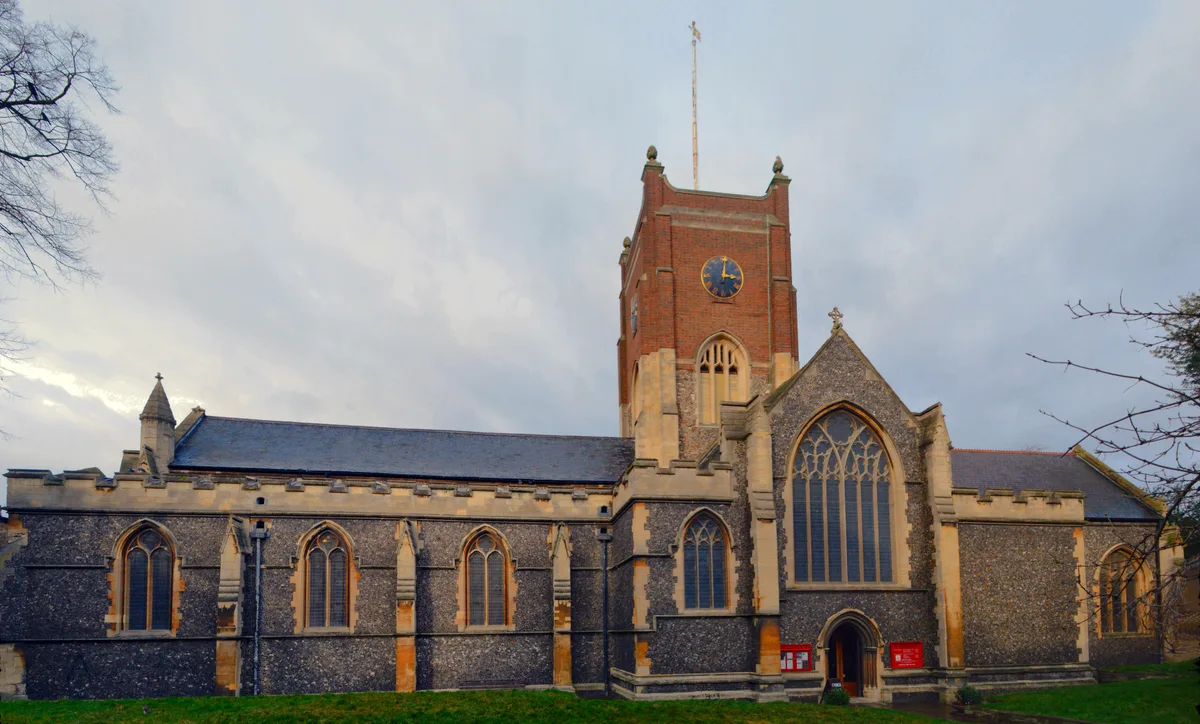
All Saints Church, Kingston upon Thames
All Saints Church, Kingston upon Thames — church in Kingston upon Thames, London.
 📷 5
📷 5Historic churches · London
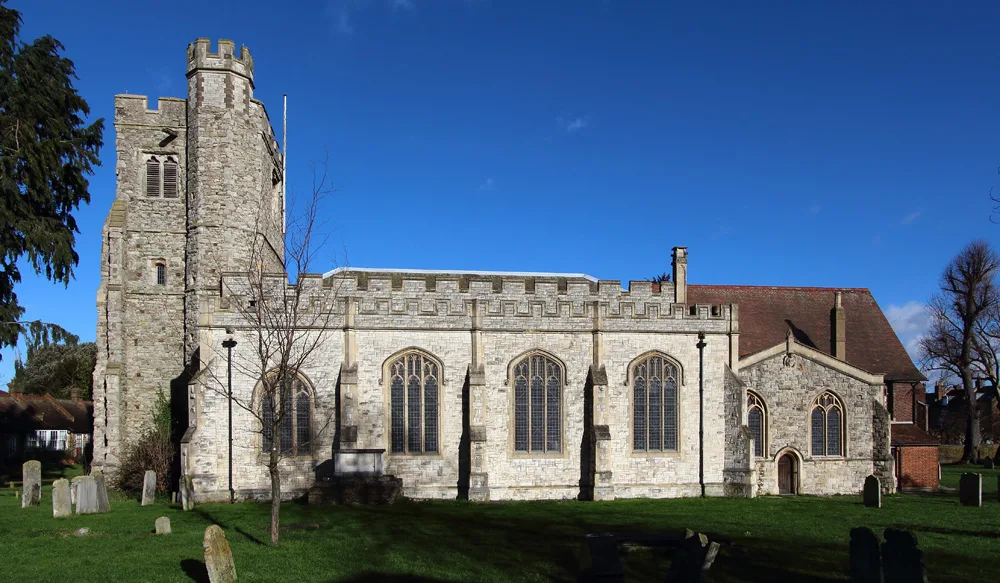
All Saints' Church, Edmonton
All Saints' Church, Edmonton — church in Edmonton, London.
More places in this region
 📷 5
📷 5Historic churches · South West England
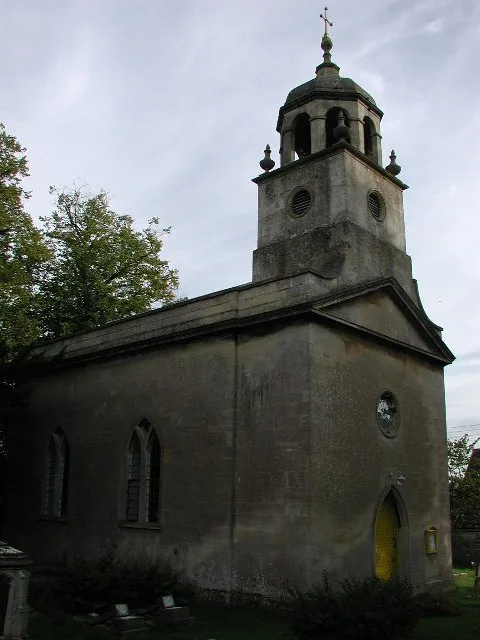
Abbey Church of St Gregory the Great, Downside Abbey
Abbey Church of St Gregory the Great, Downside Abbey — church in Stratton-on-the-Fosse, Somerset, England, UK.
 📷 5
📷 5Historic churches · South West England
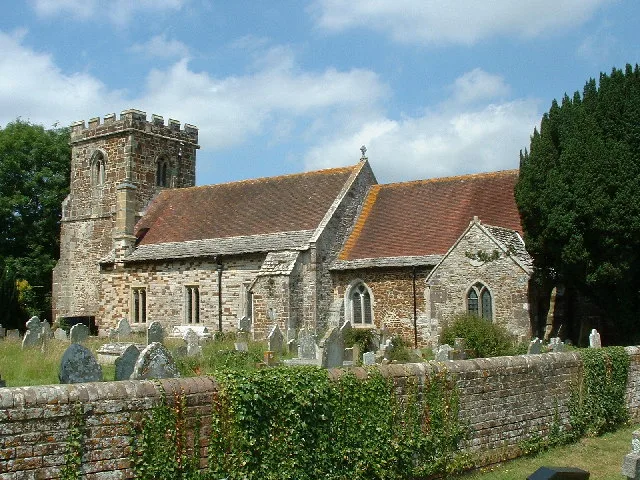
All Saints Church
All Saints Church — Grade I listed church in Woolley, Somerset, England, UK.
 📷 5
📷 5Historic churches · South West England
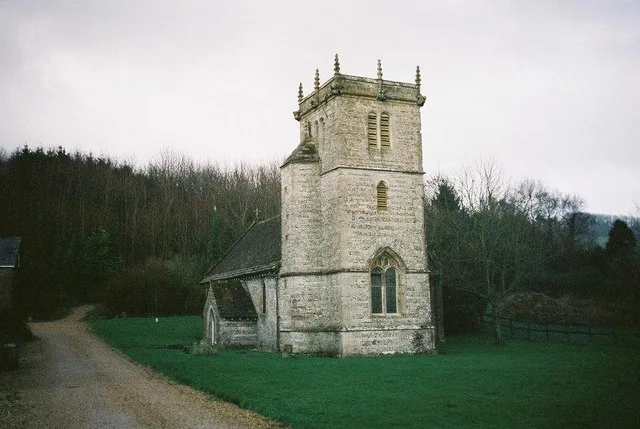
All Saints Church, Hampreston
All Saints Church, Hampreston — church in Hampreston, Dorset, England, UK.
 📷 5
📷 5Historic churches · South West England
All Saints Church, Nether Cerne
All Saints Church, Nether Cerne — church in Nether Cerne, Dorset, England, UK.
Frequently asked questions
- Where is St Mary's Church, Henbury?
- St Mary's Church, Henbury is in South-West England, United Kingdom (postcode BS10 7QF), in the parish of Bristol, City of, unparished area.
- What is St Mary's Church, Henbury?
- St Mary's Church, Henbury — church in the United Kingdom.
- How do I get to St Mary's Church, Henbury?
- The nearest railway station is Sea Mills, about 3.3 km away. The nearest town is Easter Compton. Drivers can use postcode BS10 7QF.
- When was St Mary's Church, Henbury built?
- Built or established in 1201.
- Is St Mary's Church, Henbury a listed building?
- St Mary's Church, Henbury is officially recognised as Grade II* listed building listed.
- Is St Mary's Church, Henbury a protected site?
- Yes — St Mary's Church, Henbury is part of the Severn Estuary SSSI Site of Special Scientific Interest.
- Is St Mary's Church, Henbury free to visit?
- Yes, St Mary's Church, Henbury is free to enter.
- How do I get to St Mary's Church, Henbury?
- The nearest railway station is Sea Mills, about 3.3 km away. Drivers can navigate to postcode BS10 7QF.