
Historic churches · South East England
St Leonards-on-Sea United Reformed Church
In or near Guestling.
St Leonards-on-Sea United Reformed Church — Congregational church in Hastings, Sussex, England, UK.

Wikimedia Commons contributors — see linked file page for photographer and licence licence
.JPG)
Plan your visit
- Typical visit
- 30 min–1 h
- Nearest railway station
- St Leonards Warrior Square · 0.1 km
- Free entry
Getting there & planning your visit
To visit St Leonards-on-Sea United Reformed Church, the nearest railway station is St Leonards Warrior Square, located just 0.1 km away. Entry to the church is free.
About
St Leonards-on-Sea United Reformed Church is a historic church in the United Kingdom. Records date its origin to 1864. Designed by Matthew Edward Habershon. Built in the Gothic Revival style. Heritage designation: Grade II listed building. Wikidata describes it as: "Congregational church in Hastings, Sussex, England, UK". Coordinates: 50.8548°, 0.5591°.
Photo gallery
Heritage listing
St Leonards-on-Sea Congregational Church is a former Congregational church in St Leonards-on-Sea, part of the town and borough of Hastings in East Sussex, England. Considered "one of the most ambitious Nonconformist buildings in Sussex", the sandstone building of 1863 forms a significant landmark on one of the Victorian resort's main roads—despite the loss of its copper spire in the Great Storm of 1987. Unlike most churches of its denomination, it did not join the United Reformed Church when that denomination was formed in 1972. It fell out of religious use in 2008 and had stood empty and was at risk of demolition. English Heritage has listed the building at Grade II for its architectural and historical importance.
From the Historic England List Entry under OGL v3.
Official information
St Leonards-on-Sea United Reformed Church hosts a vibrant weekend market featuring local arts and crafts, antiques, and a variety of food options. Visitors can enjoy a friendly atmosphere with free entry and wheelchair access.
From the Wikipedia article
St Leonards-on-Sea Congregational Church is a former Congregational church in St Leonards-on-Sea, part of the town and borough of Hastings in East Sussex, England. Considered "one of the most ambitious Nonconformist buildings in Sussex", the sandstone building of 1863 forms a significant landmark on one of the Victorian resort's main roads—despite the loss of its copper spire in the Great Storm of 1987. Unlike most churches of its denomination, it did not join the United Reformed Church when that denomination was formed in 1972. It fell out of religious use in 2008 and had stood empty and was at risk of demolition. English Heritage has listed the building at Grade II for its architectural and historical importance. Bought by a new owner in 2012 it was almost completely renovated, but was then sold again in 2019. The new owner originally planned to open the church to the public as an arts and antiques centre with a cafe in the tower. After 5 years carefully and painstakingly renovating the building to its original glory, the lower church hall was finally re-opened to the public on 6 April 2024 as an indoor weekend Market open on Saturdays and Sundays, selling vintage and collectable items. The enormous and spectacular gothic 'Great Hall' upstairs is now a registered wedding venue available to hire for couples. The venue also has an enormous reception area downstairs, so weddings and receptions can take place in the same building.
Excerpt from Wikipedia under CC BY-SA 4.0. See the source article linked in Sources below.
Background
History
Hastings, an important fishing port, Cinque Port and defence site on the southeast coast of England, was already a significant town in 928 when it was first documented. Its development, constrained for many centuries by a deep valley and poor transport links, accelerated rapidly in the late 18th and early 19th centuries as sea-bathing, promenading and other seaside leisure activities became increasingly fashionable. Roads and (later) railway lines were built, attracting day-trippers and new residents, and by the 1820s the town was a noted leisure destination. James Burton, a London-based builder and speculator who had executed large-scale developments in North London before moving to…
Architecture
headers. Similar treatment is given to the glazed doors. The main entrance is through the lowest stage of the tower, which leads into a lobby whose floor is laid in a "classic Gothic Revival form" with encaustic and geometric tiles. The wooden roof has arch- and cross-braces. Other timberwork includes the reredos between the body of the church and the vestry, a gallery with a balustraded staircase and built-in clock, box pews and a pulpit with some wrought ironwork.
Sourced from Wikipedia under CC BY-SA 4.0.
- Coordinates
- 50.8548, 0.5591
- County
- East Sussex
- District
- Hastings
- Parish
- Hastings, unparished area
- Postcode
- TN37 6AR
- Parliamentary constituency
- Hastings and Rye
- Established
- 1864
- Nearest railway station
- St Leonards Warrior Square — 0.1 km
- Opening
- Every Saturday 10am–4pm
- Official site
- loveamarket.co.uk
Sources
- wikidata: Q7594015 (CC0)
- wikipedia: St Leonards-on-Sea Congregational Church (CC BY-SA 4.0)
- commons: Former St Leonards-on-Sea United Reformed Church, St Leonards-on-Sea (from East).JPG (CC BY-SA 4.0)
Other places nearby

St Leonards Church Market
Farmers’ markets · 0.0 km
.JPG?width=1200)
Christ Church
Historic churches · 0.1 km

Elite Super Cinema
Theatres · 0.2 km
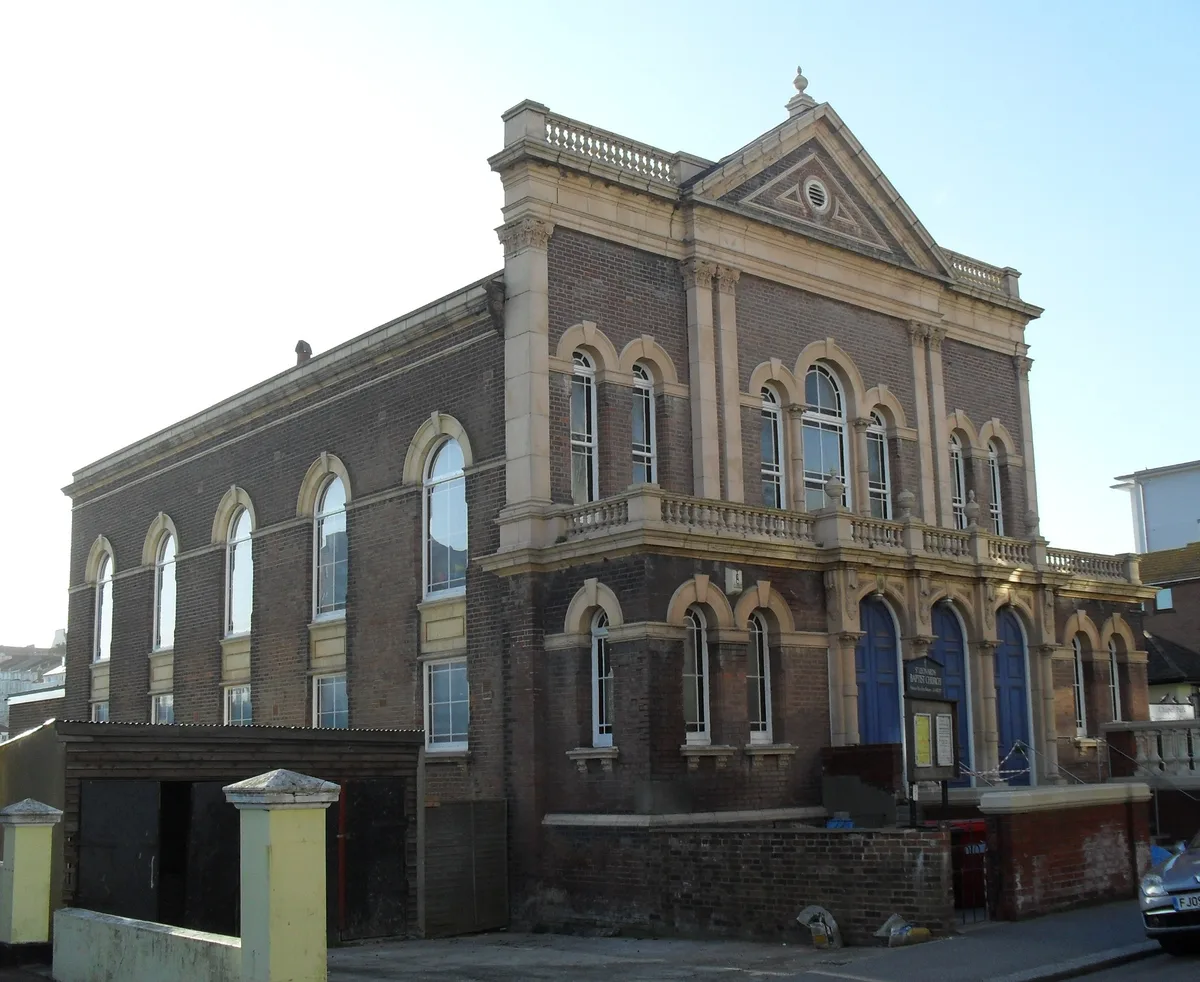
St Leonard's Baptist Church
Historic churches · 0.3 km

Kino-Teatr
Cinemas · 0.3 km

Fleet Gallery
Galleries · 0.3 km
Kino-Teatr
Theatres · 0.3 km

Hastings Mosque
Historic churches · 0.3 km

Sclaris
Galleries · 0.3 km
Project 78
Galleries · 0.3 km
.jpg?width=1200)
The Clock House
Historic houses · 0.4 km

The Muse
Galleries · 0.4 km
Nearby
📷 5Farmers’ markets · South East England
St Leonards Church Market
St Leonards Church Market — a UK farmers' market in england south east.
📷 5Historic churches · South East England
Christ Church
Christ Church — church in Hastings, Sussex, England, UK.
📷 5Theatres · South East England
Elite Super Cinema
Elite Super Cinema in England South East, United Kingdom.
📷 5Historic churches · South East England
St Leonard's Baptist Church
St Leonard's Baptist Church — grade II listed church in St Leonards-on-Sea, United Kingdom.
📷 5Cinemas · South East England
Kino-Teatr
Kino-Teatr — a cinema in england south east.
📷 5Galleries · South East England
Fleet Gallery
Fleet Gallery — a gallery in england-south-east, United Kingdom.
Where to eat & stay near St Leonards-on-Sea United Reformed Church
Places to stay
 📷 5
📷 5Hotels · South East England
The Highlands Inn
The Highlands Inn — a hotel in england south east.
 📷 5
📷 5Campsites · South East England
Combe Haven Holiday Park
Combe Haven Holiday Park — a campsite in england south east.
 📷 5
📷 5Campsites · South East England
Rocklands Holiday Park
Rocklands Holiday Park — a campsite in england south east.
 📷 5
📷 5 📷 5
📷 5 📷 5
📷 5Campsites · South East England
Spindlewood Country Holiday Park
Spindlewood Country Holiday Park — a campsite in england south east.
Places to eat & drink
 📷 5
📷 5Historic pubs · South East England
The Havelock Public House
The Havelock Public House in England South East, United Kingdom.
 📷 6
📷 6Historic pubs · South East England
Hastings Arms Public House
Hastings Arms Public House in England South East, United Kingdom.
 📷 7
📷 7Historic pubs · South East England
The Royal Standard Public House
The Royal Standard Public House in England South East, United Kingdom.
 📷 5
📷 5Historic pubs · South East England
Duke Of Wellington Public House
Duke Of Wellington Public House in England South East, United Kingdom.
 📷 5
📷 5 📷 5
📷 5Cafés · South East England
The Old Town Tea Room
The Old Town Tea Room — a café in england south east.
Other works by Matthew Edward Habershon
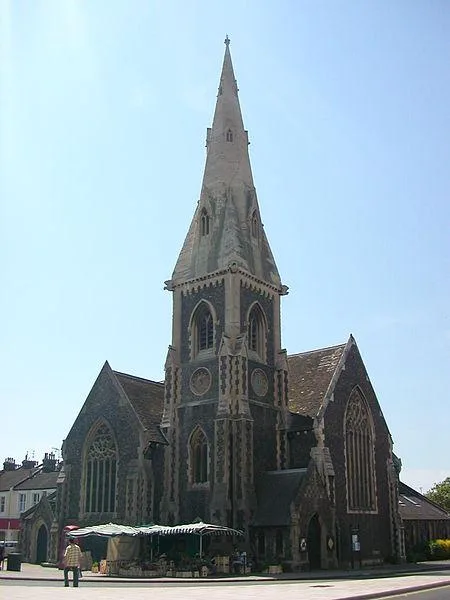 📷 5
📷 5Historic churches · South East England
St John the Baptist's Church, Hove
St John the Baptist's Church, Hove — grade II listed church in Brighton and Hove, East Sussex, England, UK.
Other places from this era
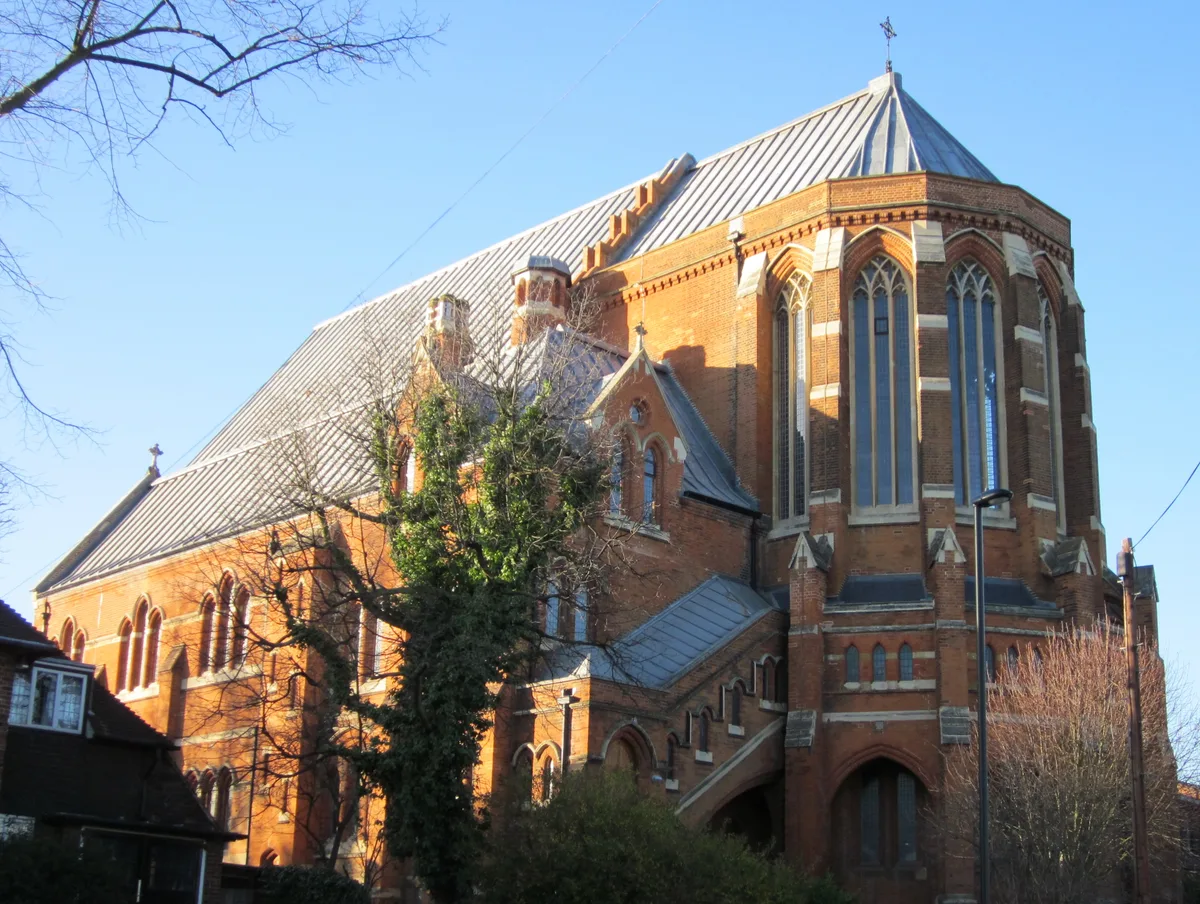 📷 5
📷 5Historic churches · London
All Saints Church, West Dulwich
All Saints Church, West Dulwich — church in West Dulwich, London.
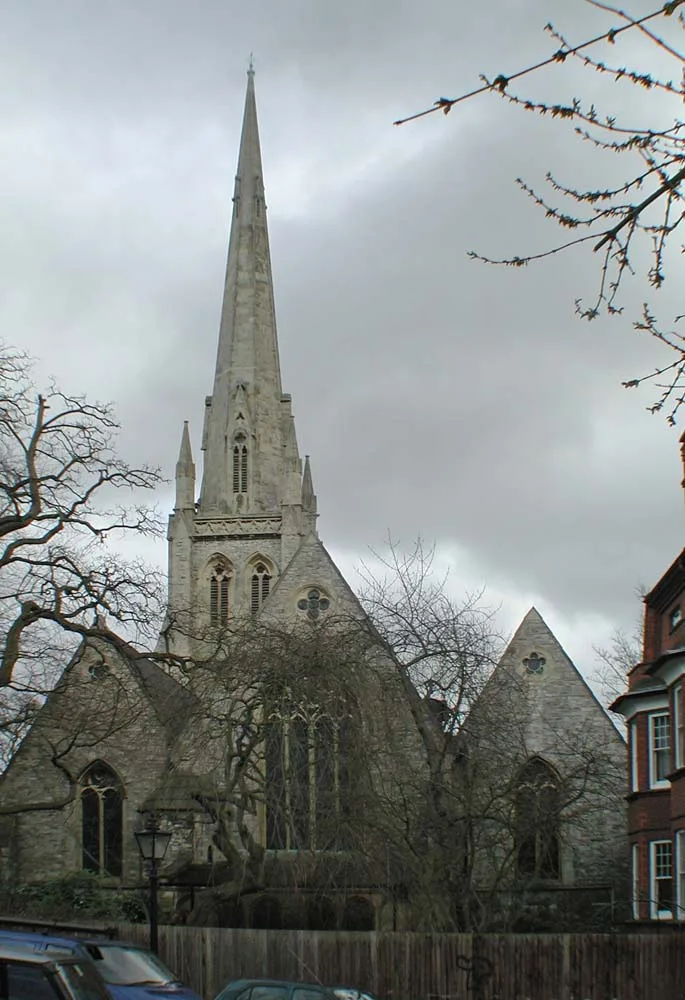 📷 5
📷 5Historic churches · London
Christ Church
Christ Church — church in Hampstead, London.
 📷 5
📷 5Historic churches · London
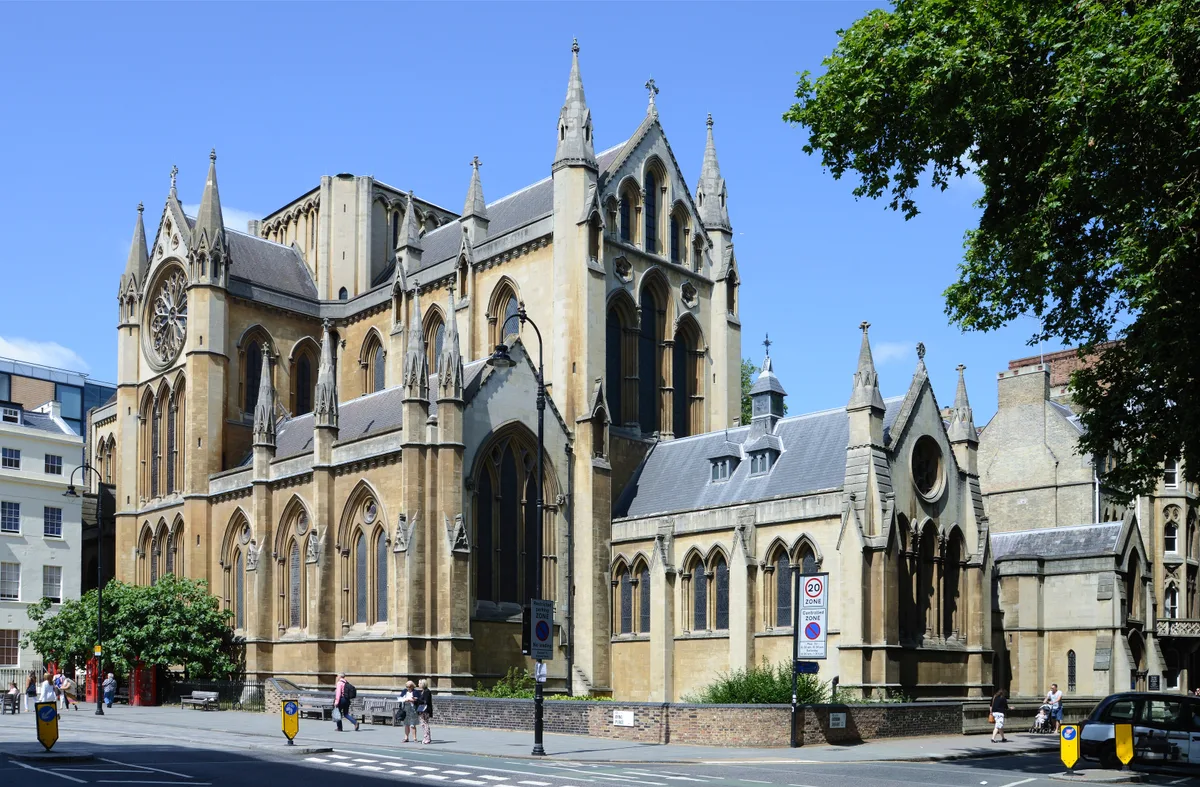
Church of Christ the King, Bloomsbury
Church of Christ the King, Bloomsbury — church in Gordon Square, Bloomsbury, London.
 📷 5
📷 5Historic churches · London
Church of St Barnabas
Church of St Barnabas — church in Pimlico, London.
More places in this region
 📷 5
📷 5Historic churches · South East England
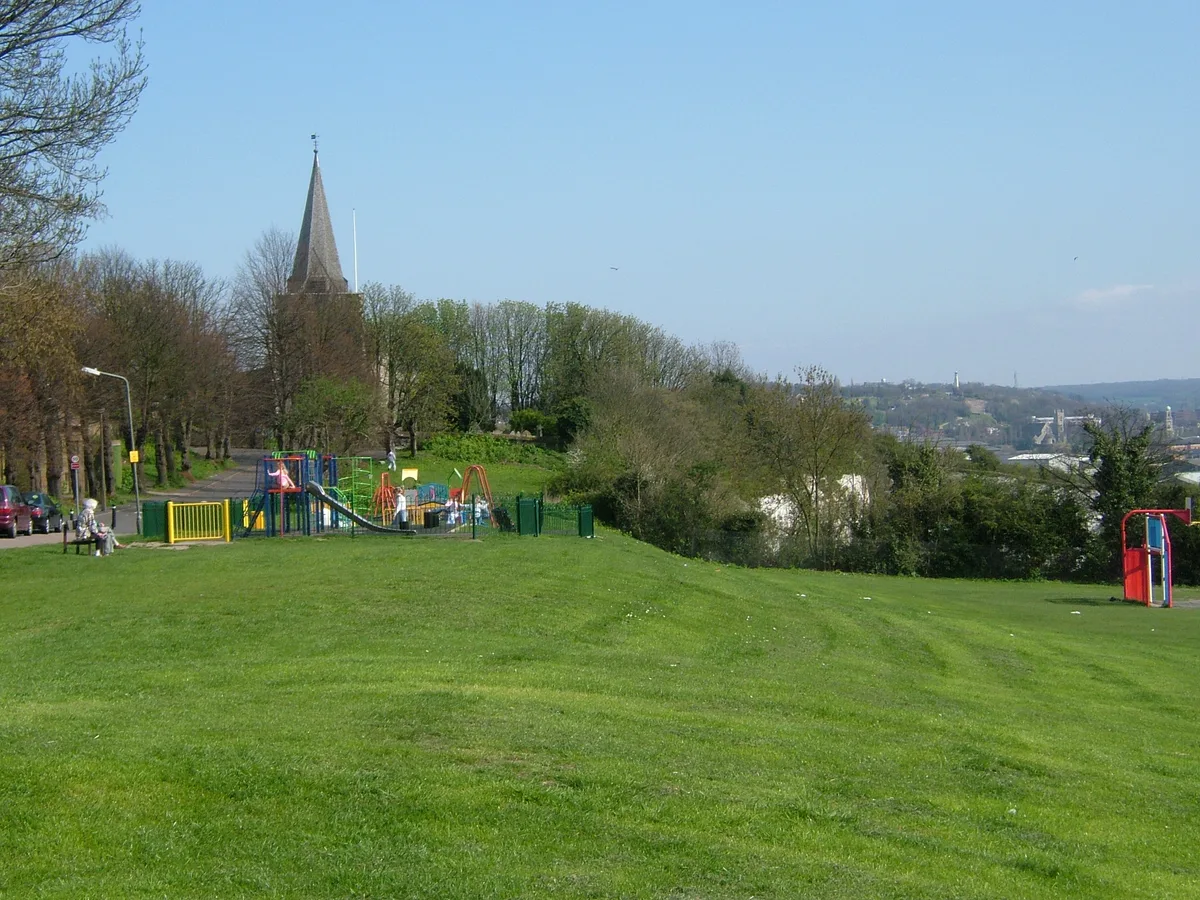
All Saints Church, Frindsbury
All Saints Church, Frindsbury — church in Medway, UK.
 📷 5
📷 5Historic churches · South East England
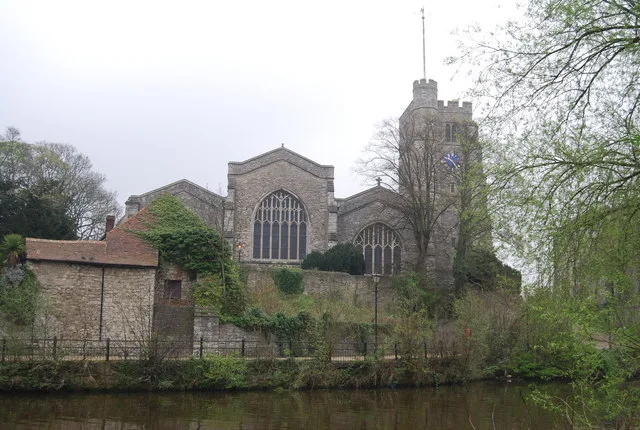
All Saints Church, Maidstone
All Saints Church, Maidstone — parish church associated with the Archbishop's Palace, Maidstone, Kent, England, UK.
 📷 5
📷 5Historic churches · South East England
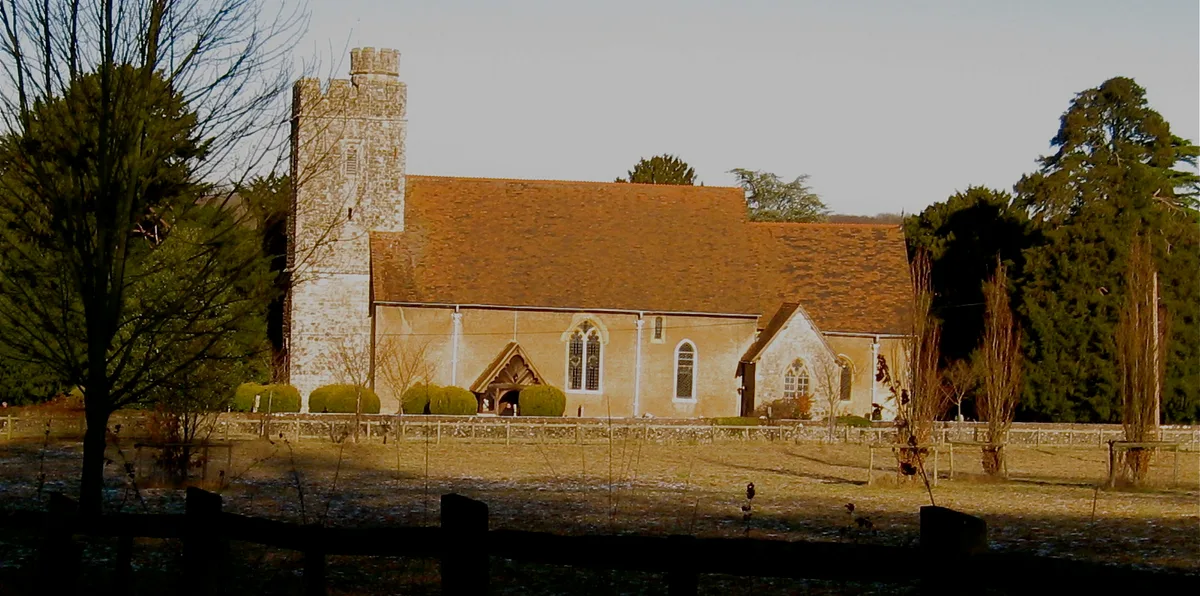
All Saints Church, West Farleigh
All Saints Church, West Farleigh — Grade I listed church in West Farleigh, Maidstone, Kent, England, UK.
 📷 5
📷 5Historic churches · South East England
All Souls' Church, Sutton Green
All Souls' Church, Sutton Green — church in Guildford, England.
Frequently asked questions
- Where is St Leonards-on-Sea United Reformed Church?
- St Leonards-on-Sea United Reformed Church is in East Sussex, South-East England, United Kingdom (postcode TN37 6AR), in the parish of Hastings, unparished area.
- What is St Leonards-on-Sea United Reformed Church?
- St Leonards-on-Sea United Reformed Church — Congregational church in Hastings, Sussex, England, UK.
- How do I get to St Leonards-on-Sea United Reformed Church?
- The nearest railway station is St Leonards Warrior Square, about 0.1 km away. The nearest town is Guestling. Drivers can use postcode TN37 6AR.
- When was St Leonards-on-Sea United Reformed Church built?
- Built or established in 1864. Designed by Matthew Edward Habershon.
- Is St Leonards-on-Sea United Reformed Church a listed building?
- St Leonards-on-Sea United Reformed Church is officially recognised as Grade II listed building listed.
- Is St Leonards-on-Sea United Reformed Church free to visit?
- Yes, St Leonards-on-Sea United Reformed Church is free to enter.
- How do I get to St Leonards-on-Sea United Reformed Church?
- The nearest railway station is St Leonards Warrior Square, about 0.1 km away. Drivers can navigate to postcode TN37 6AR.