
Historic churches · North Wales
St Gallgo's Church, Llanallgo
St Gallgo's Church, Llanallgo — church in Anglesey, UK.

Wikimedia Commons contributors — see linked file page for photographer and licence licence

Plan your visit
- Typical visit
- 30 min–1 h
- Free entry
Getting there & planning your visit
St Gallgo's Church is located in Llanallgo, Isle of Anglesey, with the postcode LL72 8NE. Entry is free. There are no details provided about public transport access.
About
St Gallgo's Church, Llanallgo is a historic church in the United Kingdom. Records date its origin to 1401. Built in the English Gothic architecture style. Heritage designation: Grade II listed building. Affiliated with Anglicanism. Named after Allgo. Wikidata describes it as: "church in Anglesey, UK". Coordinates: 53.3411°, -4.2524°.
Photo gallery
Heritage listing
St Gallgo's Church, Llanallgo (Welsh: [ɬanˈaɬgɔ]) is a small church near the village of Llanallgo, on the east coast of Anglesey, north Wales. The chancel and transepts, which are the oldest features of the present building, date from the late 15th century, but there has been a church on the site since the 6th or early 7th century, making it one of the oldest Christian sites in Anglesey. Some restoration and enlargement took place during the 19th century. The church is associated with the 1859 wreck of the Royal Charter off Anglesey; it was used as a temporary mortuary, and 140 of the victims are buried in the churchyard. Charles Dickens, who wrote about the loss of the ship, noted the care taken by the rector, Stephen Roose Hughes, for the victims and their families.
From Cadw under OGL v3.
From the Wikipedia article
St Gallgo's Church, Llanallgo (Welsh: [ɬanˈaɬgɔ]) is a small church near the village of Llanallgo, on the east coast of Anglesey, north Wales. The chancel and transepts, which are the oldest features of the present building, date from the late 15th century, but there has been a church on the site since the 6th or early 7th century, making it one of the oldest Christian sites in Anglesey. Some restoration and enlargement took place during the 19th century. The church is associated with the 1859 wreck of the Royal Charter off Anglesey; it was used as a temporary mortuary, and 140 of the victims are buried in the churchyard. Charles Dickens, who wrote about the loss of the ship, noted the care taken by the rector, Stephen Roose Hughes, for the victims and their families. Hughes died a few years later following the strain of the events and is also buried in the churchyard. The church is still used for worship by the Church in Wales, as one of four churches in a combined parish. There is a regular pattern of services in English and in Welsh. St Gallgo's is a Grade II listed building, a national designation given to "buildings of special interest, which warrant every effort being made to preserve them", as a "rural church with strong Perpendicular character", retaining some features from the late 15th century. The church contains a late 13th-century bell, with an impression of a coin of King Edward I, some memorials from the 17th to 19th centuries, and some church furniture from the early 20th century in an Arts and Craft style.
Excerpt from Wikipedia under CC BY-SA 4.0. See the source article linked in Sources below.
Background
History
St Gallgo's Church stands to the southwest of the village of Llanallgo, near the eastern coast of Anglesey, north Wales. Another writer, Geraint Jones, puts it earlier, and says in his 2006 guide to the churches of Anglesey that Gallgo established the church in the early 6th century; Jones says that it is "one of the oldest Christian sites in Anglesey." Gallgo was one of the sons of St Caw, a king from northern Britain, and a brother of St Gildas and St Eugrad (the latter establishing the nearby church of St Eugrad's in about 605 as well. Llwyd also recorded that there was a well near the church named after Gallgo, and said that "miraculous cures" had been ascribed to the waters, which were…
Architecture
The church is built in the Perpendicular style from rubble masonry; the roof is made of slate with a stone bellcote at the west end and stone cross finials. The church is built in a cross shape, with transepts to the north and south of the chancel. Entrance is through a porch on the north side of the nave, where the doorway has been built reusing older stones. The interior walls of the nave and transepts are lined with painted bricks. The supporting timber braces of the nave roof can be seen from inside the church; the roof trusses in the chancel and transepts are covered by barrel-shaped boarded ceilings. The chancel floor is made from local limestone. The east window of the chancel dates…
Sourced from Wikipedia under CC BY-SA 4.0.
- Coordinates
- 53.3411, -4.2524
- District
- Isle of Anglesey
- Parish
- Moelfre
- Postcode
- LL72 8NE
- Parliamentary constituency
- Ynys Môn
- Established
- 1401
- Official site
- www.royalcharterchurch.org.uk
Sources
- wikidata: Q7593108 (CC0)
- wikipedia: St Gallgo's Church, Llanallgo (CC BY-SA 4.0)
- commons: Eglwys Gallgo Sant - St Gallgo Church, Llanallgo - geograph.org.uk - 1191572.jpg (CC BY-SA 4.0)
Other places nearby

Llanallgo
Historic churches · 0.4 km

Home Farm Caravan Park
Caravan parks · 0.7 km

Cae Mawr Caravan and Motorhome Club Site
Caravan parks · 0.8 km
Parciau hill fort
Vineyards · 0.8 km
Marianfa Carvan Park
Caravan parks · 0.8 km

Llaneugrad
Historic churches · 0.9 km
The Pigeon House Caravan Park
Caravan parks · 1.0 km

Beddrod Siambr Llugwy
Archaeological sites · 1.0 km

Beddrod Siambr Llugwy
Archaeological sites · 1.0 km
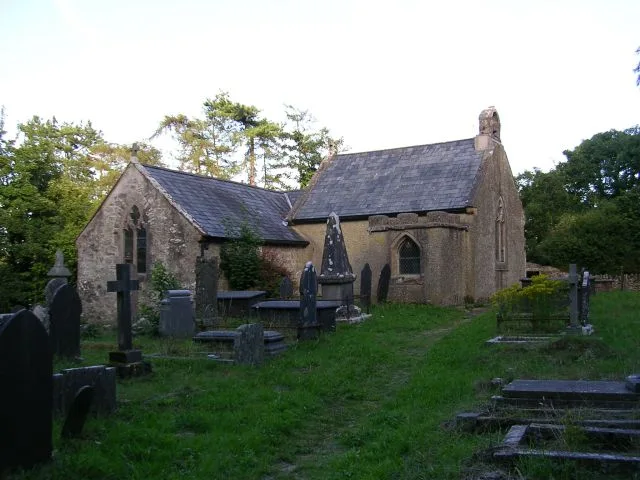
St Eugrad's Church
Historic churches · 1.1 km
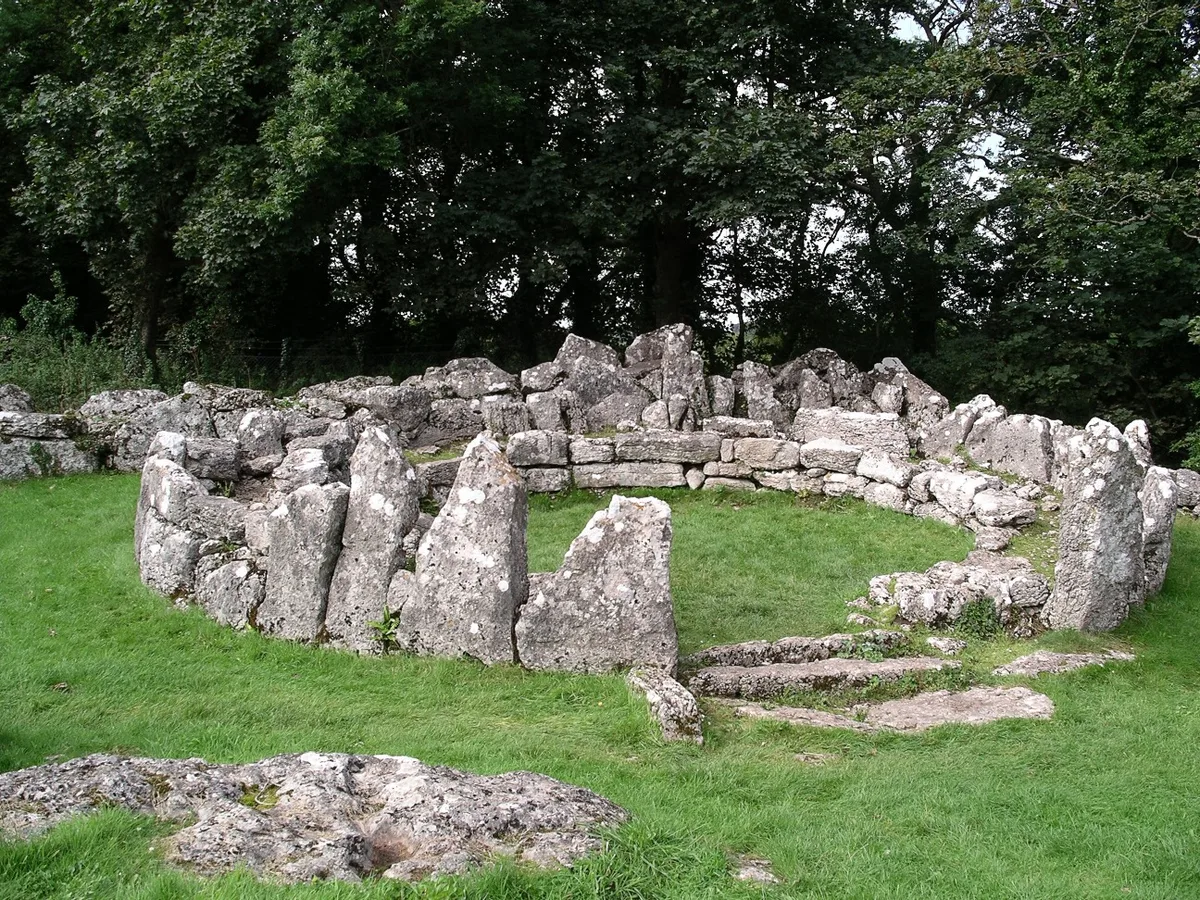
Din Lligwy
Hill forts · 1.1 km
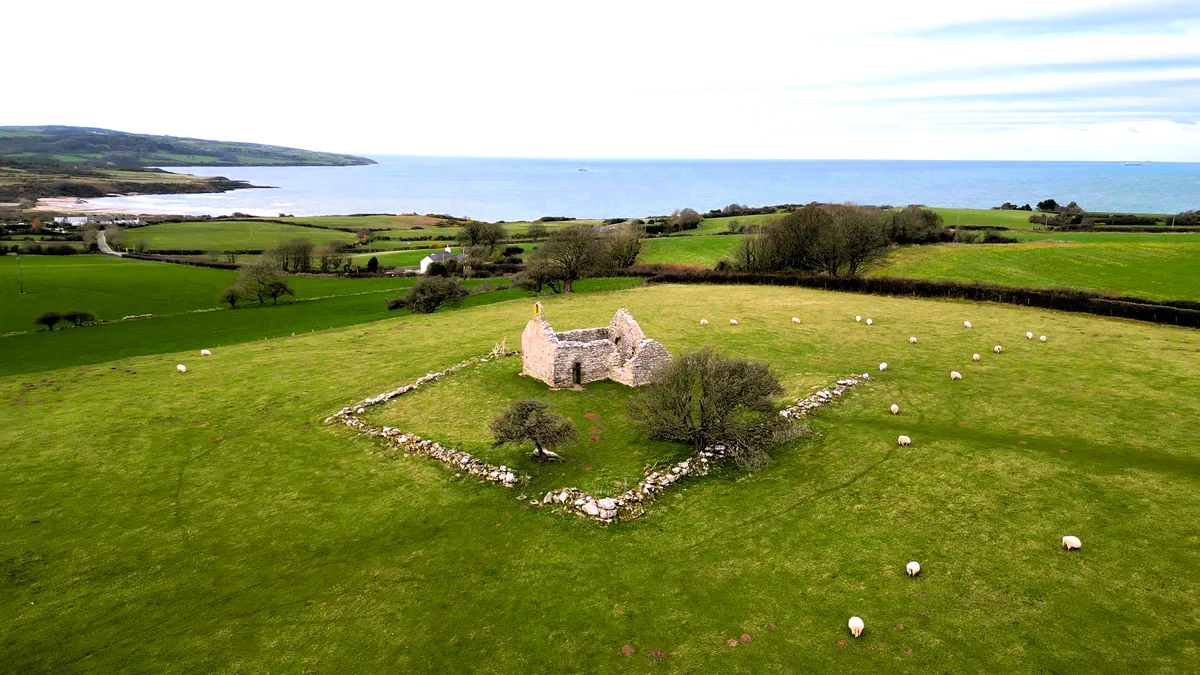
Capel Lligwy
Historic churches · 1.3 km
Nearby
📷 5📷 5Caravan parks · North Wales
Home Farm Caravan Park
Home Farm Caravan Park — a caravan park in wales north.
📷 5Caravan parks · North Wales
Cae Mawr Caravan and Motorhome Club Site
Cae Mawr Caravan and Motorhome Club Site — a caravan park in wales north.
📷 5Vineyards · North Wales
Parciau hill fort
Parciau hill fort — a UK vineyard in wales north, producing English or Welsh wine from cool-climate grape varieties.
📷 5Caravan parks · North Wales
Marianfa Carvan Park
Marianfa Carvan Park — a caravan park in wales north.
📷 4Where to eat & stay near St Gallgo's Church, Llanallgo
Places to stay
📷 5Caravan parks · North Wales
Home Farm Caravan Park
Home Farm Caravan Park — a caravan park in wales north.
📷 5Caravan parks · North Wales
Cae Mawr Caravan and Motorhome Club Site
Cae Mawr Caravan and Motorhome Club Site — a caravan park in wales north.
📷 5Caravan parks · North Wales
Marianfa Carvan Park
Marianfa Carvan Park — a caravan park in wales north.
📷 5Caravan parks · North Wales
The Pigeon House Caravan Park
The Pigeon House Caravan Park — a caravan park in wales north.
 📷 5
📷 5 📷 5
📷 5Places to eat & drink
 📷 5
📷 5 📷 5
📷 5Historic pubs · North Wales
The Kings Head Hotel
The Kings Head Hotel in Wales North, United Kingdom.
 📷 5
📷 5Historic pubs · North Wales
The Bull Hotel, Llangefni
The Bull Hotel, Llangefni in Wales North, United Kingdom.
 📷 5
📷 5Historic pubs · North Wales
The George and Dragon
The George and Dragon — Historic pub — listed building or notable heritage status.
 📷 7
📷 7 📷 7
📷 7Other places from this era
 📷 5
📷 5Historic churches · London
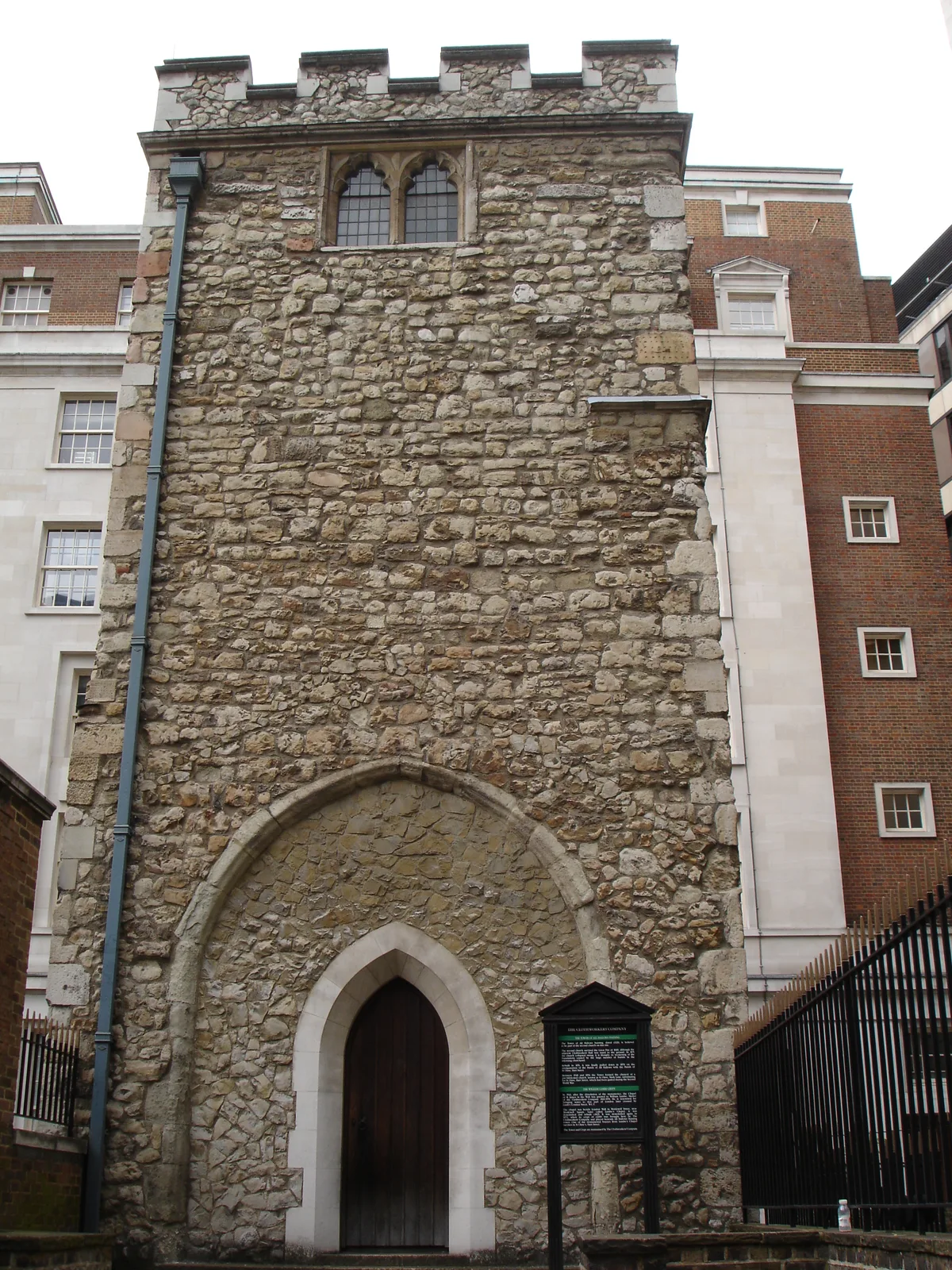
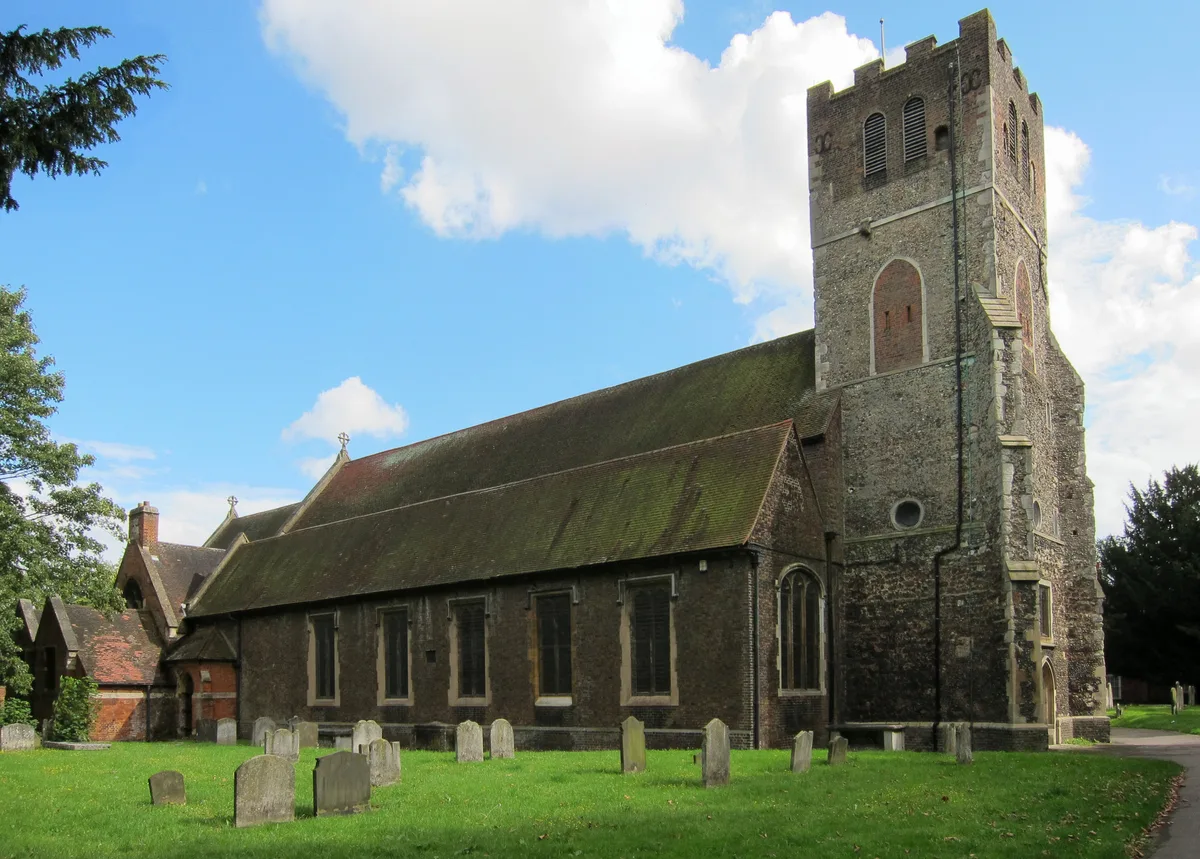
All Hallows Staining
All Hallows Staining — church in City of London, UK.
 📷 5
📷 5Historic churches · London
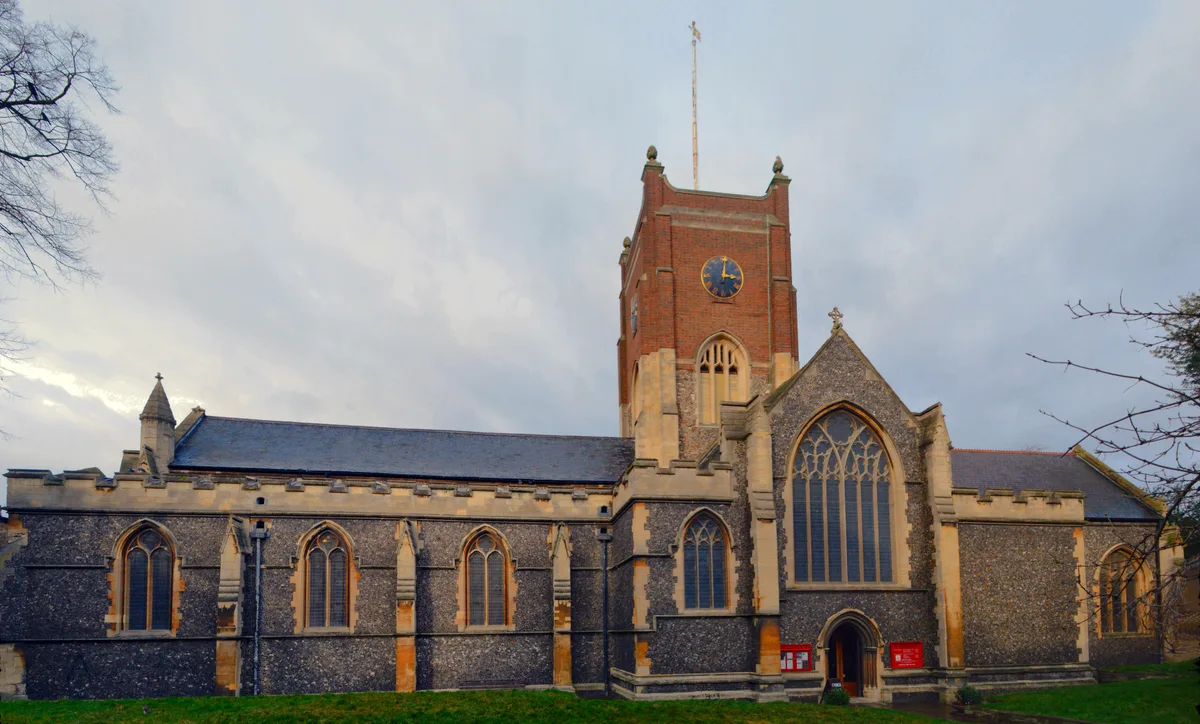
All Hallows' Church, Tottenham
All Hallows' Church, Tottenham — church in Tottenham, London.
 📷 5
📷 5Historic churches · London
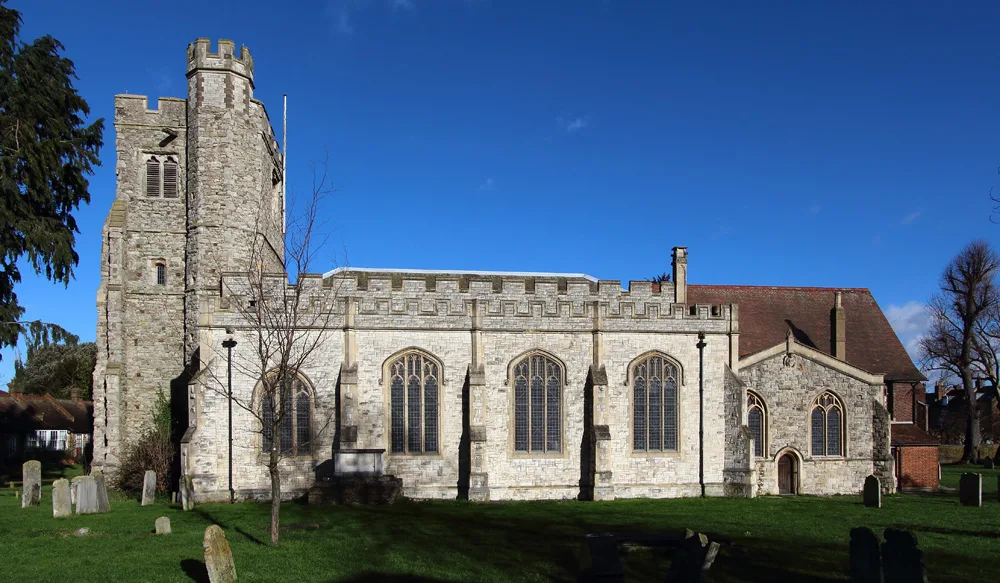
All Saints Church, Kingston upon Thames
All Saints Church, Kingston upon Thames — church in Kingston upon Thames, London.
 📷 5
📷 5Historic churches · London
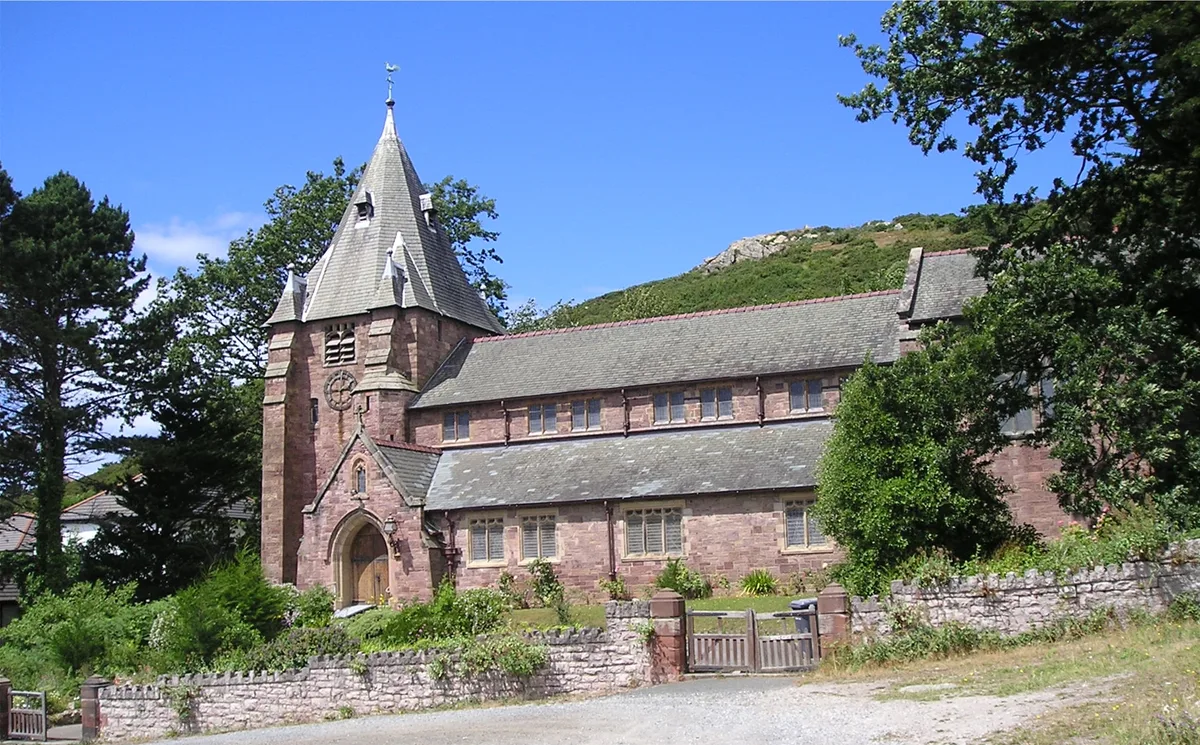
All Saints' Church, Edmonton
All Saints' Church, Edmonton — church in Edmonton, London.
More places in this region
 📷 3
📷 3Historic churches · North Wales
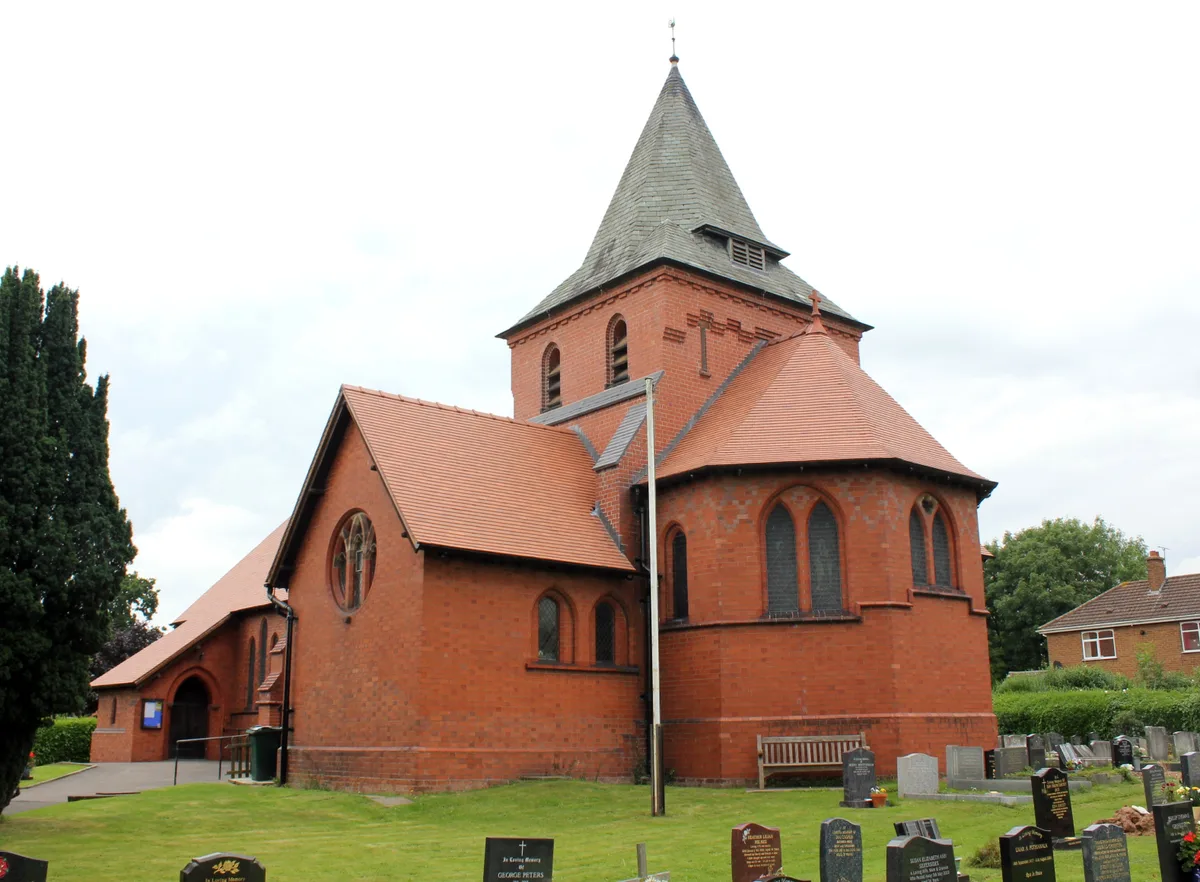
All Saints Church
All Saints Church — Anglican church in Deganwy, Wales.
 📷 3
📷 3Historic churches · North Wales
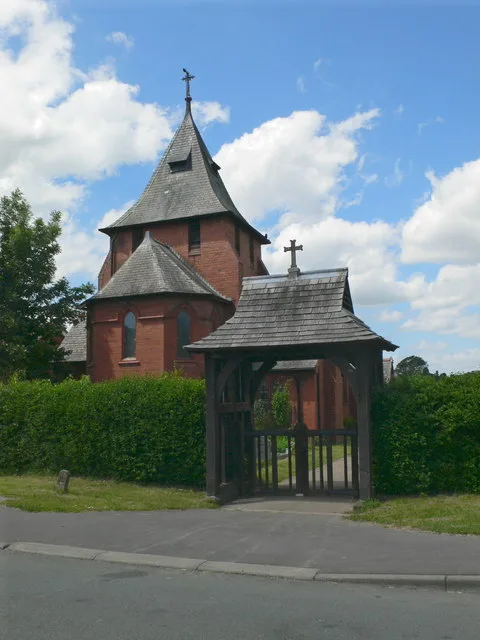
All Saints Church, Great Saughall
All Saints Church, Great Saughall — grade II listed church in Saughall, Cheshire West and Chester, Cheshire, England, UK.
 📷 3
📷 3Historic churches · North Wales
All Saints Church, Higher Kinnerton
All Saints Church, Higher Kinnerton — church in United Kingdom.
 📷 3
📷 3Historic churches · North Wales
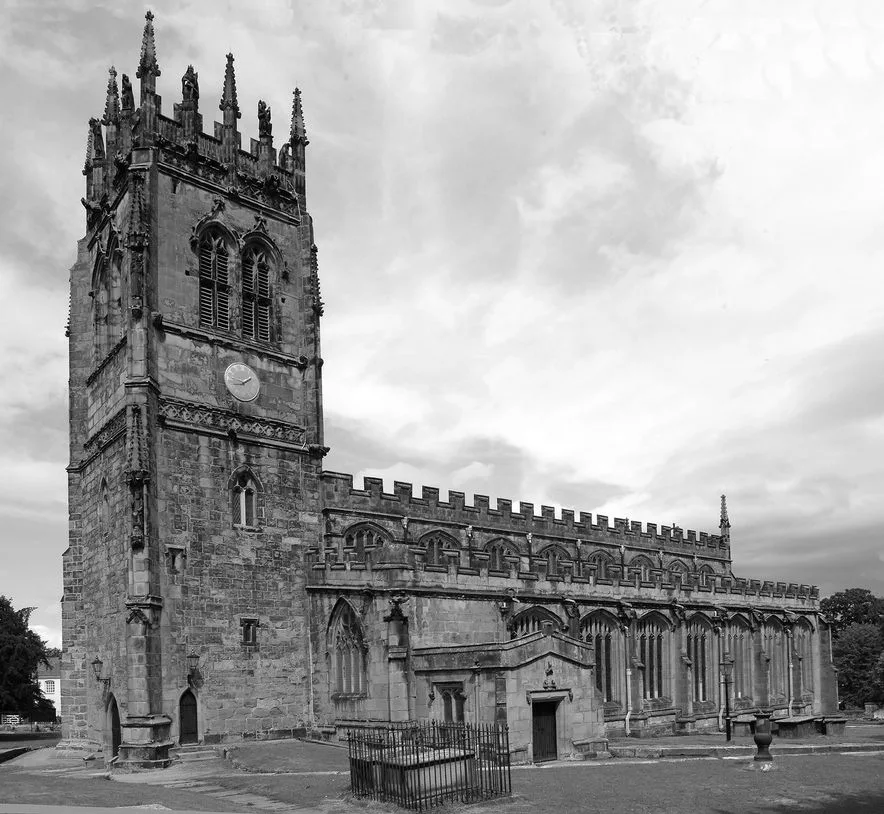
All Saints' Church, Gresford
All Saints' Church, Gresford — church in Gresford, north Wales.
Frequently asked questions
- Where is St Gallgo's Church, Llanallgo?
- St Gallgo's Church, Llanallgo is in North Wales, United Kingdom (postcode LL72 8NE), in the parish of Moelfre.
- What is St Gallgo's Church, Llanallgo?
- St Gallgo's Church, Llanallgo — church in Anglesey, UK.
- How do I get to St Gallgo's Church, Llanallgo?
- Drivers can use postcode LL72 8NE.
- When was St Gallgo's Church, Llanallgo built?
- Built or established in 1401.
- Is St Gallgo's Church, Llanallgo a listed building?
- St Gallgo's Church, Llanallgo is officially recognised as Grade II listed building listed.
- Is St Gallgo's Church, Llanallgo free to visit?
- Yes, St Gallgo's Church, Llanallgo is free to enter.
- How do I get to St Gallgo's Church, Llanallgo?
- Drivers can navigate to postcode LL72 8NE. It sits within the Ynys Môn parliamentary constituency.