
Historic churches · South East England
St Andrew's Church, Worthing
In or near Sompting.
St Andrew's Church, Worthing — grade II listed church in Worthing, West Sussex, England, UK.

Wikimedia Commons contributors — see linked file page for photographer and licence licence

Plan your visit
- Typical visit
- 30 min–1 h
- Nearest railway station
- Worthing · 0.4 km
- Free entry
Getting there & planning your visit
St Andrew's Church in Worthing is located at postcode BN11 4FP and is accessible via the nearest railway station, Worthing, which is just 0.4 km away. Entry to the church is free.
About
St Andrew's Church, Worthing is a historic church in the United Kingdom. Records date its origin to 1886. Designed by Arthur Blomfield. Heritage designation: Grade II listed building. Affiliated with Anglicanism. Wikidata describes it as: "grade II listed church in Worthing, West Sussex, England, UK". Coordinates: 50.8153°, -0.3776°.
Photo gallery
Heritage listing
St Andrew the Apostle (in full, the Church of St Andrew the Apostle) is an Anglican church in Worthing, West Sussex, England. Built between 1885 and 1886 in the Early English Gothic style by Sir Arthur Blomfield, "one of the last great Gothic revivalists", the church was embroiled in controversy as soon as it was founded. During a period of religious unrest in the town, theological tensions within Anglicanism between High church Anglo-Catholics and Low church Anglicans were inflamed by what the latter group saw as the church's "idolatrous" Roman Catholic-style fittings—in particular, a statue of the Virgin Mary which was seized upon by opponents as an example of a reversion to Catholic-style worship in the Church of England.
From the Historic England List Entry under OGL v3.
From the Wikipedia article
St Andrew the Apostle (in full, the Church of St Andrew the Apostle) is an Anglican church in Worthing, West Sussex, England. Built between 1885 and 1886 in the Early English Gothic style by Sir Arthur Blomfield, "one of the last great Gothic revivalists", the church was embroiled in controversy as soon as it was founded. During a period of religious unrest in the town, theological tensions within Anglicanism between High church Anglo-Catholics and Low church Anglicans were inflamed by what the latter group saw as the church's "idolatrous" Roman Catholic-style fittings—in particular, a statue of the Virgin Mary which was seized upon by opponents as an example of a reversion to Catholic-style worship in the Church of England. The "Worthing Madonna" dispute delayed the consecration of the church by several years. English Heritage has listed the building at Grade C for its architectural and historical importance, and the adjacent vestry and vicarage are listed separately at Grade II.
Excerpt from Wikipedia under CC BY-SA 4.0. See the source article linked in Sources below.
Background
History
Worthing experienced fitful but often rapid growth throughout the 19th century after it became established as a town and seaside resort at the start of the 19th century. Between 1801, two years before an Act of Parliament gave it the status of a town, and 1881, the population increased from about 2,000 to 14,000. The era coincided with a revival in Anglican Christian worship: this was especially marked in Brighton, Worthing's larger and more illustrious rival resort further along the Sussex coast, whose vicar Arthur Wagner funded and built many churches across the town. Sussex was a religiously conservative county, and by the middle of the 19th century—after the Catholic…
Architecture
Arthur Blomfield used the Early English Gothic style for St Andrew's Church. Standing on a wide, narrow east–west site between Victoria and Clifton Roads, the cruciform building occupies little ground space but is correspondingly tall. It is mostly of brick clad with flint and dressed with Bath stone. In addition, one of Kempe's earliest known windows—designed for All Souls Church in Brighton and depicting Mary, Martha and the Four Evangelists—was retrieved from that church when it was demolished in the 1960s, and was installed in the sacristy.
Description
St Andrew's Church was listed at Grade C by English Heritage on 21 May 1976. Grade C was the lowest rank on an old grading system used for Anglican churches, before English Heritage extended the standard Grade I, II* and II scheme to all types of building. A small number of churches remain on the old scheme, on which Grade C is equivalent to Grade II. As of February 2001, it was one of 198 Grade II- or C-listed buildings, and 213 listed buildings of all grades, in the Borough of Worthing.
Sourced from Wikipedia under CC BY-SA 4.0.
- Coordinates
- 50.8153, -0.3776
- County
- West Sussex
- District
- Worthing
- Parish
- Worthing, unparished area
- Postcode
- BN11 4FP
- Parliamentary constituency
- Worthing West
- Established
- 1886
- Nearest railway station
- Worthing — 0.4 km
- Official site
- www.standrewsworthing.org.uk
Sources
- wikidata: Q7592379 (CC0)
- wikipedia: St Andrew the Apostle Church, Worthing (CC BY-SA 4.0)
- commons: St Andrew's Church, Victoria Road, Worthing.JPG (CC BY-SA 4.0)
Other places nearby

Brewhouse & Kitchen
Breweries · 0.2 km
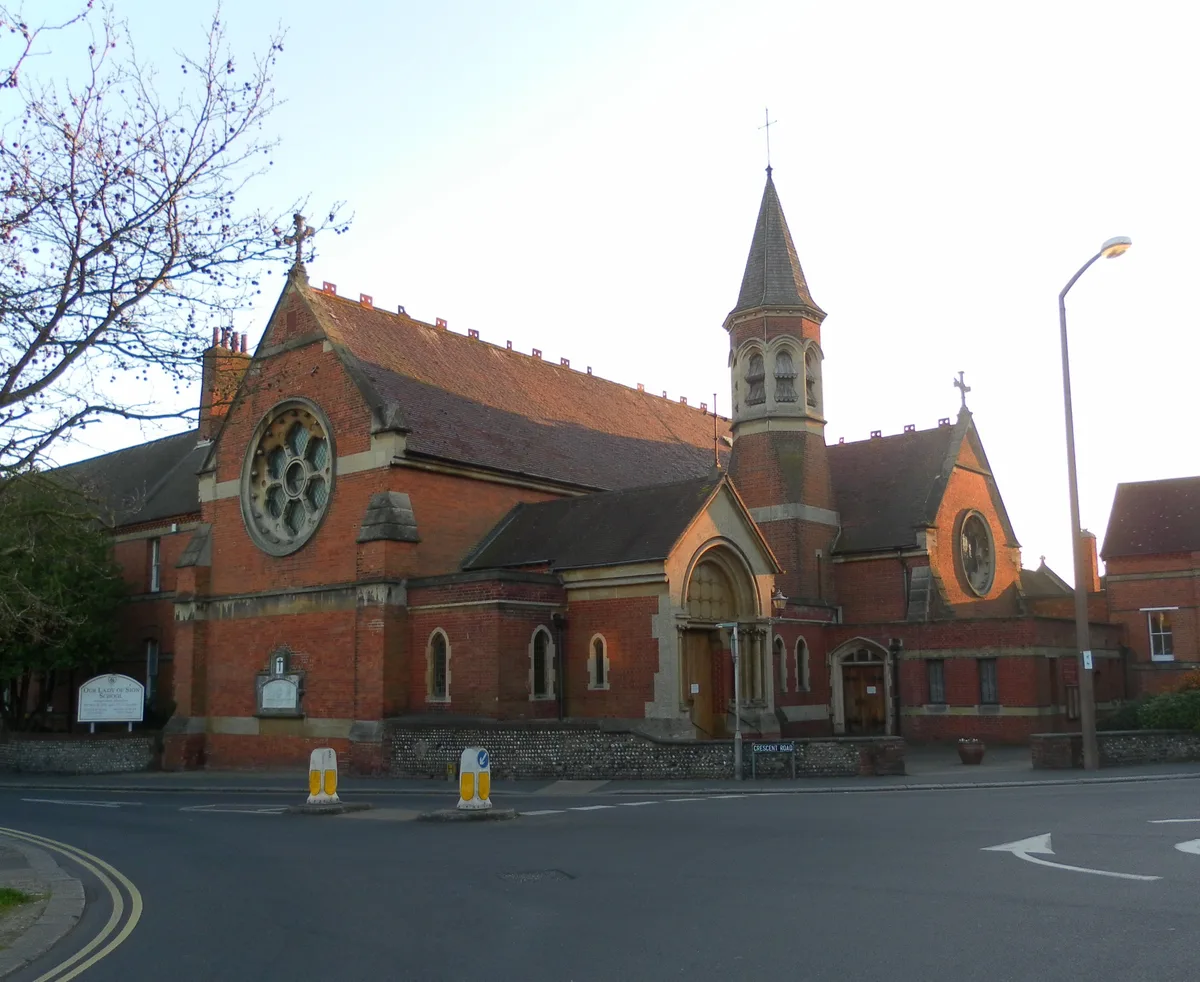
St Mary of the Angels
Historic churches · 0.2 km

Our Lady Of Sion Convent
Abbeys & priories · 0.3 km

Assembly Hall
Theatres · 0.4 km
Worthing Town Hall including Assembly Hall and Worthing Room
Theatres · 0.4 km

Worthing War Memorial
Memorials & monuments · 0.4 km
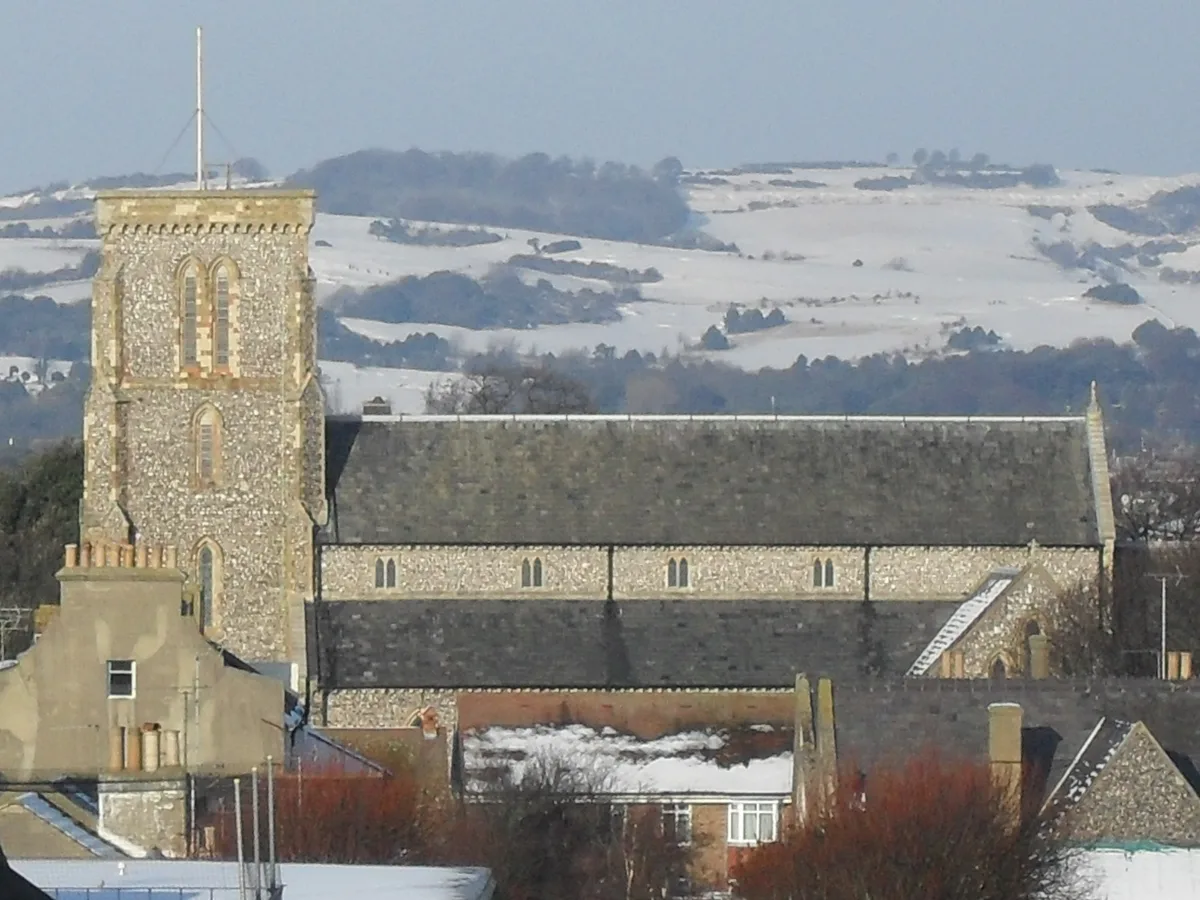
Christ Church, Worthing
Historic churches · 0.4 km
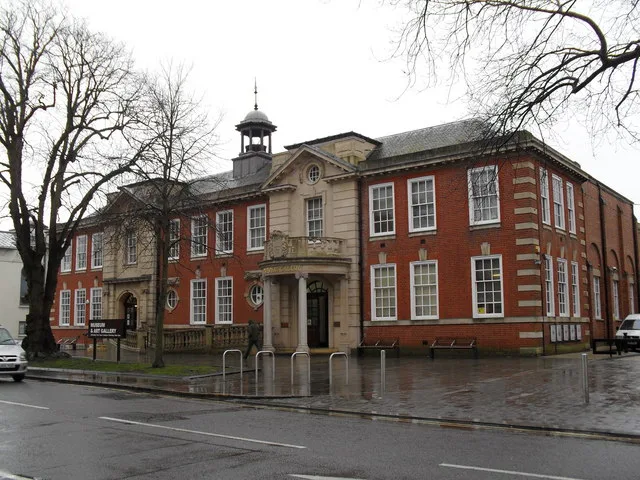
Worthing Museum and Art Gallery
Galleries · 0.4 km
Worthing
Museums · 0.4 km
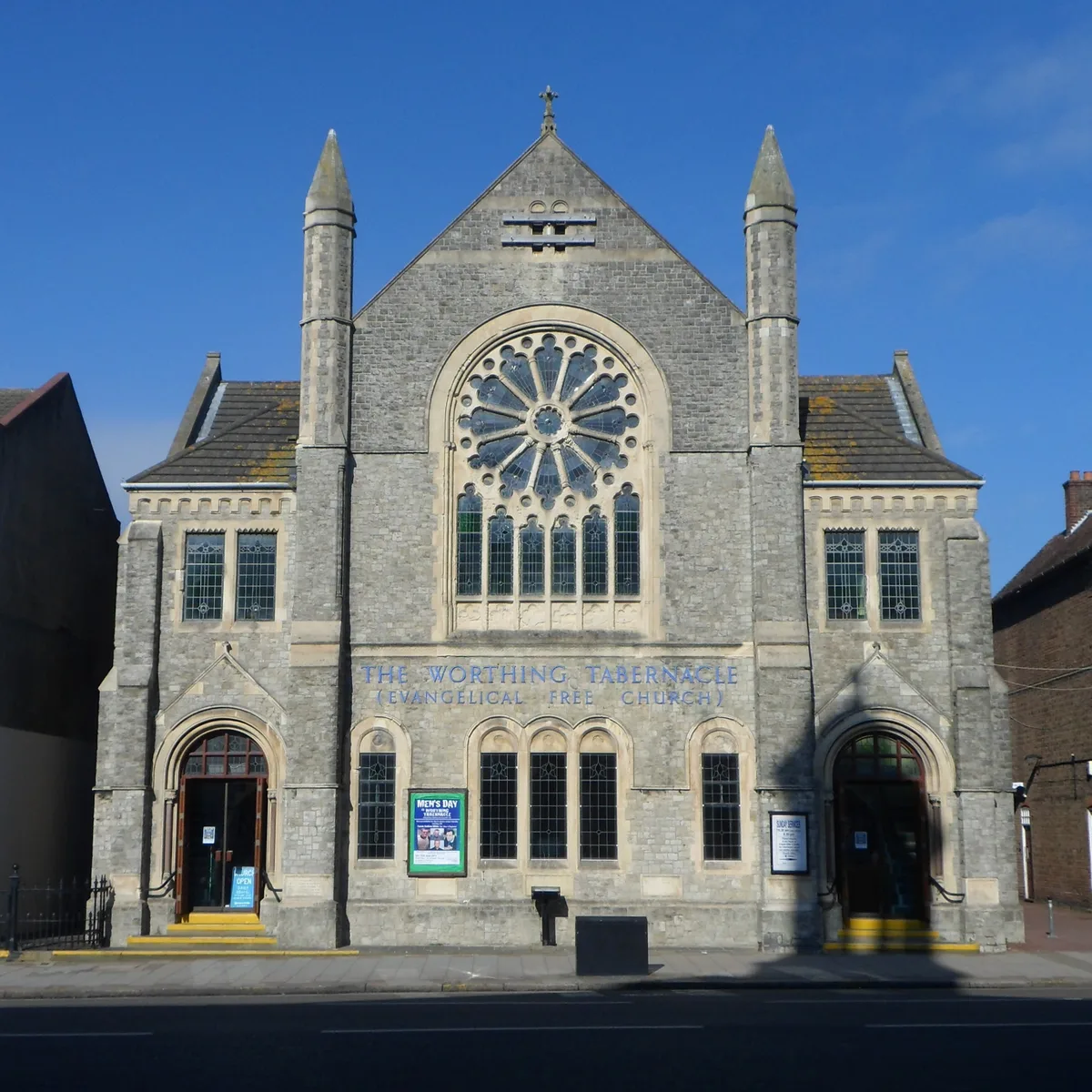
Worthing Tabernacle
Historic churches · 0.5 km

St Paul's War Memorial, Worthing
Memorials & monuments · 0.5 km
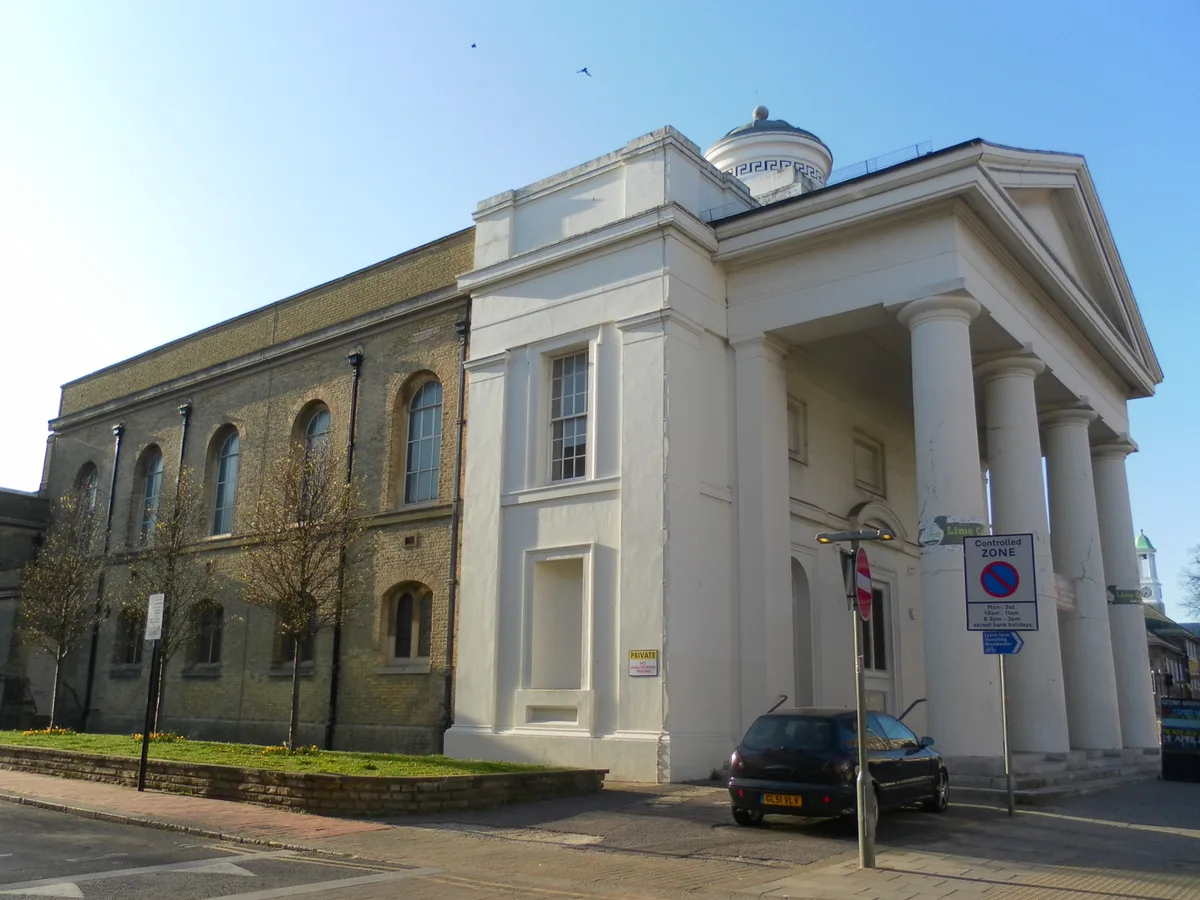
St Paul's Church, Worthing
Historic churches · 0.5 km
Nearby
📷 5Breweries · South East England
Brewhouse & Kitchen
Brewhouse & Kitchen — a brewery in england south east.
📷 5Historic churches · South East England
St Mary of the Angels
St Mary of the Angels — grade II listed church in Worthing, West Sussex, England, UK.
★ Iconic📷 5Abbeys & priories · South East England
Our Lady Of Sion Convent
Our Lady Of Sion Convent — Grade II listed building-listed abbey in england-south-east, United Kingdom.
📷 5📷 5Theatres · South East England
Worthing Town Hall including Assembly Hall and Worthing Room
Worthing Town Hall including Assembly Hall and Worthing Room — Grade II listed building-listed theatre in england-south-east, United Kingdom.
📷 5Memorials & monuments · South East England
Worthing War Memorial
Worthing War Memorial — Grade II listed building-listed memorial in england-south-east, United Kingdom.
Where to eat & stay near St Andrew's Church, Worthing
Places to stay
 📷 5
📷 5Hotels · South East England
The Burlington
The Burlington — a hotel in england south east.
 📷 5
📷 5Caravan parks · South East England
Northbrook Farm Caravan Club
Northbrook Farm Caravan Club — a caravan park in england south east.
 📷 5
📷 5Caravan parks · South East England
Beach Park
Beach Park — a caravan park in england south east.
 📷 5
📷 5Caravan parks · South East England
Willowbrook Park
Willowbrook Park — a caravan park in england south east.
 📷 5
📷 5Caravan parks · South East England
Eastern Sands Holiday Park
Eastern Sands Holiday Park — a caravan park in england south east.
📷 5Caravan parks · South East England
The Barn Caravan Park
The Barn Caravan Park — a caravan park in england south east.
Places to eat & drink
 📷 5
📷 5Historic pubs · South East England
Thieves Kitchen
Thieves Kitchen in England South East, United Kingdom.
 📷 5
📷 5Restaurants · South East England
Crabshack
Crabshack — a restaurant in england south east.
 📷 7
📷 7 📷 5
📷 5Historic pubs · South East England
The Royal Sovereign Public House
The Royal Sovereign Public House in England South East, United Kingdom.
 📷 5
📷 5Historic pubs · South East England
The Star Public House
The Star Public House in England South East, United Kingdom.
 📷 5
📷 5Historic pubs · South East England
The Frankland Arms Public House
The Frankland Arms Public House in England South East, United Kingdom.
Other works by Arthur Blomfield
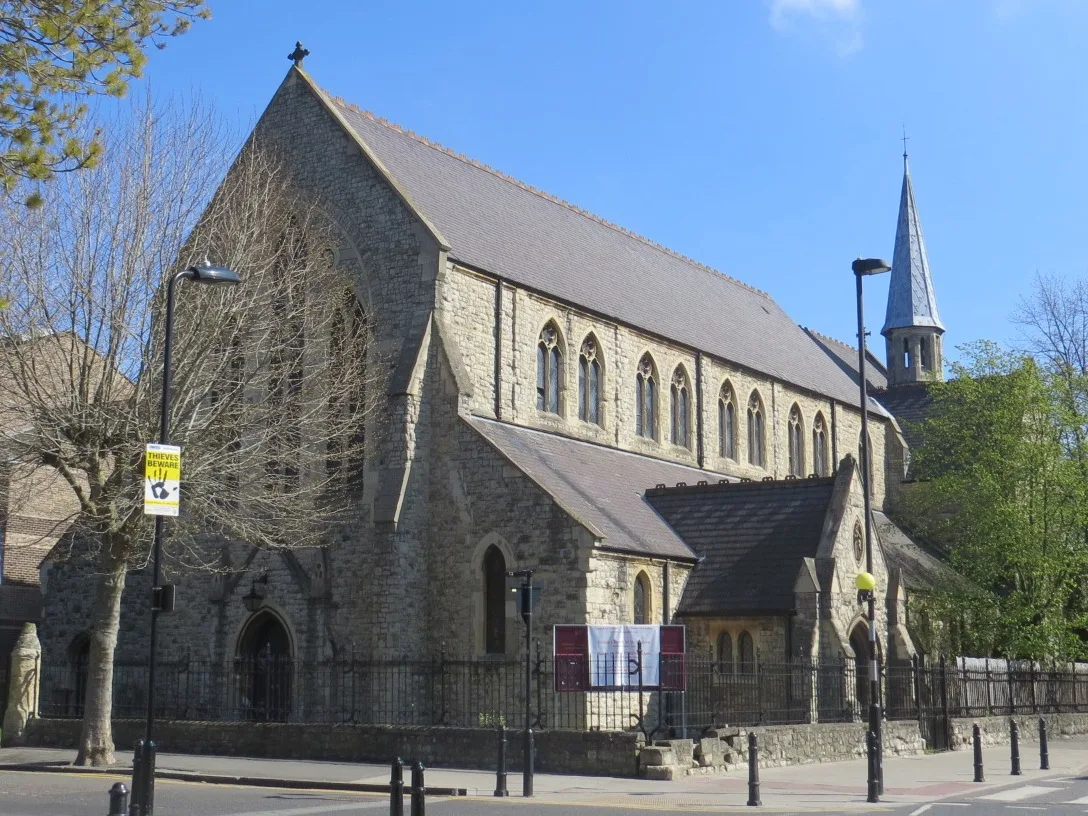 📷 5
📷 5Abbeys & priories · London
Church of St Andrew, Hackney
Church of St Andrew, Hackney — Anglican parish church on Bethune Road in Stoke Newington, in the London Borough of Hackney, England.
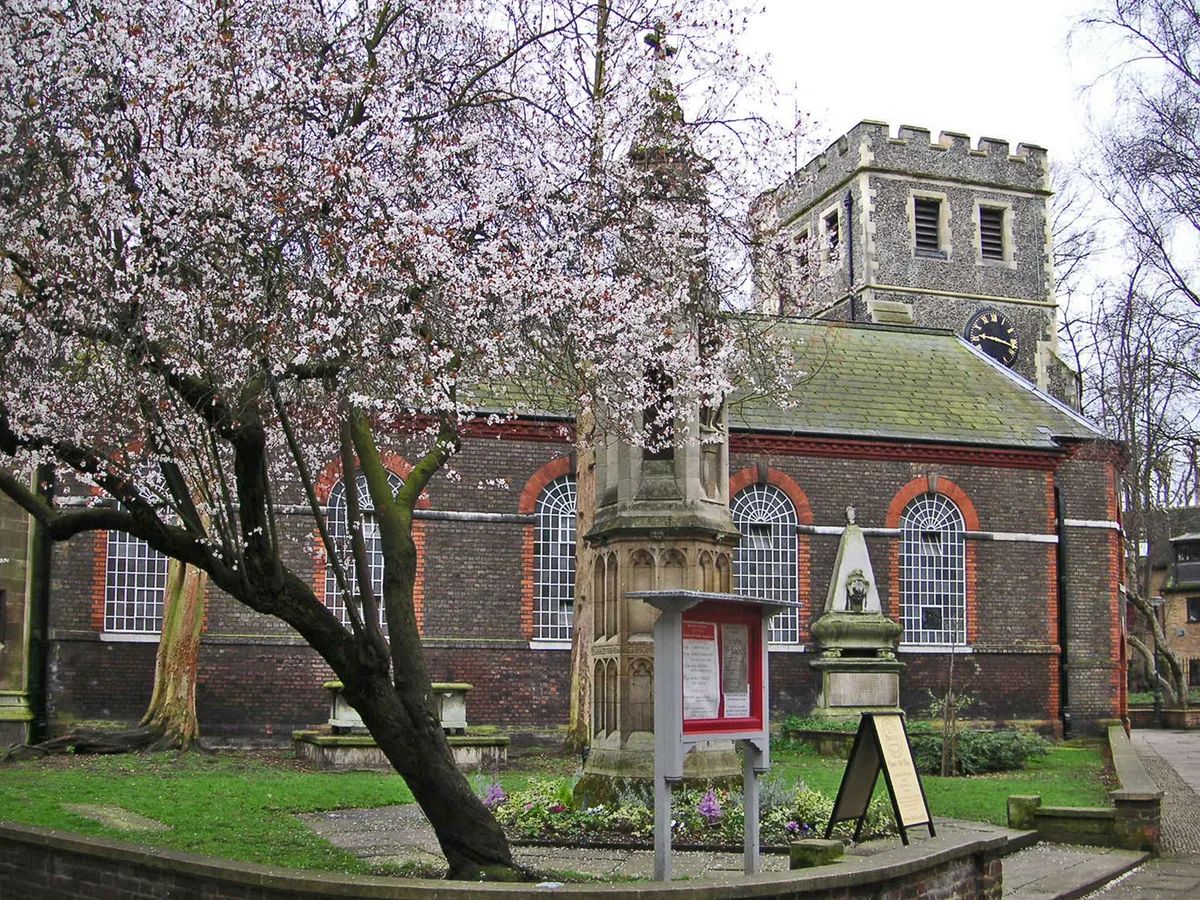 📷 5
📷 5Historic churches · London
St Mary Magdalene church, Richmond, London
St Mary Magdalene church, Richmond, London — church in Richmond, London.
 📷 7
📷 7Historic pubs · London
The Old Bank of England
The Old Bank of England — Historic pub — listed building or notable heritage status.
 📷 5
📷 5Cathedrals · London
Church of St Andrew, Hackney
Church of St Andrew, Hackney is a cathedral in the United Kingdom.
Other places from this era
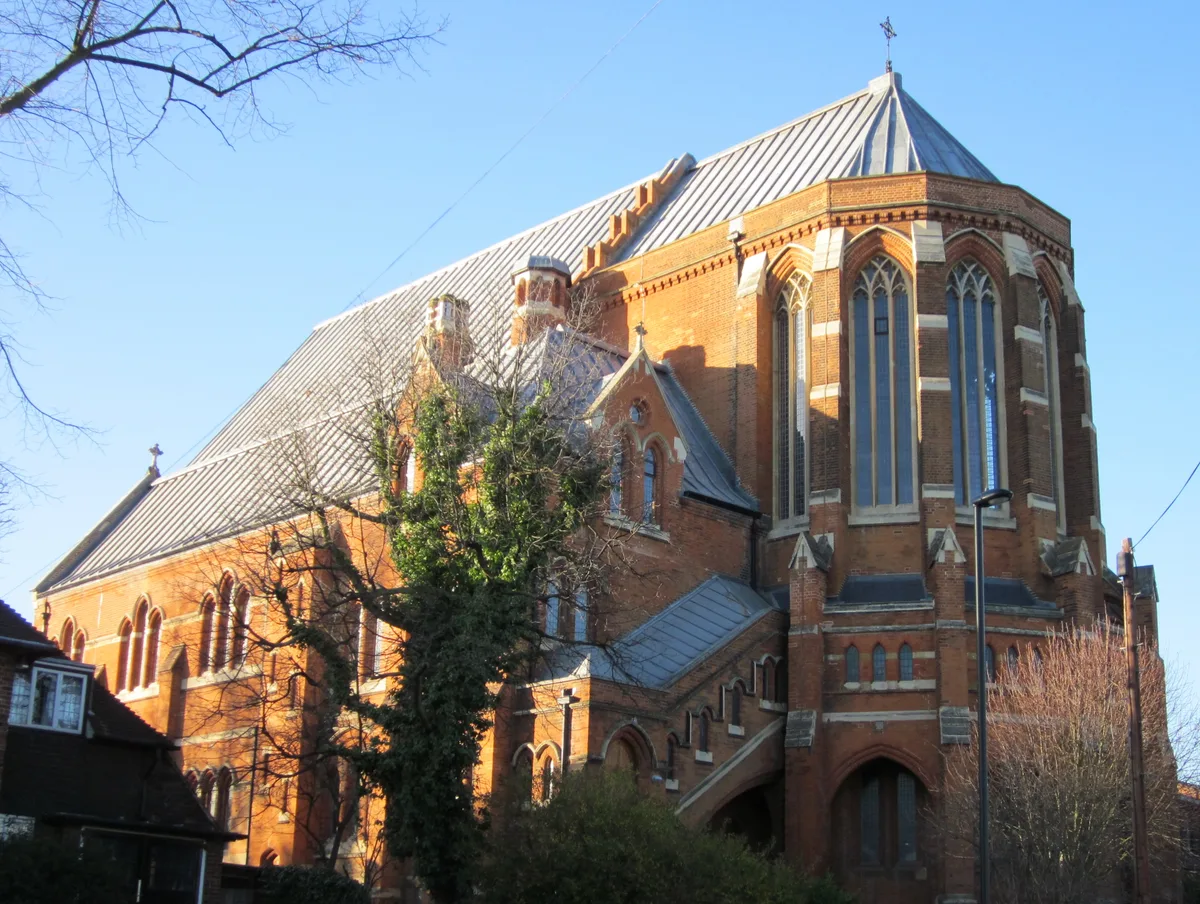 📷 5
📷 5Historic churches · London
All Saints Church, West Dulwich
All Saints Church, West Dulwich — church in West Dulwich, London.
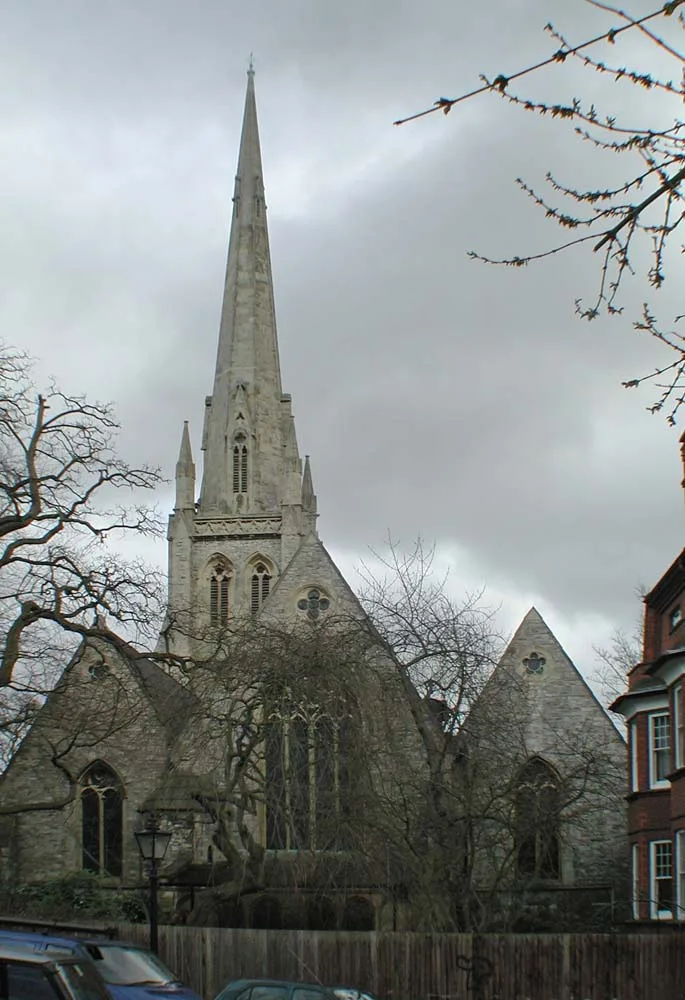 📷 5
📷 5Historic churches · London
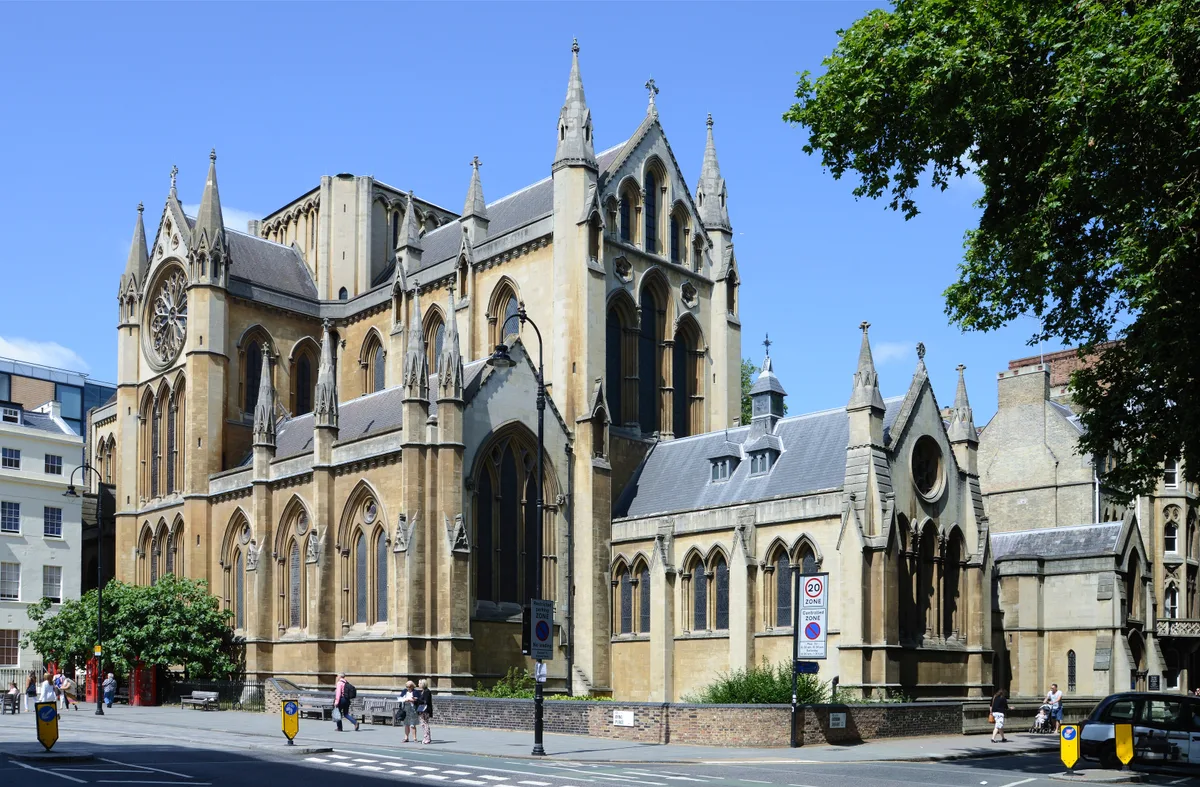
Christ Church
Christ Church — church in Hampstead, London.
 📷 5
📷 5Historic churches · London
Church of Christ the King, Bloomsbury
Church of Christ the King, Bloomsbury — church in Gordon Square, Bloomsbury, London.
 📷 5
📷 5Historic churches · London
Church of St Barnabas
Church of St Barnabas — church in Pimlico, London.
More places in this region
 📷 5
📷 5Historic churches · South East England
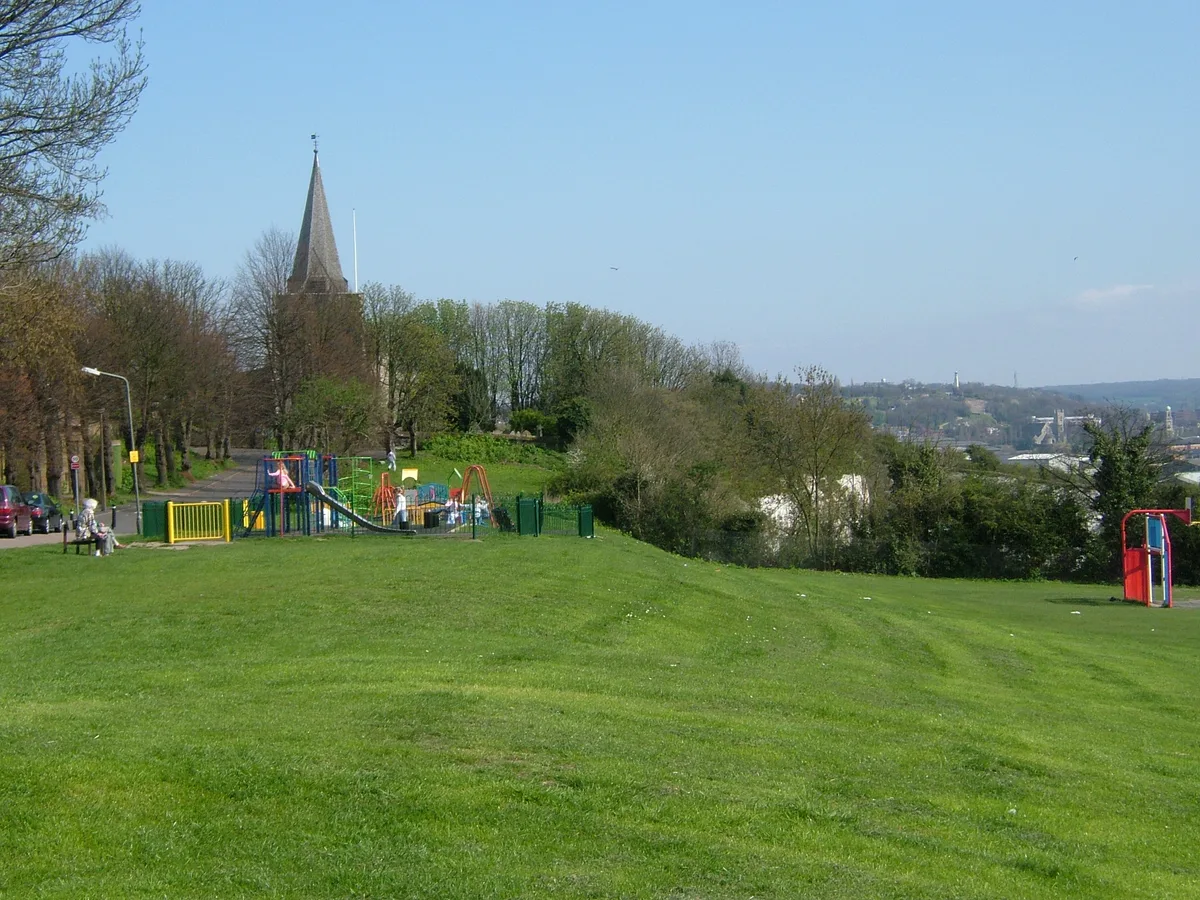
All Saints Church, Frindsbury
All Saints Church, Frindsbury — church in Medway, UK.
 📷 5
📷 5Historic churches · South East England
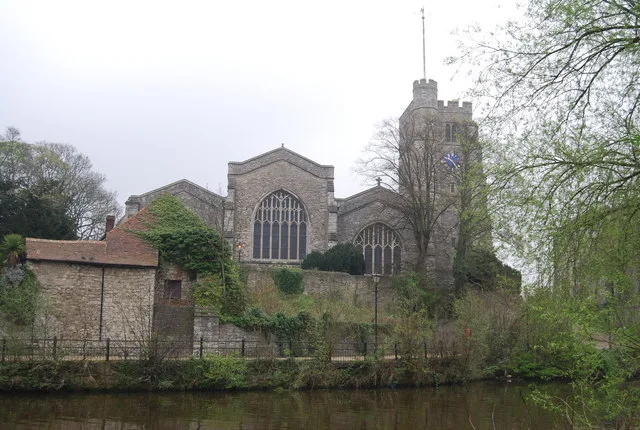
All Saints Church, Maidstone
All Saints Church, Maidstone — parish church associated with the Archbishop's Palace, Maidstone, Kent, England, UK.
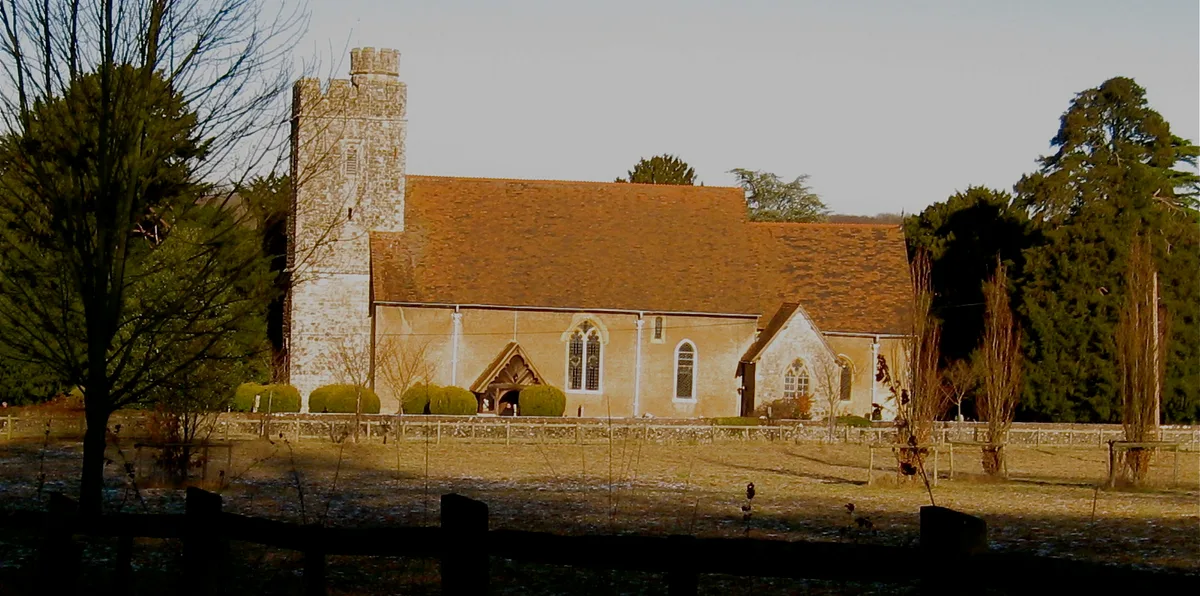 📷 5
📷 5Historic churches · South East England
All Saints Church, West Farleigh
All Saints Church, West Farleigh — Grade I listed church in West Farleigh, Maidstone, Kent, England, UK.
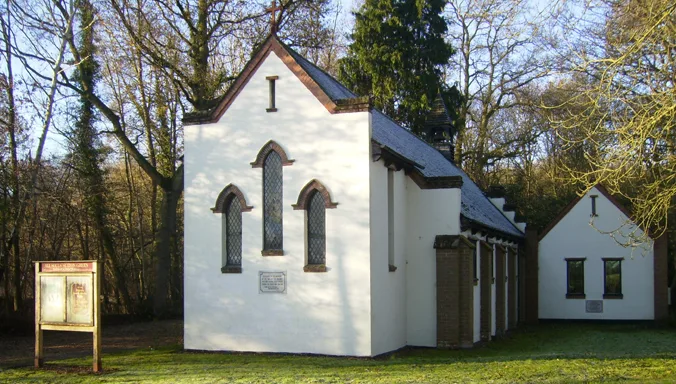 📷 5
📷 5Historic churches · South East England
All Souls' Church, Sutton Green
All Souls' Church, Sutton Green — church in Guildford, England.
Frequently asked questions
- Where is St Andrew's Church, Worthing?
- St Andrew's Church, Worthing is in West Sussex, South-East England, United Kingdom (postcode BN11 4FP), in the parish of Worthing, unparished area.
- What is St Andrew's Church, Worthing?
- St Andrew's Church, Worthing — grade II listed church in Worthing, West Sussex, England, UK.
- How do I get to St Andrew's Church, Worthing?
- The nearest railway station is Worthing, about 0.4 km away. The nearest town is Sompting. Drivers can use postcode BN11 4FP.
- When was St Andrew's Church, Worthing built?
- Built or established in 1886. Designed by Arthur Blomfield.
- Is St Andrew's Church, Worthing a listed building?
- St Andrew's Church, Worthing is officially recognised as Grade II listed building listed.
- Is St Andrew's Church, Worthing free to visit?
- Yes, St Andrew's Church, Worthing is free to enter.
- How do I get to St Andrew's Church, Worthing?
- The nearest railway station is Worthing, about 0.4 km away. Drivers can navigate to postcode BN11 4FP.