
Cathedrals · Central Scotland
St Andrew's Cathedral
In or near Glasgow.
St Andrew's Cathedral — Catholic cathedral in Glasgow, Scotland, UK.

Wikimedia Commons contributors — see linked file page for photographer and licence licence

Plan your visit
- Typical visit
- 1 h–2 h
- Best time of year
- Year-round
- Nearest railway station
- St Enoch · 0.3 km
- Free entry
- Family-friendly
- Limited wheelchair access
Getting there & planning your visit
St Andrew's Cathedral is located in Glasgow City, with the nearest railway station being St Enoch, just 0.3 km away. The postcode for navigation is G1 4ER. Accessibility is limited for wheelchair users.
About
St Andrew's Cathedral is a cathedral in the United Kingdom — the principal church of a diocese. Records date its origin to 1816. Designed by James Gillespie Graham. Built in the Gothic Revival style. Constructed primarily of brick. Heritage designation: category A listed building. Affiliated with Catholicism. Named after Andrew the Apostle. Wikidata describes it as: "Catholic cathedral in Glasgow, Scotland, UK". Coordinates: 55.8557°, -4.2528°.
Photo gallery
360° viewimagery from 2021
Imagery © Mapillary contributors, CC BY-SA 4.0
Heritage listing
The Metropolitan Cathedral Church of Saint Andrew or Glasgow Metropolitan Cathedral is a Latin Catholic cathedral in the city centre of Glasgow, Scotland. It is the mother church of the Archdiocese of Glasgow. The cathedral, which was designed in 1814 by James Gillespie Graham in the Neo-Gothic style, lies on the north bank of the River Clyde in Clyde Street. St Andrew's Cathedral is the seat of the Archbishop of Glasgow, currently William Nolan.
From Historic Environment Scotland under OGL v3.
From Historic Environment Scotland
Get a brief snapshot of the St Andrews Cathedral history, plus highlights of the remains of Scotland’s most magnificent medieval church, like St Rule’s Tower. Contact us today for more information.
Read more on the official property page.
From the Wikipedia article
The Metropolitan Cathedral Church of Saint Andrew or Glasgow Metropolitan Cathedral is a Latin Catholic cathedral in the city centre of Glasgow, Scotland. It is the mother church of the Archdiocese of Glasgow. The cathedral, which was designed in 1814 by James Gillespie Graham in the Neo-Gothic style, lies on the north bank of the River Clyde in Clyde Street. St Andrew's Cathedral is the seat of the Archbishop of Glasgow, currently William Nolan. It is dedicated to the patron saint of Scotland, Saint Andrew.
Excerpt from Wikipedia under CC BY-SA 4.0. See the source article linked in Sources below.
Background
History
From the Scottish Reformation of 1560 until the beginning of the Catholic Emancipation process in 1791, with the Roman Catholic Relief Act 1791 (31 Geo. 3. c. 32) – which restored certain civil rights and freedom of worship – Catholics in Glasgow had to worship covertly. By the end of the 18th century, particularly with the influx of Irish Catholic immigrants to Glasgow during the nascent stages of the Industrial Revolution, there emerged an increasing demand for a Catholic church in the city. In 1805 there were approximately 450 Catholics in the city, but by 1814 the number of recorded communicants in the city had increased to 3,000, and in that year the decision was taken by Fr Andrew…
Sourced from Wikipedia under CC BY-SA 4.0.
- Coordinates
- 55.8557, -4.2528
- District
- Glasgow City
- Postcode
- G1 4ER
- Parliamentary constituency
- Glasgow East
- Phone
- 01412042409
- Established
- 1816
- Nearest railway station
- St Enoch — 0.3 km
- Opening
- Daily 8am–6pm
- Official site
- www.cathedralg1.org
Sources
- wikidata: Q2002811 (CC0)
- wikipedia: St Andrew's Cathedral, Glasgow (CC BY-SA 4.0)
- commons: Front view of the St Andrew's Cathedral, Glasgow, Scotland 16.jpg (CC BY-SA 4.0)
- fsq: ac35fb176a6d44e80381d42e (Apache-2.0)
Other places nearby

Theatre School Of Scotland
Theatres · 0.1 km

Josep Maria Subirachs Bust
Memorials & monuments · 0.1 km

Former Stockwell Free Church, 170-180 Howard Street With 37 Ropework Lane, Glasgow
Historic churches · 0.1 km

Vue
Cinemas · 0.1 km

The Metropole Theatre
Open-air theatres · 0.2 km

Dr. Connolly I Presume?
Public art & sculpture · 0.2 km

The Clutha
Public art & sculpture · 0.2 km

Victoria Bridge
Historic bridges · 0.2 km

The Briggait
Other places · 0.3 km

40, 41 Carlton Place
Historic pubs · 0.3 km

La Pasionaria
Memorials & monuments · 0.3 km

Billy Connolly
Public art & sculpture · 0.3 km
Nearby
📷 3Theatres · Central Scotland
Theatre School Of Scotland
Theatre School Of Scotland is a theatre in the United Kingdom.
📷 3Memorials & monuments · Central Scotland
Josep Maria Subirachs Bust
Josep Maria Subirachs Bust — a memorial in scotland-central, United Kingdom.
📷 5Historic churches · Central Scotland
Former Stockwell Free Church, 170-180 Howard Street With 37 Ropework Lane, Glasgow
Former Stockwell Free Church, 170-180 Howard Street With 37 Ropework Lane, Glasgow — category B listed building-listed church in scotland-central, United Kingdom.
📷 5📷 5Open-air theatres · Central Scotland
The Metropole Theatre
The Metropole Theatre — a open-air theatre in scotland central.
📷 3Public art & sculpture · Central Scotland
Dr. Connolly I Presume?
Dr. Connolly I Presume? — a public art in scotland-central, United Kingdom.
Where to eat & stay near St Andrew's Cathedral
Places to stay
 📷 5
📷 5Hotels · Central Scotland
Merchant City Inn
Merchant City Inn — a hotel in scotland central.
 📷 5
📷 5Hotels · Central Scotland
Ibis Styles Glasgow Centre George Square
Ibis Styles Glasgow Centre George Square — a hotel in scotland central. 3-star. Brand: Ibis Styles.
 📷 5
📷 5Hotels · Central Scotland
Voco Grand Central Hotel
Voco Grand Central Hotel — a hotel in scotland central.
 📷 5
📷 5Hotels · Central Scotland
Millennium Hotel Glasgow
Millennium Hotel Glasgow — a hotel in scotland central.
 📷 7
📷 7 📷 5
📷 5Places to eat & drink
📷 5Historic pubs · Central Scotland
40, 41 Carlton Place
40, 41 Carlton Place in Scotland Central, United Kingdom.
 📷 7
📷 7Historic pubs · Central Scotland
The Crystal Palace
The Crystal Palace in Scotland Central, United Kingdom.
 📷 5
📷 5Historic pubs · Central Scotland
Public House, 69 Hutcheson Street, Glasgow
Public House, 69 Hutcheson Street, Glasgow in Scotland Central, United Kingdom.
 📷 5
📷 5Historic pubs · Central Scotland
27a, 29 St Vincent Place, Public House
27a, 29 St Vincent Place, Public House in Scotland Central, United Kingdom.
 📷 5
📷 5Historic pubs · Central Scotland
Horse Shoe Bar, 17-21 Drury Street, Glasgow
Horse Shoe Bar, 17-21 Drury Street, Glasgow in Scotland Central, United Kingdom.
 📷 7
📷 7Historic pubs · Central Scotland
Bank of Scotland, 2 St Vincent Place, Glasgow
Bank of Scotland, 2 St Vincent Place, Glasgow in Scotland Central, United Kingdom.
Other works by James Gillespie Graham
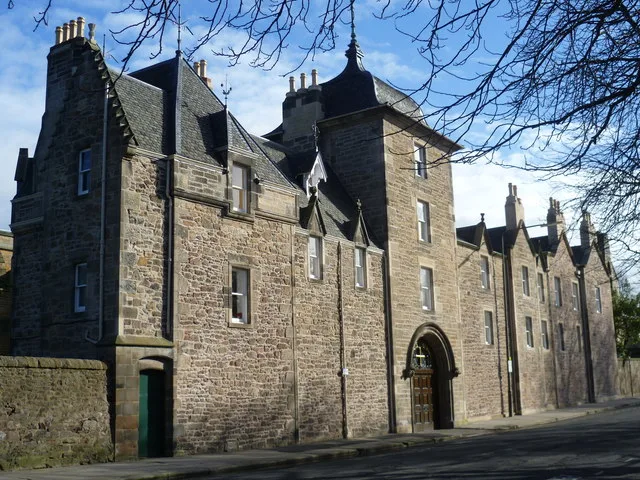 📷 4
📷 4Historic churches · Central Scotland
Gillis Centre
Gillis Centre — church building in Edinburgh, Scotland, UK.
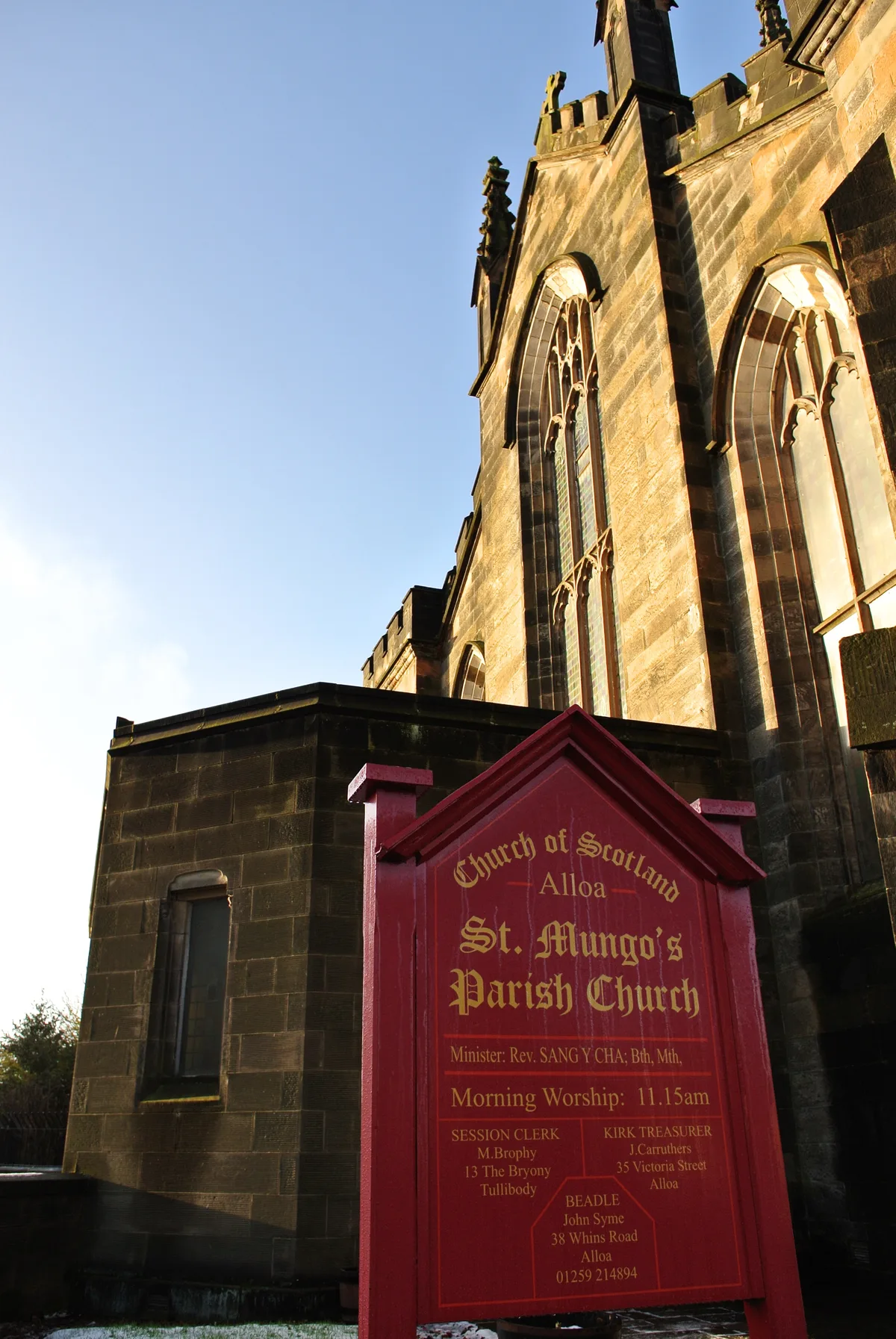 📷 4
📷 4Historic churches · Central Scotland
St. Mungo's Parish Church
St. Mungo's Parish Church — church in Clackmannanshire, Scotland, UK.
Other cathedrals from this era
.JPG?width=1200) 📷 5
📷 5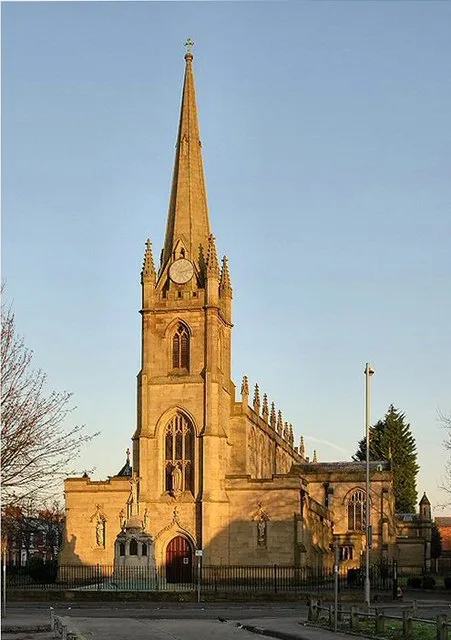 📷 5
📷 5Cathedrals · North West England
Syro-Malabar Cathedral of St Alphonsa, Preston
Syro-Malabar Cathedral of St Alphonsa, Preston — church in Preston, UK.
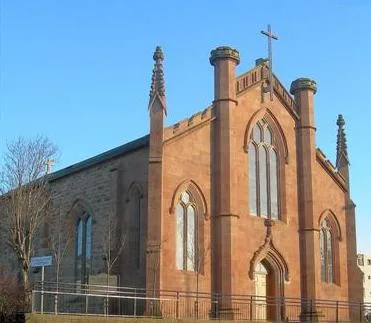 Flagship📷 4
Cathedrals · Scottish Lowlands
Ayr Cathedral
Ayr Cathedral — church in South Ayrshire, Scotland, UK.
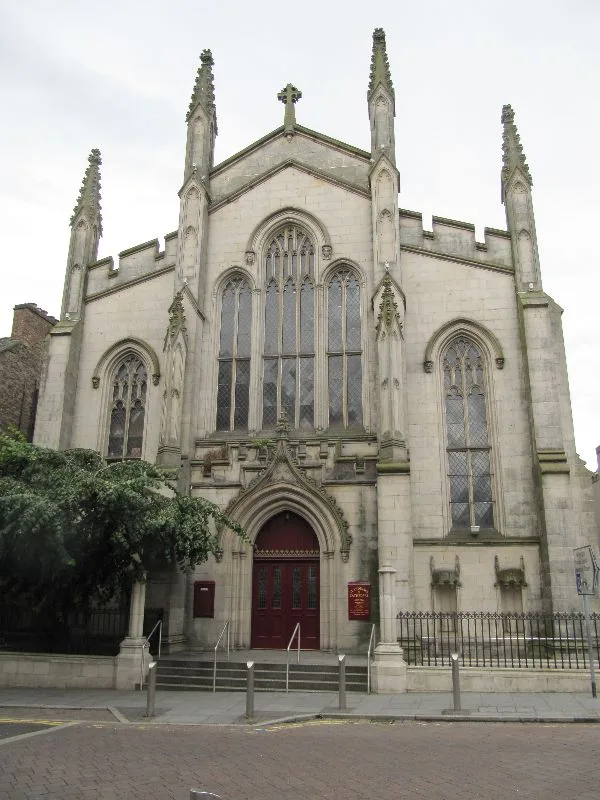 📷 3
📷 3Cathedrals · Central Scotland
St Andrew's Cathedral, Dundee
St Andrew's Cathedral, Dundee — church in Dundee, Scotland, UK.
More cathedrals in this region
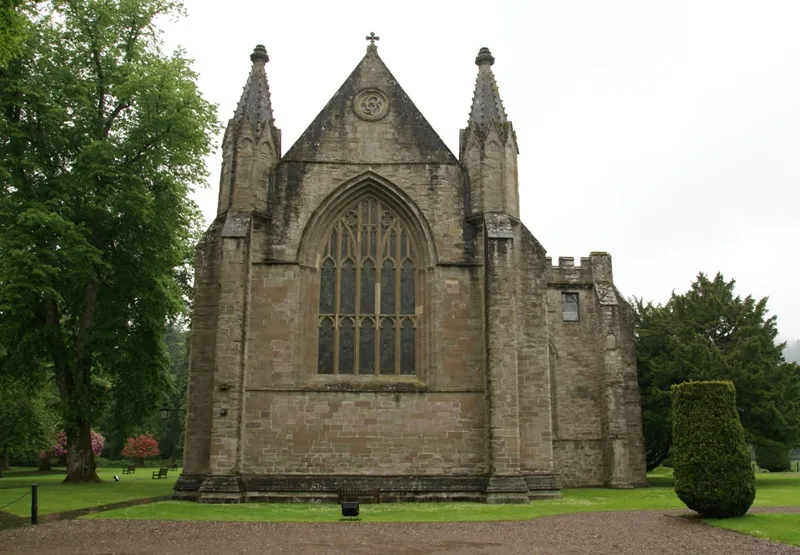 📷 4
📷 4Cathedrals · Central Scotland
Dunkeld Cathedral
Dunkeld Cathedral — church in Perth and Kinross, Scotland, UK.
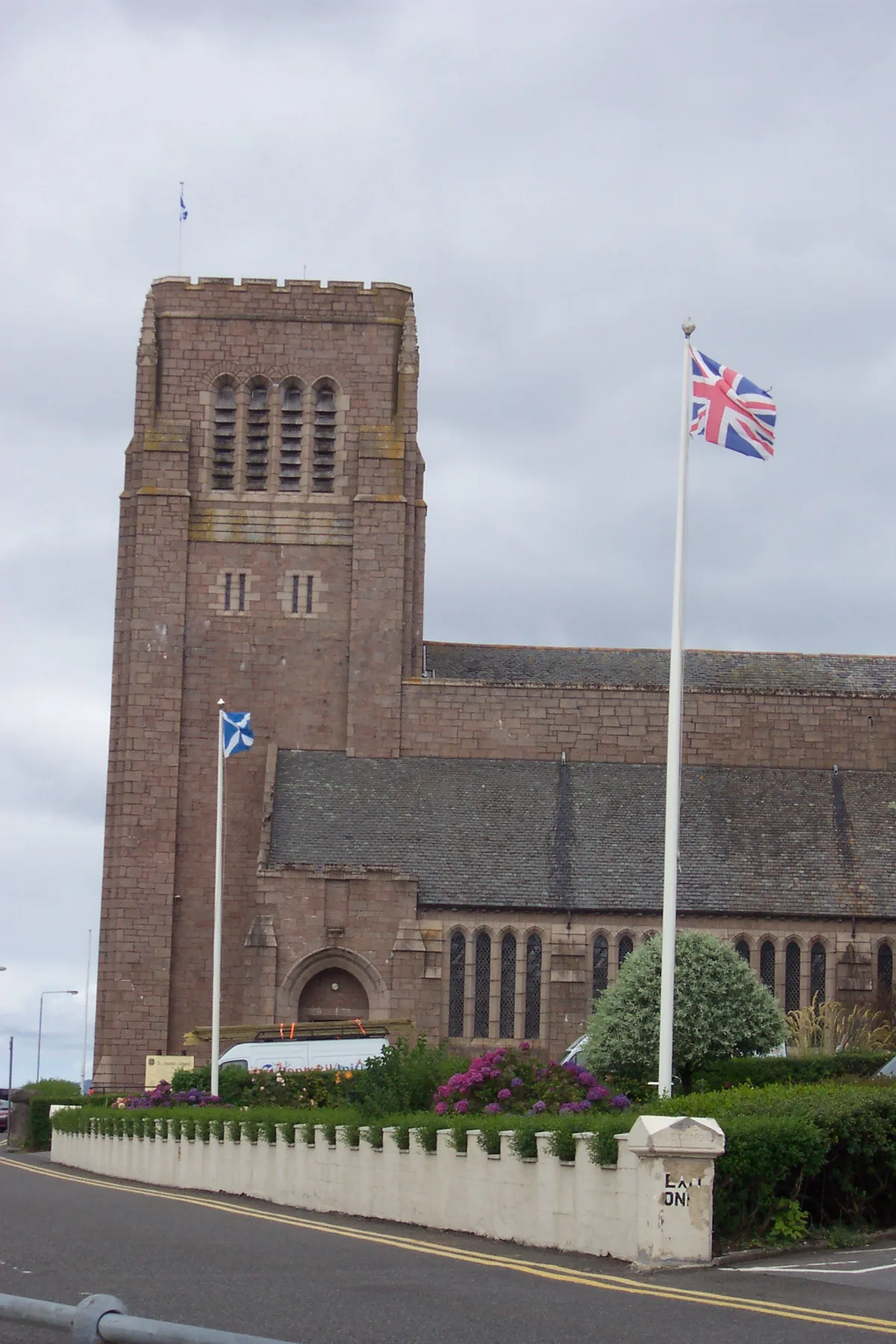 📷 5
📷 5Cathedrals · Central Scotland
St Columba's Cathedral
St Columba's Cathedral — cathedral in Oban, Argyll, Scotland.
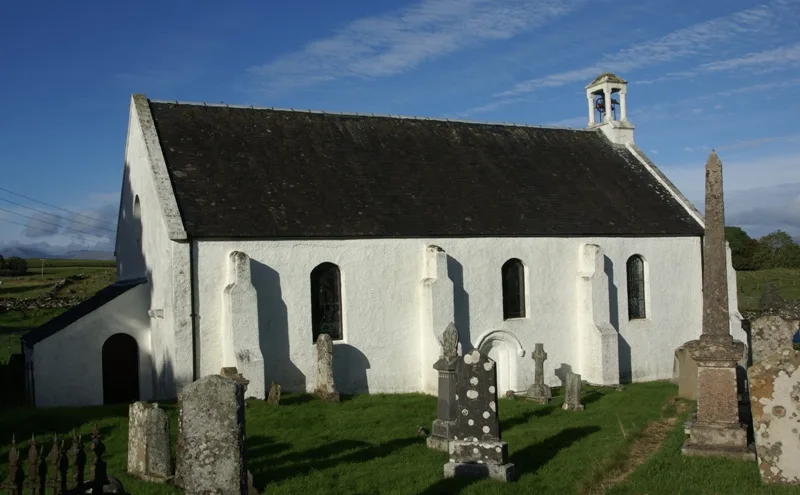 📷 3
📷 3Cathedrals · Central Scotland
St Moluag's Cathedral, Lismore
St Moluag's Cathedral, Lismore — cathedral in Argyll and Bute, Scotland, UK.
 📷 4
📷 4Frequently asked questions
- Where is St Andrew's Cathedral?
- St Andrew's Cathedral is in central Scotland, United Kingdom (postcode G1 4ER).
- What is St Andrew's Cathedral?
- St Andrew's Cathedral — Catholic cathedral in Glasgow, Scotland, UK.
- How do I get to St Andrew's Cathedral?
- The nearest railway station is St Enoch, about 0.3 km away. The nearest town is Glasgow. Drivers can use postcode G1 4ER.
- When was St Andrew's Cathedral built?
- Built or established in 1816. Designed by James Gillespie Graham.
- Is St Andrew's Cathedral a listed building?
- St Andrew's Cathedral is officially recognised as category A listed building listed.
- Is St Andrew's Cathedral free to visit?
- Yes, St Andrew's Cathedral is free to enter.
- How do I get to St Andrew's Cathedral?
- The nearest railway station is St Enoch, about 0.3 km away. Drivers can navigate to postcode G1 4ER.