
Castles · Scottish Highlands
Spynie Palace
In or near Lhanbryde.
Spynie Palace — ruined castle in Moray, Scotland, UK.

Wikimedia Commons contributors — see linked file page for photographer and licence licence

Plan your visit
- Typical visit
- 1.5 h–3 h
- Nearest railway station
- Elgin · 3.9 km
- Free entry
- Family-friendly
- Limited wheelchair access
Getting there & planning your visit
To visit Spynie Palace, the nearest railway station is Elgin, located 3.9 km away. Entry is paid, and wheelchair accessibility is limited. The postcode for sat-nav is IV30 5QG.
About
Spynie Palace is a castle in the United Kingdom — fortified architecture from the medieval, Tudor, or Victorian-revival period. Records date its origin to 1150. Managed by Historic Environment Scotland. Wikidata describes it as: "ruined castle in Moray, Scotland, UK". Coordinates: 57.6761°, -3.2914°.
Photo gallery
From Historic Environment Scotland
Dip into the history of Spynie Palace, Scotland’s largest surviving medieval bishop’s house and residence of the bishops of Moray for 500 years. Contact us today for more information.
Read more on the official property page.
From the Wikipedia article
Spynie Palace, also known as Spynie Castle, was the fortified seat of the Bishops of Moray for about 500 years in Spynie, Moray, Scotland. The founding of the palace dates back to the late 12th century. It is situated about 500 m from the location of the first officially settled Cathedral Church of the Diocese of Moray, Holy Trinity Church in present-day Spynie Churchyard. For most of its occupied history, the castle was not described as a palace — this term first appeared in the Registry of Moray in a writ of 1524.
Excerpt from Wikipedia under CC BY-SA 4.0. See the source article linked in Sources below.
Background
History
The beginnings of the Bishopric of Moray are unclear. The first mention of a bishop was Gregoir whose name appeared on several royal charters in the 1120s. The early bishops of Moray had no fixed abode but moved between houses at Birnie, Kinneddar and Spynie. In 1172, King William I, the Lion, made grants to the church of the Holy Trinity of the Bishopric of Moray and Bishop Simon de Tosny. Formal permission for the permanent move to Spynie was given by Pope Innocent III to Bishop Bricius de Douglas in April 1206 and the transfer was probably made by 1208. Bishop Bricius attended the Fourth Lateran Council in 1215 and may have appealed to Innocent to transfer the See of Moray to Elgin.…
Sourced from Wikipedia under CC BY-SA 4.0.
- Coordinates
- 57.6761, -3.2914
- District
- Moray
- Postcode
- IV30 5QG
- Parliamentary constituency
- Moray West, Nairn and Strathspey
- Phone
- 01343546358
- Established
- 1150
- Nearest railway station
- Elgin — 3.9 km
- Official site
- www.historicenvironment.scot
Sources
- wikidata: Q1127580 (CC0)
- wikipedia: Spynie Palace (CC BY-SA 4.0)
- commons: Spynie Castle and Loch - Sir George Reid - ABDAG003950.jpg (CC BY-SA 4.0)
- fsq: 4d7f69a2b25d6dcb2b69cc42 (Apache-2.0)
Other places nearby
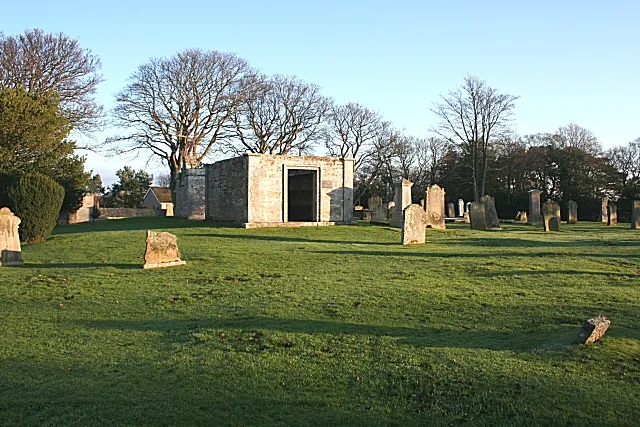
Spynie Cathedral
Cathedrals · 0.4 km

Holy Trinity Church and Burial Ground, Spynie
Historic churches · 0.4 km

Spynie Church Ruins
Historic houses · 0.4 km

Loch Spynie
Lakes · 1.2 km
Palace of Spynie
Archaeological sites · 1.2 km

Milltown
Villages · 2.6 km

Stotfield
Villages · 2.7 km

Moray Coast Trail
Natural landmarks · 2.7 km

Johnston's of Elgin Cashmere Mill
Natural landmarks · 2.8 km

Brewery Bridge
Historic bridges · 2.9 km

Bible
Public art & sculpture · 2.9 km

Landshut Bridge
Historic bridges · 2.9 km
Nearby
Flagship📷 3Cathedrals · Scottish Highlands
Spynie Cathedral
Spynie Cathedral — former cathedral in Spynie, Moray, north-east Scotland.
📷 5Historic churches · Scottish Highlands
Holy Trinity Church and Burial Ground, Spynie
Holy Trinity Church and Burial Ground, Spynie — category B listed building-listed church in scotland-highlands, United Kingdom.
📷 3Historic houses · Scottish Highlands
Spynie Church Ruins
Spynie Church Ruins — a historic house in scotland-highlands, United Kingdom.
📷 5📷 5Archaeological sites · Scottish Highlands
Palace of Spynie
Palace of Spynie — a archaeological site in scotland highlands.
📷 5Where to eat & stay near Spynie Palace
Places to stay
 📷 5
📷 5Hotels · Scottish Highlands
Mansion House Hotel & Country Club
Mansion House Hotel & Country Club — a hotel in scotland highlands.
 📷 5
📷 5Caravan parks · Scottish Highlands
Lossiemouth Caravan Park
Lossiemouth Caravan Park — a caravan park in scotland highlands.
 📷 5
📷 5Caravan parks · Scottish Highlands
Riverside Caravan Park Elgin
Riverside Caravan Park Elgin — a caravan park in scotland highlands.
 📷 5
📷 5Caravan parks · Scottish Highlands
Silver Sands Leisure Park
Silver Sands Leisure Park — a caravan park in scotland highlands.
 📷 5
📷 5Caravan parks · Scottish Highlands
Station Caravan Park
Station Caravan Park — a caravan park in scotland highlands.
 📷 5
📷 5Caravan parks · Scottish Highlands
North Alves Holiday Park
North Alves Holiday Park — a caravan park in scotland highlands.
More places run by Historic Environment Scotland
 📷 5
📷 5Castles · North West England
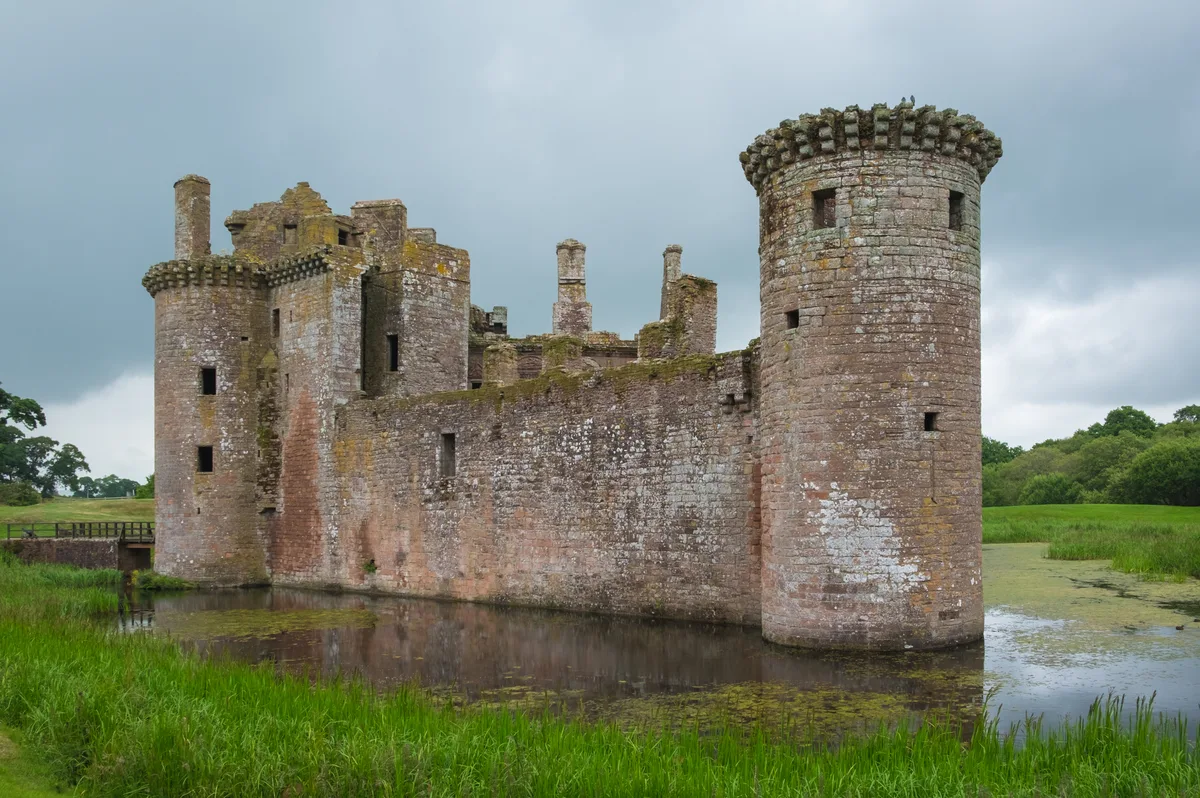
Caerlaverock Castle
Caerlaverock Castle — former castle archaeological site in Dumfries and Galloway, Scotland, UK.
 📷 5
📷 5Castles · North West England
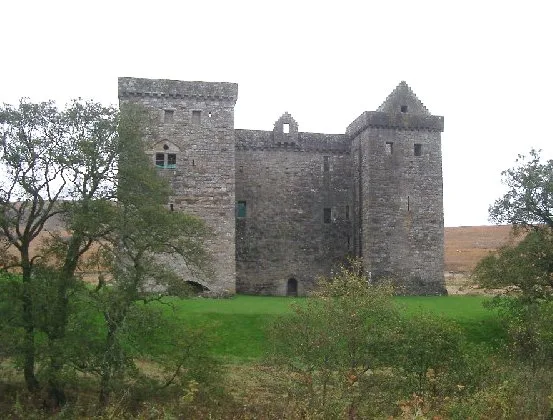
Hermitage Castle
Hermitage Castle — Semi-ruined castle in Scotland.
 📷 5
📷 5Castles · Scottish Highlands
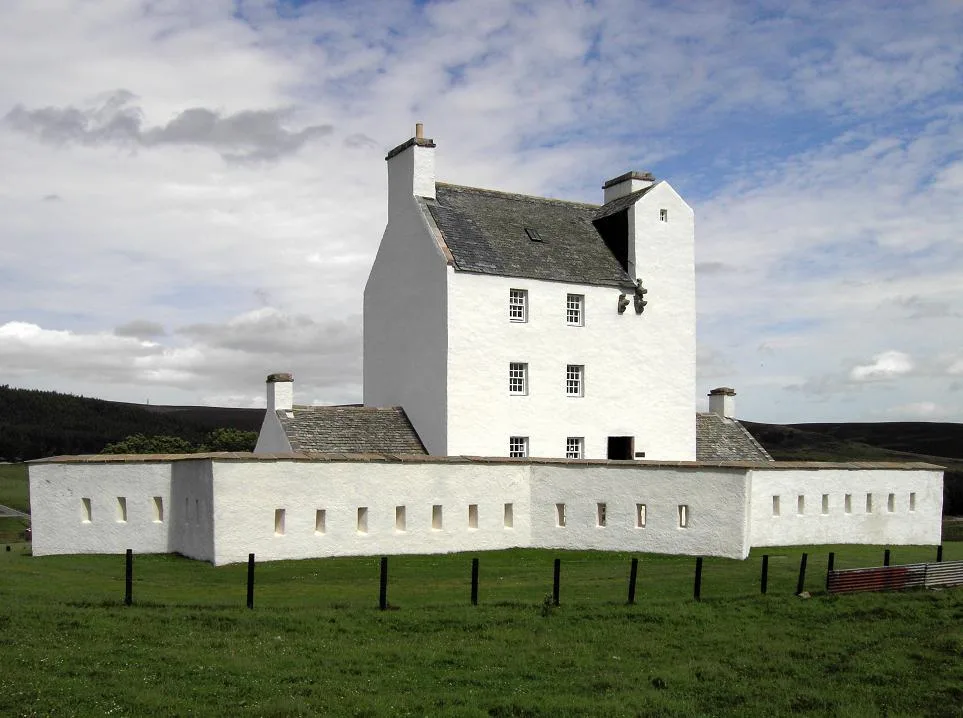
Corgarff Castle
Corgarff Castle — castle and military museum in Aberdeenshire, Scotland, UK.
 📷 3
📷 3Museums · Scottish Highlands
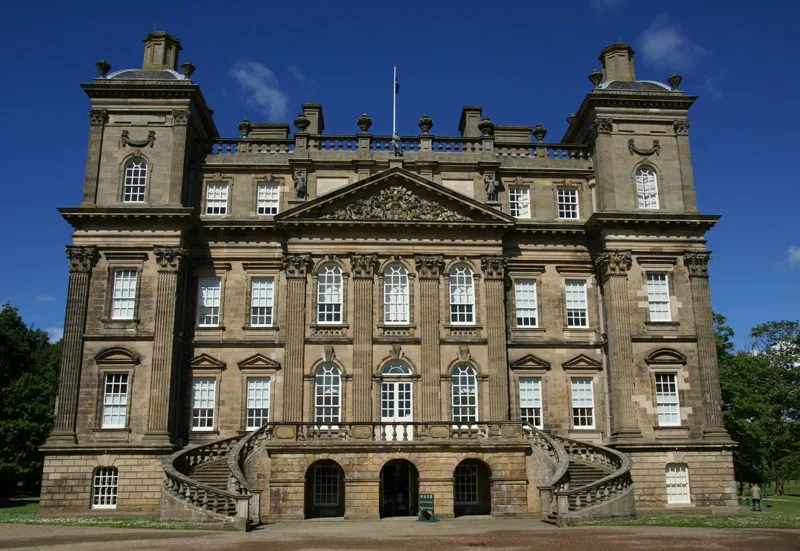
Duff House
Duff House — estate house in Banff, Aberdeenshire, Scotland, UK.
Other castles from this era
 📷 5
📷 5Castles · South East England
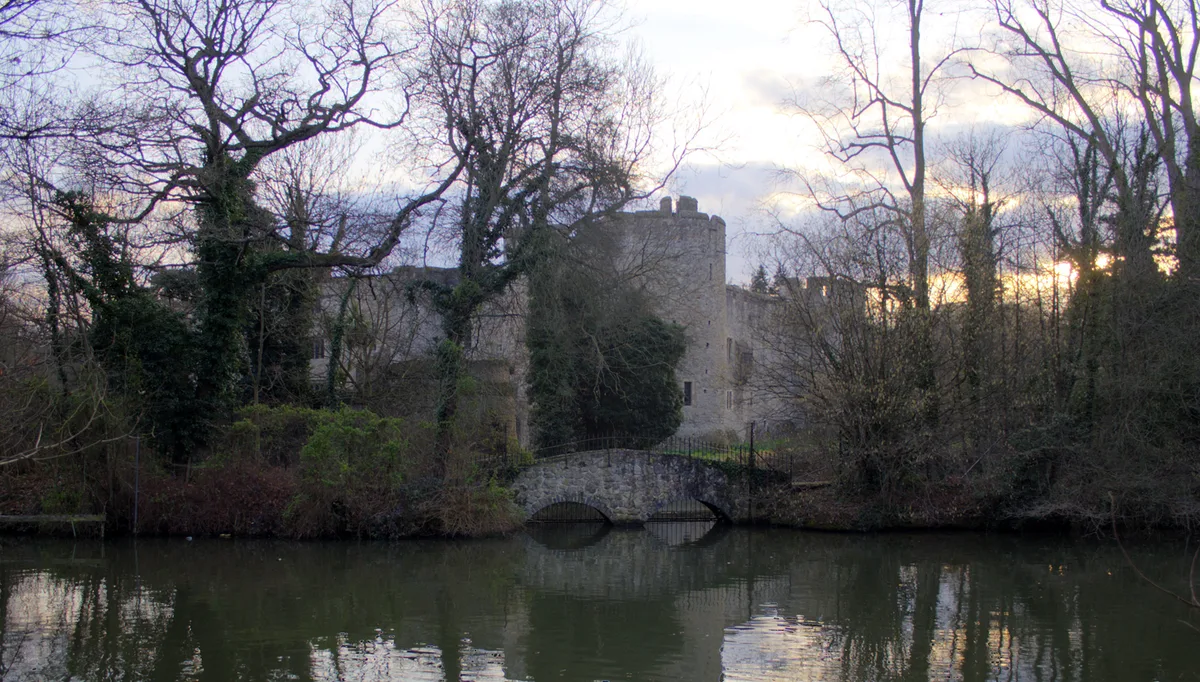
Allington Castle
Allington Castle — stone-built moated castle in Allington, England.
 📷 5
📷 5Castles · South East England
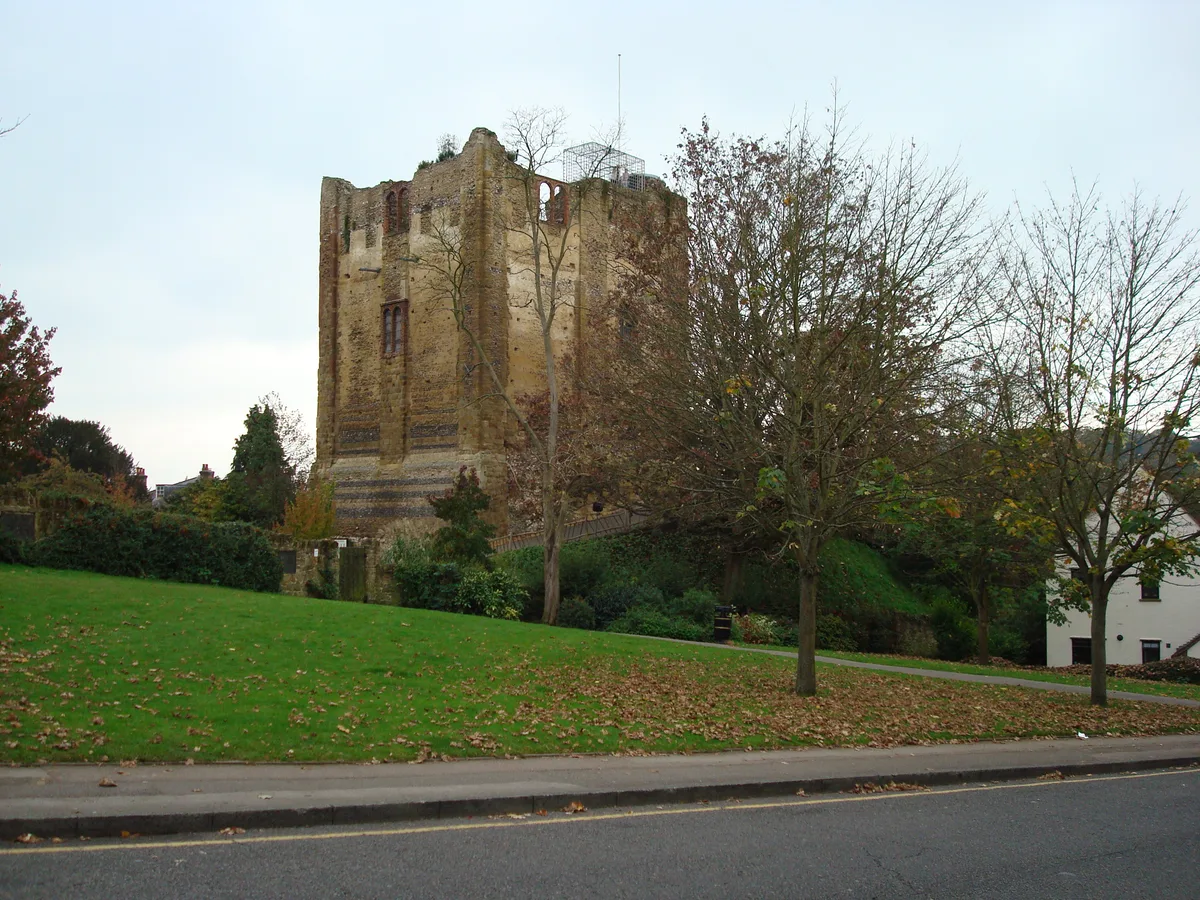
Guildford Castle
Guildford Castle — castle in Guildford, Surrey, England, UK.
 📷 5
📷 5Castles · South East England
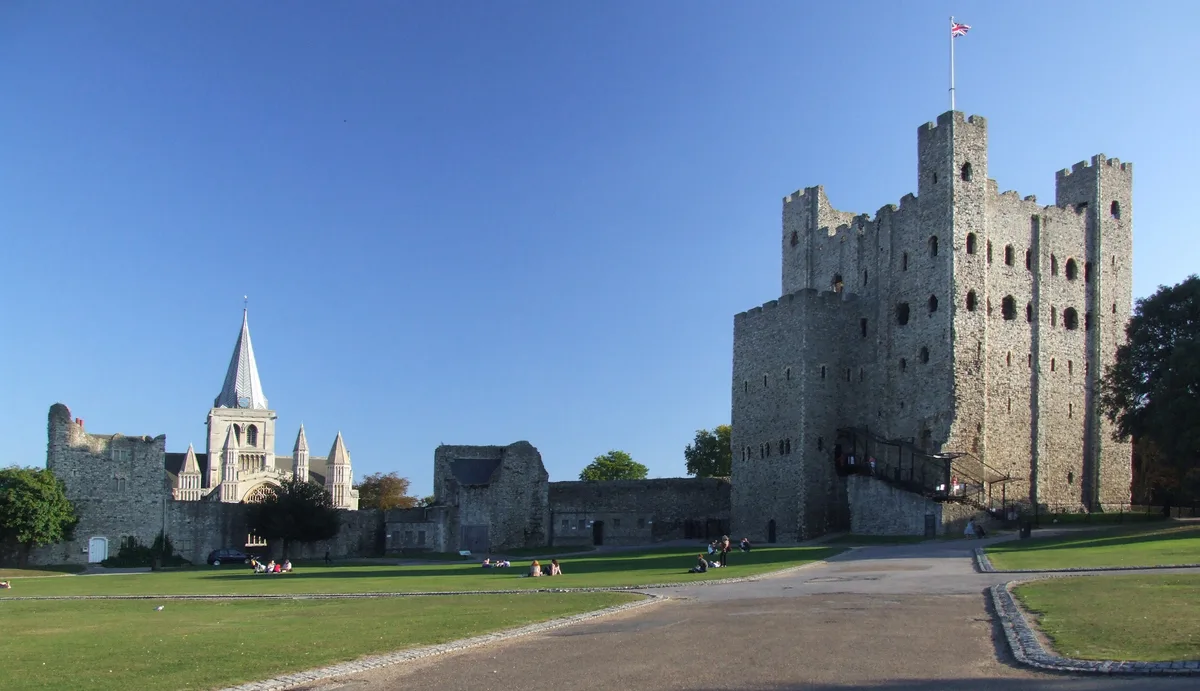
Rochester Castle
Rochester Castle — castle in Rochester, Kent, South East England.
 📷 5
📷 5Castles · South East England
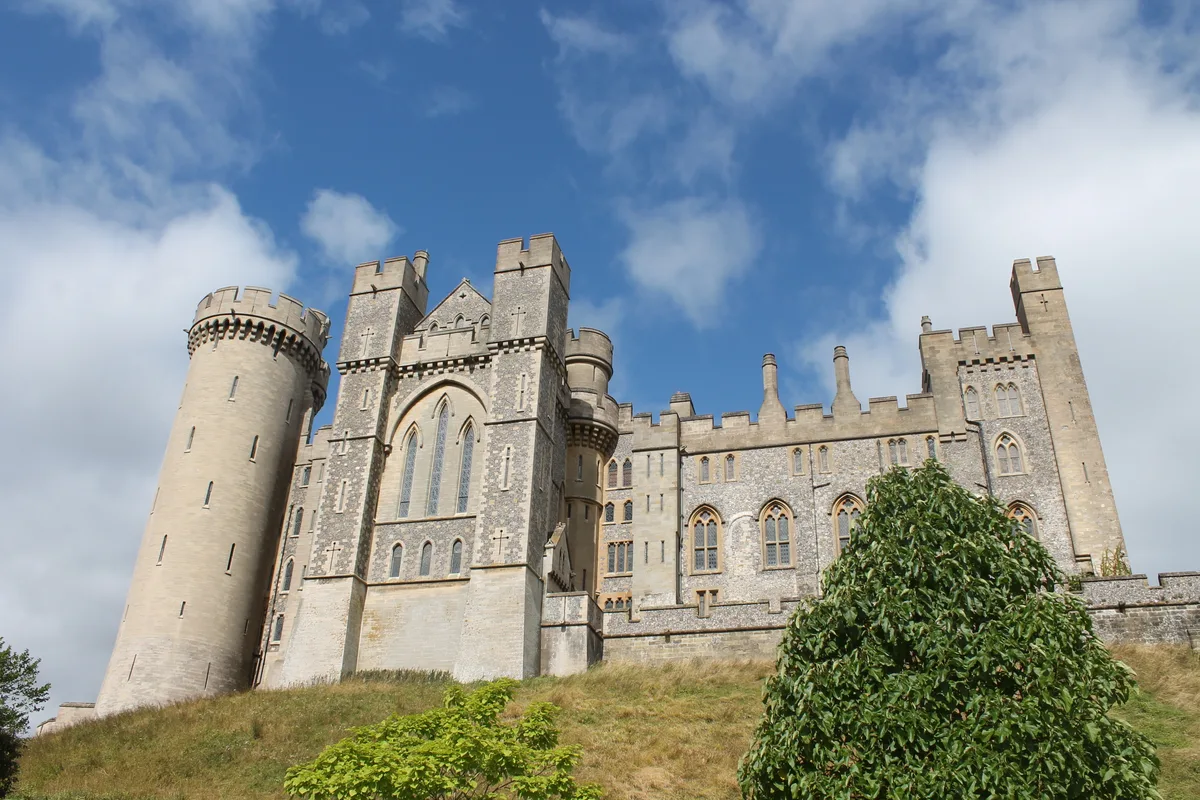
Arundel Castle
Arundel Castle — castle in West Sussex, England, UK.
More castles in this region
 📷 3
📷 3Castles · Scottish Highlands
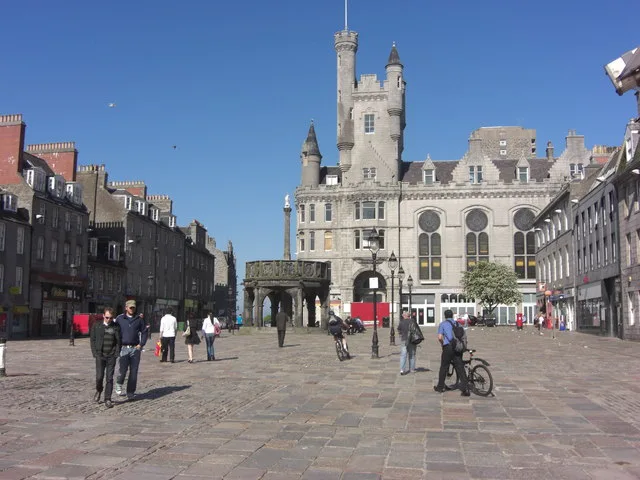
Aberdeen Castle
Aberdeen Castle — castle in Aberdeen City, Scotland, UK.
 📷 3
📷 3Castles · Scottish Highlands
Abergairn Castle
Abergairn Castle — castle in Aberdeenshire, Scotland, UK.
 📷 5
📷 5Castles · Scottish Highlands
Aberscross Castle
Aberscross Castle — castle near Dornoch, Highland, Scotland, UK, ruinous by the 17th century.
 📷 3
📷 3Castles · Scottish Highlands
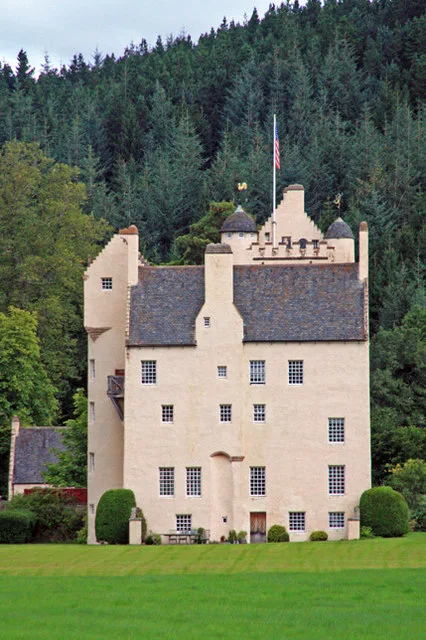
Aboyne Castle
Aboyne Castle — castle in Aberdeenshire, Scotland, UK.
Frequently asked questions
- Where is Spynie Palace?
- Spynie Palace is in the Scottish Highlands, United Kingdom (postcode IV30 5QG).
- What is Spynie Palace?
- Spynie Palace — ruined castle in Moray, Scotland, UK.
- How do I get to Spynie Palace?
- The nearest railway station is Elgin, about 3.9 km away. The nearest town is Lhanbryde. Drivers can use postcode IV30 5QG.
- When was Spynie Palace built?
- Built or established in 1150.
- Who runs Spynie Palace?
- Spynie Palace is operated by Historic Environment Scotland.
- Is Spynie Palace free to visit?
- Yes, Spynie Palace is free to enter.
- How do I get to Spynie Palace?
- The nearest railway station is Elgin, about 3.9 km away. Drivers can navigate to postcode IV30 5QG.