
Museums · South West England
Somerset Brick and Tile Museum
In or near Wembdon.
Somerset Brick and Tile Museum — museum in Bridgwater, Somerset, England, UK.

Wikimedia Commons contributors — see linked file page for photographer and licence licence

Plan your visit
- Typical visit
- 1.5 h–3 h
- Best time of year
- Year-round
- Nearest railway station
- Bridgwater · 0.3 km
- Family-friendly
- Wheelchair accessible
Getting there & planning your visit
To visit the Somerset Brick and Tile Museum, the nearest railway station is Bridgwater, located 0.3 km away. Entry is free, and the museum is wheelchair accessible. The postcode for sat-nav is TA6 5ER.
About
Somerset Brick and Tile Museum is a museum in the United Kingdom. Records date its origin to 1990. Heritage designation: Grade II* listed building. Wikidata describes it as: "museum in Bridgwater, Somerset, England, UK". Coordinates: 51.1285°, -2.9938°.
Photo gallery
Heritage listing
The Somerset Brick and Tile Museum is in Bridgwater, Somerset, England and is administered by The South West Heritage Trust. The museum is dedicated to the Brick and Tile Industry of Somerset. Bridgwater had been a centre of trade and industry since the Middle Ages, benefiting from local clay from the alluvial deposits of the River Parrett to make bricks and tiles. In the 1840s there were 1,300 people in Bridgwater employed making bricks and tiles. The Chandos Glass Cone was built in 1725 as a glasswork firing kiln by James Brydges, 1st Duke of Chandos as part of an industrial development. After a short period of use for glassmaking it was converted for the production of pottery, bricks and tiles, which continued until 1939. The majority of the brickwork cone was demolished in 1943.
From the Historic England List Entry under OGL v3.
Protected designations
- National Nature Reserve: SOMERSET WETLANDS
Designations sourced from Natural England open data under OGL v3.
From the Wikipedia article
The Somerset Brick and Tile Museum is in Bridgwater, Somerset, England and is administered by The South West Heritage Trust. The museum is dedicated to the Brick and Tile Industry of Somerset. Bridgwater had been a centre of trade and industry since the Middle Ages, benefiting from local clay from the alluvial deposits of the River Parrett to make bricks and tiles. In the 1840s there were 1,300 people in Bridgwater employed making bricks and tiles. The Chandos Glass Cone was built in 1725 as a glasswork firing kiln by James Brydges, 1st Duke of Chandos as part of an industrial development. After a short period of use for glassmaking it was converted for the production of pottery, bricks and tiles, which continued until 1939. The majority of the brickwork cone was demolished in 1943. The bottom 2.4 metres (7 ft 10 in) has been preserved and scheduled as an ancient monument. It incorporates the last surviving 'pinnacle kiln' in Bridgwater, which dates from the 19th century, and has been scheduled as an ancient monument and Grade II* listed building. It used to be one of six at the former Barham Brothers' Yard at East Quay. The industry declined during the 20th century as the products of the London Brick Company were more uniform than those produced in Bridgwater, and the increasing use of concrete after World War II. The kiln was last fired in 1965, the year that the works closed. The other kiln, built in 1858 by Alfred Barham, was originally used for up-draught firing and converted to the more energy efficient down-draught firing. The existing works were converted into a museum in the 1990s. Demonstrated inside are the tools, methods and processes involved in making a variety of bricks, tiles, and terracotta plaques.
Excerpt from Wikipedia under CC BY-SA 4.0. See the source article linked in Sources below.
- Coordinates
- 51.1285, -2.9938
- District
- Somerset
- Parish
- Bridgwater
- Postcode
- TA6 5ER
- Parliamentary constituency
- Bridgwater
- Established
- 1990
- Nearest railway station
- Bridgwater — 0.3 km
- Official site
- swheritage.org.uk
Sources
- wikidata: Q7559824 (CC0)
- wikipedia: Somerset Brick and Tile Museum (CC BY-SA 4.0)
- commons: Brick and tile factory.jpg (CC BY-SA 4.0)
Other places nearby

Cobblestones Public House
Historic pubs · 0.3 km

Bridgwater and Taunton College
Ironworks & forges · 0.5 km

Blake Museum
Gardens · 0.6 km

Admiral Blake Mill
Watermills · 0.6 km

The Admiral Blake Museum
Museums · 0.6 km

2, Castle Street
Historic houses · 0.6 km

Castle House, Bridgwater
Historic houses · 0.6 km

Christ Church Unitarian Chapel
Chapels · 0.6 km

Lions House, Bridgwater
Historic houses · 0.6 km

Bridgwater Arts Centre
Theatres · 0.6 km

Black Bridge
Historic bridges · 0.7 km

Admiral Robert Blake
Memorials & monuments · 0.7 km
Nearby
📷 6Historic pubs · South West England
Cobblestones Public House
Cobblestones Public House in England South West, United Kingdom.
📷 5Ironworks & forges · South West England
Bridgwater and Taunton College
Bridgwater and Taunton College — UK college in Somerset, England.
📷 5Gardens · South West England
Blake Museum
Blake Museum — museum in Bridgwater, Somerset, England, United Kingdom.
📷 5Watermills · South West England
Admiral Blake Mill
Admiral Blake Mill is a watermill in the United Kingdom.
📷 3Museums · South West England
The Admiral Blake Museum
The Admiral Blake Museum — a museum in england-south-west, United Kingdom.
📷 5Historic houses · South West England
2, Castle Street
2, Castle Street — Grade I listed house in Bridgwater, Somerset, England, UK.
Where to eat & stay near Somerset Brick and Tile Museum
Places to stay
 📷 7
📷 7Hotels · South West England
The Tudor Hotel & Restaurant
The Tudor Hotel & Restaurant — a hotel in england south west.
 📷 5
📷 5Campsites · South West England
Huntstile organic farm
Huntstile organic farm — a campsite in england south west.
 📷 5
📷 5Caravan parks · South West England
Fairways Holiday Park
Fairways Holiday Park — a caravan park in england south west.
 📷 5
📷 5Campsites · South West England
Secret Valley Bell Tents
Secret Valley Bell Tents — a campsite in england south west.
📷 5📷 5Campsites · South West England
Secret Valley
Secret Valley — a campsite in england south west.
Places to eat & drink
📷 6Historic pubs · South West England
Cobblestones Public House
Cobblestones Public House in England South West, United Kingdom.
 📷 5
📷 5Restaurants · South West England
English Raj Tandoori Restaurant
English Raj Tandoori Restaurant — a restaurant in england south west. Cuisine: indian. 5-star.
 📷 7
📷 7Historic pubs · South West England
Quantock Gateway Hotel
Quantock Gateway Hotel in England South West, United Kingdom.
 📷 5
📷 5 📷 7
📷 7Historic pubs · South West England
King Alfred Public House
King Alfred Public House in England South West, United Kingdom.
 📷 7
📷 7Historic pubs · South West England
King William Inn
King William Inn in England South West, United Kingdom.
Other museums from this era
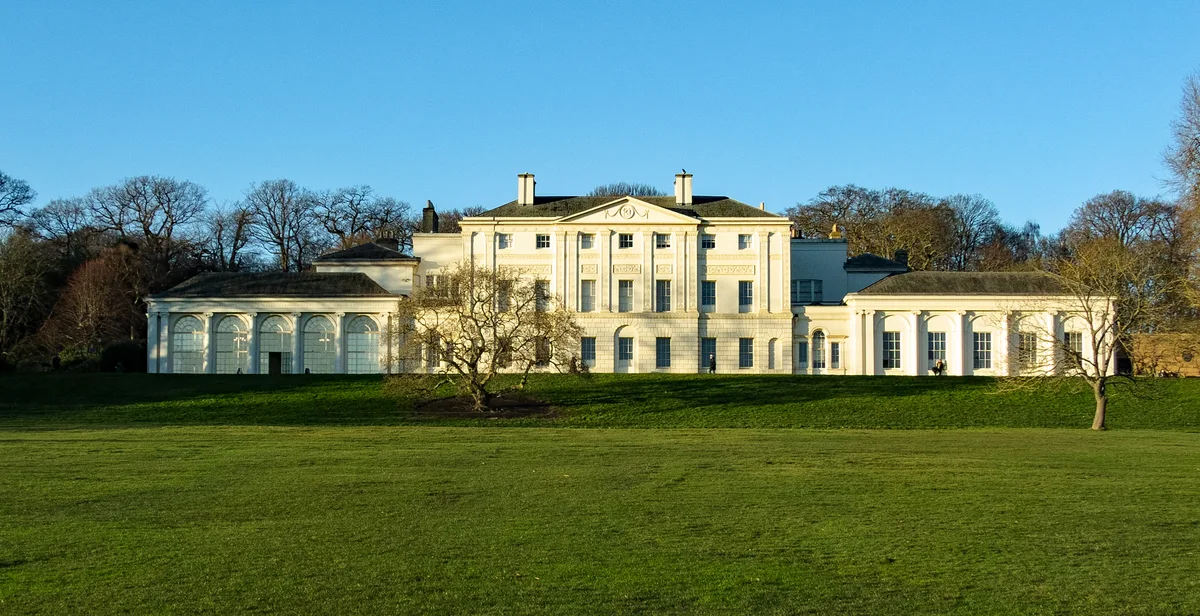 Flagship📷 10
Museums · London
Kenwood House
Kenwood House — art museum and historic house in Hampstead, London.
 📷 5
📷 5Museums · London
Amora London
Amora London — European touring exhibition dedicated to love, relationships and sexual wellbeing.
 📷 5
📷 5Museums · London
Antique Breadboard Museum
Antique Breadboard Museum — small museum in Putney, London, England, UK.
 📷 5
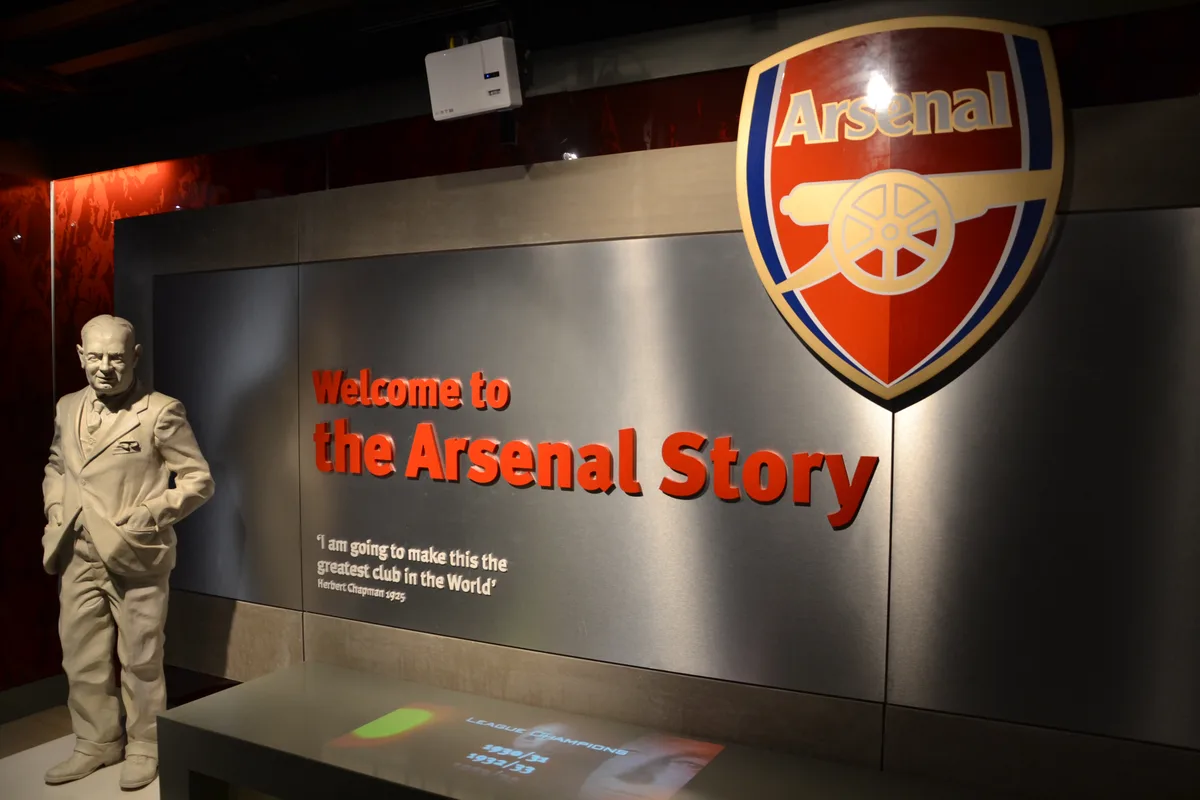
📷 5Museums · London
Arsenal Football Club Museum
Arsenal Football Club Museum — sports museum in London.
More museums in this region
 📷 5
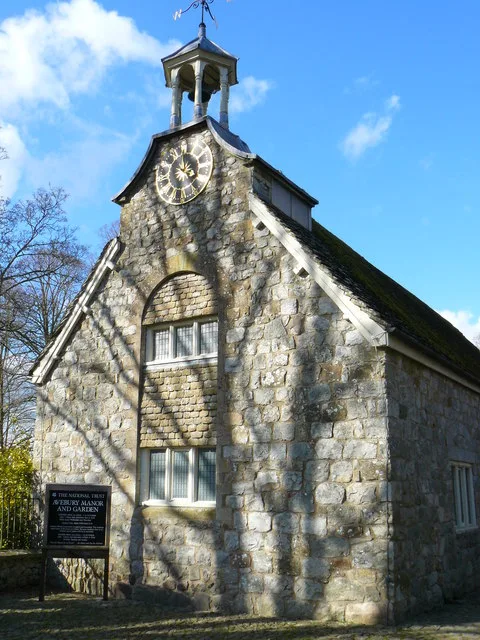
📷 5Museums · South West England
Alexander Keiller Museum
Alexander Keiller Museum — museum in South West England, United Kingdom.
 📷 5
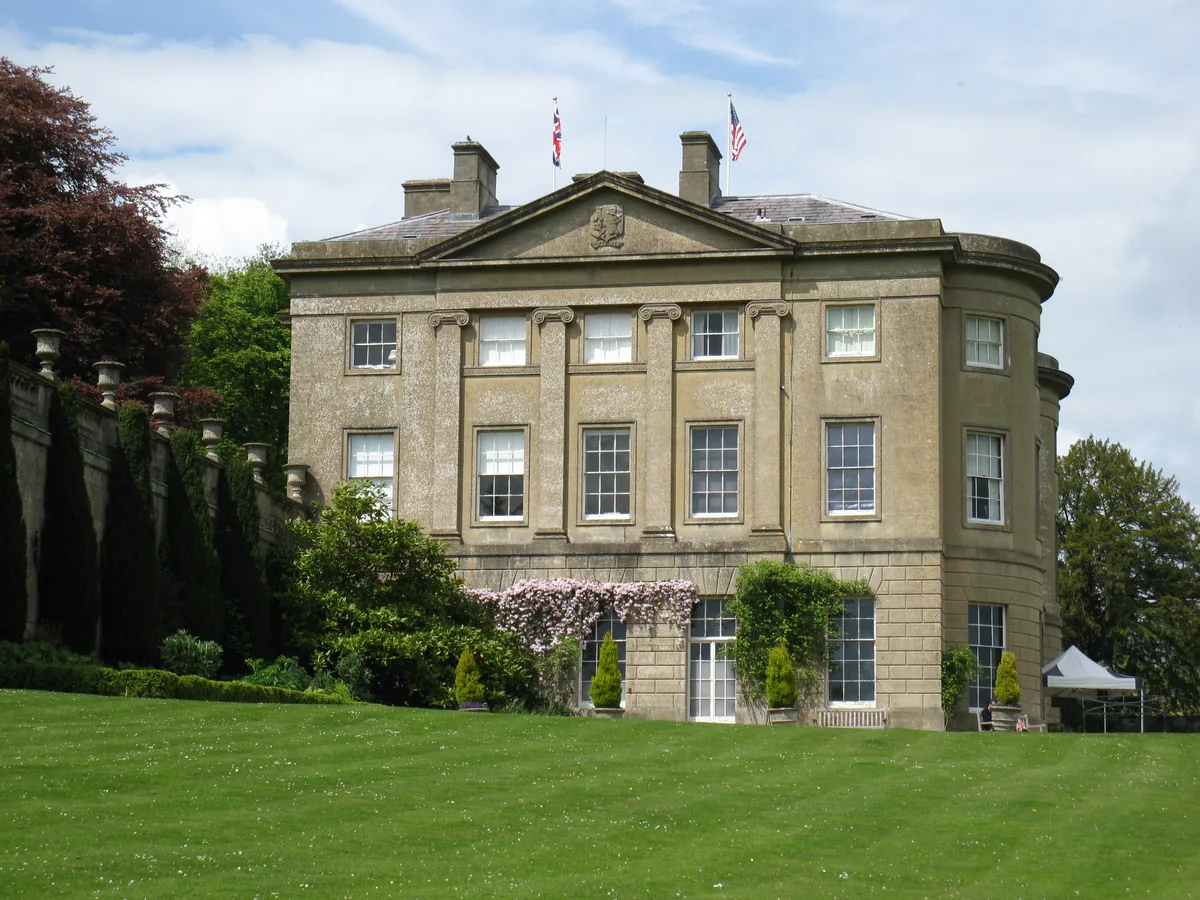
📷 5Museums · South West England
American Museum and Gardens
American Museum and Gardens — culture and arts museum near Bath, England, United Kingdom.
 📷 5
📷 5Museums · South West England
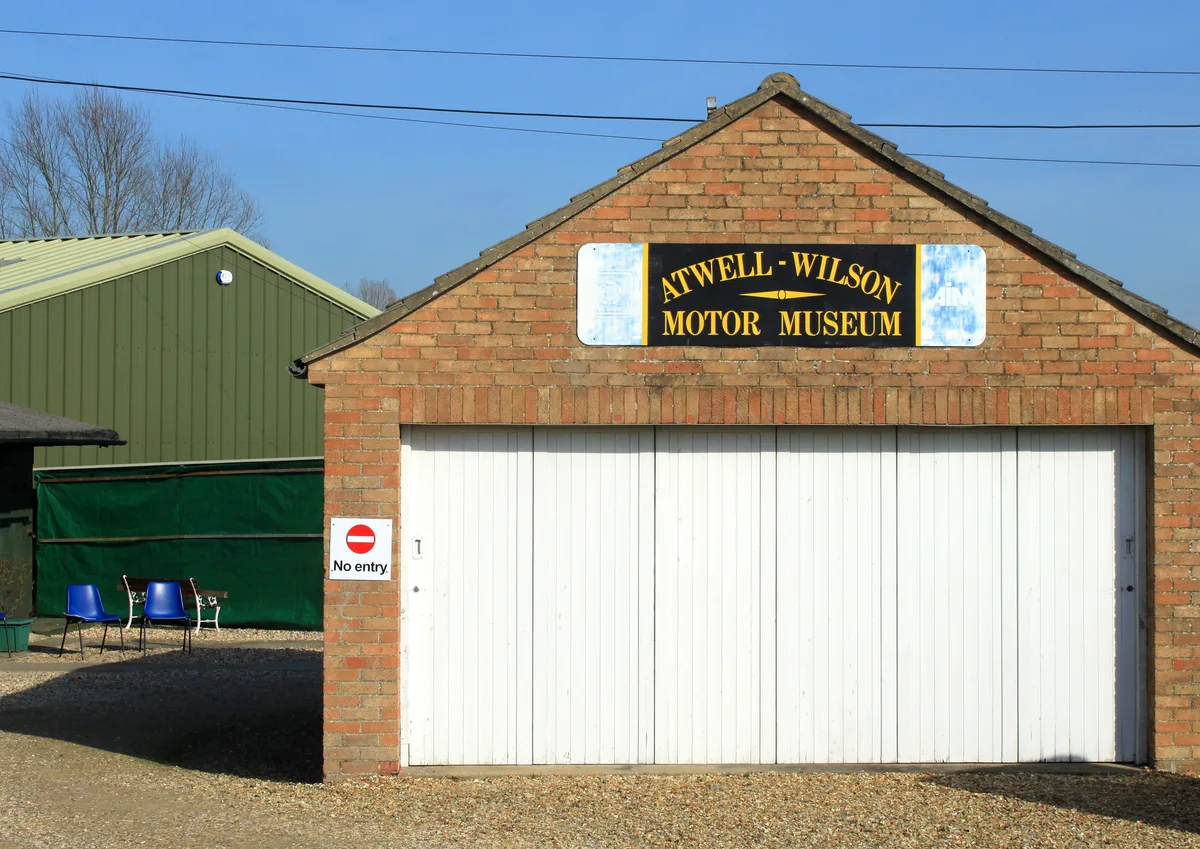
Atwell-Wilson Motor Museum
Atwell-Wilson Motor Museum — museum in Calne, England, UK.
 📷 5
📷 5Museums · South West England
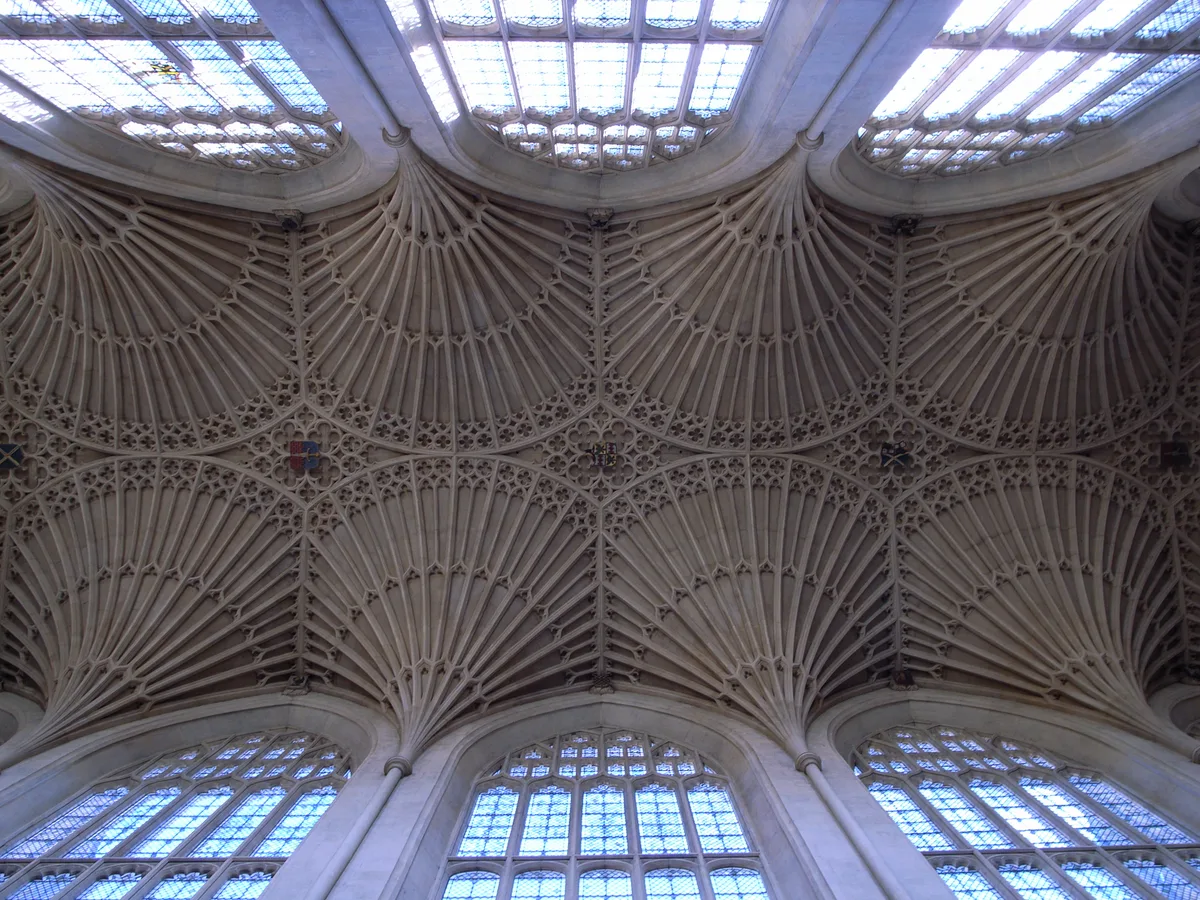
Bath Abbey Heritage Vaults
Bath Abbey Heritage Vaults — museum in Bath Abbey, Bath, England, UK.
Frequently asked questions
- Where is Somerset Brick and Tile Museum?
- Somerset Brick and Tile Museum is in South-West England, United Kingdom (postcode TA6 5ER), in the parish of Bridgwater.
- What is Somerset Brick and Tile Museum?
- Somerset Brick and Tile Museum — museum in Bridgwater, Somerset, England, UK.
- How do I get to Somerset Brick and Tile Museum?
- The nearest railway station is Bridgwater, about 0.3 km away. The nearest town is Wembdon. Drivers can use postcode TA6 5ER.
- When was Somerset Brick and Tile Museum built?
- Built or established in 1990.
- Is Somerset Brick and Tile Museum a listed building?
- Somerset Brick and Tile Museum is officially recognised as Grade II* listed building listed.
- Is Somerset Brick and Tile Museum a protected site?
- Yes — Somerset Brick and Tile Museum is part of the SOMERSET WETLANDS National Nature Reserve.
- How do I get to Somerset Brick and Tile Museum?
- The nearest railway station is Bridgwater, about 0.3 km away. Drivers can navigate to postcode TA6 5ER.