
Wildlife reserves · East of England
Snettisham RSPB reserve
In or near Snettisham.
Snettisham RSPB reserve — RSPB nature reserve in the United Kingdom.

Wikimedia Commons contributors — see linked file page for photographer and licence licence

Plan your visit
- Typical visit
- 2 h–4 h
- Best time of year
- Autumn & winter (migration & wildfowl)
- Free entry
- Dog-friendly
About
Snettisham RSPB reserve is a wildlife reserve in the United Kingdom. Managed by Royal Society for the Protection of Birds. Wikidata describes it as: "RSPB nature reserve in the United Kingdom". Coordinates: 52.8573°, 0.4469°.
Photo gallery
About this reserve
Look out across the vast and dramatic Wash, and watch tens of thousands of birds take to the air, shimmering and whirling above the mudflats in a feathered cacophony. ? ? Snettisham reserve sits on the stunning Norfolk coast, tucked into the huge Wash. Enjoy panoramic views across brackish lagoons, salt marsh and a vast expanse of mudflats. From late summer to early winter, tens of thousands of wading birds gather on the mudflats where they roost overnight. During an incoming tide, these birds are pushed closer to the beach and on especially high spring tides, vast flocks of Knot, Dunlin and Oystercatchers take to the air en masse as the water covers the mudflats. The commotion of thousands of wingbeats, excited calls and swirling flocks creates an exhilarating nature spectacle. We call this the 'whirling wader spectacular', a special event that doesn't happen every day. Check out our Snettisham Spectacular Dates and Times guide below for your best chance of seeing it. Please do not expect to see the Snettisham wildlife spectacles outside of the dates and times we have selected. You may be disappointed. During the winter months, up to 40,000 Pink-footed Geese make their way from Iceland and Greenland to gather on the Wash. At first light they take flight in close V-shaped formations of trailing skeins across the pale sky of a Norfolk dawn. The high-pitched 'wink-wink' sound of geese calling to each other resonates across the seascape then slowly diffuses as they head inland to find food for the day. The car park is shared with the local angling club. Reserve visitors…
From the RSPB, reproduced under fair-use summary for visitor information.
Protected designations
- Site of Special Scientific Interest: The Wash SSSI
- Area of Outstanding Natural Beauty: Norfolk Coast
- Ramsar wetland: The Wash
Designations sourced from Natural England open data under OGL v3.
From the Wikipedia article
Snettisham RSPB reserve is a nature reserve in the care of the Royal Society for the Protection of Birds, situated near Snettisham in the county of Norfolk, England, north of King's Lynn, and close to Sandringham. It faces The Wash, a large estuary. In autumn and winter, the big tides of the Wash pushes up hundreds of thousands of wading birds onto the Norfolk coast. The nature reserve's bird lagoons provide a safe habitat for them. Snettisham is unique in a couple of ways. It is rare in Norfolk that it is a beach facing West. However the unique geological nature of Snettisham is what attracts hundreds of thousands of migratory and transitory birds during the winter and autumn periods. High tides can push huge numbers of waders closer to where people can observe them. During the year the bird population and diversity of what can be seen here will vary greatly, but species regularly seen here include little ringed plover, oystercatcher, golden plover, knot, bar-tailed godwit, sanderling, curlew, spotted redshank, pink-footed geese and peregrine falcon. Snettisham pits were dug out during World War II in order to provide shingle that was used to build concrete runways as the American Bombers were too heavy to land on grass. The pits stretch for over 2.5 km and are split equally between the RSPB reserve and privately owned beach properties, including the Snettisham Beach Sailing Club. Evidence of the operation is still visible today as the concrete roads made to transport the shingle are still used today by the residents to access their property. Whilst the roads are no longer used in the reserve, pieces of them line most of the length of the pits. One of the most distinctive landmarks left from the operation are the ruins of the jetty used to load the shingle on to boats so it could be transported across the country.
Excerpt from Wikipedia under CC BY-SA 4.0. See the source article linked in Sources below.
Background
Visiting
There is a 2 km (approx) path to the reserve from the car park. There is a circular walk around the reserve, with three hides. One, the Rotary Hide, was donated by the Rotary Clubs of East Anglia, and opened on 5 October 1997, by Bill Oddie. This whole area 57.627 hectares are common land. Shingle collection rights belong to the inhabitants of Snettisham.
Sourced from Wikipedia under CC BY-SA 4.0.
- Coordinates
- 52.8573, 0.4469
- County
- Norfolk
- District
- King's Lynn and West Norfolk
- Parish
- Snettisham
- Postcode
- PE31 7RB
- Parliamentary constituency
- North West Norfolk
Sources
- wikidata: Q7547683 (CC0)
- wikipedia: Snettisham RSPB reserve (CC BY-SA 4.0)
- commons: Snettisham-jetty.JPG (CC BY-SA 4.0)
Other places nearby

Stantons
Lakes · 1.1 km

Bear
Lakes · 1.2 km

Shepherds
Lakes · 1.5 km

Snettisham Caravan Park
Caravan parks · 1.7 km

Diglea Holiday Park
Caravan parks · 1.8 km

Springside
Lakes · 3.1 km

Wolferton
Villages · 3.2 km

Pine Cones Caravan & Camping
Campsites · 3.3 km

Dersingham Bogs Clifftop View
Viewpoints · 3.3 km

The Royal Station
Natural landmarks · 3.4 km

Wolferton Village Sign
Public art & sculpture · 3.4 km

Ingoldisthorpe Village Sign
Public art & sculpture · 3.6 km
Nearby
📷 5📷 5📷 5📷 5Caravan parks · East of England
Snettisham Caravan Park
Snettisham Caravan Park — a caravan park in england east midlands.
📷 5Caravan parks · East of England
Diglea Holiday Park
Diglea Holiday Park — a caravan park in england east midlands.
📷 5Where to eat & stay near Snettisham RSPB reserve
Places to stay
📷 5Caravan parks · East of England
Snettisham Caravan Park
Snettisham Caravan Park — a caravan park in england east midlands.
📷 5Caravan parks · East of England
Diglea Holiday Park
Diglea Holiday Park — a caravan park in england east midlands.
📷 5Campsites · East of England
Pine Cones Caravan & Camping
Pine Cones Caravan & Camping — a campsite in england east midlands.
 📷 5
📷 5Caravan parks · East of England
Brickley Wood CL
Brickley Wood CL — a caravan park in england east midlands.
📷 5Caravan parks · East of England
Hall Farm CL
Hall Farm CL — a caravan park in england east midlands.
 📷 5
📷 5Campsites · East of England
The Queen Victoria
The Queen Victoria — a campsite in england east midlands.
Places to eat & drink
 📷 5
📷 5 📷 5
📷 5 📷 5
📷 5Historic pubs · East of England
Globe Hotel
Globe Hotel in England East, United Kingdom.
 📷 5
📷 5Historic pubs · East of England
Crown And Mitre Public House
Crown And Mitre Public House in England East, United Kingdom.
 📷 5
📷 5Historic pubs · East of England
The Hare Public House
The Hare Public House in England East, United Kingdom.
 📷 5
📷 5Restaurants · East of England
The Lifeboat Inn
The Lifeboat Inn — a restaurant in england east midlands.
More places run by Royal Society for the Protection of Birds
 📷 5
📷 5Hill forts · South East England
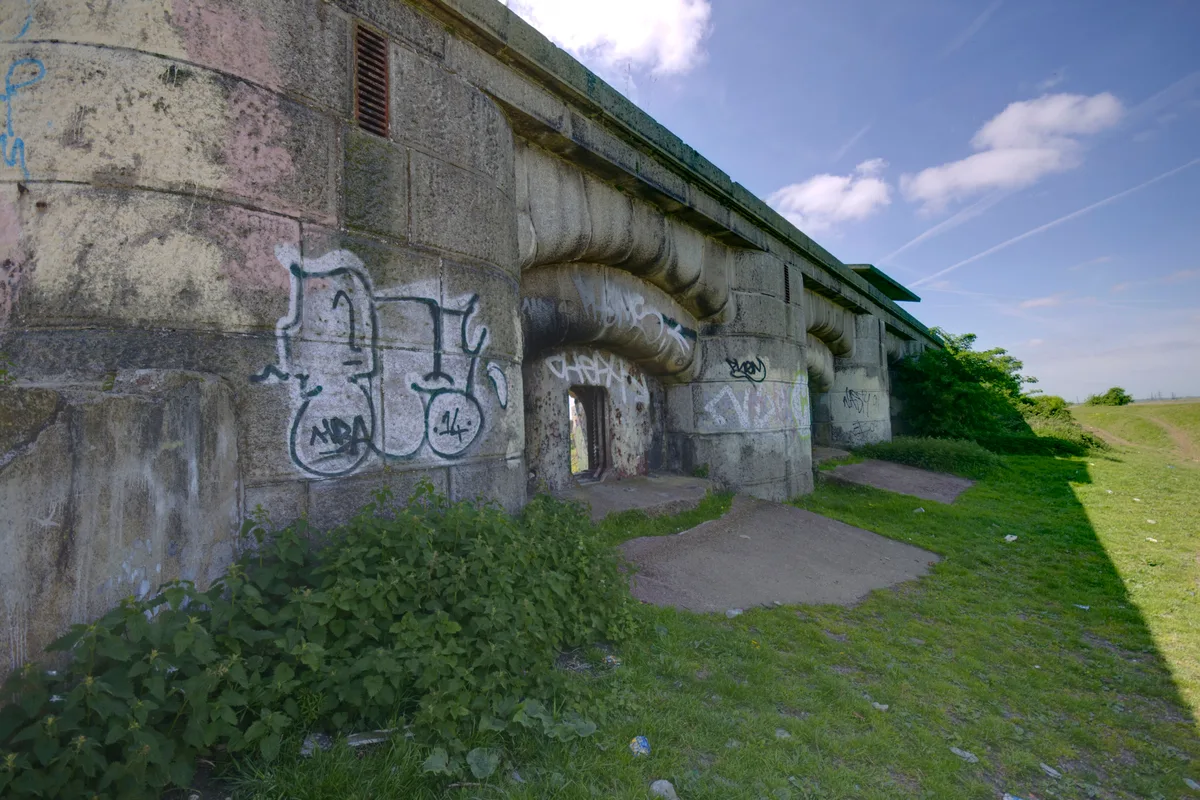
Shornemead Fort
Shornemead Fort — fort in Shorne, Kent, England, UK.
 📷 5
📷 5Wildlife reserves · South East England
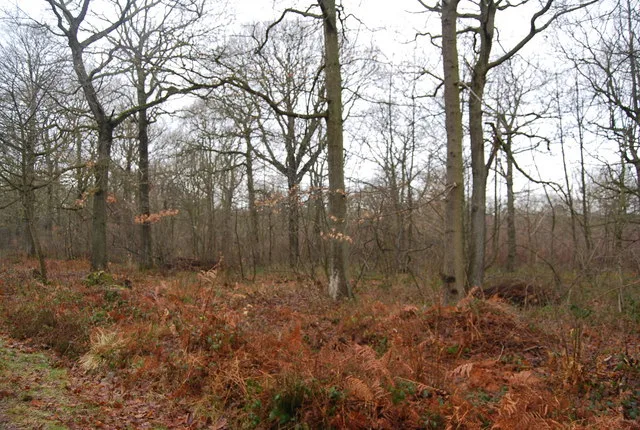
Amberley Wild Brooks
Amberley Wild Brooks — nature reserve in the United Kingdom.
 📷 5
📷 5Wildlife reserves · South East England
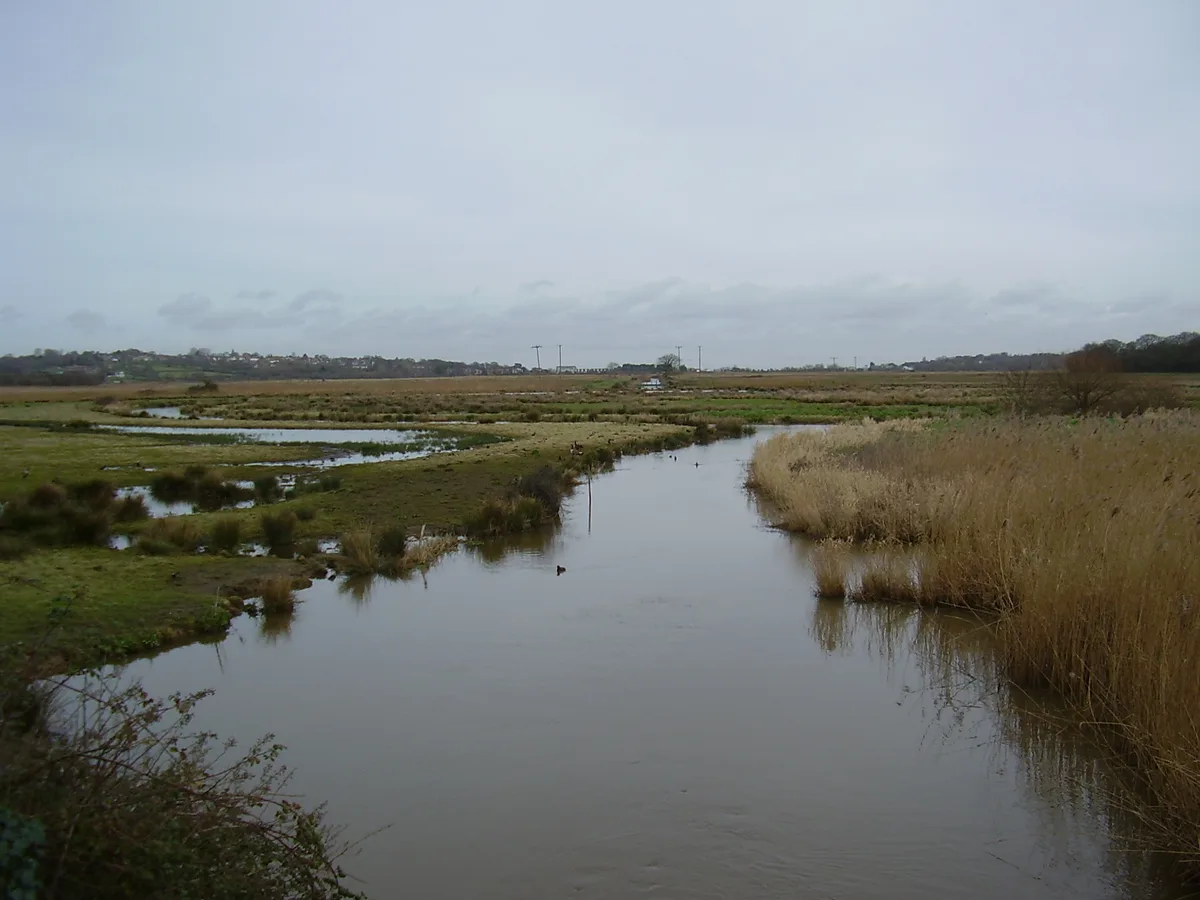
Blean Woods RSPB Reserve
Blean Woods RSPB Reserve — RSPB nature reserve in the United Kingdom.
 📷 5
📷 5Wildlife reserves · South East England
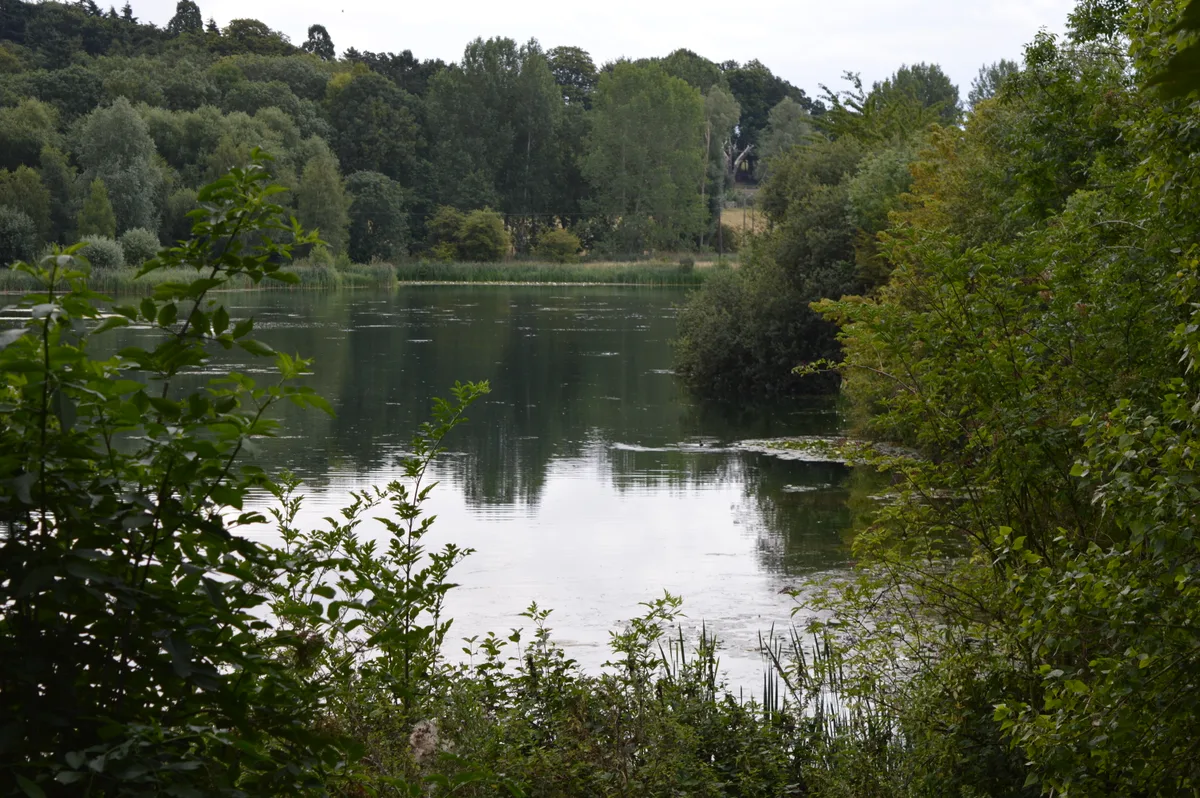
Brading Marshes RSPB reserve
Brading Marshes RSPB reserve — RSPB nature reserve on the Isle of Wight.
More places in this region
 Flagship📷 10
Wildlife reserves · East of England
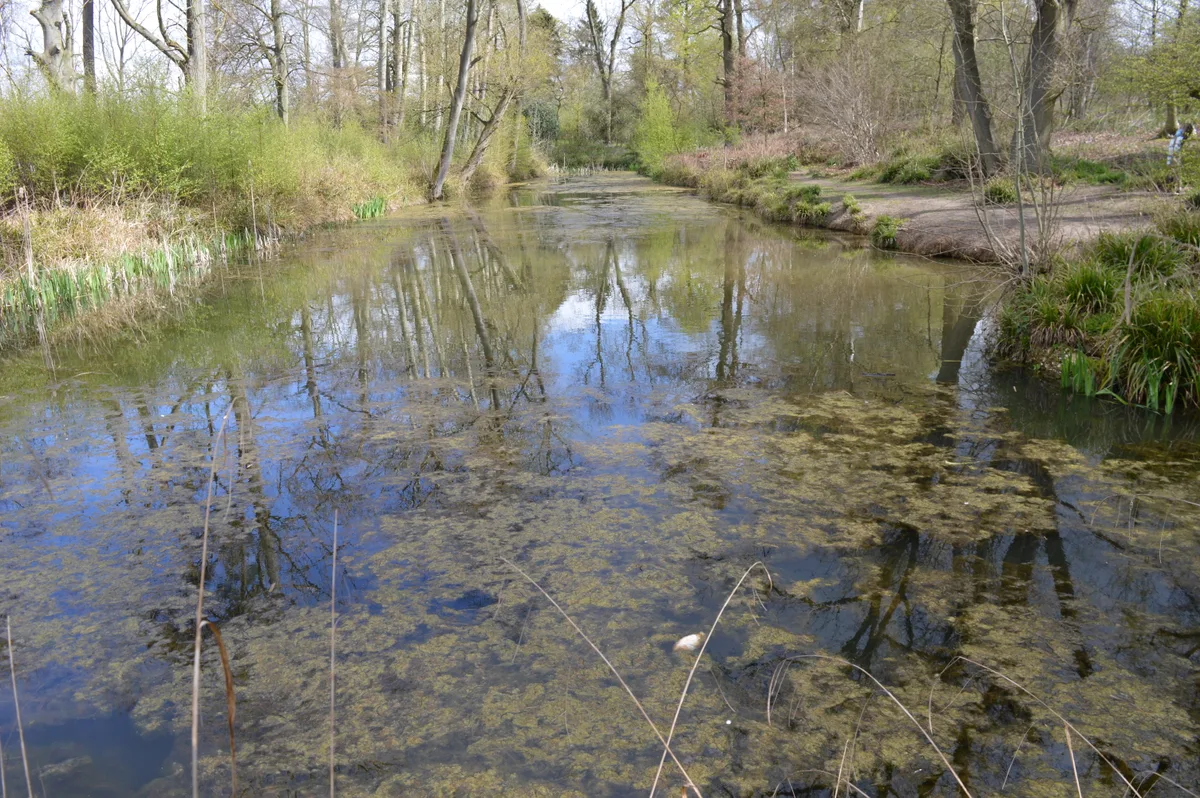
Amwell Quarry
Amwell Quarry — nature reserve in United Kingdom.
 Flagship📷 10
Wildlife reserves · East of England
Aubrey Buxton Nature Reserve
Aubrey Buxton Nature Reserve — Essex Wildlife Trust Nature reserve.
 Flagship📷 10
Wildlife reserves · East of England
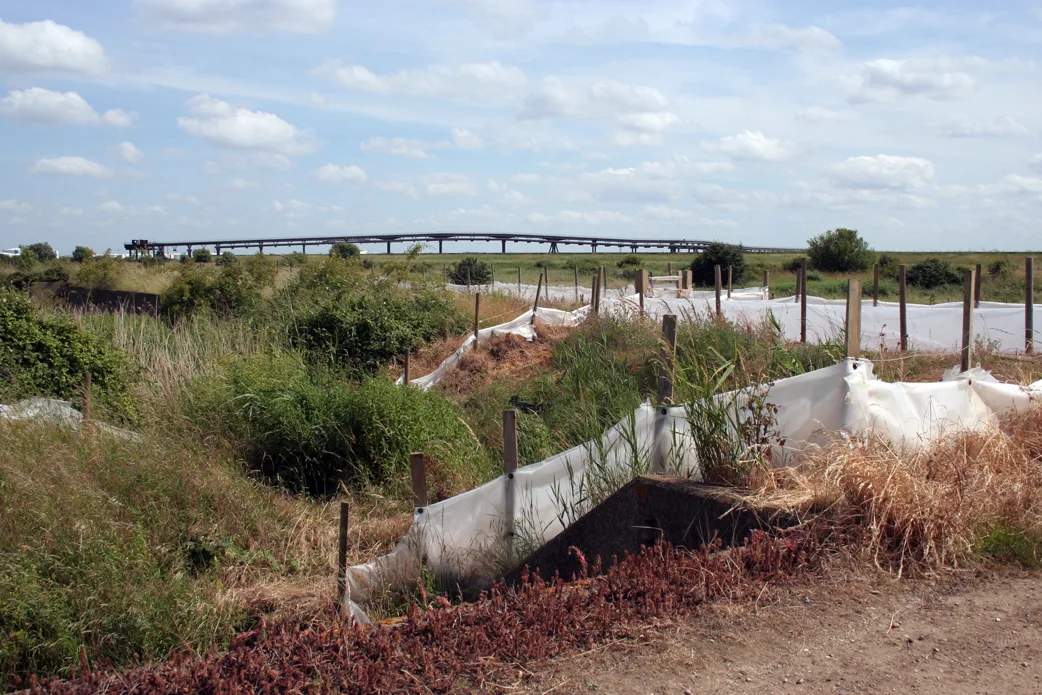
Canvey Wick
Canvey Wick — nature reserve in Essex, United Kingdom.
 Flagship📷 10
Wildlife reserves · East of England
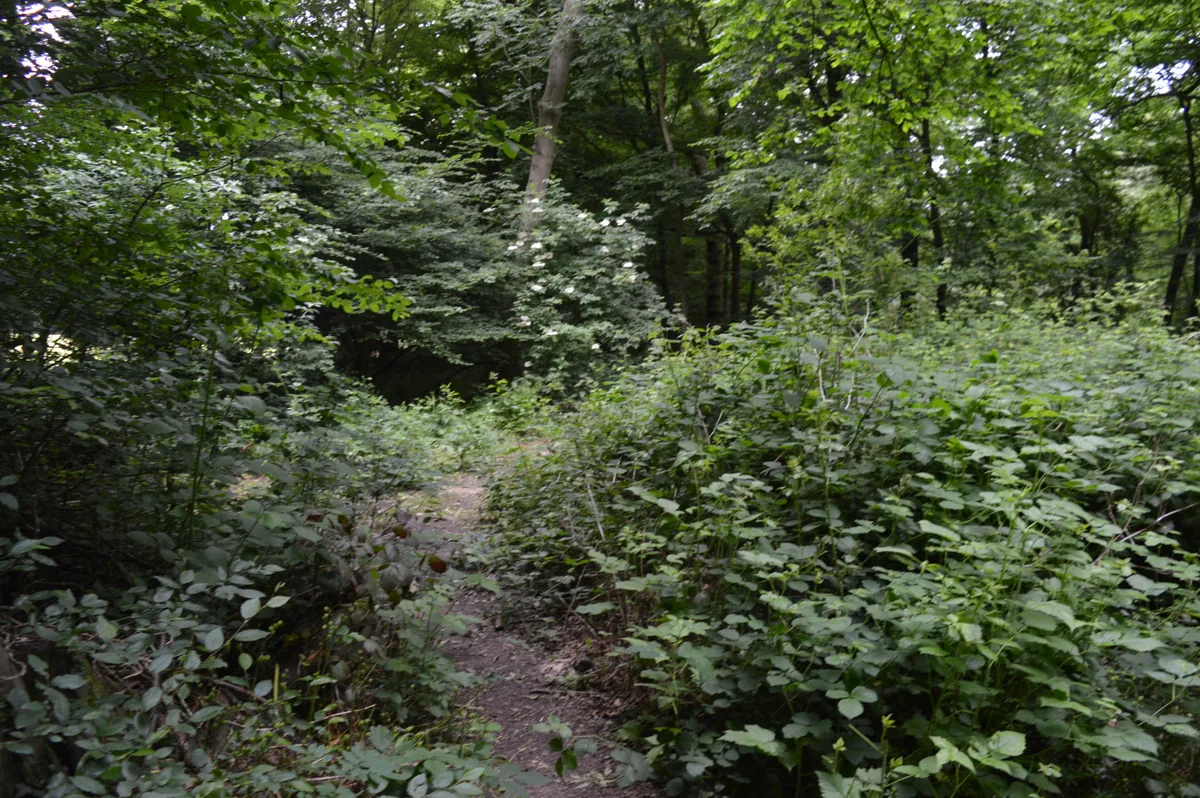
Crowsheath Wood
Crowsheath Wood — Essex Wildlife Trust Nature reserve.
Frequently asked questions
- Where is Snettisham RSPB reserve?
- Snettisham RSPB reserve is in Norfolk, East of England, United Kingdom (postcode PE31 7RB), in the parish of Snettisham.
- What is Snettisham RSPB reserve?
- Snettisham RSPB reserve — RSPB nature reserve in the United Kingdom.
- How do I get to Snettisham RSPB reserve?
- The nearest town is Snettisham. Drivers can use postcode PE31 7RB.
- Who owns Snettisham RSPB reserve?
- Snettisham RSPB reserve is owned by RSPB and operated by Royal Society for the Protection of Birds.
- Is Snettisham RSPB reserve a protected site?
- Yes — Snettisham RSPB reserve is part of the The Wash SSSI Site of Special Scientific Interest and the Norfolk Coast National Landscape (AONB).
- Is Snettisham RSPB reserve free to visit?
- Yes, Snettisham RSPB reserve is free to enter.
- How do I get to Snettisham RSPB reserve?
- Drivers can navigate to postcode PE31 7RB. It sits within the North West Norfolk parliamentary constituency.
- Are dogs allowed at Snettisham RSPB reserve?
- Most wildlife reserves allow dogs on lead only, with restrictions during ground-nesting bird season (March-July). Check signage at the reserve.