
Memorials & monuments · South West England
Sir Winston Churchill
In or near Silton.
Sir Winston Churchill — a memorial in england-south-east, United Kingdom.

Neil Owen — CC BY-SA 2.0 via Wikimedia Commons licence

Plan your visit
- Typical visit
- 15 min–45 min
- Nearest railway station
- Gillingham · 6.4 km
- Free entry
- Dog-friendly
Getting there & planning your visit
To visit the Sir Winston Churchill memorial in Wiltshire, the nearest railway station is Gillingham, located 6.4 km away. Entry to the memorial is free. The postcode for sat-nav is BA12 6JX.
About
Sir Winston Churchill is a memorial located in england-south-east, United Kingdom. Sourced from OpenStreetMap (ODbL licence); see local listings for visitor information, opening hours and admission details.
Photo gallery
Official information
Mere Museum, established in 1970, features a diverse collection of nearly 9,000 items that reflect the history of Mere. Visitors can explore various exhibits showcasing local artifacts and the town's heritage.
Protected designations
- Area of Outstanding Natural Beauty: Cranborne Chase & West Wiltshire Downs
Designations sourced from Natural England open data under OGL v3.
From the Wikipedia article
Sir Winston Leonard Spencer Churchill (30 November 1874 – 24 January 1965) was a British statesman, military officer, and writer who was Prime Minister of the United Kingdom from 1940 to 1945, during the Second World War, and again from 1951 to 1955. For some 62 of the years between 1900 and 1964, he was a Member of Parliament (MP) and represented a total of five constituencies over that time. Ideologically an adherent to economic liberalism and imperialism, he was for most of his career a member of the Conservative Party, which he led from 1940 to 1955. He was a member of the Liberal Party from 1904 to 1924. Of mixed English and American parentage, Churchill was born in Oxfordshire into the wealthy, aristocratic Spencer family. He joined the British Army in 1895 and saw action in British India, the Mahdist War and the Second Boer War, gaining fame as a war correspondent and writing books about his campaigns. Elected a Conservative MP in 1900, he defected to the Liberals in 1904. In H. H. Asquith's Liberal government, Churchill was president of the Board of Trade and later Home Secretary, championing prison reform and workers' social security. As First Lord of the Admiralty before and during the First World War he oversaw the disastrous naval attack on the Dardanelles (a prelude to the Gallipoli campaign) and was demoted to Chancellor of the Duchy of Lancaster. He resigned in November 1915 and joined the Royal Scots Fusiliers on the Western Front for six months. In 1917, he returned to government under David Lloyd George and served successively as Minister of Munitions, Secretary of State for War, Secretary of State for Air, and Secretary of State for the Colonies, overseeing the Anglo-Irish Treaty and British foreign policy in the Middle East. After two years out of Parliament, he was Chancellor of the Exchequer in Stanley Baldwin's Conservative government, returning sterling in 1925 to the gold standard, depressing the UK economy. Out of government during his so-called "wilderness years" in the 1930s, Churchill took the lead in calling for rearmament to counter the threat of militarism in Nazi Germany. At the outbreak of the Second World War he was re-appointed First Lord of the Admiralty. In May 1940, he became prime minister, succeeding Neville Chamberlain. Churchill formed a national government and oversaw British involvement in the Allied war effort against the Axis powers, resulting in victory in 1945. After the Conservatives' defeat in the 1945 general election, he became Leader of the Opposition. Amid the developing Cold War with the Soviet Union, he publicly warned of an "iron curtain" of Soviet influence in Europe and promoted European unity. Between his terms, he wrote several books recounting his experience during the war. He was awarded the Nobel Prize in Literature in 1953. He lost the 1950 election but was returned to office in 1951. His second term was preoccupied with foreign affairs, especially Anglo-American relations and preservation of what remained of the British Empire, with India no longer a part of it. Domestically, his government's priority was their extensive and successful housebuilding programme. In declining health, Churchill resigned in 1955, remaining an MP until 1964. Upon his death in 1965, he was given a state funeral. One of the 20th century's most significant figures, Churchill remains popular in the UK. He is generally viewed as a victorious wartime leader who played an integral role in defending…
Excerpt from Wikipedia under CC BY-SA 4.0. See the source article linked in Sources below.
- Coordinates
- 51.0919, -2.2749
- District
- Wiltshire
- Parish
- Mere
- Postcode
- BA12 6JX
- Parliamentary constituency
- South West Wiltshire
- Nearest railway station
- Gillingham — 6.4 km
Sources
- osm: node/2520452057 (ODbL)
- wikipedia: Sir Winston Churchill (CC BY-SA 4.0)
Other places nearby

Mere Castle Castle Hill
Castles · 0.1 km

Castle Hill
Mountains & hills · 0.1 km

Mere Castle
Literary houses · 0.1 km

Mere Castle
Castles · 0.1 km
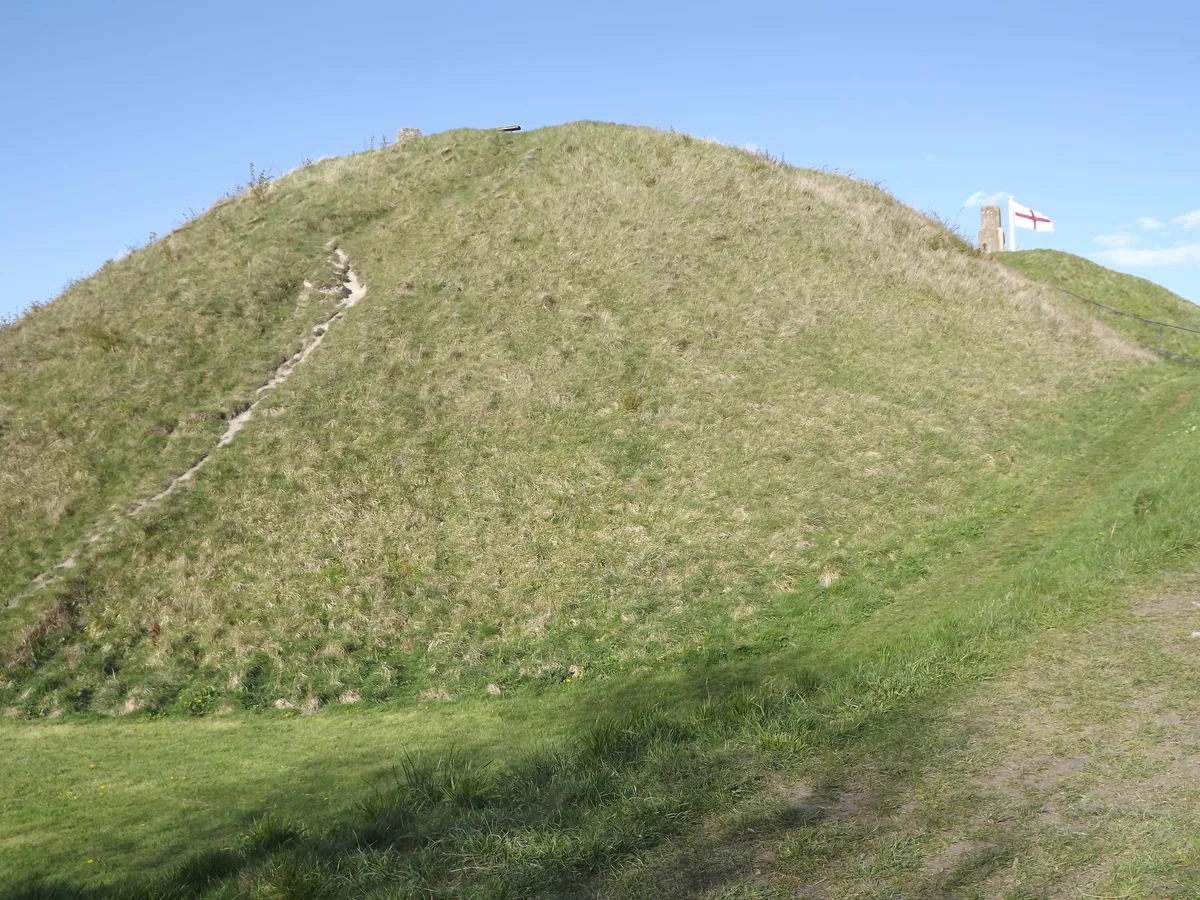
Castle Hill
Castles · 0.2 km

Long Hill
Mountains & hills · 0.3 km
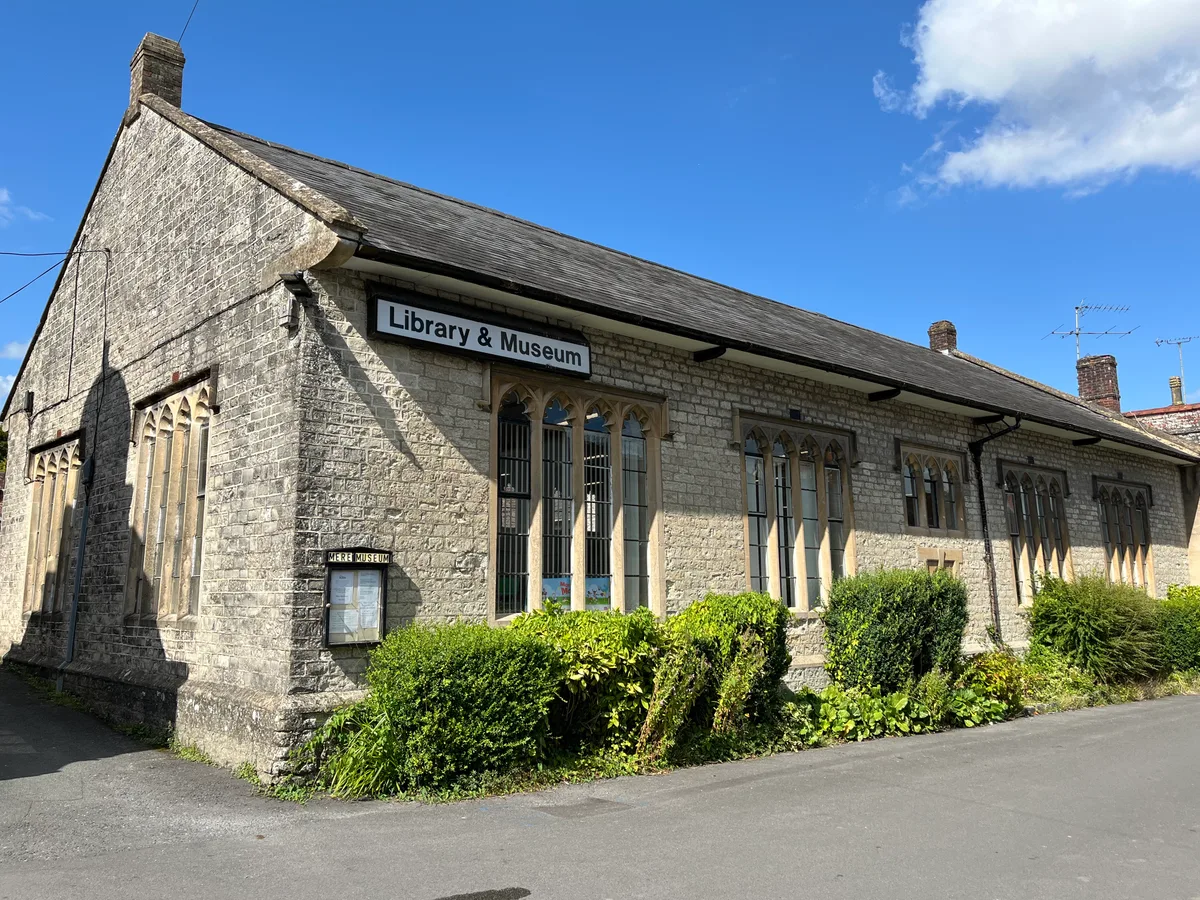
Mere Museum
Museums · 0.4 km

Church of St Michael the Archangel
Historic churches · 0.4 km

Mere War Memorial
Memorials & monuments · 0.4 km

Mere, Wiltshire
Museums · 0.7 km

Visit Hillbrush
Museums · 1.0 km

Zeals Knoll
Mountains & hills · 1.3 km
Nearby
📷 5Castles · South West England
Mere Castle Castle Hill
Mere Castle Castle Hill — a castle in england south east.
📷 5Mountains & hills · South West England
Castle Hill
Castle Hill — mountain in england south east. Elevation: 163 m.
📷 5Literary houses · South West England
Mere Castle
Mere Castle — a literary house museum in england south east.
📷 5Castles · South West England
Mere Castle
Mere Castle — a castle in england-south-east, United Kingdom.
📷 5📷 5Mountains & hills · South West England
Long Hill
Long Hill — a hill or mountain in england south east.
Where to eat & stay near Sir Winston Churchill
Places to stay
 📷 5
📷 5Campsites · South West England
Two Counties Farm
Two Counties Farm — a campsite in england south east.
 📷 5
📷 5Campsites · South West England
Bush Farm Bison Centre
Bush Farm Bison Centre — a campsite in england south east.
 📷 5
📷 5Campsites · South West England
Leela Fields Caravan & Camping Park
Leela Fields Caravan & Camping Park — a campsite in england south east.
 📷 5
📷 5Campsites · South West England
Sunnyhill Campsite
Sunnyhill Campsite — a campsite in england south east.
 📷 5
📷 5Caravan parks · South West England
Shaftesbury Country Touring Park
Shaftesbury Country Touring Park — a caravan park in england south east.
 📷 7
📷 7Places to eat & drink
 📷 7
📷 7Historic pubs · South West England
The Bath Arms
The Bath Arms in England South West, United Kingdom.
 📷 7
📷 7Historic pubs · South West England
The Benett Arms
The Benett Arms in England South West, United Kingdom.
 📷 5
📷 5 📷 7
📷 7 📷 7
📷 7Historic pubs · South West England
The Mitre Inn
The Mitre Inn in England South West, United Kingdom.
 📷 7
📷 7Historic pubs · South West England
The Bath Arms
The Bath Arms in England South West, United Kingdom.
More memorials in this region
 📷 5
📷 5Memorials & monuments · South West England
Bath Cenotaph
Bath Cenotaph is a memorial in the United Kingdom.
 📷 5
📷 5Memorials & monuments · South West England
Cross of Sacrifice
Cross of Sacrifice is a memorial in the United Kingdom.
 📷 5
📷 5Memorials & monuments · South West England
Grange Arch
Grange Arch is a memorial in the United Kingdom.
.jpg?width=1200) 📷 5
📷 5Memorials & monuments · South West England
King Alfred Memorial
King Alfred Memorial is a memorial in the United Kingdom.
Frequently asked questions
- Where is Sir Winston Churchill?
- Sir Winston Churchill is in South-West England, United Kingdom (postcode BA12 6JX), in the parish of Mere.
- What is Sir Winston Churchill?
- Sir Winston Churchill — a memorial in england-south-east, United Kingdom.
- How do I get to Sir Winston Churchill?
- The nearest railway station is Gillingham, about 6.4 km away. The nearest town is Silton. Drivers can use postcode BA12 6JX.
- Is Sir Winston Churchill a protected site?
- Yes — Sir Winston Churchill is part of the Cranborne Chase & West Wiltshire Downs National Landscape (AONB).
- Is Sir Winston Churchill free to visit?
- Yes, Sir Winston Churchill is free to enter.
- How do I get to Sir Winston Churchill?
- The nearest railway station is Gillingham, about 6.4 km away. Drivers can navigate to postcode BA12 6JX.