
Stately homes · South West England
Shockerwick House
In or near Bathford.
Shockerwick House — Grade I listed house in Bathford, Somerset, England, UK.

Wikimedia Commons contributors — see linked file page for photographer and licence licence

Plan your visit
- Typical visit
- 2 h–4 h
- Nearest railway station
- Bath Spa · 4.5 km
- Family-friendly
- Limited wheelchair access
Getting there & planning your visit
To visit Shockerwick House, the nearest railway station is Bath Spa, located 4.5 km away. The postcode for sat-nav is BA1 7SW. Accessibility is limited for wheelchair users.
About
Shockerwick House is a stately home in the United Kingdom. Heritage designation: Grade I listed building. Wikidata describes it as: "Grade I listed house in Bathford, Somerset, England, UK". Coordinates: 51.4011°, -2.3039°.
Photo gallery
See it from the streetimagery from 2023
Imagery © Mapillary contributors, CC BY-SA 4.0
Heritage listing
Shockerwick House in Bathford, Somerset, England was built as a manor house around 1750 by John Wood, the Elder. It has been designated as a Grade I listed building. It is set in 7.7 hectares (19 acres) of parkland within the Bybrook River valley. The site was a manor prior to its purchase in 1740, from the estate of Anthony Carew, by the Wiltshire family. The Wiltshires commissioned John Wood, the Elder to design the house and grounds. Thomas Gainsborough was a frequent visitor and painted several canvases in the orangery of the house including that of Edward Orpin, Parish Clerk of Bradford-upon-Avon which is now in the Tate. Another visitor was William Pitt the Younger who was at Shockerwick when he heard about Napoleon's victory at the Battle of Austerlitz.
From the Historic England List Entry under OGL v3.
Protected designations
- Area of Outstanding Natural Beauty: Cotswolds
Designations sourced from Natural England open data under OGL v3.
From the Wikipedia article
Shockerwick House in Bathford, Somerset, England was built as a manor house around 1750 by John Wood, the Elder. It has been designated as a Grade I listed building. It is set in 7.7 hectares (19 acres) of parkland within the Bybrook River valley. The site was a manor prior to its purchase in 1740, from the estate of Anthony Carew, by the Wiltshire family. The Wiltshires commissioned John Wood, the Elder to design the house and grounds. Thomas Gainsborough was a frequent visitor and painted several canvases in the orangery of the house including that of Edward Orpin, Parish Clerk of Bradford-upon-Avon which is now in the Tate. Another visitor was William Pitt the Younger who was at Shockerwick when he heard about Napoleon's victory at the Battle of Austerlitz. In the 1880s the house was bought by Charles Morley the Member of Parliament for Breconshire. The house was altered in 1896 by Ernest George and Alfred B. Yeates. The Morley family owned the house until 1955. In 1961 it was bought by Henry Pelham-Clinton-Hope, 9th Duke of Newcastle who sold it in 1970 to the W.D. & H.O. Wills tobacco company who used it as a training centre. Since 1983 it has been used as a Nursing Home and is run by Bupa.
Excerpt from Wikipedia under CC BY-SA 4.0. See the source article linked in Sources below.
- Coordinates
- 51.4011, -2.3039
- District
- Bath and North East Somerset
- Parish
- Bathford
- Postcode
- BA1 7SW
- Parliamentary constituency
- Bath
- Established
- 1750
- Nearest railway station
- Bath Spa — 4.5 km
- Official site
- www.bathfordsociety.org.uk
Sources
- wikidata: Q7499898 (CC0)
- wikipedia: Shockerwick House (CC BY-SA 4.0)
- commons: Shockerwick House.jpg (CC BY-SA 4.0)
Other places nearby

Bathford Manor
Manor houses · 0.2 km

The Inn And Public House
Historic pubs · 0.2 km

Bathford
Towns & cities · 0.2 km

Multi-span bridge called Bathford Bridge
Historic bridges · 0.3 km

Bathford Hill
Mountains & hills · 1.0 km

Browne's Folly
Follies · 1.0 km

Batheaston House
Gardens · 1.2 km

Kennet and Avon Canal Canal Bridge, 100 yards to east of George Inn
Historic bridges · 1.3 km
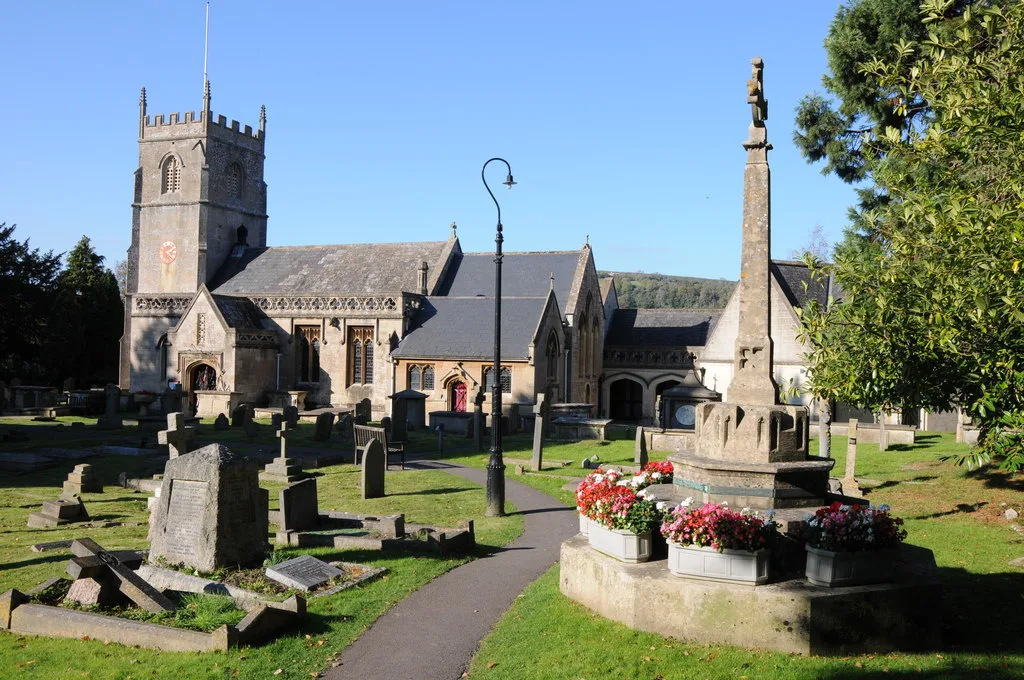
Church of St Nicholas, Bathampton
Historic churches · 1.3 km

Dolphin House
B&Bs · 1.3 km

Railway Bridge 100 Yards To North Of George Inn
Historic bridges · 1.4 km

The Blackberries Camping Park
Campsites · 1.4 km
Nearby
📷 5Manor houses · South West England
Bathford Manor
Bathford Manor — Grade II listed building-listed manor in england-south-east, United Kingdom.
📷 7Historic pubs · South West England
The Inn And Public House
The Inn And Public House in England South West, United Kingdom.
📷 5Towns & cities · South West England
Bathford
Bathford — a village located in Bath and North East Somerset, United Kingdom.
📷 5Historic bridges · South West England
Multi-span bridge called Bathford Bridge
Multi-span bridge called Bathford Bridge — scheduled monument-listed bridge in england-south-east, United Kingdom.
📷 5Mountains & hills · South West England
Bathford Hill
Bathford Hill — a hill or mountain in england south east.
📷 5Where to eat & stay near Shockerwick House
Places to stay
📷 6B&Bs · South West England
Dolphin House
Dolphin House — a bed-and-breakfast in england south east.
📷 5Campsites · South West England
The Blackberries Camping Park
The Blackberries Camping Park — a campsite in england south east.
 📷 5
📷 5Hotels · South West England
Bailbrook House Hotel
Bailbrook House Hotel — a hotel in england south east.
📷 7Hotels · South West England
Bailbrook Lodge Hotel
Bailbrook Lodge Hotel — a hotel in england south east.
 📷 5
📷 5Hotels · South West England
The Bath Spa Hotel
The Bath Spa Hotel — a hotel in england south east. Brand: Macdonald Hotels and Resort.
 📷 5
📷 5Places to eat & drink
📷 7Historic pubs · South West England
The Inn And Public House
The Inn And Public House in England South West, United Kingdom.
 📷 7
📷 7Restaurants · South West England
The Bathampton Mill
The Bathampton Mill — a restaurant in england south east.
 📷 5
📷 5 📷 6
📷 6 📷 5
📷 5 📷 5
📷 5Restaurants · South West England
joya
joya — a restaurant in england south east.
More places in this region
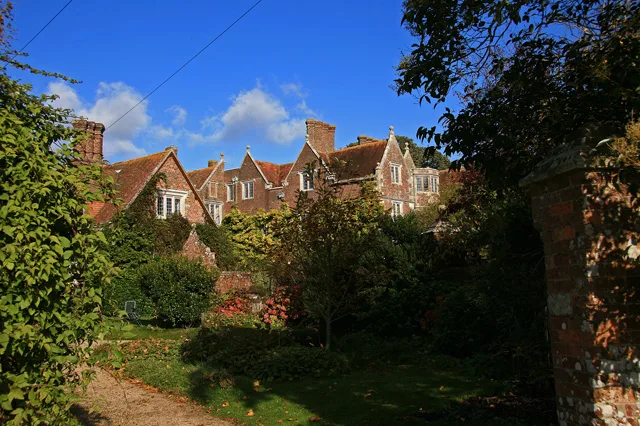 Flagship📷 9
Stately homes · South West England
Anderson Manor
Anderson Manor — Grade I listed manor house in Anderson, Dorset, England, UK.
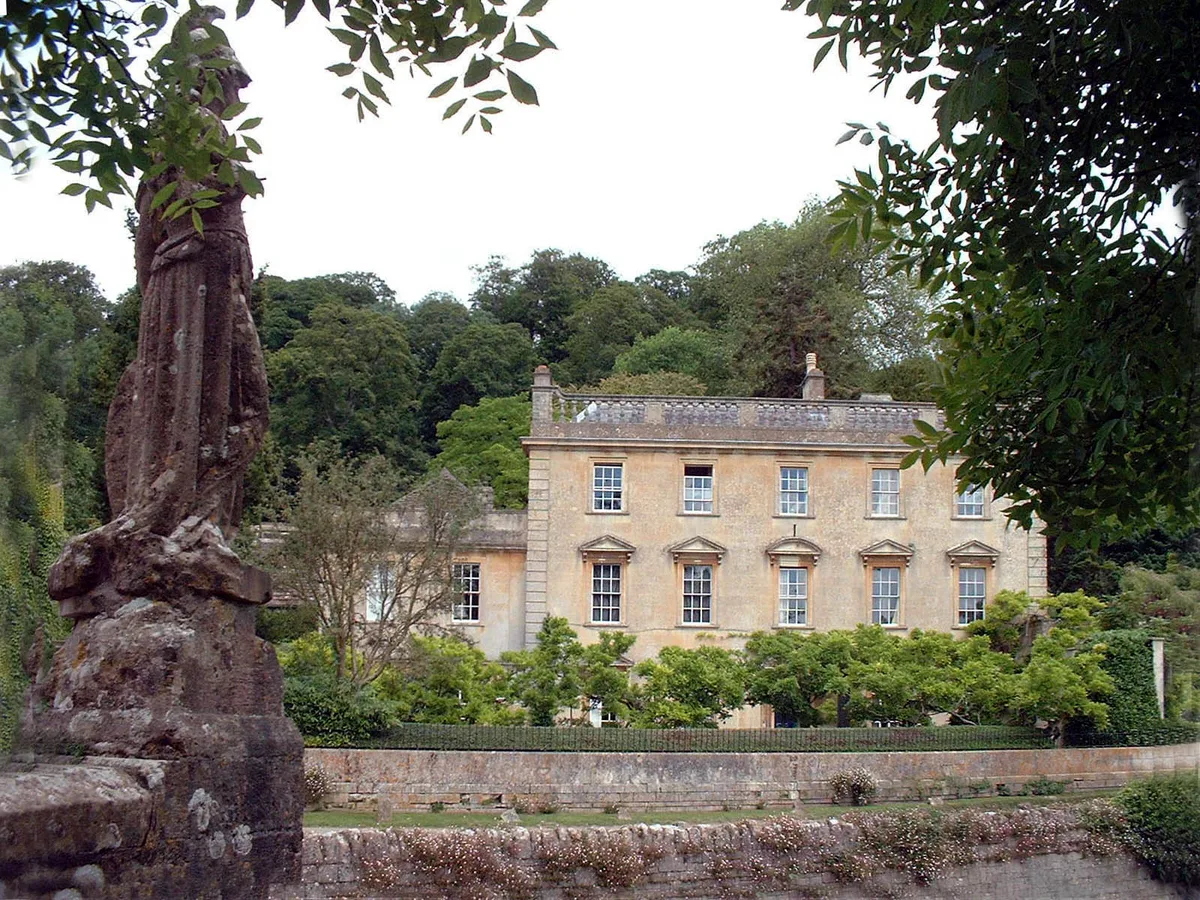 Flagship📷 10
Stately homes · South West England
Iford Manor
Iford Manor — manor house in Somerset/Wiltshire, UK.
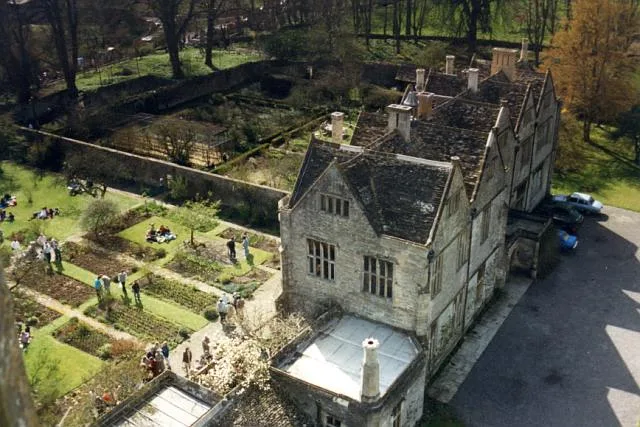 Flagship📷 10
Stately homes · South West England
Mells Manor
Mells Manor — Grade I listed house in Mells, Somerset, England, UK.
 Flagship📷 5
Stately homes · South West England
Addestone Manor
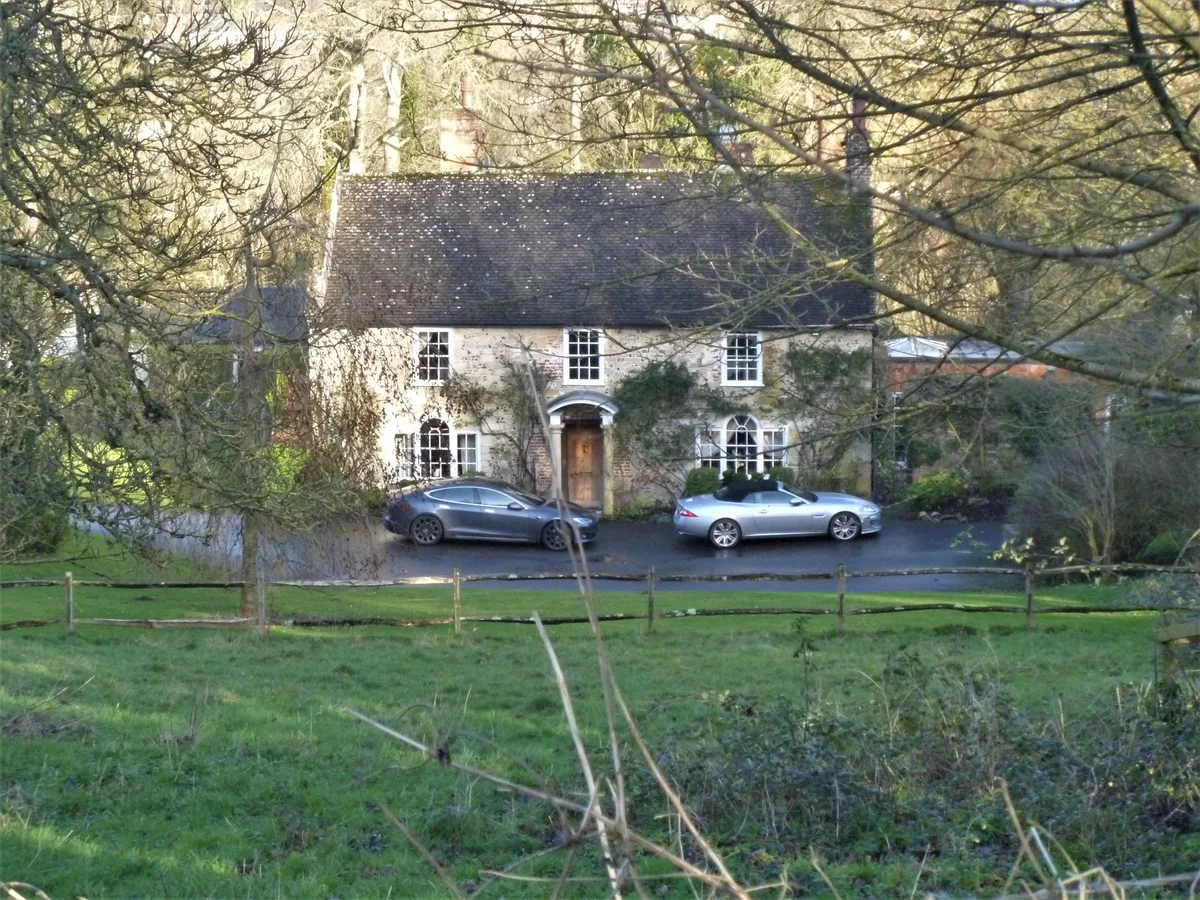
Addestone Manor — manor house in Shrewton, Wiltshire, England, UK.
Frequently asked questions
- Where is Shockerwick House?
- Shockerwick House is in South-West England, United Kingdom (postcode BA1 7SW), in the parish of Bathford.
- What is Shockerwick House?
- Shockerwick House — Grade I listed house in Bathford, Somerset, England, UK.
- How do I get to Shockerwick House?
- The nearest railway station is Bath Spa, about 4.5 km away. The nearest town is Bathford. Drivers can use postcode BA1 7SW.
- When was Shockerwick House built?
- Built or established in 1750.
- Who owns Shockerwick House?
- Shockerwick House is owned by | designation1 =Grade I Listed Building.
- Is Shockerwick House a listed building?
- Shockerwick House is officially recognised as Grade I listed building listed.
- Is Shockerwick House a protected site?
- Yes — Shockerwick House is part of the Cotswolds National Landscape (AONB).
- How do I get to Shockerwick House?
- The nearest railway station is Bath Spa, about 4.5 km away. Drivers can navigate to postcode BA1 7SW.