
Heritage railway stations · North West England
Ship
Also known as: Llong, Long
In or near Poulton-le-Sands.
Ship — Public artwork (sculpture) by Anna Gillespie.

Ian Taylor — CC BY-SA 2.0 via Wikimedia Commons licence

Plan your visit
- Typical visit
- 1 h–2 h
- Nearest railway station
- Heysham Port · 1.0 km
- Free entry
Getting there & planning your visit
The nearest railway station to Ship is Heysham Port, which is 1 km away. Entry is free. The postcode for navigation is LA3 2LA.
About
Ship is a place of interest in Lancashire, North-West England. The site is a designated Site of Special Scientific Interest, and is a Ramsar wetland of international importance. It sits within the Morecambe and Lunesdale parliamentary constituency. The nearest railway station is Heysham Port, about 1.0 km away. Postcode area LA3.
Photo gallery
Protected designations
- Site of Special Scientific Interest: Lune Estuary SSSI
- Site of Special Scientific Interest: Morecambe Bay SSSI
- Ramsar wetland: Morecambe Bay
Designations sourced from Natural England open data under OGL v3.
From the Wikipedia article
A ship is a large watercraft designed for travel across the surface of a body of water, carrying cargo or passengers, or in support of specialized tasks such as warfare, oceanography and fishing. Ships are generally distinguished from boats, based on size, shape, load capacity and purpose. Ships have supported exploration, trade, warfare, migration, colonization, and science. Ship transport is responsible for the largest portion of world commerce. The word ship has meant, depending on era and context, either simply a large vessel or specifically a full-rigged ship with three or more masts, each of which is square rigged. The earliest historical evidence of boats is found in Egypt during the 4th millennium BC. In 2024, ships had a global cargo capacity of 2.4 billion tons, with the three largest classes being ships carrying dry bulk (43%), oil tankers (28%) and container ships (14%).
Excerpt from Wikipedia under CC BY-SA 4.0. See the source article linked in Sources below.
Background
History
For most of history, transport by shipprovided there is a feasible route has generally been cheaper, safer and faster than making the same journey on land. Only the coming of railways in the middle of the 19th century and the growth of commercial aviation in the second half of the 20th century have changed this principle. This applied equally to sea crossings, coastal voyages and use of rivers and lakes. Examples of the consequences of this include the large grain trade in the Mediterranean during the classical period. Cities such as Rome were totally reliant on the delivery by sailing and human powered (oars) ships of the large amounts of grain needed. It has been estimated that it cost…
Architecture
Some components exist in vessels of any size and purpose. Every vessel has a hull of sorts. Every vessel has some sort of propulsion, whether it's a pole, an ox, or a nuclear reactor. Most vessels have some sort of steering system. Other characteristics are common, but not as universal, such as compartments, holds, a superstructure, and equipment such as anchors and winches.
Sourced from Wikipedia under CC BY-SA 4.0.
- Coordinates
- 54.0415, -2.9053
- County
- Lancashire
- District
- Lancaster
- Parish
- Lancaster, unparished area
- Postcode
- LA3 2LA
- Parliamentary constituency
- Morecambe and Lunesdale
- Nearest railway station
- Heysham Port — 1 km
- Official site
- www.annagillespie.co.uk
Sources
- osm: n7706946827 (ODbL)
- wikipedia: Ship (CC BY-SA 4.0)
Other places nearby
Half Moon Bay
Beaches · 0.0 km
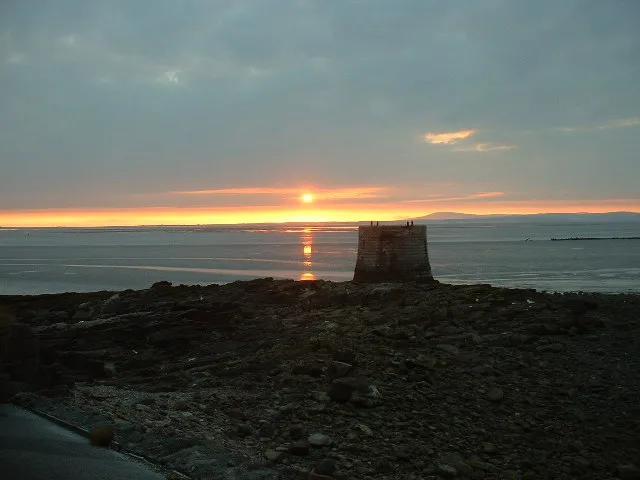
Near Naze Light
Lighthouses · 0.6 km

The Spirit of Heysham
Public art & sculpture · 0.6 km

Heysham Heritage Centre
Museums · 0.6 km

Duffys' Hay Rack
Public art & sculpture · 0.7 km

Archway approximately 32 metres west south west of Parish Church of St Peter
Memorials & monuments · 0.7 km

Rock cut tombs approximately 10 metres west of Chapel of St Patrick
Chapels · 0.7 km
Rock-Hewn Graves
Archaeological sites · 0.7 km

The Old Hall Inn
Historic pubs · 0.7 km

St. Patrick's Chapel
Historic churches · 0.7 km
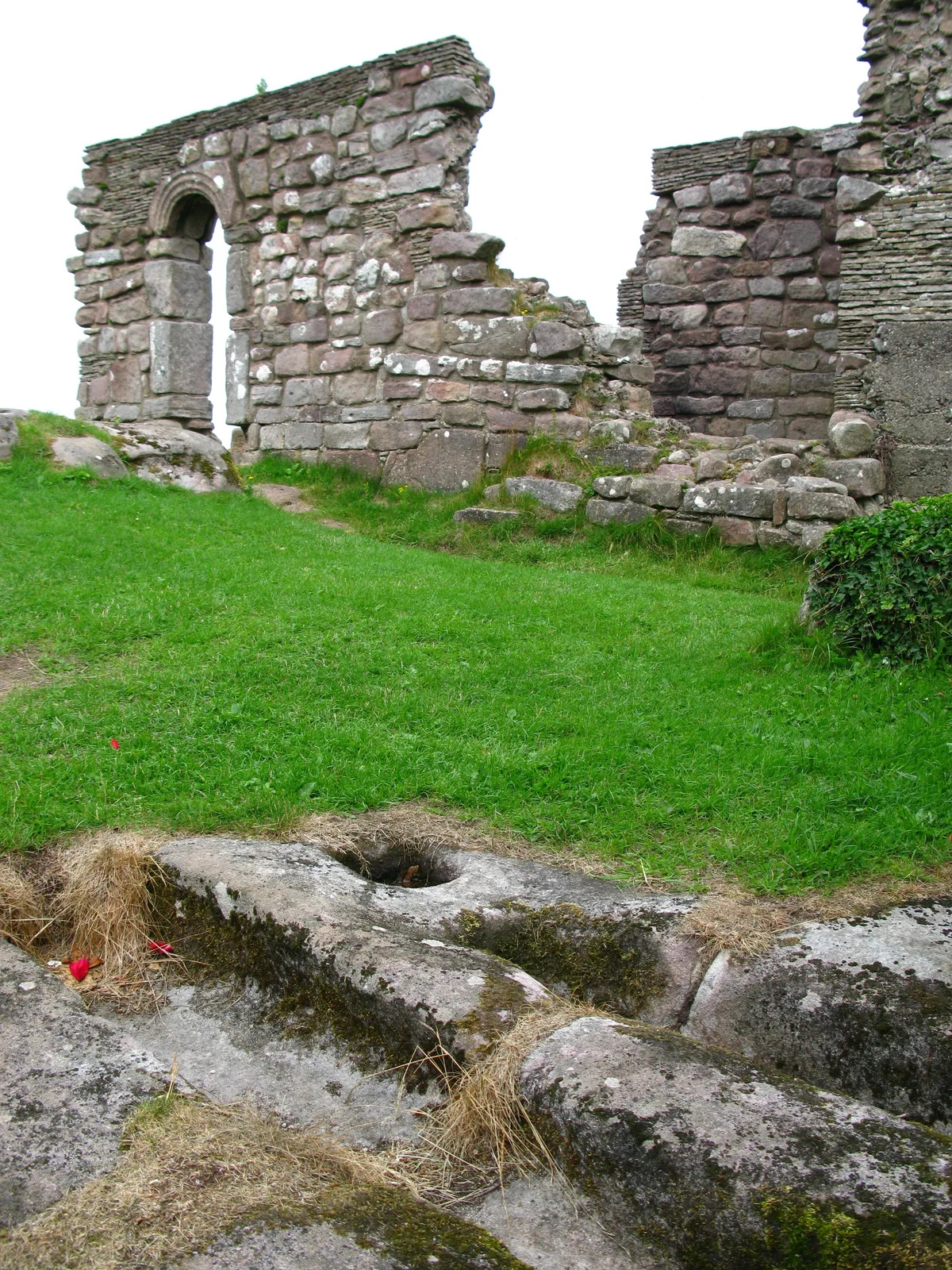
St Patrick's Chapel, Heysham
Historic churches · 0.7 km
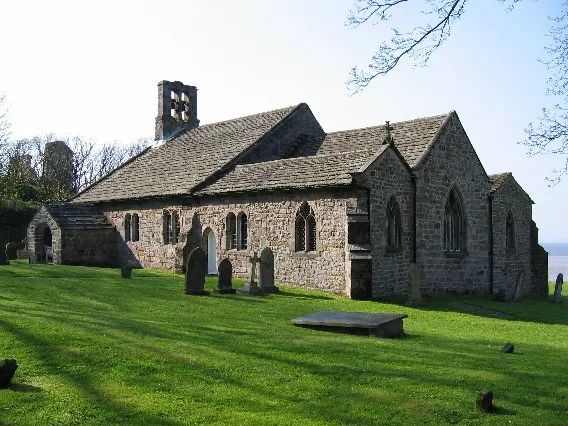
St Peter's Church, Heysham
Historic churches · 0.7 km
Nearby
📷 5Beaches · North West England
Half Moon Bay
Half Moon Bay — Beach (pebblestone).
📷 3Lighthouses · North West England
Near Naze Light
Near Naze Light is a lighthouse in the United Kingdom.
📷 3Public art & sculpture · North West England
The Spirit of Heysham
The Spirit of Heysham — a public art in england-north-west, United Kingdom.
📷 3Museums · North West England
Heysham Heritage Centre
Heysham Heritage Centre — a museum in england-north-west, United Kingdom.
📷 3Public art & sculpture · North West England
Duffys' Hay Rack
Duffys' Hay Rack — a public art in england-north-west, United Kingdom.
📷 3Memorials & monuments · North West England
Archway approximately 32 metres west south west of Parish Church of St Peter
Archway approximately 32 metres west south west of Parish Church of St Peter — Grade II listed building-listed memorial in england-north-west, United Kingdom.
Where to eat & stay near Ship
Places to stay
 📷 5
📷 5Caravan parks · North West England
Ocean Edge Holiday Park
Ocean Edge Holiday Park — a caravan park in england north west. Brand: Parkdean Resorts.
 📷 5
📷 5Campsites · North West England
Melbreak Caravan Park
Melbreak Caravan Park — a campsite in england north west.
 📷 5
📷 5Caravan parks · North West England
Regent Bay Holiday Park
Regent Bay Holiday Park — a caravan park in england north west. Brand: Parkdean Resorts.
📷 5Caravan parks · North West England
Greendales Farm Caravan Park
Greendales Farm Caravan Park — a caravan park in england north west.
 📷 5
📷 5Campsites · North West England
Sunnyside Camping & Caravan Site
Sunnyside Camping & Caravan Site — a campsite in england north west.
 📷 5
📷 5Caravan parks · North West England
Westcliffe Caravan Park
Westcliffe Caravan Park — a caravan park in england north west.
Places to eat & drink
📷 5Historic pubs · North West England
The Old Hall Inn
The Old Hall Inn in England North West, United Kingdom.
 📷 3
📷 3Historic pubs · North West England
Wagon & Horses
Wagon & Horses — Historic pub — listed building or notable heritage status.
 📷 3
📷 3Historic pubs · North West England
George & Dragon
George & Dragon — Historic pub — listed building or notable heritage status.
 📷 7
📷 7Historic pubs · North West England
The Three Mariners Public House
The Three Mariners Public House in England North West, United Kingdom.
 📷 7
📷 7Historic pubs · North West England
Ring O' Bells Public House
Ring O' Bells Public House in England North West, United Kingdom.
 📷 5
📷 5Historic pubs · North West England
Blue Anchor Public House
Blue Anchor Public House in England North West, United Kingdom.
More places in this region
 📷 3
📷 3Heritage railway stations · North West England
Peel
Peel — Public artwork (statue) by William Calder Marshall.
 📷 5
📷 5Heritage railway stations · North West England
Wellington
Wellington — Public artwork (statue) by Matthew Noble.
 📷 5
📷 5Heritage railway stations · North West England
Manchester Liverpool Road railway station
Manchester Liverpool Road railway station — a Grade I-listed railway station in england-west-midlands, United Kingdom.
 📷 5
📷 5Heritage railway stations · North West England
Deansgate railway station
Deansgate railway station — a Grade II-listed railway station in england-west-midlands, United Kingdom.
Frequently asked questions
- Where is Ship?
- Ship is in Lancashire, North-West England, United Kingdom (postcode LA3 2LA), in the parish of Lancaster, unparished area.
- What is Ship?
- Ship — Public artwork (sculpture) by Anna Gillespie.
- How do I get to Ship?
- The nearest railway station is Heysham Port, about 1.0 km away. The nearest town is Poulton-le-Sands. Drivers can use postcode LA3 2LA.
- Is Ship a protected site?
- Yes — Ship is part of the Lune Estuary SSSI Site of Special Scientific Interest and the Morecambe Bay SSSI Site of Special Scientific Interest.
- Is Ship free to visit?
- Yes, Ship is free to enter.
- How do I get to Ship?
- The nearest railway station is Heysham Port, about 1.0 km away. Drivers can navigate to postcode LA3 2LA.