
Castles · East Midlands
Sheffield Castle
In or near Catcliffe.
Sheffield Castle — limited remains of a castle in Yorkshire, England, UK.

Wikimedia Commons contributors — see linked file page for photographer and licence licence

Plan your visit
- Typical visit
- 1.5 h–3 h
- Nearest railway station
- Sheffield · 0.7 km
- Family-friendly
- Limited wheelchair access
Getting there & planning your visit
To visit Sheffield Castle, the nearest railway station is Sheffield, located 0.7 km away. The postcode for the castle is S2 5TS. Entry is free, but please note that wheelchair accessibility is limited.
About
Sheffield Castle is a castle in the United Kingdom — fortified architecture from the medieval, Tudor, or Victorian-revival period. Heritage designation: Grade II listed building. Wikidata describes it as: "limited remains of a castle in Yorkshire, England, UK". Coordinates: 53.3847°, -1.4633°.
Photo gallery
360° view
Imagery © Mapillary contributors, CC BY-SA 4.0
Heritage listing
Sheffield Castle was a castle in Sheffield, England, constructed at the confluence of the River Sheaf and the River Don, possibly on the site of a former Anglo-Saxon long house, and dominating the early town. A motte and bailey castle had been constructed on the site at some time in the century following the Norman Conquest of England in 1066. This was destroyed in the Second Barons' War. Construction of a second castle, this time in stone, began four years later in 1270. Mary, Queen of Scots was held prisoner in this castle and its associated estates at various times during the 14 years between 1570 and 1584, alternating with other properties of George Talbot, 6th Earl of Shrewsbury.
From the Historic England List Entry under OGL v3.
Official information
Sheffield Castle is a historic site located in Castlegate, overlooking the River Don. It serves as a venue for community events, including the Pollen Market, which showcases local creatives, greenery, and art.
From the Wikipedia article
Sheffield Castle was a castle in Sheffield, England, constructed at the confluence of the River Sheaf and the River Don, possibly on the site of a former Anglo-Saxon long house, and dominating the early town. A motte and bailey castle had been constructed on the site at some time in the century following the Norman Conquest of England in 1066. This was destroyed in the Second Barons' War. Construction of a second castle, this time in stone, began four years later in 1270. Mary, Queen of Scots was held prisoner in this castle and its associated estates at various times during the 14 years between 1570 and 1584, alternating with other properties of George Talbot, 6th Earl of Shrewsbury. The castle was held by Royalist forces for part of the English Civil War, and was surrendered to the Parliamentarians in 1644 following a short siege. Its demolition was ordered soon after, and the castle was razed. There are no known surviving drawings or plans of the castle, but excavations in the 1920s revealed stone foundations from the castle begun in 1270 as well as evidence of earlier structures. Further architectural investigation was possible in 2015, following the demolition of the 20th-century market which had been built on top of the ruins.
Excerpt from Wikipedia under CC BY-SA 4.0. See the source article linked in Sources below.
Background
History
Sheffield Castle was located at the confluence of the River Sheaf and the River Don (), on the western bank of the Sheaf and the southern bank of the Don. The rivers provided defence to the north and east and there was a moat on the south and western sides of the castle. This site was largely covered by Castle Market which was demolished in 2015. Early activity on the site is suggested by several finds including a Bronze Age flint horseshoe scraper, and in the Roman period Samian Ware and Silchester pottery, discovered during excavations in the 1920s. The site of the castle is the place where the earliest settlement at Sheffield was founded sometime in the second half of the 1st millennium…
Sourced from Wikipedia under CC BY-SA 4.0.
- Coordinates
- 53.3847, -1.4633
- District
- Sheffield
- Parish
- Sheffield, unparished area
- Postcode
- S2 5TS
- Parliamentary constituency
- Sheffield Central
- Nearest railway station
- Sheffield — 0.7 km
- Opening
- Su[3] 10:00-16:00
Sources
- wikidata: Q2892594 (CC0)
- wikipedia: Sheffield Castle (CC BY-SA 4.0)
- commons: Sheffield Castle.png (CC BY-SA 4.0)
Other places nearby
_-_geograph.org.uk_-_3921121.jpg?width=1200)
Castle Market
Mines & mining heritage · 0.0 km

Pollen Market
Farmers’ markets · 0.1 km

Sheffield Old Town Hall
Historic houses · 0.1 km

River Sheaf
Museums · 0.1 km
Blonk Bridge Over River Don
Historic bridges · 0.1 km

Lady's Bridge
Historic bridges · 0.1 km

Five Weirs Walk
Military museums · 0.1 km

Steelworker
Public art & sculpture · 0.1 km

Silver Service (gate)
Public art & sculpture · 0.2 km

Best Western Sheffield City
Hotels · 0.2 km

The National Videogame Museum
Museums · 0.2 km
ABC Sheffield
Theatres · 0.2 km
Nearby
📷 5Mines & mining heritage · East Midlands
Castle Market
Castle Market — indoor market in Sheffield, England.
📷 5Farmers’ markets · East Midlands
Pollen Market
Pollen Market — a UK farmers' market in england east midlands.
📷 4Historic houses · East Midlands
Sheffield Old Town Hall
Sheffield Old Town Hall — a Grade II-listed historic house in england-east-midlands, United Kingdom.
📷 5Museums · East Midlands
River Sheaf
River Sheaf — a museum in england-east-midlands, United Kingdom.
📷 3Historic bridges · East Midlands
Blonk Bridge Over River Don
Blonk Bridge Over River Don — Grade II listed building-listed bridge in england-east-midlands, United Kingdom.
📷 5Historic bridges · East Midlands
Lady's Bridge
Lady's Bridge is a historic bridge in the United Kingdom.
Where to eat & stay near Sheffield Castle
Places to stay
📷 5Hotels · East Midlands
Best Western Sheffield City
Best Western Sheffield City — a hotel in england east midlands.
 📷 7
📷 7Hotels · East Midlands
Hampton by Hilton
Hampton by Hilton — a hotel in england east midlands.
 📷 5
📷 5Hotels · East Midlands
DoubleTree by Hilton Sheffield City
DoubleTree by Hilton Sheffield City — a hotel in england east midlands. Brand: DoubleTree.
 📷 5
📷 5Hostels · East Midlands
Russell Scott Backpackers Hostel
Russell Scott Backpackers Hostel — a hostel in england east midlands.
 📷 5
📷 5Hotels · East Midlands
Hotel Mercure Sheffield Kenwood Hall & Spa
Hotel Mercure Sheffield Kenwood Hall & Spa — a hotel in england east midlands. 5-star. Brand: Accor.
 📷 5
📷 5Hostels · East Midlands
Westfield Barn (Whirlow Hall Farm Trust)
Westfield Barn (Whirlow Hall Farm Trust) — a hostel in england east midlands.
Places to eat & drink
 📷 5
📷 5Historic pubs · Yorkshire & the Humber
1 and 3, Market Place
1 and 3, Market Place in England Yorkshire, United Kingdom.
 📷 7
📷 7Cafés · East Midlands
Builder's Brew
Builder's Brew — a café in england east midlands.
 📷 5
📷 5Historic pubs · Yorkshire & the Humber
Old Queen's Head
Old Queen's Head in England Yorkshire, United Kingdom.
 📷 5
📷 5Cafés · East Midlands
Marmadukes
Marmadukes — a café in england east midlands.
 📷 5
📷 5Historic pubs · Yorkshire & the Humber
The Stone House Public House
The Stone House Public House in England Yorkshire, United Kingdom.
 📷 5
📷 5Historic pubs · Yorkshire & the Humber
The Fringe Gymnasium The Surrey Public House
The Fringe Gymnasium The Surrey Public House in England Yorkshire, United Kingdom.
More castles in this region
 📷 4
📷 4Castles · East Midlands
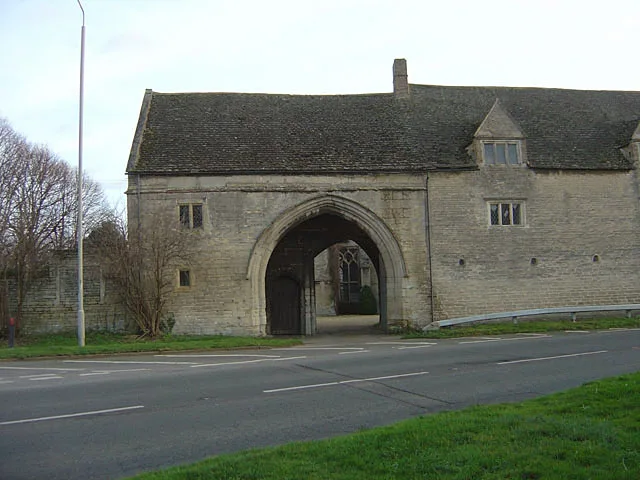
Maxey Castle
Maxey Castle — castle, now ruinous, in Maxey, Cambridgeshire, England, UK.
 📷 5
📷 5Castles · East Midlands
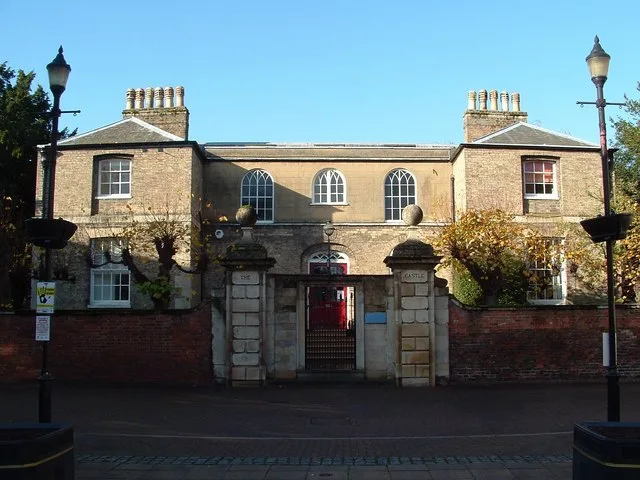
Northborough Manor House
Northborough Manor House — Grade I listed house in Northborough, Peterborough, Cambridgeshire, England, UK.
 📷 5
📷 5Castles · East Midlands
Wisbech Castle
Wisbech Castle — former castle in Wisbech, Cambridgeshire, England.
 📷 5
📷 5Castles · East Midlands
Site of Stamford Castle
Site of Stamford Castle — a castle in england-london, United Kingdom.
Frequently asked questions
- Where is Sheffield Castle?
- Sheffield Castle is in the East Midlands, United Kingdom (postcode S2 5TS), in the parish of Sheffield, unparished area.
- What is Sheffield Castle?
- Sheffield Castle — limited remains of a castle in Yorkshire, England, UK.
- How do I get to Sheffield Castle?
- The nearest railway station is Sheffield, about 0.7 km away. The nearest town is Catcliffe. Drivers can use postcode S2 5TS.
- Is Sheffield Castle a listed building?
- Sheffield Castle is officially recognised as Grade II listed building listed.
- Does Sheffield Castle charge admission?
- Sheffield Castle typically charges admission. Check the official site for current ticket prices and opening hours.
- How do I get to Sheffield Castle?
- The nearest railway station is Sheffield, about 0.7 km away. Drivers can navigate to postcode S2 5TS.