
Castles · Central Scotland
Scone Palace
In or near Perth.
Scone Palace — castle owned by the Earl of Mansfield in Perth and Kinross, Scotland, UK.

Wikimedia Commons contributors — see linked file page for photographer and licence licence

Plan your visit
- Typical visit
- 1.5 h–3 h
- Nearest railway station
- Perth · 3.5 km
- Family-friendly
- Limited wheelchair access
Getting there & planning your visit
To visit Scone Palace, the nearest railway station is Perth, located 3.5 km away. The postcode for sat-nav is PH2 6BD. Please note that wheelchair accessibility is limited.
About
Scone Palace is a castle in the United Kingdom — fortified architecture from the medieval, Tudor, or Victorian-revival period. Built in the Gothic art style. Heritage designation: category A listed building. Owned by David William Murray, 3rd Earl of Mansfield. Wikidata describes it as: "castle owned by the Earl of Mansfield in Perth and Kinross, Scotland, UK". Coordinates: 56.4226°, -3.4381°.
Photo gallery
360° view
Imagery © Mapillary contributors, CC BY-SA 4.0
Heritage listing
Scone Palace is a Category A-listed historic house near the village of Scone and the city of Perth, Scotland. Ancestral seat of Earls of Mansfield, built in red sandstone with a castellated roof, it is an example of the Gothic Revival style in Scotland. Scone was originally the site of an early Christian church, and later an Augustinian priory. Scone Abbey, in the grounds of the Palace, for centuries held the Stone of Scone upon which the early Kings of Scotland were crowned. Robert the Bruce was crowned at Scone in 1306 and the last coronation was of Charles II, when he accepted the Scottish crown in 1651. Scone Abbey was severely damaged in 1559 during the Scottish Reformation after a mob whipped up by the famous reformer, John Knox, came to Scone from Dundee.
From Historic Environment Scotland under OGL v3.
From the Wikipedia article
Scone Palace is a Category A-listed historic house near the village of Scone and the city of Perth, Scotland. Ancestral seat of Earls of Mansfield, built in red sandstone with a castellated roof, it is an example of the Gothic Revival style in Scotland. Scone was originally the site of an early Christian church, and later an Augustinian priory. Scone Abbey, in the grounds of the Palace, for centuries held the Stone of Scone upon which the early Kings of Scotland were crowned. Robert the Bruce was crowned at Scone in 1306 and the last coronation was of Charles II, when he accepted the Scottish crown in 1651. Scone Abbey was severely damaged in 1559 during the Scottish Reformation after a mob whipped up by the famous reformer, John Knox, came to Scone from Dundee. Having survived the Reformation, the Abbey in 1581 became a secular Lordship (and home) within the parish of Scone, Scotland. Since 1600 the Palace has been home to the Murrays of Tullibardine. During the early 19th century the Palace was enlarged by the architect William Atkinson. In 1802, David William Murray, 3rd Earl of Mansfield, commissioned Atkinson to extend the Palace, recasting the late 16th-century Palace of Scone. The 3rd Earl tasked Atkinson with updating the old Palace whilst maintaining characteristics of the medieval Gothic abbey buildings it was built upon, with the majority of work finished by 1807. The Palace and its grounds, which include a collection of fir trees and a star-shaped maze, are open to the public.
Excerpt from Wikipedia under CC BY-SA 4.0. See the source article linked in Sources below.
- Coordinates
- 56.4226, -3.4381
- District
- Perth and Kinross
- Postcode
- PH2 6BD
- Parliamentary constituency
- Perth and Kinross-shire
- Phone
- 01738552300
- Nearest railway station
- Perth — 3.5 km
- Official site
- scone-palace.co.uk
Sources
- wikidata: Q1269394 (CC0)
- wikipedia: Scone Palace (CC BY-SA 4.0)
- commons: Scone Palace.jpg (CC BY-SA 4.0)
- fsq: 4bd44c389854d13ab84dff4d (Apache-2.0)
Other places nearby

Replica Stone of Scone
Natural landmarks · 0.1 km

Mote Church Remains and Mausoleum, Boot Hill, Scone Palace
Historic churches · 0.1 km

Market Cross, Scone Palace
Palaces · 0.2 km
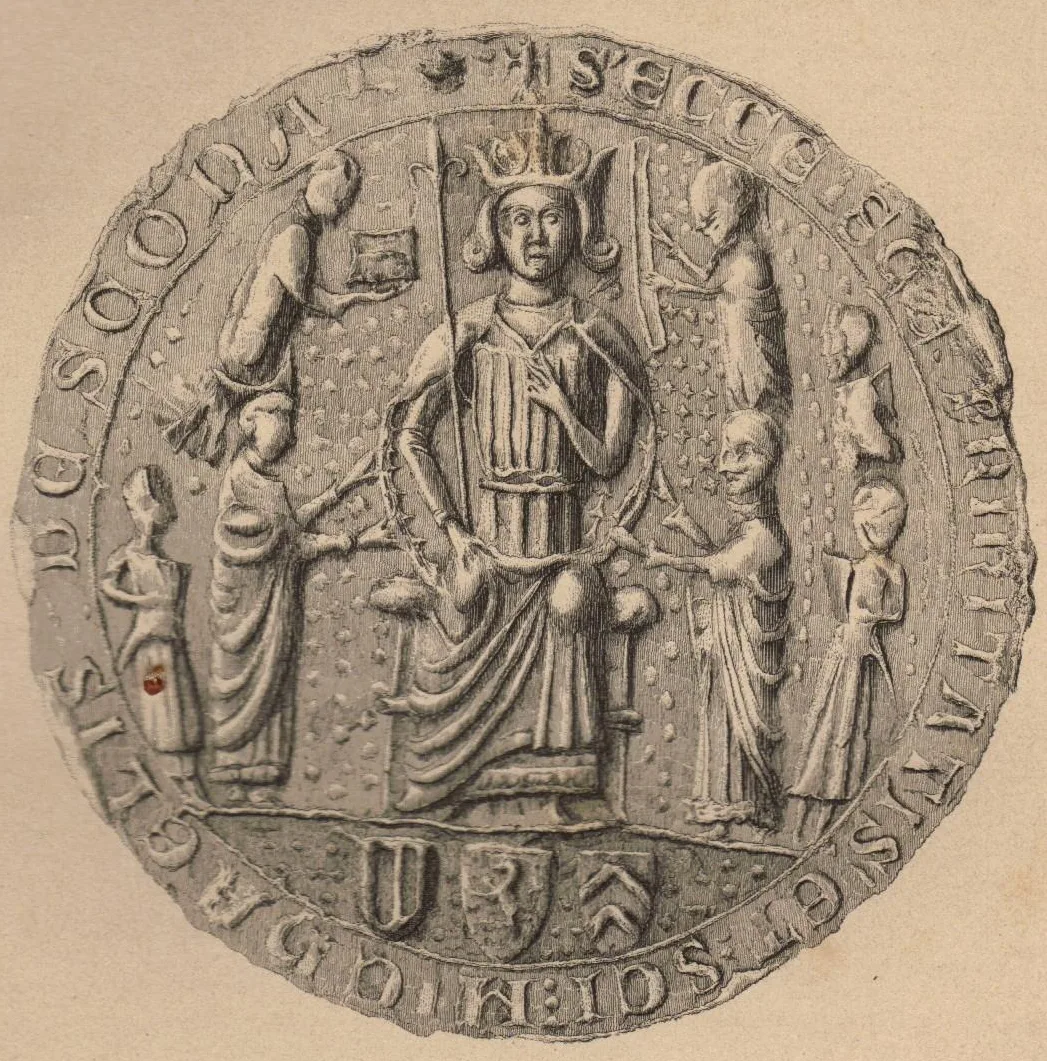
Scone Abbey
Abbeys & priories · 0.3 km

Scone Abbey
Cathedrals · 0.3 km

Arethusa
Public art & sculpture · 0.3 km
Bridge Over Catmoor Burn, Scone Palace Grounds
Historic bridges · 0.4 km
Queen's Bridge, Catmoor Burn, Queen's Drive, Scone Palace
Historic bridges · 0.4 km

Perth Racecourse
Palaces · 0.8 km

Scone Camping and Caravanning Club Site
Caravan parks · 0.9 km

Jeanfield Swifts F.C.
Stadiums · 1.1 km

St John's Academy
Historic churches · 1.4 km
Nearby
📷 3Natural landmarks · Central Scotland
Replica Stone of Scone
Replica Stone of Scone — a other in scotland-central, United Kingdom.
📷 5Historic churches · Central Scotland
Mote Church Remains and Mausoleum, Boot Hill, Scone Palace
Mote Church Remains and Mausoleum, Boot Hill, Scone Palace — category A listed building-listed church in scotland-central, United Kingdom.
Flagship📷 4Palaces · Central Scotland
Market Cross, Scone Palace
Market Cross, Scone Palace in Scotland Islands, United Kingdom.
📷 3Abbeys & priories · Central Scotland
Scone Abbey
Scone Abbey — abbey in Perth and Kinross, Scotland, UK.
📷 4📷 3Public art & sculpture · Central Scotland
Arethusa
Arethusa — a public art in scotland-central, United Kingdom.
Where to eat & stay near Scone Palace
Places to stay
📷 5Caravan parks · Central Scotland
Scone Camping and Caravanning Club Site
Scone Camping and Caravanning Club Site — a caravan park in scotland central.
 📷 5
📷 5Hostels · Central Scotland
Perth Youth Hostel
Perth Youth Hostel — a hostel in scotland central.
 📷 5
📷 5Caravan parks · Central Scotland
Noah's Ark Caravan Park
Noah's Ark Caravan Park — a caravan park in scotland central.
 📷 5
📷 5Caravan parks · Central Scotland
Beech Hedge Caravan Site
Beech Hedge Caravan Site — a caravan park in scotland highlands.
 📷 5
📷 5Caravan parks · Central Scotland
South Valleyfield
South Valleyfield — a caravan park in scotland central.
 📷 6
📷 6More castles in this region
 📷 3
📷 3 📷 5
📷 5 📷 4
📷 4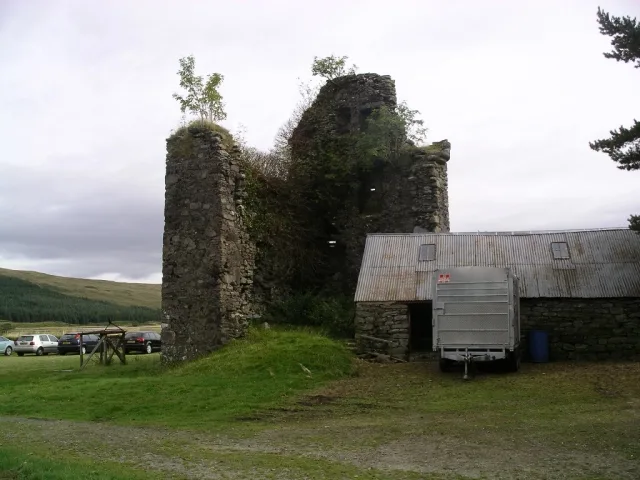 📷 3
📷 3Castles · Central Scotland
Achallader Castle
Achallader Castle — castle in Argyll and Bute, Scotland, UK.
Frequently asked questions
- Where is Scone Palace?
- Scone Palace is in central Scotland, United Kingdom (postcode PH2 6BD).
- What is Scone Palace?
- Scone Palace — castle owned by the Earl of Mansfield in Perth and Kinross, Scotland, UK.
- How do I get to Scone Palace?
- The nearest railway station is Perth, about 3.5 km away. The nearest town is Perth. Drivers can use postcode PH2 6BD.
- Who owns Scone Palace?
- Scone Palace is owned by David William Murray, 3rd Earl of Mansfield.
- Is Scone Palace a listed building?
- Scone Palace is officially recognised as category A listed building listed.
- Does Scone Palace charge admission?
- Scone Palace typically charges admission. Check the official site for current ticket prices and opening hours.
- How do I get to Scone Palace?
- The nearest railway station is Perth, about 3.5 km away. Drivers can navigate to postcode PH2 6BD.