
Observatories · London
Royal Observatory
Also known as: Arsyllfa Frenhinol Greenwich, Réadlann Ríoga Greenwich
In or near City of London.
Royal Observatory — a Grade I-listed observatory in england-london, United Kingdom.

Andres Rueda — CC BY 2.0 via Wikimedia Commons licence

Plan your visit
- Typical visit
- 1.5 h–2.5 h
- Best time of year
- Moonless winter nights (Oct–Mar)
- Nearest railway station
- Maze Hill · 0.6 km
- Wheelchair accessible
Getting there & planning your visit
The Royal Observatory is located in Greenwich, London, with the postcode SE10 8XJ. The nearest railway station is Maze Hill, which is 0.6 km away. The observatory is wheelchair accessible.
About
Royal Observatory is a Grade I-listed building in england-london, United Kingdom. Grade I status is conferred by Historic England (or Cadw, Historic Environment Scotland or NIEA equivalents) on buildings of exceptional national interest. See the linked Wikipedia article for full historical and architectural details.
Photo gallery
Summary from the official site
The Royal Observatory Greenwich is renowned as the location of the historic Prime Meridian, which divides the eastern and western hemispheres. Visitors can explore the significance of the Prime Meridian in navigation and astronomy, and see various historical instruments used for astronomical observations.
Read more on the official property page.
From the Wikipedia article
The Royal Observatory, Greenwich (ROG; known as the Old Royal Observatory from 1957 to 1998, when the working Royal Greenwich Observatory, RGO, temporarily moved south from Greenwich to Herstmonceux) is an observatory situated on a hill in Greenwich Park in south east London, overlooking the River Thames to the north. It played a major role in the history of astronomy and navigation, and because the Prime Meridian passed through it, it gave its name to Greenwich Mean Time, the precursor to today's Coordinated Universal Time (UTC). The ROG has the IAU observatory code of 000, the first in the list. ROG, the National Maritime Museum, the Queen's House and the clipper ship Cutty Sark are collectively designated Royal Museums Greenwich. The observatory was commissioned in 1675 by King Charles II, with the foundation stone being laid on 10 August. The old hilltop site of Greenwich Castle was chosen by Sir Christopher Wren, a former Savilian Professor of Astronomy; as Greenwich Park was a royal estate, no new land needed to be bought. At that time the King also created the position of Astronomer Royal, to serve as the director of the observatory and to "apply himself with the most exact care and diligence to the rectifying of the tables of the motions of the heavens, and the places of the fixed stars, so as to find out the so much desired longitude of places for the perfecting of the art of navigation." He appointed John Flamsteed as the first Astronomer Royal. The building was completed in the summer of 1676. The building was often called "Flamsteed House", in reference to its first occupant. The scientific work of the observatory was relocated elsewhere in stages in the first half of the 20th century, and the Greenwich site is now maintained almost exclusively as a museum, although the Annie Maunder Astrographic Telescope (AMAT) telescope became operational for astronomical research in 2018.
Excerpt from Wikipedia under CC BY-SA 4.0. See the source article linked in Sources below.
Background
History
The establishment of a Royal Observatory was proposed in 1674 by Sir Jonas Moore who, in his role as Surveyor-General of the Ordnance, persuaded King Charles II to create the observatory, with John Flamsteed installed as its director. The Ordnance Office was given responsibility for building the Observatory, with Moore providing the key instruments and equipment for the observatory at his own personal cost. Flamsteed House, the original part of the Observatory, was designed by Sir Christopher Wren, probably assisted by Robert Hooke, and was the first purpose-built scientific research facility in Britain. It was built for a cost of £520 (£20 over budget; ) out of largely recycled materials…
Architecture
's map of the southern celestial hemisphere, ]] There had been significant buildings on this land since the reign of William I. Greenwich Palace, on the site of the present-day National Maritime Museum, was the birthplace of both Henry VIII and his daughters Mary I and Elizabeth I; the Tudors used Greenwich Castle, which stood on the hilltop that the Observatory presently occupies, as a hunting lodge. Greenwich Castle was reportedly a favourite place for Henry VIII to house his mistresses, so that he could easily travel from the Palace to see them. In 1676 the main building of the observatory, now known as Flamsteed House, was completed on Greenwich hill.
Description
, East Sussex]] After the Second World War, in 1947, the decision was made to move the Royal Observatory to Herstmonceux Castle and 320 adjacent acres (1.3 km<sup>2</sup>), 70 km south-southeast of Greenwich near Hailsham in East Sussex, due to light pollution in London. The Observatory was officially known as the Royal Greenwich Observatory, Herstmonceux. Although the Astronomer Royal Harold Spencer Jones moved to the castle in 1948, the scientific staff did not move until the observatory buildings were completed, in 1957. Shortly thereafter, other previously dispersed departments were reintegrated at Herstmonceux, such as the Nautical Almanac Office, Chronometer Department, the library,…
Sourced from Wikipedia under CC BY-SA 4.0.
- Coordinates
- 51.4778, -0.0014
- District
- Greenwich
- Parish
- Greenwich, unparished area
- Postcode
- SE10 8XJ
- Parliamentary constituency
- Greenwich and Woolwich
- Established
- 1675
- Nearest railway station
- Maze Hill — 0.6 km
Sources
- wikidata: Q192988 (CC0)
- wikipedia: Royal Observatory, Greenwich (CC BY-SA 4.0)
Featured in this guide
Other places nearby

Transit House at the Royal Observatory, Greenwich
Historic houses · 0.0 km

Prime Meridian Line
Public art & sculpture · 0.0 km

Greenwich Meridian
Natural landmarks · 0.0 km

Shepherd Gate Clock
Historic houses · 0.0 km

The Dolphin Sundial
Public art & sculpture · 0.0 km

Dolphin Sundial
Heritage railway stations · 0.0 km
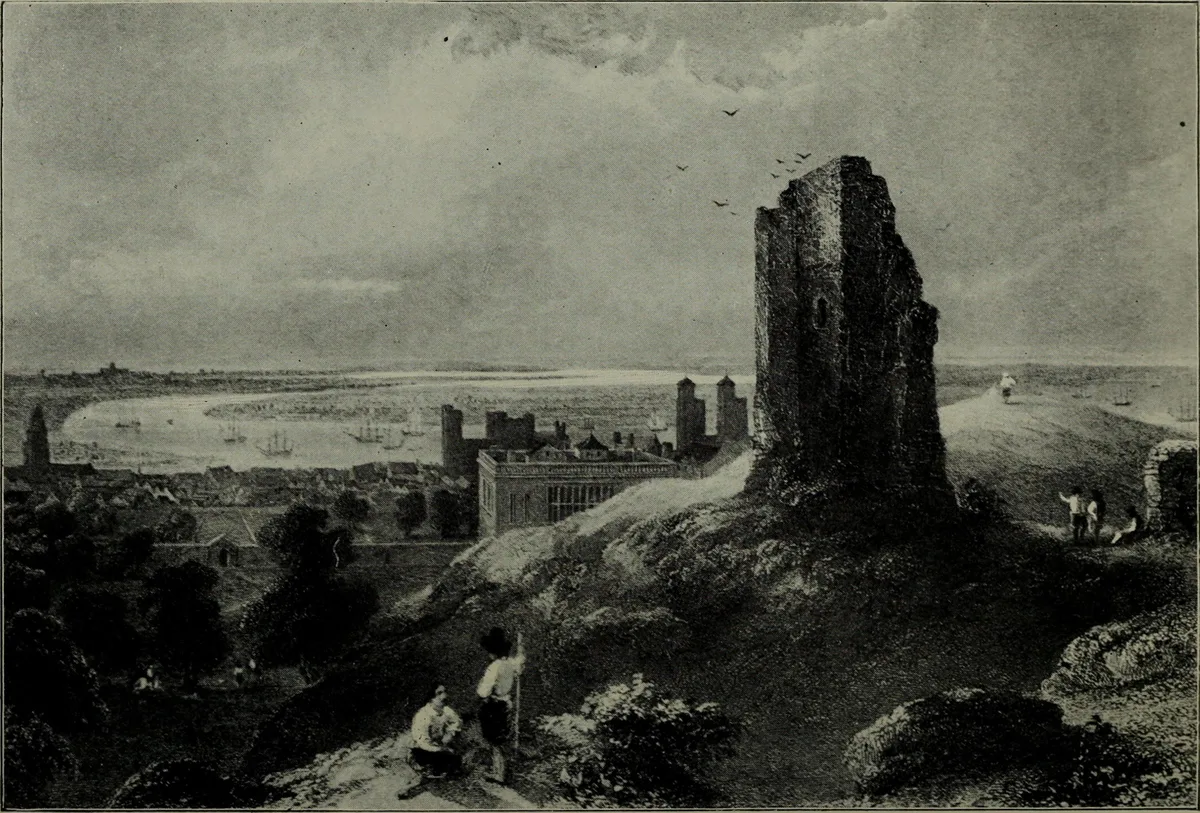
Greenwich Castle
Castles · 0.0 km

James Wolfe
Memorials & monuments · 0.0 km

General James Wolfe Statue
Memorials & monuments · 0.0 km

Royal Observatory Greenwich
Museums · 0.1 km
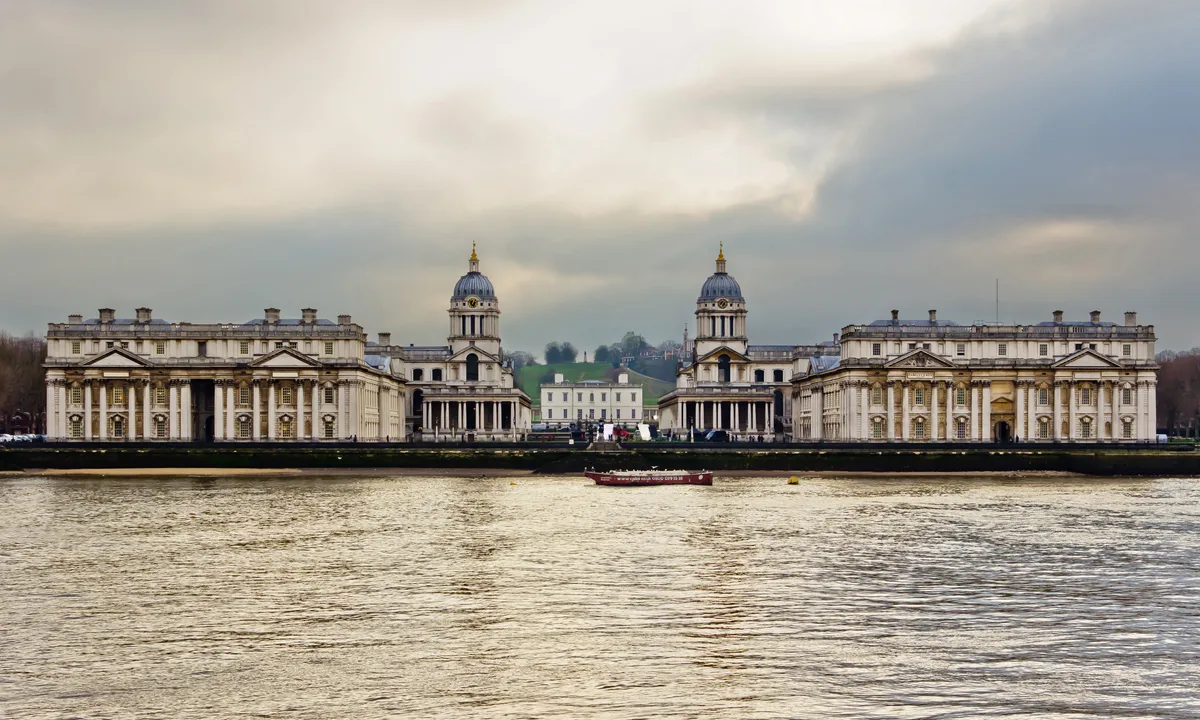
Maritime Greenwich
UNESCO World Heritage · 0.1 km

Royal Museums Greenwich
UNESCO World Heritage · 0.1 km
Nearby
📷 5Historic houses · London
Transit House at the Royal Observatory, Greenwich
Transit House at the Royal Observatory, Greenwich — Grade I listed house in Royal Borough of Greenwich, United Kingdom.
📷 5Public art & sculpture · London
Prime Meridian Line
Prime Meridian Line — a public art in england-london, United Kingdom.
📷 5Natural landmarks · London
Greenwich Meridian
Greenwich Meridian — a other in england-london, United Kingdom.
Flagship📷 5Historic houses · London
Shepherd Gate Clock
Shepherd Gate Clock — a Grade I-listed historic house in england-london, United Kingdom.
📷 5Public art & sculpture · London
The Dolphin Sundial
The Dolphin Sundial in England London, United Kingdom.
📷 5Where to eat & stay near Royal Observatory
Places to stay
 📷 7
📷 7Hotels · London
Greenwich Novotel
Greenwich Novotel — a hotel in england london.
 📷 7
📷 7Hotels · London
Travelodge Greenwich High Road
Travelodge Greenwich High Road — a hotel in england london. 3-star. Brand: Travelodge.
 📷 7
📷 7 📷 5
📷 5Hotels · London
DoubleTree by Hilton London Greenwich
DoubleTree by Hilton London Greenwich — a hotel in england london. 4-star. Brand: DoubleTree.
 📷 5
📷 5 📷 7
📷 7Hotels · London
Premier Inn London Lewisham
Premier Inn London Lewisham — a hotel in england london. 3-star. Brand: Premier Inn.
Places to eat & drink
 📷 7
📷 7Cafés · London
The Pavilion Café
The Pavilion Café — a café in england london. Cuisine: italian pizza;tea;cake;sandwich;coffee shop;ice cream.
 📷 5
📷 5Cafés · London
Ignatius Sancho Café
Ignatius Sancho Café — a café in england london.
 📷 5
📷 5Historic pubs · London
Trafalgar Tavern
Trafalgar Tavern in England London, United Kingdom.
 📷 7
📷 7Historic pubs · London
Hare and Billet
Hare and Billet in England London, United Kingdom.
 📷 5
📷 5Historic pubs · London
The Waterman's Arms
The Waterman's Arms — Historic pub — listed building or notable heritage status.
 📷 6
📷 6Historic pubs · London
Sun in the Sands
Sun in the Sands in England London, United Kingdom.
Other works by Christopher Wren
.jpg?width=1200) 📷 5
📷 5Historic houses · London
11 Downing Street
11 Downing Street — Grade I listed house in City of Westminster, United Kingdom.
 📷 5
📷 5Historic churches · London
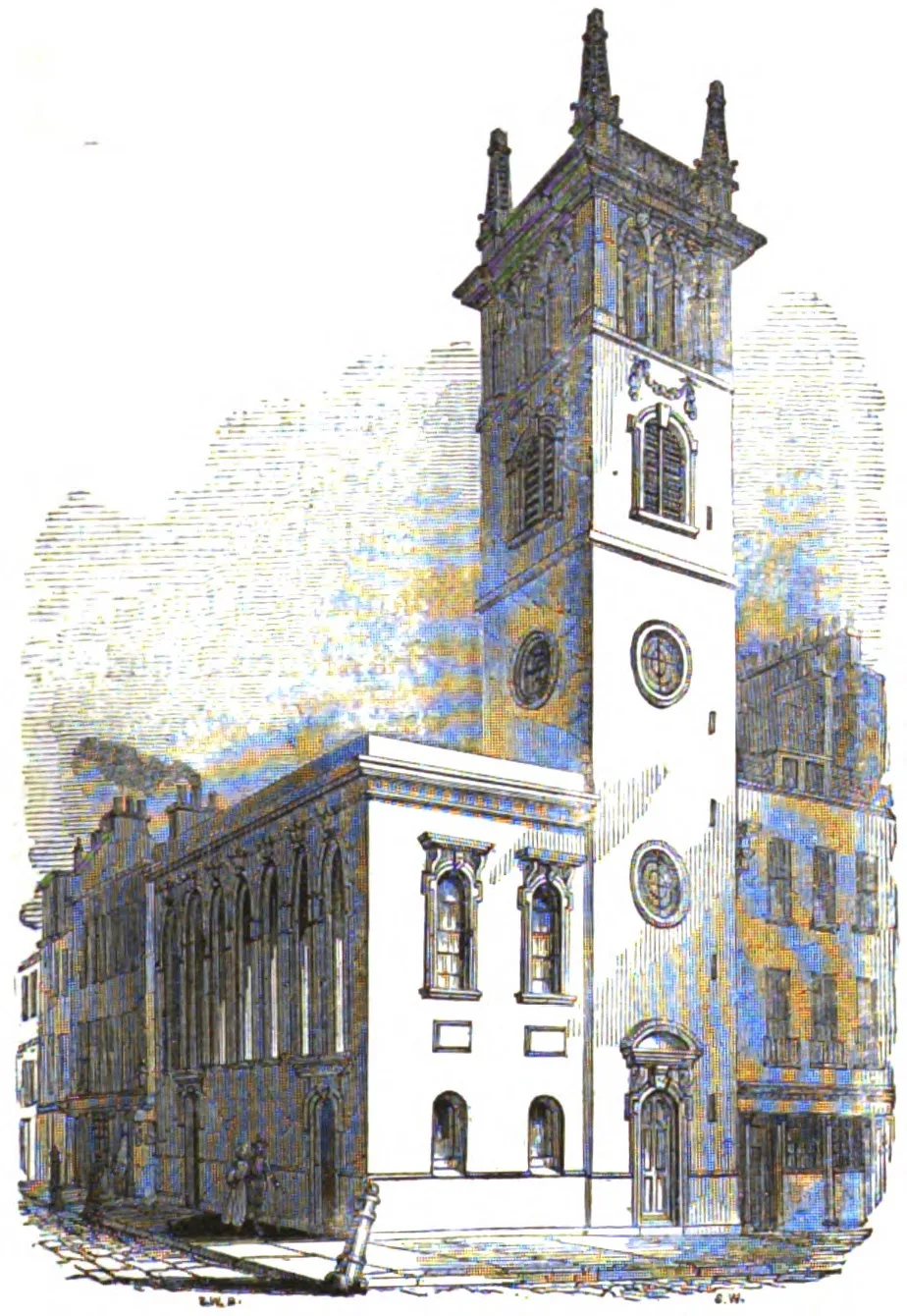
All Hallows Bread Street
All Hallows Bread Street — church in City of London, UK.
 📷 5
📷 5Historic churches · London
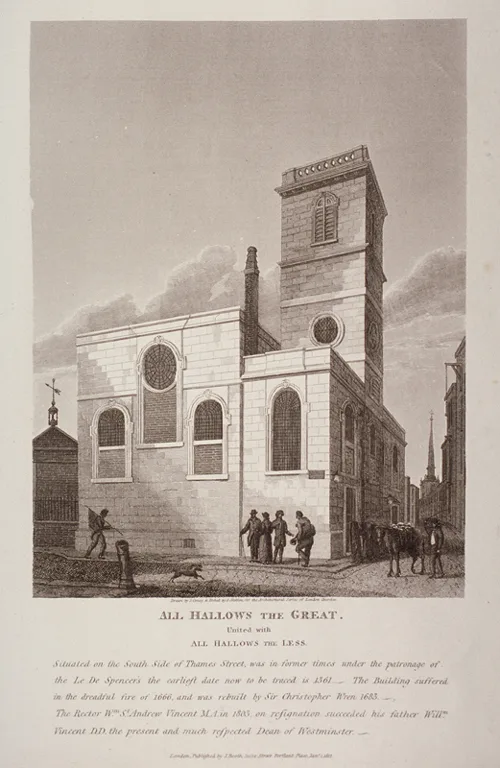
All-Hallows-the-Great
All-Hallows-the-Great — church in City of London, UK.
 📷 5
📷 5Chapels · London
Boone's Chapel
Boone's Chapel — Grade I listed chapel in London Borough of Lewisham, United Kingdom.
More places in this region
 📷 5
📷 5Observatories · London
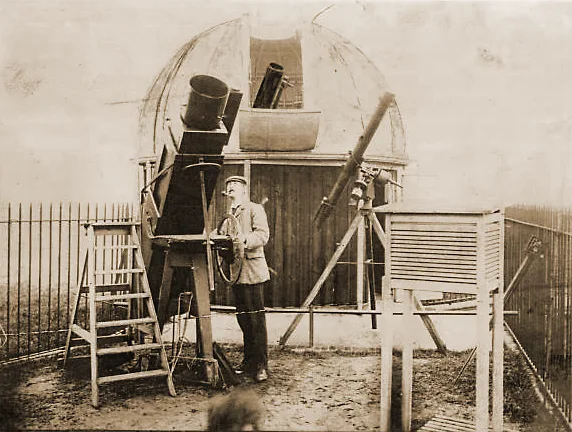
Hampstead Observatory
Hampstead Observatory is a observatory in the United Kingdom.
Frequently asked questions
- Where is Royal Observatory?
- Royal Observatory is in London, United Kingdom (postcode SE10 8XJ), in the parish of Greenwich, unparished area.
- What is Royal Observatory?
- Royal Observatory — a Grade I-listed observatory in england-london, United Kingdom.
- How do I get to Royal Observatory?
- The nearest railway station is Maze Hill, about 0.6 km away. The nearest town is City of London. Drivers can use postcode SE10 8XJ.
- When was Royal Observatory built?
- Built or established in 1675. Designed by Christopher Wren.
- Is Royal Observatory a listed building?
- Royal Observatory is officially recognised as Grade I listed.
- How do I get to Royal Observatory?
- The nearest railway station is Maze Hill, about 0.6 km away. Drivers can navigate to postcode SE10 8XJ.