
Castles · South West England
Rougemont Castle
In or near Exeter.
Rougemont Castle — castle in Exeter, Devon, England, UK.

Wikimedia Commons contributors — see linked file page for photographer and licence licence
.jpg)
Plan your visit
- Typical visit
- 1.5 h–3 h
- Nearest railway station
- Exeter Central · 0.2 km
- Family-friendly
- Wheelchair accessible
Getting there & planning your visit
To visit Rougemont Castle, the nearest railway station is Exeter Central, located 0.2 km away. Entry is free, and the site is wheelchair accessible. The postcode for sat-nav is EX4 3PU.
About
Rougemont Castle is a castle in the United Kingdom — fortified architecture from the medieval, Tudor, or Victorian-revival period. Heritage designation: scheduled monument. Address: http://www.wikidata.org/entity/Q68362811. Wikidata describes it as: "castle in Exeter, Devon, England, UK". Coordinates: 50.7261°, -3.5303°.
Photo gallery
Heritage listing
Rougemont Castle, also known as Exeter Castle, is the historic castle of the city of Exeter, Devon, England. It was built into the northern corner of the Roman city walls starting in or shortly after the year 1068, following Exeter's rebellion against William the Conqueror. In 1136 it was besieged for three months by King Stephen. An outer bailey, of which little now remains, was added later in the 12th century. The castle is mentioned in Shakespeare's play Richard III in a reference to that king's visit to Exeter in 1483. Devon's county court was located here from at least 1607, and the three Devon Witches—the last people in England to be executed for witchcraft—were tried and convicted at the Exeter Assizes in 1682.
From the Historic England List Entry under OGL v3.
From the Wikipedia article
Rougemont Castle, also known as Exeter Castle, is the historic castle of the city of Exeter, Devon, England. It was built into the northern corner of the Roman city walls starting in or shortly after the year 1068, following Exeter's rebellion against William the Conqueror. In 1136 it was besieged for three months by King Stephen. An outer bailey, of which little now remains, was added later in the 12th century. The castle is mentioned in Shakespeare's play Richard III in a reference to that king's visit to Exeter in 1483. Devon's county court was located here from at least 1607, and the three Devon Witches—the last people in England to be executed for witchcraft—were tried and convicted at the Exeter Assizes in 1682. All the buildings inside the walls were swept away in the 1770s to make way for a new courthouse, which was extended by the addition of wings in 1895 and 1905. Because of its function as a court, the interior of the castle was not open to the public until the court moved to a new site in 2004. The entire site was later sold to a developer whose stated aim was to transform it into "the Covent Garden of the South West". The castle is named after the red stone found in the hill, and used in the construction of the original buildings, of which the large early Norman gatehouse is the main remaining feature. It is surrounded on three sides by the Rougemont Gardens and Northernhay Gardens, public parks now maintained by Exeter City Council.
Excerpt from Wikipedia under CC BY-SA 4.0. See the source article linked in Sources below.
Background
Architecture
Old England: A Pictorial Museum, 1845]] After the Norman Conquest of 1066, Gytha, mother of the defeated King Harold, was living in Exeter and this may have caused the city to become a centre of resistance to William the Conqueror. Another reason for discontent may have been William's insistence that the city's traditional annual tribute of £18 must be increased. After Exeter's citizens rejected William's demand that they should swear an oath of fealty to him, he marched to the city in 1068 and laid siege to it for 18 days before it capitulated. The citizens of Exeter had been able to withstand William's siege thanks to the city wall, which had been first built by the Romans and extensively…
Description
In 1136, Baldwin de Redvers seized the castle as part of his rebellion against King Stephen. Although Stephen's army moved quickly to besiege the castle, Redvers was able to resist for three months until the failure of his water supply, which had been provided by a well and probably a rainwater cistern. It is possible that the absence of an eastern tower to match Athelstan's Tower is due to its destruction by undermining during this siege, and the discovery in c. 1930 of a short section of crudely built tunnel leading towards this point of the wall has been interpreted as associated with this event. It is also likely that the barbican was captured and destroyed at this time. After Stephen's…
Sourced from Wikipedia under CC BY-SA 4.0.
- Coordinates
- 50.7261, -3.5303
- County
- Devon
- District
- Exeter
- Parish
- Exeter, unparished area
- Postcode
- EX4 3PU
- Parliamentary constituency
- Exeter
- Nearest railway station
- Exeter Central — 0.2 km
Sources
- wikidata: Q7370785 (CC0)
- wikipedia: Rougemont Castle (CC BY-SA 4.0)
- commons: Rougemont Castle gatehouse, 2010 (cropped).jpg (CC BY-SA 4.0)
Other places nearby
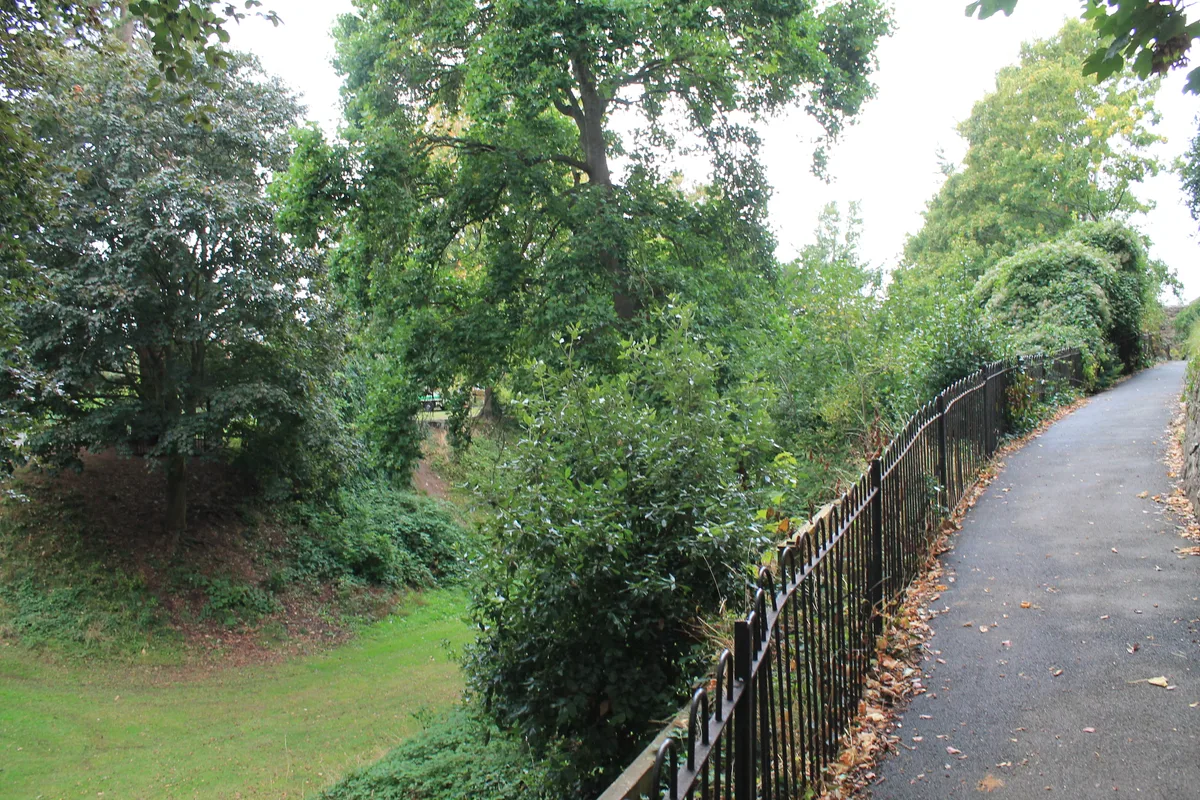
Rougemont Gardens
Country parks · 0.1 km

Rougemont House
Historic houses · 0.1 km

Devonshire Volunteers Memorial
Memorials & monuments · 0.1 km

Exeter War Memorial
Memorials & monuments · 0.1 km

11th Earl of Devon
Memorials & monuments · 0.1 km

Stafford Northcote
Memorials & monuments · 0.1 km
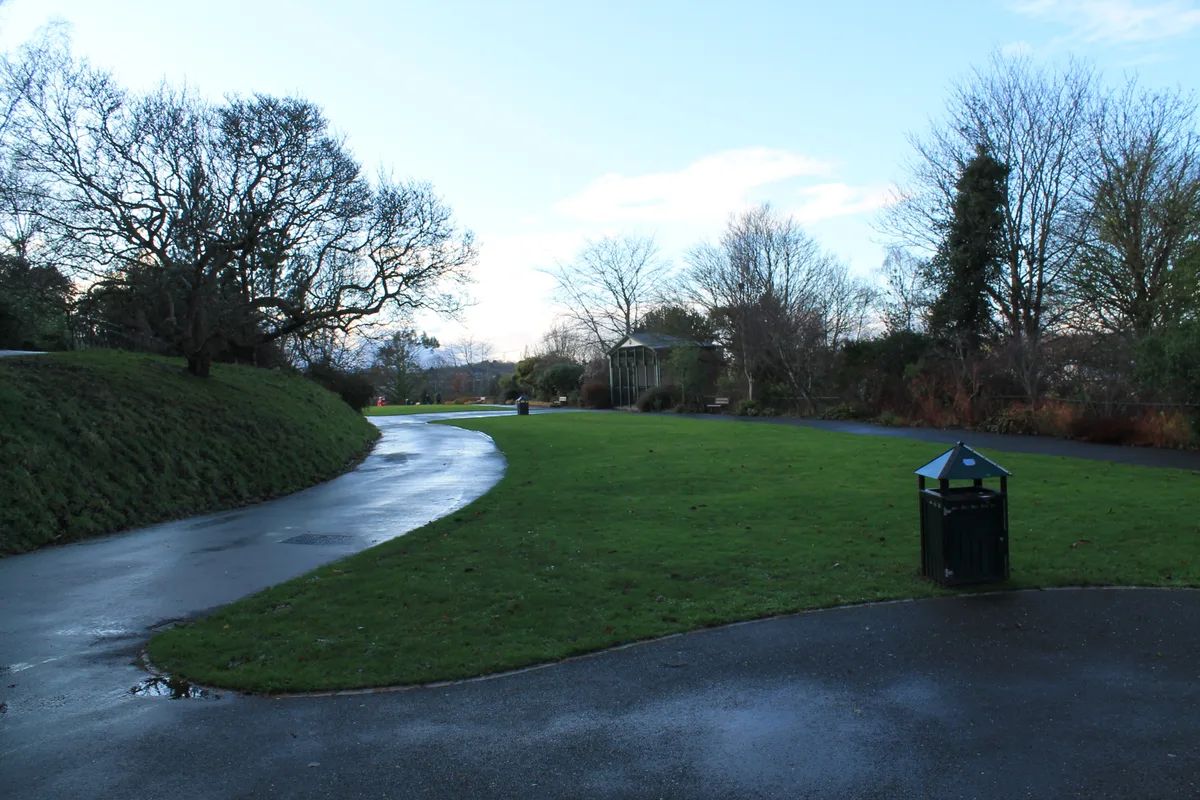
Northernhay Gardens
Country parks · 0.1 km

The Deerstalker
Heritage railway stations · 0.1 km

Sir Thomas Dyke Acland
Memorials & monuments · 0.1 km

Studio 74
Cinemas · 0.1 km

The Deerstalker
Public art & sculpture · 0.1 km
John Dinham
Memorials & monuments · 0.1 km
Nearby
📷 3Country parks · South West England
Rougemont Gardens
Rougemont Gardens — gardens adjacent to Rougemont Castle.
📷 3Historic houses · South West England
Rougemont House
Rougemont House — house in Exeter, Devon, England, UK.
📷 3Memorials & monuments · South West England
Devonshire Volunteers Memorial
Devonshire Volunteers Memorial — a memorial in england-south-west, United Kingdom.
📷 5Memorials & monuments · South West England
Exeter War Memorial
Exeter War Memorial — War memorial, dating to 1923.
📷 3Memorials & monuments · South West England
11th Earl of Devon
11th Earl of Devon — a memorial in england-south-west, United Kingdom.
📷 5Memorials & monuments · South West England
Stafford Northcote
Stafford Northcote — a memorial in england-south-west, United Kingdom.
Where to eat & stay near Rougemont Castle
Places to stay
 📷 7
📷 7Hotels · South West England
The City Gate
The City Gate — a hotel in england south west.
 📷 5
📷 5Hotels · South West England
The Queens Court Hotel
The Queens Court Hotel — a hotel in england south west.
 📷 7
📷 7Hotels · South West England
The White Hart Hotel
The White Hart Hotel — a hotel in england south west.
 📷 5
📷 5Hostels · South West England
Globe Backpackers Hostel
Globe Backpackers Hostel — a hostel in england south west.
 📷 7
📷 7Hotels · South West England
The Seven Stars Hotel
The Seven Stars Hotel — a hotel in england south west.
 📷 5
📷 5Campsites · South West England
Exeter View Stables
Exeter View Stables — a campsite in england south west.
Places to eat & drink
 📷 5
📷 5Historic pubs · South West England
The Black Horse Inn
The Black Horse Inn in England South West, United Kingdom.
 📷 6
📷 6Historic pubs · South West England
16 And 17, Cathedral Yard
16 And 17, Cathedral Yard in England South West, United Kingdom.
 📷 7
📷 7Historic pubs · South West England
Turk's Head Public House
Turk's Head Public House in England South West, United Kingdom.
 📷 5
📷 5Restaurants · South West England
Cosy Club
Cosy Club — a restaurant in england south west. Cuisine: british. Brand: Cosy Club.
 📷 7
📷 7Historic pubs · South West England
Imperial Hotel
Imperial Hotel in England South West, United Kingdom.
 📷 5
📷 5Restaurants · South West England
On The Waterfront
On The Waterfront — a restaurant in england south west.
More castles in this region
 Flagship📷 10
Castles · South West England
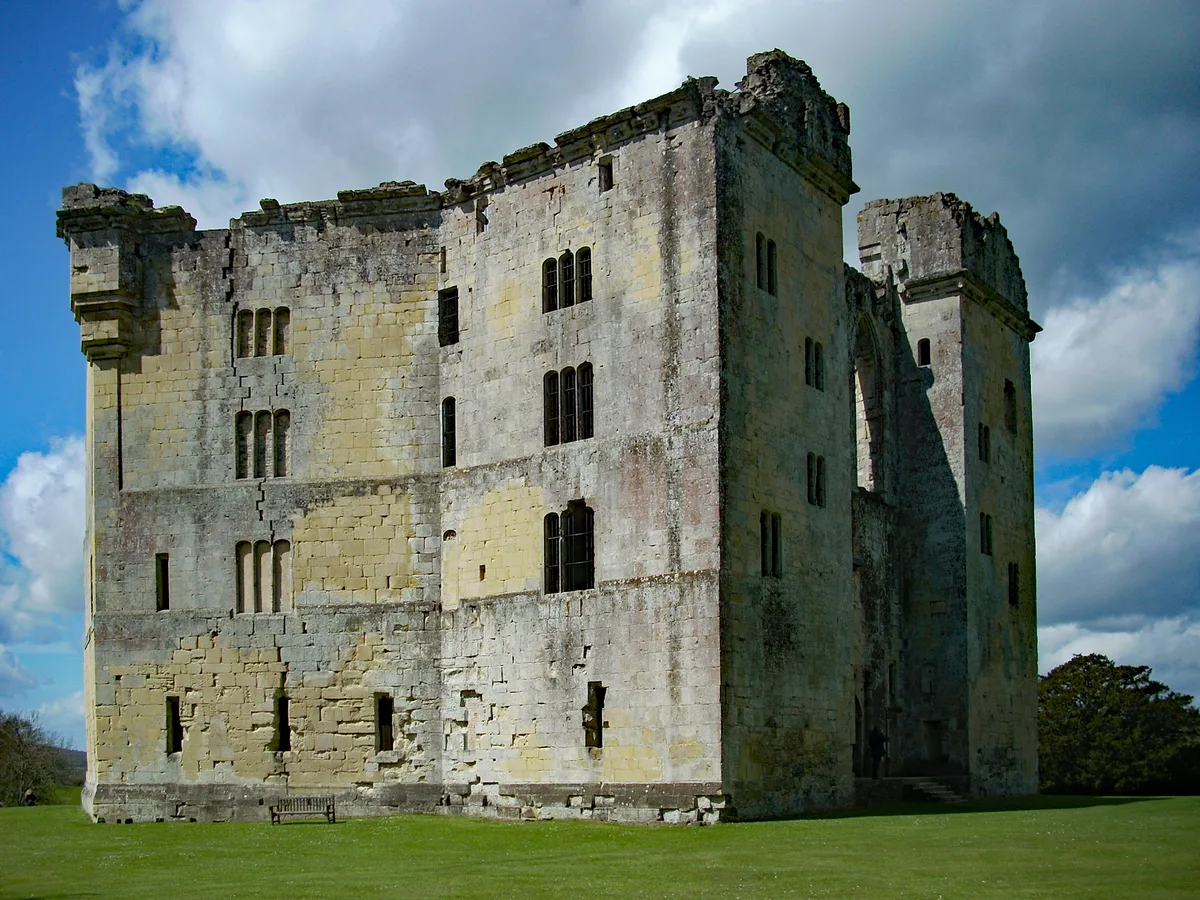
Old Wardour Castle
Old Wardour Castle — Grade I listed castle in Wardour, Wiltshire, England, UK.
 📷 5
📷 5Castles · South West England
Ballands Castle
Ballands Castle — former castle in Somerset, England, UK.
 📷 5
📷 5Castles · South West England
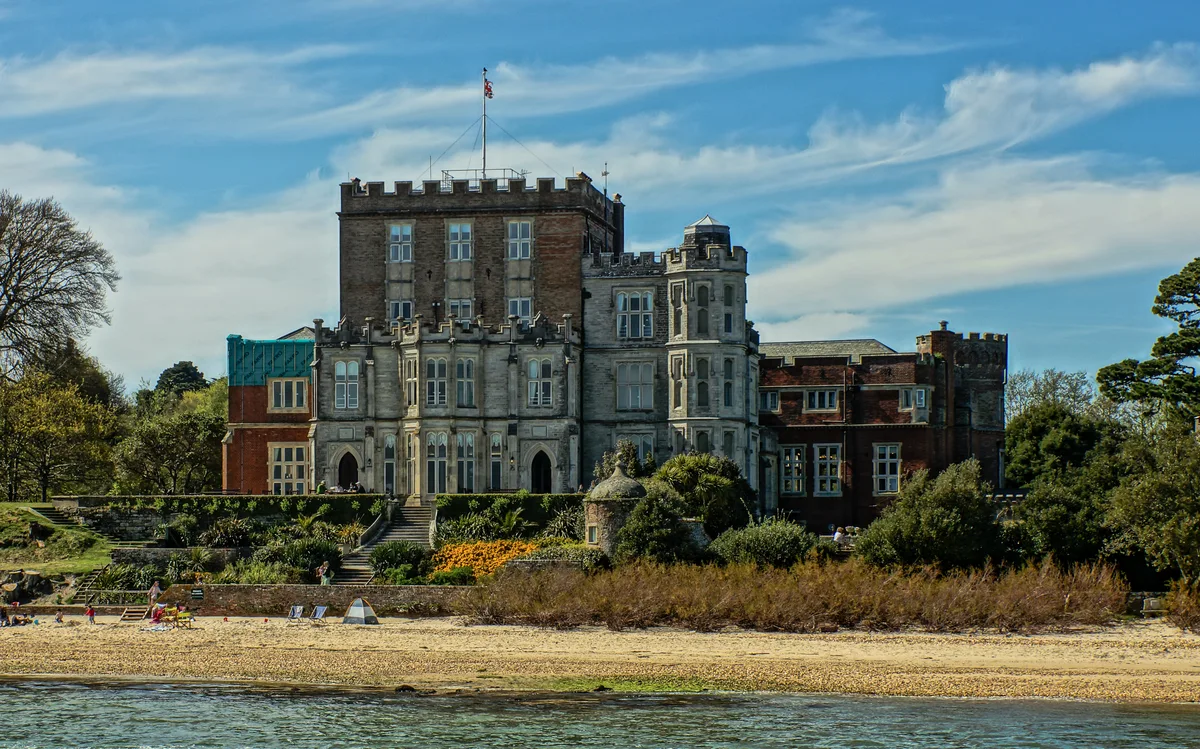
Brownsea Castle
Brownsea Castle — grade II listed Device Fort in Purbeck, United Kingdom.
 📷 5
📷 5Frequently asked questions
- Where is Rougemont Castle?
- Rougemont Castle is in Devon, South-West England, United Kingdom (postcode EX4 3PU), in the parish of Exeter, unparished area.
- What is Rougemont Castle?
- Rougemont Castle — castle in Exeter, Devon, England, UK.
- How do I get to Rougemont Castle?
- The nearest railway station is Exeter Central, about 0.2 km away. The nearest town is Exeter. Drivers can use postcode EX4 3PU.
- Is Rougemont Castle a listed building?
- Rougemont Castle is officially recognised as scheduled monument listed.
- Does Rougemont Castle charge admission?
- Rougemont Castle typically charges admission. Check the official site for current ticket prices and opening hours.
- How do I get to Rougemont Castle?
- The nearest railway station is Exeter Central, about 0.2 km away. Drivers can navigate to postcode EX4 3PU.