
Historic bridges · North West England
Rolling Bridge Over Ulverston Canal And Associated Accumulator Tower
In or near Swarthmoor.
Rolling Bridge Over Ulverston Canal And Associated Accumulator Tower — Grade II listed building-listed bridge in england-north-west, United Kingdom.

habiloid — CC BY-SA 2.0 via Wikimedia Commons licence

Plan your visit
- Typical visit
- 15 min–30 min
- Nearest railway station
- Ulverston · 2.0 km
- Paid entry
- Dog-friendly
Getting there & planning your visit
To visit the Rolling Bridge Over Ulverston Canal and Associated Accumulator Tower, the nearest railway station is Ulverston, located 2 km away. The postcode for navigation is LA12 7QR, and please note that entry is paid. Accessibility details are not provided.
About
Rolling Bridge Over Ulverston Canal And Associated Accumulator Tower is a Grade II listed building-listed bridge in england-north-west, United Kingdom, registered on the National Heritage List for England (NHLE entry 1404328). Listed status protects buildings and structures of special architectural or historic interest. See the linked Wikipedia article for further details.
Photo gallery
Heritage listing
Ulverston Canal rolling bridge is a disused railway bridge which crosses the Ulverston Canal in Cumbria, England. The railway line opened in 1882 to provide an alternative route around the coast to Barrow-in-Furness, but the line never passed Conishead Priory just south of the canal. Passenger services soon stopped on the branch, though freight trains continued to use it until the 1990s. The bridge is still extant and is now grade II listed; it is believed to be the only example of its type (19th century origin) in England, though a contemporary bridge at Keadby from the 20th century is still in daily use by the railway.
From the Historic England List Entry under OGL v3.
Protected designations
- Site of Special Scientific Interest: Morecambe Bay SSSI
- Ramsar wetland: Morecambe Bay
Designations sourced from Natural England open data under OGL v3.
From the Wikipedia article
Ulverston Canal rolling bridge is a disused railway bridge which crosses the Ulverston Canal in Cumbria, England. The railway line opened in 1882 to provide an alternative route around the coast to Barrow-in-Furness, but the line never passed Conishead Priory just south of the canal. Passenger services soon stopped on the branch, though freight trains continued to use it until the 1990s. The bridge is still extant and is now grade II listed; it is believed to be the only example of its type (19th century origin) in England, though a contemporary bridge at Keadby from the 20th century is still in daily use by the railway.
Excerpt from Wikipedia under CC BY-SA 4.0. See the source article linked in Sources below.
Background
History
In July 1882, the first section of the Bardsea branch railway opened south from Plumpton Junction on the Furness Railway in Cumbria. The line was initially intended to act as a new route around the coast to Barrow-in-Furness, avoiding the need for trains to be banked up the gradient at Lindal-in-Furness. The crossing of Ulverston Canal required a bridge, but due to weight and length considerations, a rolling bridge was decided upon as a swing bridge would weigh 140 tonne, and be at least 112 ft long. A traversing bridge would be of similar dimensions, but additionally the machinery for such a bridge would have been more expensive. The steel-girder bridge, which crosses the canal on a skew…
Sourced from Wikipedia under CC BY-SA 4.0.
- Coordinates
- 54.1936, -3.0679
- District
- Westmorland and Furness
- Parish
- Ulverston
- Postcode
- LA12 7QR
- Parliamentary constituency
- Barrow and Furness
- Established
- 1882
- Nearest railway station
- Ulverston — 2 km
Sources
- wikidata: Q26675679 (CC0)
- wikipedia: Ulverston Canal rolling bridge (CC BY-SA 4.0)
Other places nearby

Ulverston Canal
Canals · 0.1 km

Shed One
Distilleries · 1.0 km
.jpg?width=1200)
Plumpton Hall
Historic houses · 1.1 km

Ulverston Auction Mart
Farmers’ markets · 1.1 km

The Wall
Indoor climbing centres · 1.3 km

Hoad Hill
Mountains & hills · 1.4 km

Sir John Barrow Monument
Memorials & monuments · 1.4 km

Ulverston
Museums · 1.4 km

Lightburn Park Railway
Heritage railways · 1.5 km

Sir John Barrow Cottage
Museums · 1.5 km
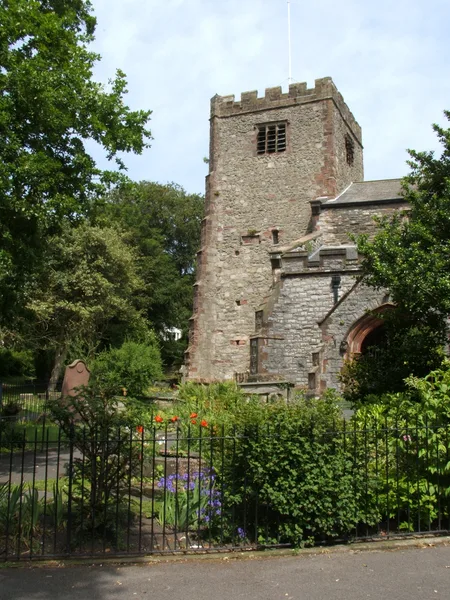
St Mary's Church, Ulverston
Historic churches · 1.6 km

Oddfellows Hall
Memorials & monuments · 1.6 km
Nearby
📷 3📷 3Distilleries · North West England
Shed One
Shed One — Whisky/spirit distillery.
📷 3Historic houses · North West England
Plumpton Hall
Plumpton Hall — house in Egton with Newland, South Lakeland, England, UK.
📷 5Farmers’ markets · North West England
Ulverston Auction Mart
Ulverston Auction Mart — a UK farmers' market in england north west.
📷 3Indoor climbing centres · North West England
The Wall
The Wall — a indoor climbing in england-north-west, United Kingdom.
📷 5Mountains & hills · North West England
Hoad Hill
Hoad Hill — mountain in england north west. Elevation: 133 m.
Where to eat & stay near Rolling Bridge Over Ulverston Canal And Associated Accumulator Tower
Places to stay
 📷 5
📷 5B&Bs · North West England
Town House B&B
Town House B&B — a bed-and-breakfast in england north west.
📷 5B&Bs · North West England
Sefton House
Sefton House — a bed-and-breakfast in england north west.
 📷 5
📷 5Hotels · North West England
Lonsdale House Hotel
Lonsdale House Hotel — a hotel in england north west.
 📷 5
📷 5Caravan parks · North West England
Bardsea Leisure Park
Bardsea Leisure Park — a caravan park in england north west.
 📷 5
📷 5Hotels · North West England
Swarthmoor Hall
Swarthmoor Hall — a hotel in england north west.
 📷 5
📷 5Caravan parks · North West England
Old Park Wood
Old Park Wood — a caravan park in england north west.
Places to eat & drink
 📷 5
📷 5Historic pubs · North West England
Hoppers Public House
Hoppers Public House in England North West, United Kingdom.
 📷 4
📷 4Restaurants · North West England
L'Enclume
L'Enclume (pronounced [lɑ̃.klym], French for "the anvil") is a Modern British restaurant opened in 2002 in Cartmel, Cumbria, England, run by the chef Simon Rogan and his partner, Penny Tapsell. L'Encl
 📷 5
📷 5Restaurants · North West England
L'Enclume
L'Enclume — a restaurant in england north west.
 📷 5
📷 5Historic pubs · North West England
Chappells Tavern
Chappells Tavern in England North West, United Kingdom.
 📷 7
📷 7 📷 5
📷 5Historic pubs · North West England
Furness Abbey Hotel
Furness Abbey Hotel in England North West, United Kingdom.
More bridges in this region
 📷 3
📷 3Historic bridges · North West England
Albert Bridge
Albert Bridge is a historic bridge in the United Kingdom.
 📷 3
📷 3Historic bridges · North West England
Arpley New Bridge
Arpley New Bridge is a historic bridge in the United Kingdom.
 📷 3
📷 3Historic bridges · North West England
Arpley Railway Bridge
Arpley Railway Bridge is a historic bridge in the United Kingdom.
 📷 5
📷 5Historic bridges · North West England
Barton Road Bridge
Barton Road Bridge is a historic bridge in the United Kingdom.
Frequently asked questions
- Where is Rolling Bridge Over Ulverston Canal And Associated Accumulator Tower?
- Rolling Bridge Over Ulverston Canal And Associated Accumulator Tower is in North-West England, United Kingdom (postcode LA12 7QR), in the parish of Ulverston.
- What is Rolling Bridge Over Ulverston Canal And Associated Accumulator Tower?
- Rolling Bridge Over Ulverston Canal And Associated Accumulator Tower — Grade II listed building-listed bridge in england-north-west, United Kingdom.
- How do I get to Rolling Bridge Over Ulverston Canal And Associated Accumulator Tower?
- The nearest railway station is Ulverston, about 2.0 km away. The nearest town is Swarthmoor. Drivers can use postcode LA12 7QR.
- When was Rolling Bridge Over Ulverston Canal And Associated Accumulator Tower built?
- Built or established in 1882.
- Is Rolling Bridge Over Ulverston Canal And Associated Accumulator Tower a listed building?
- Rolling Bridge Over Ulverston Canal And Associated Accumulator Tower is officially recognised as Grade II listed building listed.
- Is Rolling Bridge Over Ulverston Canal And Associated Accumulator Tower a protected site?
- Yes — Rolling Bridge Over Ulverston Canal And Associated Accumulator Tower is part of the Morecambe Bay SSSI Site of Special Scientific Interest and the Morecambe Bay Ramsar wetland.
- How do I get to Rolling Bridge Over Ulverston Canal And Associated Accumulator Tower?
- The nearest railway station is Ulverston, about 2.0 km away. Drivers can navigate to postcode LA12 7QR.