
Historic libraries · South East England
Radcliffe Camera
In or near Oxford.
Radcliffe Camera — library building in Oxford, United Kingdom.

Wikimedia Commons contributors — see linked file page for photographer and licence licence

Plan your visit
- Typical visit
- 45 min–1.5 h
- Nearest railway station
- Oxford · 1.1 km
- Free entry
- Family-friendly
- Limited wheelchair access
Getting there & planning your visit
To visit the Radcliffe Camera, the nearest railway station is Oxford, located 1.1 km away. The postcode for sat-nav is OX1 4AJ. Please note that wheelchair accessibility is limited.
About
Radcliffe Camera is a historic library in the United Kingdom. Records date its origin to 1748. Designed by James Gibbs. Built in the English Baroque style. Heritage designation: Grade I listed building. Owned by University of Oxford. Named after John Radcliffe. Part of Bodleian Library. Wikidata describes it as: "library building in Oxford, United Kingdom". Coordinates: 51.7534°, -1.2539°.
Photo gallery
Official information
The Radcliffe Camera is a historic building that serves as a reading room for the Bodleian Library in Oxford. It is known for its stunning architecture and is part of the larger Bodleian Library complex, which includes several other significant libraries and collections.
From the Wikipedia article
The Radcliffe Camera (colloquially known as the "Rad Cam" or "The Camera"; from Latin camera, meaning 'room') is a building of the University of Oxford, England, designed by James Gibbs in a Baroque style and built in 1737–49 to house a library, ultimately becoming a reading room, not open to the public, after the library moved out. It is sited to the south of the Old Bodleian, north of the Church of St Mary the Virgin, and between Brasenose College to the west and All Souls College to the east. The Radcliffe Camera's circularity, its position in the heart of Oxford, and its separation from other buildings make it the focal point of the University of Oxford, and as such it is almost always included in shorthand visual representations of the university. The library's construction and maintenance was funded from the estate of John Radcliffe, a physician who left £40,000 upon his death in 1714; the library was not ready to open until 1749. Until 1810, the library housed books covering a wide range of subjects, but under George Williams it was brought up to date from a state of neglect, and focus narrowed to the sciences, although by 1850 the Radcliffe Library still lagged behind the Bodleian. At this point librarian Henry Wentworth Acland arranged for the Radcliffe Library building to merge with the university, and the library's collection to be moved, ultimately to the newly constructed Radcliffe Science Library, a legal deposit member of the Bodleian Libraries; the building became known as the Radcliffe Camera, and used as a reading room for the Bodleian, to which it is connected by a tunnel, and an underground book store.
Excerpt from Wikipedia under CC BY-SA 4.0. See the source article linked in Sources below.
Background
History
John Radcliffe (c.1650–1714) attended University College from the age of thirteen, becoming a fellow of Lincoln College at eighteen. In a successful medical career, his patients included William III and Queen Anne. He built up a large fortune and died childless. He is buried in St. Mary's Church, Oxford. It was known that he intended to build a library in Oxford at least two years before his death in 1714. It was thought that the new building would be an extension westwards of the Selden End of the Bodleian Library. on the site of neighbouring Exeter College, and that the lower storey would be a library for Exeter College and the upper story Radcliffe's Library.
Architecture
The building is the earliest example in England of a circular library. It is built in three main stages externally and two stories internally, the upper one containing a gallery. The ground stage is heavily rusticated and has a series of eight pedimented projections alternating with niches. The central stage is divided into bays by coupled Corinthian columns supporting the continuous entablature. The pedimented windows stand above mezzanine openings, reflecting the interior arrangement. The top stage is a lanterned dome on an octagonal drum, with a balustraded parapet with vases. The construction used local stone from Headington and Burford, which was then ashlar faced. The dome and cupola…
Sourced from Wikipedia under CC BY-SA 4.0.
- Coordinates
- 51.7534, -1.2539
- County
- Oxfordshire
- District
- Oxford
- Parish
- Oxford, unparished area
- Postcode
- OX1 4AJ
- Parliamentary constituency
- Oxford West and Abingdon
- Phone
- +44 (0)1865 277162
- Established
- 1748
- Nearest railway station
- Oxford — 1.1 km
- Opening
- Mo-Fr 09:00-21:00; Sa 10:00-18:00; Su 11:00-19:00
- Official site
- www.bodleian.ox.ac.uk
Sources
- wikidata: Q1602700 (CC0)
- wikipedia: Radcliffe Camera (CC BY-SA 4.0)
- commons: Radcliffe Camera, Oxford - Oct 2006.jpg (CC BY-SA 4.0)
Featured in this guide
Other places nearby

Virgin Mary, William Smyth and Richard Sutton
Public art & sculpture · 0.0 km

Gladstone Link
Historic libraries · 0.0 km

Brasenose College, East Range, The Old Quadrangle
Historic houses · 0.0 km

Brasenose College, Little Cloister, Second Quadrangle
Historic houses · 0.0 km

Brasenose College, South Range, The Old Quadrangle
Historic houses · 0.1 km

Chapel of Brasenose College, Oxford
Chapels · 0.1 km

University Church of St Mary the Virgin
Historic churches · 0.1 km

All Souls College
Natural landmarks · 0.1 km

Brasenose College
Natural landmarks · 0.1 km

Tower of the Five Orders
Natural landmarks · 0.1 km
Bodleian Library Ticket office
Natural landmarks · 0.1 km

Earl of Pembroke
Public art & sculpture · 0.1 km
Nearby
📷 5Public art & sculpture · South East England
Virgin Mary, William Smyth and Richard Sutton
Virgin Mary, William Smyth and Richard Sutton in England South East, United Kingdom.
📷 3📷 3Historic houses · South East England
Brasenose College, East Range, The Old Quadrangle
Brasenose College, East Range, The Old Quadrangle — a Grade I-listed historic house in england-west-midlands, United Kingdom.
📷 3Historic houses · South East England
Brasenose College, Little Cloister, Second Quadrangle
Brasenose College, Little Cloister, Second Quadrangle — a Grade I-listed historic house in england-west-midlands, United Kingdom.
📷 3Historic houses · South East England
Brasenose College, South Range, The Old Quadrangle
Brasenose College, South Range, The Old Quadrangle — a Grade I-listed historic house in england-west-midlands, United Kingdom.
📷 3Chapels · South East England
Chapel of Brasenose College, Oxford
Chapel of Brasenose College, Oxford — Grade I listed chapel in Oxford, United Kingdom.
Where to eat & stay near Radcliffe Camera
Places to stay
 📷 5
📷 5Hotels · South East England
Old Bank Hotel
Old Bank Hotel — a hotel in england west midlands.
 📷 7
📷 7Hotels · South East England
Mercure Oxford Eastgate Hotel
Mercure Oxford Eastgate Hotel — a hotel in england west midlands. Brand: Mercure.
 📷 5
📷 5B&Bs · South East England
St Michael's Guest House
St Michael's Guest House — a bed-and-breakfast in england west midlands.
 📷 7
📷 7Hotels · South East England
Old Parsonage Hotel
Old Parsonage Hotel — a hotel in england west midlands.
 📷 5
📷 5Hostels · South East England
Central Backpackers Oxford
Central Backpackers Oxford — a hostel in england west midlands.
 📷 5
📷 5Hostels · South East England
Oxford Backpackers
Oxford Backpackers — a hostel in england west midlands.
Places to eat & drink
 📷 7
📷 7Historic pubs · South East England
Turf Tavern
Turf Tavern in England South East, United Kingdom.
 📷 6
📷 6Cafés · South East England
The Missing Bean
The Missing Bean — a café in england west midlands.
 📷 5
📷 5Historic pubs · South East England
King's Arms
King's Arms in England South East, United Kingdom.
 📷 5
📷 5Cafés · South East England
Love Coffee Co.
Love Coffee Co. — a café in england west midlands.
 📷 7
📷 7Historic pubs · South East England
Bear Inn
Bear Inn in England South East, United Kingdom.
 📷 5
📷 5Cafés · South East England
Queen's Lane Coffee House
Queen's Lane Coffee House — a café in england west midlands. Cuisine: coffee shop.
Other works by James Gibbs
 📷 5
📷 5Galleries · London
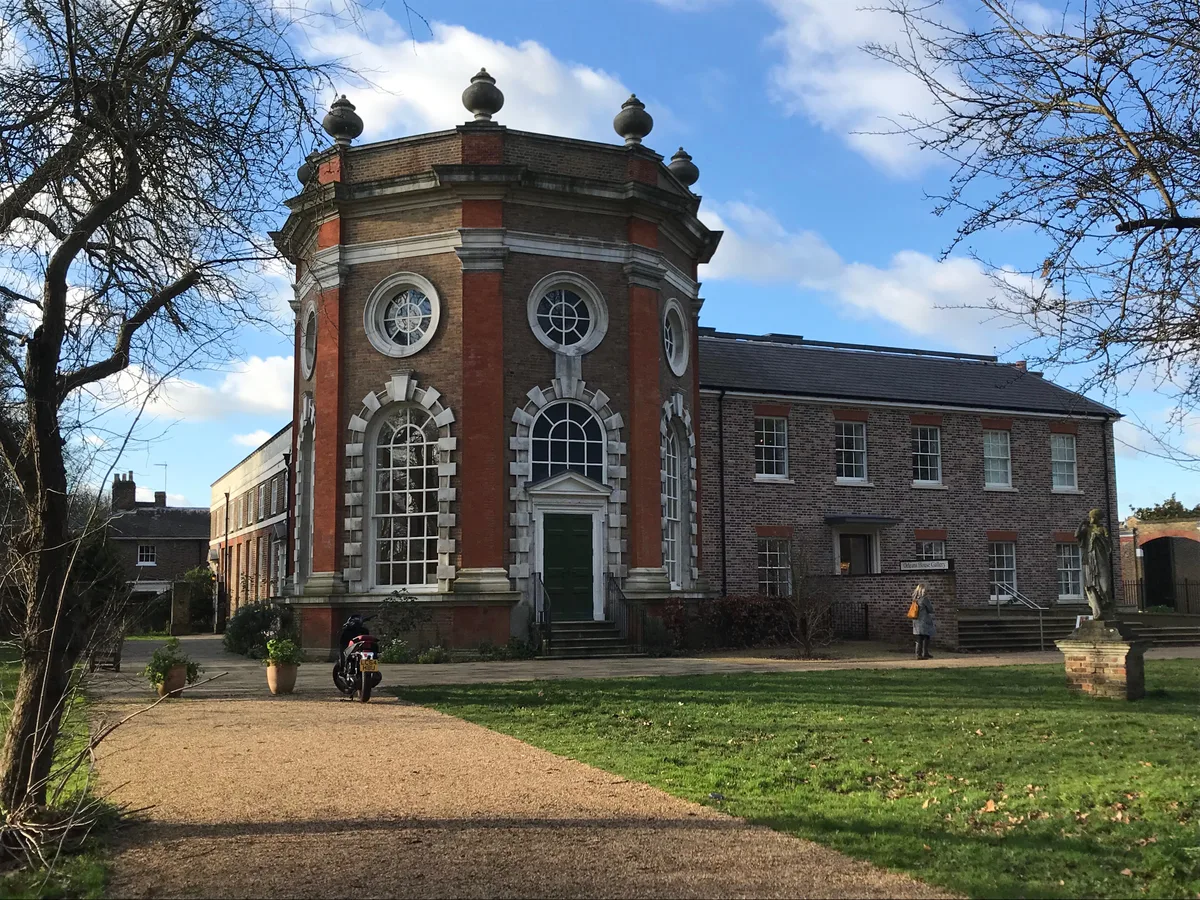
Orleans House Gallery
Orleans House Gallery — building and art gallery in Twickenham, London Borough of Richmond upon Thames, England, United Kingdom.
 📷 5
📷 5Historic churches · London
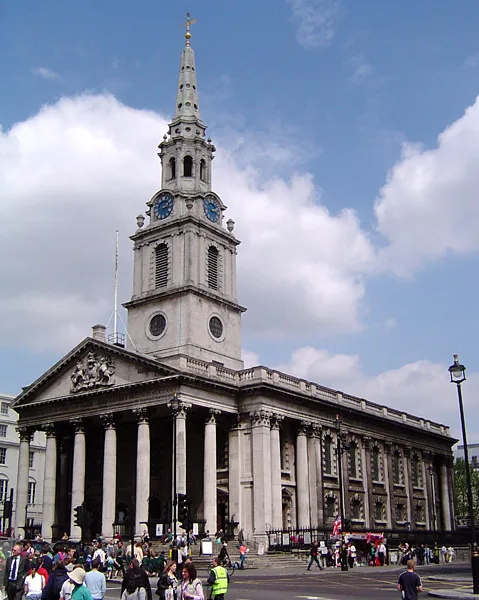
St Martin-in-the-Fields
St Martin-in-the-Fields is a historic church in the United Kingdom.
 📷 5
📷 5Historic churches · London
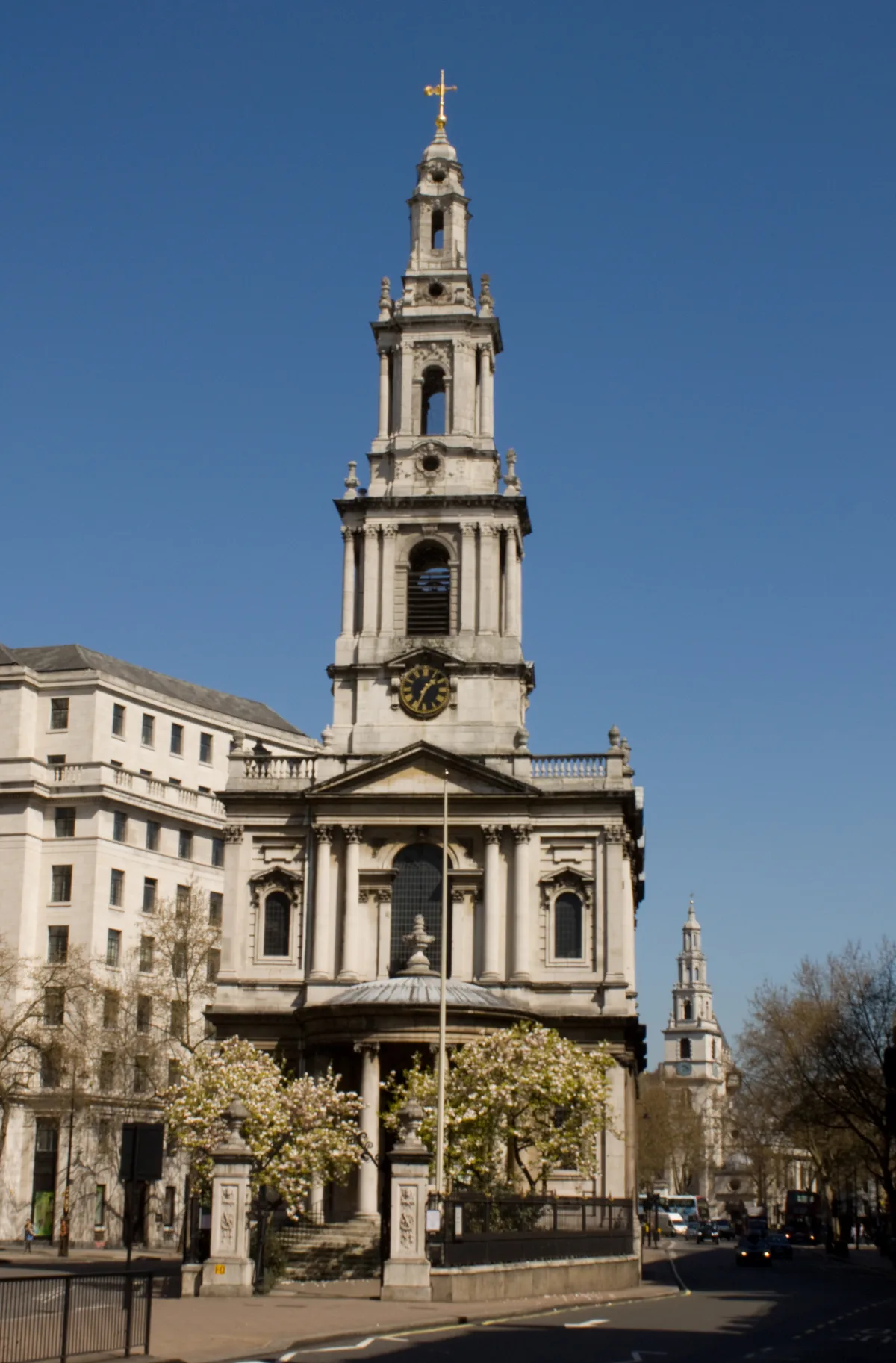
St Mary le Strand, Westminster
St Mary le Strand, Westminster — church in the City of Westminster, London, England, UK.
 📷 5
📷 5Historic churches · London
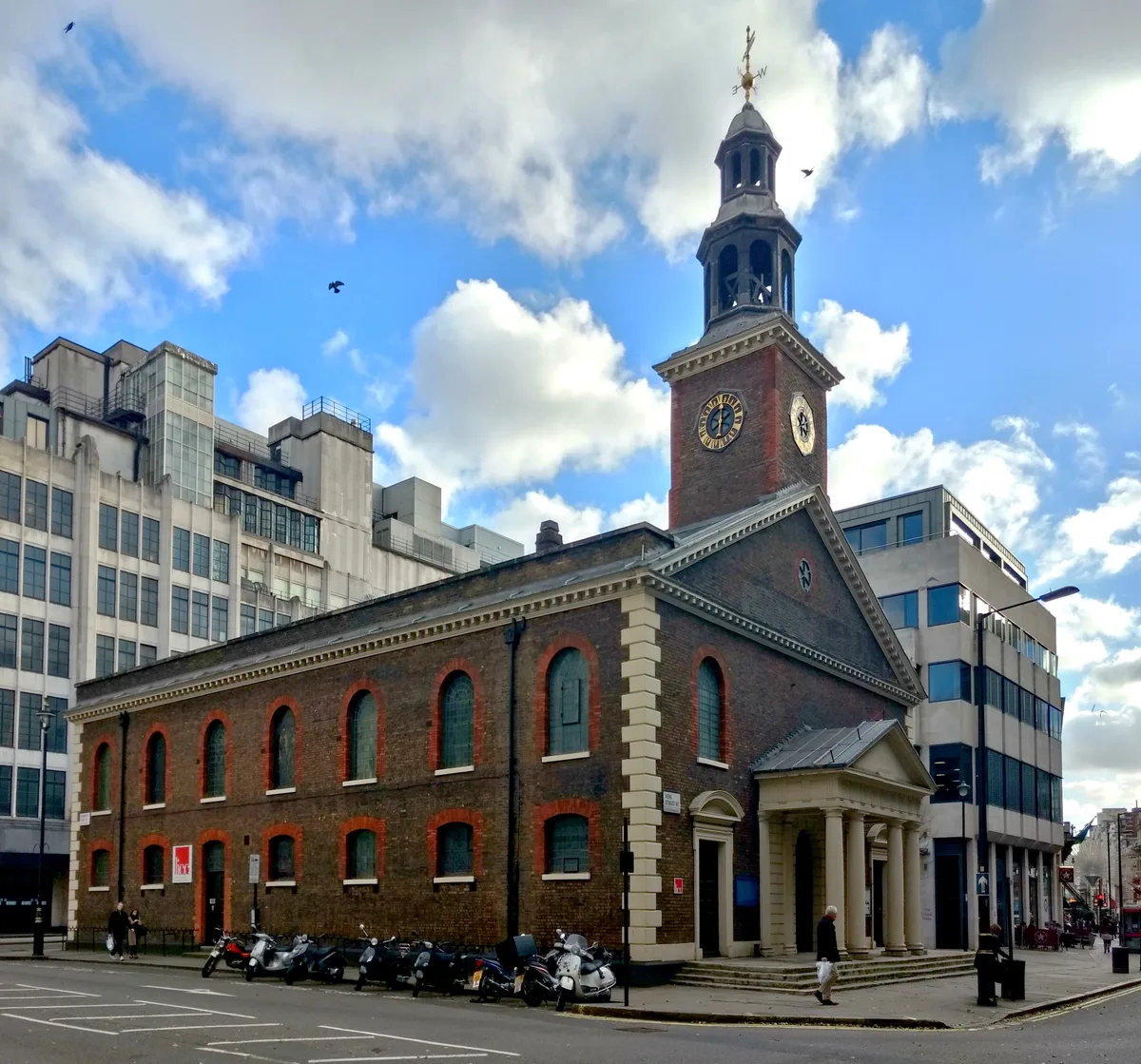
St Peter, Vere Street
St Peter, Vere Street — church building in Westminster, London, England, UK.
Other places from this era
 📷 5
📷 5Historic libraries · South West England
Bath Royal Literary and Scientific Institution
Bath Royal Literary and Scientific Institution — library and museum in Bath, United Kingdom.
 📷 3
📷 3Historic libraries · South West England
The Plymouth Athenaeum
The Plymouth Athenaeum — library and cultural institution.
 📷 3
📷 3Historic libraries · West Midlands
William Salt Library
William Salt Library — library and archive in Stafford, England.
.JPG?width=1200) 📷 3
📷 3Historic libraries · Yorkshire & the Humber
Bradford Mechanics' Institute Library
Bradford Mechanics' Institute Library is a historic library in the United Kingdom.
More places in this region
 📷 5
📷 5Historic libraries · South East England
Former Ordnance Store At Chatham Gun Wharf
Former Ordnance Store At Chatham Gun Wharf — library in Medway, Kent, England, UK.
%2C_Strood_4736.jpg?width=1200) 📷 5
📷 5Historic libraries · South East England
Strood Library & Community Hub
Strood Library & Community Hub — library in Strood, Kent, England.
 📷 5
📷 5Historic libraries · South East England
Corn Exchange, Salisbury
Corn Exchange, Salisbury — former Corn Exchange in Salisbury, Wiltshire, England, UK.
 📷 5
📷 5Historic libraries · South East England
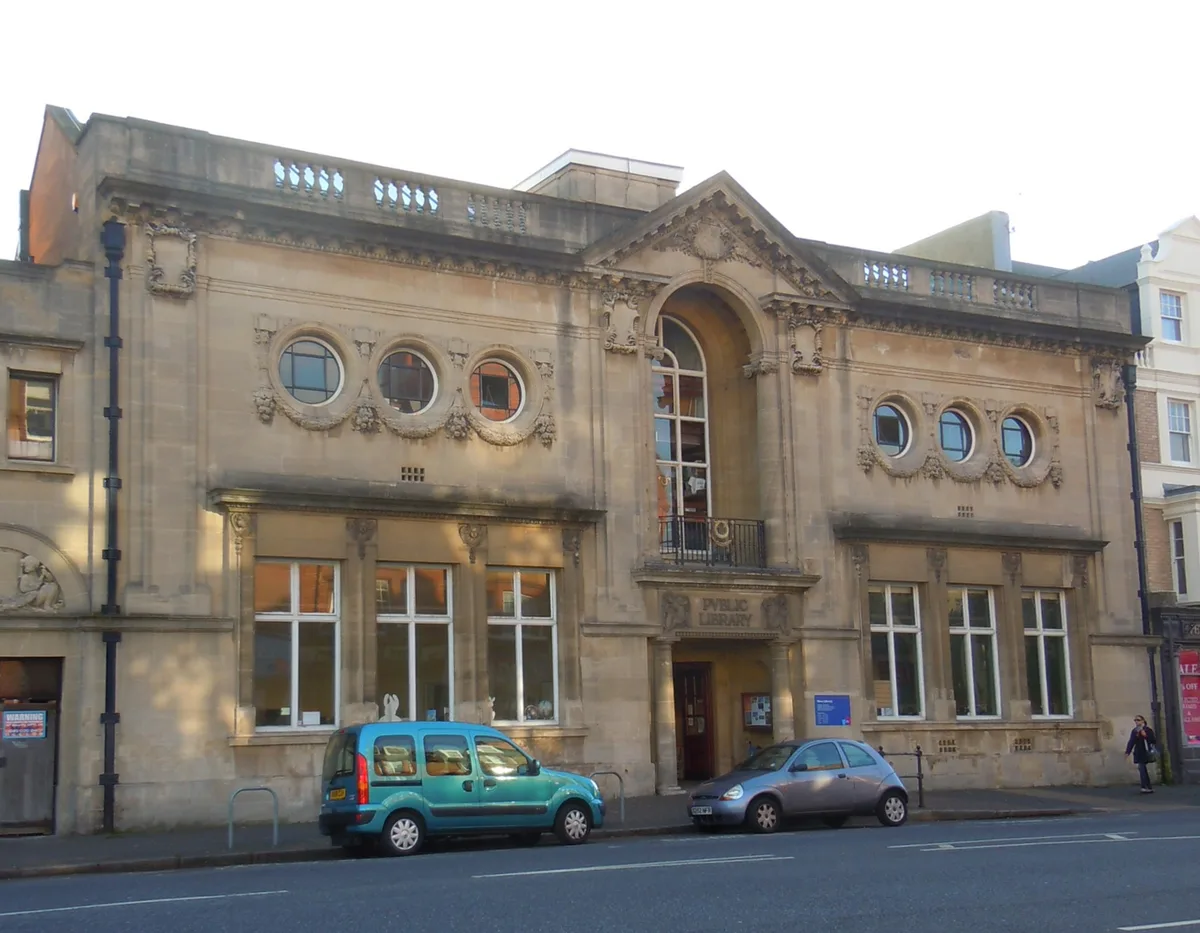
Hove Public Library
Hove Public Library — public library in Hove, West Sussex, England, UK.
Frequently asked questions
- Where is Radcliffe Camera?
- Radcliffe Camera is in Oxfordshire, South-East England, United Kingdom (postcode OX1 4AJ), in the parish of Oxford, unparished area.
- What is Radcliffe Camera?
- Radcliffe Camera — library building in Oxford, United Kingdom.
- How do I get to Radcliffe Camera?
- The nearest railway station is Oxford, about 1.1 km away. The nearest town is Oxford. Drivers can use postcode OX1 4AJ.
- When was Radcliffe Camera built?
- Built or established in 1748. Designed by James Gibbs.
- Who owns Radcliffe Camera?
- Radcliffe Camera is owned by University of Oxford.
- Is Radcliffe Camera a listed building?
- Radcliffe Camera is officially recognised as Grade I listed building listed.
- Is Radcliffe Camera free to visit?
- Yes, Radcliffe Camera is free to enter.
- How do I get to Radcliffe Camera?
- The nearest railway station is Oxford, about 1.1 km away. Drivers can navigate to postcode OX1 4AJ.